In the highly regulated and sensitive sectors of food, pharmaceuticals, and health products, packaging is far more than just a container. It is a critical component of product integrity, safety, and brand trust. The journey from raw material to a sealed, market-ready package involves numerous handling stages, each presenting unique challenges. Effective packaging material handling solutions are therefore not a luxury but a necessity, ensuring efficiency, compliance, and ultimate consumer safety. This guide delves into the complete ecosystem of material handling tailored for these demanding industries.
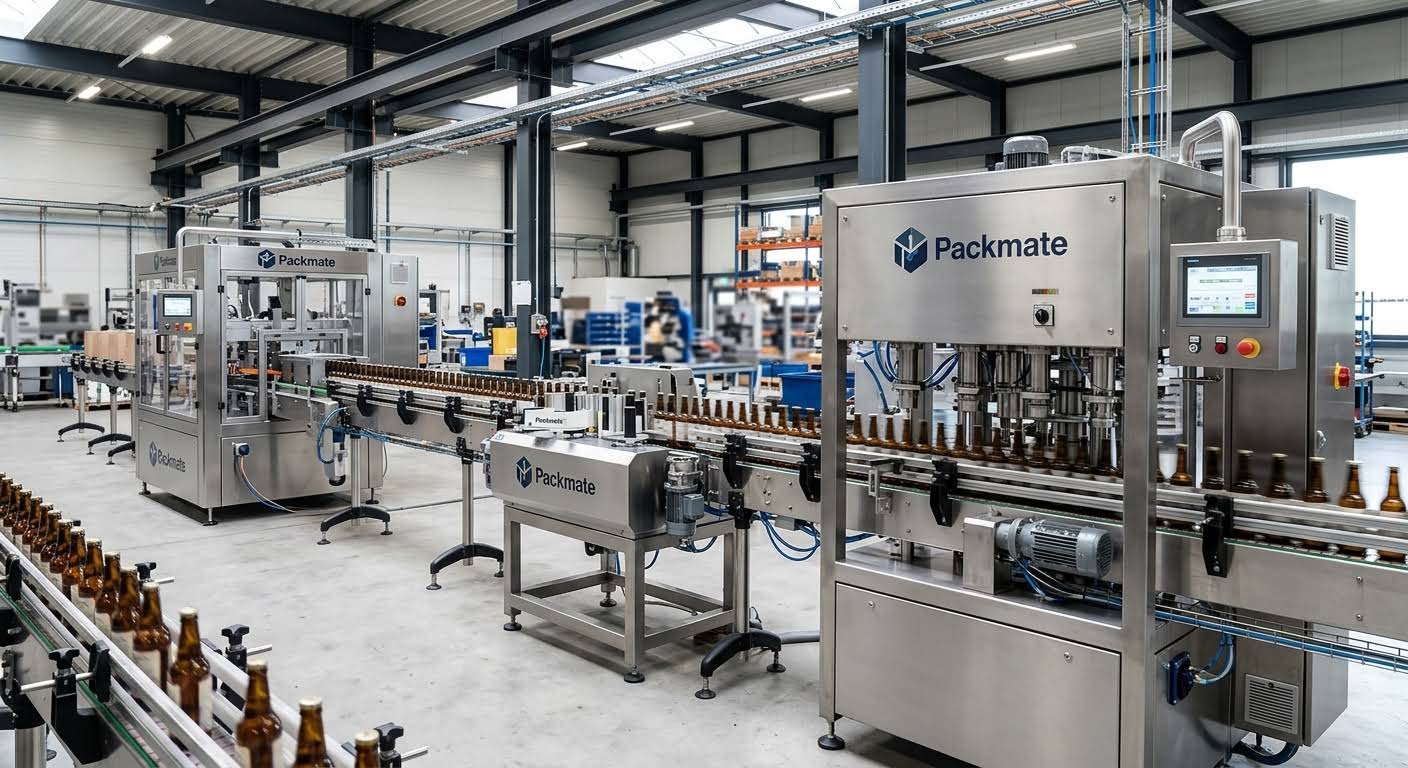
The Critical Importance of Specialized Handling
Why do food, pharma, and health products demand such specialized attention? The reasons are multifaceted and non-negotiable.
Contamination Control: Any foreign particle, microbial growth, or cross-contamination can render a product unsafe. Handling systems must be designed for easy cleaning (often Clean-in-Place or Steam-in-Place capabilities) and constructed from materials that resist corrosion and particle shedding.
Regulatory Compliance: Agencies like the FDA (Food and Drug Administration), EMA (European Medicines Agency), and other global bodies enforce strict Good Manufacturing Practices (GMP). Your material handling processes must be validated, traceable, and documented to meet these standards.
Product Integrity: Many products are hygroscopic (moisture-absorbing), fragile, or sensitive to light and oxygen. Handling must protect against environmental factors, physical damage, and degradation throughout the packaging line.
Operational Efficiency: Downtime, waste, and manual handling are costly. Automated, intelligent handling solutions minimize human error, increase throughput, and optimize the use of packaging materials like films, foils, and pre-formed containers.
Core Components of a Packaging Material Handling System
A complete solution integrates several key subsystems that work in harmony. Understanding each component is the first step toward optimizing your packaging line solution.
1. Raw Material Intake & Storage
This is the starting point. Bulk packaging materials—such as rolls of laminate film for sachets, spools of foil for blister packs, or corrugated cardboard for secondary packaging—require organized storage. Automated storage and retrieval systems (AS/RS) or simple but effective racking with controlled environments (for temperature or humidity-sensitive materials) are crucial. Proper labeling and FIFO (First-In, First-Out) systems prevent material aging and obsolescence.
2. Material Unwinding & Web Guiding
For form-fill-seal (FFS) machines using roll stock, consistent, tension-controlled unwinding is vital. Web guides ensure the film or laminate travels precisely into the forming section, preventing misalignment, wrinkles, and material waste. Modern systems feature servo-driven unwinds for impeccable tension control, which is especially important for delicate, high-barrier materials used in pharmaceutical packaging cases.
3. Conveying & Transfer Systems
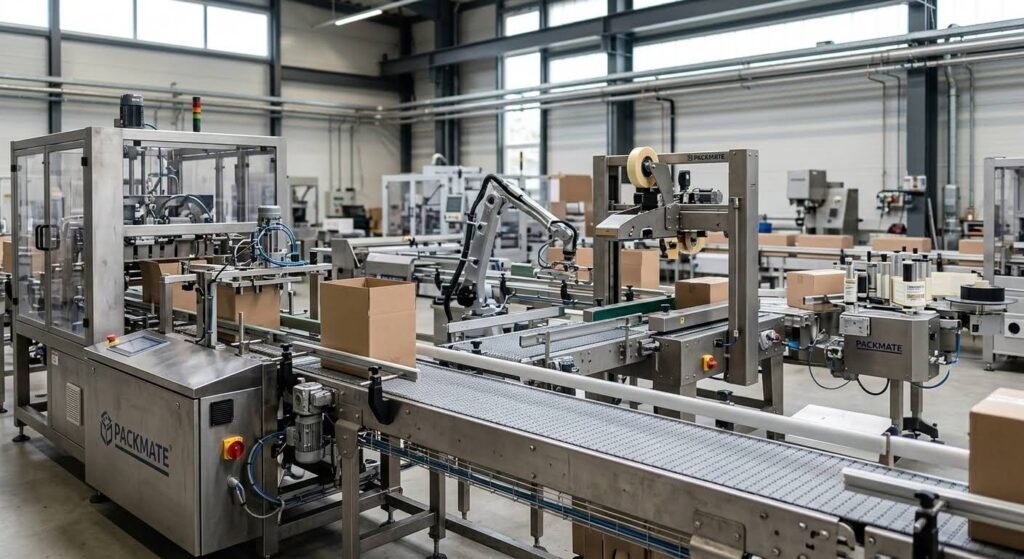
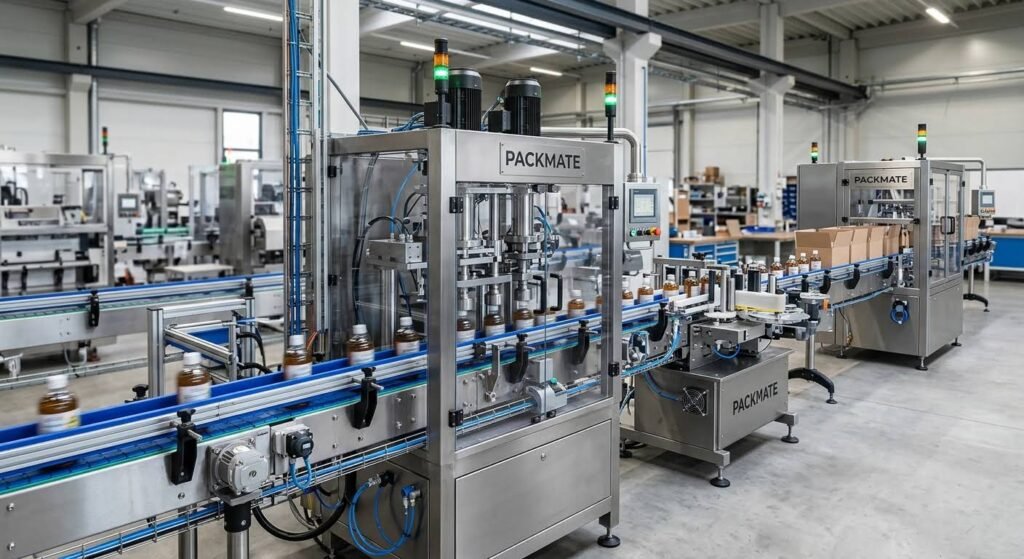
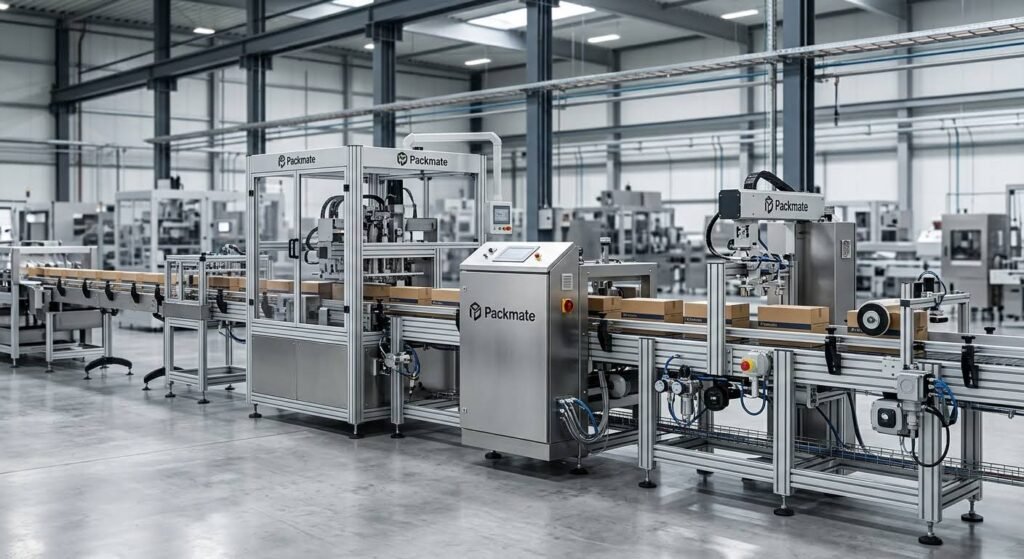
This is the “circulatory system” of the packaging line. Choices include:
- Belt Conveyors: Ideal for packaged goods, cartons, and bottles.
- Vibratory Feeders & Conveyors: Perfect for precise orientation and feeding of small items like capsules or tablets into blister pockets.
- Pneumatic Conveyors: Used for transferring powders and granules from silos to filler hoppers in a dust-free, contained manner.
- Robotic Arms: Provide flexible pick-and-place capabilities for loading empty containers, cartoning, or palletizing.
All systems should be designed with hygienic, crevice-free surfaces and easy access for maintenance.
4. Feeding & Metering Systems
Accurate product delivery into the package is paramount. Solutions range from volumetric cup fillers and auger fillers for powders to precision piston pumps for liquids and sensitive creams. Net-weight checkweighers often work in a feedback loop with fillers to ensure every single dose meets exact weight specifications, a critical requirement in pharma.
5. Inspection, Rejection & Quality Control
Handling isn’t just about movement; it’s about ensuring quality. Integrated inspection systems must identify and reject defective units. Common technologies include:
- Metal Detectors & X-ray Inspection.
- Vision Systems for label verification, fill level, cap presence, and seal integrity.
- Leak Detection for vacuum or modified atmosphere packages.
Automated reject mechanisms (pushers, air blasts, drop gates) seamlessly remove faulty packages without disrupting line flow.
Industry-Specific Handling Considerations
Food Industry
Focus: Hygiene, speed, and cost-effectiveness. Handling systems must withstand frequent washdowns with caustic cleaners. Solutions often involve high-speed horizontal flow wrapping, vertical form-fill-seal for snacks and grains, and handling for flexible and rigid containers. Preventing cross-contamination between allergen and non-allergen product lines is a top priority.
Pharmaceutical Industry
Focus: Asepsis, precision, and traceability. Handling often occurs in cleanrooms. Systems for blister packing, vial filling, and syringe assembly require extreme precision and must be fully validated. Materials like child-resistant foil and specialized polymers are common. Serialization and aggregation for track-and-trace mandates are integrated into the handling process.
Health & Nutraceuticals
Focus: A blend of food and pharma requirements. Products like protein powders, vitamins, and supplements need protection from moisture and oxygen. Handling solutions frequently include stick pack and sachet machines for unit-dose convenience, as well as bottle filling lines for capsules and tablets. Compliance with cGMP for dietary supplements is essential.
The Role of Automation & Industry 4.0
The future of material handling is intelligent and connected. Modern solutions from providers like Packmate (GuangDong) Co., Ltd. leverage:
IoT Sensors: Monitor equipment health, predict maintenance needs, and track material usage in real-time.
Centralized Control (SCADA/HMI): Provides operators with a single pane of glass to control and optimize the entire handling process.
Data Analytics: Analyzes OEE (Overall Equipment Effectiveness), identifies bottlenecks, and suggests improvements for greater yield and less waste.
This level of integration transforms a collection of machines into a cohesive, smart production asset. For a deeper look at how these principles are applied, explore our comprehensive range of solutions.
Choosing the Right Partner for Your Handling Solution
Implementing a complete system is a significant investment. Partnering with an experienced supplier is critical. Look for a partner with:
- Proven Industry Experience: A track record in your specific sector (food, pharma, or health).
- Turnkey Capability: The ability to design, manufacture, install, and validate the entire line, not just individual machines.
- Compliance Knowledge: Deep understanding of relevant GMP, FDA, and other regional regulations.
- Service & Support: A global network for spare parts, technical support, and training to ensure long-term reliability.
A partner like Packmate, with over 22+ years of development and a 20,000㎡ modern facility, embodies this holistic approach, ensuring your packaging material handling is a source of strength, not risk. Learn more about their journey and capabilities on their Company Profile page.
In conclusion, mastering packaging material handling is a strategic imperative for food, pharma, and health product manufacturers. It’s an intricate dance of precision engineering, regulatory science, and smart automation. By investing in a complete, integrated solution tailored to your specific product and regulatory needs, you safeguard your product, your consumers, and your brand’s future, while achieving new levels of operational excellence and efficiency.
Frequently Asked Questions (FAQs)
1. What is the most critical factor in pharmaceutical packaging material handling?
The absolute priority is contamination control and validation. Every component and process must be designed for cleanability and proven (validated) to consistently produce packages that meet stringent sterility and safety standards. Traceability of materials and processes is also paramount.
2. How can we reduce material waste in our high-speed food packaging line?
Key strategies include implementing servo-driven unwinds with precise tension control to prevent film breaks and misalignment, using vision systems for immediate defect detection to stop waste early, and employing advanced cutting systems that optimize material layout. Regular line efficiency audits can identify specific waste points.
3. Are automated handling solutions cost-effective for mid-sized health product companies?
Yes, absolutely. Automation is scalable. You don’t need a fully robotic line. Starting with automated core functions like precision filling, weighing, and sealing can significantly reduce labor costs, improve consistency, lower reject rates, and provide a rapid ROI. Many suppliers offer modular solutions that can grow with your business.
4. What certifications should we look for in a packaging equipment supplier for regulated industries?
Look for suppliers whose manufacturing processes are certified to international quality standards like ISO 9001. For pharmaceutical and certain food contact equipment, relevant certifications may include compliance with FDA 21 CFR Part 11 (electronic records), EHEDG (hygienic design), or specific machinery safety standards (CE, UL). The supplier should understand the validation documentation (IQ/OQ/PQ) you will require.
5. How important is after-sales service for packaging line handling systems?
It is crucial. Packaging lines are complex and downtime is extremely costly. A reliable supplier should offer comprehensive after-sales service, including readily available spare parts, remote diagnostics, on-site technician support, and operator training programs. This ensures your line maintains peak performance and longevity over its entire lifecycle.