The landscape of packaging line automation is undergoing a rapid transformation, driven by the unique and stringent demands of the food, pharmaceutical, and health product industries. For manufacturers in these sectors, staying abreast of the latest news and trends is not merely about efficiency—it’s a critical component of ensuring product safety, regulatory compliance, and market competitiveness. From intelligent robotics to data-driven quality control, the future of packaging is here, and it is fundamentally reshaping production floors.
The Imperative for Automation in Regulated Industries
Manufacturers of food, pharmaceuticals, and health products operate under a microscope of regulatory scrutiny and consumer expectation. The primary drivers for automation extend far beyond labor cost savings. They encompass absolute consistency, traceability, and contamination control. Automated lines minimize human intervention in critical zones, drastically reducing the risk of particulates, microbial contamination, or cross-contamination. Furthermore, systems equipped with advanced sensors and Industrial Internet of Things (IIoT) capabilities create an immutable digital record of every batch, a non-negotiable requirement for compliance with standards like FDA 21 CFR Part 11, GMP, and HACCP.
Trend 1: The Rise of Flexible and Changeover-Smart Systems
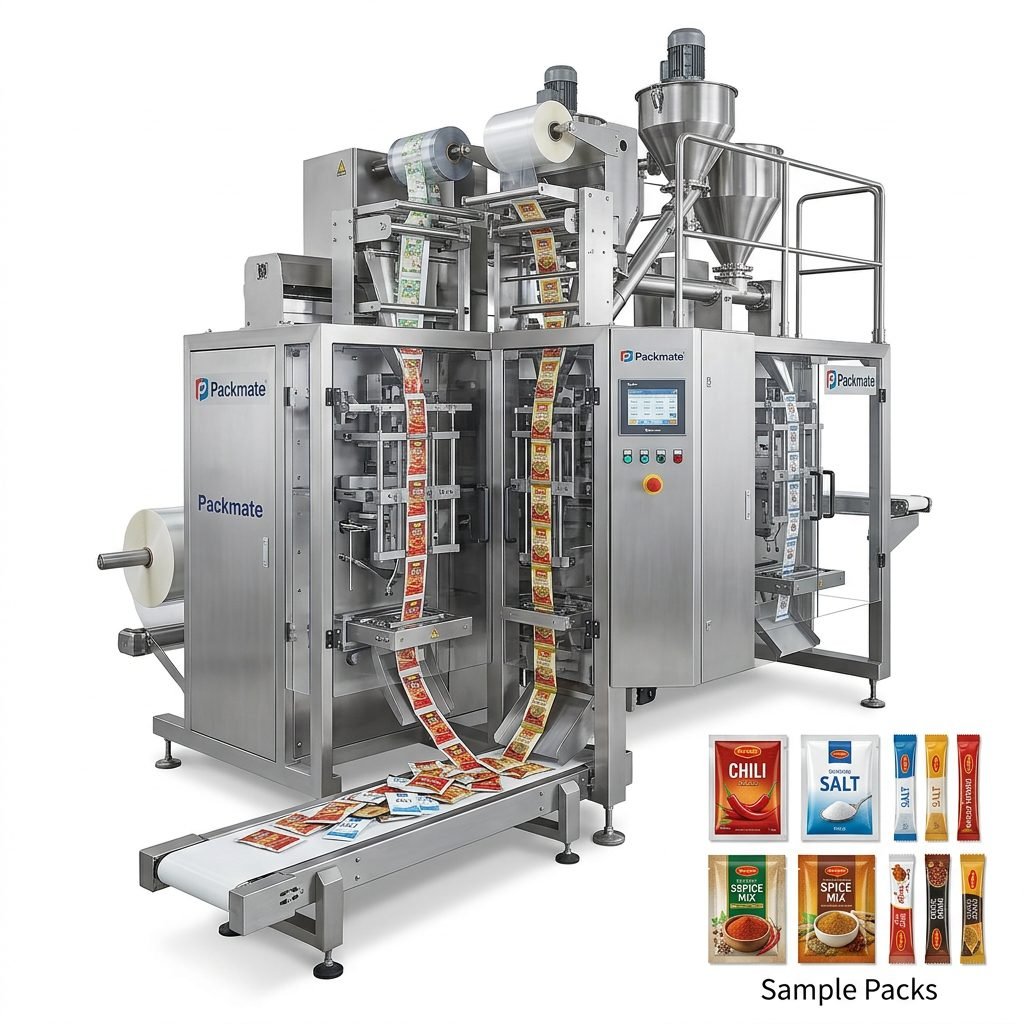
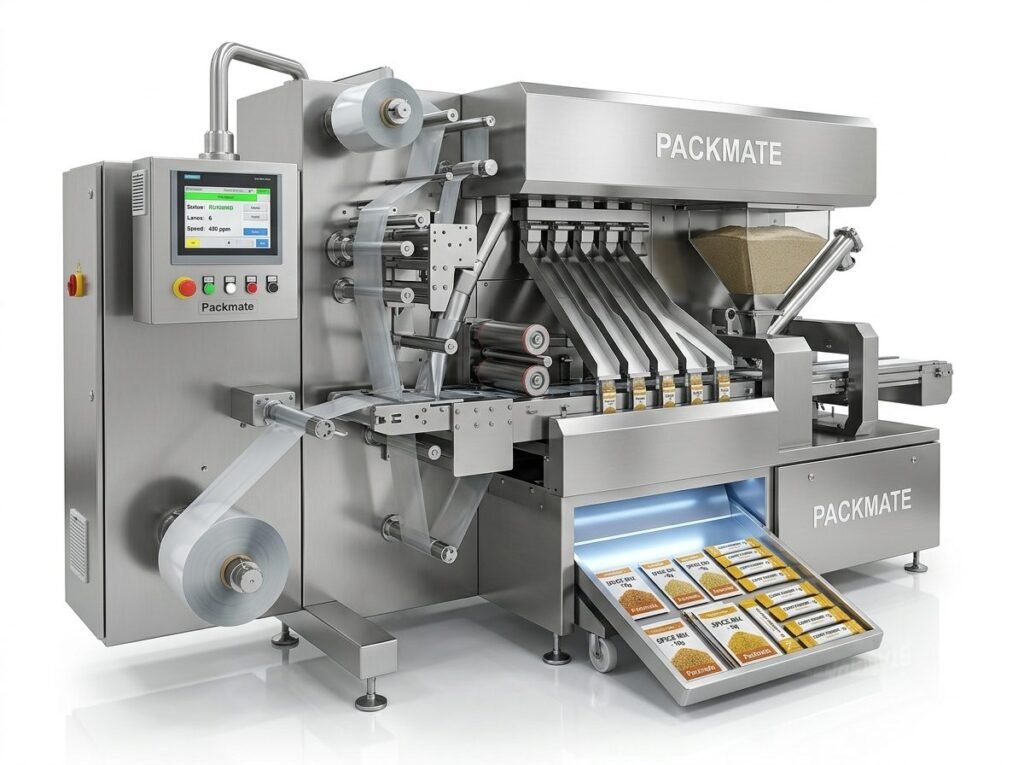
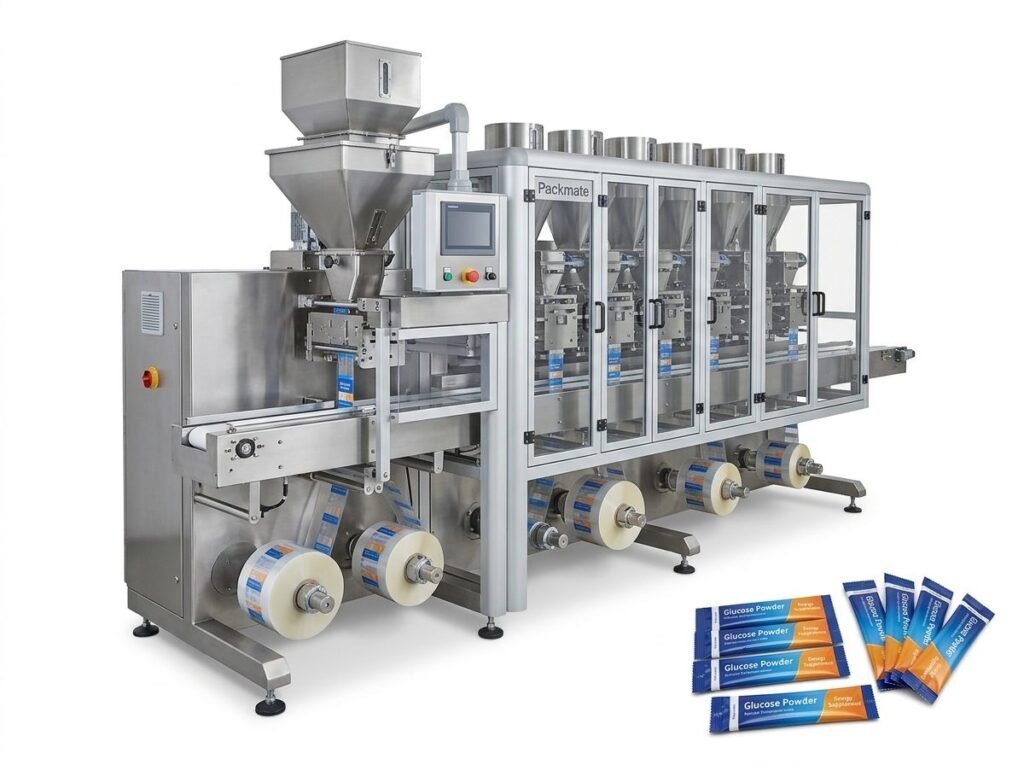
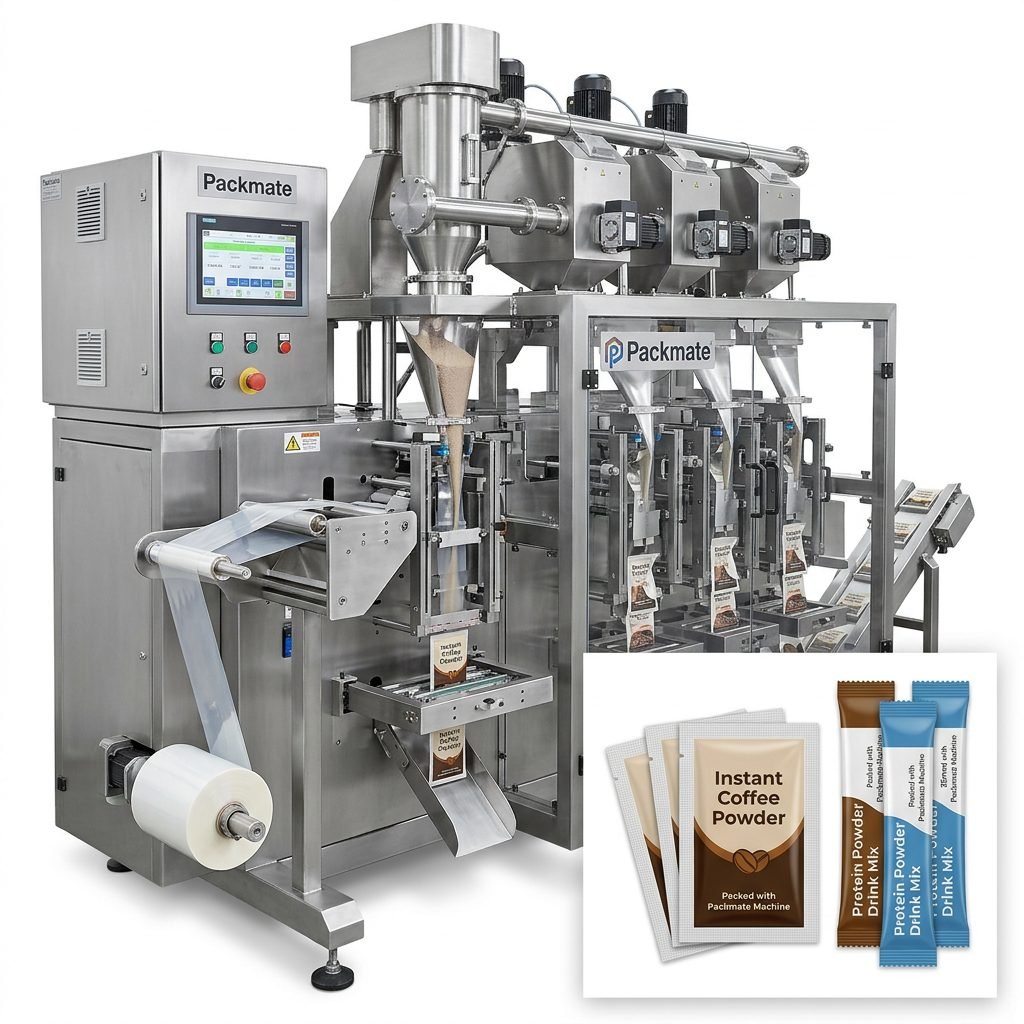
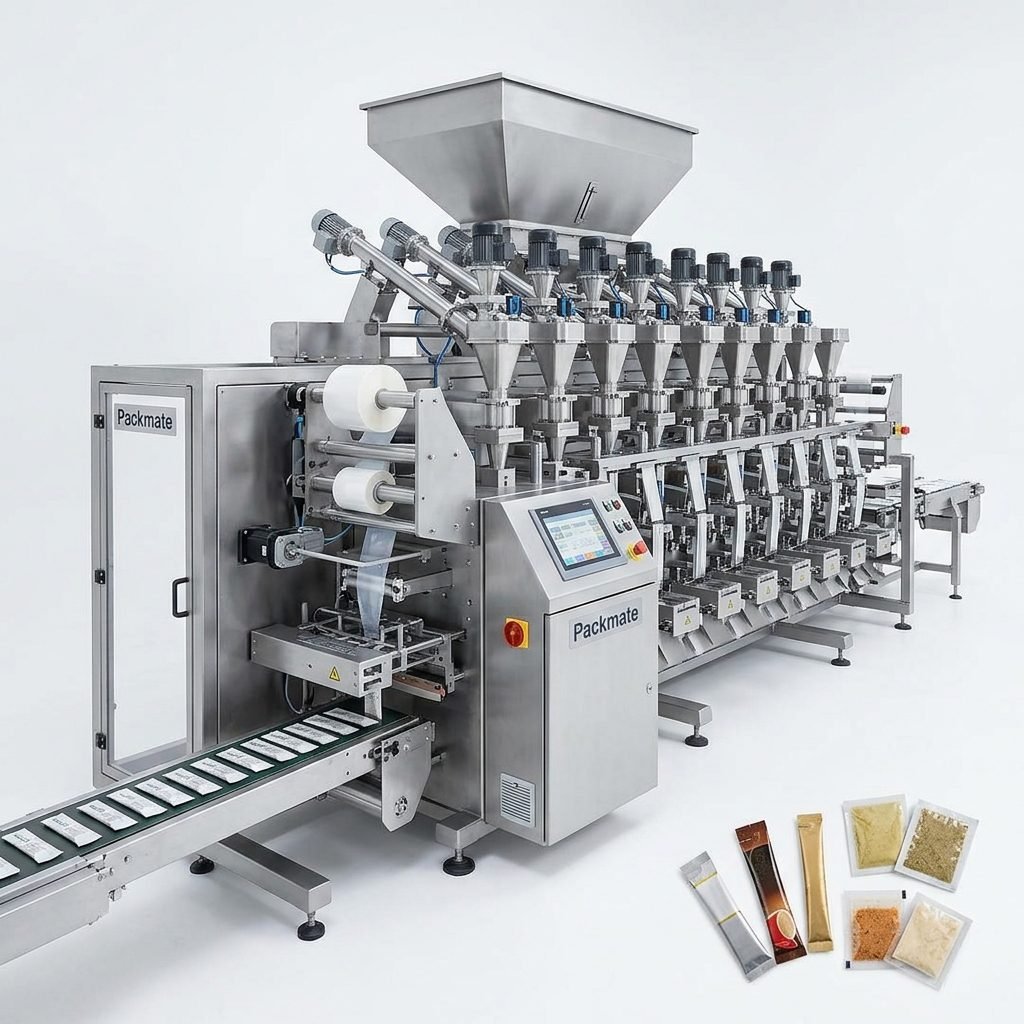
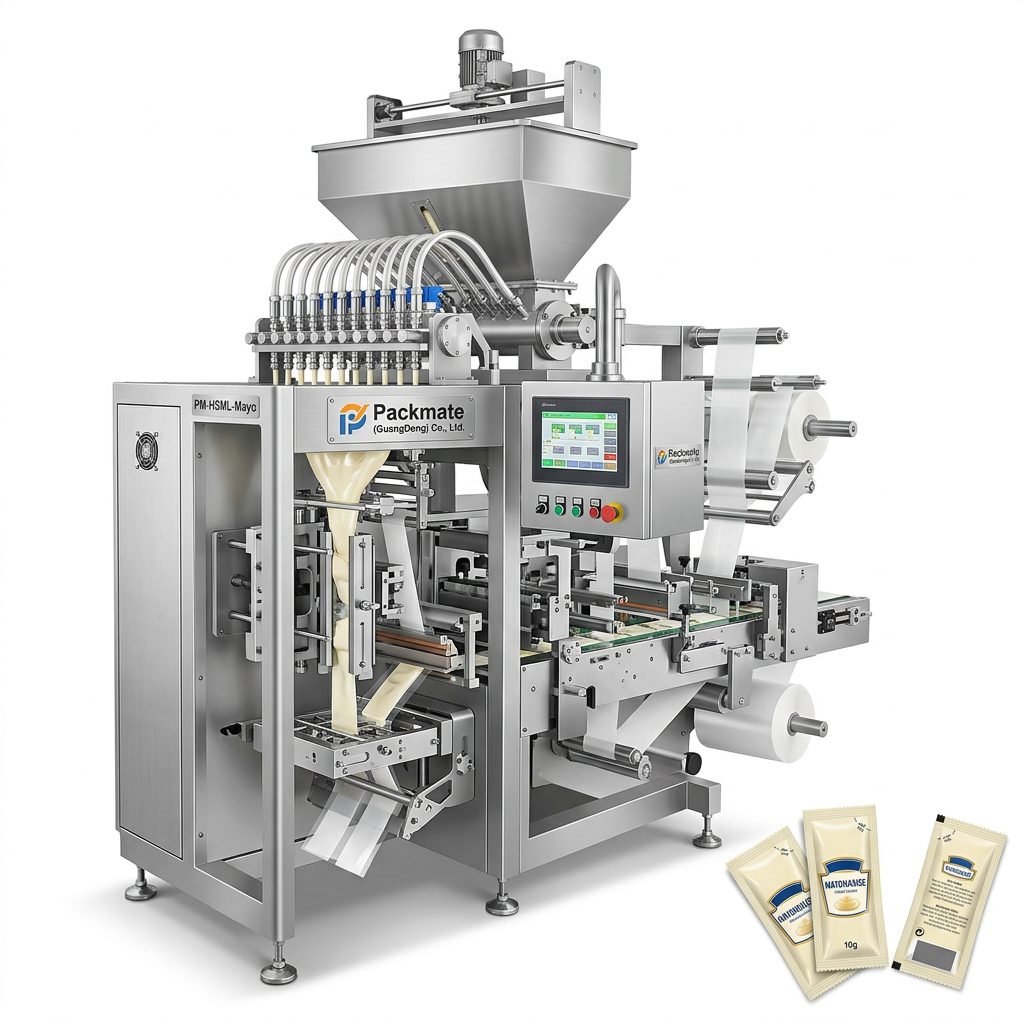
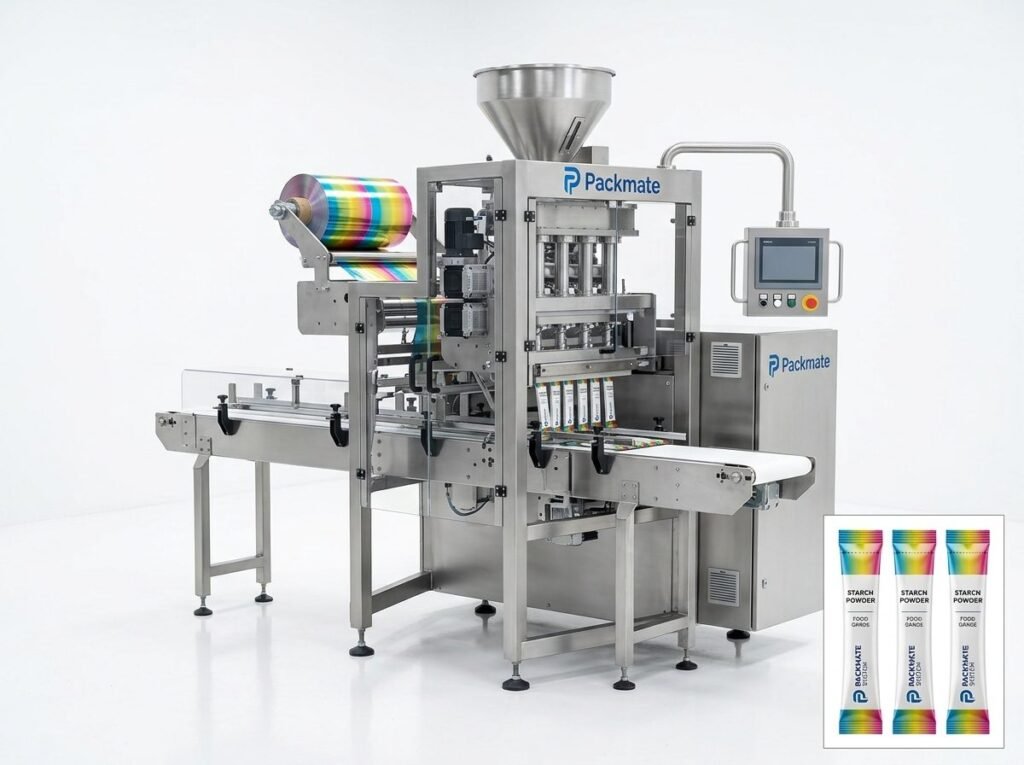
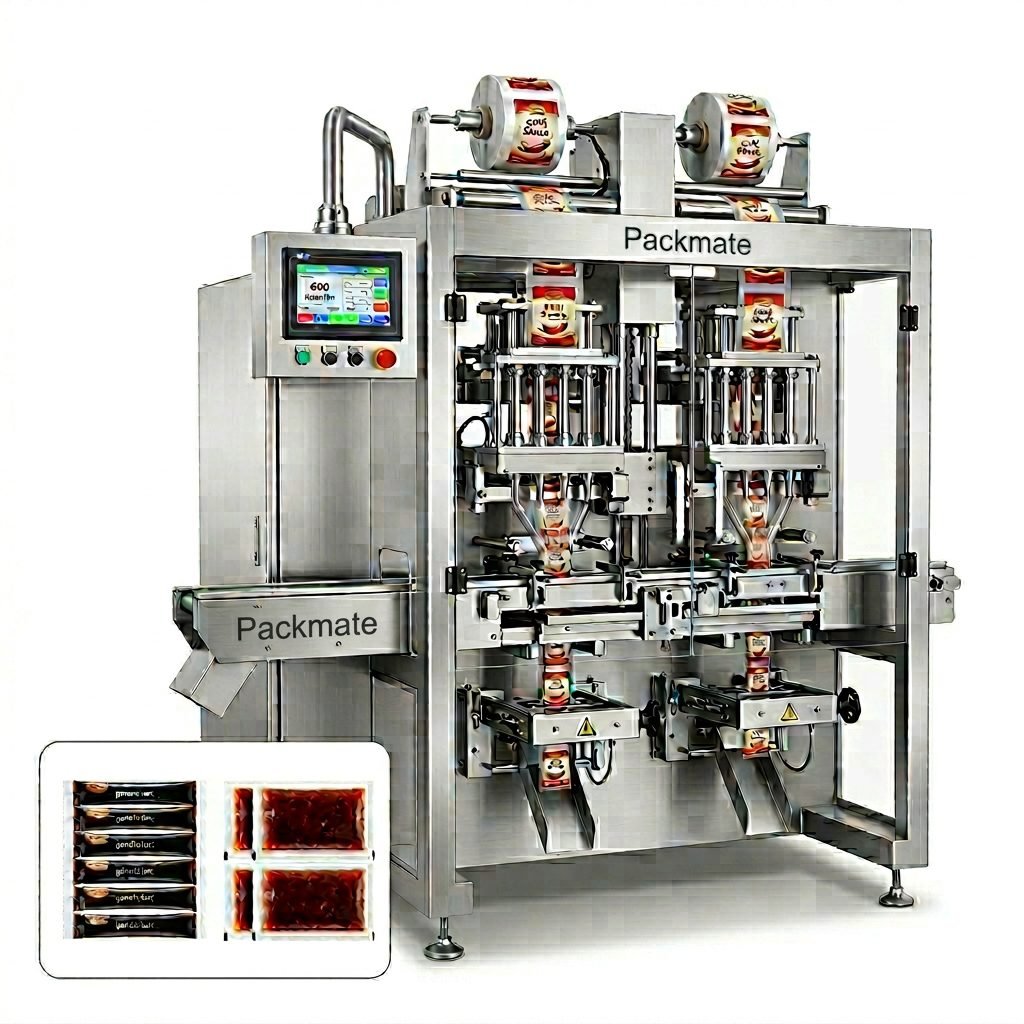
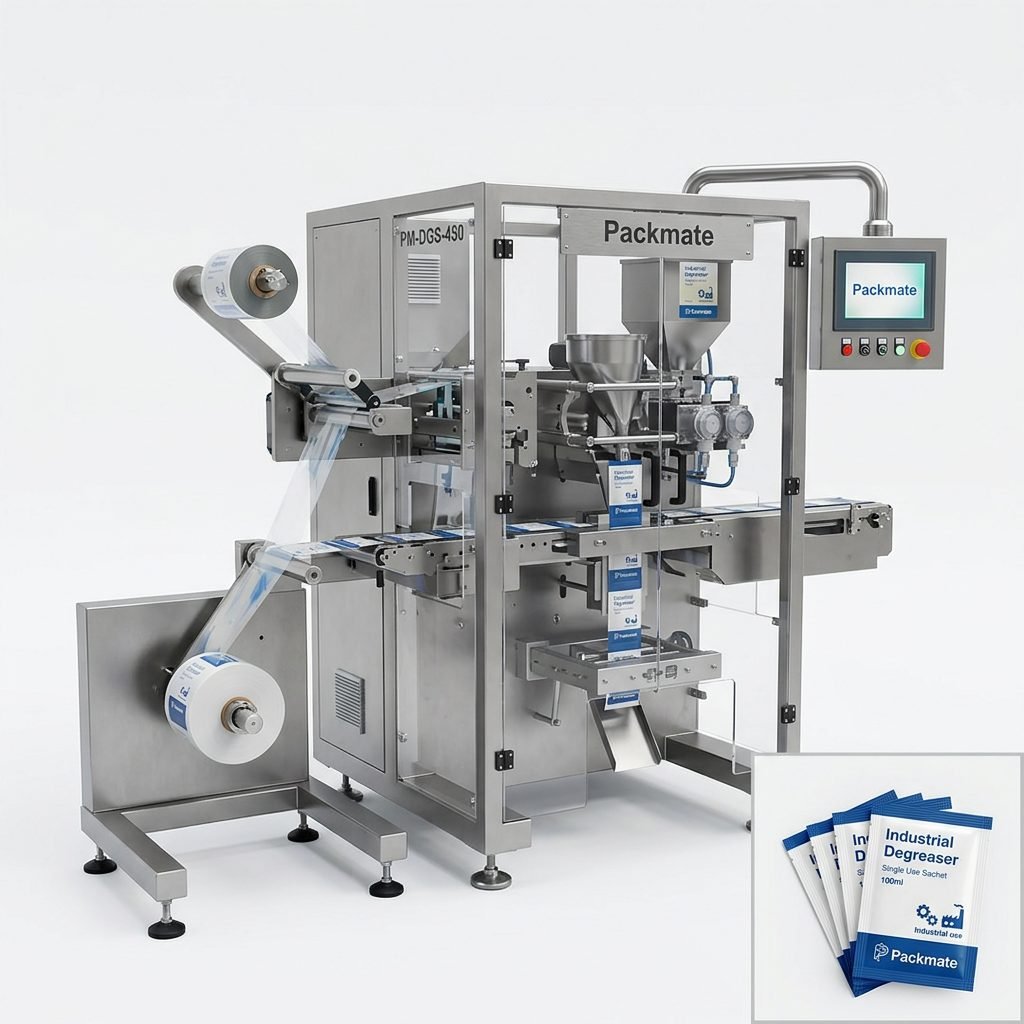
A dominant trend is the shift from dedicated, rigid lines to highly flexible automation. Market demands for smaller batch sizes, personalized packaging, and rapid product launches necessitate equipment that can change over in minutes, not hours. Modern robotic palletizers, vision-guided pick-and-place systems, and servo-driven form-fill-seal (FFS) machines are at the forefront. These systems store countless recipes, allowing operators to switch between different pouch sizes, carton styles, or product types with a few clicks on an HMI. This flexibility is a key differentiator for contract manufacturers and brands looking to offer a wider product portfolio without capital investment in multiple lines.
Trend 2: AI-Powered Vision Inspection and Quality Assurance
Quality control is being revolutionized by artificial intelligence. Beyond simple presence/absence checks, AI-driven vision systems can now perform complex inspections at high line speeds. This includes verifying correct label placement and legibility, checking fill levels to within microliter accuracy, identifying microscopic seal defects, and detecting foreign objects. These systems learn and improve over time, reducing false rejects and ensuring that only perfect products leave the facility. For health product manufacturers, this guarantees that supplement counts are accurate, and for pharmaceutical companies, it verifies that every blister pack is flawless.
Integration with MES and ERP: The Data Backbone
True automation intelligence is unlocked when packaging machinery communicates seamlessly with higher-level business systems. Integration with Manufacturing Execution Systems (MES) and Enterprise Resource Planning (ERP) software creates a closed-loop data environment. Real-time production data—such as OEE (Overall Equipment Effectiveness), downtime reasons, material usage, and quality metrics—flows directly into dashboards. This enables predictive maintenance, where the system alerts technicians to potential bearing failures or servo issues before they cause a stoppage, and precise inventory management, automatically triggering reorders when packaging material levels are low.
Trend 3: Sustainable Packaging and Machine Adaptation
Sustainability is no longer a niche concern but a core business strategy. Automation trends are closely following this shift. Packaging lines are being adapted or newly built to handle mono-material films, compostable pouches, and paper-based alternatives to traditional multi-layer laminates. These new materials often have different thermal and tensile properties, requiring advanced, precisely controlled sealing jaws and tension management systems. Automation ensures these more challenging materials are run consistently and with minimal waste, supporting corporate sustainability goals while maintaining operational efficiency.
Collaborative Robots (Cobots) Enhancing Ergonomics and Safety
Collaborative robots are finding their place alongside human workers in packaging halls. In post-primary packaging stages, cobots are deployed for tasks like loading cartons, placing products into secondary packaging, or performing final assembly. They take over repetitive, ergonomically poor tasks such as heavy lifting or constant bending, reducing workplace injuries. Their inherent safety features and ease of programming allow them to be quickly redeployed for different tasks, adding another layer of flexibility to the packaging operation.
The Future is Turnkey and Intelligent
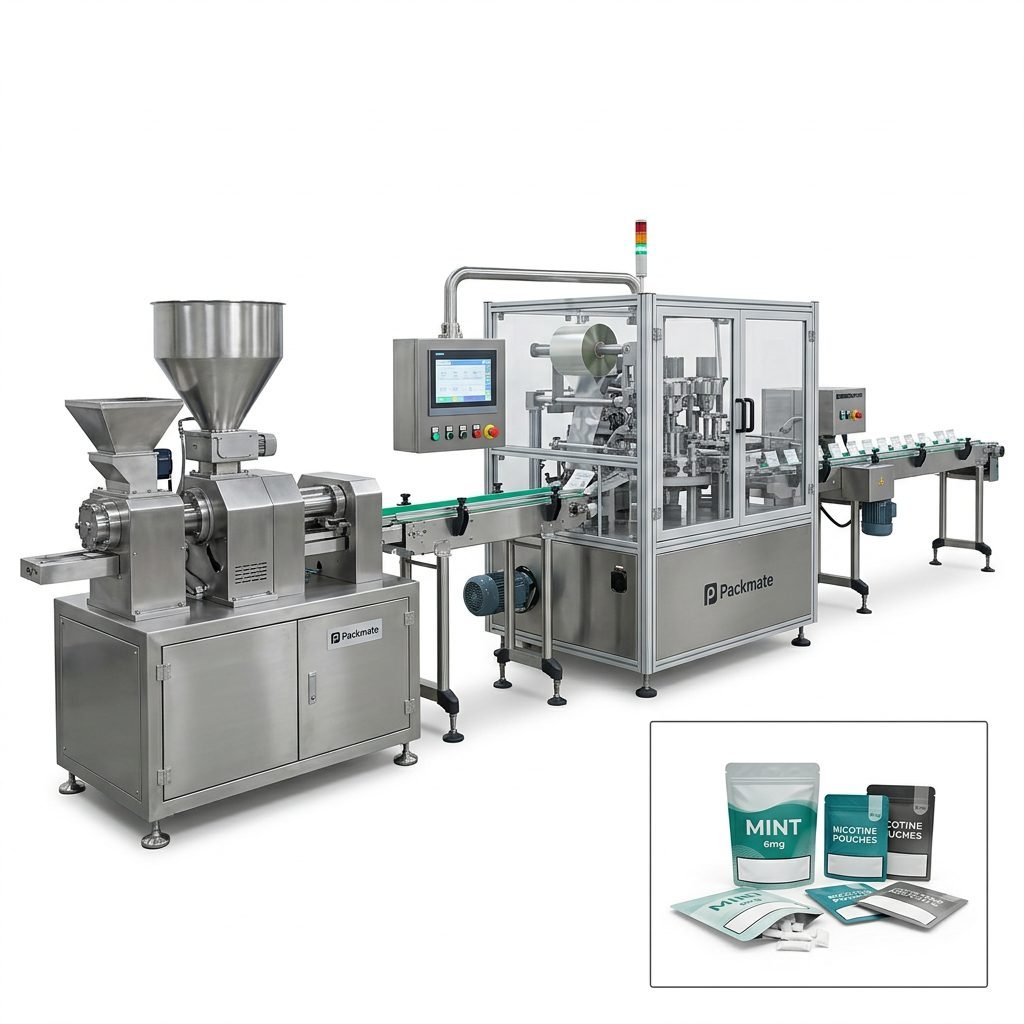
The convergence of these trends points toward a future where packaging lines are not just automated, but intelligently integrated ecosystems. The value is shifting from selling discrete machines to providing complete, turnkey solutions that include design, installation, commissioning, and lifecycle support. Partners like Packmate (GuangDong) Co., Ltd., with decades of experience, are crucial in navigating this complex landscape. They bring the engineering expertise to tie together robotics, vision, and data systems into a cohesive, high-reliability line tailored for sensitive products.
For manufacturers, the journey involves a strategic assessment of current pain points—whether in changeover times, quality rejects, or traceability gaps—and partnering with experts who can map technology to those specific needs. Viewing automation as a long-term strategic investment in quality, resilience, and brand integrity, rather than just a capital expense, is the mindset that will define industry leaders. The latest case studies from the field consistently show that the ROI extends into safer products, happier customers, and a more agile, future-proof operation.
Frequently Asked Questions (FAQs)
1. How does automation improve compliance for pharmaceutical packaging?
Automation enforces standardized procedures, eliminates manual record-keeping errors, and provides electronic batch records with full traceability. Integrated vision systems and sensors ensure 100% inspection for critical quality attributes, directly supporting cGMP compliance and data integrity requirements.
2. Can existing packaging lines be upgraded with new automation trends?
Yes, in many cases. Retrofitting is a common and cost-effective strategy. This can include adding robotic arms for loading/unloading, installing advanced vision inspection stations, integrating new IIoT sensors for data collection, or upgrading controls for faster changeovers. A professional assessment from a solution provider like Packmate can determine the optimal upgrade path.
3. What is the biggest challenge when switching to sustainable packaging materials on an automated line?
The primary challenge is material handling and sealing consistency. Bio-based or mono-material films often have different slip, thermal, and barrier properties. Automation must be precisely tuned—with adjustments to sealing temperature, pressure, dwell time, and web tension—to run these materials reliably at high speeds without increasing waste.
4. How do AI and machine learning actually work in a vision inspection system?
The system is first trained on thousands of images of both “good” and “bad” products. The AI algorithm learns to identify the subtle patterns and features that constitute a defect (like a weak seal or misprint). Over time, as it processes more images, its accuracy and ability to distinguish between critical defects and harmless anomalies improve, leading to smarter decision-making.
5. Is full “lights-out” packaging automation a realistic goal for food and pharma?
While complete lights-out operation is rare due to the need for raw material loading, maintenance, and quality oversight, highly automated “low-touch” or “dark” facilities are achievable. The goal is to maximize unmanned runtime. This requires extremely high machine reliability (High OEE), automated guided vehicles (AGVs) for material transport, and robust remote monitoring systems that allow technicians to address most issues from a control room.
For more detailed answers, visit our dedicated FAQs page.