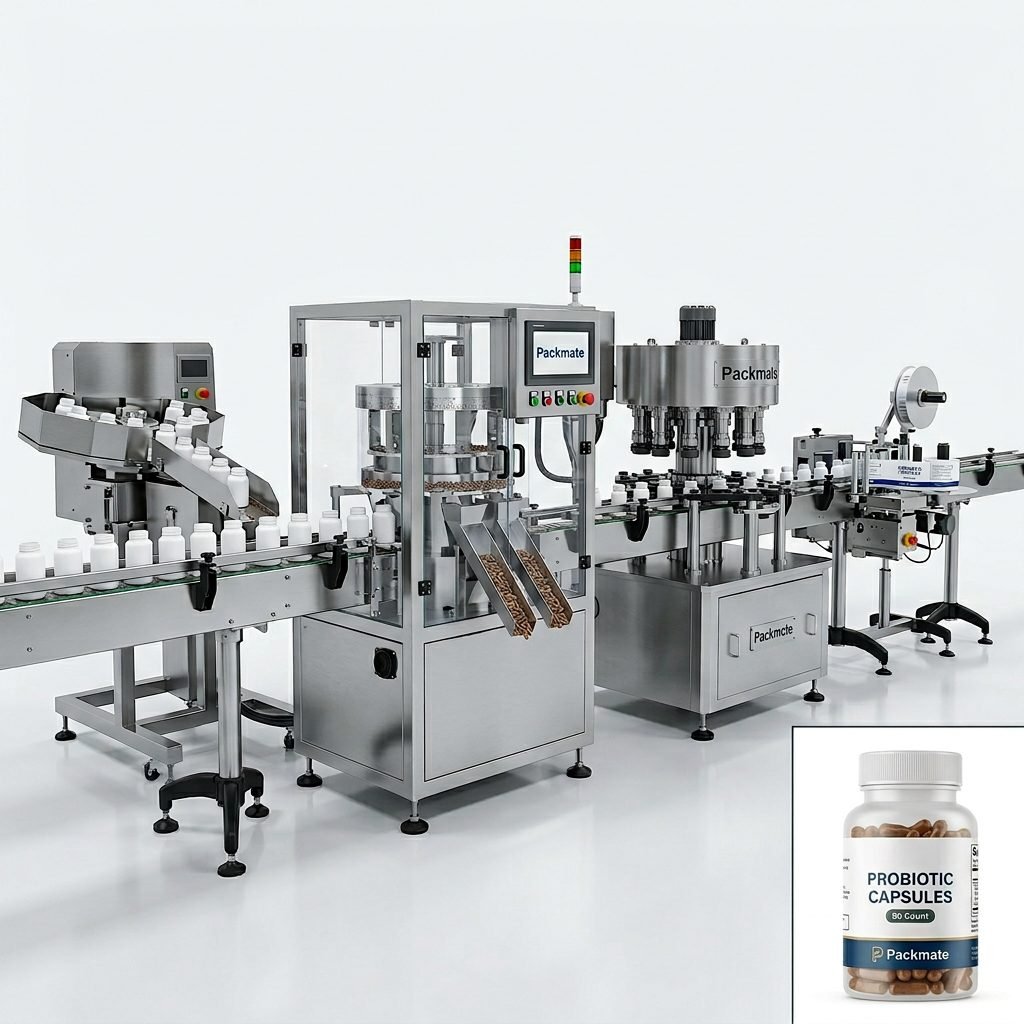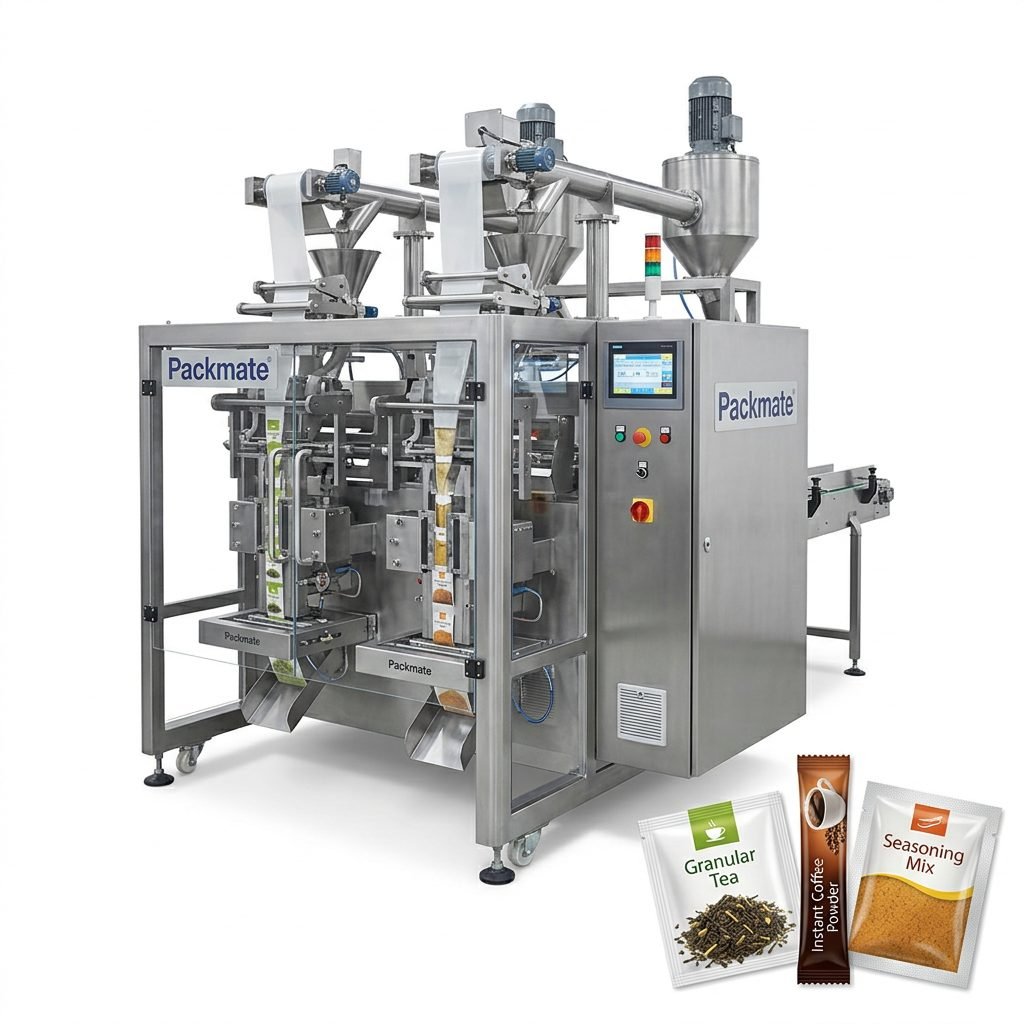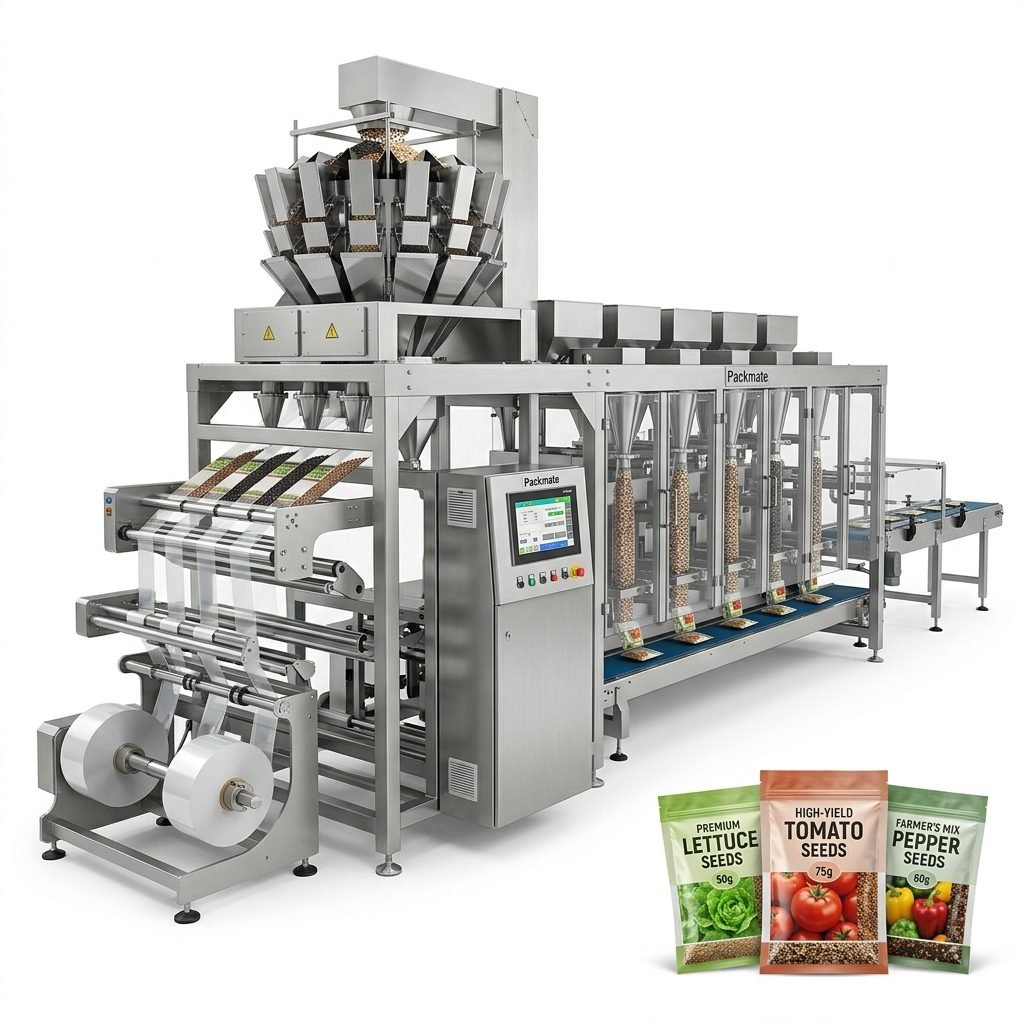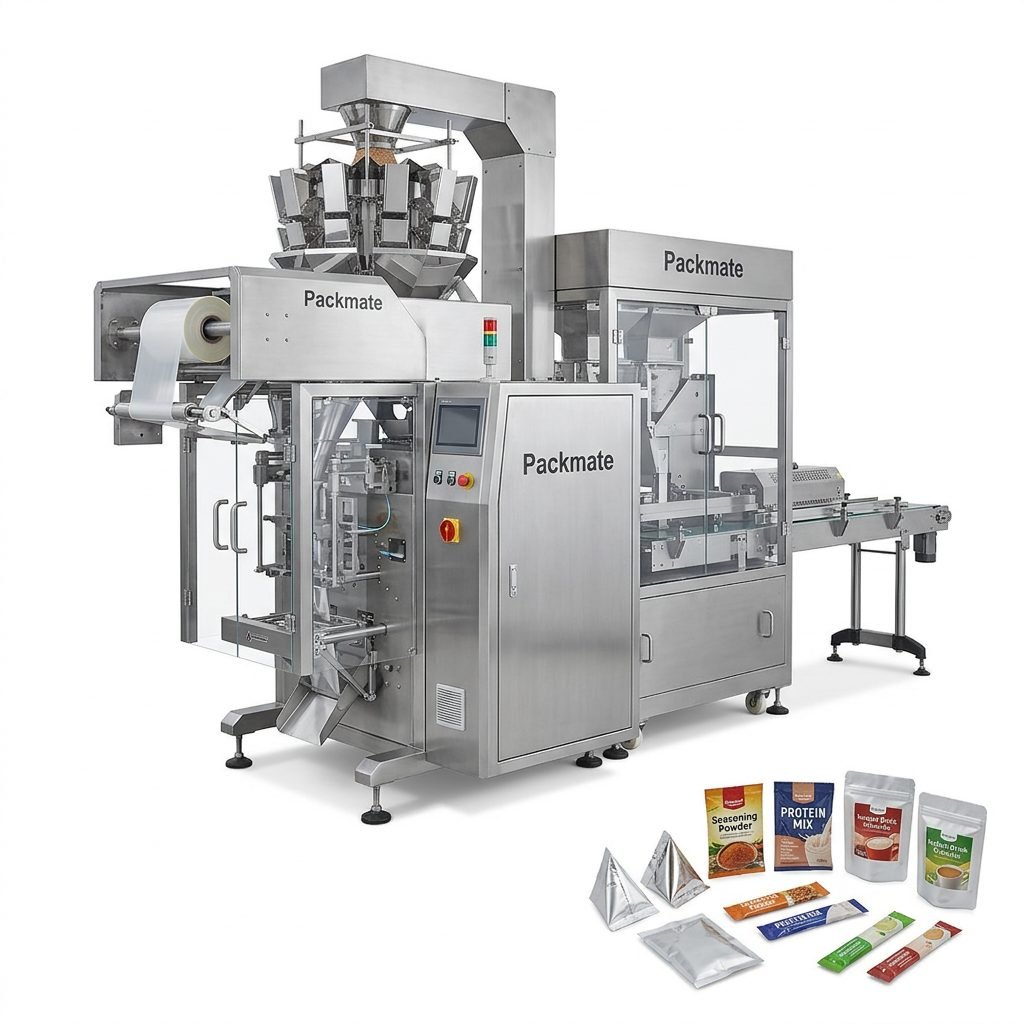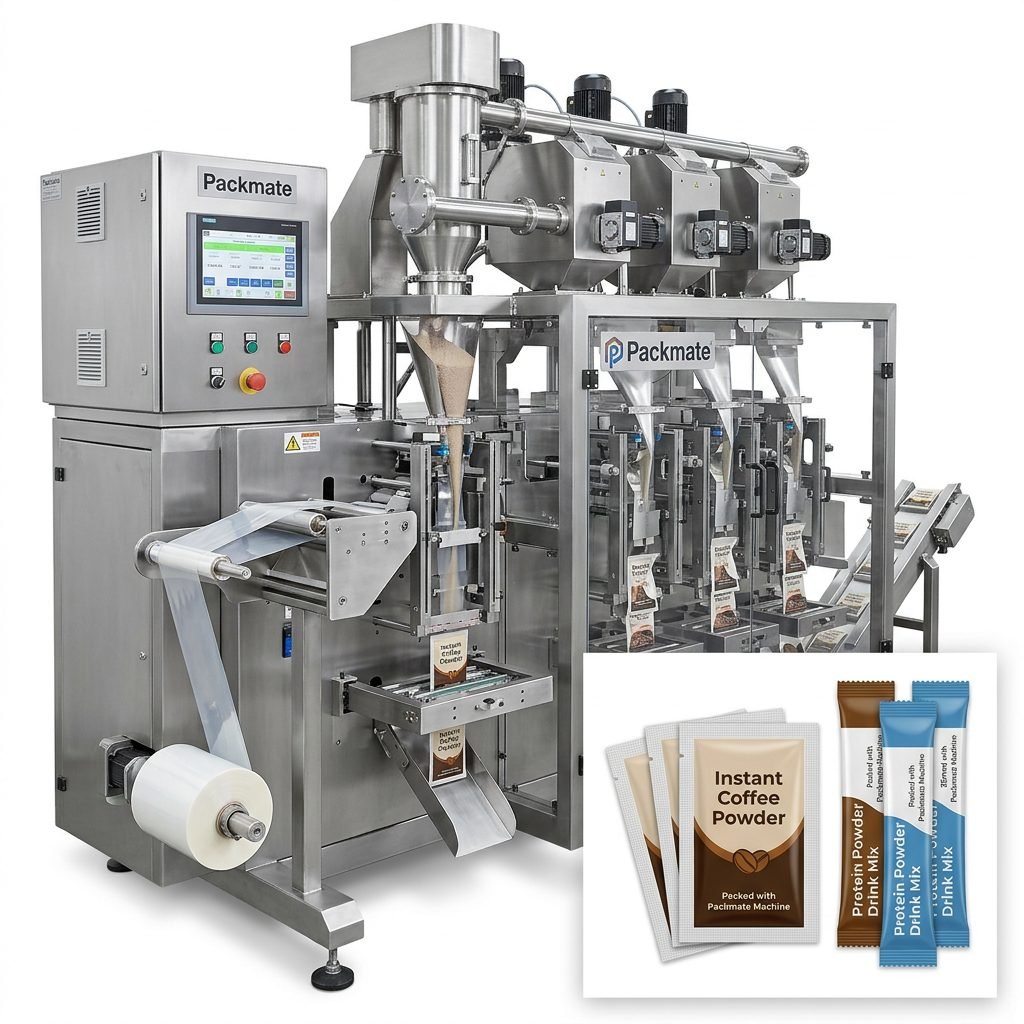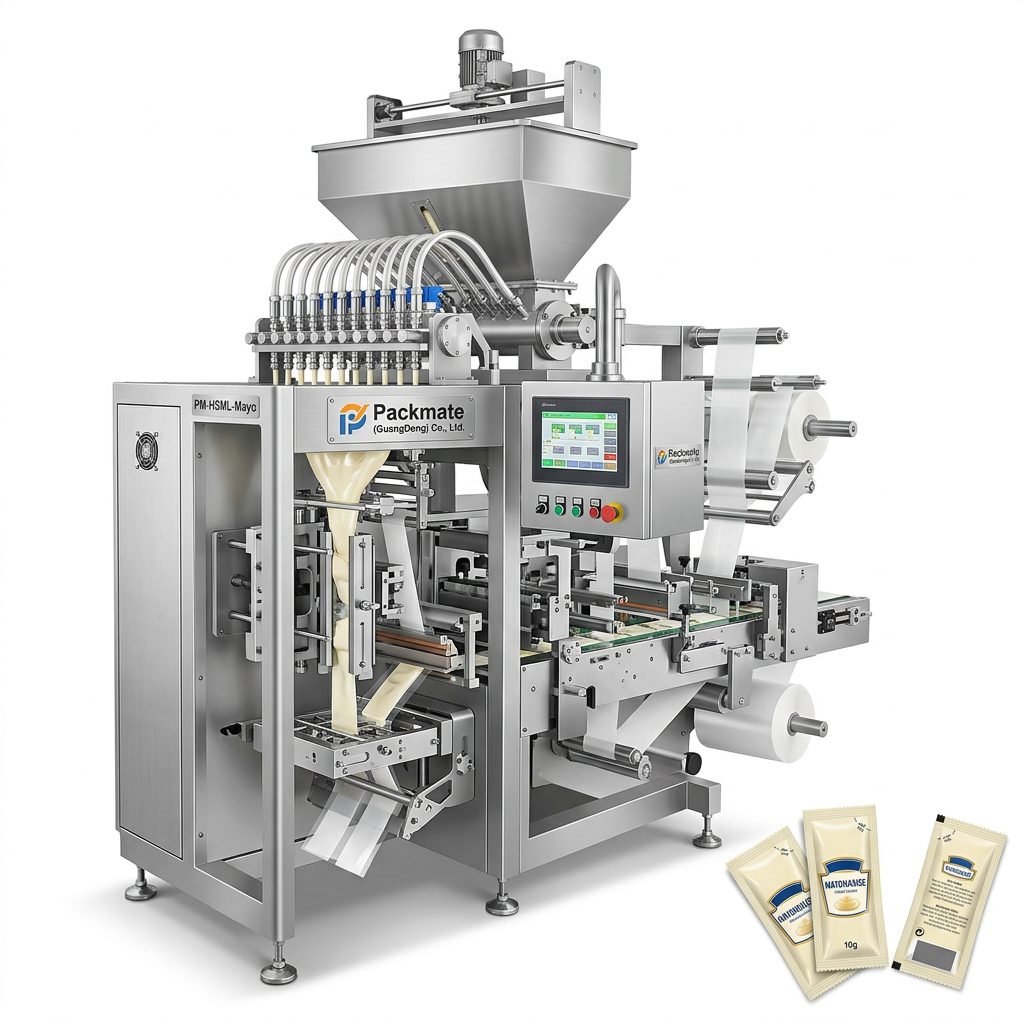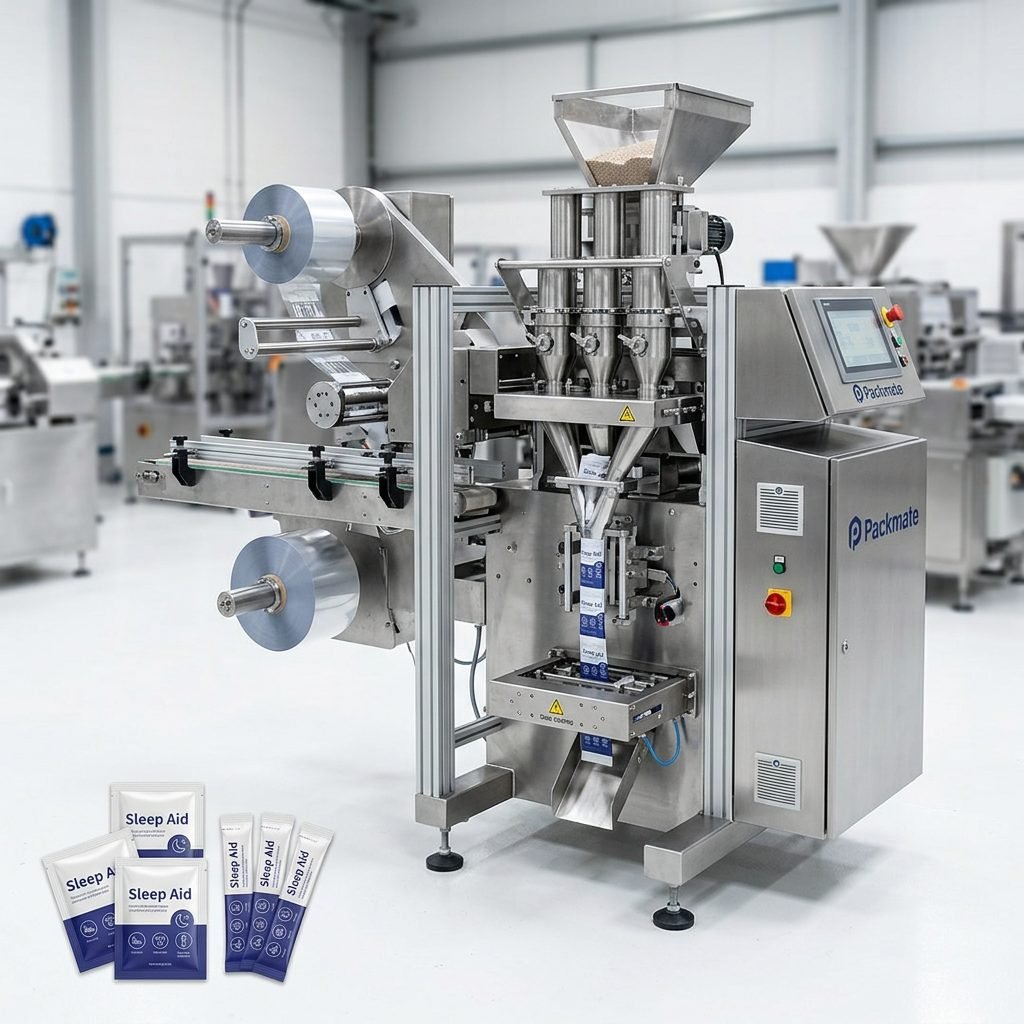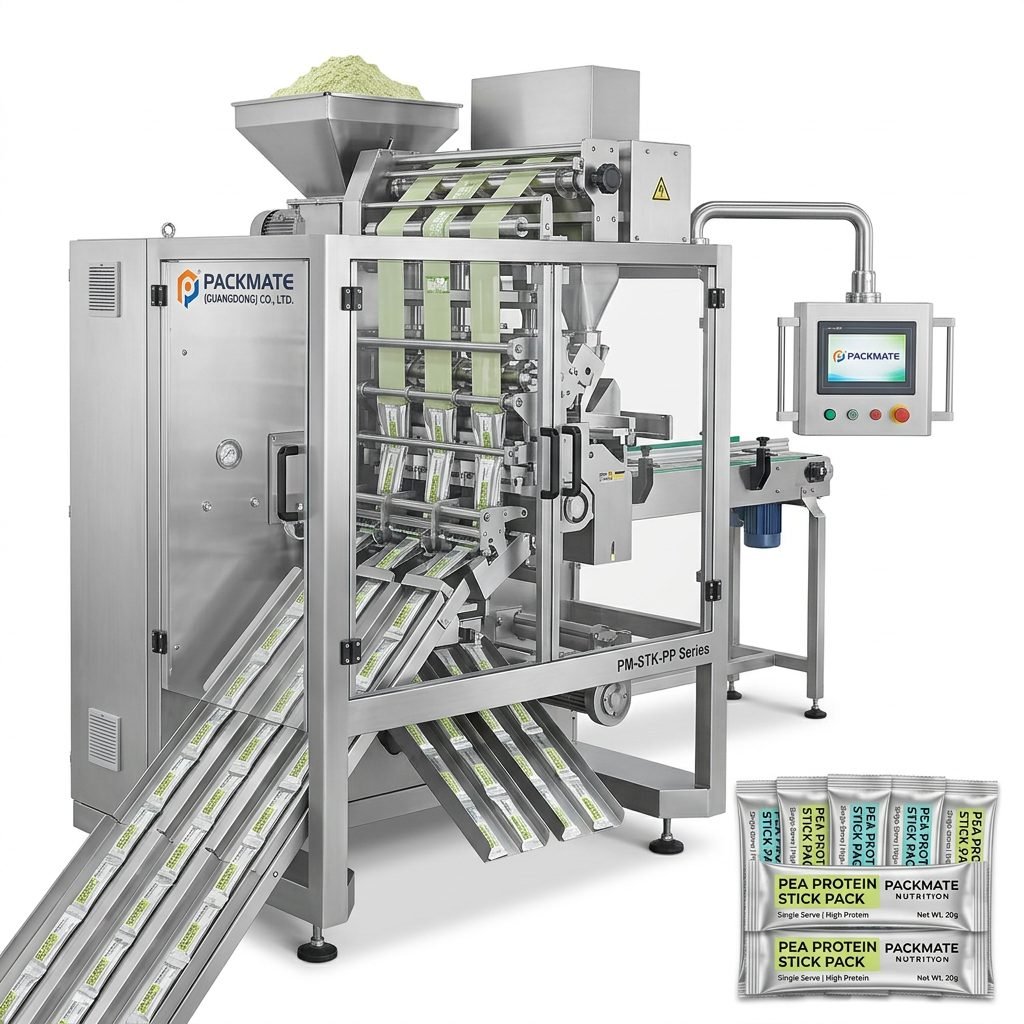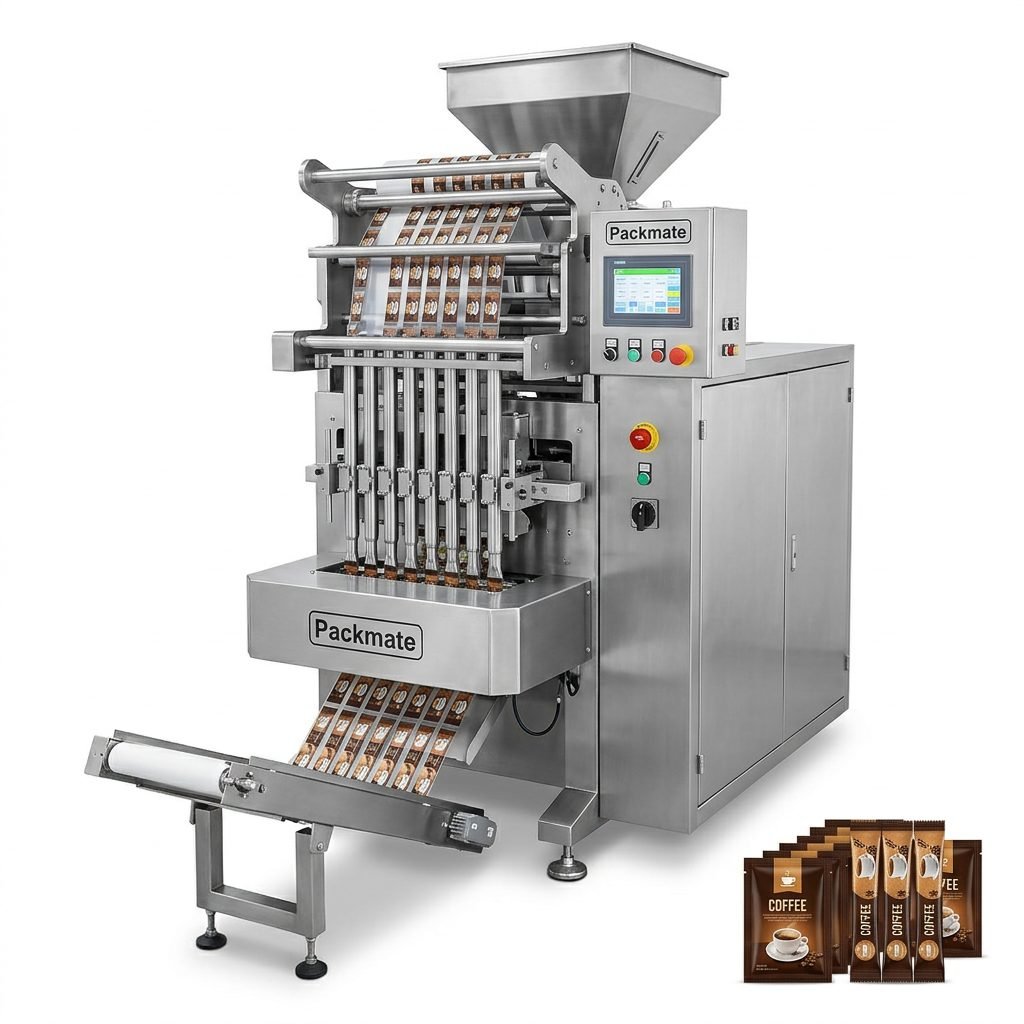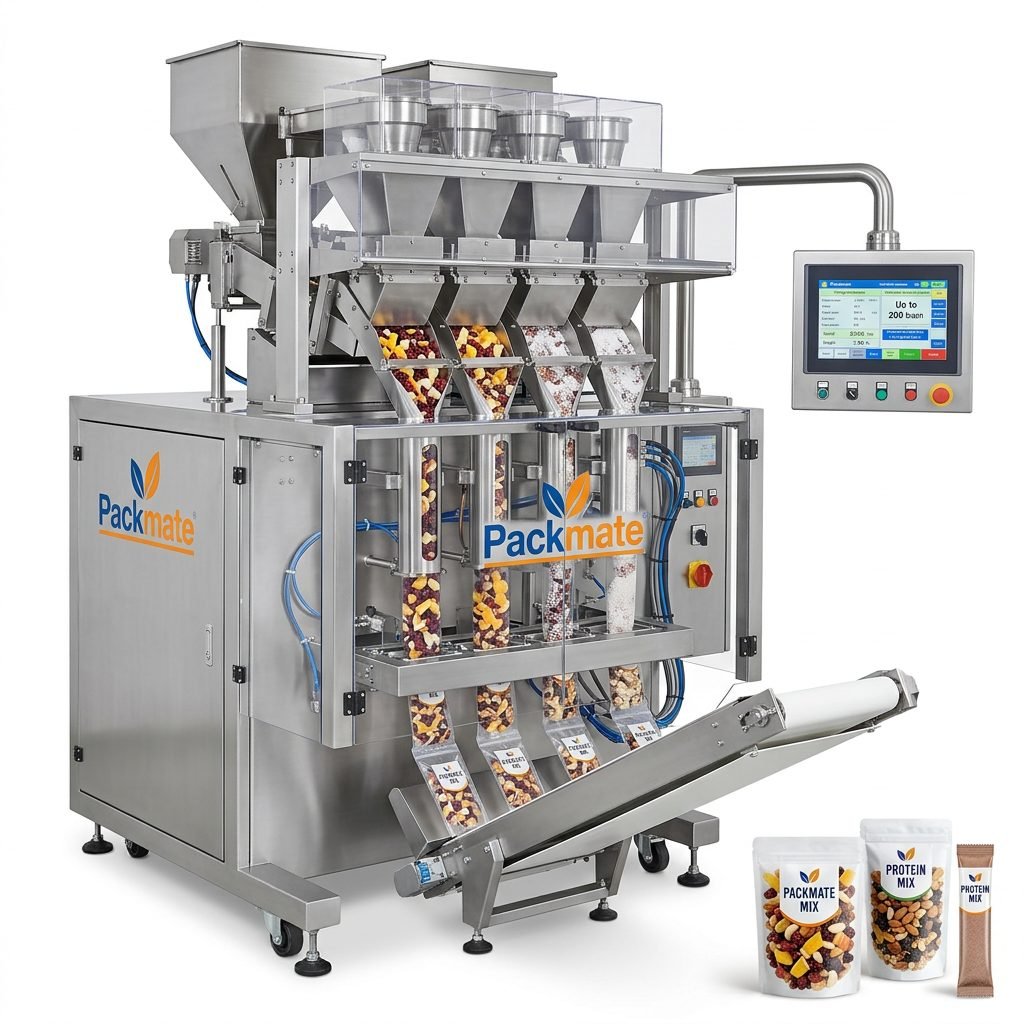
In the fast-paced world of food and beverage manufacturing, efficiency, hygiene, and speed are non-negotiable. The journey from raw ingredients to a sealed, shelf-ready product is complex, demanding precision at every stage. This is where complete automated can filling and packing systems step in, transforming production floors into models of streamlined efficiency. These integrated solutions are not just machines; they are the backbone of modern canning operations, ensuring consistency, reducing waste, and safeguarding product quality from the filling nozzle to the final pallet.
The Core Components of a Complete Can Packaging Line
A truly automated system is a symphony of synchronized machinery. It begins with can depalletizers that gently feed empty cans onto the line. The cans are then cleaned and sanitized before entering the critical filling station. Here, volumetric, gravity, or pressure fillers ensure each can receives the exact predetermined amount of product, whether it’s a viscous sauce, carbonated beverage, or solid-packed vegetables.
Key Advantage: Modern fillers are equipped with advanced feedback systems that automatically adjust for product density or viscosity variations, guaranteeing remarkable filling accuracy and minimizing costly giveaways.
Following filling, the cans proceed to the seaming or closing station. For beverages and many food products, this involves a double-seaming process that hermetically seals the lid to the can body, creating an airtight barrier essential for preservation. The sealed cans are then washed externally to remove any residue before being labeled, coded, and prepared for secondary packaging.
The Power of Integration: From Single Cans to Shippable Pallets
The automation magic extends far beyond primary packaging. A complete line integrates downstream equipment that groups cans into multipacks—using shrink film, paperboard carriers, or trays—and then places these multipacks into corrugated cases. Finally, case palletizers robotically or mechanically stack cases onto pallets in stable, optimized patterns, ready for warehouse storage or shipment. This end-to-end automation eliminates manual handling bottlenecks, dramatically increases line speed, and reduces labor costs and injury risks.
Critical Benefits for Food and Beverage Producers
Investing in a complete automated system delivers a compelling return on investment across multiple fronts.
- Unmatched Hygiene & Safety: Closed, automated processes minimize product exposure to the environment and human contact, drastically reducing the risk of contamination and ensuring compliance with stringent food safety standards like FDA, BRC, or IFS.
- Maximum Operational Efficiency: With speeds capable of handling thousands of cans per hour, these systems maximize throughput. Reduced changeover times between different can sizes or products further enhance overall equipment effectiveness (OEE).
- Consistent, High Product Quality: Automated precision ensures every can is filled, sealed, and labeled identically. This consistency protects brand reputation, reduces consumer complaints, and minimizes product waste from underfills or overfills.
- Data-Driven Production Insights: Modern lines are equipped with Industry 4.0 capabilities, providing real-time data on production counts, downtime, efficiency rates, and maintenance alerts. This allows for proactive management and continuous process optimization.
Tailoring Solutions to Product Specifics
Not all cans are created equal. The ideal system configuration depends heavily on the product. Carbonated drinks require pressurized filling to prevent fobbing (excessive foaming). Thick products like stews or condensed milk may need piston fillers. Particulate products (e.g., soups with chunks) demand gentle handling to maintain integrity. A trusted provider like Packmate understands these nuances, designing solutions that respect the product’s unique characteristics. You can explore their range of tailored packaging solutions here.
Industry Spotlight – Beverages: A typical beverage canning line integrates a high-speed filler/seamer combo, a tunnel pasteurizer or cooler to bring the product to a stable temperature, and a high-resolution inkjet coder for batch and date information. The line’s design must accommodate the pressures and hygiene requirements specific to liquid foods.
Choosing the Right Partner for Your Packaging Line
Selecting a system is a major capital decision. The right partner offers more than just hardware. Look for a supplier with deep application expertise, proven industry case studies, and a commitment to after-sales support. They should conduct thorough product testing, provide comprehensive training, and offer reliable spare parts and maintenance services to ensure your line remains productive for years.
Companies with a strong track record, such as Packmate Packaging Line, bring invaluable experience. With over 30 years in designing intelligent packaging solutions, they understand how to engineer reliability and efficiency into every system. Their comprehensive service approach ensures a smooth project from initial concept to ongoing operation.
The Future: Smart, Sustainable, and Flexible
The evolution of can packaging lines points toward greater intelligence and sustainability. Future trends include more integrated AI for predictive quality control and maintenance, the use of advanced robotics for even more flexible handling, and line designs that optimize energy and water usage. Furthermore, flexibility to handle various can sizes and materials (including lightweight aluminum and different shaped cans) with quick changeovers will be key to meeting dynamic market demands.
Ultimately, a complete automated can filling and packing system is a strategic investment. It future-proofs your production capability, protects your brand, and drives profitability through unparalleled efficiency. By automating the entire process, manufacturers can meet the growing global demand for canned food and beverages with confidence, quality, and speed.
Frequently Asked Questions (FAQs)
1. What is the typical speed range for an automated can line?
Speeds vary widely based on can size and product. Standard beverage lines can range from 30,000 to over 100,000 cans per hour (CPH). Food canning lines for larger cans often operate between 500 to 2,000 CPH. The optimal speed is determined by your production volume and business goals.
2. How long does it take to install and commission a complete line?
The timeline depends on the line’s complexity. A standard turnkey project, from factory acceptance test to full production at your site, can take anywhere from 6 to 12 months. This includes manufacturing, shipping, installation, commissioning, and operator training.
3. Can one line handle different can sizes and products?
Yes, most modern lines are designed for changeover. The degree of flexibility and the time required for changeover (from minutes to a few hours) depends on the specific equipment. Discuss your product portfolio with your supplier to design for optimal flexibility.
4. What are the most critical maintenance points on a canning line?
The filling valves, seaming heads, and mechanical drives require regular preventative maintenance. Following the manufacturer’s lubrication schedules, inspecting wear parts like seaming rolls, and calibrating fillers and coders are essential to prevent unplanned downtime and ensure consistent quality.
5. How do I ensure the line meets food safety regulations?
Choose a supplier experienced in building equipment for the food industry. The line should be constructed with appropriate food-grade materials (e.g., 304 or 316 stainless steel), designed for easy cleaning and inspection (following hygienic design principles), and capable of integrating with your plant’s sanitation protocols. For more detailed queries, visit the dedicated FAQs page.