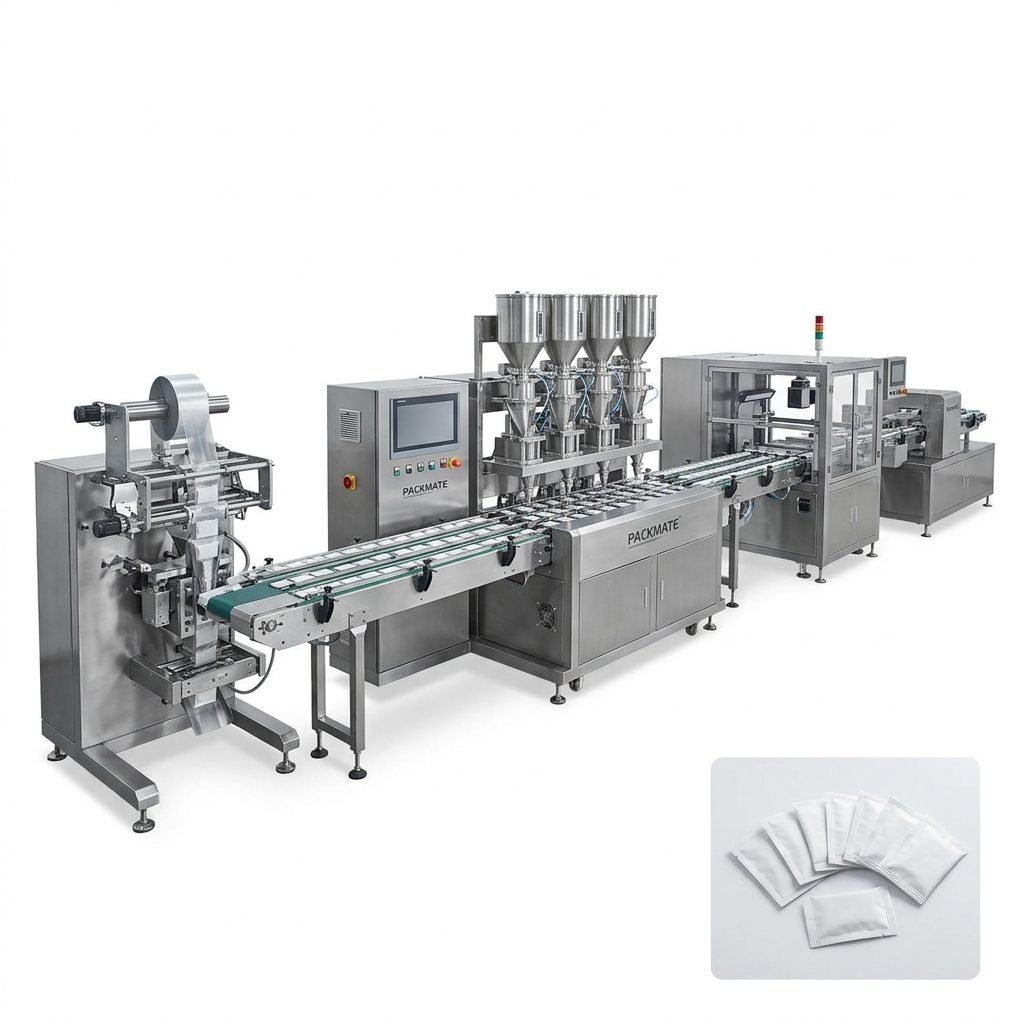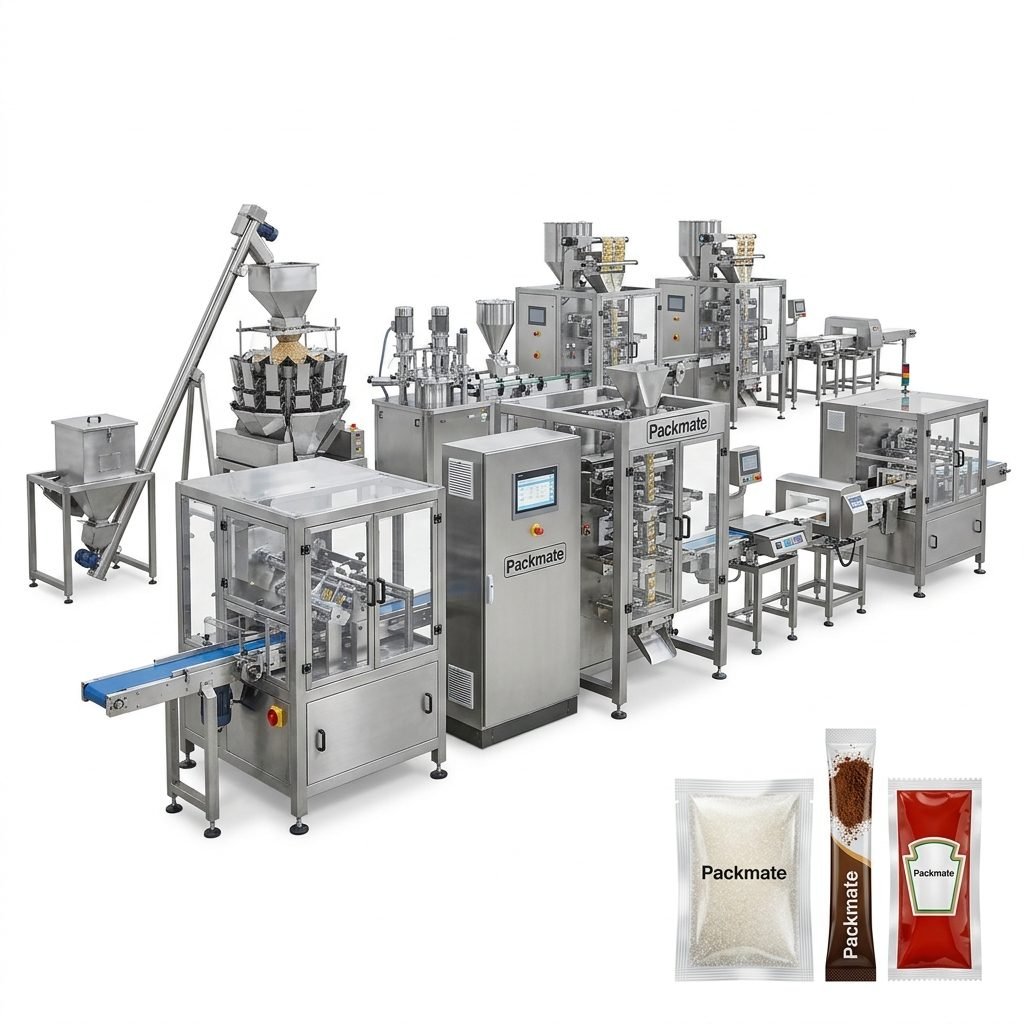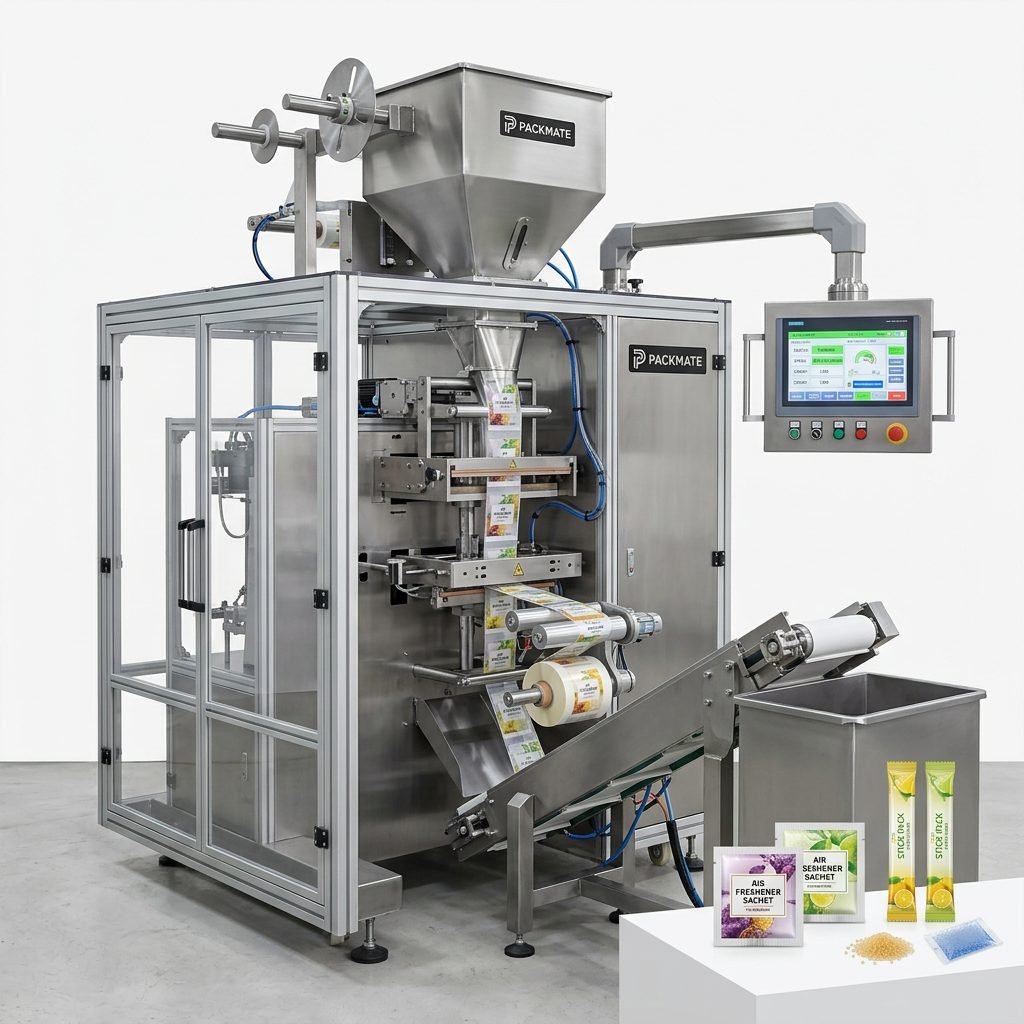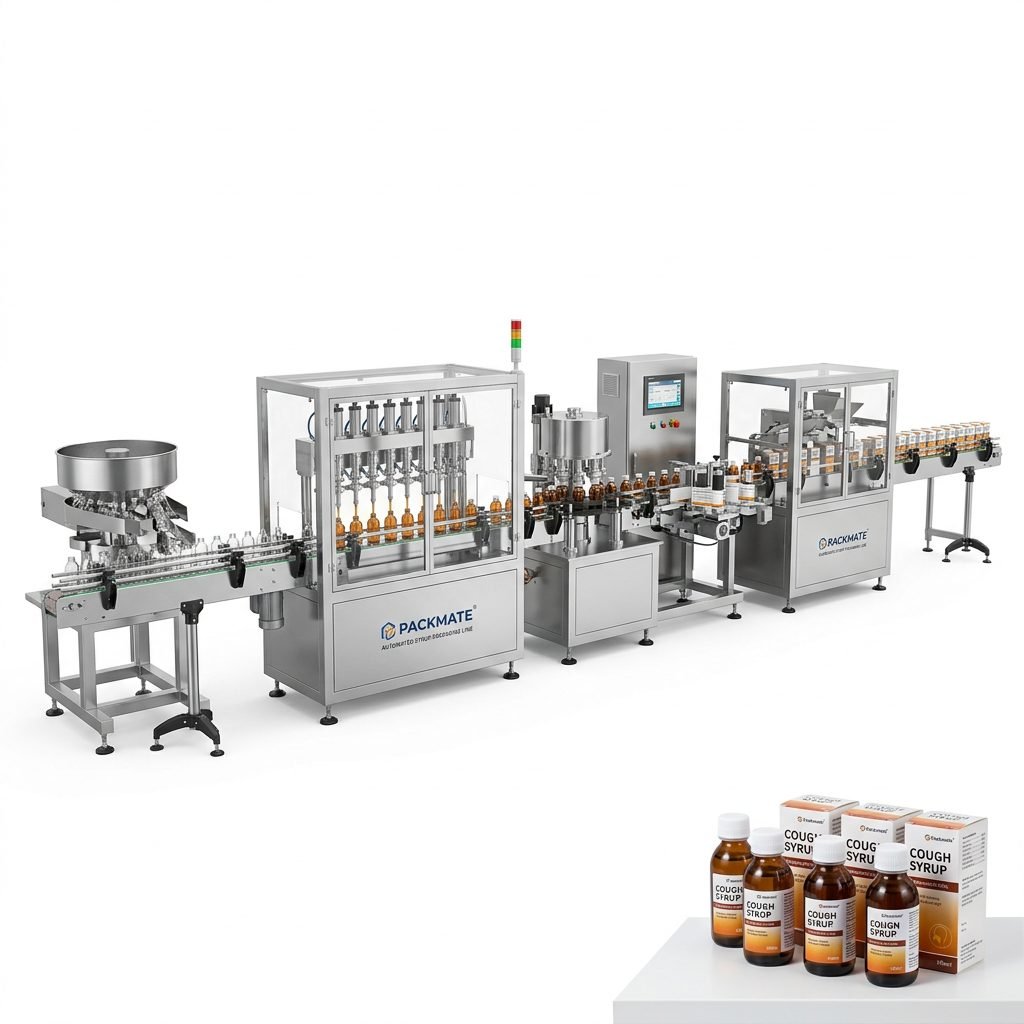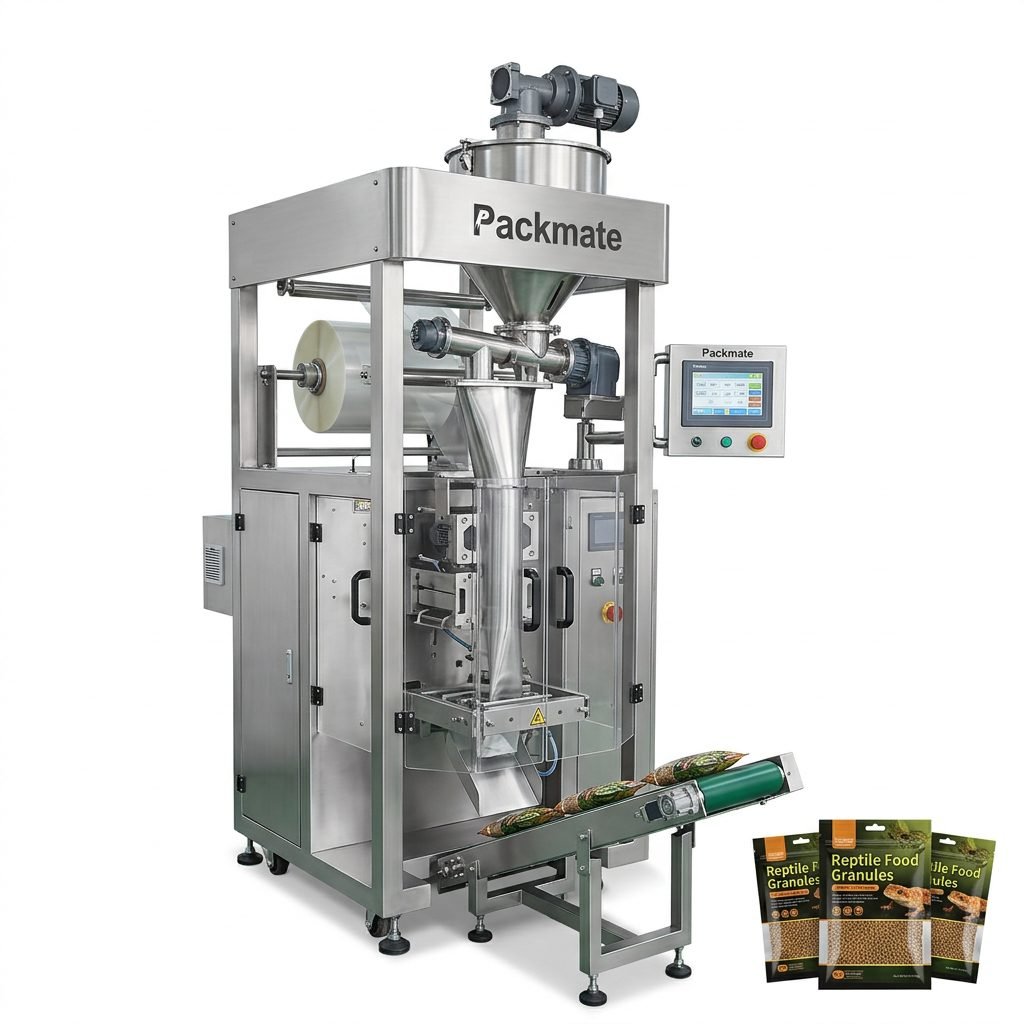
The snack industry thrives on speed, consistency, and visual appeal. For products like stackable chips—whether potato chips, tortilla chips, or other crispy delights—the packaging process is a critical final step that directly impacts shelf presence, product protection, and brand reputation. A dedicated Stackable Chips Packaging Line is no longer a luxury but a necessity for manufacturers aiming to scale production, ensure uniformity, and meet the relentless demands of modern retail. These automated solutions integrate precision weighing, gentle product handling, and high-speed bagging to create a seamless flow from production to pallet.
The Core Challenge: Packaging Delicate, Irregular Shapes
Stackable chips present a unique set of challenges for automation. Their fragile nature, irregular shapes and sizes, and tendency to break require a packaging line engineered with finesse. Traditional volumetric filling or rough handling leads to excessive product giveaway, inconsistent bag fill, and a high percentage of broken pieces—damaging both profitability and consumer experience. The ideal solution must gently convey, accurately weigh, and neatly stack the chips before forming the final bag, all at speeds that justify the automation investment.
Key Components of an Advanced Stackable Chips Line
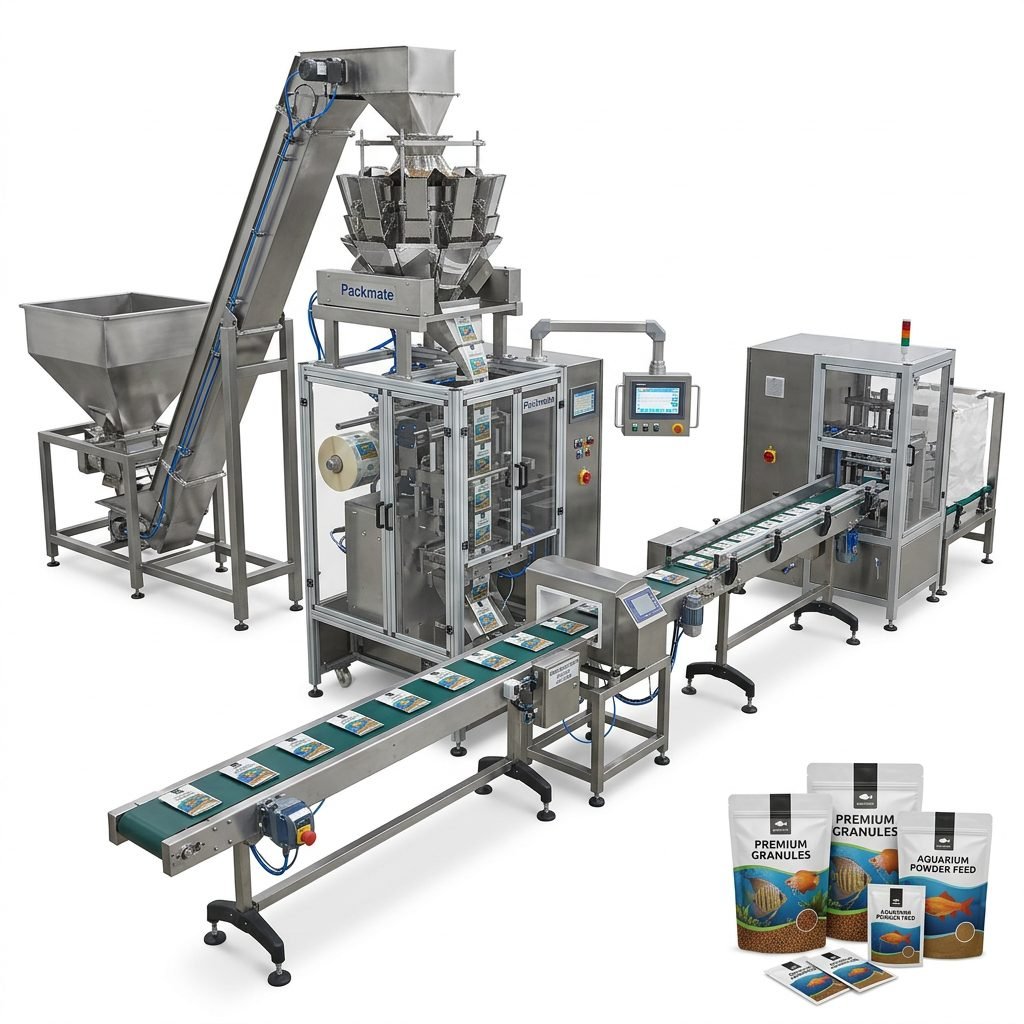
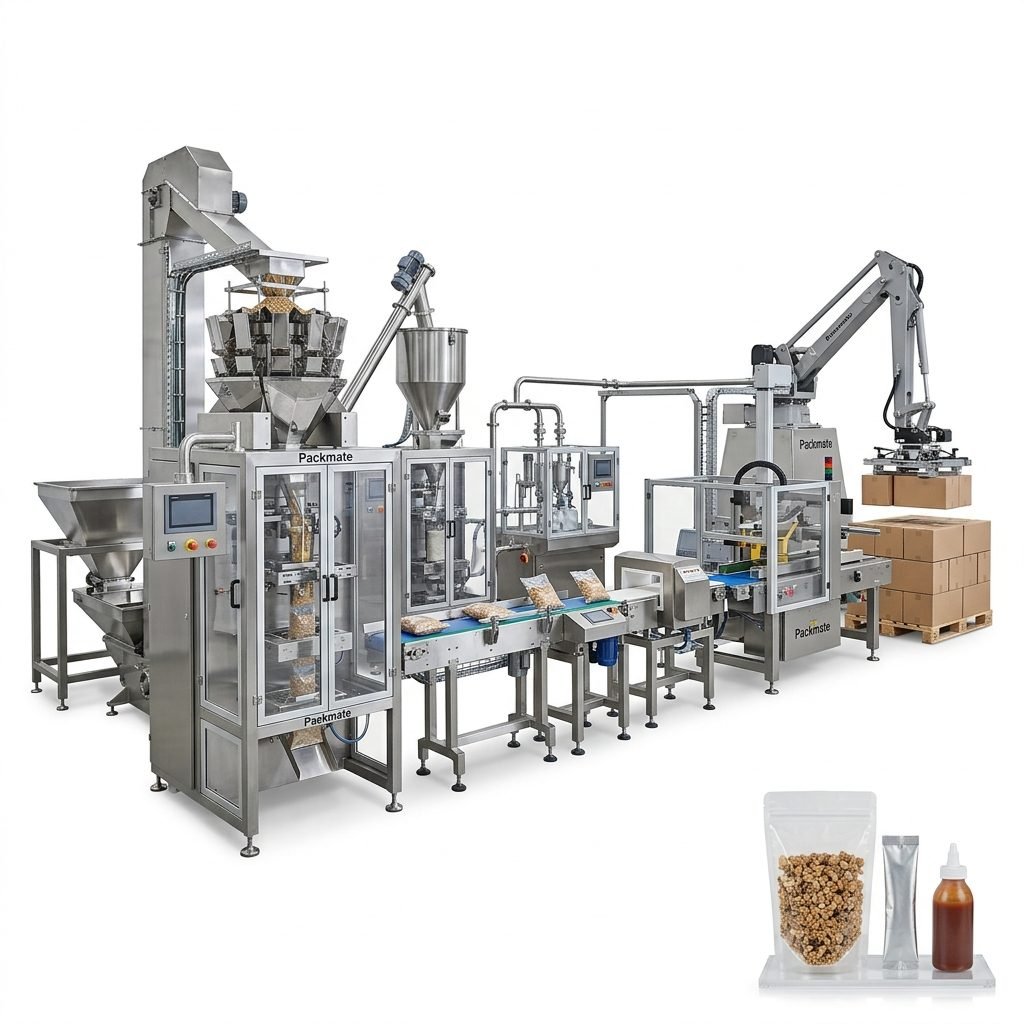
A turnkey automated packaging line for stackable chips is a symphony of coordinated machines. Each component plays a vital role in transforming bulk product into saleable, attractive bags.
- Gentle Elevator & Conveyor System: Transports chips from the fryer/cooker to the packaging area without causing breakage.
- Multi-Head Weighing System: The heart of accuracy. Advanced multi-head weighers use 14-24 heads to achieve precise target weights at high speed, minimizing giveaway.
- Product Orientation & Stacking Unit: This critical stage aligns and neatly stacks the chips, ensuring a uniform, compact profile ideal for bagging.
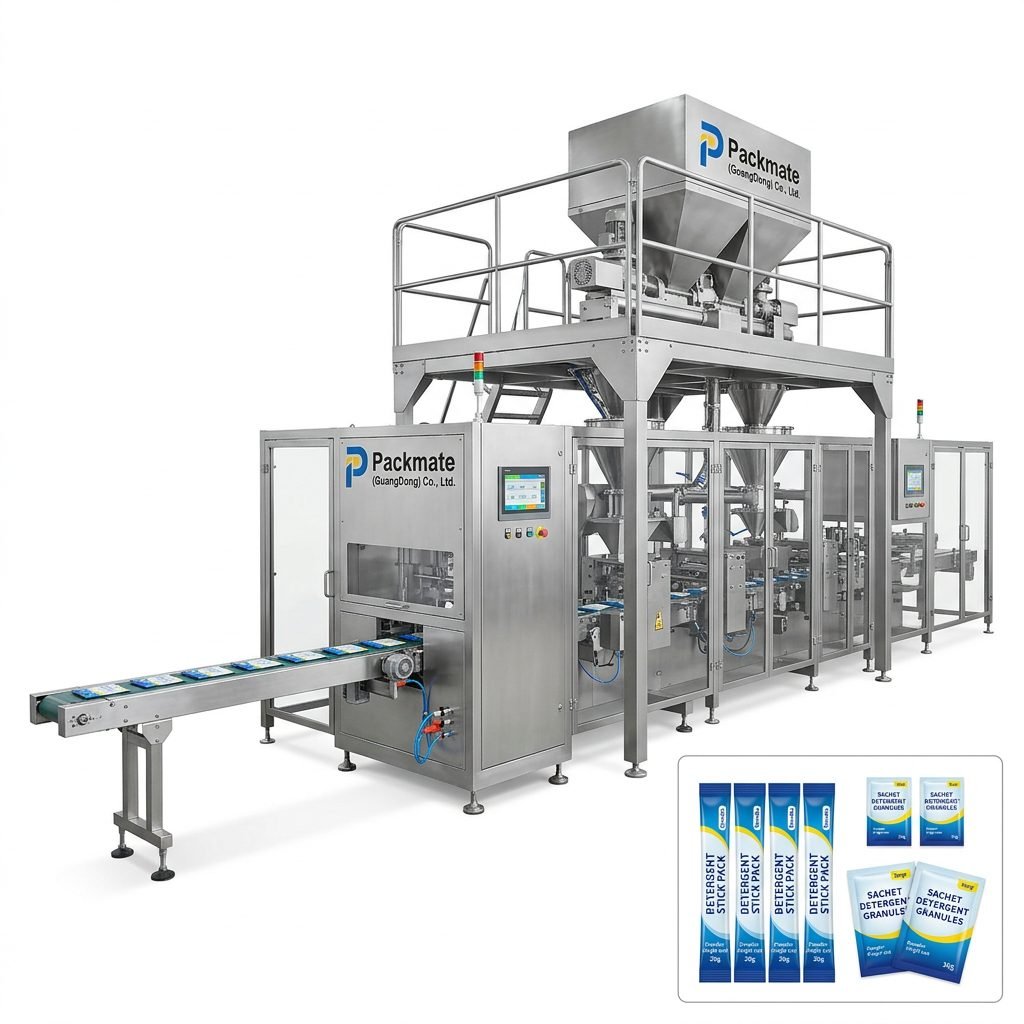
- Form-Fill-Seal (FFS) Machine: Creates the bag from a roll of packaging film, receives the stacked chips, and seals it with airtight integrity. Options include pillow bags, gusseted bags, or stand-up pouches.
- Metal Detector & Checkweigher: Integrated for quality control, ensuring product safety and verifying that each bag meets weight regulations.
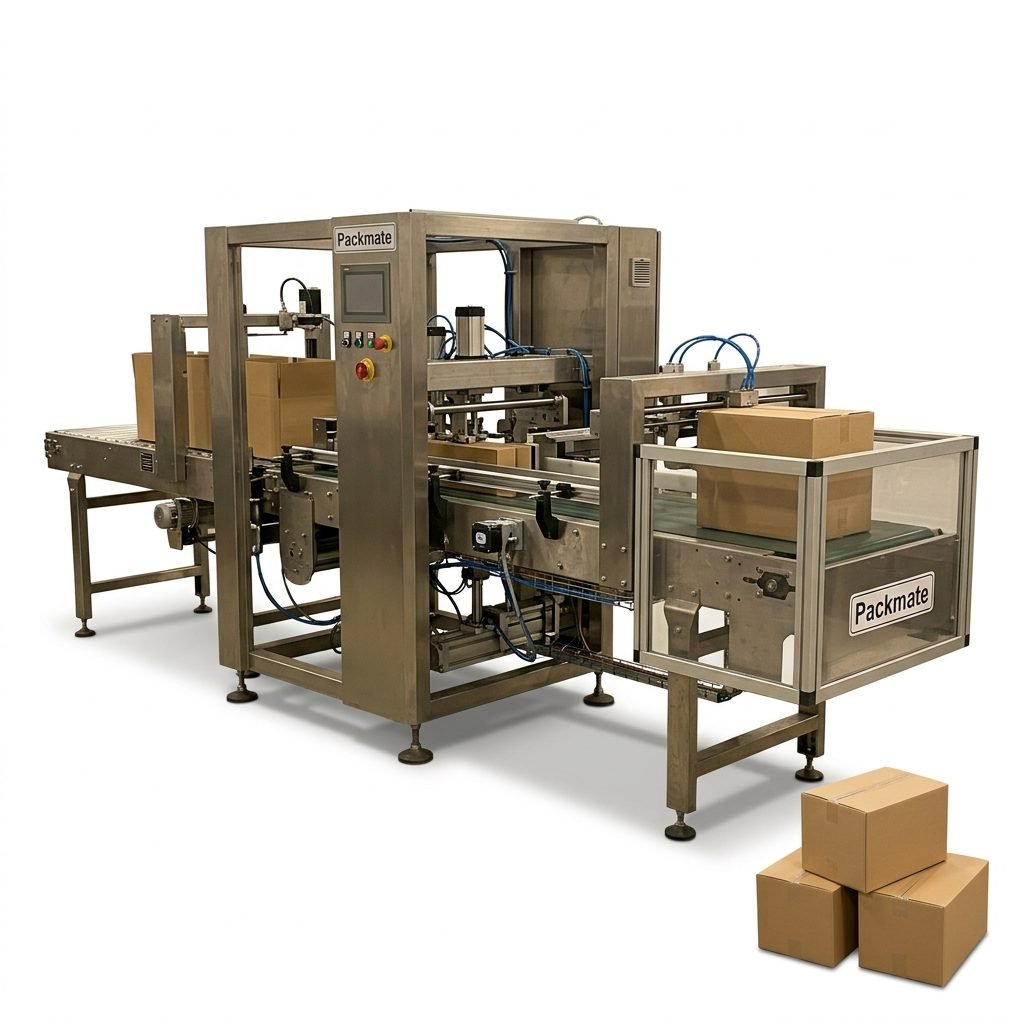
- Automated Case Packing & Palletizing: Further automates downstream logistics by collating bags into cases and stacking cases onto pallets.
Driving Efficiency in Automated Snack Production
The transition to an automated line revolutionizes snack production efficiency. By integrating a comprehensive packaging solution, manufacturers unlock significant benefits:
✔ Maximized Output: High-speed FFS machines, synchronized with precision weighers, can produce hundreds of bags per minute, far surpassing manual or semi-automatic methods.
✔ Reduced Operational Costs: Automation drastically lowers labor dependency and associated costs while minimizing product waste through precise weighing.
✔ Unmatched Consistency: Every bag has the same weight, appearance, and seal quality, strengthening brand trust and compliance with retail standards.
✔ Enhanced Flexibility: Modern lines allow for quick changeovers between bag sizes, styles, and even chip types, facilitating production agility for different product lines or seasonal offerings.
Optimizing the Bagging Process for Profitability
Efficient bagging is where operational savings become most tangible. The choice of bag style—be it a standard pillow bag for economy or a high-impact stand-up pouch for premium positioning—is crucial. The packaging line must handle these materials reliably, creating strong, airtight seals that preserve crispness and extend shelf life. Efficient bagging also encompasses downstream automation; robotic case packers and palletizers streamline the entire process from single bag to shipping load, reducing manual handling and potential damage. For a deeper look at real-world applications, exploring a company’s project case studies can provide invaluable insights.
Why Partner with an Experienced Turnkey Provider?
Selecting individual machines from different vendors creates integration headaches, communication gaps, and potential compatibility issues. Partnering with a single-source provider like Packmate (GuangDong) Co., Ltd. for a turnkey solution offers a streamlined path to success. With over 22+ years of company development and a 20,000㎡ modern manufacturing facility, such a partner brings:
- Single-Point Responsibility: One vendor designs, integrates, installs, and commissions the entire line.
- Proven System Compatibility: All components are engineered to work in perfect harmony from the start.
- Comprehensive Support: From training and spare parts to ongoing technical service, support is unified.
- Future-Proof Design: Solutions are scalable, allowing for easy capacity upgrades or the addition of new modules as your business grows.
Innovation and Sustainability in Packaging Lines
The future of stackable chips packaging is intelligent and sustainable. Leading lines now incorporate Industry 4.0 principles, featuring IoT sensors for predictive maintenance, real-time production data dashboards for operational insights, and automated adjustments to maintain peak efficiency. Simultaneously, the ability to handle recyclable or compostable mono-material films is becoming a key differentiator, helping brands meet consumer demand for environmentally responsible packaging. This commitment to innovation is often reflected in a manufacturer’s industry participation, which can be seen at their global exhibition booths.
Conclusion: Investing in a Competitive Edge
Implementing a dedicated, automated Stackable Chips Packaging Line is a strategic investment that pays dividends in productivity, product quality, and bottom-line profitability. It transforms a labor-intensive, variable process into a reliable, high-speed operation that ensures every bag leaving the facility meets the highest standards. For snack producers looking to scale, differentiate their brand, and secure a dominant position in a competitive market, this technological leap is essential.
Frequently Asked Questions (FAQs)
1. What is the typical production speed of an automated stackable chips packaging line?
Speeds vary based on bag size and complexity, but modern multi-lane lines can typically achieve outputs ranging from 80 to over 300 bags per minute. A detailed assessment of your product and goals is needed for a precise figure.
2. Can one packaging line handle different types of chips and bag styles?
Yes, a well-designed line offers significant flexibility. With quick-change tooling and programmable settings, manufacturers can often switch between, for example, potato chips and tortilla chips, or between pillow bags and stand-up pouches, with minimal downtime (often 15-30 minutes).
3. How does the weighing system minimize product giveaway?
Advanced multi-head weighers use a combinatorial weighing algorithm. They weigh small amounts in multiple hoppers and instantly calculate the combination that comes closest to the target weight. This reduces overfilling and can save 1-3% of product, which translates to substantial cost savings at high volumes.
4. What kind of maintenance does an automated packaging line require?
Regular preventive maintenance is key. This includes daily cleaning, lubrication of moving parts, inspection of seals and wear components, and calibration of scales and sensors. A reputable provider will offer a clear maintenance schedule and training for your team.
5. How do we ensure the packaging line meets our local food safety and regulatory standards?
Reputable manufacturers design machines with global standards in mind (e.g., CE, FDA, GMP). It is crucial to specify your market’s requirements during the design phase. Providers like Packmate often hold relevant international certifications and can guide you on compliance.