In the competitive dairy industry, efficiency, hygiene, and product integrity are paramount. A modern milk packaging line is no longer just a series of machines; it’s a sophisticated, integrated system designed to handle everything from precise filling to secure sealing and final palletizing. This guide delves into the core components of automated milk packaging solutions, offering a comprehensive overview for producers looking to optimize their operations, ensure product safety, and meet the growing demands of the market.
The Core of Automation: Filling and Sealing Systems
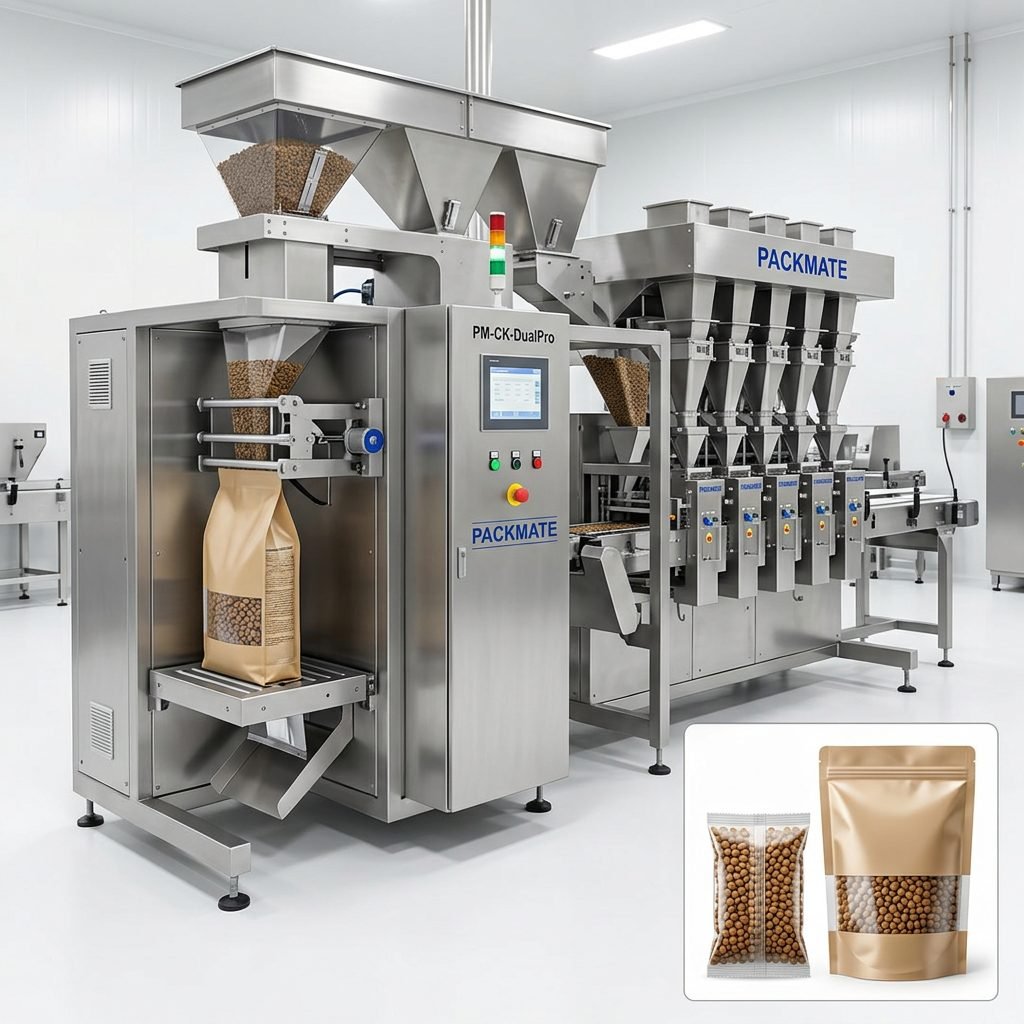
At the heart of any milk packaging line are the filling and sealing units. These components determine the accuracy, speed, and sterility of the entire process.
Precision Liquid Filling Machines
Modern filling technology for milk prioritizes volumetric or gravimetric precision to minimize product giveaway and ensure consistent portion control. Aseptic filling systems are crucial for long-life (UHT) milk, operating in a sterile environment to prevent contamination. For fresh pasteurized milk, clean-fill technology maintains high hygiene standards. Key features to look for include:
• CIP/SIP Compatibility: Machines designed for Clean-in-Place and Sterilize-in-Place procedures are essential for dairy hygiene, reducing downtime and manual cleaning errors.
• No-Drip Nozzles: Advanced nozzles prevent product waste and maintain machine cleanliness, which is critical for sticky products like flavored milk.
• Quick Changeover: Systems that allow rapid adjustment for different bottle sizes or carton formats increase line flexibility for producers running multiple SKUs.
Advanced Sealing Technologies
Once filled, the package must be hermetically sealed to protect the milk from oxygen, light, and microbial ingress. The sealing method depends entirely on the packaging material.
Induction Sealing: For plastic bottles with screw caps, an induction sealer creates a tamper-evident foil seal under the cap. This is a gold standard for safety and freshness in the dairy sector.
Ultrasonic Sealing: Used for certain types of flexible films and spouts on pouches, this method uses high-frequency vibrations to create a strong, clean seal without external heat.
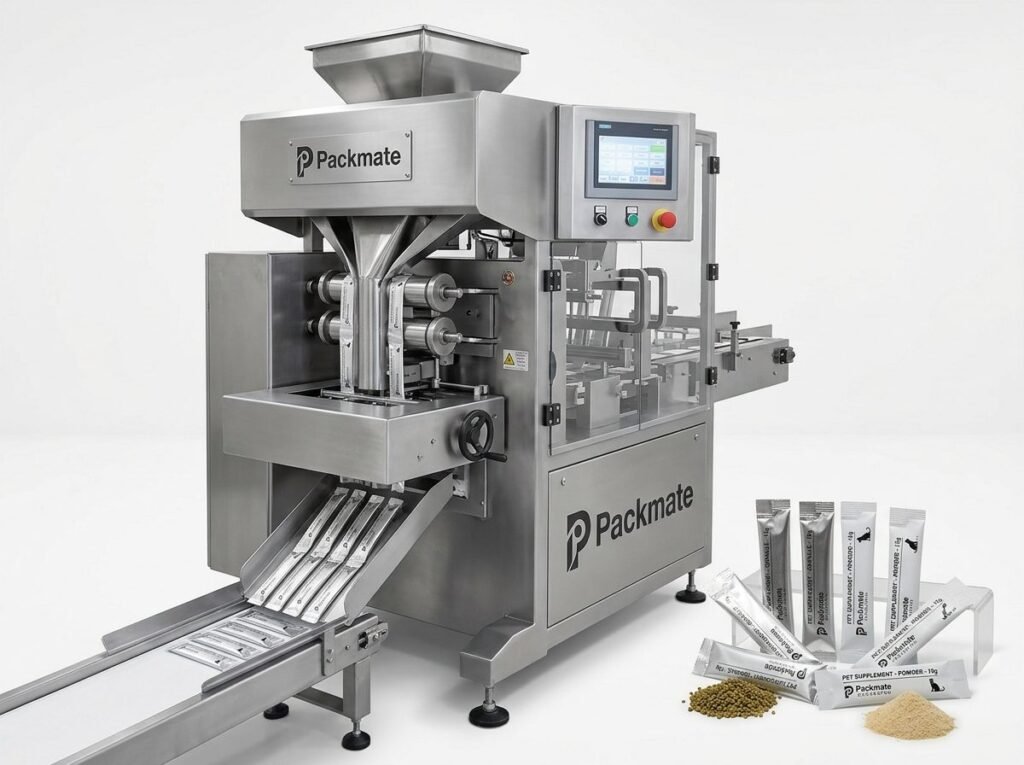
Heat Sealing: The most common method for gable-top cartons, pillow pouches, and sachets. Precision temperature and pressure control are vital to ensure a consistent, leak-proof seal without burning the laminate layers.
Building a Complete Production Line: From Unloading to Palletizing
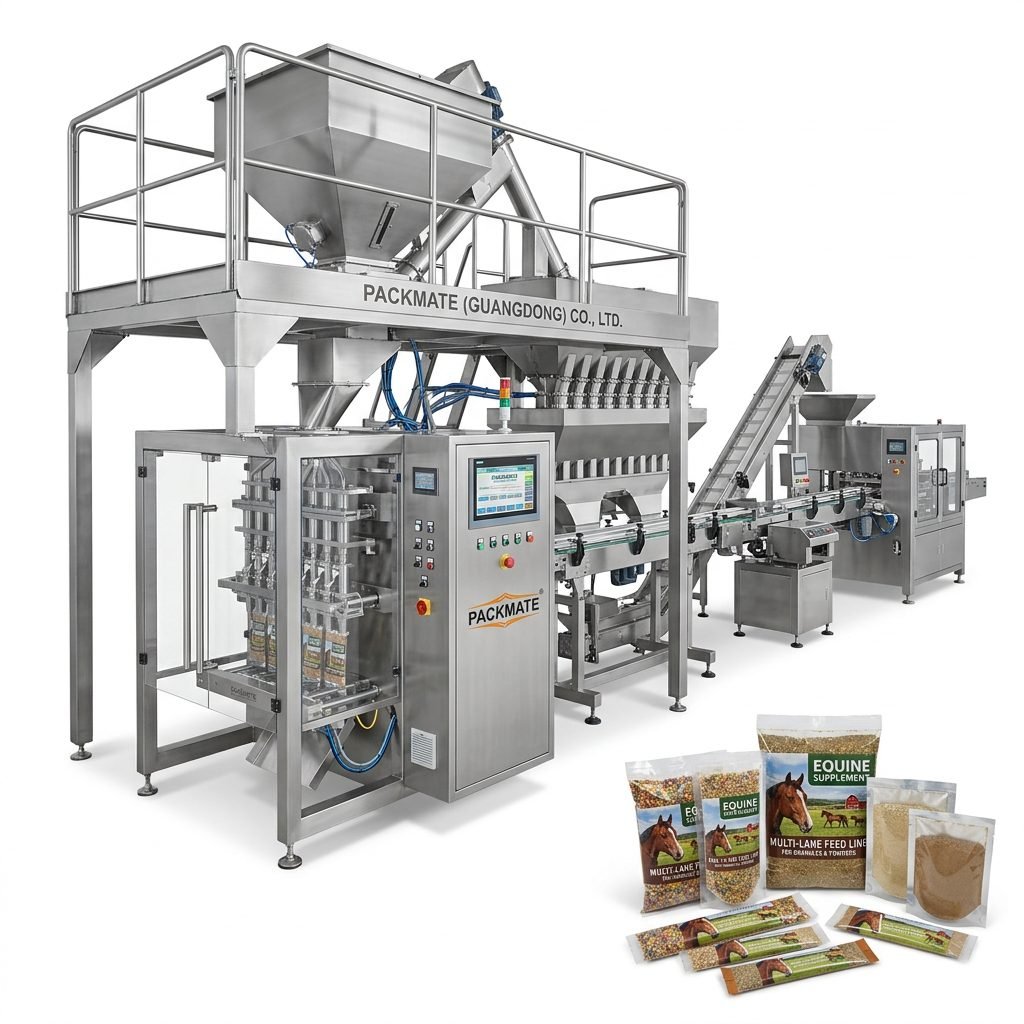
A turnkey milk packaging line integrates multiple stations into a seamless workflow. Understanding this flow is key to planning an efficient operation.
1. Upstream Handling & Decapping
The process begins with the automatic unloading and feeding of pre-sterilized bottles or the forming of cartons from rolls of laminate. For returnable glass bottles, a high-pressure jet rinser is a critical first step. Lines handling pre-capped bottles may include a decapping module to prepare for the filling stage.
2. Filling & Capping/Sealing
This is the core operational zone where the milk is dispensed and the package is immediately sealed, as described in the sections above. The integration and synchronization between the filler and the capper are crucial for maintaining line speed.
3. Secondary Packaging & Quality Control
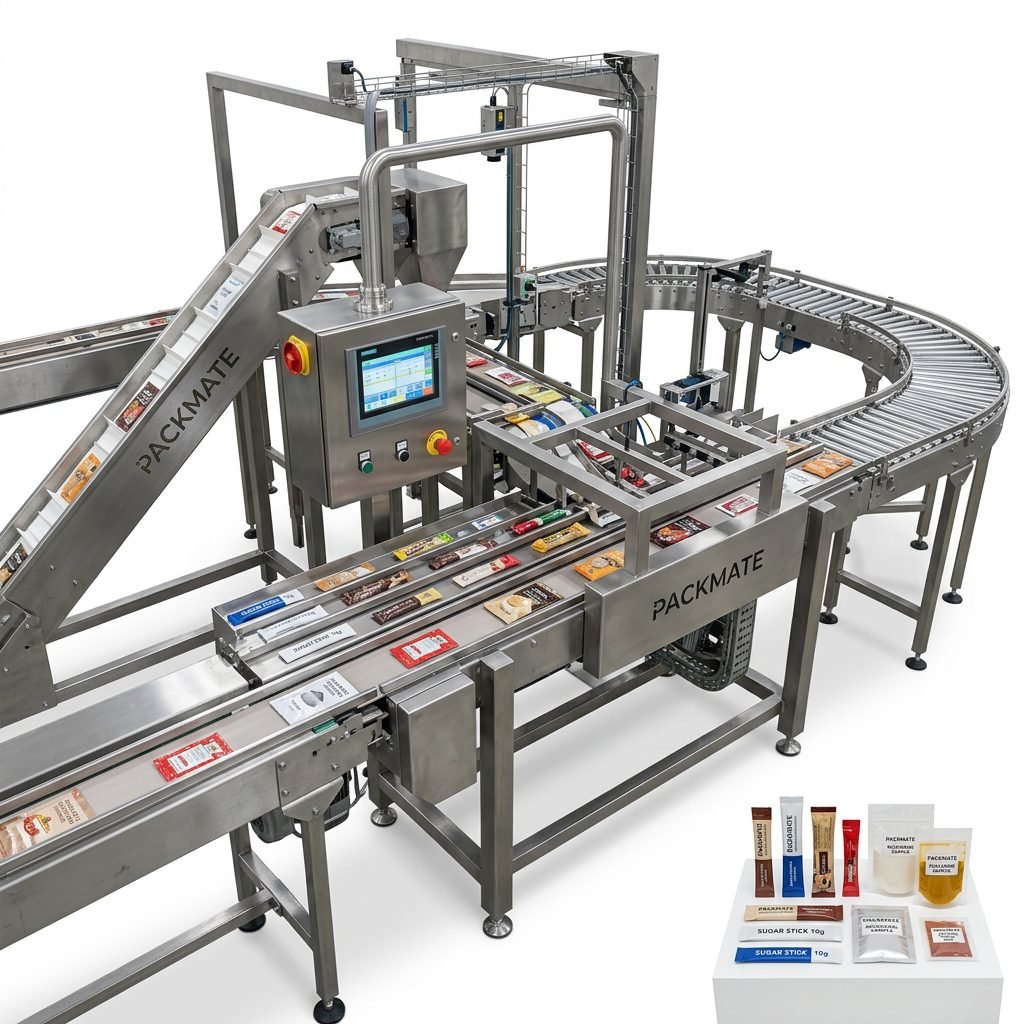
After primary packaging, units like labelers, date coders, and checkweighers come into play. The checkweigher is a vital QC checkpoint, rejecting under or over-filled packages to ensure regulatory compliance and customer satisfaction. Bundlers or multipackers then group individual units for retail sale.
4. Case Packing & Palletizing
The final stages involve automated case erecting, packing, sealing, and palletizing. Robotic palletizers are increasingly common, offering flexibility in pallet pattern design and gentle handling of packaged goods. The end result is a stable, warehouse-ready pallet, completing the transformation from raw milk to a distributable consumer product. For a deeper look at how these stages come together in real-world scenarios, explore our detailed project case studies.
Key Considerations for Selecting Your Milk Packaging Line
Choosing the right system requires a careful analysis of your specific needs. Here are the critical factors to evaluate:
Production Capacity & Speed: Determine your required output in bottles, cartons, or pouches per hour. This will define the scale and speed of the machinery needed.
Packaging Format & Material: The line must be compatible with your chosen package—whether it’s HDPE bottles, gable-top cartons, flexible pouches, or aseptic brick packs. Material dictates the sealing technology.
Product Type: The viscosity and characteristics of the product matter. A line for skim milk might differ slightly from one designed for thick yogurt or cream.
Automation Level & Footprint: Balance the desired degree of automation (from semi-automatic to fully robotic) with the available factory space. A well-designed line optimizes workflow within the physical footprint.
Hygiene & Safety Standards: The entire line must be constructed with food-grade materials (e.g., 304 or 316L stainless steel) and designed for easy cleaning to meet stringent food safety regulations like FDA, EHEDG, or 3-A standards.
Partnering with an experienced provider like Packmate ensures you get a solution tailored to these parameters, backed by robust engineering and support.
The Role of Integration and Smart Controls
Today’s most efficient lines are governed by centralized PLC (Programmable Logic Controller) or PC-based control systems. These provide:
• Unified Operation: A single HMI (Human-Machine Interface) touchscreen allows operators to monitor and control the entire line, simplifying management.
• Data Tracking & OEE: Modern systems collect data on production counts, downtime reasons, and efficiency, calculating Overall Equipment Effectiveness (OEE) for continuous improvement.
• Predictive Maintenance Alerts: Sensors can monitor motor temperatures, vibration, and other parameters, alerting technicians to potential issues before they cause a breakdown.
This level of integration transforms a collection of machines into a true smart factory asset. Learn more about our integrated packaging solutions that leverage these intelligent controls.
Conclusion: Investing in a Cohesive System
Implementing an automated milk packaging line is a significant investment that pays dividends in productivity, consistency, and scalability. The key is to view it not as individual machines, but as a single, cohesive system where each component is engineered to work in perfect harmony with the next. From the precision of the filler to the intelligence of the control panel, every detail contributes to a reliable, hygienic, and profitable operation. By focusing on seamless integration, hygienic design, and future-proof technology, dairy producers can build a packaging foundation that supports brand growth and meets consumer expectations for quality and safety for years to come. For further information on our capabilities and to discuss your specific project, please visit our contact page.
Frequently Asked Questions (FAQs)
What is the typical lead time for a complete milk packaging line?
Lead times vary based on complexity and customization. A standard, pre-configured line may be delivered in 3-4 months, while a fully custom, high-speed turnkey solution can take 6-12 months from design to factory acceptance testing. Detailed project planning with your supplier is essential for an accurate timeline.
Can one packaging line handle different types of dairy products, like milk and yogurt?
Yes, with proper configuration. Many lines are designed for flexibility. The critical factors are viscosity compatibility (requiring different pump/filler types) and, for products like yogurt, potential inclusions. Changeover procedures for cleaning and minor part swaps would be necessary between product runs.
How important is after-sales service and technical support?
It is absolutely critical. The sophistication of automated lines means reliable technical support, readily available spare parts, and comprehensive operator training are non-negotiable for minimizing downtime. Always choose a supplier with a proven global support network and clear service agreements. Our commitment to client success is outlined in our comprehensive service program.
What are the main differences between an aseptic and a clean-fill packaging line?
Aseptic Lines sterilize the product (via UHT) and the packaging material separately, then fill and seal in a completely sterile chamber. This allows ambient shelf storage for months. Clean-Fill Lines use pasteurized product and sanitized packaging in a highly hygienic (but not sterile) environment. The final product requires refrigerated distribution and has a shorter shelf life (weeks).
What are the key maintenance routines for a milk packaging line?
Daily routines include visual inspections, basic cleaning, and lubrication of specified points. Weekly tasks involve more thorough cleaning and checking seal integrity. Monthly and annual maintenance includes in-depth checks of motors, drives, sensors, and replacement of wear parts like sealing jaws, O-rings, and filters. Adhering to the manufacturer’s preventive maintenance schedule is vital for longevity.