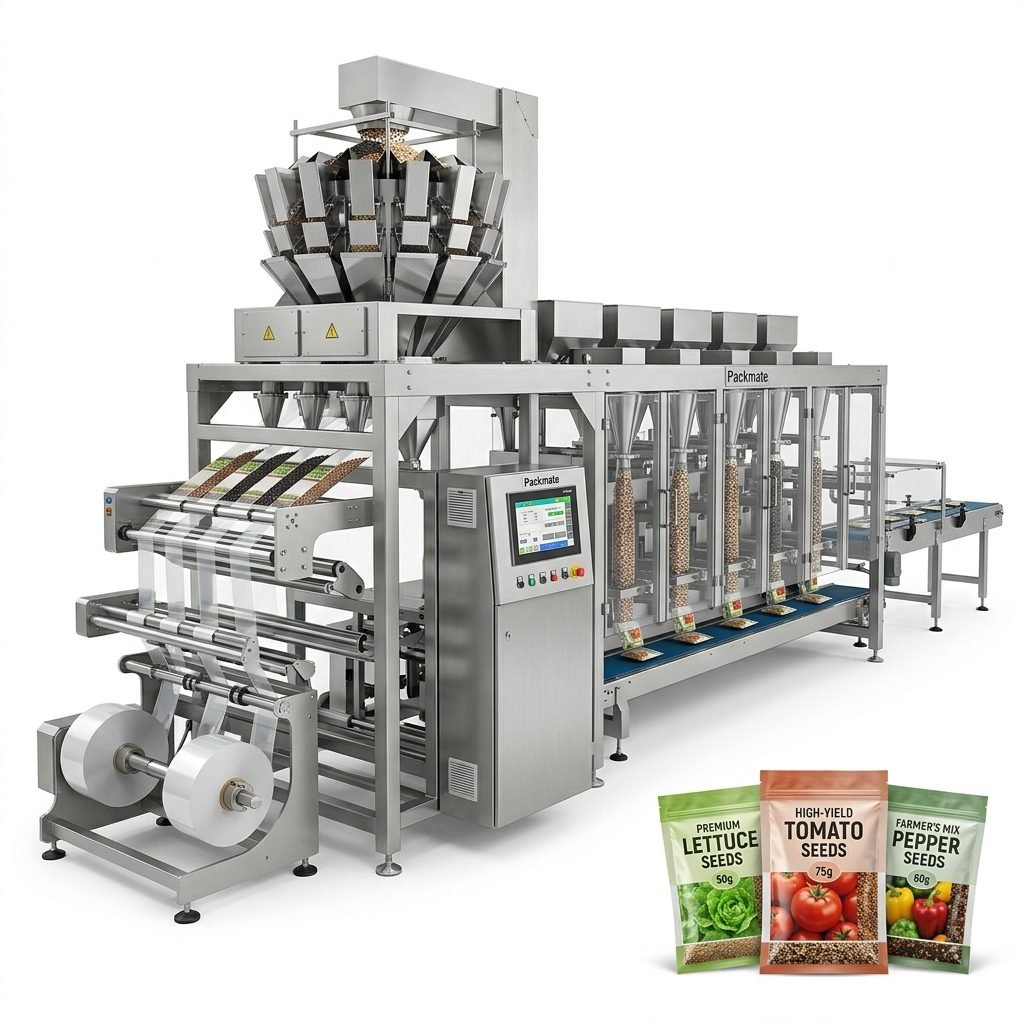
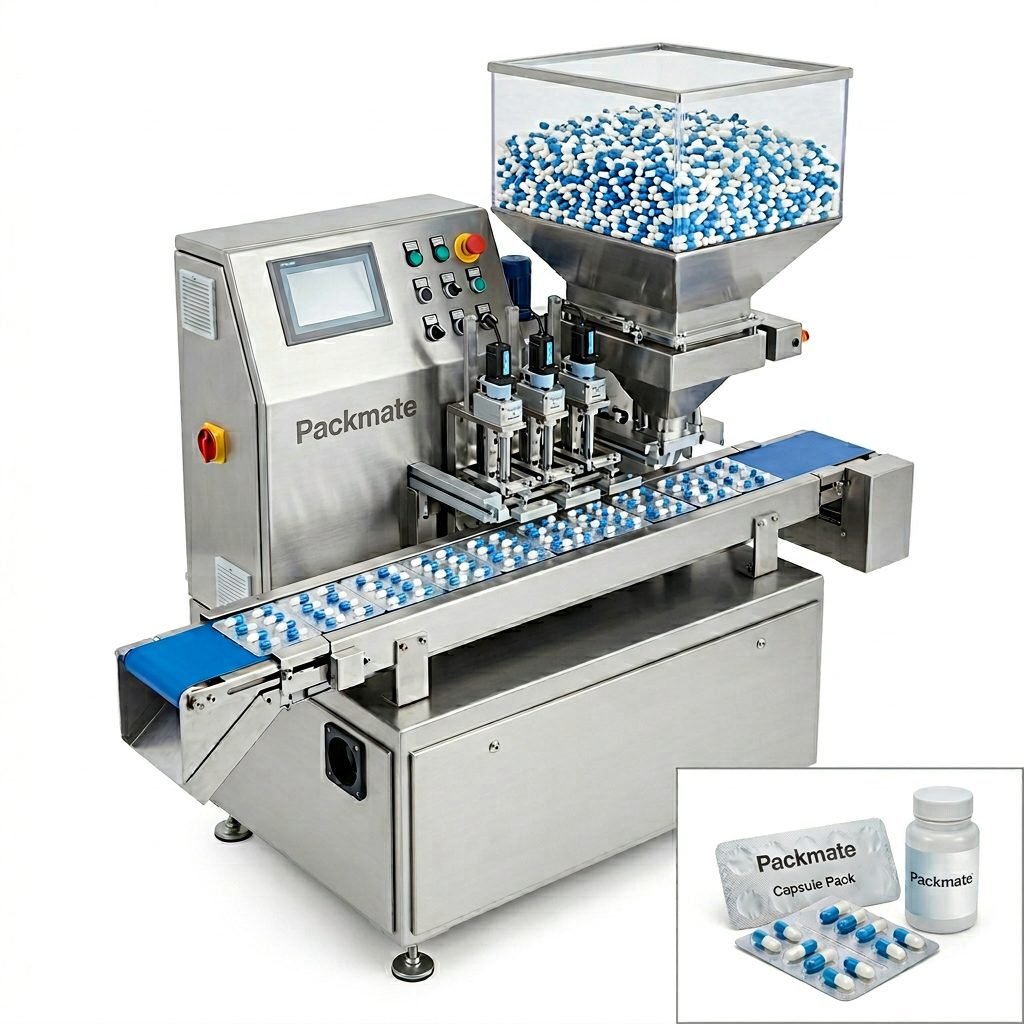
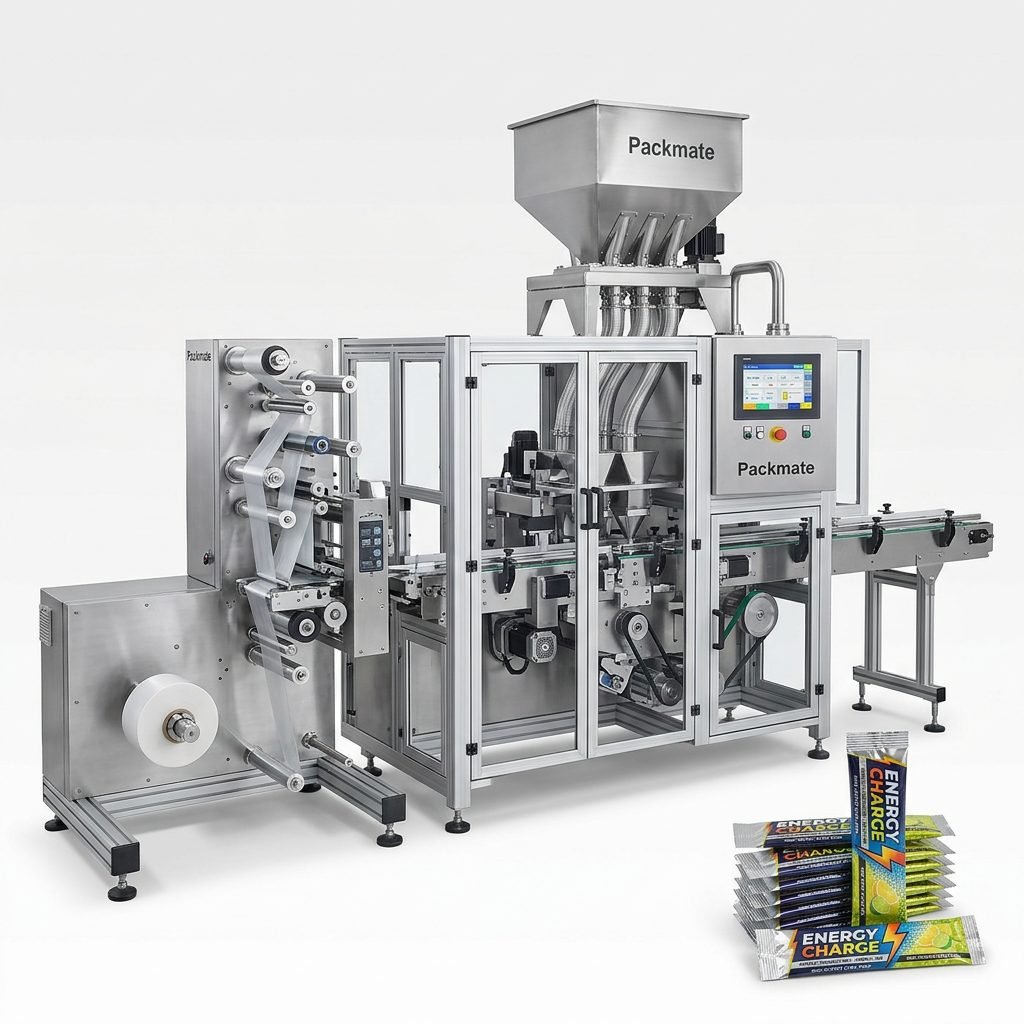
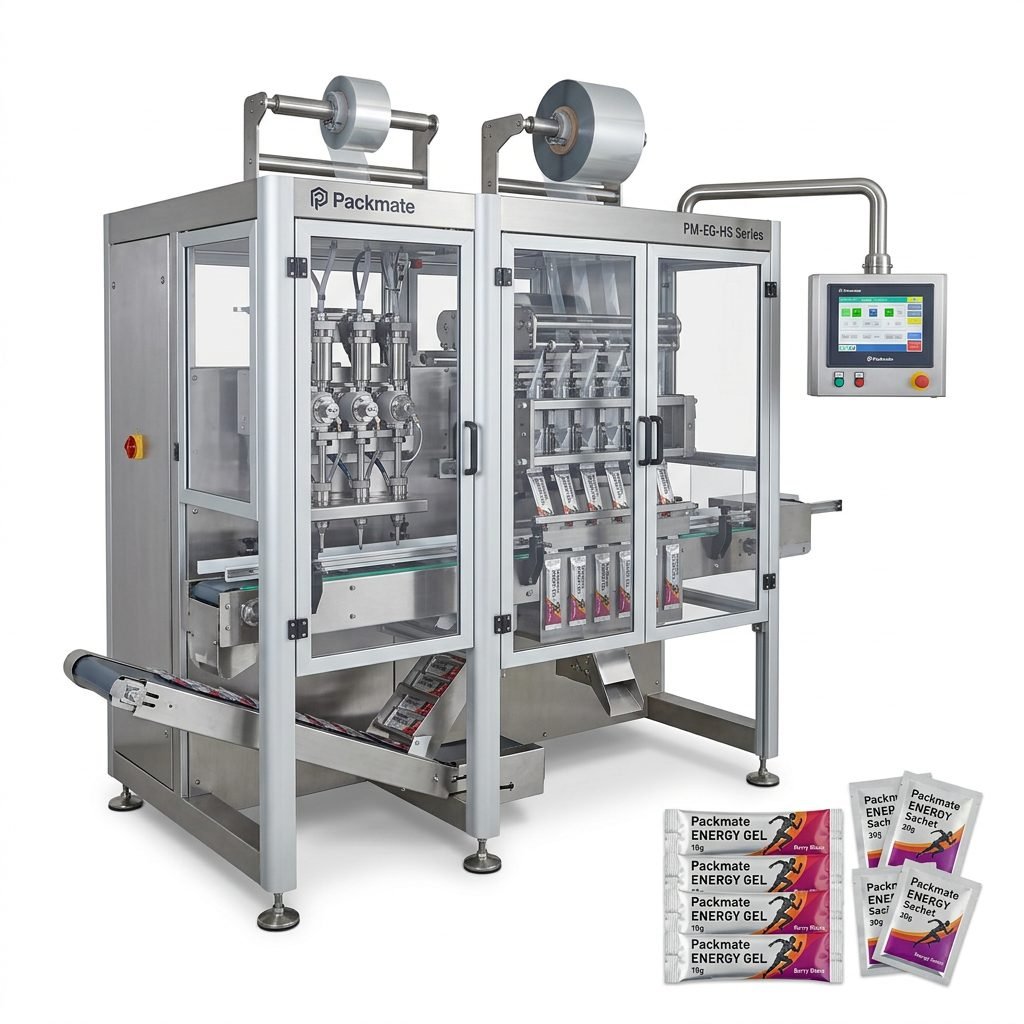
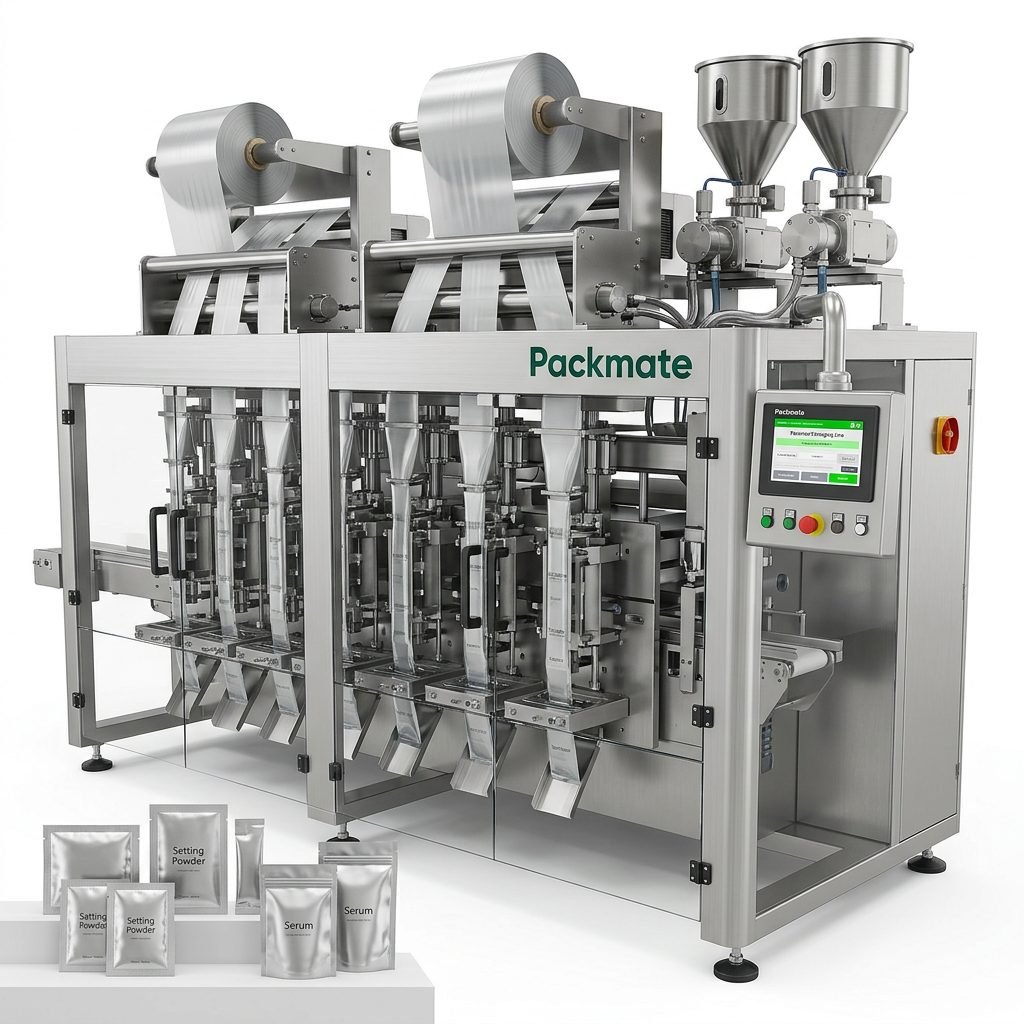
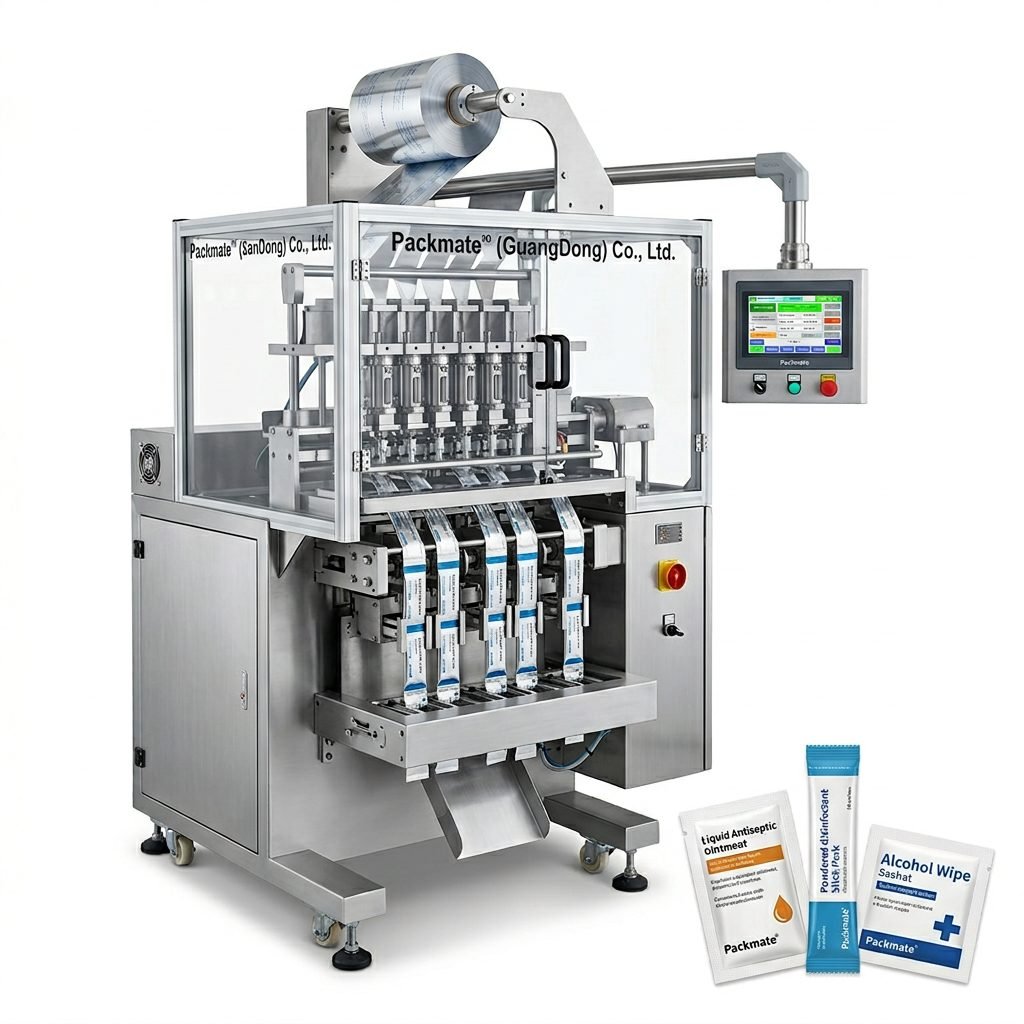
In today’s fast-paced and quality-conscious market, the packaging of food, pharmaceutical, and health products is no longer just about containment. It is a critical process that ensures product integrity, safety, shelf life, and brand appeal. For manufacturers, achieving consistent, efficient, and compliant packaging at scale is a complex challenge. This is where smart, turnkey packaging line solutions become indispensable. These integrated systems, designed to handle everything from granules and powders to liquids, transform raw production into finished, market-ready products with minimal human intervention and maximum reliability.
The Critical Need for Smart Packaging Systems
The demands on packaging lines in regulated industries are immense. Food products require protection from contamination and spoilage, while maintaining freshness. Pharmaceutical and health supplements have even stricter requirements for sterility, dosage accuracy, and tamper evidence. A manual or semi-automated process is prone to inconsistencies, higher contamination risks, and slower throughput. Smart packaging systems address these issues head-on by integrating advanced automation, precision controls, and data monitoring into a seamless workflow.
Core Advantages of a Turnkey Solution
Choosing a complete turnkey packaging line over assembling individual machines offers transformative benefits:
✓ Seamless Integration: All components—from filling and sealing to coding and cartoning—are designed to work in perfect harmony, eliminating bottlenecks.
✓ Single-Point Accountability: One supplier, like Packmate, is responsible for the entire line’s performance, simplifying support and maintenance.
✓ Faster Time-to-Market: With design, installation, and commissioning handled by experts, production can start sooner.
✓ Optimized Performance: The line is engineered for a specific output and product type, ensuring peak efficiency and minimal waste.
Tailored Solutions for Key Industries
Smart packaging is not a one-size-fits-all proposition. The technology and design must adapt to the unique substance and regulatory landscape of each sector.
Food Industry Packaging
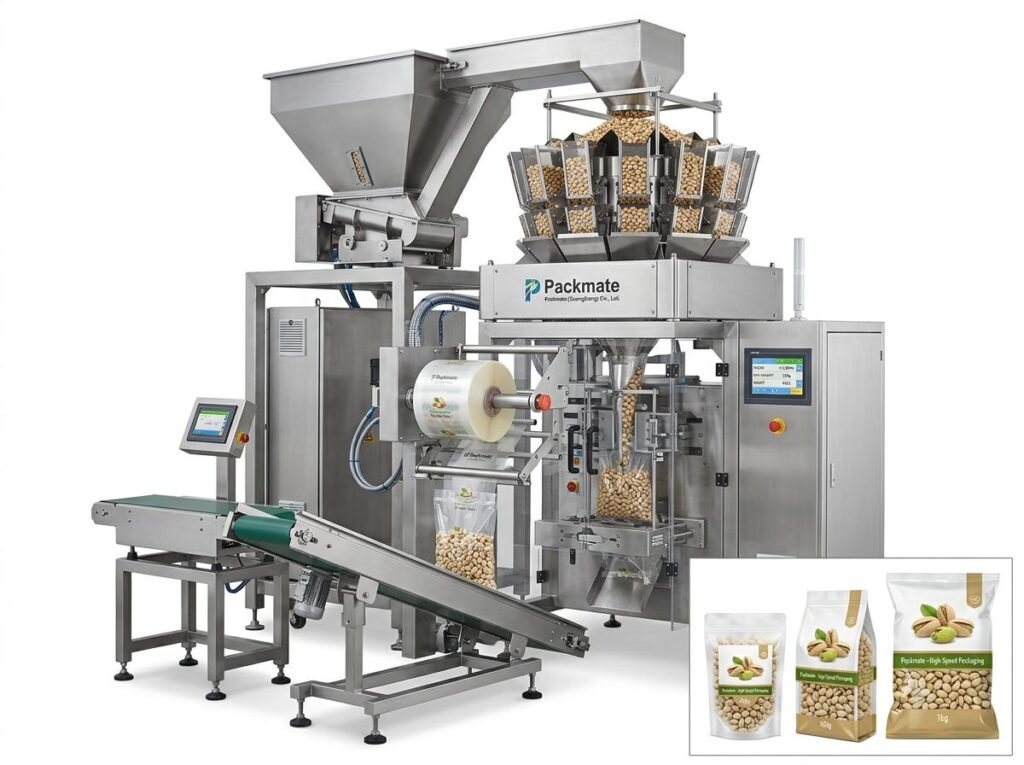
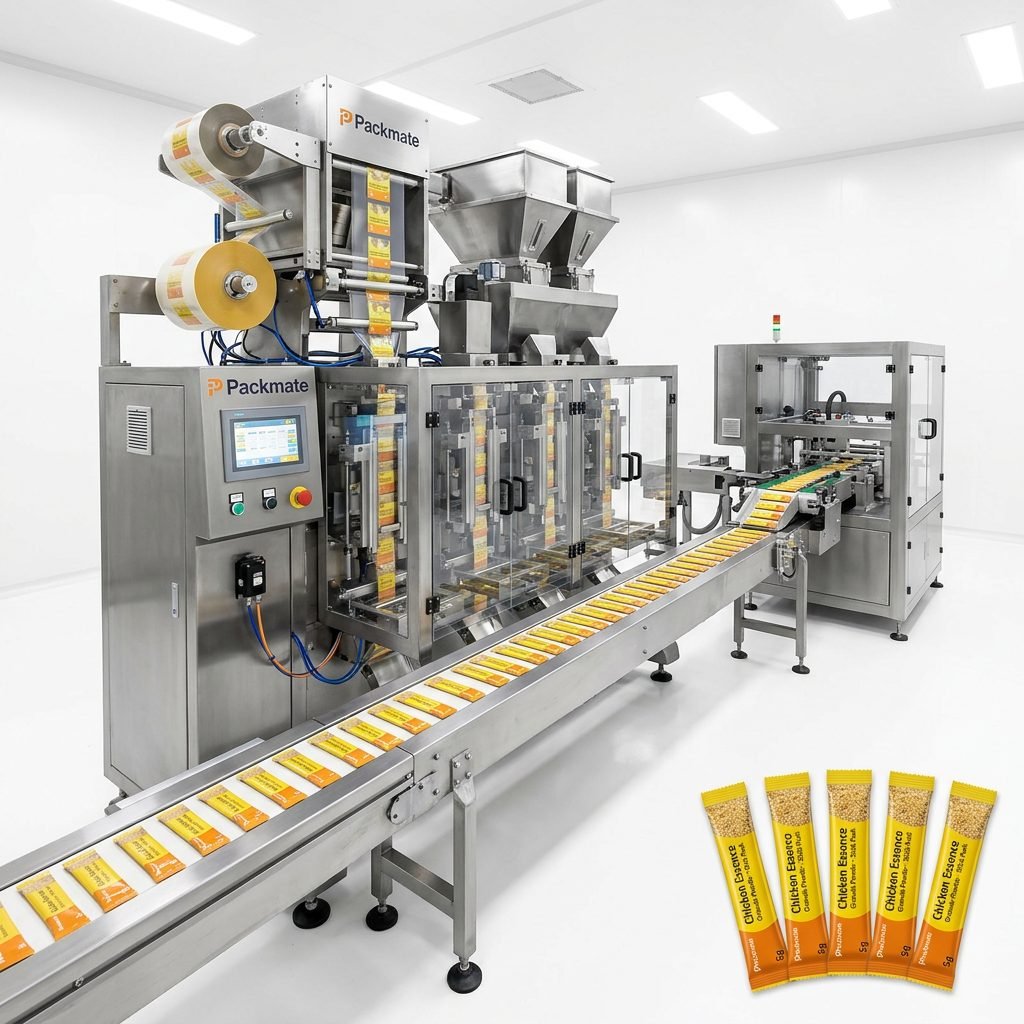
For coffee, sugar, spices, or soup mixes, speed, freshness preservation, and appealing presentation are key. Multi-lane stick pack and sachet machines can achieve incredibly high outputs for single-serve portions. These lines often include nitrogen flushing options to displace oxygen, significantly extending shelf life. For larger volumes, such as flour or grains, automated bagging lines with precise weigh-fillers ensure consistent portion control.
Pharmaceutical & Nutraceutical Packaging
Precision and traceability are non-negotiable. Packaging lines for powders, granules, or effervescent tablets must operate in controlled environments. High-accuracy auger or liquid pumps ensure exact dosage in every sachet or stick pack. Integrated vision inspection systems check for fill levels, seal integrity, and correct labeling. Every batch’s data can be logged for complete regulatory compliance, a critical feature for pharmaceutical applications.
Health & Wellness Products
This booming sector, encompassing protein powders, herbal supplements, and vitamins, requires packaging that blends pharmaceutical-grade accuracy with consumer-friendly aesthetics. Stick packs are popular for on-the-go consumption, while resealable pouches cater to home use. Smart lines can handle a variety of materials, including high-barrier films that protect sensitive ingredients from moisture and light.
The Packmate Advantage: Engineering Excellence
With over 22 years of industry experience, Packmate (GuangDong) Co., Ltd. embodies the principles of robust engineering and innovative design. Operating from a modern 20,000㎡ facility, the company has evolved from a specialist in sachet machines to a provider of comprehensive turnkey lines.
From Vision to Reality: The Packmate Story
Founded on a passion for automation by Mr. Jiang Sha, Packmate’s journey began with solving practical machine challenges to improve reliability. This hands-on, problem-solving DNA is still core to its operations today. The company’s growth—from its official establishment in 2003 to its current status—parallels the rising global demand for intelligent packaging. By investing in a team of over 125 professionals and more than 100 units of advanced equipment, Packmate ensures each solution is built for endurance and performance. You can explore their journey and ethos in detail on their official website.
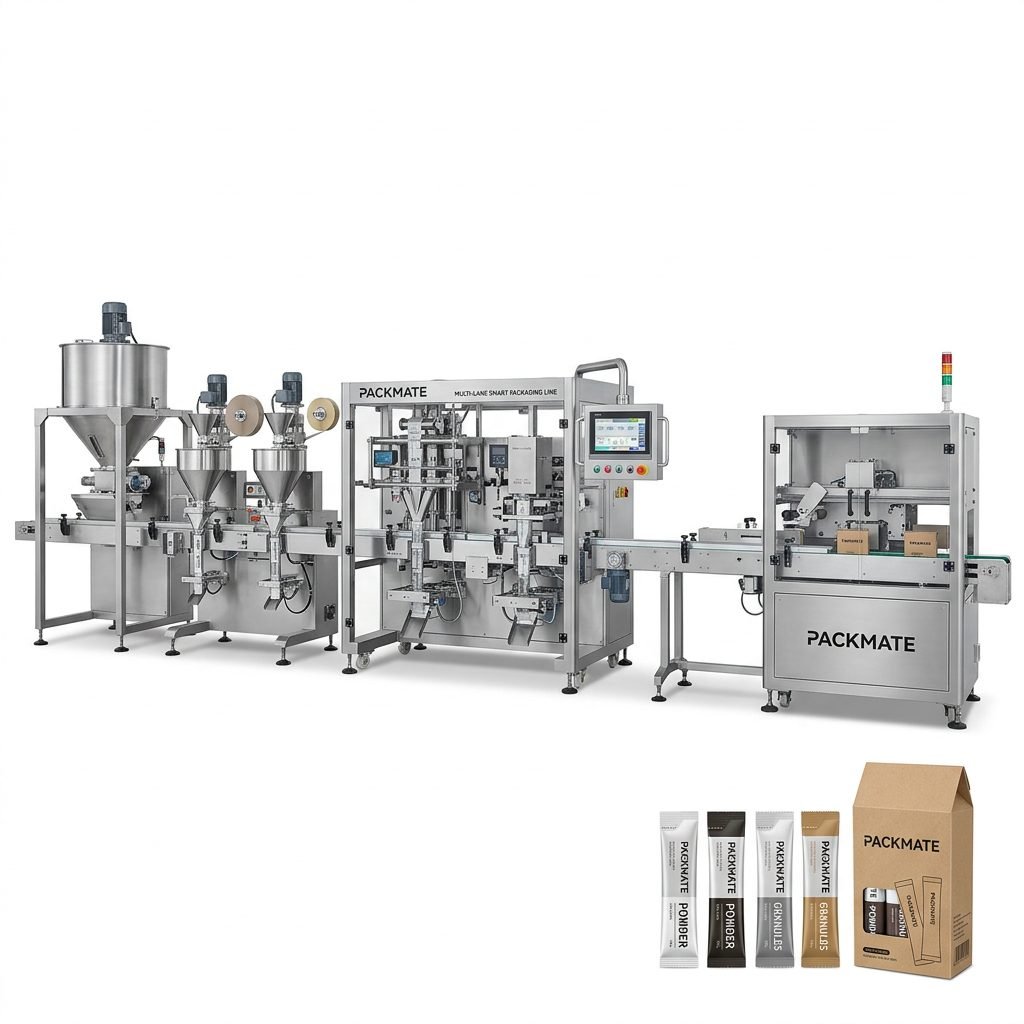
Key Components of a Packmate Turnkey Line
A typical advanced line integrates several sophisticated machines:
• Automated Feeding System: Ensures a consistent supply of product to the filling stations.
• Precision Filling Machine: Utilizes auger, volumetric, or pump fillers for unparalleled accuracy.
• High-Speed Form-Fill-Seal (FFS) Unit: Creates the pouch from roll film, fills it, and seals it in one continuous motion.
• Integrated Quality Checkpoints: Includes metal detectors, checkweighers, and vision systems.
• Secondary Packaging: Automates cartoning, case packing, and palletizing.
Implementing Your Smart Packaging Line
Successfully deploying a new packaging system is a strategic project. It starts with a deep consultation to understand product characteristics, desired output, and factory layout. Packmate’s engineers then design a customized solution, followed by manufacturing and rigorous factory acceptance testing (FAT) at their facility. Upon client approval, the line is installed and commissioned on-site, with comprehensive training provided for operators and maintenance staff. This end-to-end service model ensures a smooth transition to higher productivity.
Looking Ahead: The Future of Packaging Automation
The future points toward even greater connectivity and intelligence. The next generation of smart packaging lines will feature deeper Industrial Internet of Things (IIoT) integration, allowing for real-time performance analytics, predictive maintenance alerts, and remote troubleshooting. Sustainability will also drive innovation, with machines optimized for using recyclable or biodegradable films without compromising speed. Companies that invest in adaptable, data-driven systems today will be best positioned to meet tomorrow’s market and regulatory demands.
Frequently Asked Questions (FAQs)
1. What is the main benefit of a turnkey line versus buying machines separately?
The primary benefit is guaranteed system compatibility and performance. A turnkey provider engineers all components to work together seamlessly, ensuring optimal speed and efficiency while providing a single point of contact for service and support, eliminating the hassle of coordinating multiple vendors.
2. Can one packaging line handle different product types, like powders and liquids?
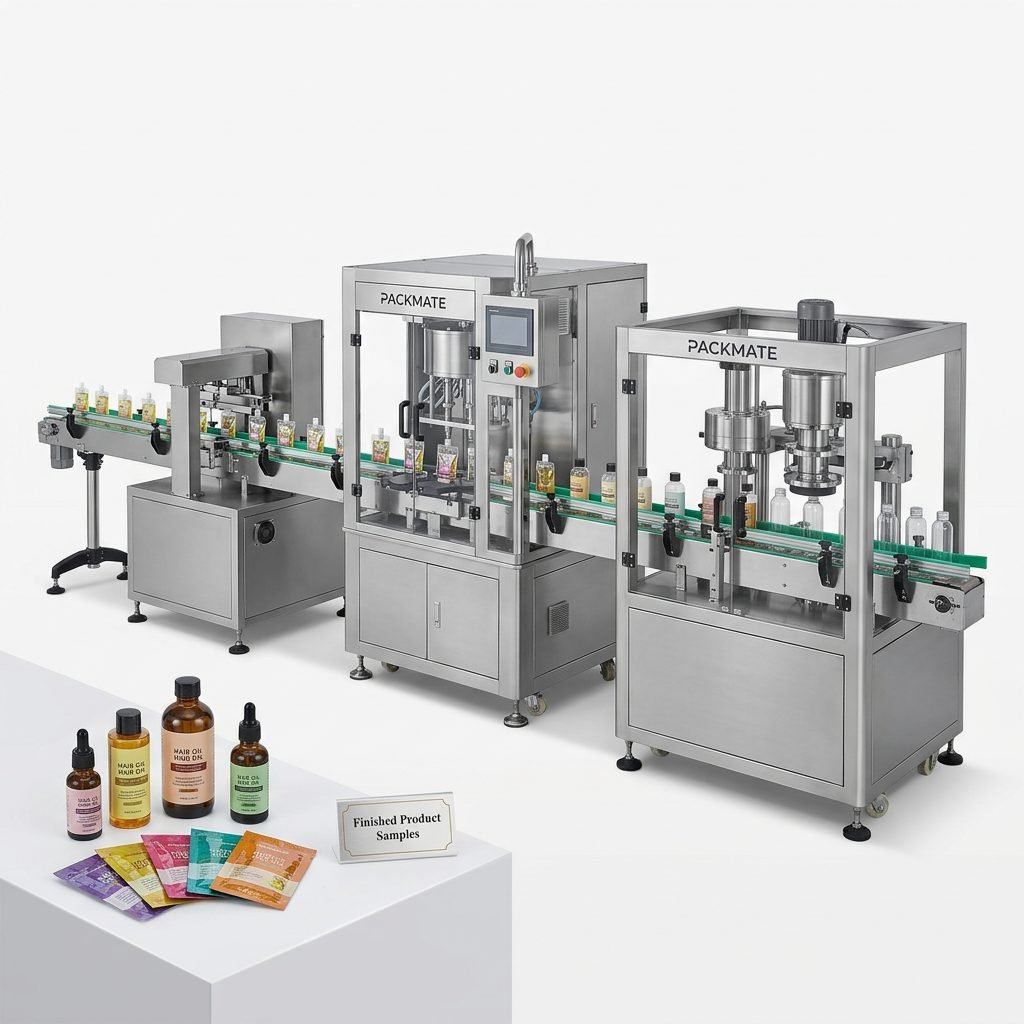
While some core machines (like the form-fill-seal unit) may be similar, the filling system is product-specific. A well-designed line can often be adapted or have modules swapped (e.g., changing an auger filler for a liquid pump) to handle different product formats within a similar viscosity range, but significant changeovers require planning and possible reconfiguration.
3. How do you ensure packaging accuracy for sensitive products like pharmaceuticals?
Pharmaceutical-grade lines use servo-driven precision fillers (like augers or pumps) calibrated to minute tolerances. They are integrated with in-line checkweighers that reject any under or over-filled packs. Furthermore, the entire process can be validated and documented to meet strict Good Manufacturing Practice (GMP) standards.
4. What kind of after-sales support and training can we expect?
Reputable suppliers offer comprehensive support, including detailed operational and maintenance training during commissioning, provision of spare parts lists, and access to technical support. Many, like Packmate, offer remote diagnostics and have service engineers available for on-site assistance if needed.
5. How long does it typically take from order to a fully operational line?
The timeline varies based on line complexity and customization. Generally, it involves several months for design, manufacturing, and factory testing, followed by a few weeks for shipping, installation, and on-site commissioning. A detailed project plan with milestones is always provided at the outset.