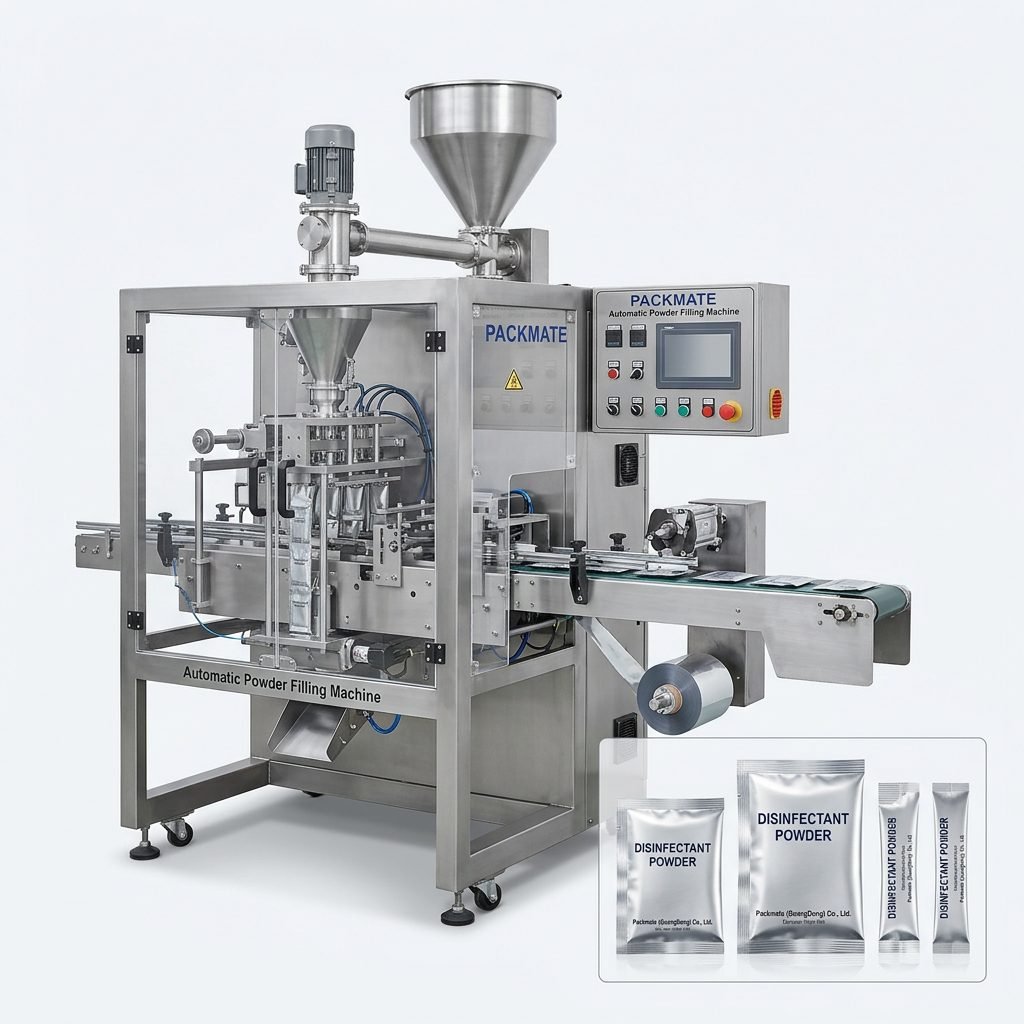
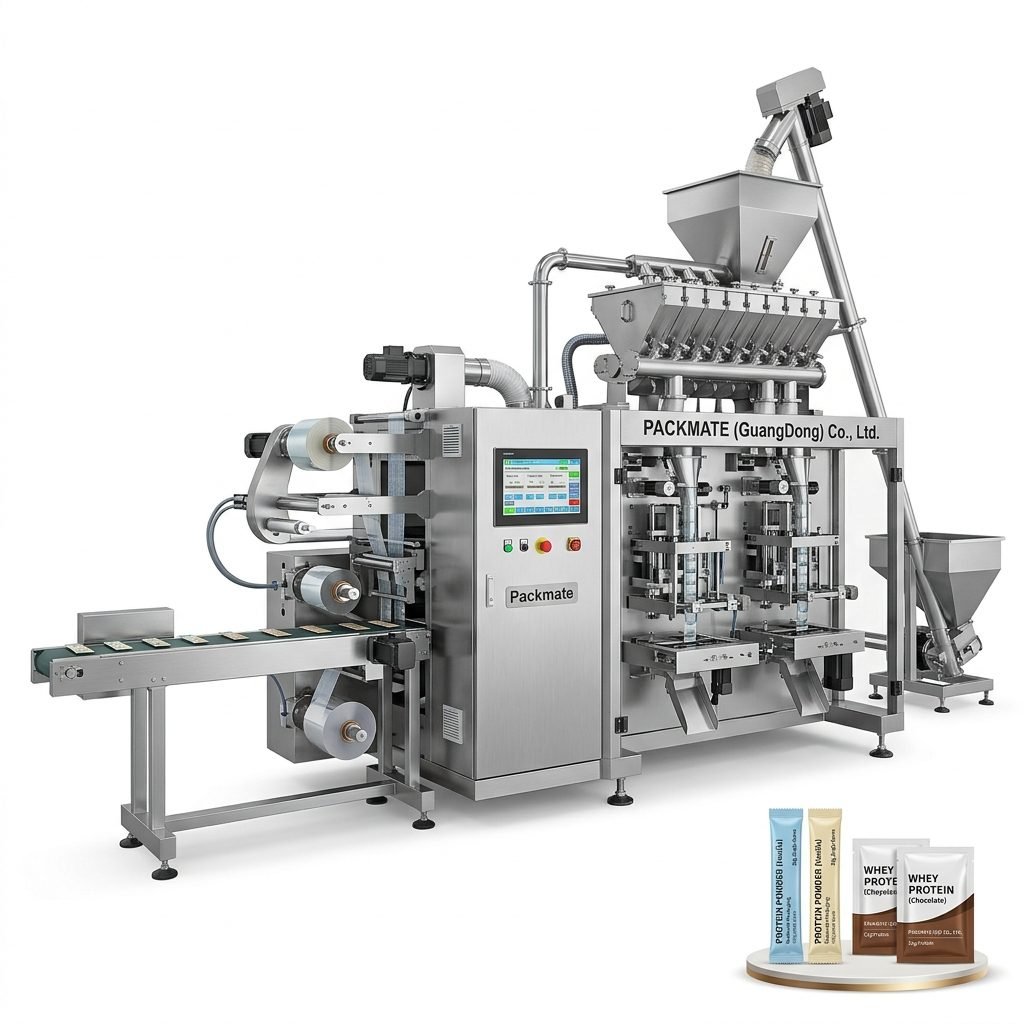
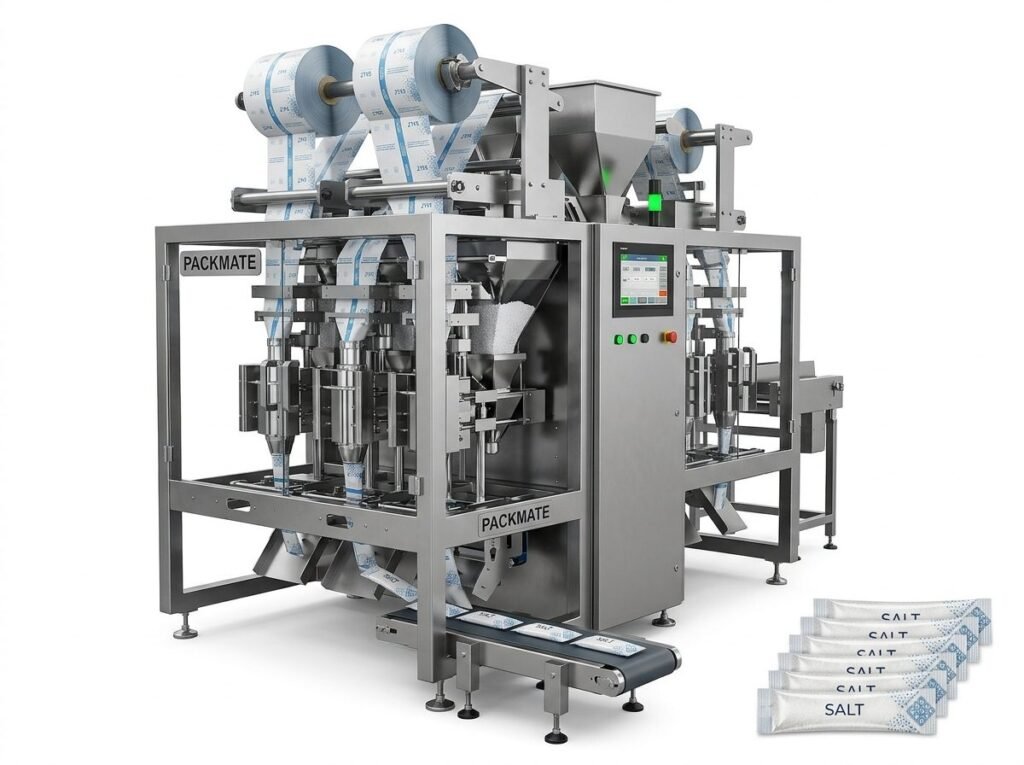
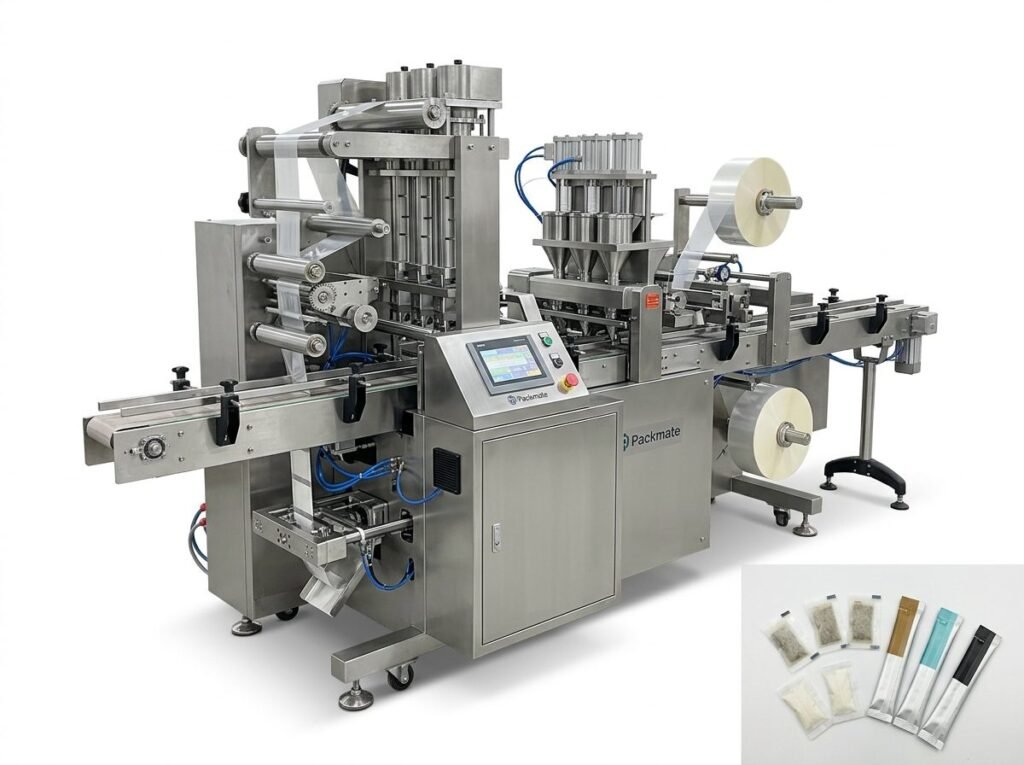
In the critical world of medical supply manufacturing, the final step of packaging is far from an afterthought. It is a decisive gatekeeper of product safety, sterility, and market readiness. A dedicated Packaging Line for Medical Supplies is not merely a collection of machines; it is an integrated, complete turnkey solution engineered to meet the stringent demands of sterile, automated operations. This article delves into the components, benefits, and critical considerations of implementing such a system, highlighting how it serves as the backbone for reliable and compliant medical product delivery.
The Imperative for Sterility and Automation in Medical Packaging
The primary goal of any medical packaging process is to maintain the sterility and integrity of the product from the point of manufacture to the point of use. Contamination can have severe consequences, making automation a non-negotiable element. Automated sterile packaging lines minimize human intervention, drastically reducing the risk of particulate, microbial, or cross-contamination. These systems are designed to operate within controlled environments, often integrating seamlessly with isolators or cleanrooms to uphold the necessary aseptic conditions.
Core Advantages of a Turnkey Medical Packaging Line
- Guaranteed Sterility Assurance: Engineered protocols and closed-system automation ensure products are packaged in a contaminant-free environment.
- Enhanced Operational Efficiency: High-speed, consistent operation increases output and reduces labor costs associated with manual packaging.
- Regulatory Compliance: Systems are built to facilitate validation and meet rigorous standards like ISO 13485, FDA 21 CFR Part 211, and other global regulatory requirements.
- Traceability and Data Integrity: Integrated vision systems, sensors, and software provide complete batch records and track-and-trace capabilities.
- Reduced Total Cost of Ownership: A single-source turnkey solution from a provider like Packmate ensures compatibility, simplifies training, and streamlines maintenance and support.
Deconstructing the Complete Turnkey Packaging Line
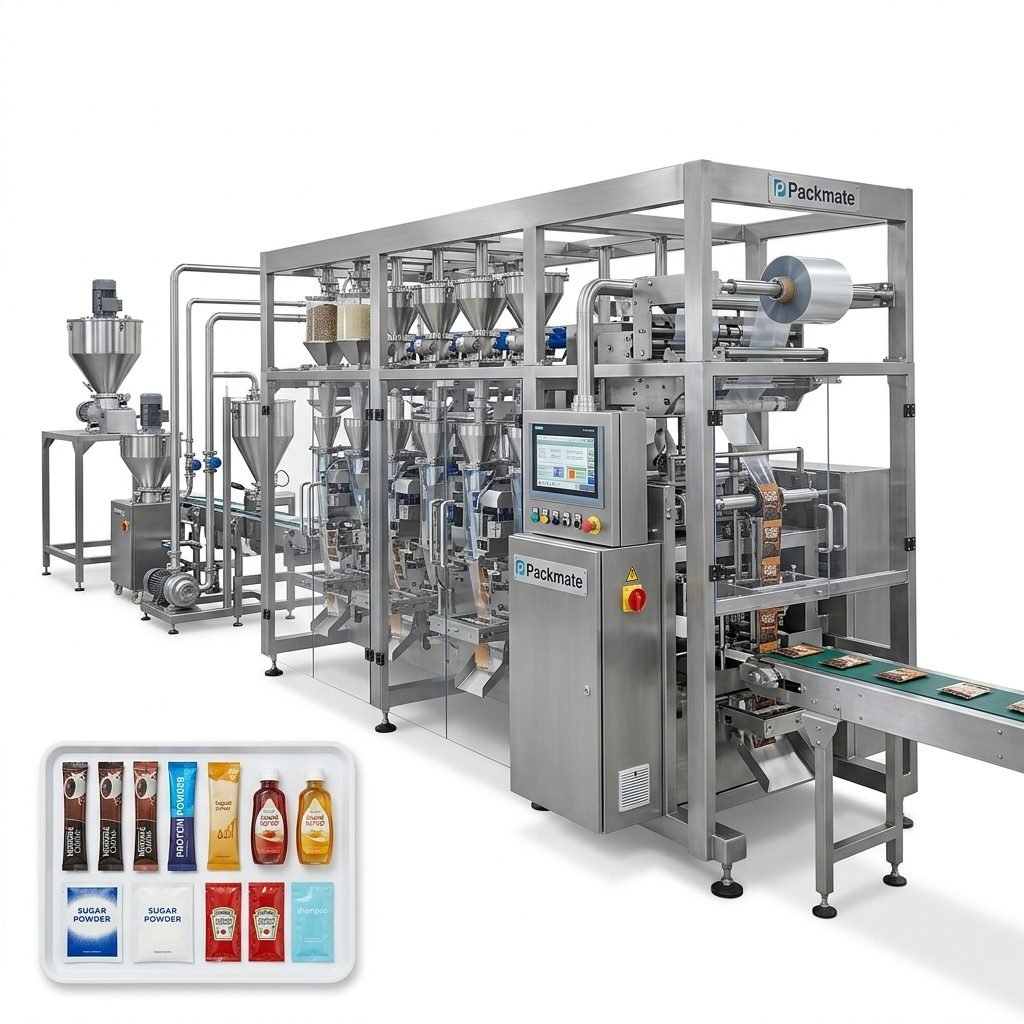
A fully integrated line is a symphony of specialized equipment. Understanding each component’s role is key to appreciating the system’s holistic value.
1. Primary Packaging Systems
This is where the product first meets its protective barrier. Common configurations for medical supplies include:
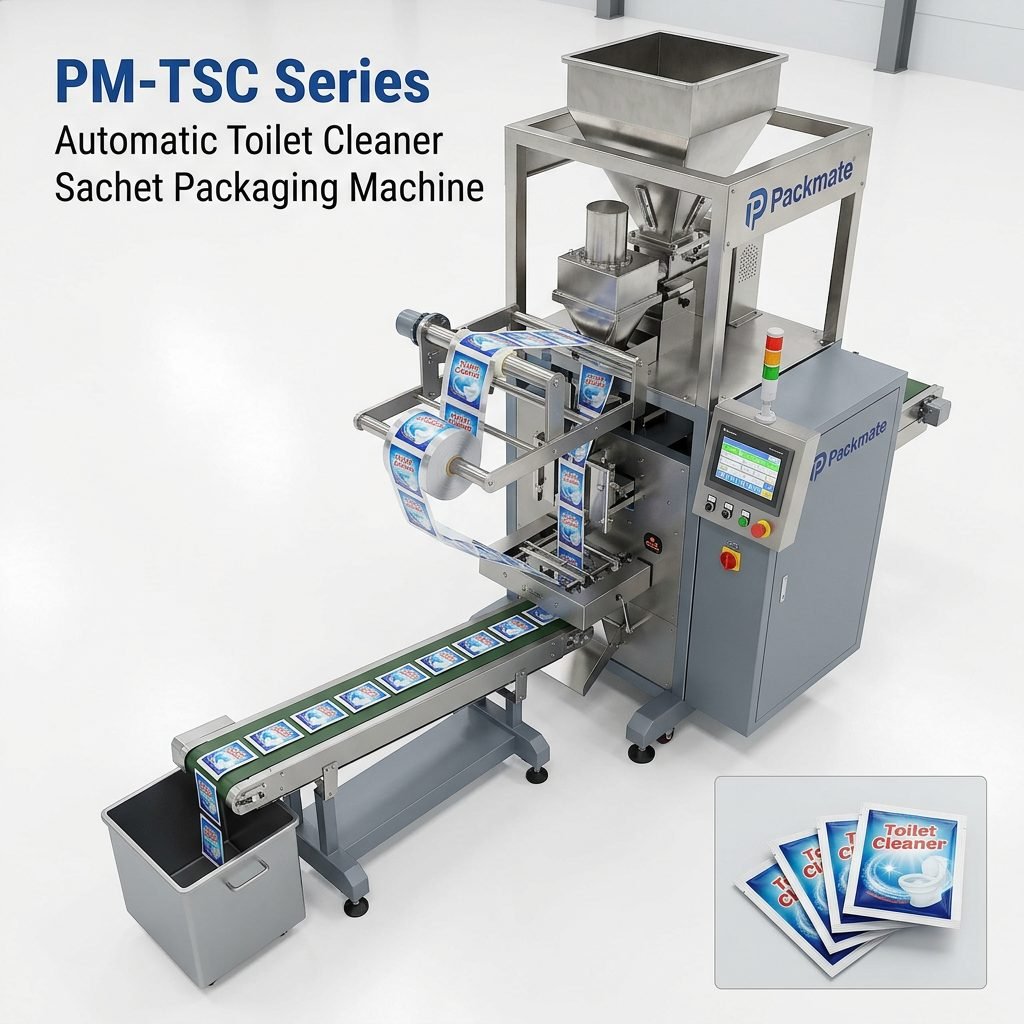
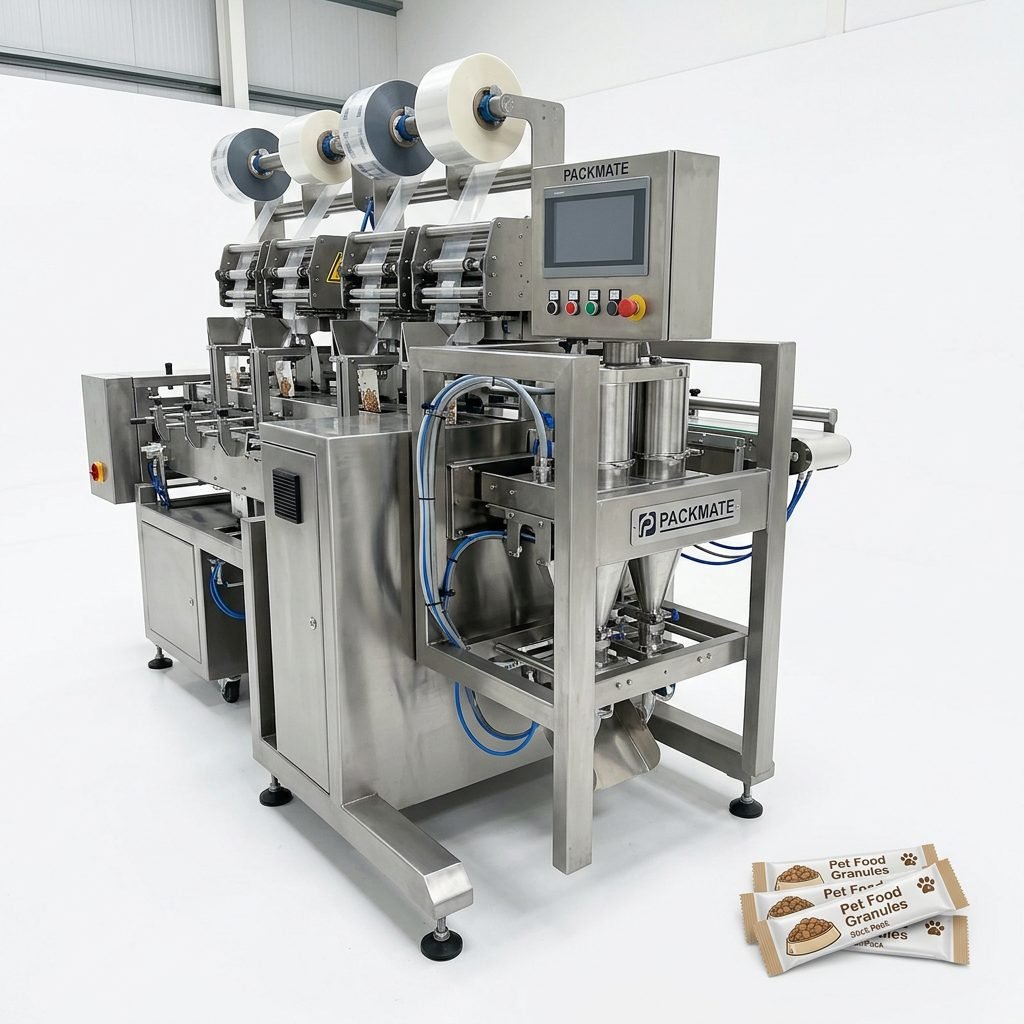
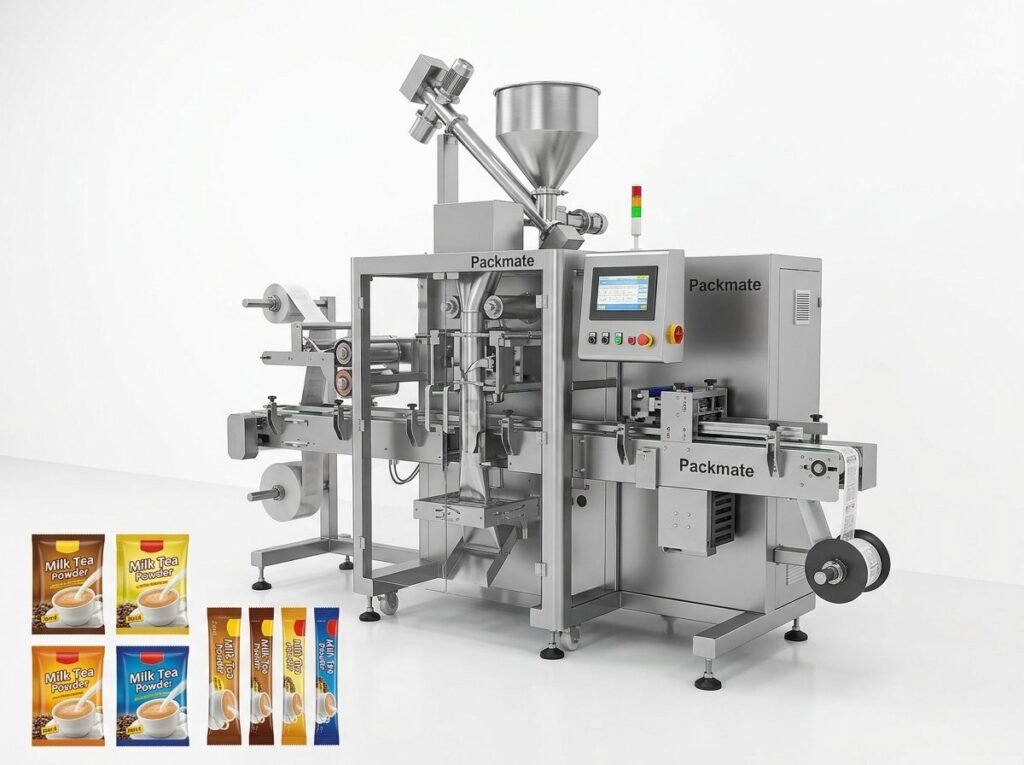
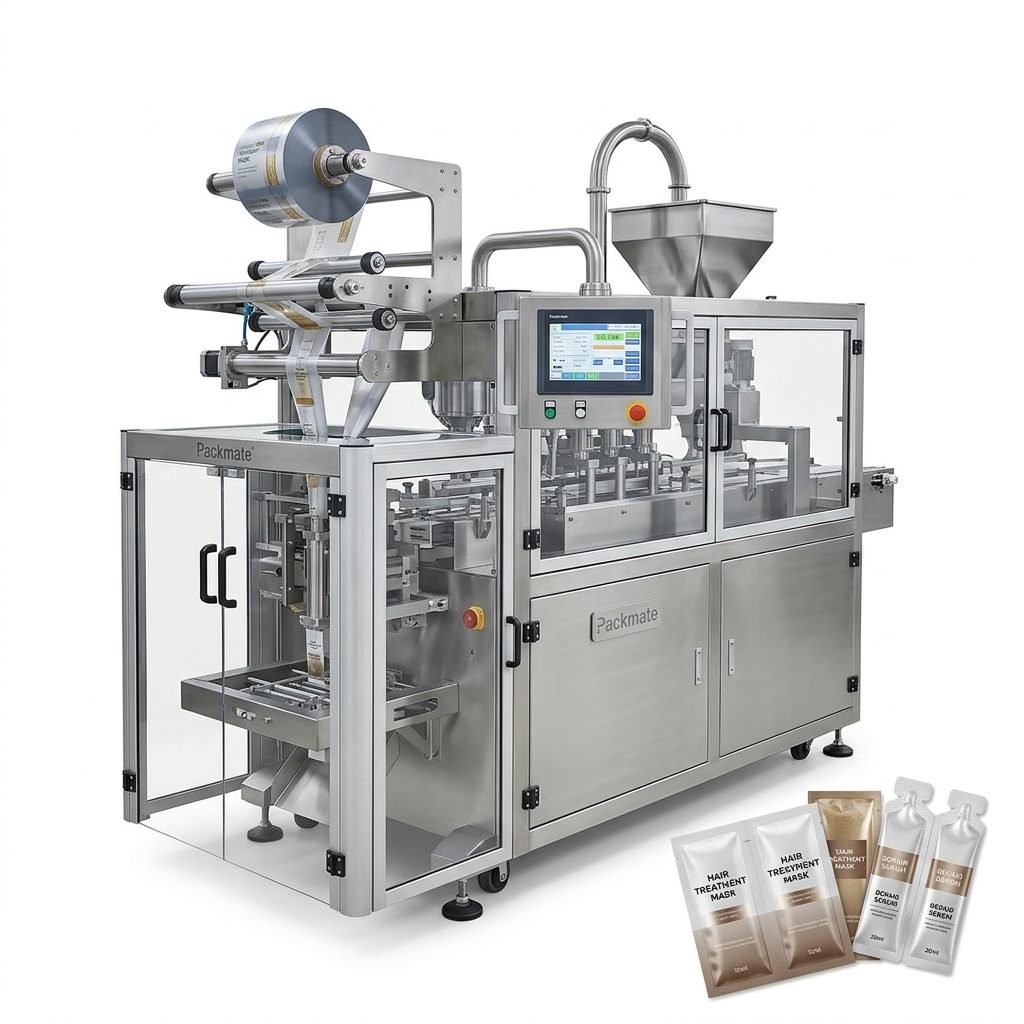
- Form-Fill-Seal (FFS) Machines: For creating sachets, stick packs, or pouches from roll stock film. This method is ideal for sterile dressings, swabs, or single-dose powders.
- Pre-made Pouch Fillers: For loading products into sterilized, ready-made pouches or bags with high precision.
- Blistering Machines: Essential for tablets, capsules, or small medical devices, providing excellent barrier protection and user convenience.
Choosing the right primary system depends on the product’s form, sterility requirements, and desired presentation. Explore various packaging solutions to find the optimal fit for your application.
2. Automation and Material Handling
Robotic arms, conveyor systems with precise accumulation, and automated guided vehicles (AGVs) connect different stages of the line. They handle tasks like loading empty packaging materials, transferring filled units, and orienting products for secondary packaging, all while maintaining the controlled environment.
3. Sterilization Integration
For truly sterile products, the packaging line must interface with sterilization processes. This could involve:
- In-line ETO (Ethylene Oxide) or Gamma Radiation Chambers: Where the packaged product undergoes sterilization.
- Aseptic Processing Lines: Where both the product and packaging material are sterilized separately and brought together in a sterile environment.
4. Inspection and Quality Control
Automated inspection is the quality sentinel. This layer includes:
- Vision Inspection Systems: Check for fill levels, seal integrity, correct labeling, and the presence of particulates.
- Leak Detection: Uses technologies like vacuum decay or pressure decay to identify compromised packages.
- Weight Checkers: Ensure each unit meets specified weight tolerances.
Any unit failing inspection is automatically rejected, preventing defective products from proceeding.
5. Secondary and Tertiary Packaging
Once primary packaging is complete and verified, products are grouped. This stage includes:
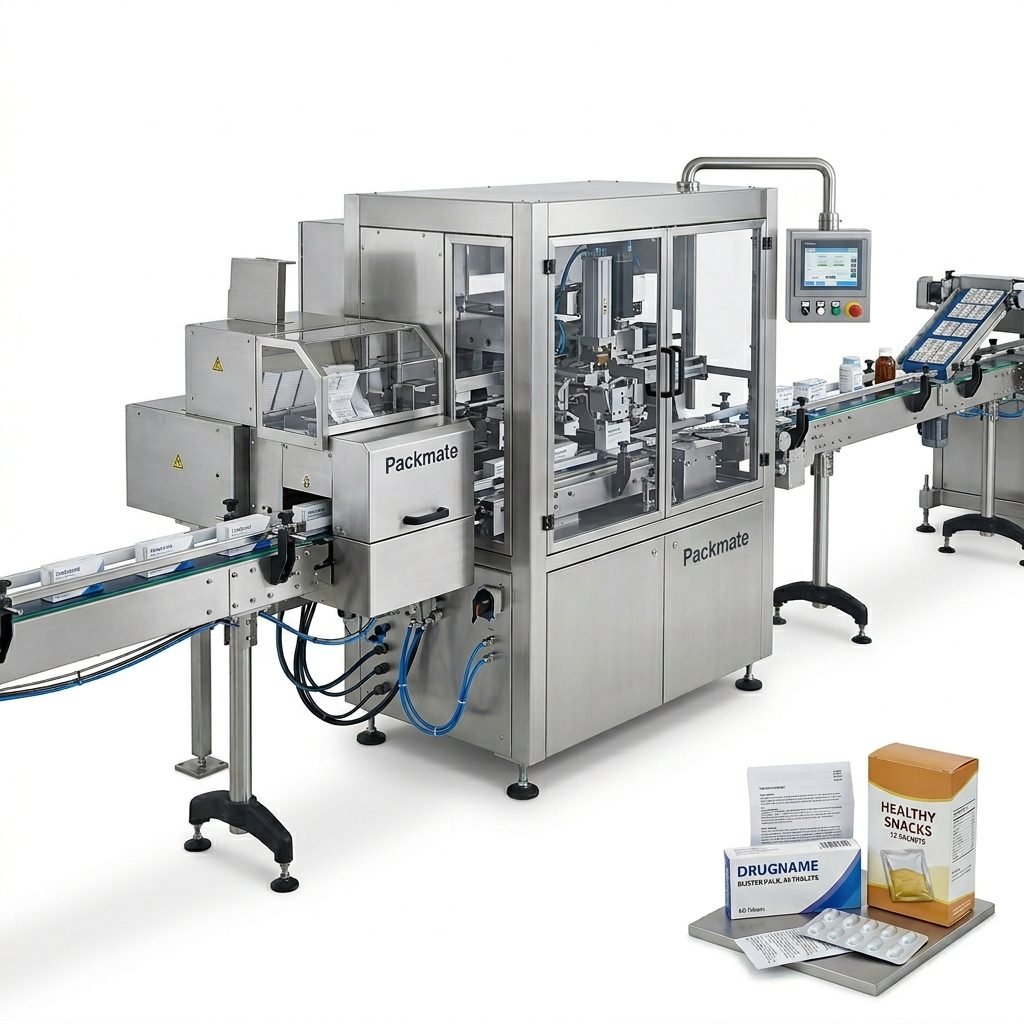
- Cartoning Machines: Automatically erect, load, and seal cartons.
- Case Packers and Palletizers: Bundle cartons into shipping cases and stack them onto pallets for distribution.
6. The Command Center: Control Software & SCADA
The entire line is managed by a centralized control system (often a SCADA system). This software provides real-time monitoring, operational data (OEE), recipe management, alarm logging, and generates reports essential for validation and compliance. It is the digital brain of the automated packaging operation.
Why Partner with a Specialist for Your Turnkey Solution?
Designing and implementing a medical-grade packaging line is a complex undertaking. Partnering with an experienced specialist like Packmate (GuangDong) Co., Ltd. offers distinct advantages. With over 22 years of development, their team of 125+ professionals understands the nuanced requirements of sterile environments. Their 20,000㎡ modern facility allows for the design, testing, and validation of complete lines before they arrive at your site, de-risking the entire project. From initial concept to final validation support, a true turnkey partner manages the entire lifecycle. You can see their expertise in action through detailed project cases.
Key Considerations for Implementation
Before investing, manufacturers must carefully assess several factors:
Product Characteristics: Is it a powder, liquid, solid, or device? What are its sensitivity and sterility needs?
Regulatory Pathway: Which markets (US, EU, etc.) will the product be sold in? The line must be designed to support the necessary validation protocols.
Capacity and Flexibility: What is the required output (units per minute)? Will the line need to handle multiple product formats or sizes?
Lifecycle Costs: Look beyond the initial purchase price to include validation, maintenance, parts, and operational efficiency gains.
Supplier Expertise: Choose a partner with a proven track record in medical packaging, not just general automation. Review their certifications and qualifications closely.
The Future: Smart, Connected, and Adaptive Lines
The future of medical packaging lies in Industry 4.0 integration. Next-generation lines will feature enhanced IoT connectivity for predictive maintenance, AI-driven vision systems for superior defect detection, and even greater flexibility to handle smaller, personalized batches without compromising speed or sterility. The goal is a self-optimizing system that maximizes uptime, quality, and compliance.
Implementing a complete turnkey packaging line for medical supplies is a strategic investment that pays dividends in product safety, regulatory compliance, and operational excellence. By automating the sterile packaging process, manufacturers protect patients, build brand trust, and secure a competitive edge in a demanding global marketplace.
Frequently Asked Questions (FAQs)
1. What is the main difference between a standard packaging line and one designed for medical supplies?
The core difference lies in the paramount focus on sterility assurance and validation. Medical lines are constructed with materials suitable for cleanrooms, feature designs that prevent contamination (e.g., smooth surfaces, easy cleaning), and are built to generate the extensive documentation required for regulatory approval (IQ/OQ/PQ protocols).
2. How long does it typically take to commission and validate a new turnkey medical packaging line?
The timeline varies based on complexity but typically ranges from 6 to 18 months. This includes design, fabrication, Factory Acceptance Testing (FAT) at the supplier’s site, installation, Site Acceptance Testing (SAT), and the full suite of Installation, Operational, and Performance Qualification (IQ/OQ/PQ) activities at your facility.
3. Can an existing packaging line be upgraded to meet sterile medical standards?
It is possible but often challenging and may not be cost-effective. Retrofitting must address material compatibility (e.g., switching to stainless steel), adding cleanroom-grade enclosures, integrating advanced sterilization and inspection modules, and ensuring the entire system can be validated. A greenfield turnkey solution is usually more reliable.
4. What ongoing support should I expect from my turnkey solution provider?
A reputable provider offers comprehensive support including training for your operators and maintenance staff, readily available spare parts, remote troubleshooting assistance, and service contracts for preventive maintenance. They should also offer support for re-validation if you make significant changes to the process.
5. How do I ensure the packaging line remains compliant with evolving regulations?
Partner with a provider who is actively engaged in the medical packaging industry and stays abreast of regulatory changes. They should offer software updates, technical bulletins, and validation support services to help you adapt. Maintaining a strong relationship with your supplier and conducting regular internal audits are key to sustained compliance.