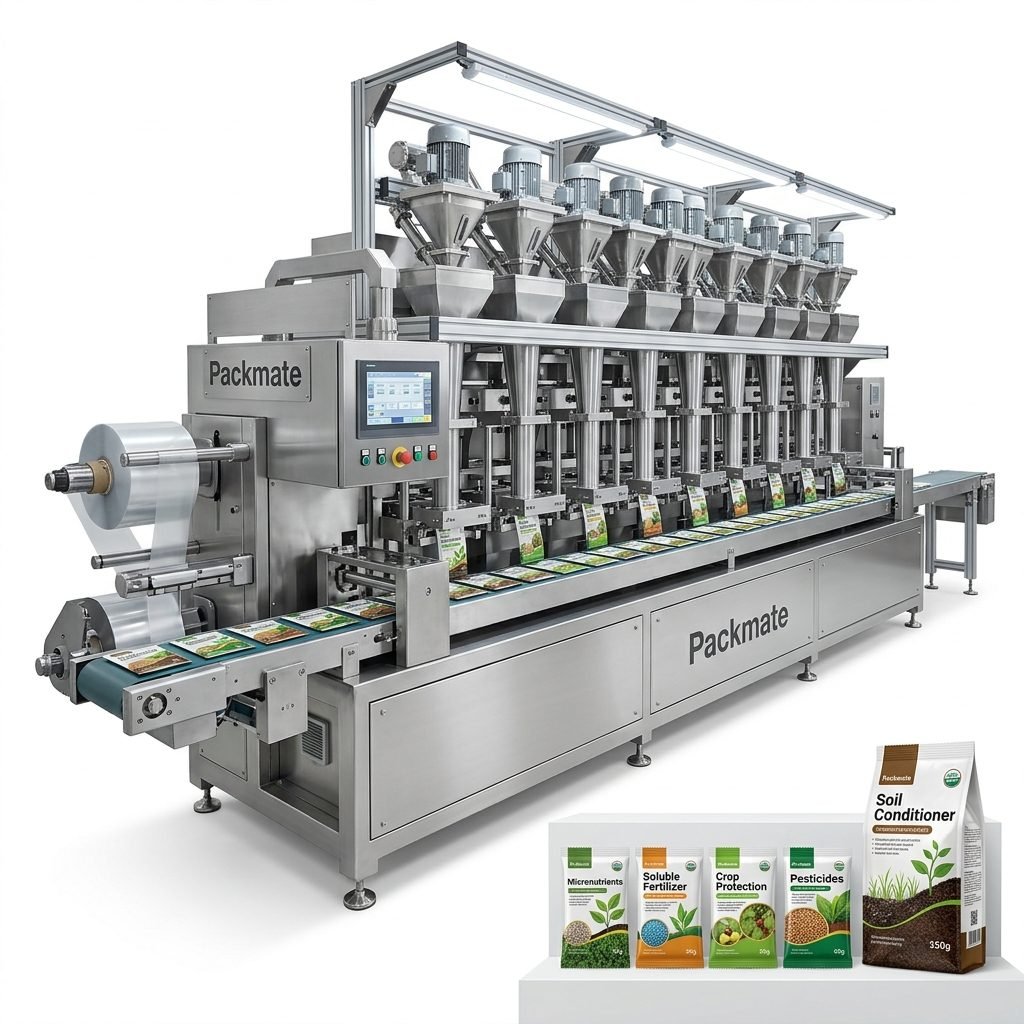
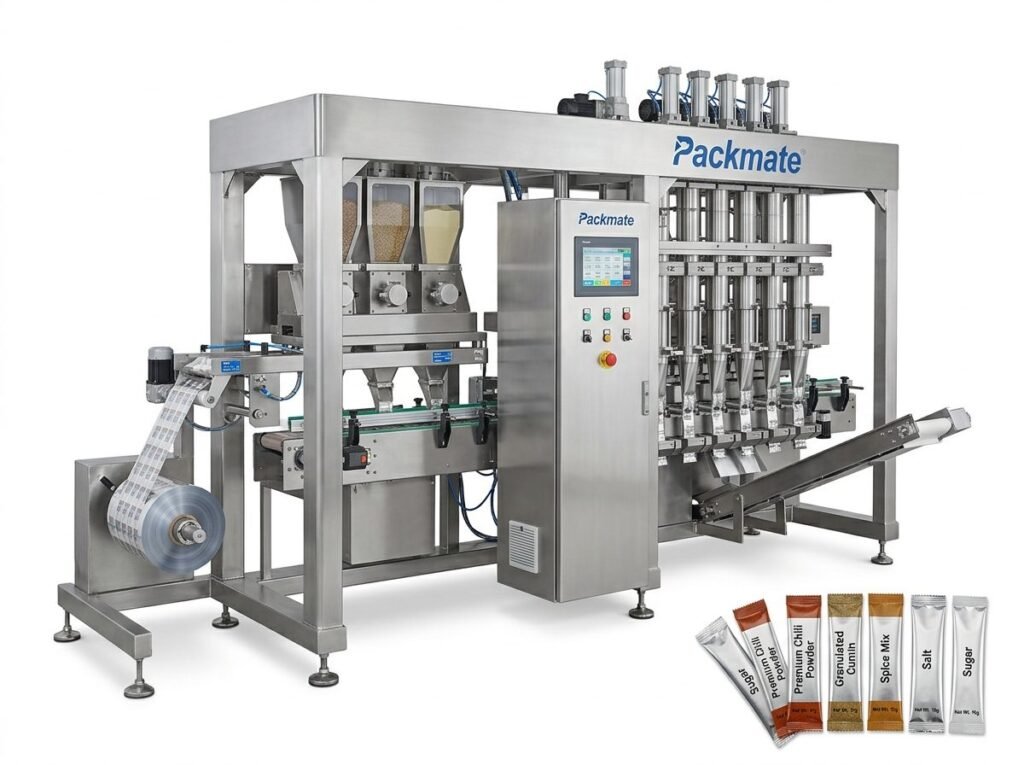
In the fast-paced worlds of food and pharmaceutical manufacturing, the final stage of packaging—the end of the line—is where efficiency, accuracy, and reliability are put to the ultimate test. End of line automation solutions are no longer a luxury but a critical necessity for businesses aiming to maintain competitive advantage, ensure product integrity, and meet stringent regulatory standards. These systems encompass the final steps after primary packaging, including cartoning, case packing, palletizing, labeling, and final inspection.
The Core Challenge: Speed Meets Precision
For both food and pharmaceutical sectors, the end-of-line process must balance high-speed throughput with meticulous precision. A single error in case counting, an incorrect label, or improper pallet stacking can lead to costly recalls, production downtime, and compromised consumer safety. Modern automation addresses this by integrating vision systems, robotic arms, and intelligent software to create a seamless, error-minimized flow from the final product to the shipping dock.
Why End of Line Automation is Non-Negotiable for Modern Packaging
The drive towards automation at the packaging line’s conclusion is fueled by several compelling factors that directly impact a company’s bottom line and market reputation.
1. Unmatched Operational Efficiency and Throughput
Automated systems operate continuously at optimized speeds, far surpassing manual labor’s physical limits and consistency. Robotic palletizers, for instance, can handle hundreds of cases per hour with unwavering rhythm, eliminating bottlenecks and maximizing the output of your entire packaging line solution. This consistent speed is crucial for meeting tight delivery schedules and managing volatile market demands.
2. Enhanced Product Safety and Traceability
This is paramount, especially in pharmaceuticals and perishable foods. Automated systems integrate track-and-trace technologies like barcode scanning and RFID. Every carton and case can be logged, ensuring 100% accurate lot coding, expiry date verification, and seamless integration with Warehouse Management Systems (WMS). This level of control is essential for compliance with regulations like the FDA’s DSCSA and for executing efficient recalls if necessary.
A Key Differentiator: Flexibility
Today’s market requires agility. The best end-of-line solutions are designed for quick changeover. With programmable logic and modular design, a single line can efficiently handle multiple SKUs, package sizes, and pallet patterns. This reduces changeover time from hours to minutes, allowing manufacturers to respond swiftly to custom orders and seasonal variations without sacrificing efficiency.
3. Significant Labor Optimization and Ergonomic Benefits
Automating repetitive, physically demanding tasks like lifting heavy cases or bending to palletize reduces the risk of workplace injuries and frees up skilled personnel for more value-added roles such as supervision, maintenance, and quality control. This leads to a safer work environment, lower insurance costs, and higher overall employee satisfaction and retention.
4. Consistent Quality and Reduced Waste
Human fatigue leads to variability. Automated systems ensure every case is packed symmetrically, every label is applied squarely, and every pallet is stacked to optimal stability. This consistency minimizes product damage during handling and shipping, reduces material waste from errors, and presents a professional, brand-enhancing image to your customers. You can see examples of this precision in action in our detailed project case studies.
Tailored Solutions for Food & Pharmaceutical Industries
While the core principles overlap, the application of end-of-line automation has distinct nuances in each sector.
Food Industry Specifics
In food packaging, speed and hygiene are king. Solutions often feature stainless-steel or easy-clean surfaces to meet sanitary standards. Automation handles diverse package types—from rigid boxes of cereal to flexible bags of snacks—often requiring gentle handling systems. Key focus areas include:
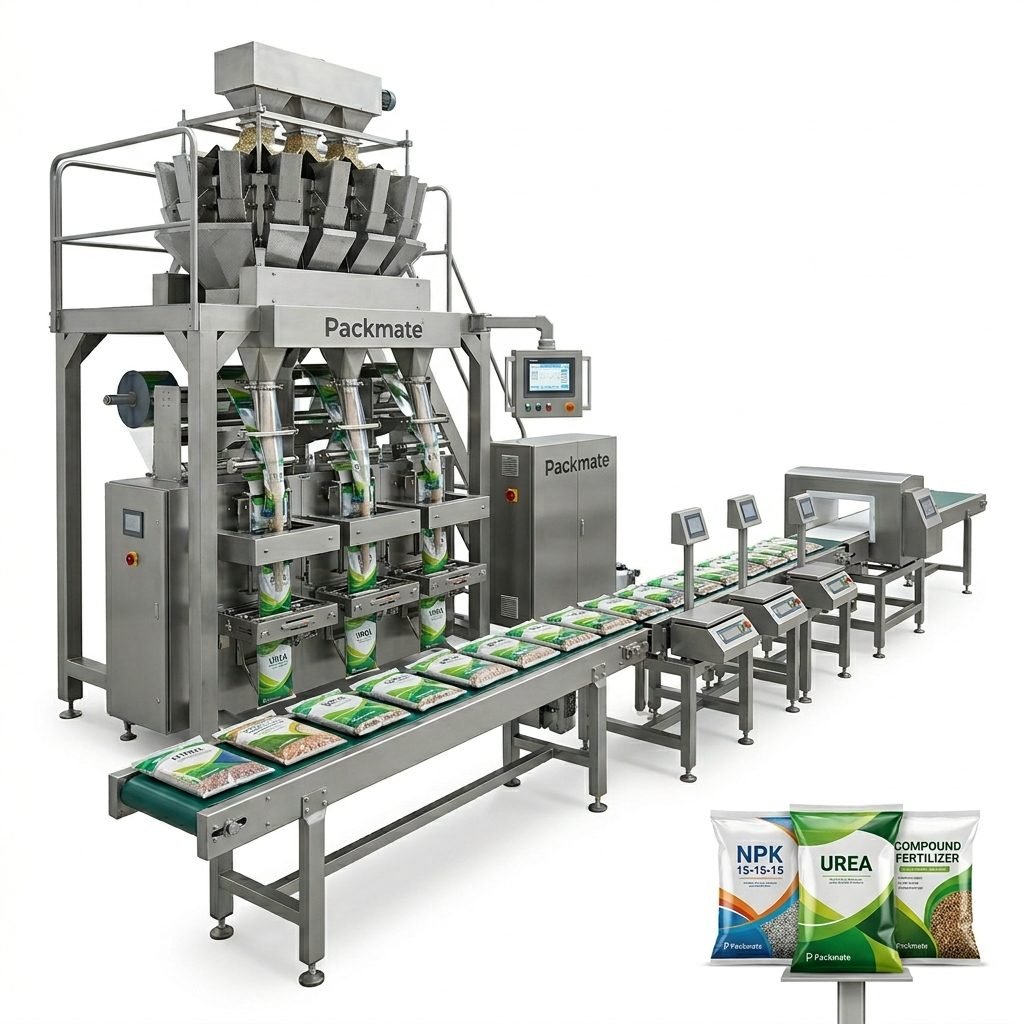
- Checkweighing & Metal Detection: Integrated systems reject under/overweight or contaminated packages before boxing.
- High-Speed Case Erecting and Sealing: For fast-moving consumer goods (FMCG).
- Robotic Palletizing: For mixed-SKU pallets destined for different retail stores.
Pharmaceutical Industry Specifics
Here, precision and compliance are non-negotiable. The environment is often controlled (cleanrooms), and documentation is critical. Systems are designed for audit-ready operations.
- Serialization & Aggregation: Mandatory in many regions, this involves assigning unique identifiers to saleable units and logically linking them to bundled cases and pallets.
- Tamper-Evident Sealing: Automated application of security seals on cartons.
- Vision Inspection Systems: Verifying leaflet inclusion, label accuracy, and blister pack integrity before final packaging.
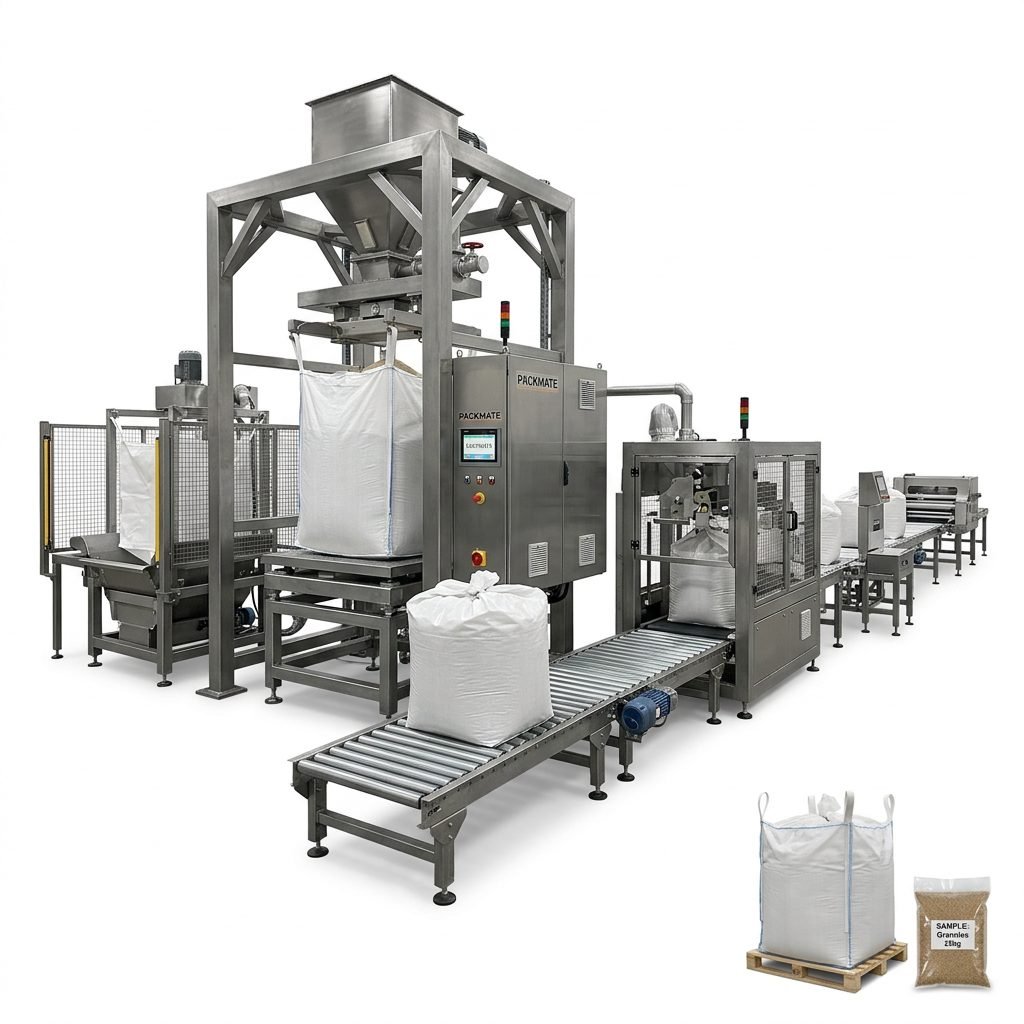
Companies like Packmate (GuangDong) Co., Ltd. understand these critical differences. With over 22+ years of development, their expertise lies in designing intelligent, turnkey solutions that integrate seamlessly with primary packaging machines to create a cohesive, compliant, and high-output line.
Implementing Your Automation Strategy: Key Considerations
Successfully integrating an end-of-line system requires careful planning beyond just purchasing equipment.
Future-Proofing Your Investment
Consider not just today’s needs but tomorrow’s growth. Opt for scalable, modular systems from a provider with a strong technical service and support backbone. Evaluate the supplier’s ability to provide ongoing spare parts, software updates, and retrofit kits to adapt to new packaging formats or regulations. A partner’s proven history, as detailed in their full company profile, is a key indicator of long-term reliability.
Integration is Key: The new automation must communicate flawlessly with existing machinery (fillers, cappers, labelers) and business software (ERP, MES). Choose a provider experienced in creating a unified control platform.
Total Cost of Ownership (TCO): Look beyond the initial purchase price. Factor in energy consumption, maintenance requirements, expected lifespan, and the potential for efficiency gains and waste reduction. A slightly higher initial investment in a robust, efficient system often yields a far better return over its lifecycle.
Conclusion: The Automated Edge
End of line automation is the definitive step in building a resilient, efficient, and competitive packaging operation for the food and pharmaceutical industries. It transforms the final, labor-intensive phase into a streamlined, data-driven, and reliable process. By ensuring faster throughput, impeccable quality, and full regulatory compliance, these solutions protect your brand, your products, and your profitability. Investing in a well-designed, integrated end-of-line system is an investment in the future-proofing of your entire production capability.
Frequently Asked Questions (FAQs)
1. What is the typical ROI period for an end-of-line automation system?
Return on Investment can vary but typically ranges from 1 to 3 years. Key factors influencing ROI include the volume of production, labor cost savings, reduction in product waste and damage, and increased throughput enabling higher sales. A detailed analysis based on your specific operation is recommended.
2. Can automated systems handle frequent product changeovers?
Yes, modern systems are built for flexibility. Through programmable logic controllers (PLCs) and HMI interfaces, changeover parameters (like case size, pallet pattern, label data) can be stored as recipes and recalled instantly, minimizing downtime between production runs.
3. How do these systems ensure compliance with pharmaceutical serialization?
They integrate specialized hardware (high-resolution cameras, print-and-apply units) and software that can generate, verify, and aggregate unique serial numbers according to global standards (e.g., EU FMD, US DSCSA). All data is securely stored and can be exported for regulatory reporting.
4. What kind of maintenance do robotic end-of-line systems require?
Preventive maintenance is crucial. This typically includes regular lubrication, belt tension checks, sensor cleaning, and software updates. Reputable suppliers offer comprehensive service contracts and training for your in-house technicians to perform routine maintenance, ensuring maximum uptime.
5. Are these solutions suitable for small to mid-sized manufacturers?
Absolutely. Automation is scalable. Solutions range from semi-automatic case erectors and sealers to compact robotic cells. The key is to conduct a thorough analysis of your pain points, volume, and budget. Many providers offer modular solutions that can start with a critical process (like palletizing) and expand later.