In the competitive landscape of modern manufacturing, the efficiency of your packaging line is not just an operational metric—it’s a critical determinant of profitability and market responsiveness. Downtime, bottlenecks, and suboptimal performance can silently erode margins and compromise customer satisfaction. This guide serves as a comprehensive resource for leveraging packaging line optimization tools and strategies to achieve peak performance, minimize unplanned stoppages, and build a resilient, future-ready production floor.
The Core Pillars of Packaging Line Optimization
Optimization is a holistic endeavor. It moves beyond quick fixes to address the fundamental interplay between machinery, processes, and data.
1. Data-Driven Performance Analysis
The first step is moving from intuition to insight. Modern optimization tools integrate sensors and IoT (Internet of Things) connectivity to collect real-time data on key performance indicators (KPIs). These include Overall Equipment Effectiveness (OEE), cycle times, reject rates, and cause-specific downtime. Visualizing this data on dashboards reveals patterns and pinpoints the root causes of inefficiency, whether they are mechanical, operational, or procedural.
2. Predictive and Preventive Maintenance
Transitioning from reactive to predictive maintenance is a game-changer. Optimization software analyzes vibration, temperature, and power consumption data to forecast potential component failures before they cause a line halt. This allows for scheduled maintenance during planned breaks, drastically reducing costly unplanned downtime. It transforms maintenance from a cost center into a strategic reliability function.
3. Synchronization and Line Balancing
A chain is only as strong as its weakest link. An optimization tool models the entire line to identify bottlenecks—where one machine or process step limits the speed of the entire line. The solution involves recalibrating machine speeds, adjusting buffer capacities, or even re-sequencing operations to create a smooth, continuous flow. Perfect synchronization ensures that filling, sealing, labeling, and cartoning stations work in concert at their optimal pace.
4. Changeover Optimization (SMED)
For lines producing multiple SKUs, changeover time is a major source of lost productivity. The Single-Minute Exchange of Die (SMED) methodology, supported by digital tools, is essential. Optimization involves digitally documenting changeover procedures, using augmented reality (AR) guides for operators, and employing quick-change tooling. The goal is to convert internal setup tasks (those requiring the line to be stopped) to external tasks (performed while the line is running), slashing changeover times by 50% or more.
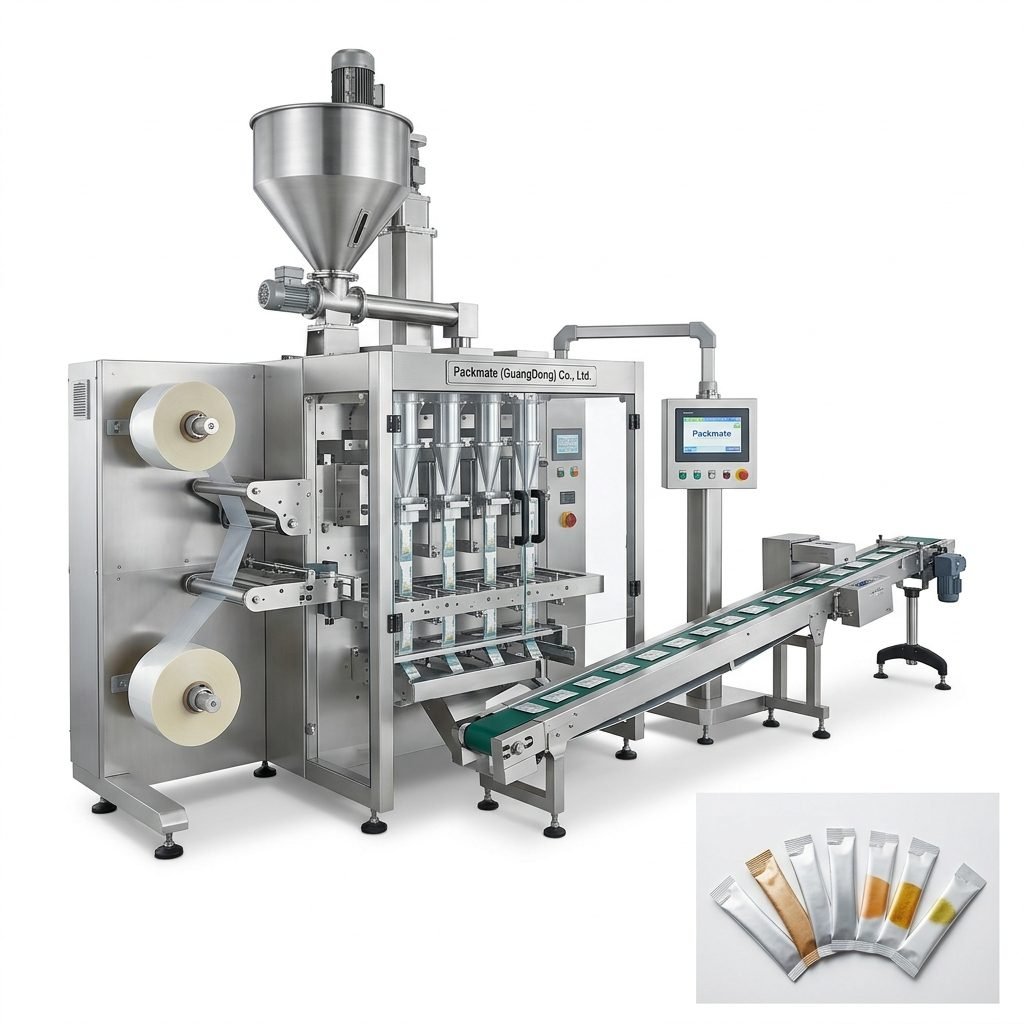
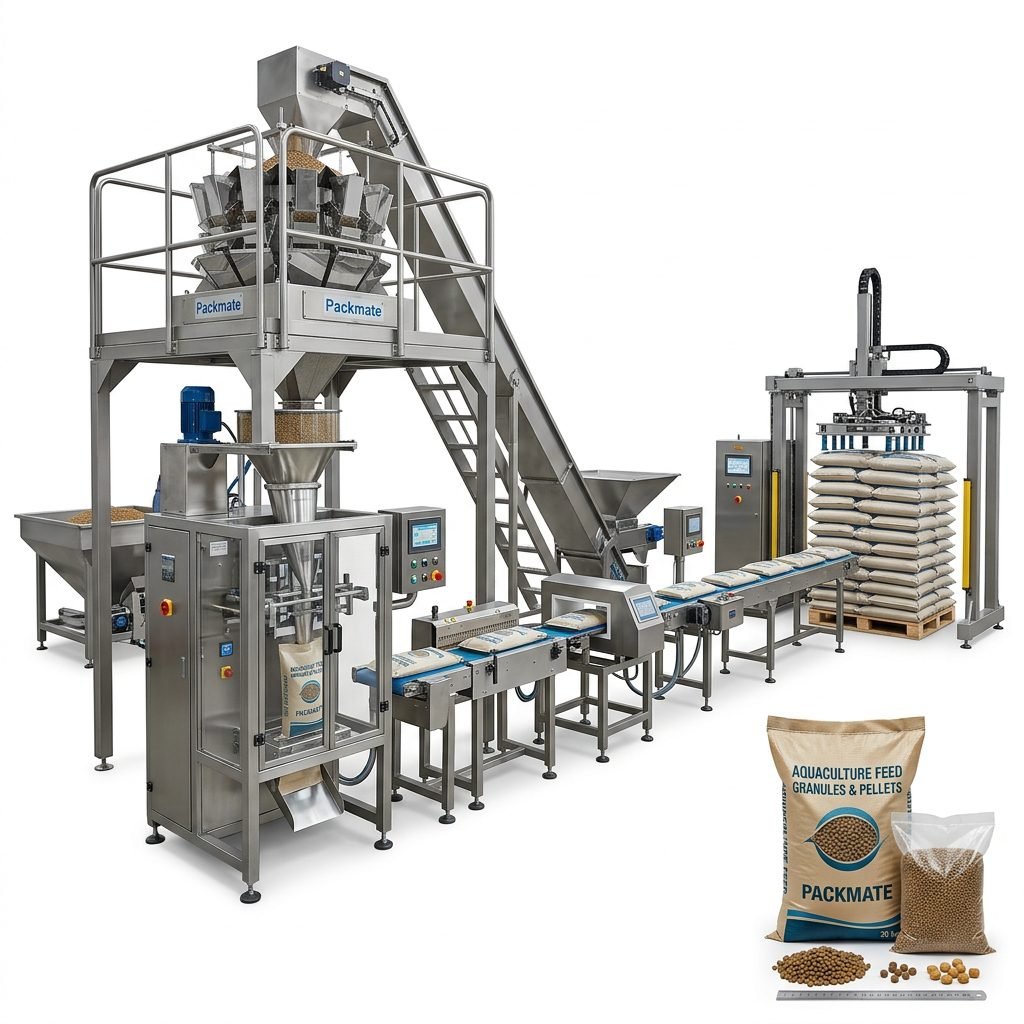
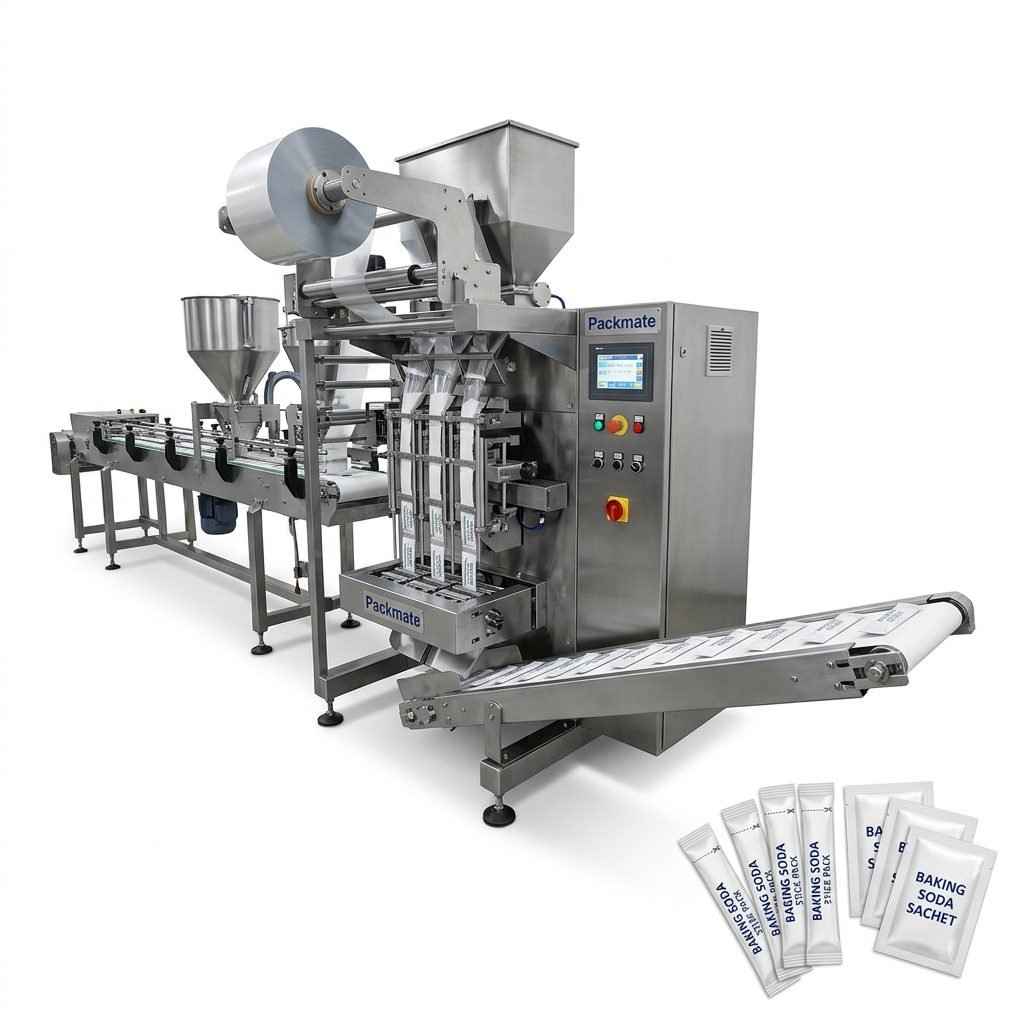
Companies like Packmate (GuangDong) Co., Ltd. embed these principles into their turnkey solutions, designing lines with inherent optimization capabilities from the outset.
Implementing an Optimization Tool: A Step-by-Step Framework
Phase 1: Assessment and Benchmarking
Conduct a thorough audit of your current packaging line. Map all processes, record current OEE and downtime reasons, and interview operators for ground-level insights. This establishes a performance baseline.
Phase 2: Tool Selection and Integration
Choose a software platform that aligns with your line’s complexity and data infrastructure. Key considerations include scalability, ease of integration with existing PLCs and SCADA systems, user-friendliness, and vendor support. The tool should be an enabler, not a burden.
Phase 3: Pilot Deployment and Training
Roll out the optimization tool on a single line or critical segment first. This controlled environment allows for troubleshooting and fine-tuning. Crucially, invest in comprehensive training for engineers, maintenance technicians, and line operators. Their engagement is vital for success.
Phase 4: Full-Scale Rollout and Continuous Improvement
After a successful pilot, expand the implementation across all packaging lines. Use the tool’s analytics to establish a culture of continuous improvement (Kaizen), where teams regularly review data, set new performance targets, and implement incremental enhancements. Reviewing real-world case studies can provide valuable implementation insights.
Tangible Benefits of a Systematic Approach
The investment in optimization yields a compelling return across multiple dimensions:
↗ Increased Efficiency: OEE improvements of 15-30% are common, translating directly to higher output without capital expenditure on new machines.
↘ Reduced Downtime: Predictive maintenance can cut unplanned downtime by up to 50%, ensuring reliable delivery schedules.
💰 Lower Operational Costs: Gains come from less waste (materials and energy), lower labor costs per unit, and extended asset life.
📈 Enhanced Quality & Traceability: Real-time monitoring catches deviations instantly, reducing reject rates. Digital records provide full batch traceability.
🔮 Data-Backed Decision Making: Strategic decisions on capacity planning, maintenance budgets, and new investments are informed by accurate, historical performance data.
Overcoming Common Implementation Challenges
Resistance to change, data silos, and selecting the wrong tool are typical hurdles. Mitigate these by securing leadership buy-in, choosing an open-platform tool that integrates easily, and partnering with a vendor that offers robust technical support and training services. Start with clear, achievable goals to demonstrate quick wins and build momentum.
Conclusion: Building a Competitive Advantage
Packaging line optimization is no longer a luxury for industry leaders; it is a necessity for any manufacturer seeking agility, resilience, and cost leadership. By harnessing the power of digital tools to enable data-driven decisions, predictive maintenance, and seamless synchronization, businesses can unlock significant latent capacity within their existing operations. This journey transforms the packaging line from a cost center into a strategic asset, driving sustainable growth and customer satisfaction. The path to peak performance begins with a single step: assessing your current state and committing to a cycle of continuous, informed improvement.
Frequently Asked Questions (FAQs)
1. What is the typical ROI period for implementing a packaging line optimization tool?
Return on Investment (ROI) can vary based on line complexity and initial efficiency levels. However, many facilities see a payback period of 6 to 18 months through measurable gains in output, reduced waste, and lower maintenance costs. The ROI accelerates when the tool prevents a major unplanned downtime event.
2. Can these tools be integrated with older, legacy packaging machinery?
Yes, in most cases. Modern optimization platforms are designed with connectivity in mind. Retrofitting legacy machines often involves adding low-cost sensors and gateways to collect operational data, which is then fed into the software. The level of control may be more limited compared to newer, digitally-native machines, but significant monitoring and analytical benefits are still achievable.
3. How do we ensure our operational data remains secure when using a cloud-based optimization platform?
Reputable vendors implement enterprise-grade security, including data encryption in transit and at rest, secure user authentication, and compliance with standards like ISO 27001. It is critical to discuss data governance, ownership, and security protocols with the vendor during the selection process. On-premise software deployment is also an option for companies with stringent data residency requirements.
4. Is extensive IT expertise required to manage these systems in-house?
Not necessarily. Leading optimization tools are designed for usability by plant engineers and operations managers, with intuitive interfaces and dashboards. While some IT support is helpful for initial network integration and user management, the day-to-day operation and analysis are intended to be handled by production personnel. Vendor support is key for more complex technical issues.
5. Where can I see real-world examples or get specific advice for my line?
Exploring a provider’s case study portfolio is an excellent start. For tailored advice, the most effective step is to contact a solutions provider directly. Reputable companies like Packmate often offer line audits or consultations to analyze your specific challenges and propose a targeted optimization roadmap.