Selecting the optimal shrink wrapping system is a critical decision for any business looking to enhance its packaging operations. The right machine not only improves efficiency and product presentation but also directly impacts your bottom line by reducing material waste and labor costs. This comprehensive guide will walk you through the key factors to consider, ensuring you choose the best shrink wrap machine tailored to your specific packaging needs.
Understanding Your Core Packaging Requirements
Before diving into machine specifications, a thorough analysis of your own operation is essential. This foundational step will guide every subsequent decision.
Product Characteristics and Volume
Start by defining what you are packaging. Consider the size, shape, and fragility of your products. Are they uniform boxes, irregularly shaped items, or bundled multi-packs? Your daily, weekly, and seasonal production volumes will determine whether you need a manual, semi-automatic, or fully automatic system. High-volume operations benefit immensely from the speed and consistency of automated lines.
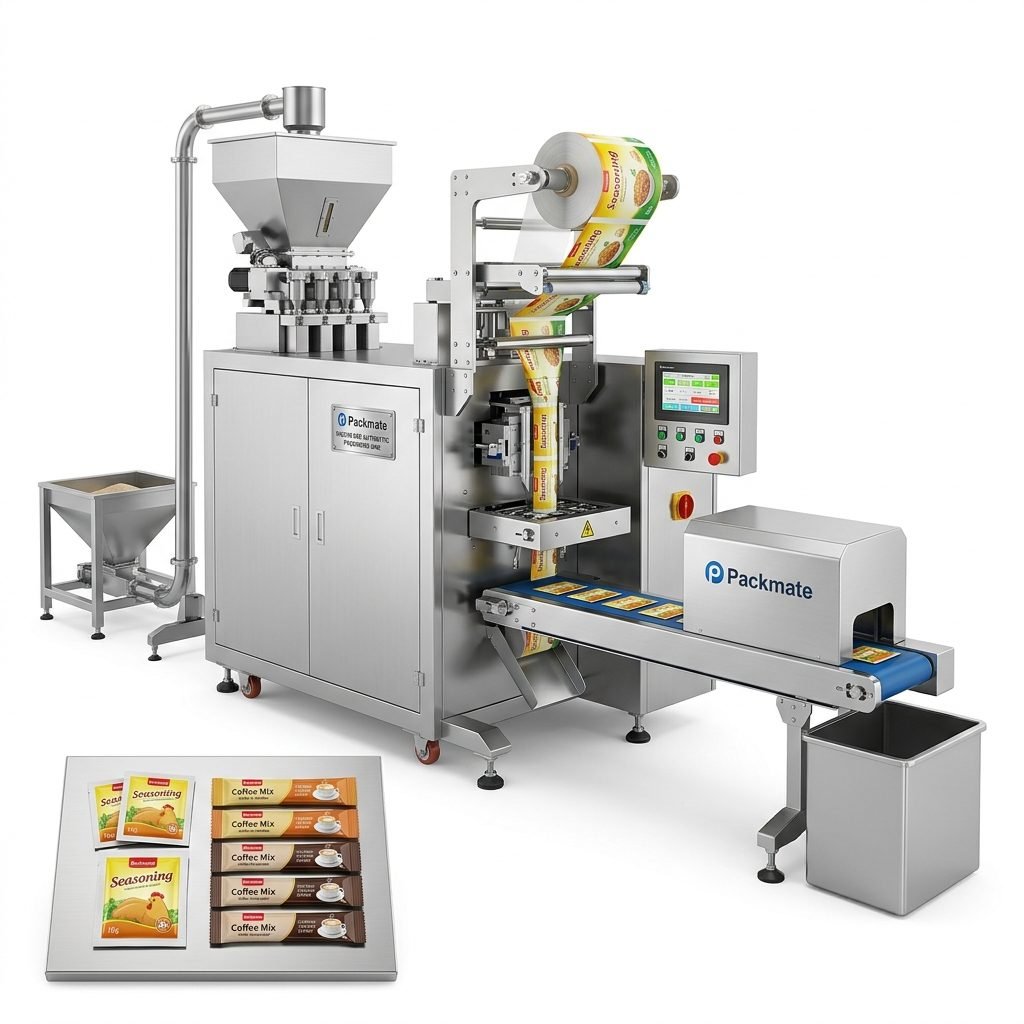
Key Consideration: A machine perfectly suited for high-speed food sachet packaging may be inefficient for large, bulky industrial parts. Align the machine’s capability with your product’s physical demands.
Film Material and Sealing Needs
The type of shrink film you plan to use—such as Polyolefin (POF), Polyvinyl Chloride (PVC), or Polyethylene (PE)—directly influences the machine choice. Different films have varying shrink temperatures and sealing requirements. Also, identify the necessary seal type: a center-fold seal (where film is folded over the product) or a lap seal (where film edges overlap). The sealing mechanism (impulse, constant heat, or band sealer) must be compatible with your film.
Types of Shrink Wrap Machines
The market offers a range of systems, each designed for different levels of automation and application.
L-Bar Sealers (Manual & Semi-Automatic)
Ideal for low to medium-volume operations or businesses with a wide variety of product sizes. An operator places the product and film into position, and the machine forms an “L”-shaped seal before the package moves into a separate shrink tunnel. These are cost-effective and flexible. For more consistent throughput, semi-automatic models with integrated conveyors are excellent. You can explore various configurations in our detailed packaging solutions section.
Automatic Sleeve Wrappers
These are the workhorses for high-volume, uniform products. They automatically form a film sleeve around the product, seal it, and send it through a connected shrink tunnel. They offer impressive speeds, consistency, and significant labor savings. For businesses looking to scale, investing in a reliable automatic system is often the key to growth, as demonstrated in many of our successful client case studies.
Shrink Tunnels
The tunnel is the component that applies heat to the loosely wrapped package, causing the film to shrink tightly around the product. Tunnels vary by heat source (hot air or radiant heat) and conveyor type (belt or roller). Choosing the right tunnel—often sold separately from the sealer—is crucial for achieving a tight, professional finish without damaging the product or film.
Pro Tip: The Importance of Integration
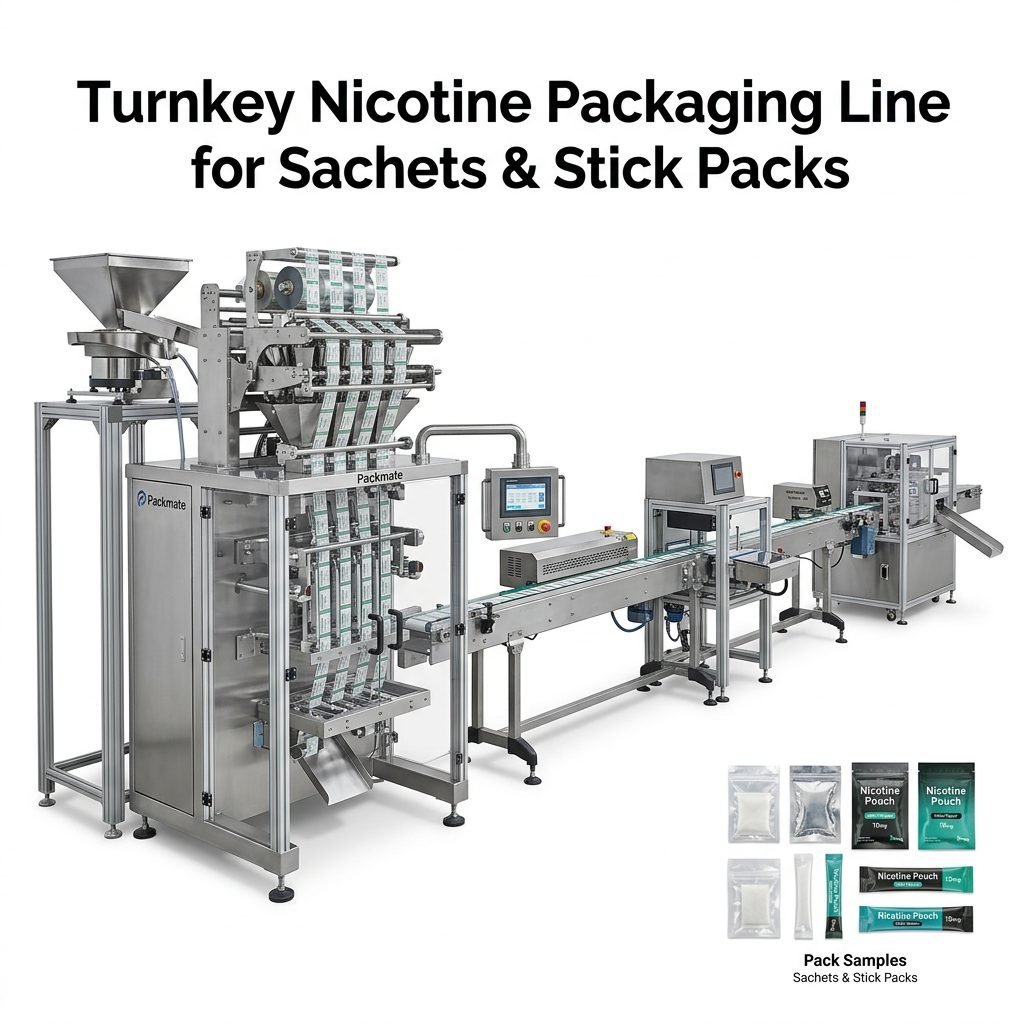
For seamless operation, ensure your sealer and shrink tunnel are perfectly matched in terms of speed, width, and heat profile. A mismatched system can cause jams, uneven seals, or poor shrinkage. Partnering with a supplier that provides integrated, turnkey solutions can prevent these headaches.
Critical Technical Specifications to Evaluate
Beyond the machine type, drill down into these technical details.
Speed and Throughput
Machine speed is typically measured in packages per minute (PPM). Match the machine’s maximum speed not just to your current needs, but to your projected growth over the next 3-5 years. Purchasing a machine that is already at capacity leaves no room for expansion.
Seal Integrity and Strength
A weak seal leads to product damage, contamination, and customer returns. Evaluate the sealing technology. Look for features like adjustable temperature and pressure controls, and durable sealing wires or bands. The seal must withstand the forces encountered during shipping and handling.
Energy Efficiency and Total Cost of Ownership
The purchase price is just the beginning. Consider the machine’s power consumption, film waste rate, and required maintenance. An energy-efficient machine with minimal film trim waste and easy-access components for cleaning and part replacement will have a significantly lower total cost of ownership over its lifespan.
Partnering with the Right Manufacturer
Your machine is only as good as the company behind it. The manufacturer’s expertise and support are invaluable.
Experience and Industry Reputation
Choose a manufacturer with a proven track record in your specific industry, whether it’s food, pharmaceuticals, or consumer goods. Their experience translates into machines designed to meet regulatory standards and practical challenges. Companies like Packmate (GuangDong) Co., Ltd., with decades of experience, bring deep application knowledge that ensures machine reliability.
After-Sales Support and Service
Ensure robust support is available. This includes comprehensive installation, operator training, readily available spare parts, and responsive technical service. Downtime is costly, so a manufacturer with a global service network or fast local support is crucial. Review their warranty terms and service level agreements carefully.
Customization and Future-Proofing
Can the machine be adapted if your product changes? A good manufacturer will offer modular designs or customization options. Discuss future needs upfront to see if the system can be upgraded or integrated with other line equipment like checkweighers or labelers later.
Frequently Asked Questions (FAQs)
What is the main difference between a shrink wrapper and a stretch wrapper?
Shrink wrapping uses heat to tighten a loose bag of film around a product, creating a sealed, rigid package. Stretch wrapping uses tension to stretch a plastic film around a pallet or group of products to secure them for transport, without using heat. They serve fundamentally different purposes: primary retail packaging vs. unitizing for shipping.
How do I choose between POF, PVC, and PE shrink film?
POF is a popular, eco-friendlier option with high clarity and strength, used for consumer goods. PVC is cost-effective and has good clarity but is less environmentally friendly. PE is very durable and puncture-resistant, ideal for heavy or sharp items. Your machine must be calibrated for the specific film you choose.
Can one machine handle a wide range of product sizes?
Yes, but with limitations. L-Bar sealers and some automatic wrappers offer adjustable sealing frames and conveyors to accommodate different sizes. However, frequent, drastic size changes may require manual adjustment and recalibration, impacting efficiency. For highly variable products, flexibility should be a top priority in your selection.
What regular maintenance does a shrink wrap machine require?
Regular maintenance includes cleaning sealing elements to prevent film residue buildup, inspecting and replacing worn sealing wires or Teflon® covers, lubricating moving parts as per the manual, and checking electrical connections and heating elements for consistent performance.
Is it worth investing in a fully automatic system for a small business?
It depends on your growth trajectory and labor costs. While the initial investment is higher, an automatic system drastically increases output, improves consistency, and reduces long-term labor expenses. If you anticipate growth or struggle with meeting demand during peak periods, automating can be a strategic move for future-proofing your operation.