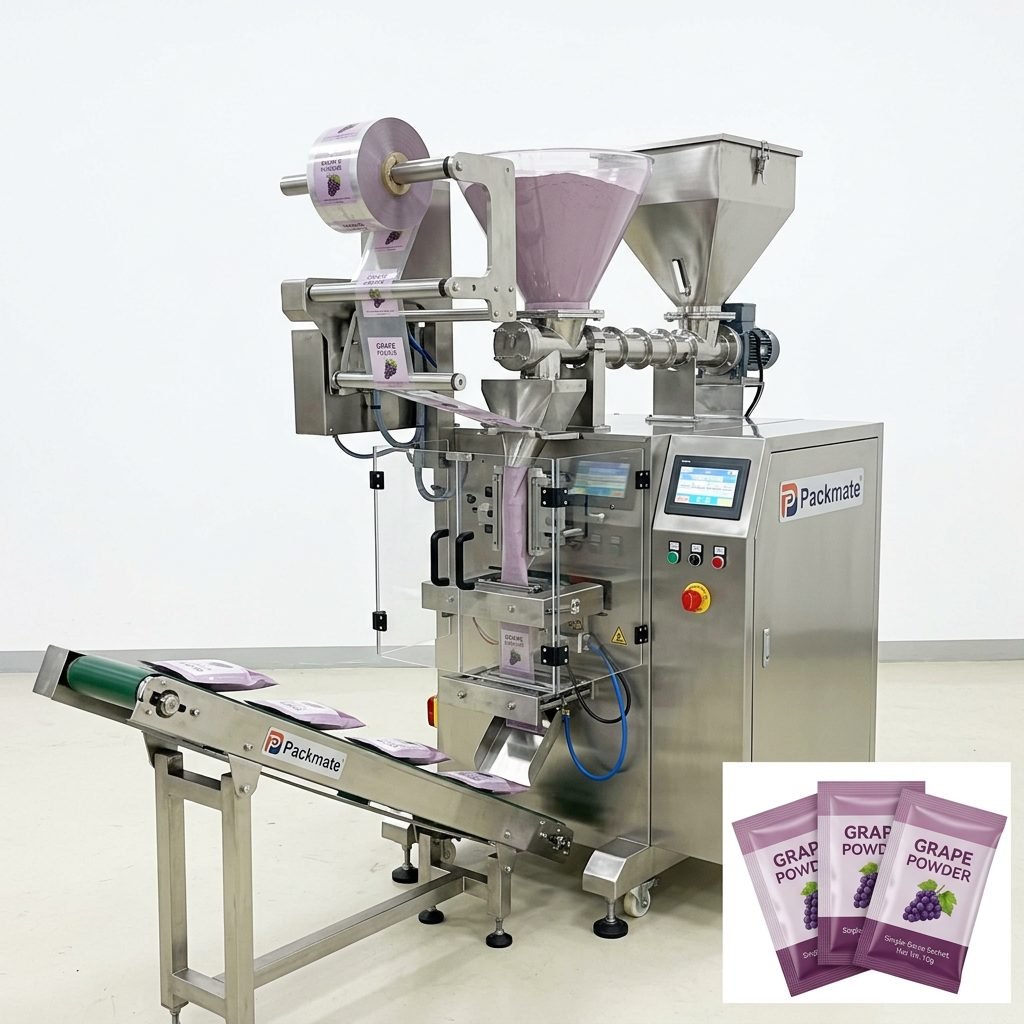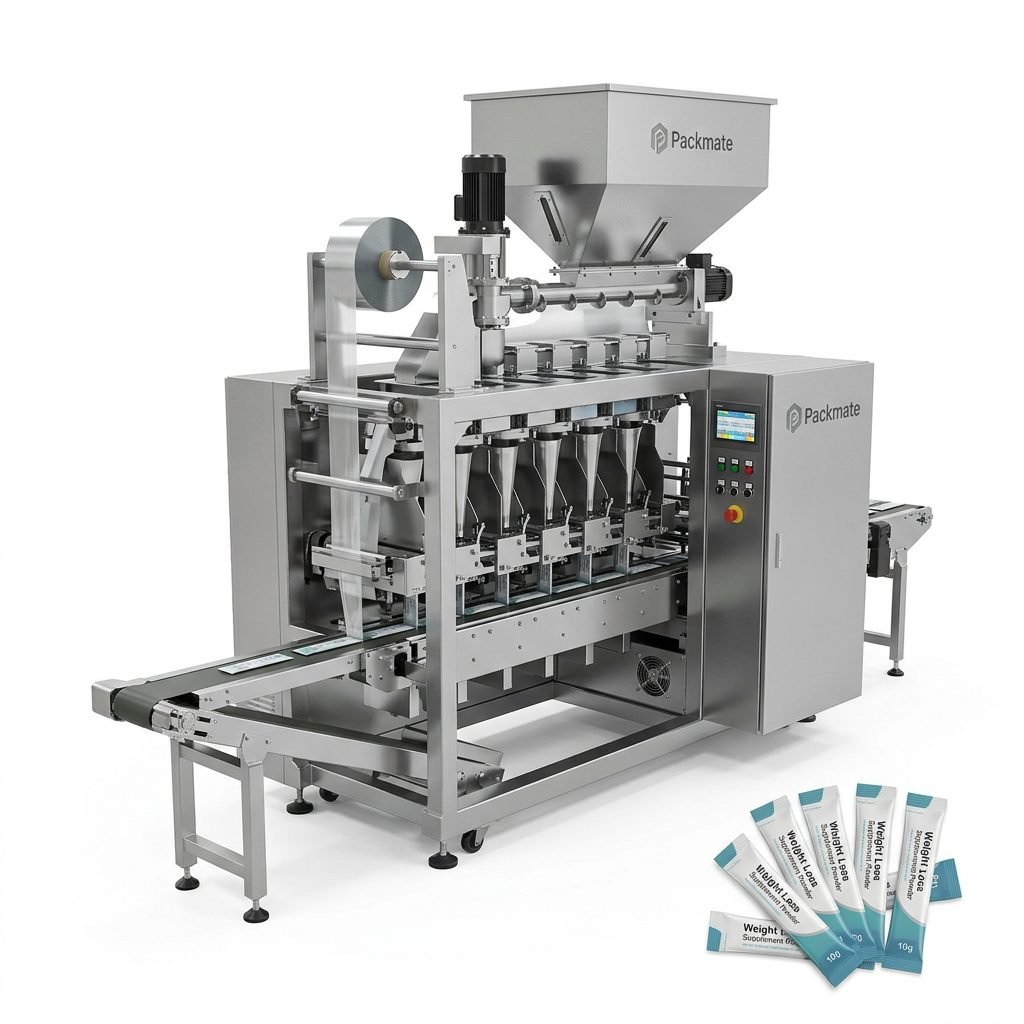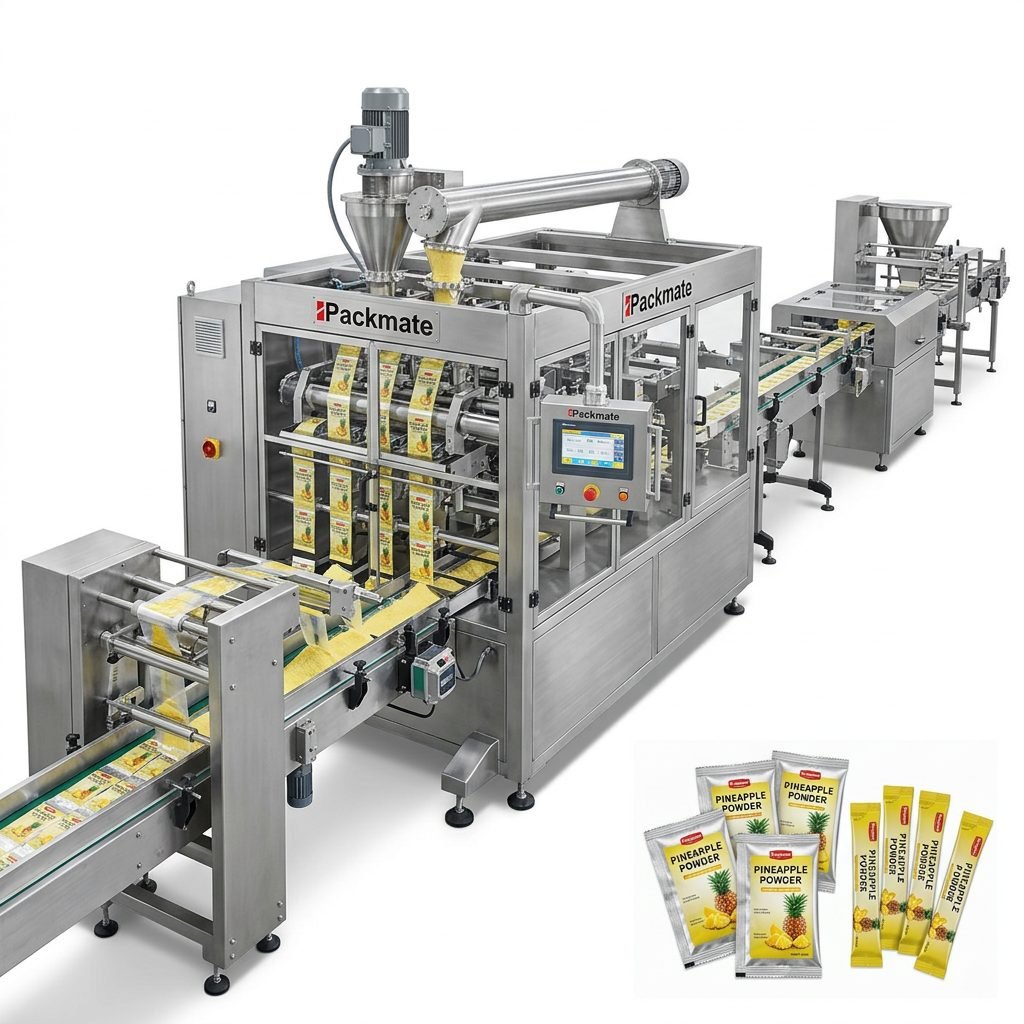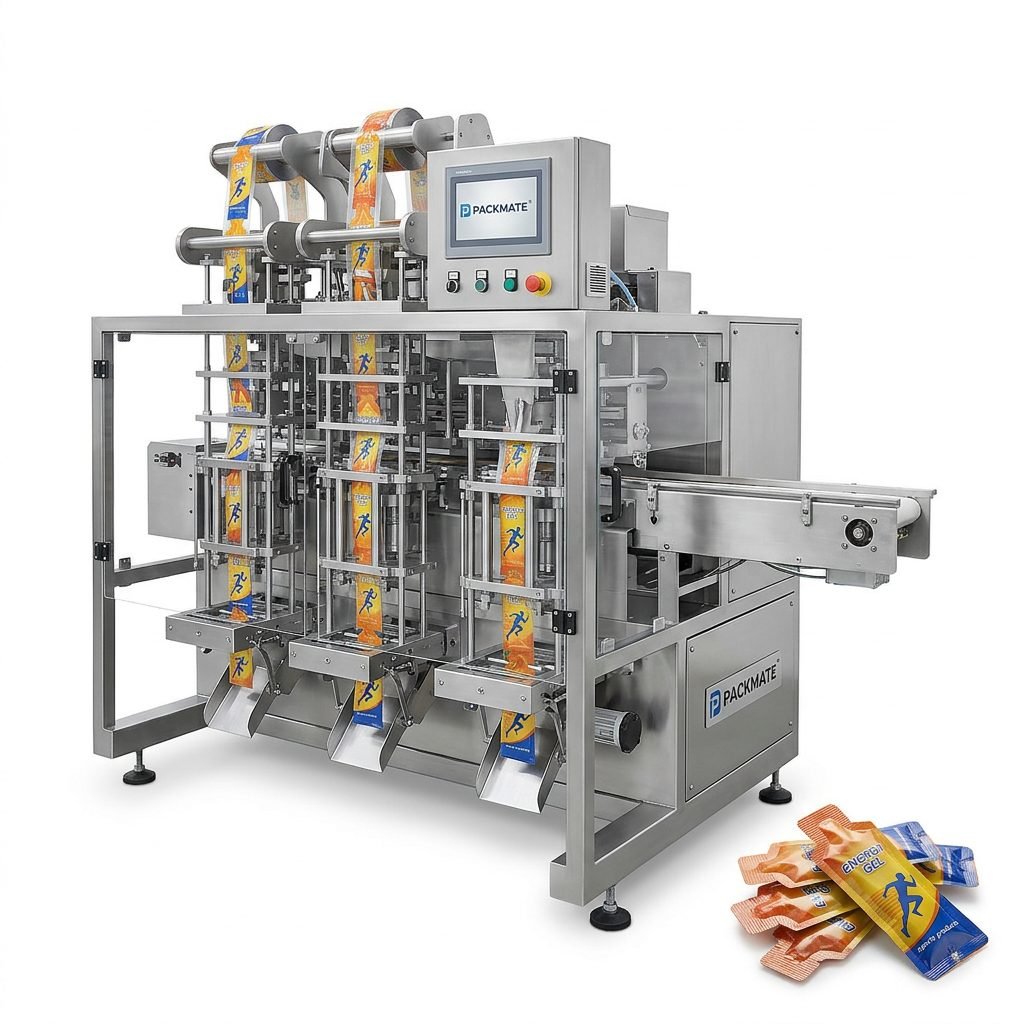
The demand for convenient, long-lasting food products has surged globally, placing immense pressure on manufacturers to scale up production without compromising on quality or safety. At the heart of this industrial challenge lies the packaging process. A specialized frozen food packaging line is no longer a luxury but a critical necessity for businesses aiming to thrive. These automated systems are engineered to handle the unique demands of frozen products, ensuring efficient production, robust sealing, and ultimate product integrity from factory to freezer aisle.
The Critical Role of Specialized Packaging in the Frozen Food Sector
Frozen foods present distinct challenges that standard packaging lines often fail to address. Moisture resistance, durability at low temperatures, and the prevention of freezer burn are paramount. An integrated packaging line designed specifically for frozen goods tackles these issues head-on. It begins with selecting materials that maintain flexibility and strength when frozen, followed by precision forming, filling, and sealing processes that create an airtight barrier. This specialized approach is essential for preserving taste, texture, and nutritional value, directly impacting brand reputation and consumer trust. For companies looking to understand the full scope of such integrated systems, exploring our comprehensive packaging solutions provides valuable insight into the engineering behind product preservation.
Key Advantages of Automation
Transitioning to an automated frozen food packaging system unlocks transformative benefits:
- Enhanced Production Speed & Volume: Automated lines dramatically increase output, meeting high-volume demands with consistent rhythm.
- Superior Seal Integrity: Automated sealing stations apply precise heat, pressure, and timing, virtually eliminating leakers and ensuring a perfect seal every time.
- Reduced Operational Costs: Automation minimizes labor requirements, reduces material waste through precision handling, and lowers long-term overhead.
- Improved Hygiene & Safety: Enclosed systems limit human contact with the product, a critical factor in food safety compliance for frozen items.
Core Components of a Modern Frozen Food Packaging Line
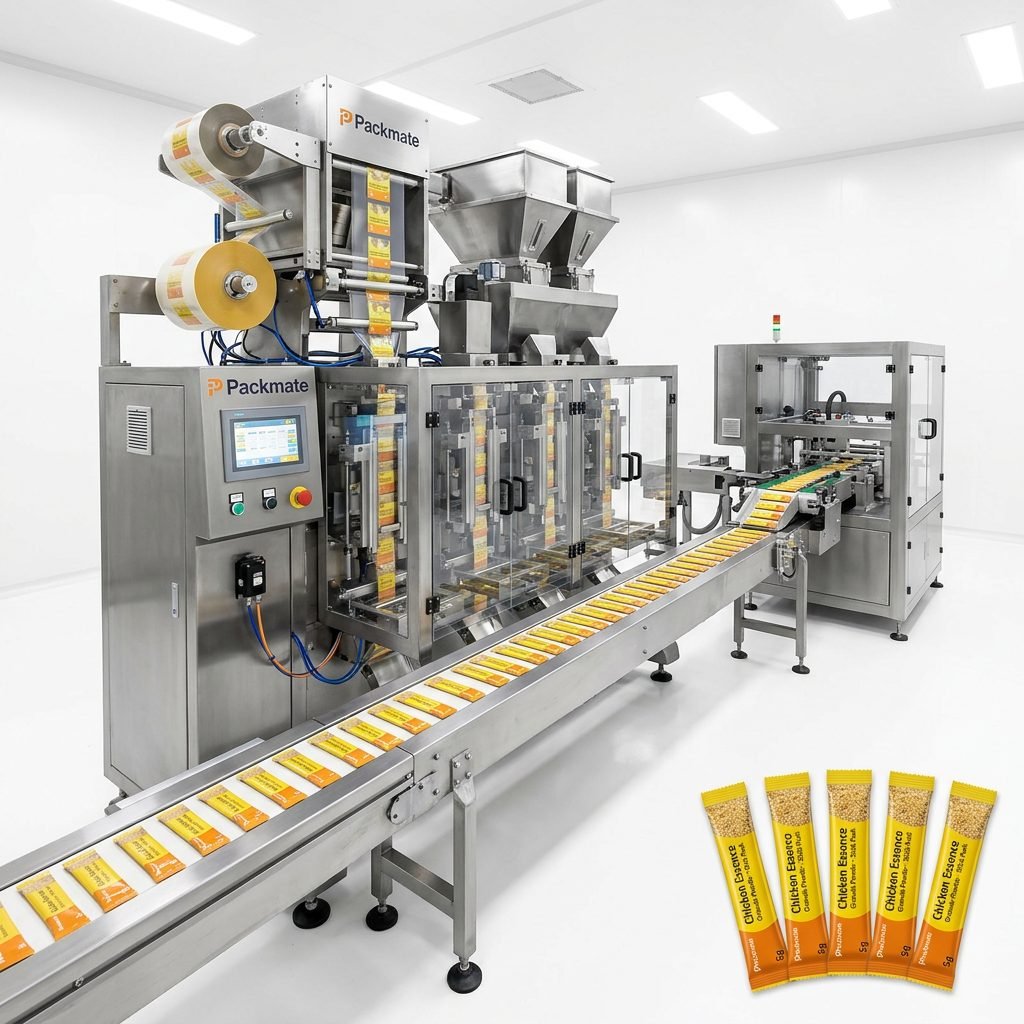
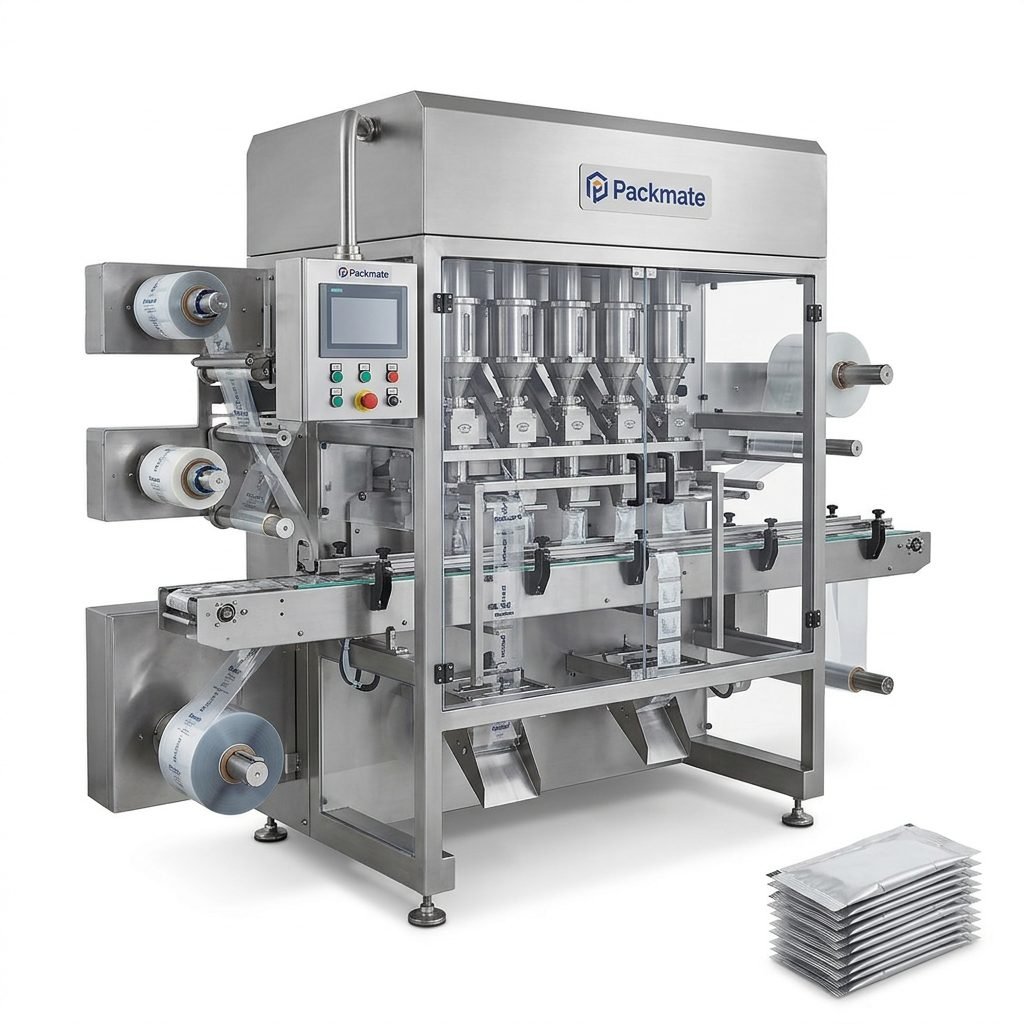
A turnkey frozen food packaging solution is a symphony of synchronized machinery. Each component plays a vital role in the journey from loose product to a securely packaged retail unit.
1. Automated Form-Fill-Seal (FFS) Machines
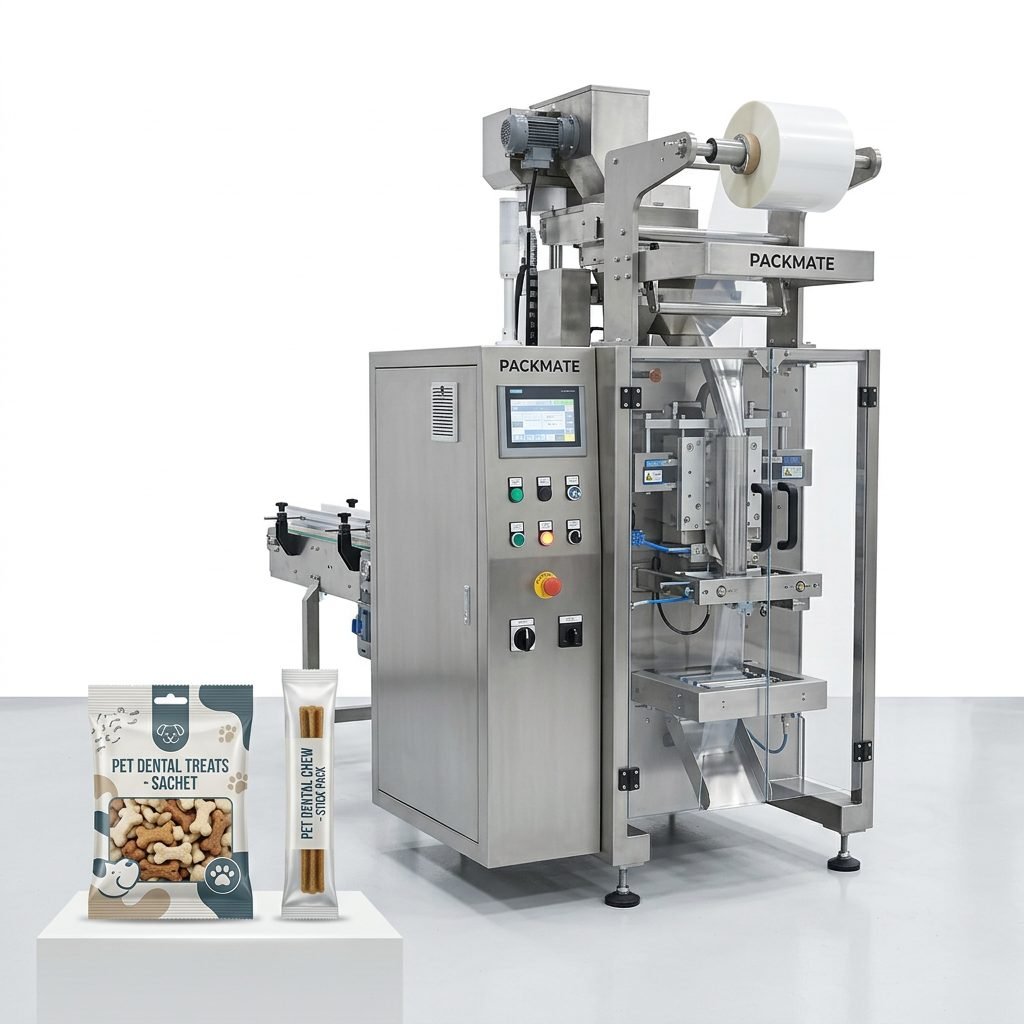
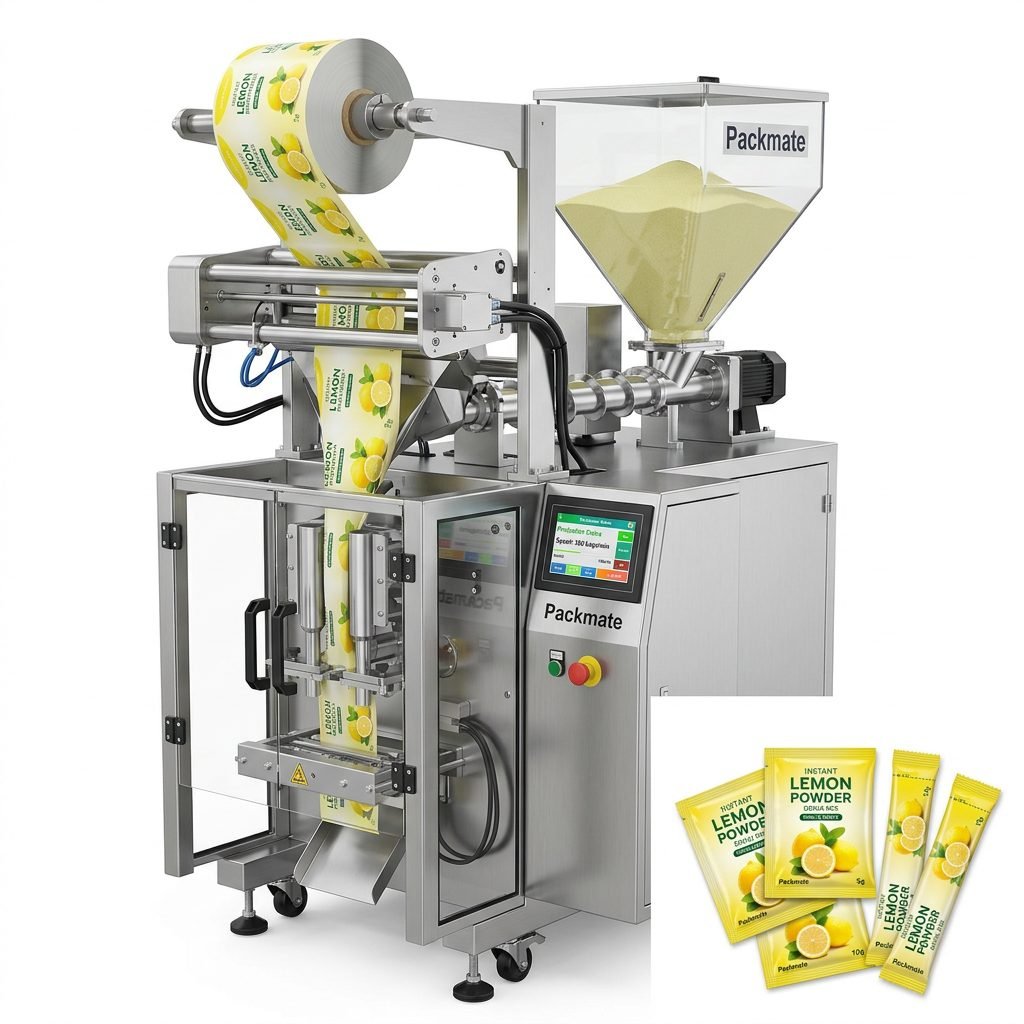
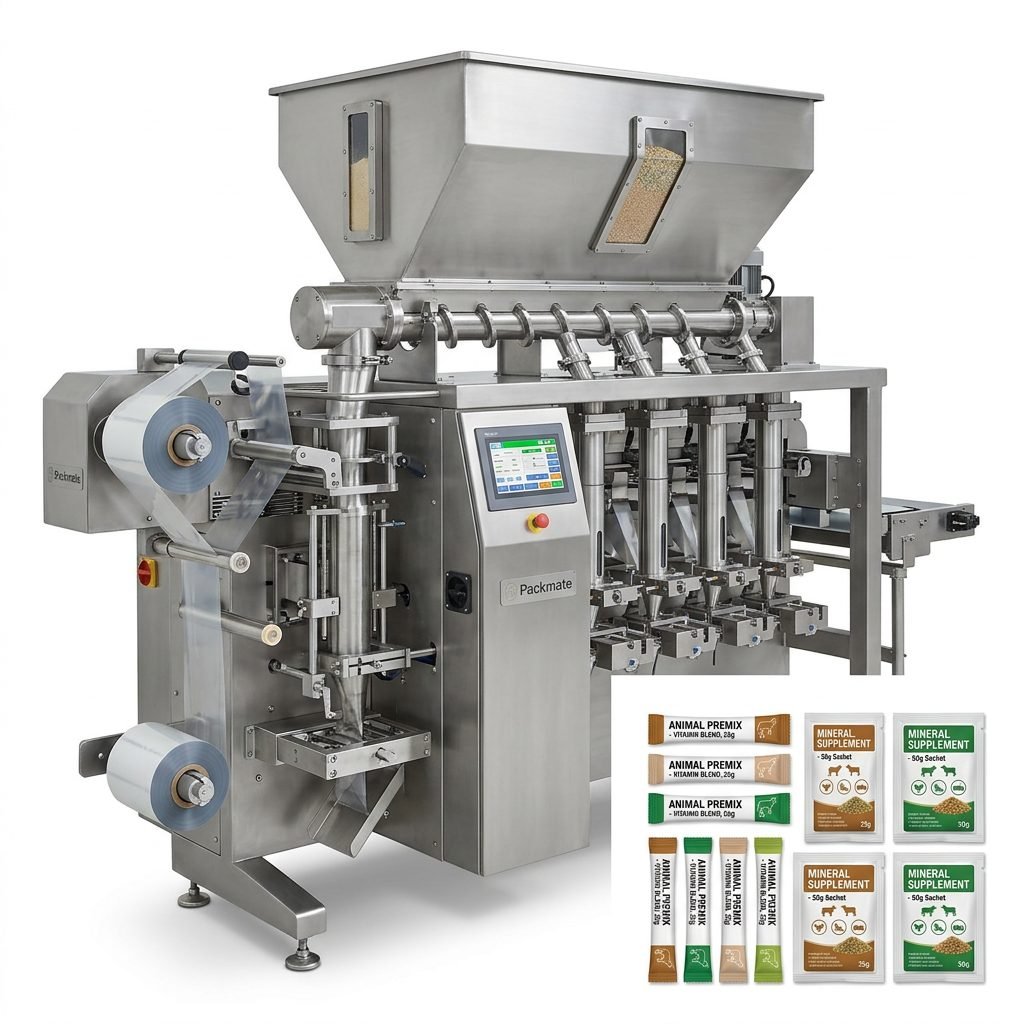
The cornerstone of most frozen lines, FFS machines create the package from a roll of film, fill it with product, and seal it in one continuous operation. For frozen vegetables, fruits, or ready meals, vertical (VFFS) machines are prevalent. They form bags at high speeds, allowing for gentle product handling—crucial for delicate frozen items. The sealing jaws are specifically calibrated for cold, often moist environments, ensuring a strong, reliable closure that withstands temperature fluctuations.
2. Precision Weighing and Filling Systems
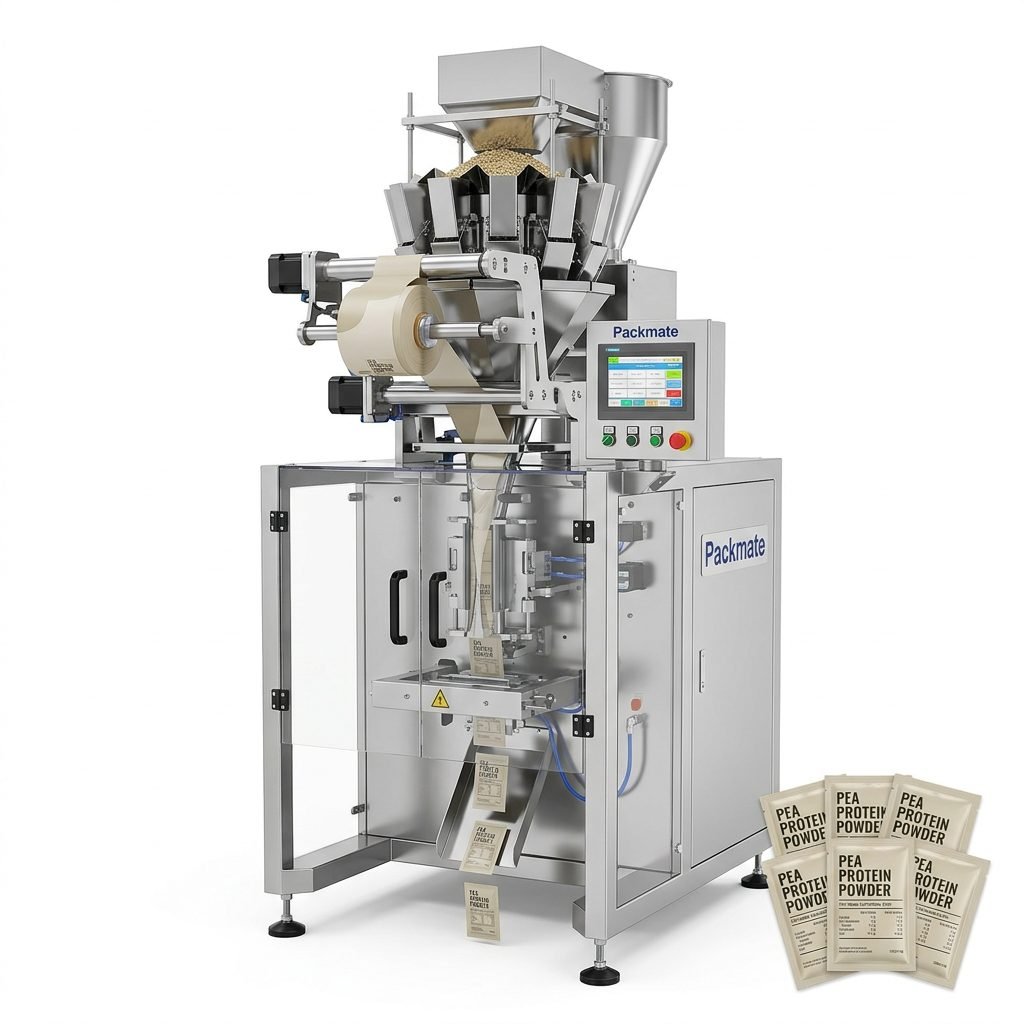
Accuracy is non-negotiable. Multi-head weighers or volumetric fillers are integrated to deliver exact portions into each package. Advanced systems feature “product-friendly” mechanisms that prevent damage to frozen pieces, maintaining portion control and cost-in-use efficiency. This precision is vital for compliance and customer satisfaction.
3. Robust Sealing and Closing Technologies
This is where the barrier is finalized. Beyond standard heat sealing, lines for frozen food may incorporate:
🔹 Gas Flushing: Replacing air inside the package with inert gases like nitrogen to inhibit oxidation and freezer burn.
🔹 Double Sealing Jaws: Providing a redundant seal for added security against rupture.
🔹 Checkweighers & Seal Inspectors: Integrated downstream to automatically reject any package with an under/over weight or a defective seal, guaranteeing only perfect products are boxed for shipment. The reliability of these components is a testament to the engineering expertise and quality focus behind the entire line.
Optimizing for Efficiency and Sustainability
Modern lines are designed with total operational efficiency in mind. This includes quick changeover capabilities to switch between product types or package sizes with minimal downtime, maximizing line utilization. Furthermore, sustainability is a growing driver. Optimized systems reduce film waste through precise cutting and sealing, and many now accommodate recyclable or biodegradable packaging materials, helping brands meet their environmental goals. Success in this area is often demonstrated through real-world applications, which can be seen in our detailed project case studies.
Selecting the Right Partner for Your Line
Investing in a complete packaging line is a significant decision. The ideal partner offers more than just machines; they provide a holistic solution. Look for a provider with:
- Proven Industry Experience: Specific knowledge in frozen food packaging challenges.
- Turnkey Project Management: Ability to handle design, installation, commissioning, and training.
- Robust After-Sales Support: Reliable technical service, readily available spare parts, and operational guidance.
- Technological Innovation: A commitment to R&D, offering future-proof and upgradeable systems.
A partner like Packmate (GuangDong) Co., Ltd., with its decades of experience and modern 20,000㎡ facility, embodies this comprehensive approach, delivering reliability from the ground up.
Future Trends: Smart Packaging Lines
The future of frozen food packaging is intelligent. The integration of Industry 4.0 principles is leading to “smart” packaging lines equipped with IoT sensors and data analytics. These systems provide real-time monitoring of machine performance, predictive maintenance alerts, and detailed production analytics. This data-driven approach allows for unprecedented levels of optimization, traceability, and quality control, paving the way for fully adaptive and self-optimizing production environments.
Implementing a dedicated, automated frozen food packaging line is a strategic investment that drives competitiveness. It ensures product quality, maximizes production efficiency, reduces waste, and scales with market demand. By understanding the key components and partnering with an experienced solutions provider, frozen food manufacturers can build a robust foundation for growth and market leadership. For a direct conversation about tailoring such a solution to your specific needs, initiating a contact with our engineering team is the definitive next step.
Frequently Asked Questions (FAQs)
1. What is the primary benefit of automating a frozen food packaging line?
The primary benefit is a significant increase in consistent output and seal integrity. Automation ensures every package is sealed with identical precision, drastically reducing leakers and product waste while enabling much higher production speeds compared to manual or semi-automatic operations.
2. Can one packaging line handle different types of frozen products, like vegetables and ready meals?
Yes, with proper design. Modern lines are built with quick-changeover capabilities. By using interchangeable forming tubes, filler attachments, and pre-set machine parameters, a single line can often be configured to run different product types and package sizes, though major format changes may require some downtime for adjustment.
3. How does the packaging line prevent freezer burn?
The line combats freezer burn through two main methods: superior seal integrity to lock out moist air, and optional gas flushing technology. By replacing the air inside the package with an inert gas like nitrogen before sealing, oxidation and moisture migration—the causes of freezer burn—are effectively inhibited.
4. What kind of packaging materials work best with automated frozen food lines?
Lines are typically designed for durable, flexible laminates. Common materials include polyethylene (PE) co-extruded films or laminate structures that combine layers for strength, moisture barrier, and printability. The key is using films that remain pliable and seal reliably at very low temperatures.
5. What should I consider regarding maintenance and support for an automated line?
Prioritize a supplier that offers comprehensive after-sales support. This includes detailed operator training, readily available spare parts, remote diagnostic capabilities, and responsive on-call service technicians. Preventive maintenance schedules are crucial to minimize unplanned downtime and ensure long-term line reliability.