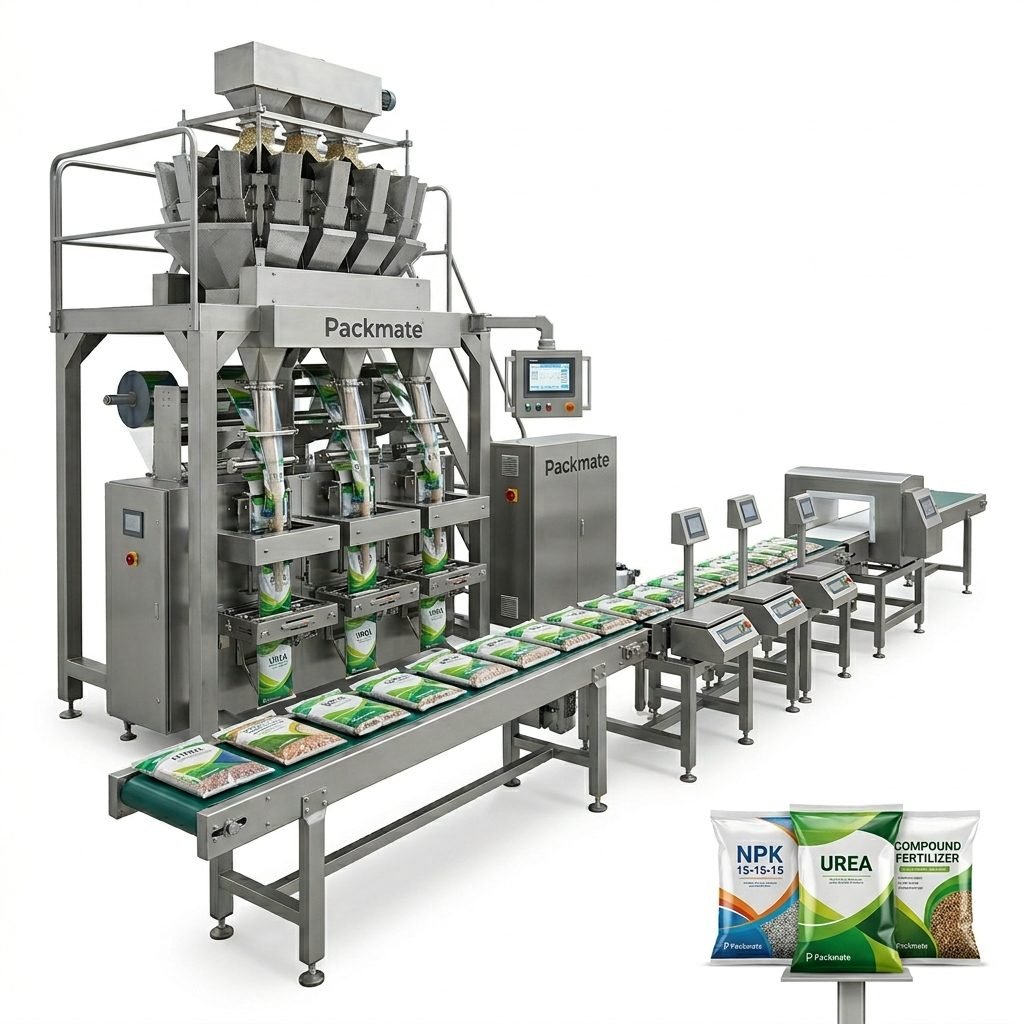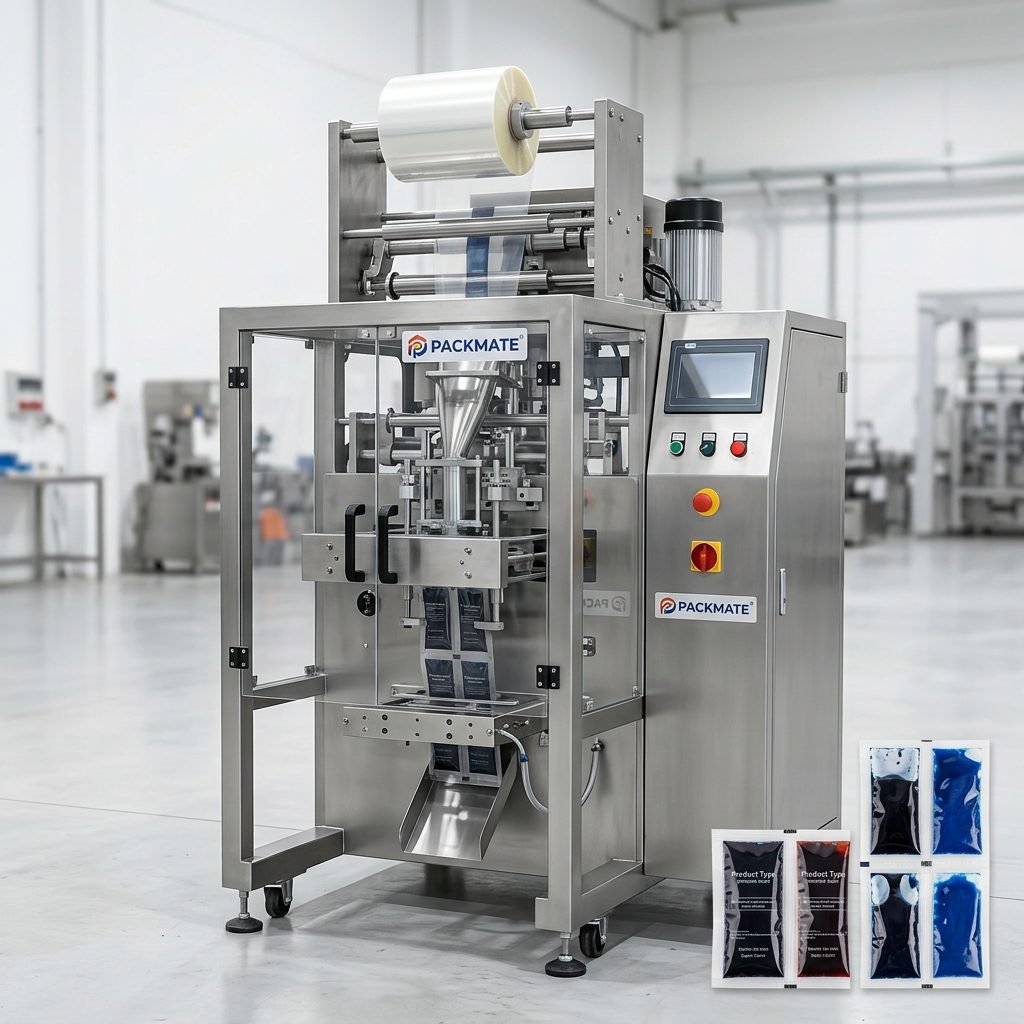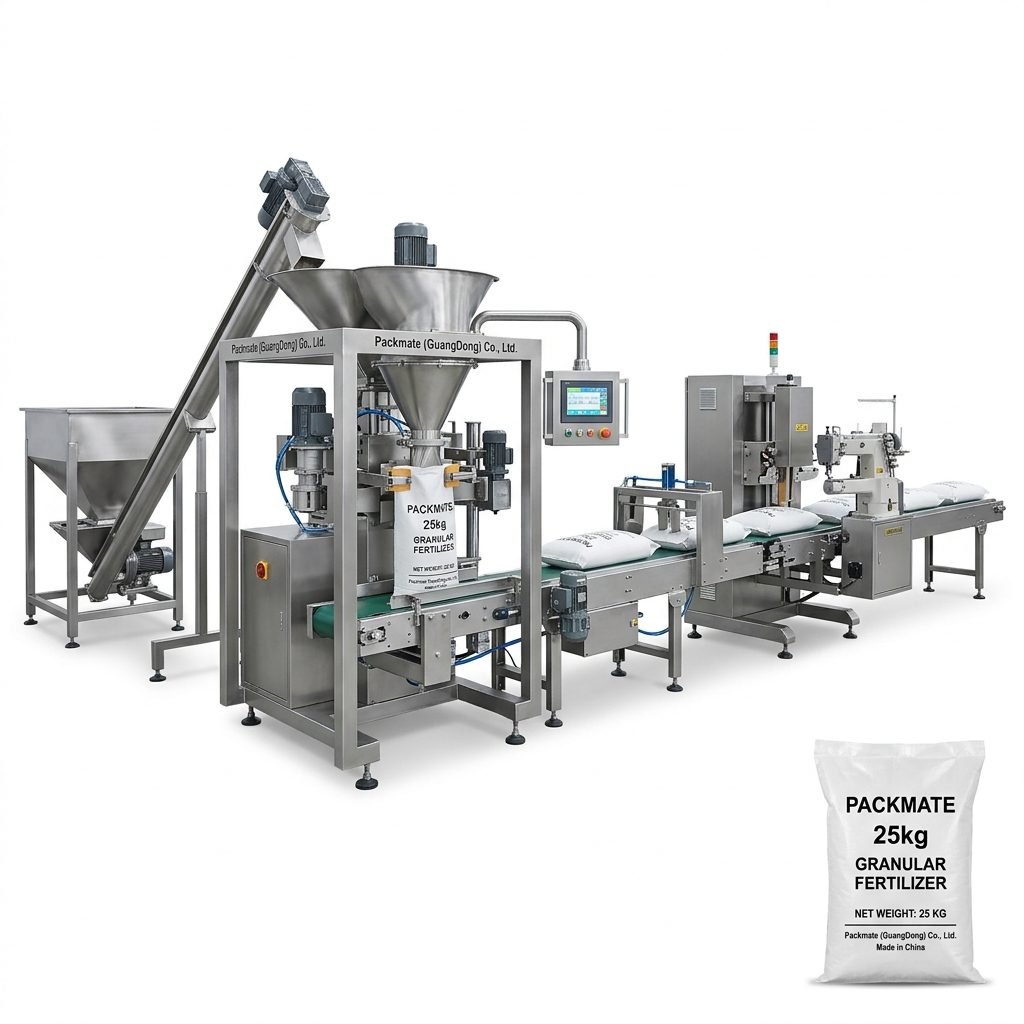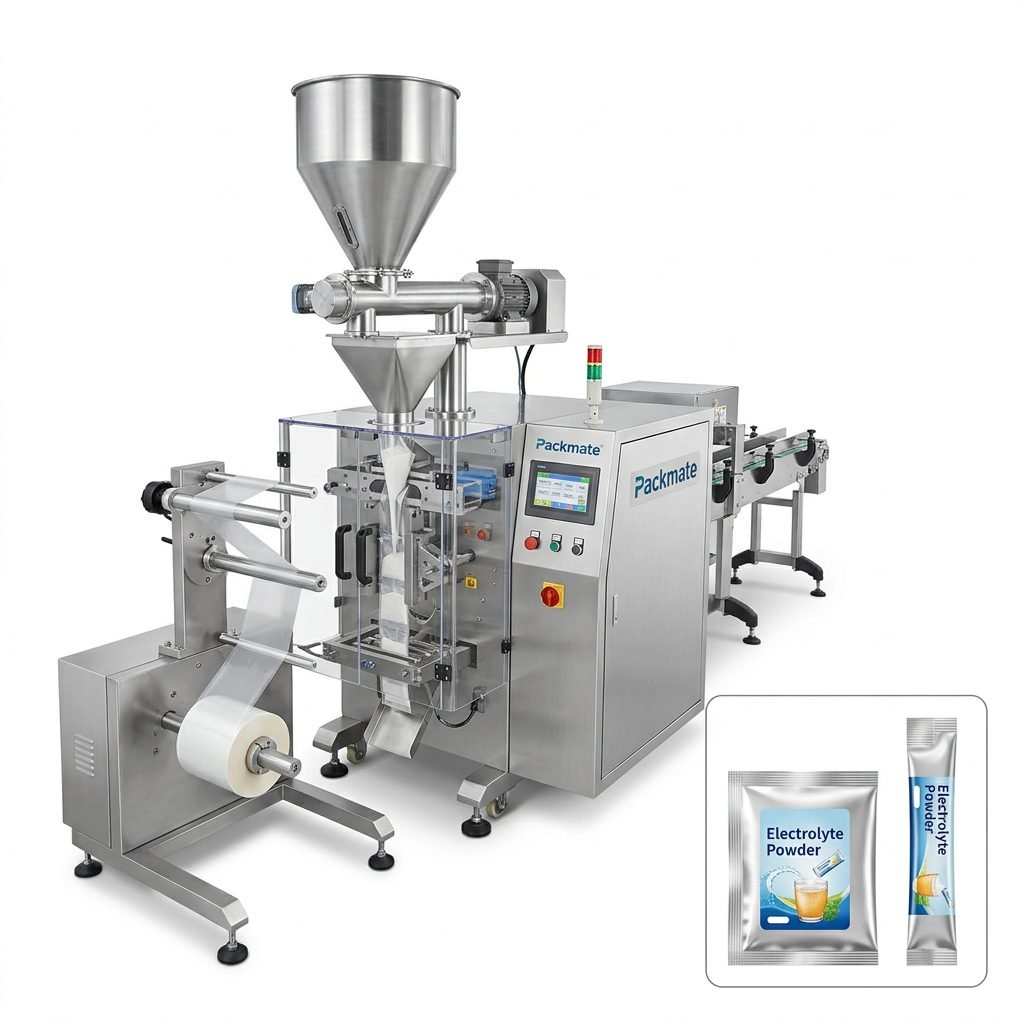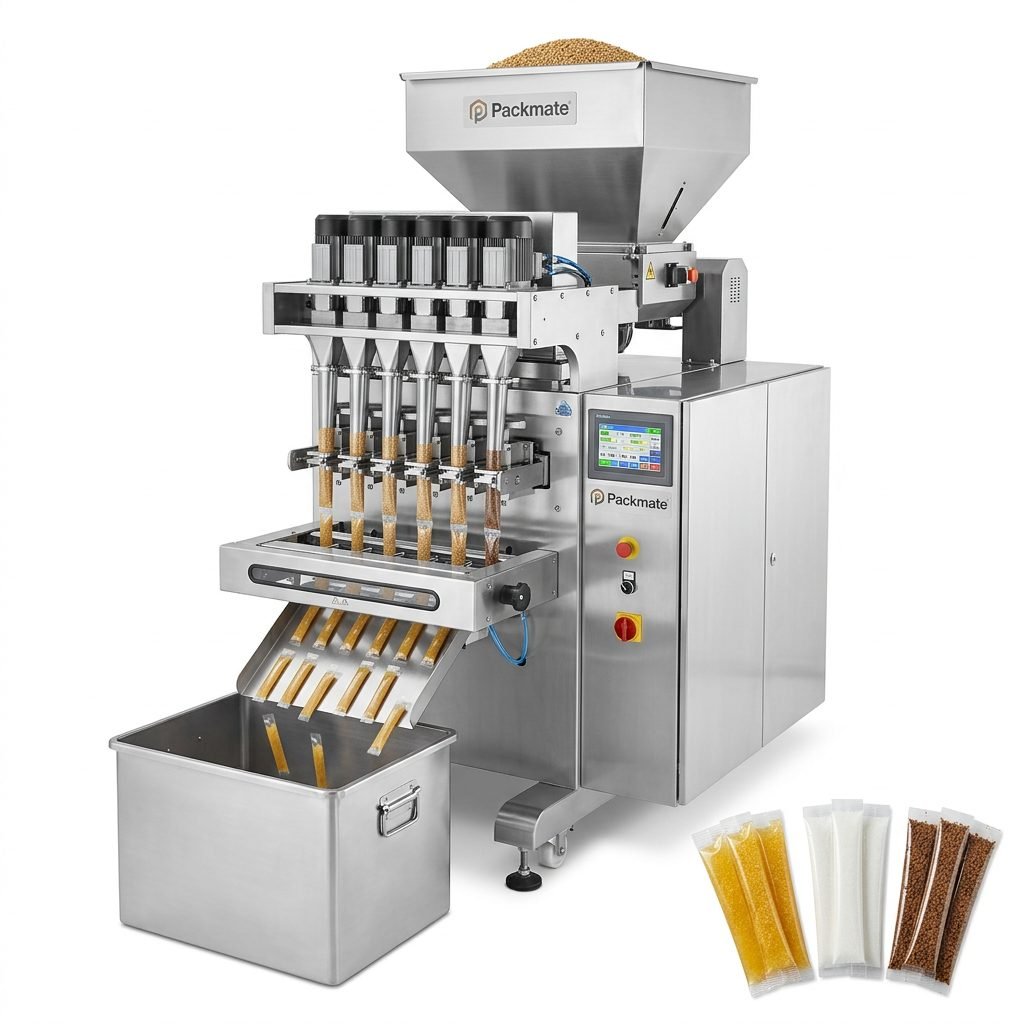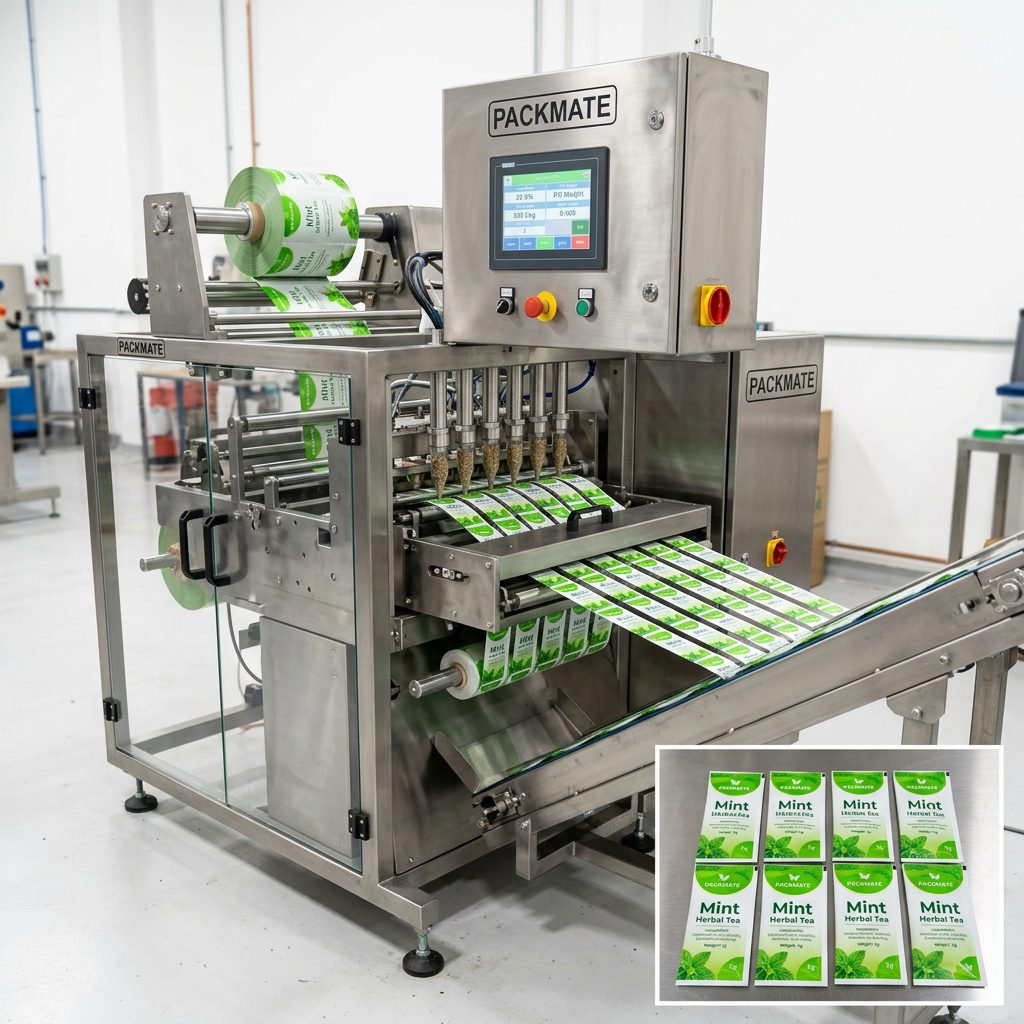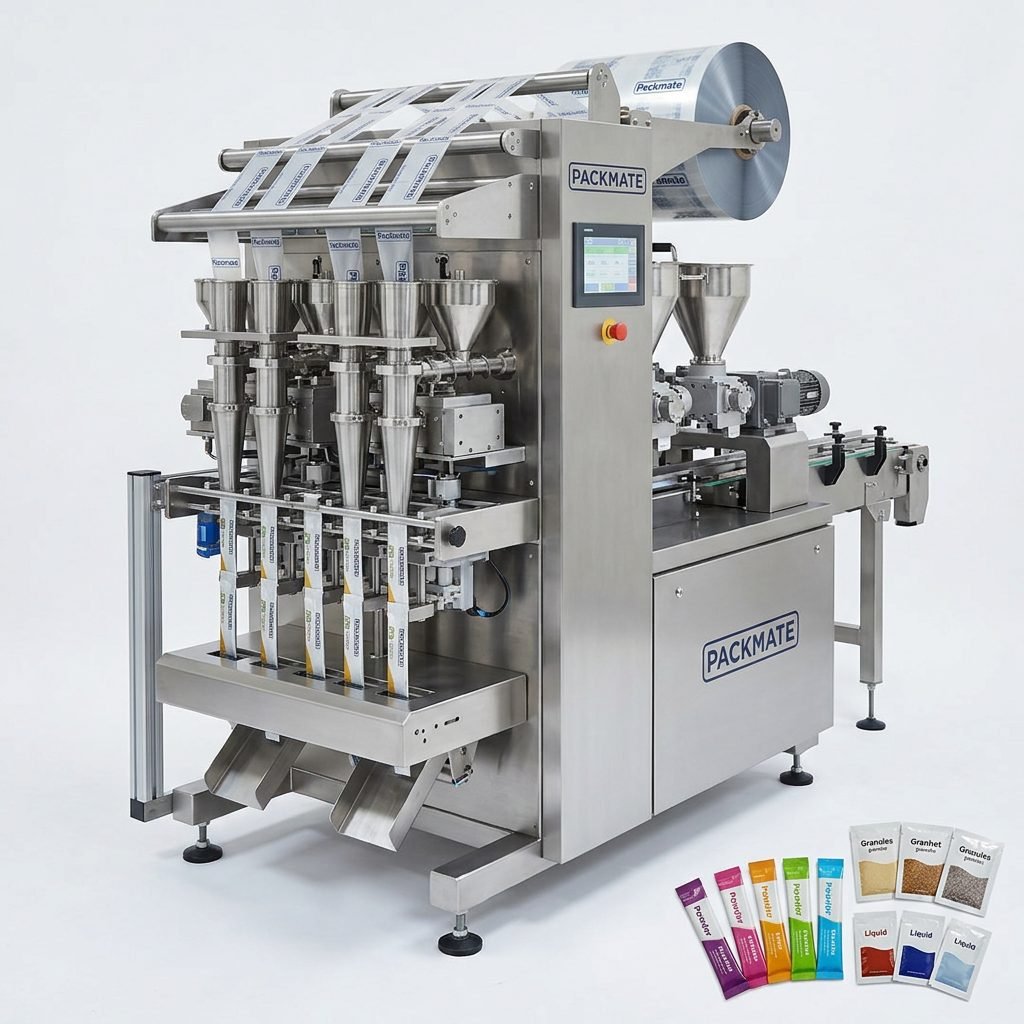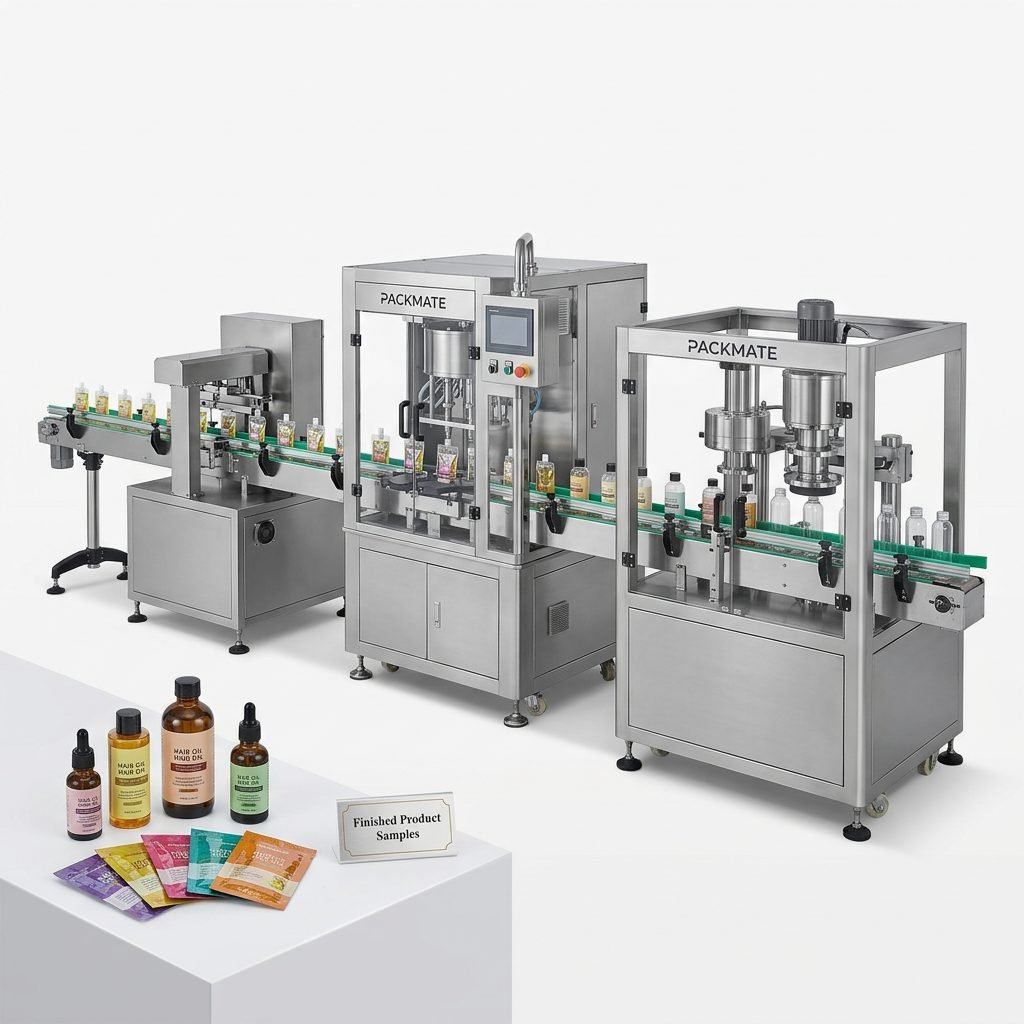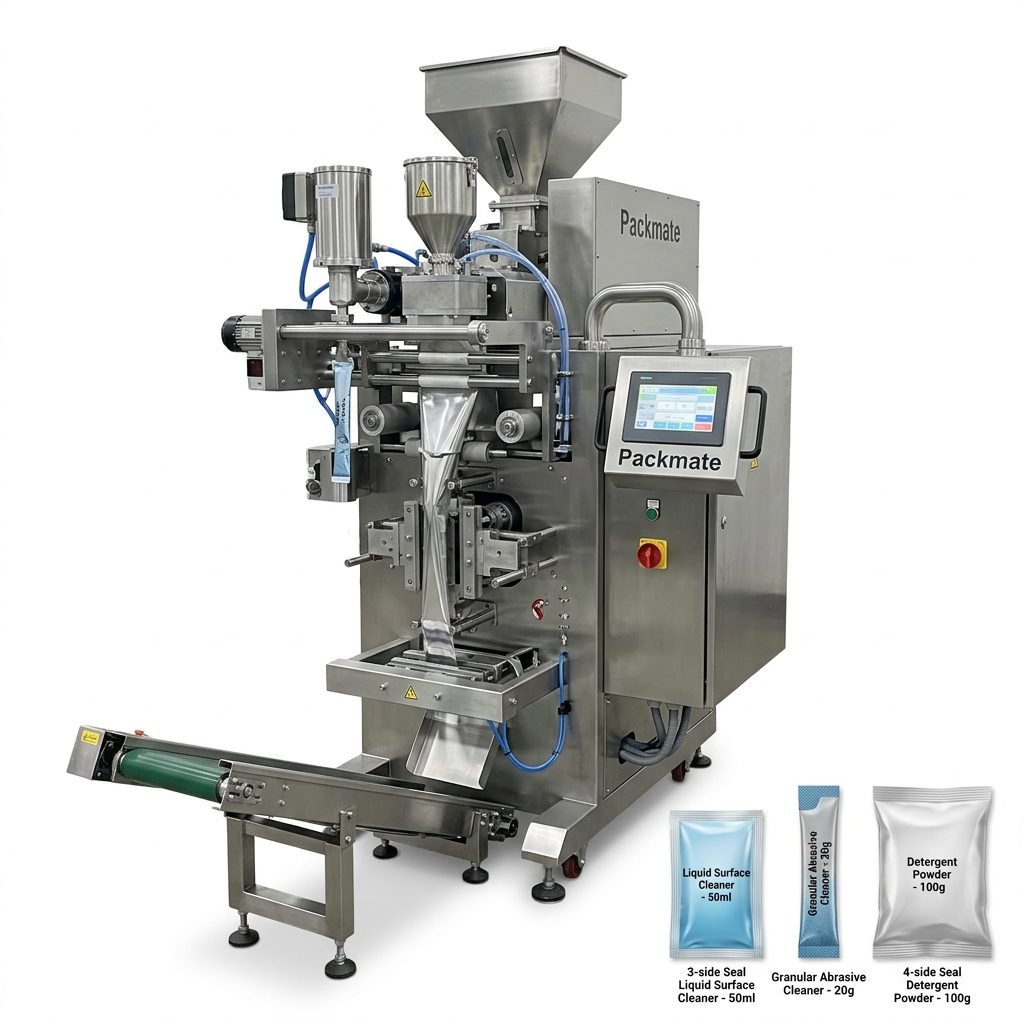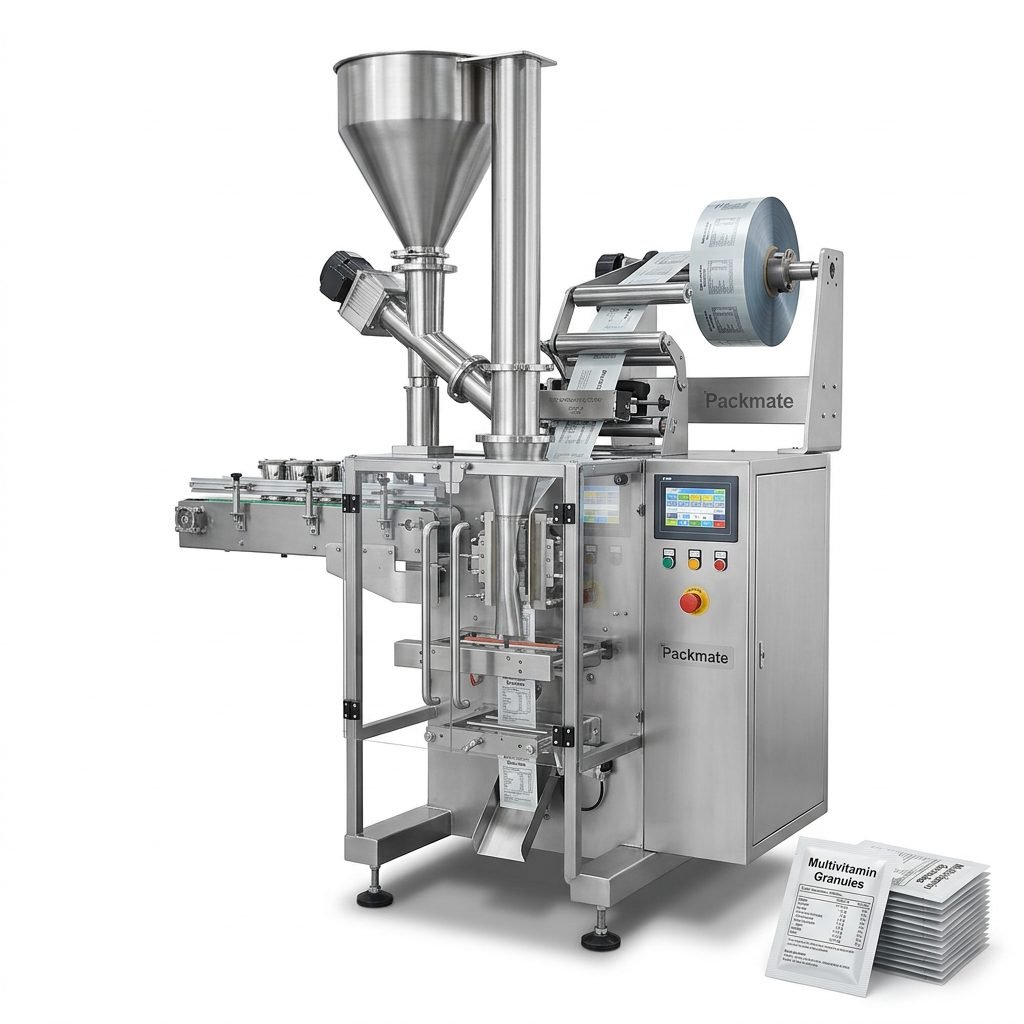
The packaging industry stands at a critical juncture, driven by evolving consumer demands, stringent regulatory requirements, and the relentless pursuit of operational efficiency. For sectors as vital and sensitive as food, pharmaceuticals, and health products, packaging is far more than a final step—it’s an integral component of product safety, integrity, and brand promise. The emergence of smart, turnkey packaging solutions represents a paradigm shift, moving from isolated machinery to interconnected, intelligent production ecosystems. These innovations are not merely about faster speeds; they are about creating adaptable, data-driven, and hygienically superior systems that safeguard products from production to the end-user.
The Imperative for Innovation in Critical Sectors
Each sector presents unique challenges that demand specialized packaging responses. In the pharmaceutical industry, the stakes involve patient safety. Packaging must ensure tamper-evidence, precise dosing, and absolute barrier protection against moisture, light, and contamination, all while complying with Good Manufacturing Practice (GMP) standards. The food industry battles spoilage and seeks to extend shelf life through advanced modified atmosphere packaging (MAP) and high-integrity seals, coupled with the need for clear nutritional labeling. Health and nutraceutical products, often bridging both sectors, require packaging that maintains potency of sensitive ingredients like probiotics and vitamins, while also appealing to health-conscious consumers through sustainable and convenient formats.
Traditional, standalone machines often create bottlenecks in these high-stakes environments. A disconnect between filling, sealing, labeling, and cartoning leads to inefficiencies, higher risk of human error, and difficulties in traceability. This is where the concept of the smart turnkey solution becomes transformative. It integrates every stage of the packaging process into a seamless, automated line controlled by a unified intelligence system.
Core Components of a Smart Turnkey Packaging Line
A truly intelligent packaging system is built on several interconnected pillars:
1. Integrated Automation & Robotics
From automated feeding systems that handle raw materials to robotic arms that perform precise picking, placing, and palletizing, physical automation eliminates manual handling. This not only boosts speed but dramatically enhances hygiene and consistency, crucial for sterile pharmaceutical environments or clean-label food production.
2. IoT & Real-Time Data Analytics
Embedded sensors throughout the line collect real-time data on machine performance, production counts, temperature, seal integrity, and more. This data is fed into a central Supervisory Control and Data Acquisition (SCADA) system or Manufacturing Execution System (MES), providing operators with a holistic dashboard view. Predictive analytics can forecast maintenance needs, preventing unplanned downtime.
3. Flexibility & Quick Changeover
Market trends shift rapidly. A smart line is designed for flexibility, allowing for quick changeovers between different package sizes, shapes, or materials with minimal manual intervention. This is achieved through servo-driven technology and recipe management software, enabling producers to respond agilely to demand for limited editions or varied product portfolios. Explore our adaptable packaging solutions designed for such versatility.
4. Enhanced Traceability & Quality Assurance
Every unit can be tracked. Vision inspection systems, using high-resolution cameras and AI algorithms, perform 100% inline checks for fill levels, label accuracy, seal defects, and contaminations. Any sub-standard package is automatically rejected. Data linking each batch to its packaging parameters creates an immutable digital record, simplifying compliance and recall processes if ever needed.
Tangible Benefits for Manufacturers
Investing in an intelligent packaging ecosystem delivers measurable returns across the board:
✓ Operational Efficiency: Reduced downtime, faster line speeds, and lower labor costs.
✓ Uncompromised Quality: Consistent, defect-free output protects brand reputation.
✓ Regulatory Confidence: Automated data logging ensures adherence to FDA, EU, and other global standards.
✓ Sustainability Gains: Precise material usage reduces waste, and data optimizes energy consumption.
Companies like Packmate (GuangDong) Co., Ltd. exemplify this evolution. With over 30 years of experience, they have transitioned from building individual machines to providing complete, intelligent lines. Their comprehensive approach encompasses design, manufacturing, installation, and validation, ensuring clients receive a production-ready solution, not just a collection of equipment. You can learn more about their journey and capabilities on their About Us page.
The Future: AI and Sustainable Materials
The innovation trajectory points towards deeper artificial intelligence integration, where machines self-optimize for efficiency, and towards the adoption of novel, bio-based, and recyclable packaging materials. The next generation of smart lines will need to handle these materials without compromising performance. Furthermore, connectivity will expand beyond the factory floor, integrating with supply chain management systems for true end-to-end visibility, from raw material supplier to the retail shelf.
For businesses looking to stay competitive, the question is no longer *if* to upgrade, but *how*. Partnering with an experienced provider who understands the nuances of your industry is crucial. Reviewing real-world application cases and understanding the full scope of support services offered are essential steps in this strategic decision.
Frequently Asked Questions (FAQs)
1. What is the main advantage of a “turnkey” solution over buying individual machines?
A turnkey solution provides a fully integrated, tested, and production-ready system from a single vendor. This eliminates compatibility issues between different machines, reduces project management complexity, ensures single-point accountability, and significantly shortens the time from purchase to operational revenue, compared to sourcing and integrating components separately.
2. How do smart packaging lines ensure compliance with strict pharmaceutical regulations (e.g., FDA 21 CFR Part 11)?
They incorporate features like electronic signature capabilities, audit trails, secure data storage, and validated software systems. Every action and parameter change is logged. Furthermore, materials and design adhere to hygienic standards (e.g., easy-clean surfaces, stainless steel construction), and processes are validated to prove consistent performance under defined conditions.
3. Can these advanced lines handle sustainable or compostable packaging films?
Yes, but it requires careful planning. Modern servo-driven machines offer precise control over temperature, tension, and sealing parameters, which is essential for handling the often more sensitive heat-seal layers of bio-based films. An experienced provider will test your specific material to optimize the machine settings and ensure reliable performance on the production line.
4. What is the typical ROI period for investing in an intelligent packaging system?
The return on investment period varies based on scale, current manual labor costs, and production volume. However, through gains in speed (increased output), yield (less waste), labor reduction, and lower downtime, many facilities see a full ROI within 1 to 3 years. The long-term benefits in quality, scalability, and compliance provide ongoing value.
5. How does the integration of IoT and data analytics help with preventative maintenance?
Sensors monitor key parameters like motor vibration, bearing temperature, and actuator cycles. The analytics platform establishes normal baselines and can alert operators to deviations that indicate wear or potential failure before a breakdown occurs. This allows for scheduled maintenance during planned downtime, avoiding costly unscheduled stoppages and extending the overall life of the equipment.