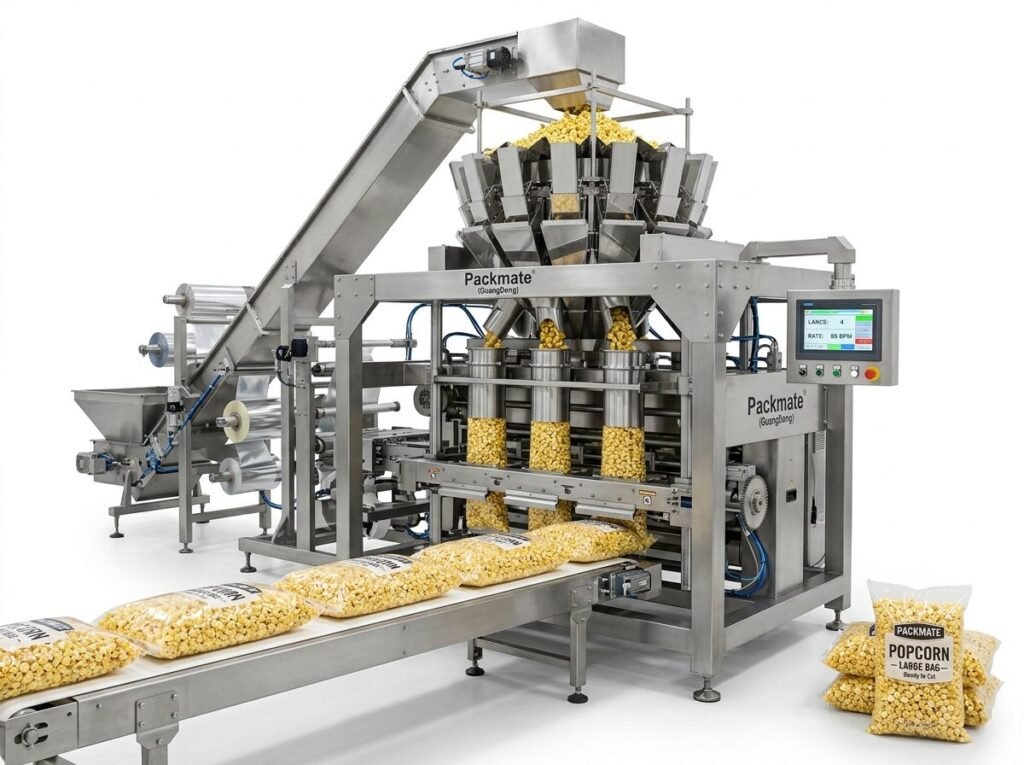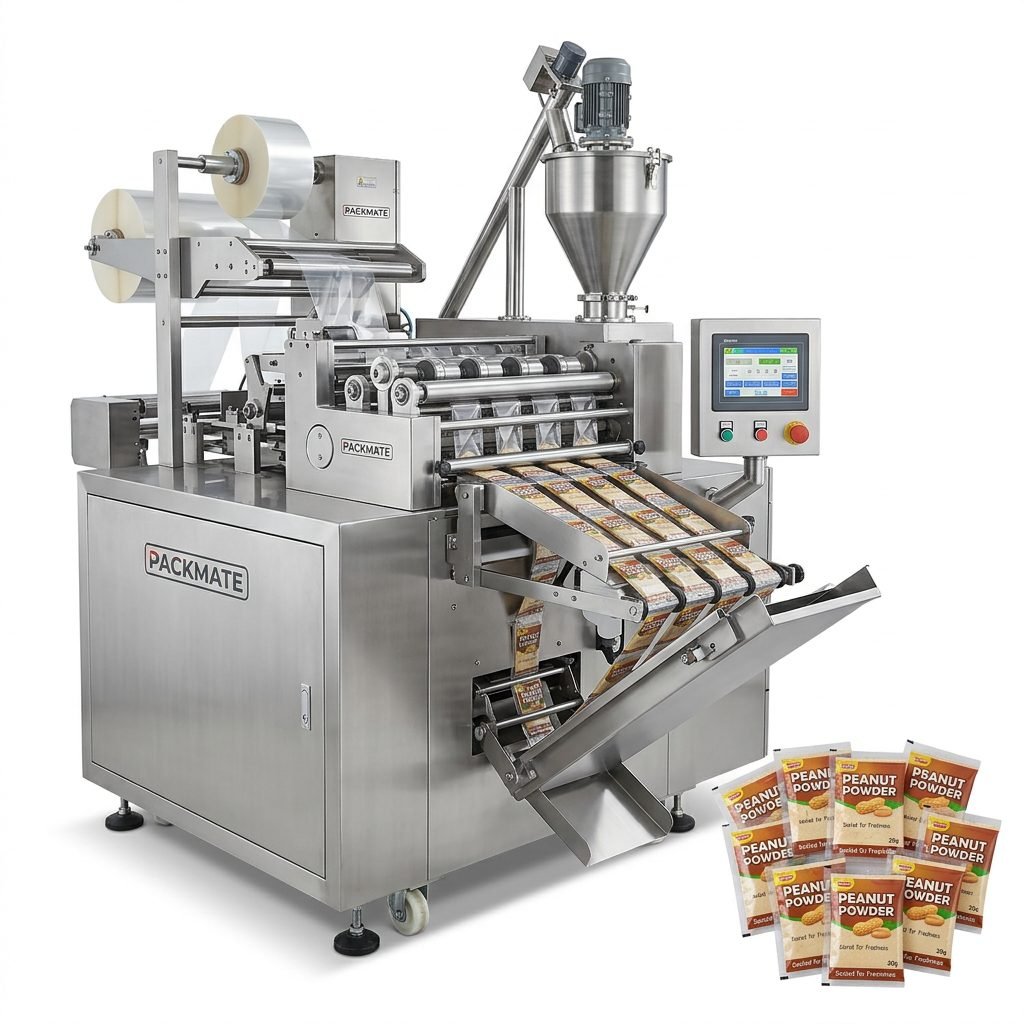
In the competitive world of dairy processing, efficiency, hygiene, and product integrity are non-negotiable. Milk powder, a sensitive and valuable product, demands packaging solutions that go beyond simple containment. A dedicated Packaging Line for Milk Powder is not just a collection of machines; it is a meticulously engineered ecosystem designed to protect quality, ensure safety, and maximize operational throughput. This article explores the critical components, benefits, and considerations of implementing a complete turnkey solution for dairy powder packaging.
The Critical Role of Specialized Powder Packaging
Milk powder is hygroscopic and prone to oxidation, requiring packaging that provides an excellent barrier against moisture and oxygen. Any compromise can lead to caking, loss of nutritional value, and reduced shelf life. Furthermore, strict international food safety standards, such as those from the FDA and EFSA, govern every step of the process. A generic packaging line cannot meet these stringent demands. A purpose-built system integrates precision dosing, inert gas flushing (like nitrogen), and hermetic sealing to create a stable, protected environment for the powder from the filler to the final consumer.
Key Challenges Addressed by Turnkey Lines:
- Product Protection: Shielding powder from moisture, light, and oxygen to preserve flavor and nutrients.
- Dosing Accuracy: Ensuring precise weight control for every sachet, stick pack, or tin, critical for cost control and regulatory compliance.
- Contamination Prevention: Designing a closed or semi-closed system with easy-clean (CIP/SIP) features to meet GMP standards.
- Production Speed & Flexibility: Handling high volumes while allowing quick changeovers between different package sizes and types (e.g., from 25g sachets to 1kg bags).
Anatomy of a Complete Milk Powder Packaging Line
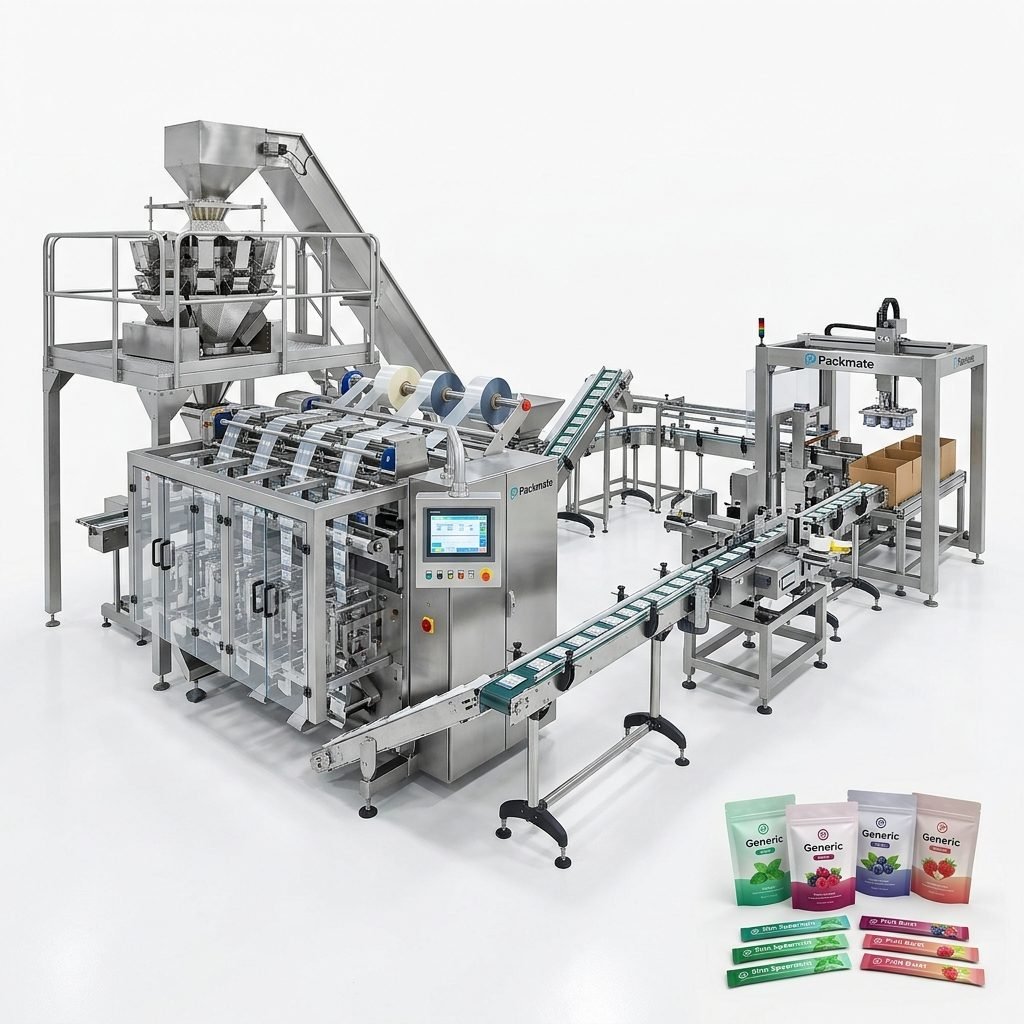
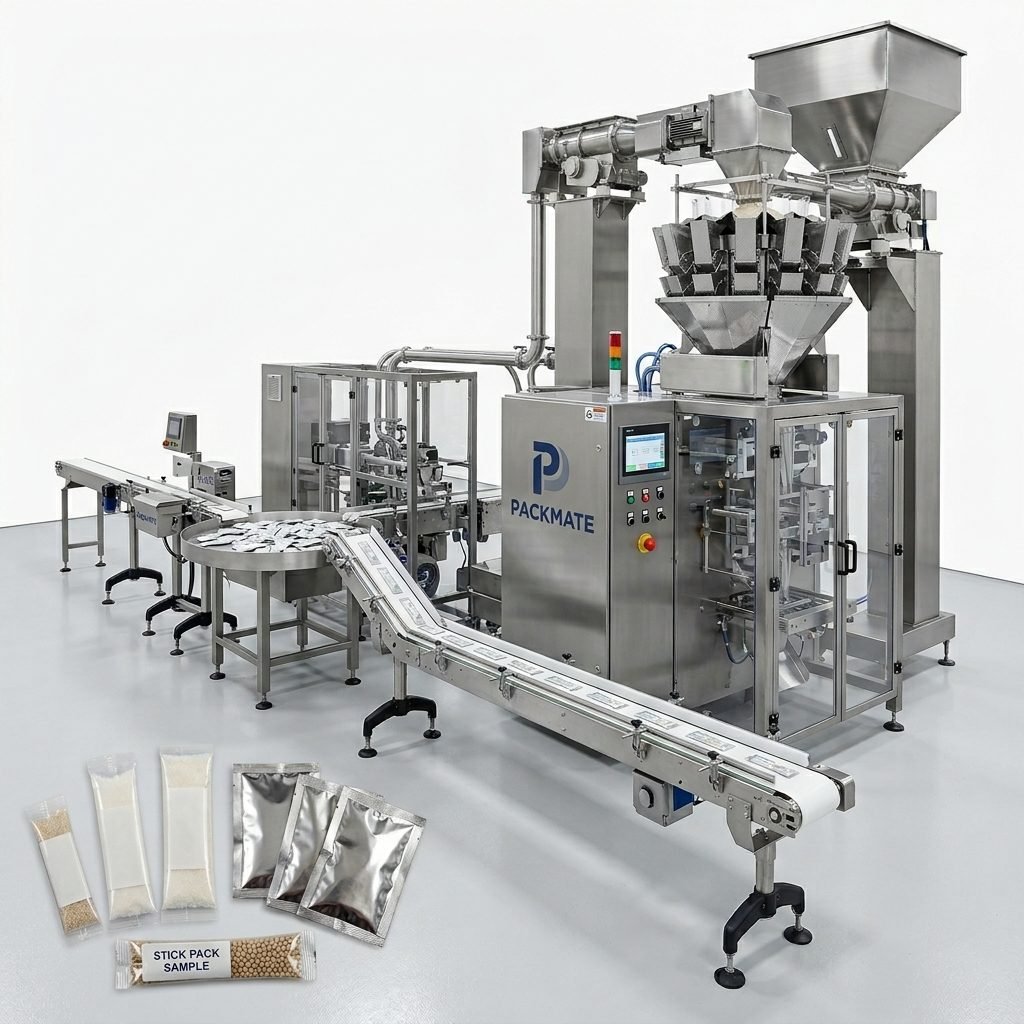
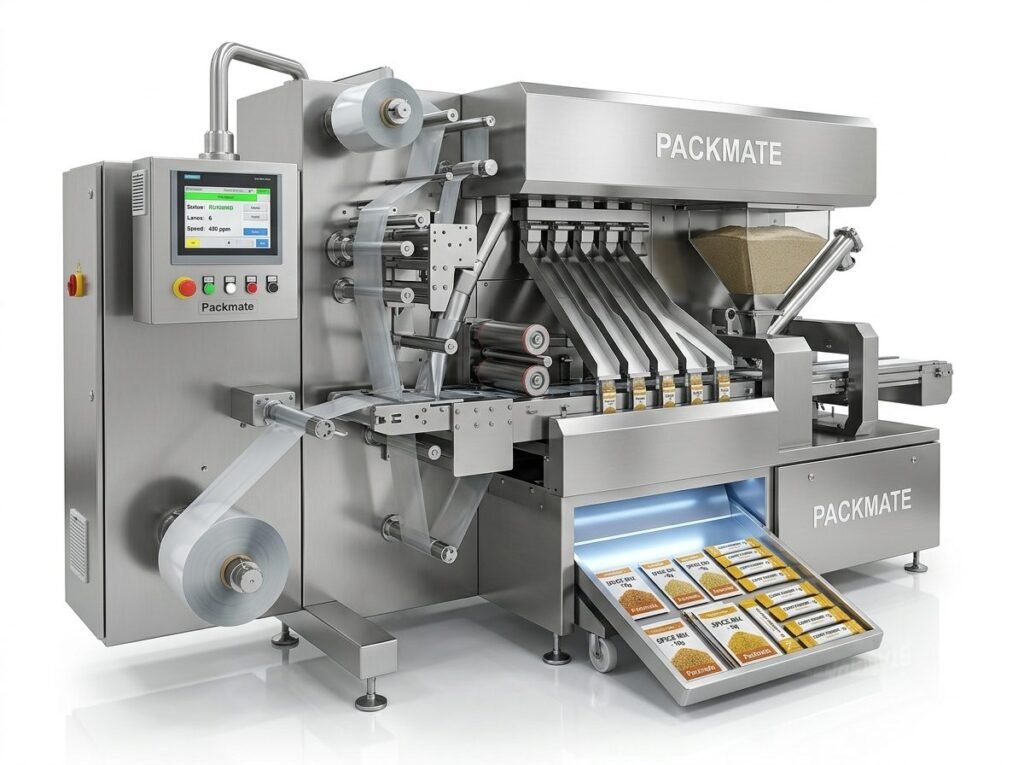
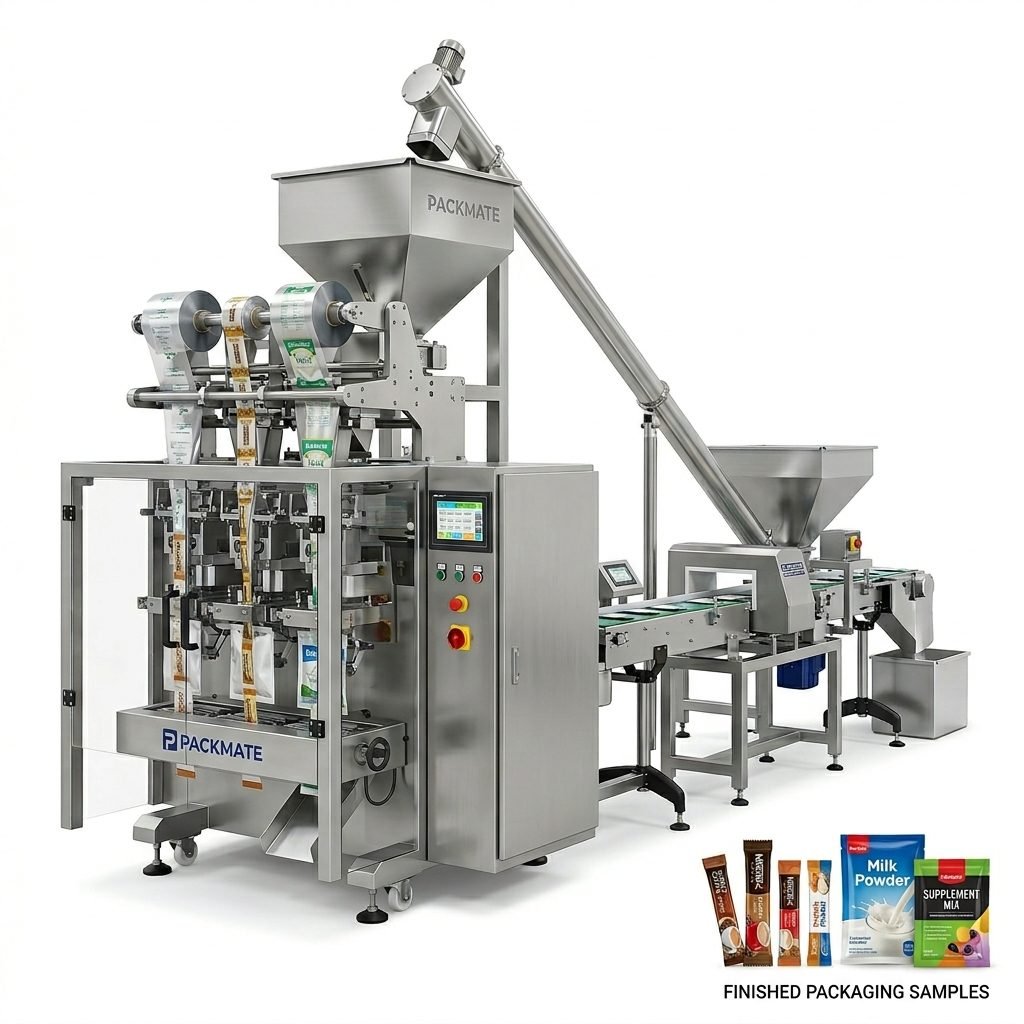
A turnkey solution seamlessly connects several specialized stations into one cohesive, automated flow. Understanding each component is key to appreciating the system’s efficiency.
1. Powder Handling & Feeding System
This is the starting point. Systems often include bulk bag unloaders, intermediate storage hoppers, and vibratory or screw feeders that ensure a consistent, bridge-free powder flow to the dosing machine. Deaeration systems might be integrated to remove air from the powder, enabling more accurate and compact filling.
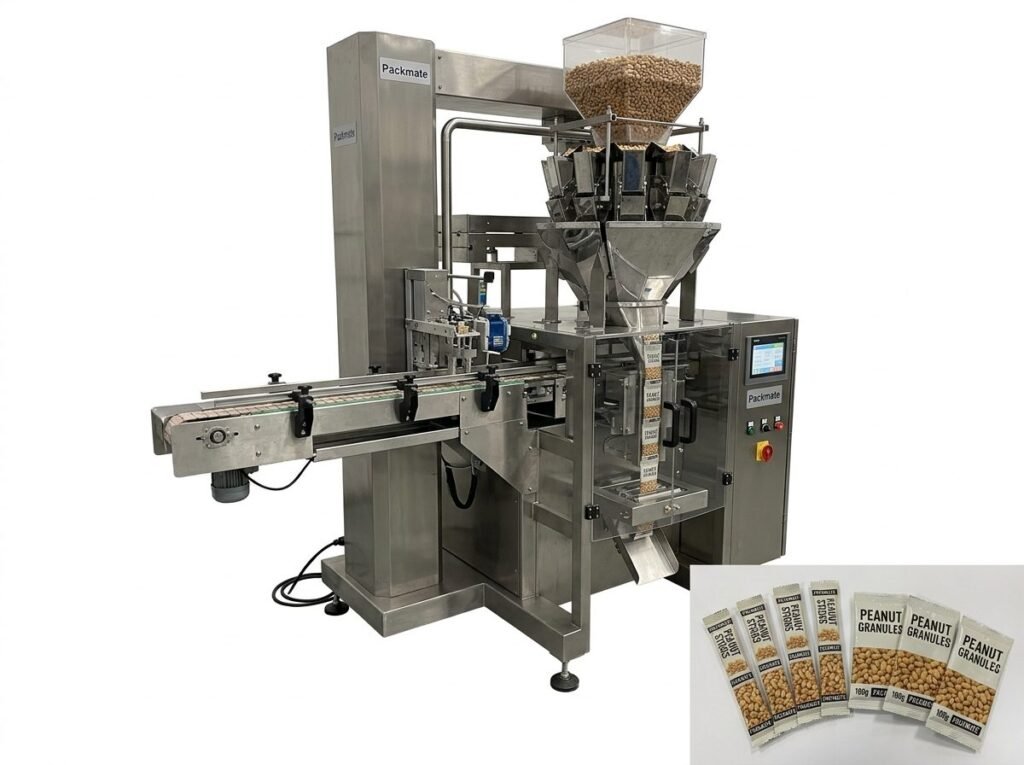
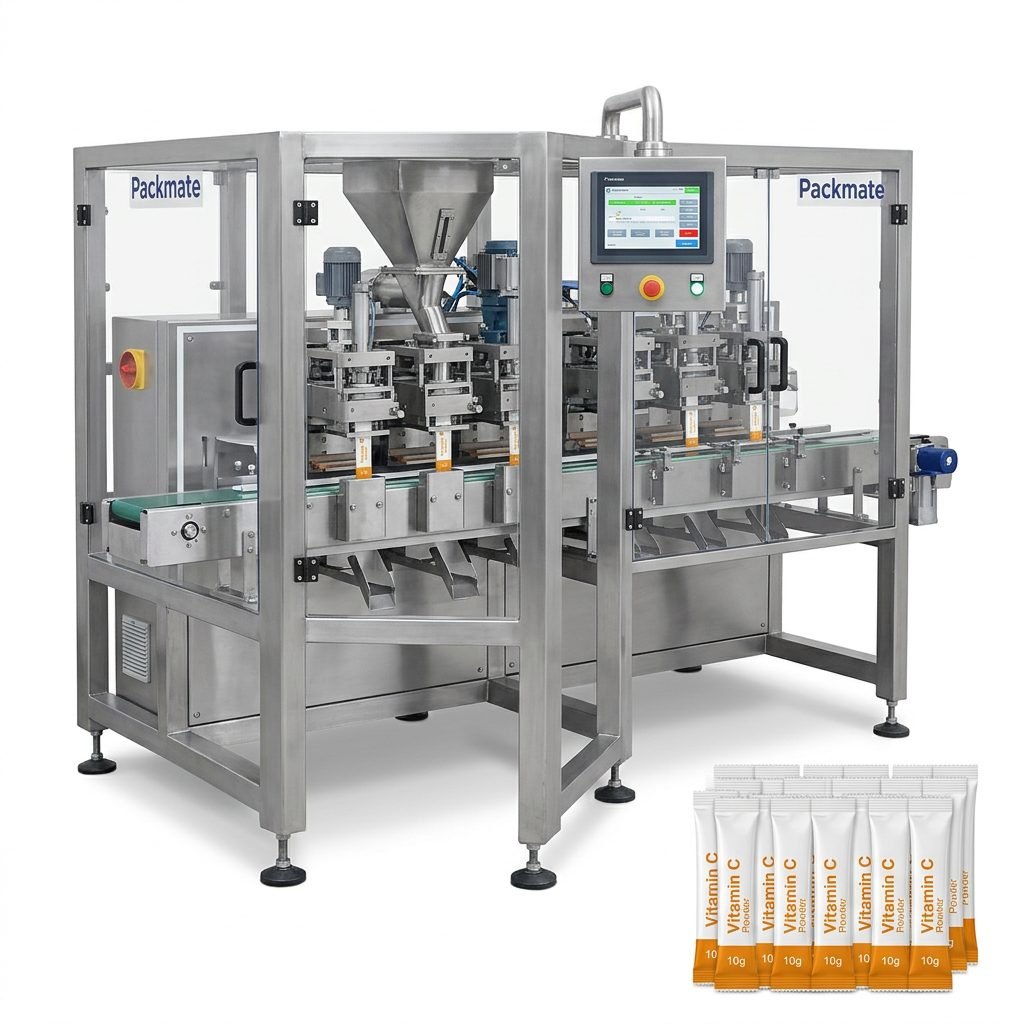
2. Precision Filling & Dosing Machine
The heart of the line. For milk powder, auger fillers are predominant due to their accuracy with granular and powdered products. Modern servo-driven auger fillers provide exceptional weight control, often with check-weighing systems that provide feedback for real-time adjustment. For enhanced shelf life, this station is frequently coupled with a gas flushing unit that displaces oxygen inside the package with an inert gas like nitrogen before sealing.
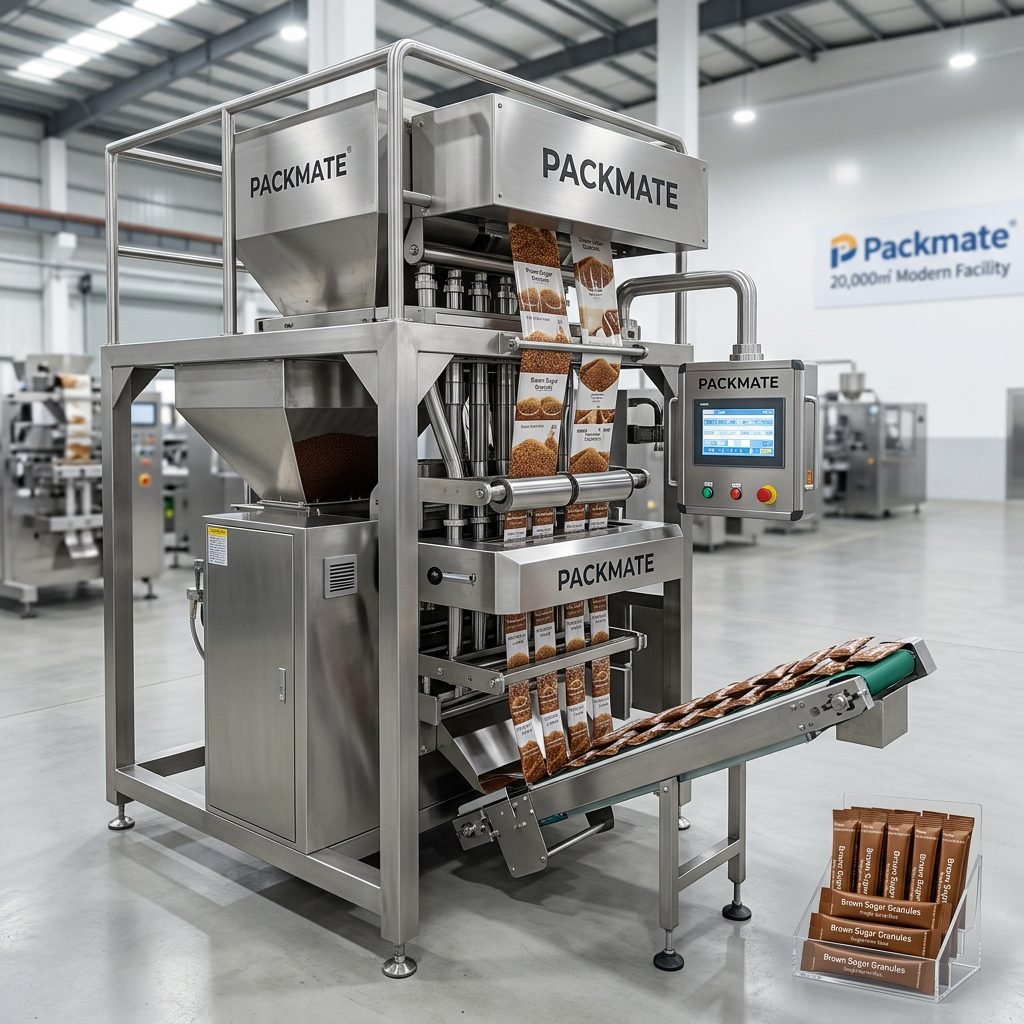
3. Form-Fill-Seal (FFS) Core
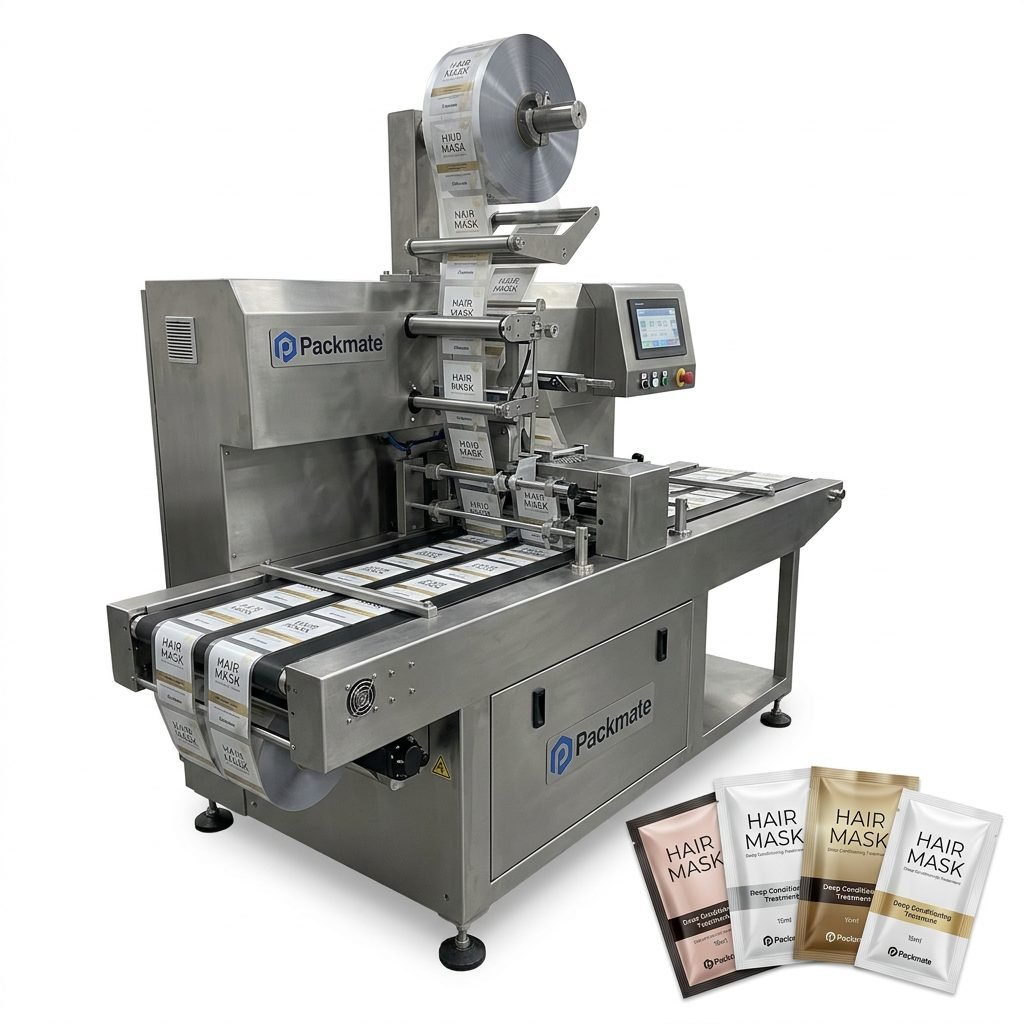
This machine forms the package from a roll of laminated film, fills it with the dosed powder, and seals it. For milk powder, vertical form-fill-seal (VFFS) machines are extremely common for creating pillow pouches or gusseted bags. The film used is a multi-layer laminate specifically chosen for its high barrier properties against moisture and oxygen. The sealing jaws must provide a strong, hermetic seal to maintain the package integrity.
4. Secondary Packaging & Automation
Once primary packages (like sachets or stick packs) are produced, they are collated, counted, and packed into cartons or boxes. This stage includes carton erectors, automatic loaders, and carton sealers. Robotic arms or sophisticated conveyor systems are increasingly used here to handle products gently and at high speeds, replacing manual labor and boosting overall line efficiency. For more insights into integrated automation, explore our Packaging Solutions.
5. Control & Monitoring System
The brain of the operation. A centralized PLC (Programmable Logic Controller) with an intuitive HMI (Human-Machine Interface) touchscreen allows operators to monitor every parameter: speed, weight, temperature, gas pressure, and fault alarms. This system ensures traceability and provides valuable production data for analysis and optimization.
Why Choose a Turnkey Solution from an Expert Provider?
Opting for a single-source, turnkey provider like Packmate (GuangDong) Co., Ltd. offers distinct advantages over piecing together equipment from multiple vendors.
✅ Single Point of Responsibility
From initial design and manufacturing to installation, commissioning, and training, one provider handles everything. This eliminates finger-pointing between suppliers if an issue arises and streamlines communication.
✅ Guaranteed Compatibility & Synchronization
All machines in a turnkey line are designed to work in perfect harmony. Conveyor speeds, transfer mechanisms, and control signals are pre-engineered to match, ensuring smooth material flow and eliminating bottlenecks.
✅ Faster Time-to-Market
With a coordinated project management approach, the entire process from concept to operational line is significantly accelerated. You can start production and generate ROI much sooner.
✅ Comprehensive After-Sales Support
A trusted partner provides ongoing support, including spare parts, preventive maintenance, and technical assistance. This ensures long-term reliability and minimizes costly downtime. Learn more about our commitment in our Service section.
Selecting the Right Partner for Your Dairy Powder Line
Choosing a supplier is a strategic decision. Look for a provider with proven experience in food and dairy applications, a robust portfolio of successful case studies, and the engineering capability to customize solutions. A modern manufacturing facility, like Packmate’s 20,000㎡ plant, equipped with advanced production and testing tools, is a strong indicator of quality and reliability. Furthermore, assess their global support network to ensure they can be there when you need them, wherever your plant is located.
Conclusion
Investing in a complete, turnkey packaging line for milk powder is an investment in product quality, brand reputation, and operational excellence. It transforms packaging from a necessary cost center into a strategic asset that safeguards your product, optimizes your resources, and scales with your business growth. By partnering with an experienced and integrated solution provider, you gain not just machinery, but peace of mind and a pathway to sustained efficiency in the dynamic dairy market.
Frequently Asked Questions (FAQs)
1. What is the typical output speed of a milk powder packaging line?
Speed varies greatly based on package type and size. A multi-lane stick pack line for single-serve portions (e.g., 25g) can achieve 800-1200 packs per minute. A line for larger retail bags (e.g., 1kg) may run at 40-60 bags per minute. The exact speed is determined during the project design phase based on your specific output targets.
2. How does gas flushing work, and is it necessary for all milk powder?
Gas flushing involves injecting an inert gas (like Nitrogen) into the package headspace just before the final seal, displacing oxygen. This drastically slows oxidation, preserving flavor and vitamins. While not always mandatory, it is highly recommended for premium, nutritional, or infant formula powders to achieve an extended shelf life and maintain superior quality.
3. Can one line handle different package sizes and types?
Yes, modern lines are designed for flexibility. Quick-change parts (like augers, forming tubes, and sealing jaws) allow for changeovers between different sizes of the same package type (e.g., from 500g to 1kg bags). Some advanced lines can even switch between package formats (e.g., from sachets to stick packs) with more extensive changeover procedures. Discuss your flexibility needs with your supplier during planning.
4. What hygiene standards do these lines comply with?
Professional milk powder lines are designed to comply with international food safety and hygiene standards. Key features include stainless steel (304 or 316) contact surfaces, smooth welds with no crevices, CIP (Clean-in-Place) capabilities for product contact parts, and designs that prevent dust accumulation. They are built to facilitate compliance with GMP, HACCP, and relevant local food regulations.
5. What kind of after-sales support should I expect?
A comprehensive support package is crucial. Expect detailed installation supervision and commissioning, thorough operator and maintenance training programs, readily available spare parts, remote diagnostic support, and scheduled preventive maintenance visits. A reliable provider will offer a clear service agreement to ensure your line remains productive for years. For detailed support information, please Contact Us.