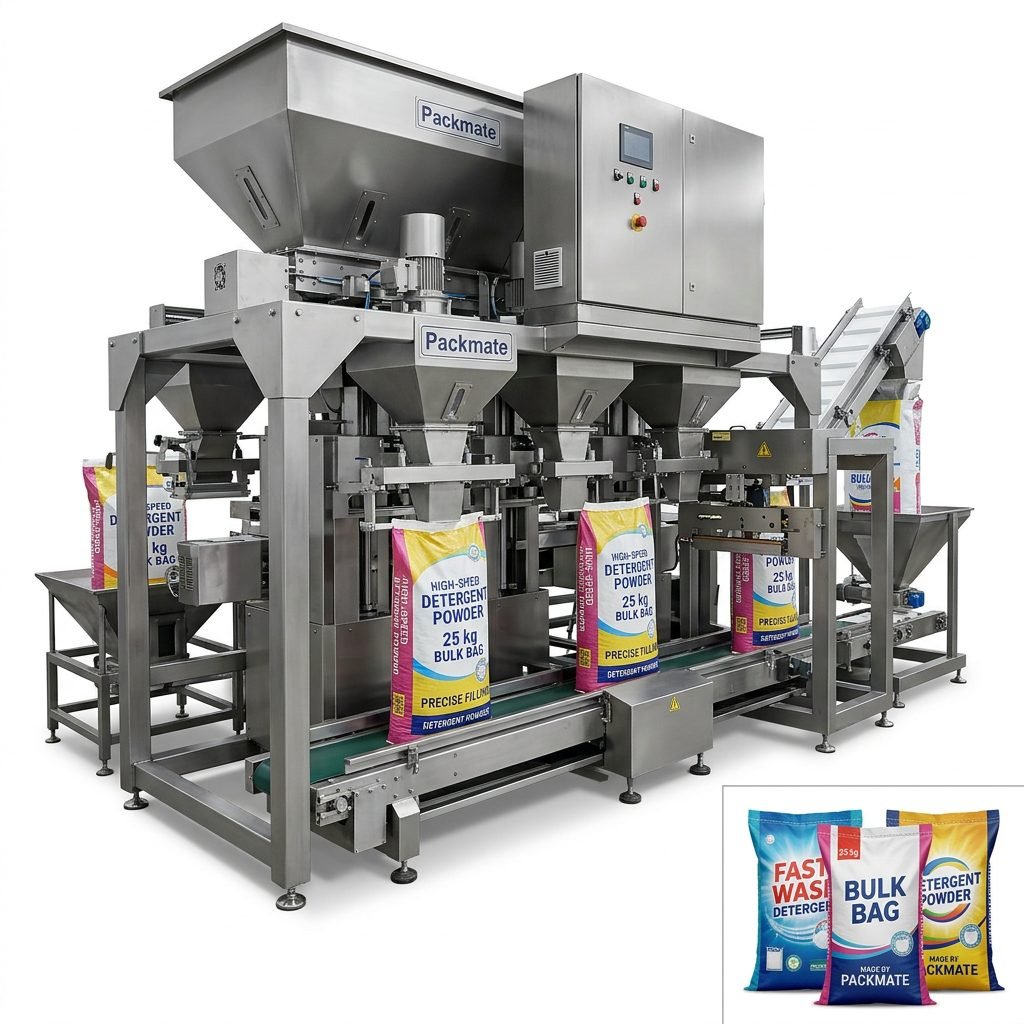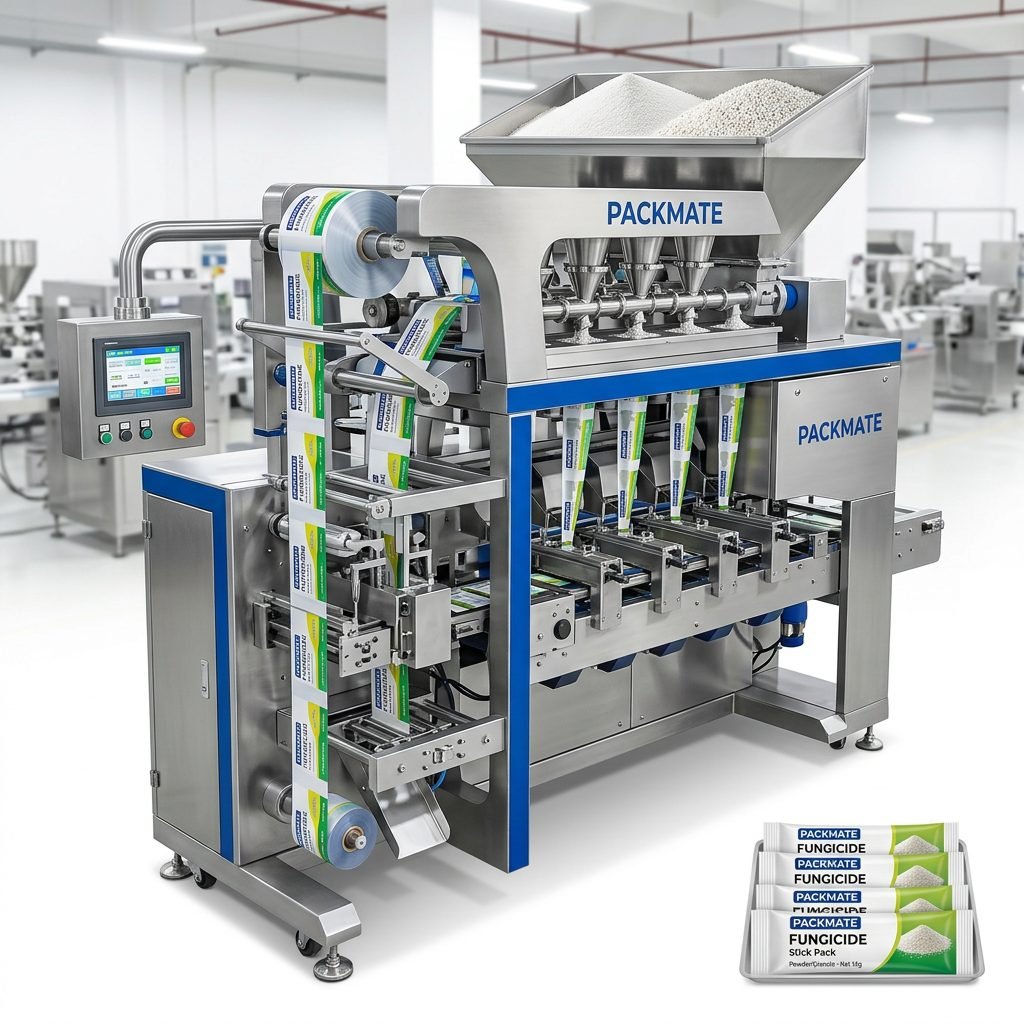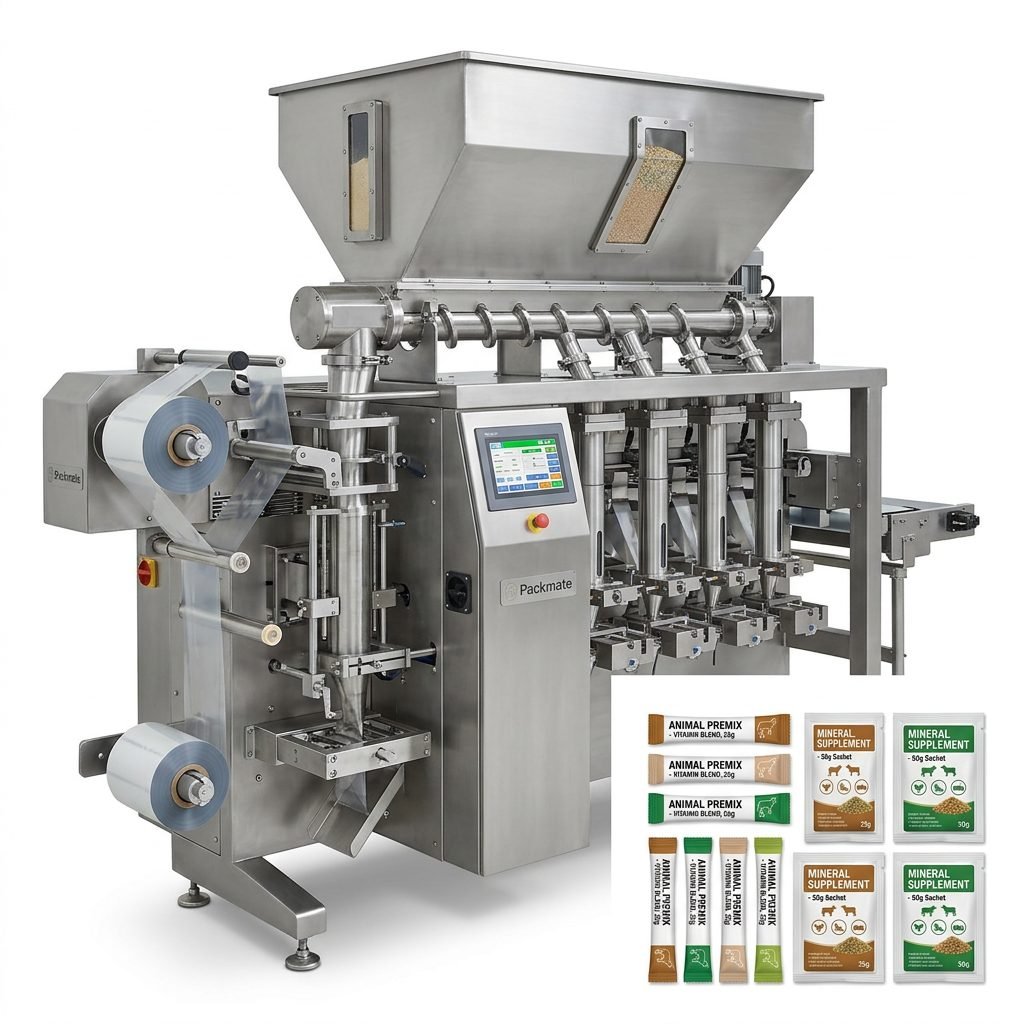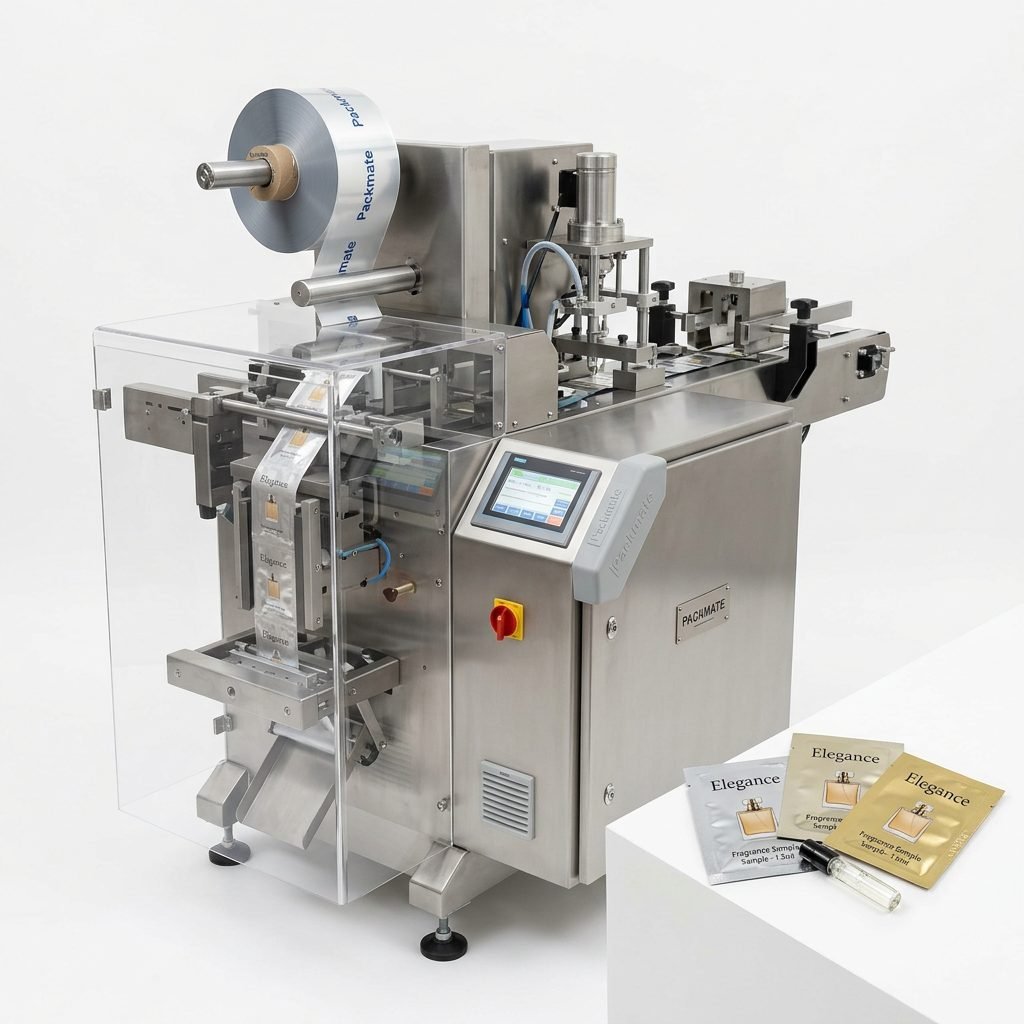
In today’s fast-paced manufacturing landscape, efficiency, hygiene, and precision are non-negotiable, especially for industries that directly impact human well-being. For producers of food, pharmaceuticals, and health products, the packaging line is not merely the final step in production; it is a critical component that ensures product integrity, safety, and market appeal. The shift from manual or semi-automated processes to fully automated commercial packaging line solutions represents a transformative leap forward. These sophisticated systems are engineered to handle the unique and stringent requirements of sensitive products, from maintaining sterile environments for pharmaceuticals to preserving the freshness of health supplements and ensuring the consistent portioning of food items.
The Imperative for Automation in Sensitive Industries
The drive towards automation is fueled by more than just the pursuit of speed. It is a comprehensive response to a complex set of challenges. Consumer safety regulations, particularly in the pharmaceutical and food sectors, are becoming increasingly stringent globally. An automated line minimizes human intervention, which is a primary vector for contamination. Consistency is another cornerstone; every sachet, stick pack, or bottle must contain the exact same amount of product, a feat nearly impossible to achieve at scale with manual labor. Furthermore, the economic pressure to reduce operational costs, minimize waste (of both product and packaging material), and optimize floor space makes the investment in a robust packaging solution a strategic necessity for long-term competitiveness.
Core Components of a Modern Packaging Line
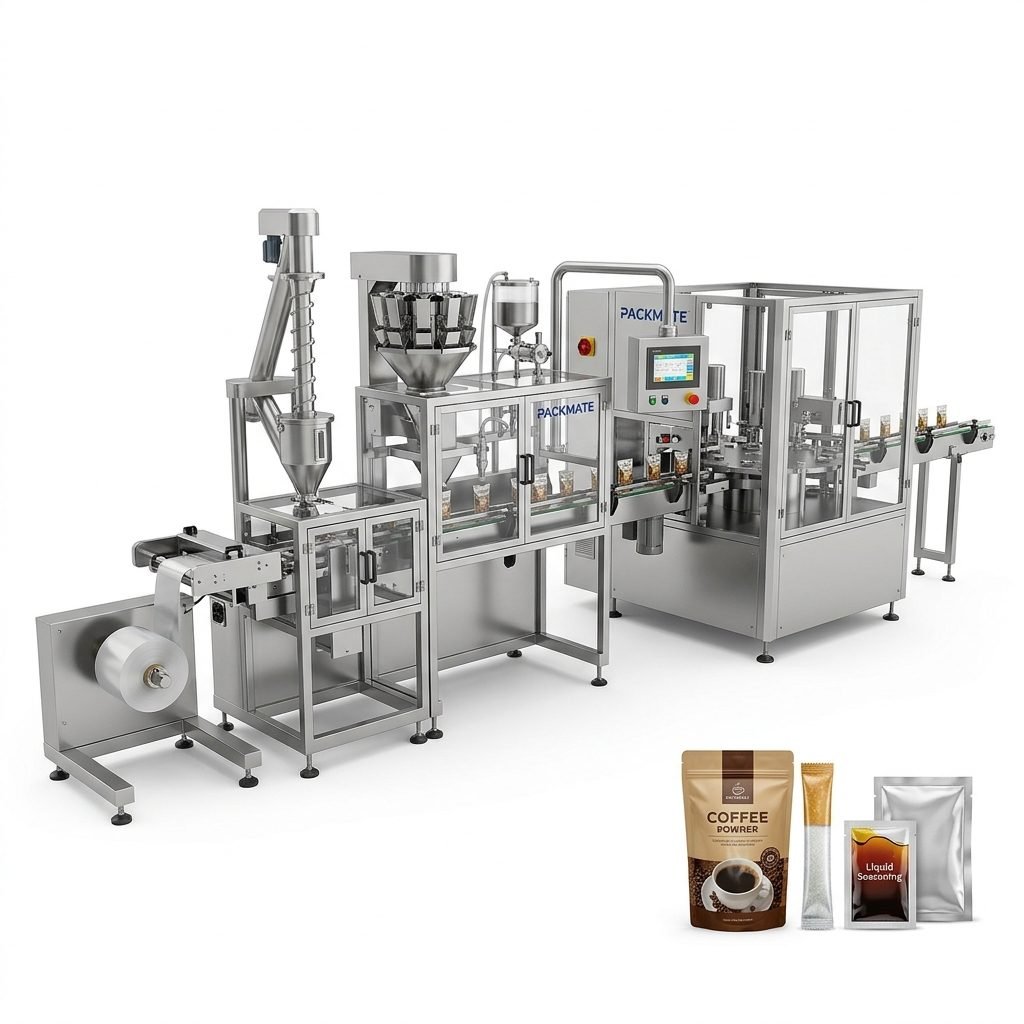
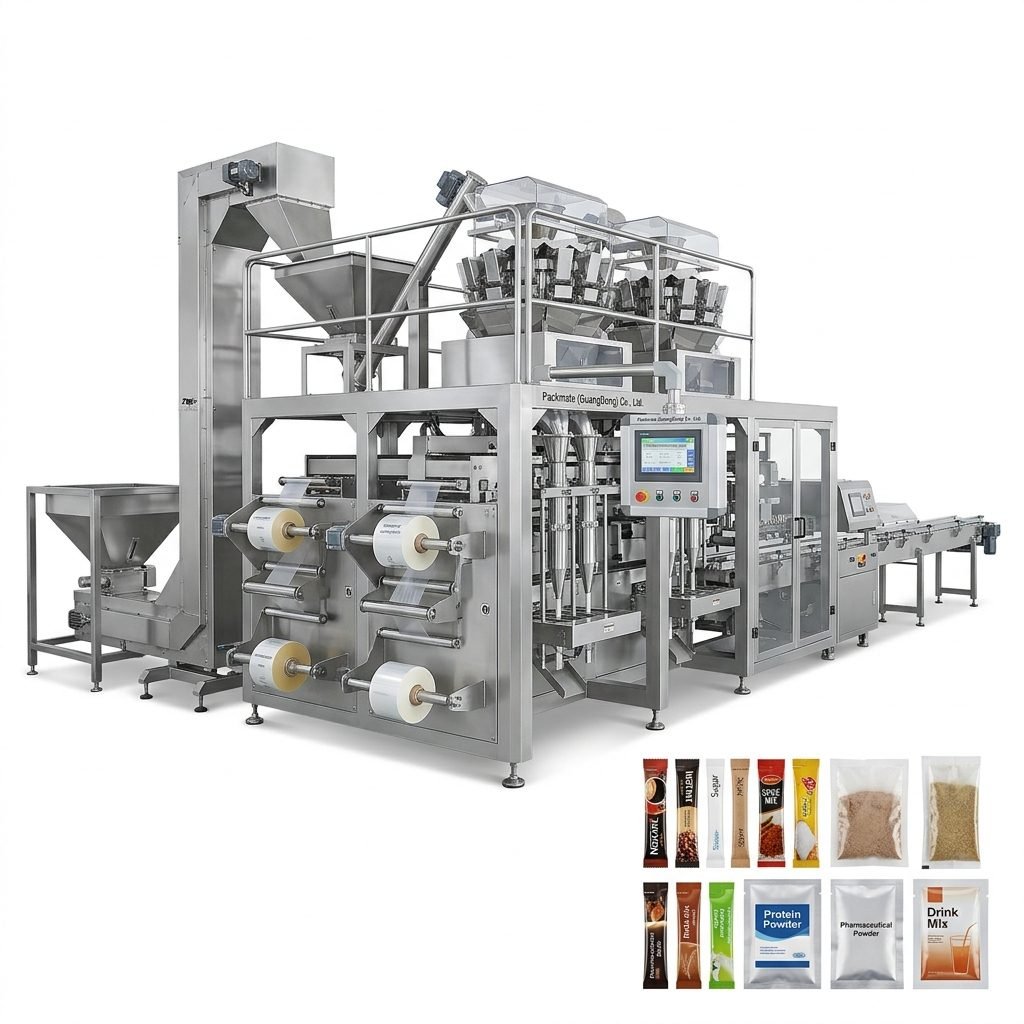
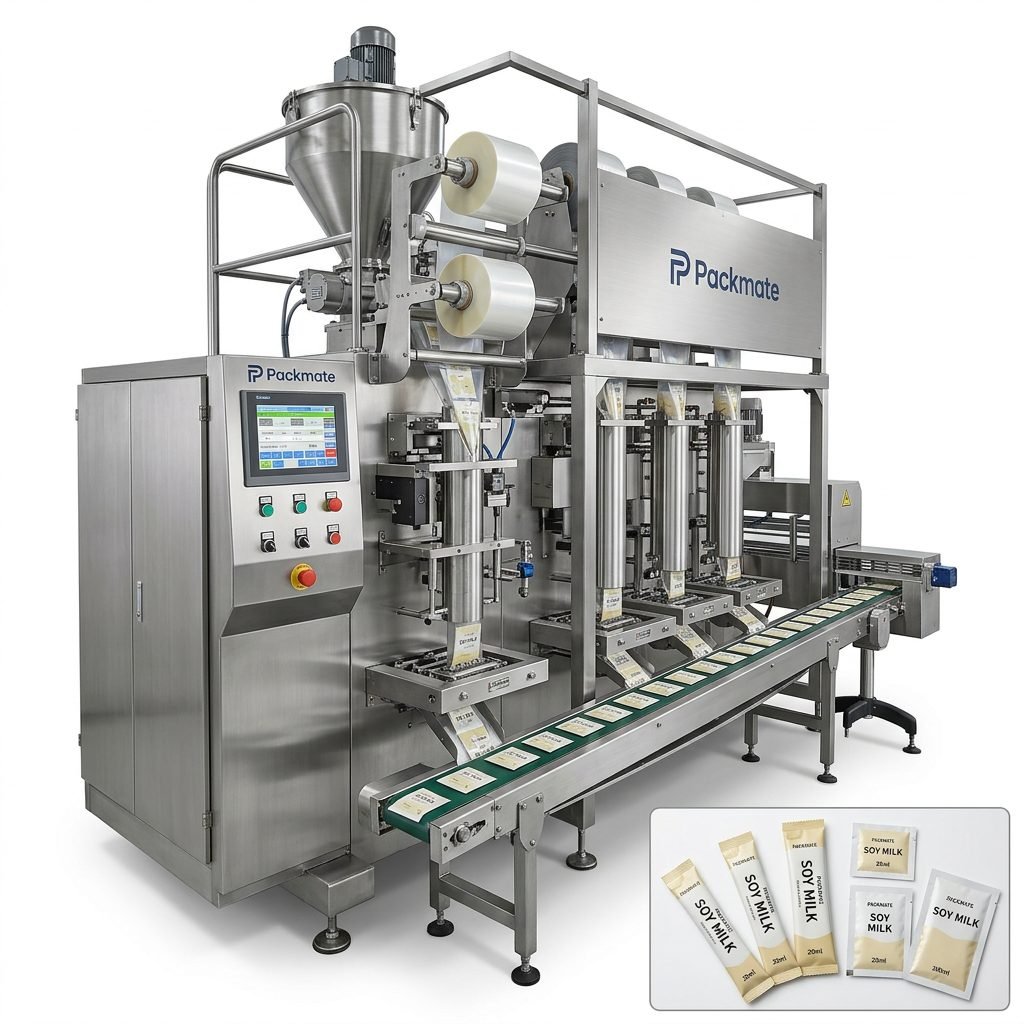
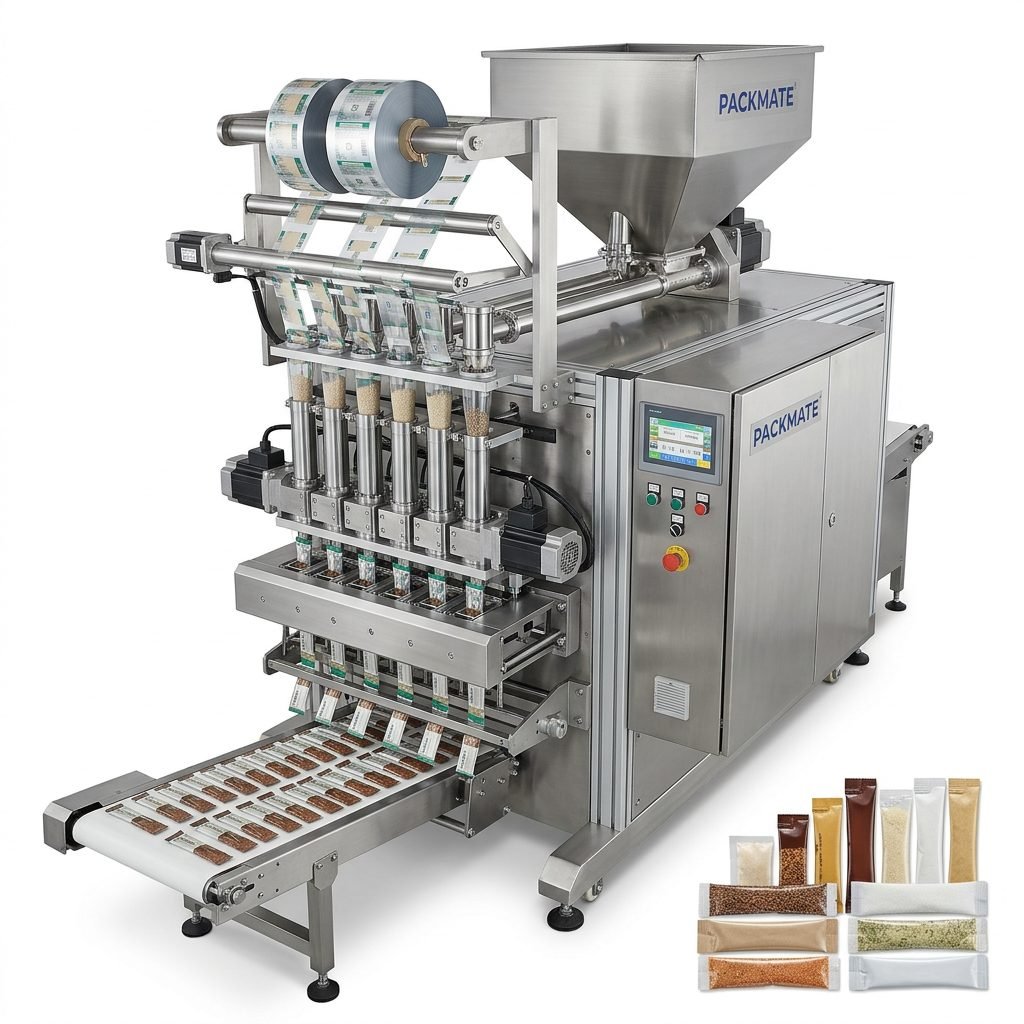
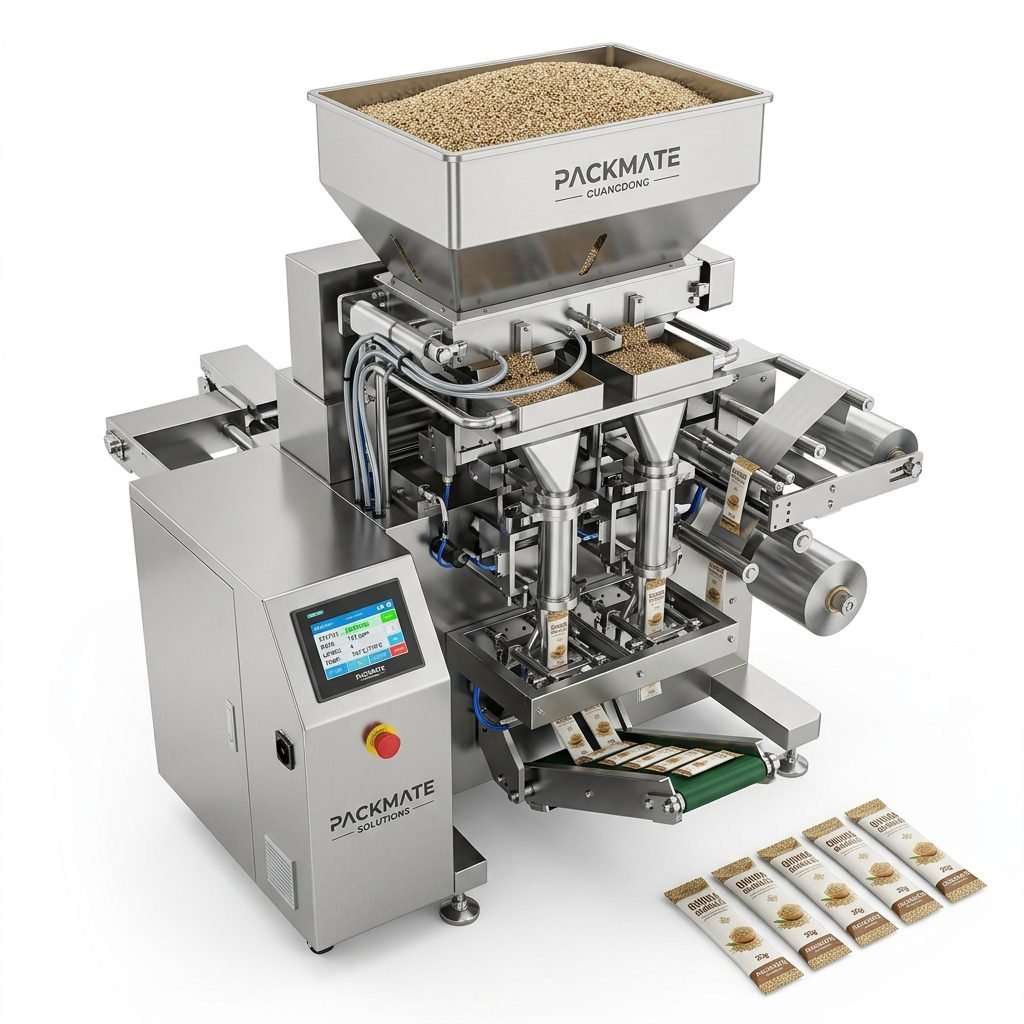
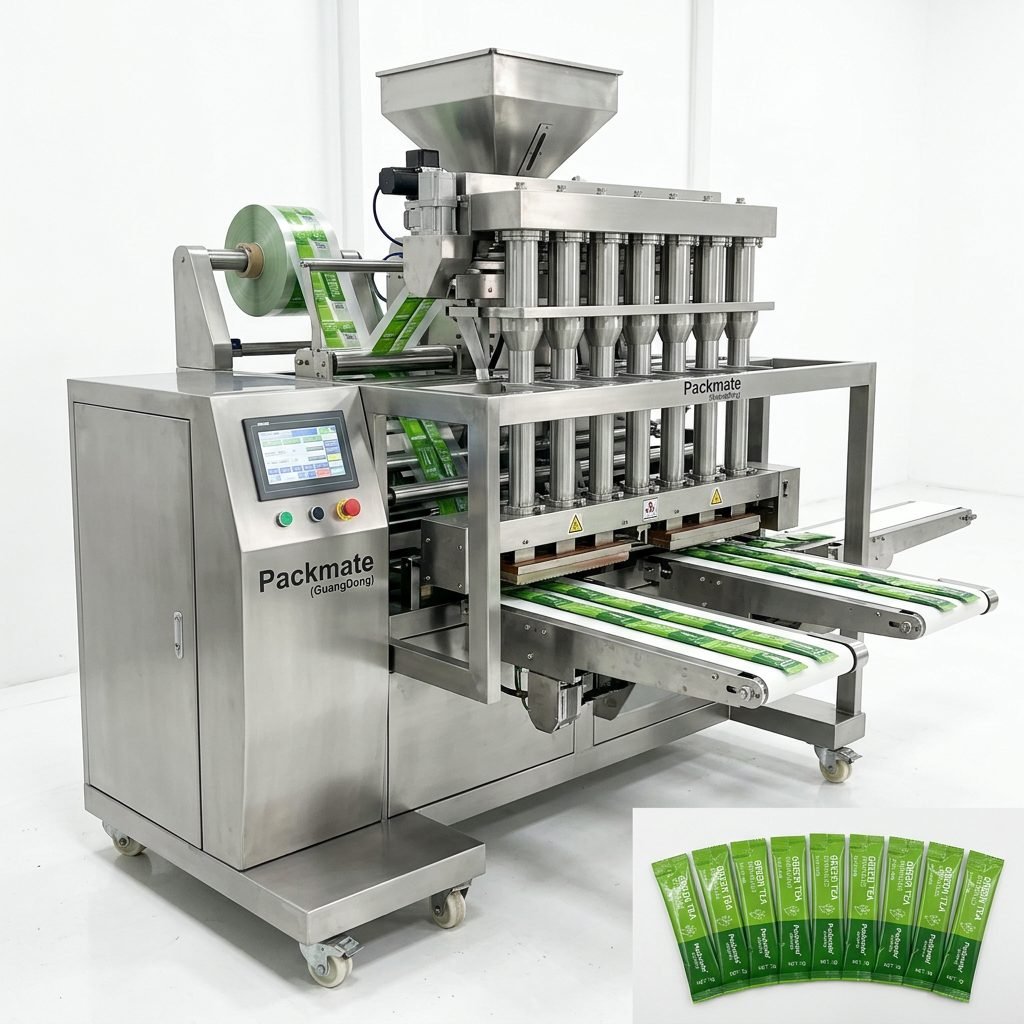
A turnkey automated packaging line is a symphony of integrated machines, each performing a specific function with robotic precision. The journey typically begins with a bag-making and filling machine for flexible packaging, which forms, fills, and seals packages in one continuous motion. For powders and granules, auger fillers provide exceptional accuracy. Liquid products require specialized pumps and filler nozzles designed to prevent dripping and oxidation. Downstream, cartoning machines erect boxes and insert the primary packages, while labeling systems apply vital product information and barcodes. Finally, case packers and palletizers prepare the finished goods for shipment. The entire process is governed by a central Programmable Logic Controller (PLC) that ensures synchronization, collects production data, and facilitates quick changeovers between different product runs.
Tailored Solutions for Food, Pharma, and Health Products
While the principle of automation is universal, its application must be meticulously tailored. For the food industry, lines often incorporate nitrogen flushing systems in the sealing stage to displace oxygen and dramatically extend shelf life. Machines handling sticky or oily products feature easy-clean designs and anti-adhesion coatings. In the pharmaceutical world, the focus intensifies on aseptic or clean-in-place (CIP) capabilities. Machines are constructed with stainless steel, feature smooth, crevice-free surfaces, and can be integrated into cleanrooms. Serialization and aggregation modules are also crucial for track-and-trace compliance, a global regulatory mandate. For health and nutraceutical products, which often bridge food and pharma standards, lines must offer the hygiene of pharmaceutical equipment with the flexibility to handle a diverse range of product forms—be it powdered collagen, liquid vitamins, or probiotic capsules—while ensuring precise fill weights for cost control.
Beyond the Machine: The Value of Partnership
Investing in an automated line is a significant capital decision. The true value lies not just in the hardware but in the partnership with the provider. A seasoned provider like Packmate (GuangDong) Co., Ltd. brings over two decades of engineering expertise to the table. This partnership begins with a deep analysis of the client’s specific products, output goals, and facility constraints. The provider then designs a customized, turnkey solution, ensuring all components from different manufacturers work in perfect harmony—a common pitfall when sourcing machines separately. Comprehensive factory acceptance testing (FAT), detailed installation supervision, and thorough operator training are indispensable services that guarantee a smooth ramp-up to full production. Ongoing technical support and maintenance ensure the line continues to deliver peak performance for years, maximizing return on investment.
Real-World Impact and Efficiency Gains
The tangible benefits of automation are profound. Production speeds can increase by 200% to 500% or more compared to manual lines. Reject rates due to underfills, overfills, or sealing defects plummet, directly improving profitability. Labor can be reallocated from repetitive, physically demanding tasks to more valuable roles in quality control, supervision, and logistics. Data collected from the line’s sensors provides unprecedented visibility into Overall Equipment Effectiveness (OEE), allowing for proactive maintenance and continuous process optimization. For businesses looking to scale or enter new markets, the reliability and scalability of an automated line provide the foundational confidence needed for growth. Reviewing specific project case studies can offer concrete evidence of these transformative outcomes.
Future-Proofing Your Packaging Operations
The evolution of packaging technology continues unabated. The next frontier involves deeper integration with the Industrial Internet of Things (IIoT) and Industry 4.0 principles. Future-ready lines will feature enhanced connectivity, allowing for remote monitoring, predictive analytics, and seamless integration with Enterprise Resource Planning (ERP) and Manufacturing Execution Systems (MES). Sustainability is also a key driver, with demand growing for machines that can handle recyclable, biodegradable, or mono-material flexible films without compromising on speed or seal integrity. Choosing a partner committed to continuous innovation ensures that your packaging investment remains adaptable and competitive in the face of changing market demands, regulatory landscapes, and consumer preferences.
Ultimately, implementing an automated commercial packaging line is a strategic commitment to quality, safety, and efficiency. It is a decision that safeguards your brand’s reputation, ensures regulatory compliance, and secures your position in a competitive global marketplace. By leveraging the expertise of a dedicated solutions provider, companies in the food, pharmaceutical, and health sectors can transform their packaging operations from a cost center into a powerful engine for reliable, high-quality production.
Frequently Asked Questions (FAQs)
What is the typical lead time for a complete turnkey packaging line?
The lead time varies significantly based on the line’s complexity, level of customization, and current production schedules. A standard configuration might be delivered in 3-6 months, while a highly customized system for a novel product form could take 6-12 months. A detailed project timeline is always provided after the initial design and quotation phase.
How do you ensure the packaging line meets our specific hygiene standards (e.g., for pharmaceuticals)?
We design lines to meet specified standards like cGMP. This involves using 316L or 304 stainless steel for contact parts, implementing CIP/SIP (Steam-in-Place) systems where required, designing for minimal dead legs, and ensuring all surfaces are smooth and easy to disinfect. The line design is reviewed against your hygiene protocol before manufacturing begins.
Can one line handle multiple different product types or package sizes?
Yes, modern lines are built with changeover flexibility in mind. We employ quick-release mechanisms, adjustable parts, and recipe management in the PLC. The goal is to minimize downtime during changeovers. The achievable changeover time (e.g., from one powder flavor to another) is a key parameter defined during the design stage.
What kind of training and after-sales support do you provide?
We provide comprehensive training for your maintenance and operations teams, typically conducted during installation and commissioning at your site. This covers operation, routine maintenance, troubleshooting, and safety. Our after-sales support includes a warranty period, access to spare parts, and remote or on-site technical assistance. Many clients also opt for annual service contracts for preventive maintenance.
How do you validate the performance of the line before it ships?
Every turnkey line undergoes rigorous Factory Acceptance Testing (FAT) at our facility. We run your actual or representative product and packaging materials through the complete line at the agreed-upon speed. You are invited to witness this test, where we validate metrics like fill accuracy, seal integrity, and overall efficiency against the project specifications before disassembly for shipment.