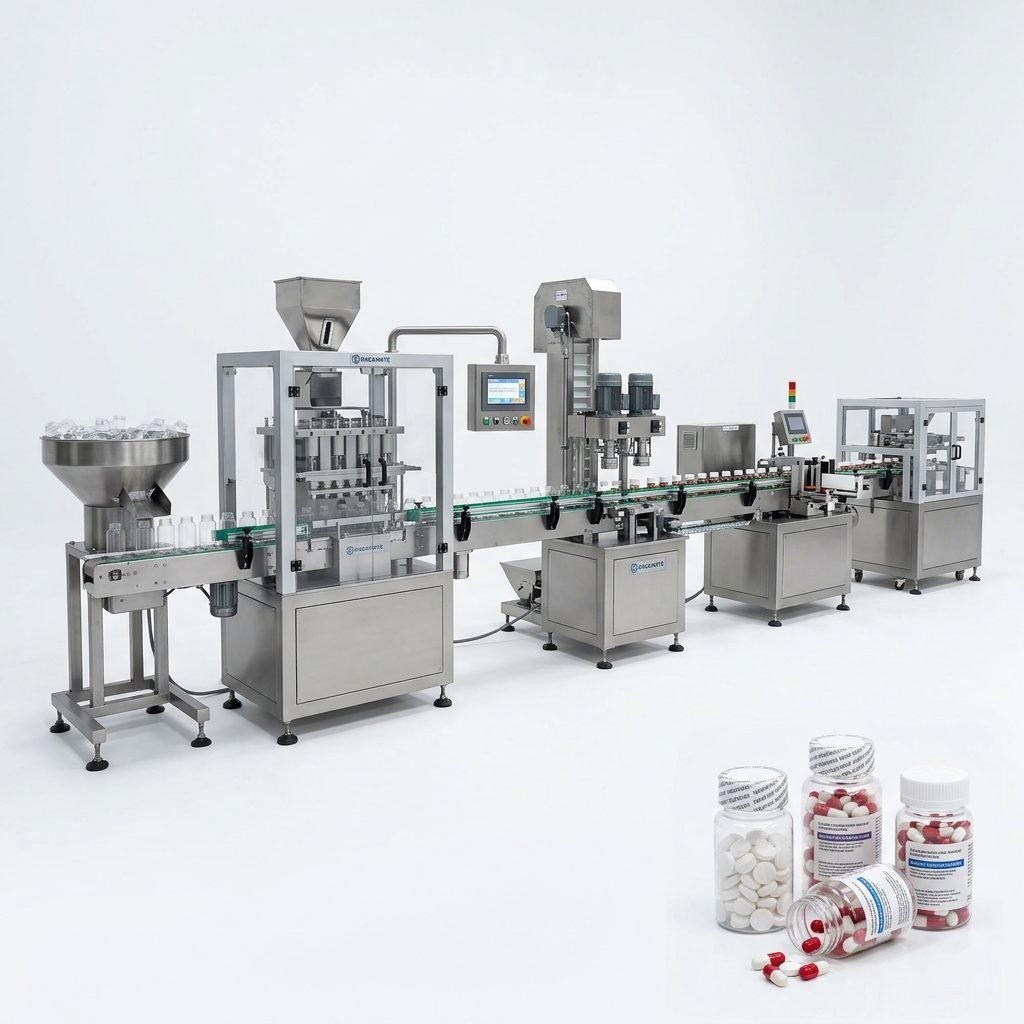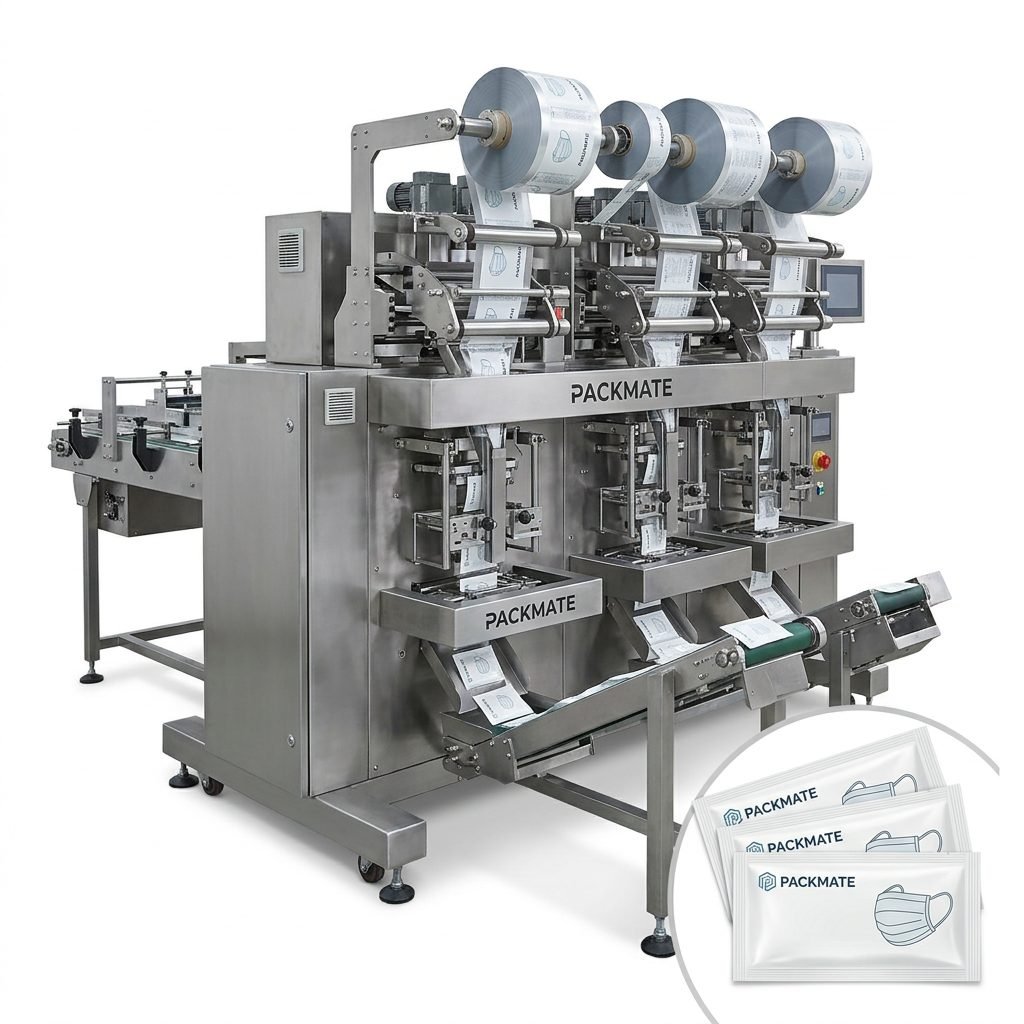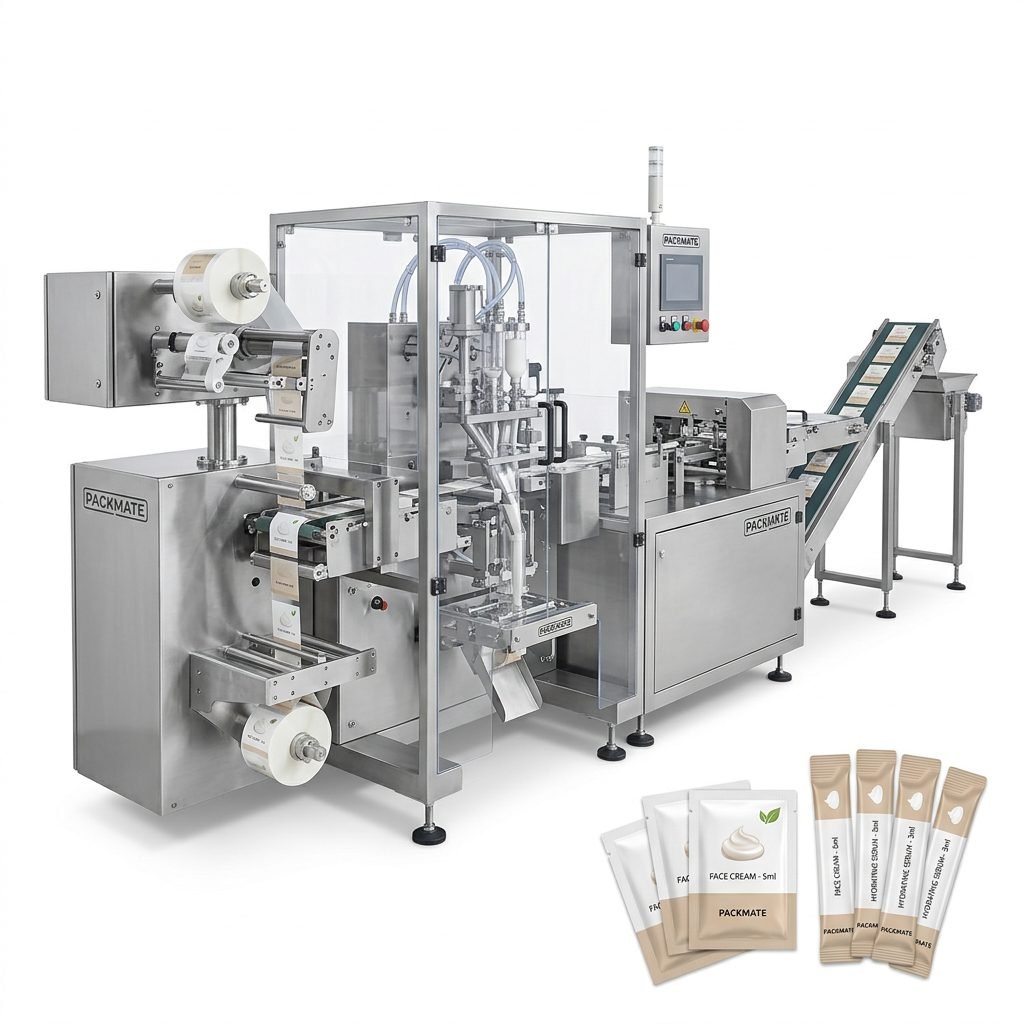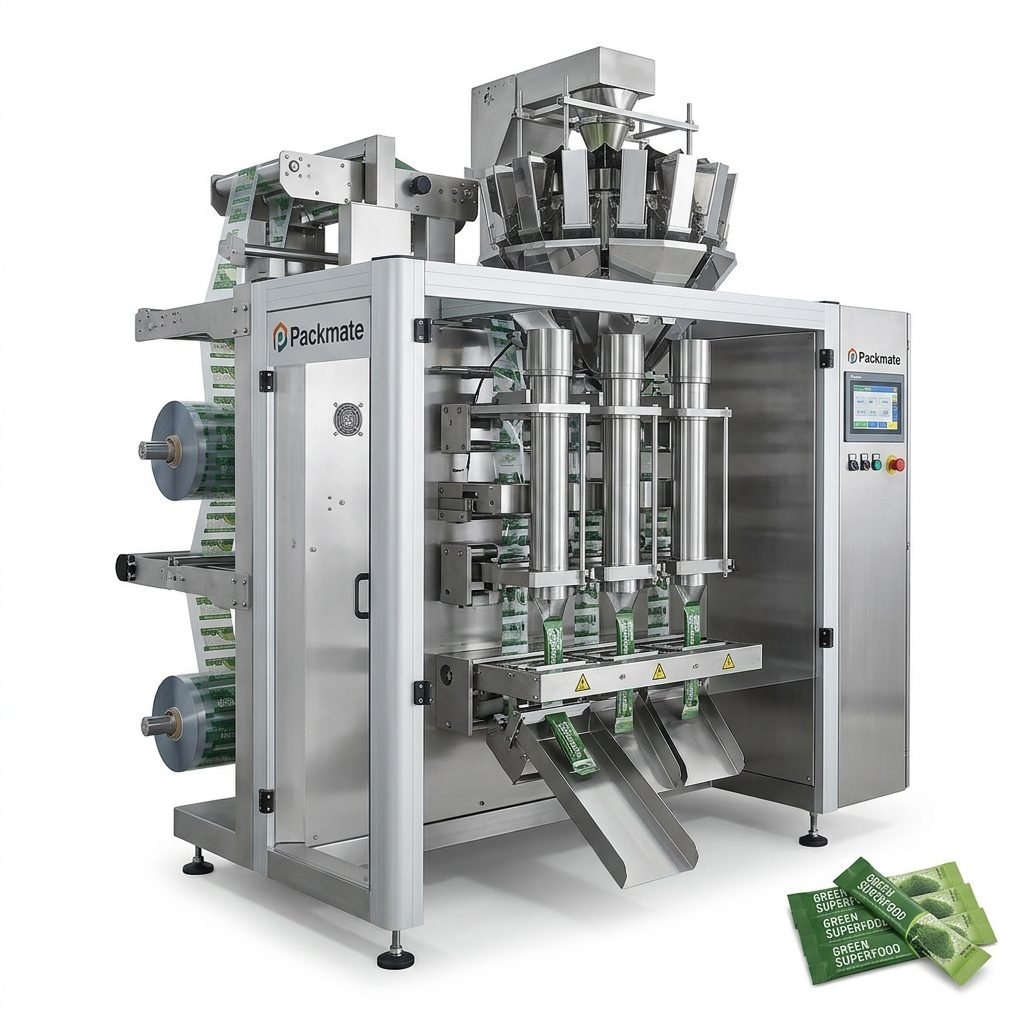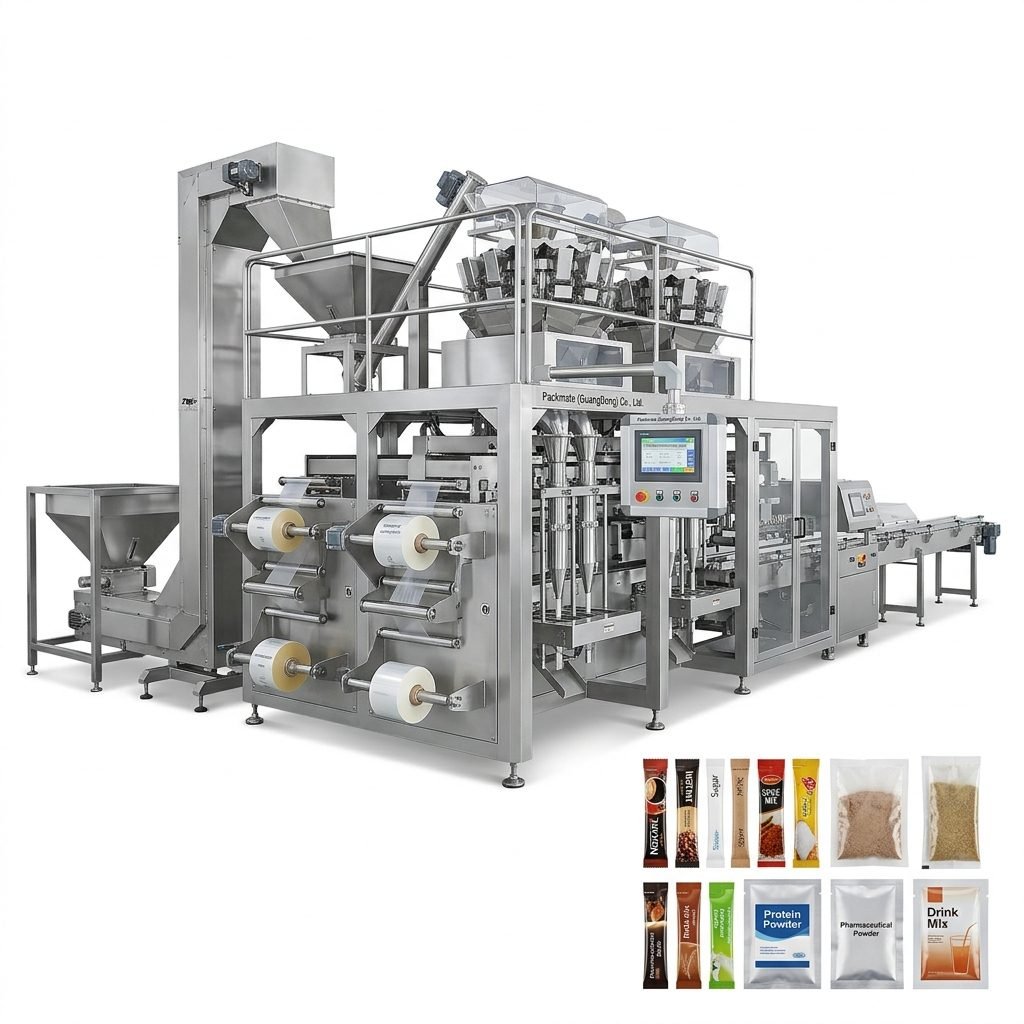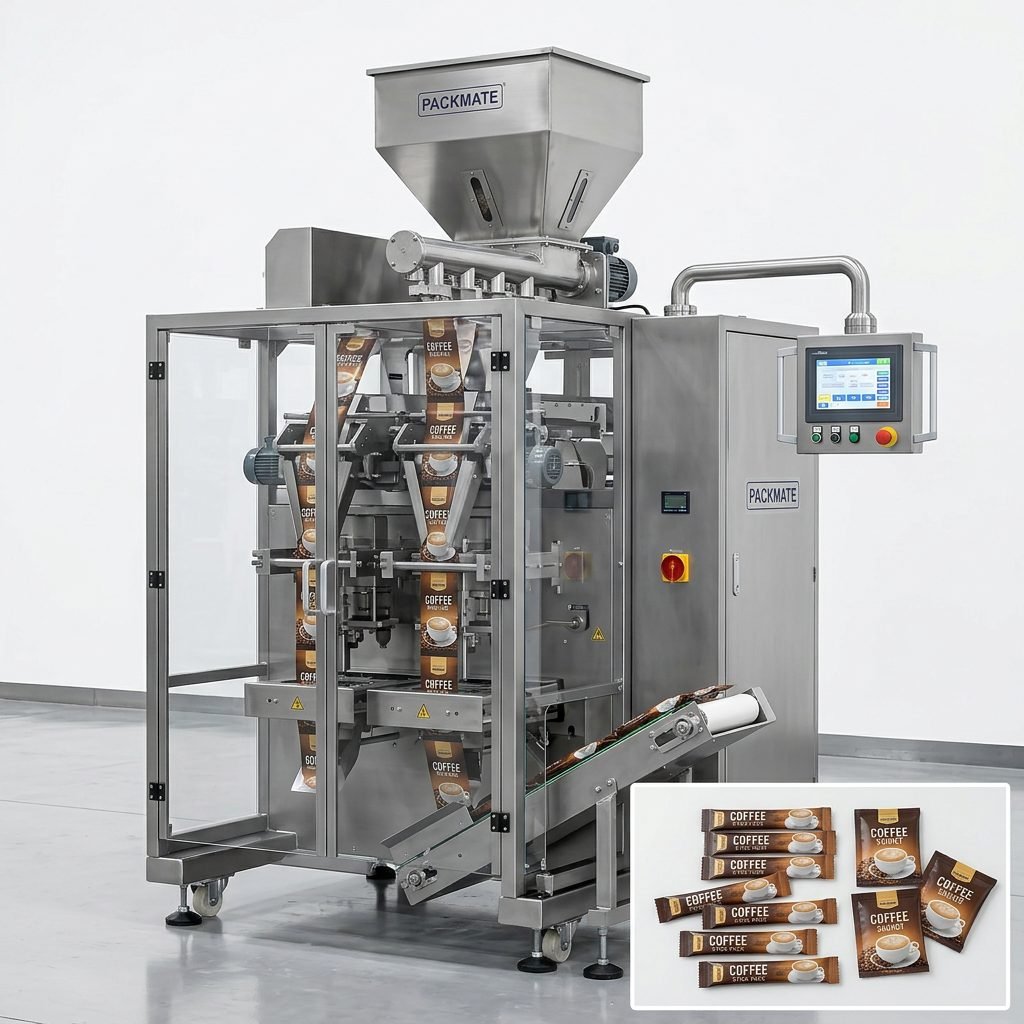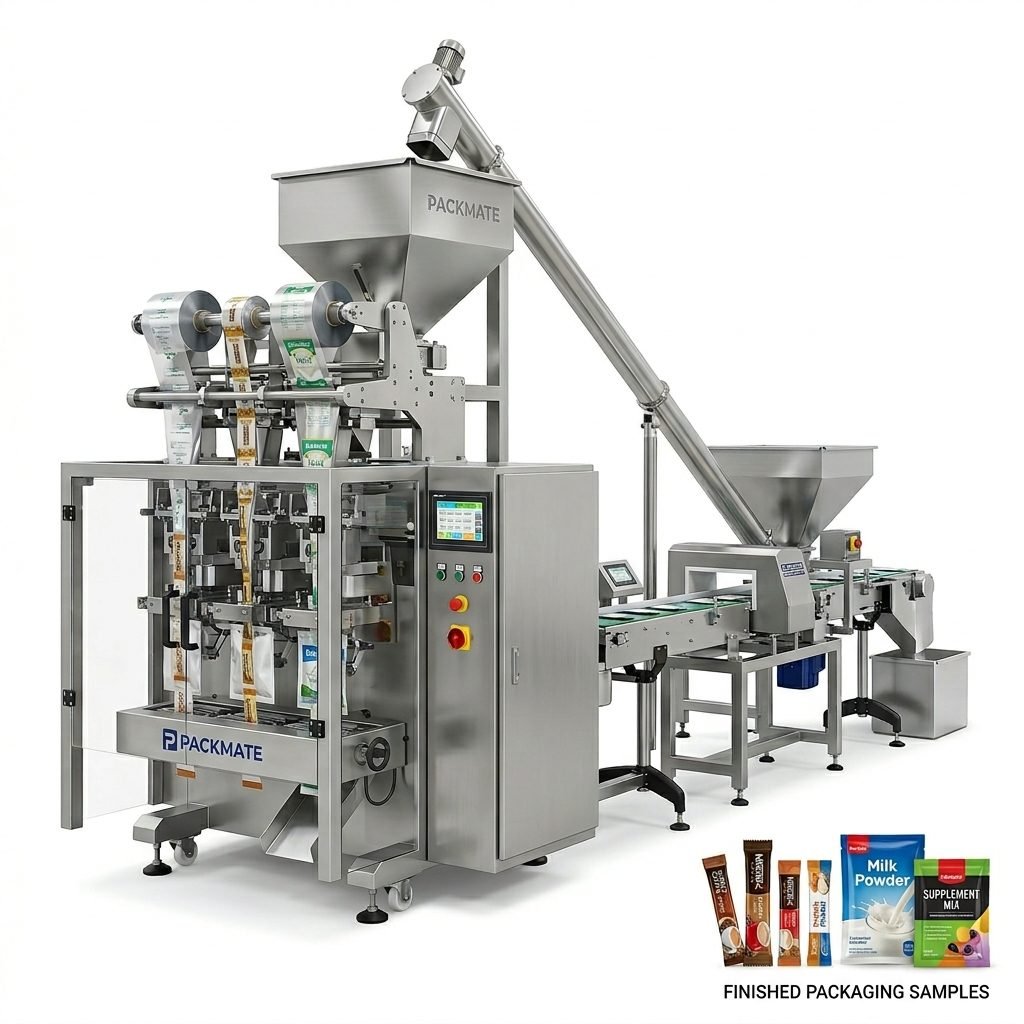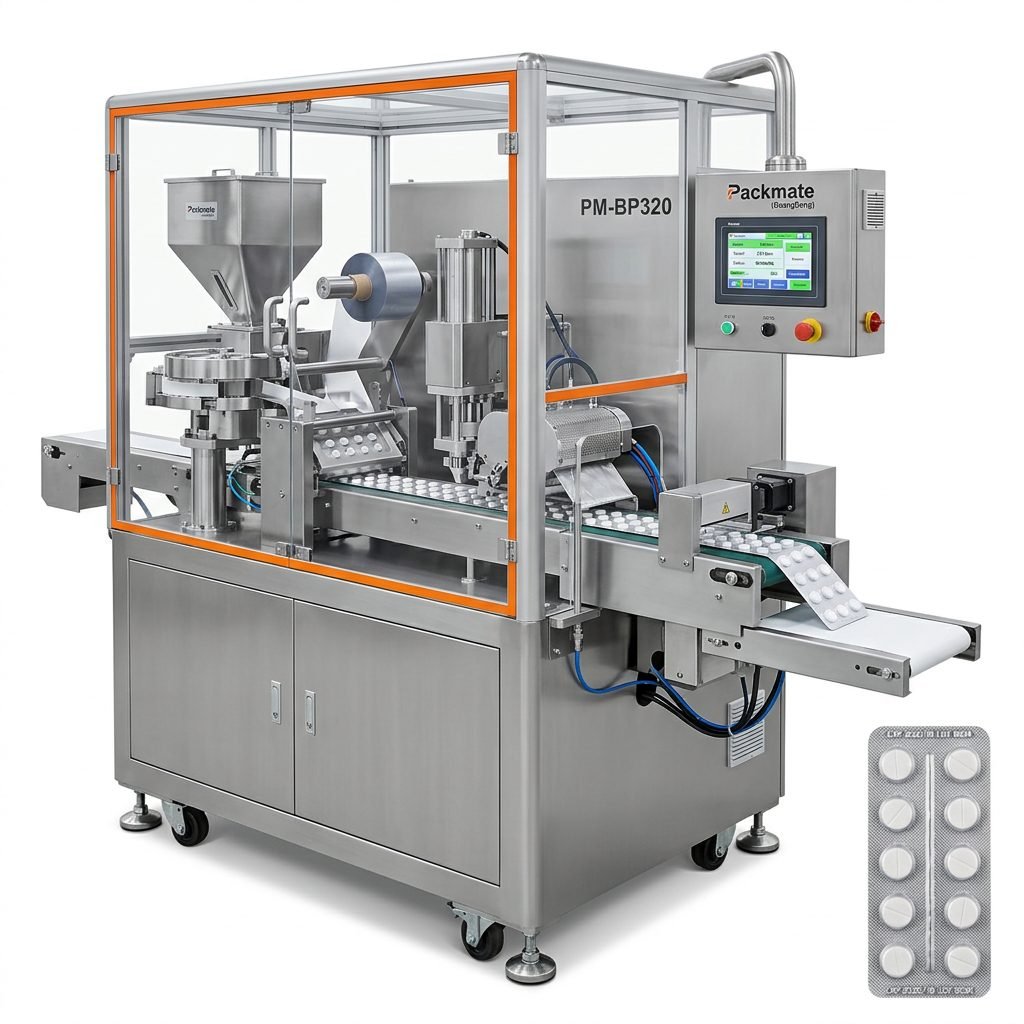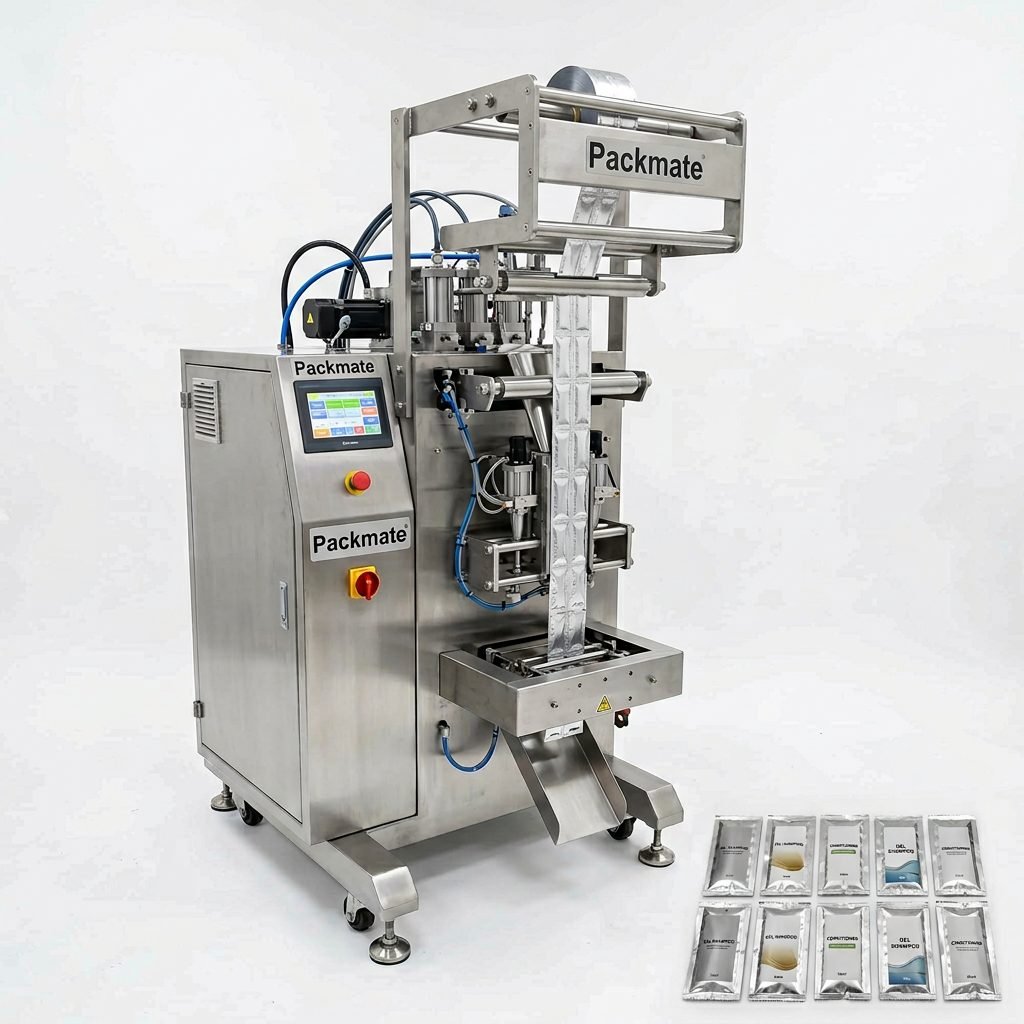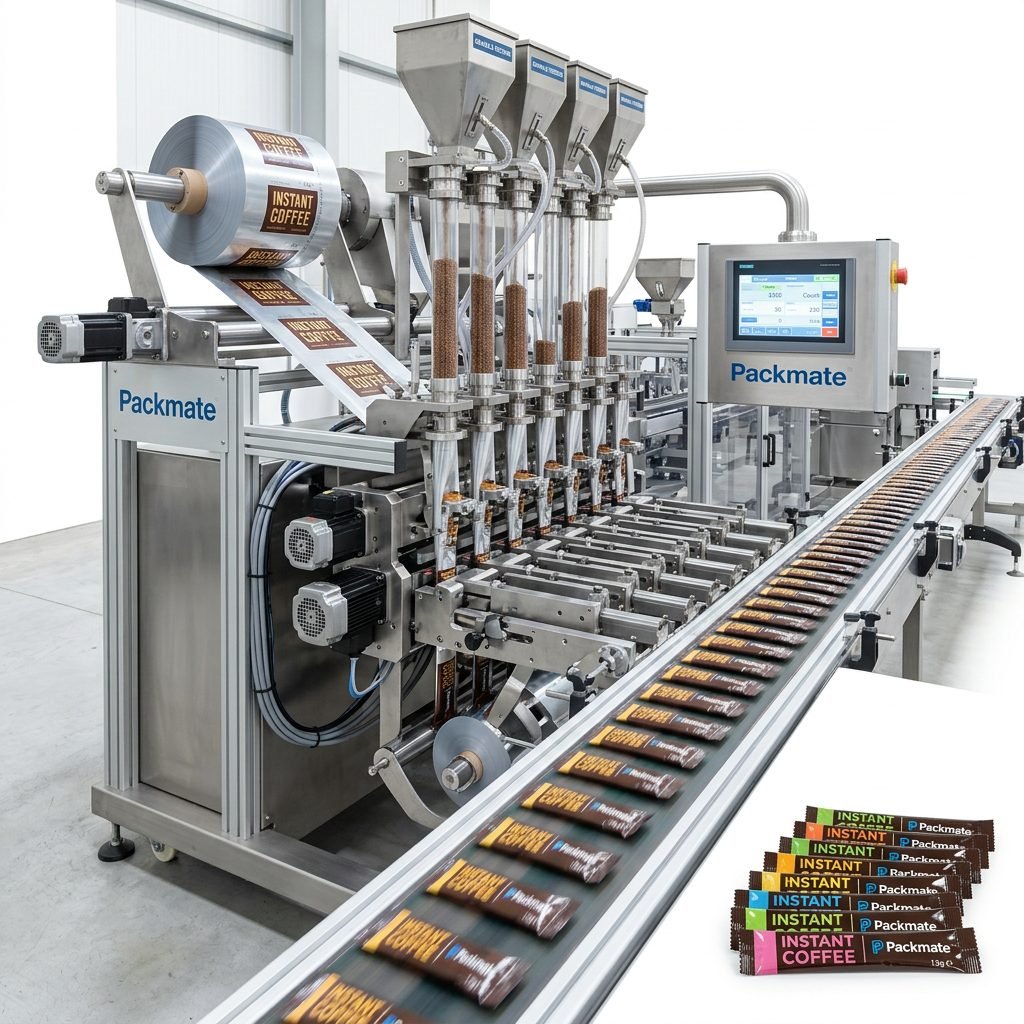
In today’s competitive manufacturing landscape, optimizing packaging line efficiency is not just an operational goal—it’s a critical business imperative. A streamlined packaging process directly impacts throughput, reduces operational costs, minimizes waste, and enhances overall product quality. For companies across the food, pharmaceutical, and consumer goods sectors, mastering this area can be the difference between profitability and stagnation. This article delves into proven, actionable strategies to transform your packaging operations from a potential bottleneck into a powerhouse of productivity and cost-effectiveness.
Conducting a Comprehensive Line Audit and Analysis
The journey to optimization begins with a clear, data-driven understanding of your current state. You cannot improve what you do not measure. A thorough line audit involves mapping the entire packaging process, from product infeed to palletizing, to identify every step, delay, and potential failure point.
- 📊 Cycle Time Analysis: Measure the time taken for each machine cycle and the dwell time between stations.
- 🛑 Downtime Tracking: Categorize and log every instance of stoppage (e.g., mechanical failure, changeover, lack of materials).
- 📈 Overall Equipment Effectiveness (OEE): Calculate your line’s OEE by analyzing Availability, Performance, and Quality rates. This single metric is a powerful benchmark for efficiency.
- 🔍 Material Flow: Assess how raw materials (film, cartons, labels) and finished goods move through the line. Look for congestion, manual handling points, and inefficiencies.
By establishing this baseline, you create a factual foundation for all subsequent improvements. Tools like Packmate’s line assessment services can provide expert insights into your specific operation.
Leveraging Data for Continuous Improvement
Modern packaging lines generate vast amounts of data. Implementing sensors and a Manufacturing Execution System (MES) or SCADA system allows you to move from reactive problem-solving to proactive optimization. Real-time monitoring of speed, temperature, seal integrity, and motor load can predict failures before they cause downtime. Analyzing historical data helps identify patterns, such as which shift has the highest efficiency or which product SKU causes the most frequent jams.
Embracing Automation and Smart Technology Integration
Strategic automation is arguably the most significant lever for boosting packaging line throughput. The goal is not to automate for automation’s sake, but to target repetitive, error-prone, and physically demanding tasks.
Core areas for automation investment include:
1. Automated Guided Vehicles (AGVs) or Conveyor Systems
Eliminate manual transport of raw materials and finished goods between stages. AGVs can be programmed for just-in-time delivery, reducing floor clutter and labor.
2. Robotic Pick-and-Place & Palletizing
Robots excel at high-speed, precise placement of products into cartons or onto pallets. They work tirelessly, increasing speed and consistency while reducing product damage and worker strain.
3. Vision Inspection Systems
Automated cameras can inspect 100% of products for label accuracy, fill level, seal quality, and contamination at line speed, far surpassing human capability and ensuring zero-defect output.
4. Integrated Line Control
A central PLC (Programmable Logic Controller) can synchronize all machines on the line, preventing bottlenecks. If a downstream machine slows, upstream machines automatically adjust their pace.
Companies like Packmate specialize in designing such intelligent, turnkey packaging solutions that seamlessly integrate these technologies.
Streamlining Changeovers for Maximum Flexibility
In an era of high-mix, low-volume production, changeover time is a major thief of productive capacity. Reducing the time to switch from one product format to another (Size, Shape, SKU) is crucial.
Strategies for Quicker Changeovers (SMED – Single Minute Exchange of Die):
- Internal vs. External Tasks: Convert as many adjustments as possible to “external” tasks done while the line is running (e.g., pre-setting tools, staging materials offline).
- Modular Design & Tooling: Use quick-release clamps, standardized bases, and pre-configured tooling kits. Change parts instead of adjusting them.
- Digital Assistance: Provide operators with digital work instructions, videos, and preset recipes on tablets at the machine to guide the changeover process step-by-step.
- Organized Workspace (5S): Implement a place for everything and everything in its place. Shadow boards for tools and labeled storage for change parts eliminate search time.
The Role of Advanced Machinery
Investing in versatile packaging machinery is key. Modern machines often feature servo-driven adjustments where changeover parameters are stored digitally and executed with the push of a button, reducing mechanical adjustment time from hours to minutes. Exploring real-world case studies can reveal how others have successfully tackled this challenge.
Implementing Proactive and Predictive Maintenance
Unplanned downtime is the arch-nemesis of throughput. Shifting from a reactive “fix-it-when-it-breaks” model to a proactive and predictive maintenance regime is essential for cost control and reliability.
Pillars of an Effective Maintenance Strategy:
Preventive Maintenance (PM): Execute scheduled maintenance tasks based on time or machine cycles (e.g., lubrication, belt tension checks, filter changes). This prevents wear-based failures.
Predictive Maintenance (PdM): Use condition-monitoring tools (vibration analysis, thermal imaging, ultrasonic testing) to detect early signs of component degradation (e.g., bearing wear, motor imbalance) and schedule repairs just before failure.
Operator-Driven Reliability: Train production operators to perform basic inspections (cleaning, checking for loose parts, unusual noises) and report anomalies immediately. They are the first line of defense.
Spare Parts Management: Maintain a critical spares inventory based on failure mode analysis to minimize waiting time for repairs.
A reliable line is a productive line. Ensuring your equipment, such as that from an experienced provider with a strong service and support network, is well-maintained protects your investment and your output.
Optimizing Human-Machine Interface and Workforce Training
The most advanced line is only as good as the people who operate and maintain it. Ergonomic design and comprehensive training are vital for safety, efficiency, and employee engagement.
Enhancing the Operator Experience
Modern HMIs (Human-Machine Interfaces) should be intuitive, graphical, and multilingual. They should provide clear status indicators, immediate alarm explanations with suggested actions, and easy access to machine manuals and troubleshooting guides. Reducing cognitive load allows operators to focus on supervision and quality checks.
Investing in Skills Development: A cross-trained workforce is a flexible workforce. Training programs should cover:
✅ Machine operation and basic troubleshooting.
✅ Quality control procedures and standards.
✅ Changeover procedures and safety protocols.
✅ Principles of lean manufacturing and continuous improvement.
Empowered and knowledgeable operators can identify small issues before they become big problems, contributing significantly to overall line efficiency.
Leveraging Lean Manufacturing Principles
Applying lean thinking to the packaging area systematically eliminates waste (Muda), leading to smoother flow and lower costs.
Key Lean Tools for Packaging Lines:
Value Stream Mapping (VSM): Visualize the entire flow of materials and information to identify and eliminate non-value-added steps (transport, waiting, over-processing).
5S (Sort, Set in order, Shine, Standardize, Sustain): Creates an organized, clean, and efficient workspace, reducing time wasted looking for tools or dealing with clutter-induced errors.
Kanban (Pull System): Use visual signals to trigger the replenishment of packaging materials only when needed, reducing inventory costs and space usage on the production floor.
Poka-Yoke (Error Proofing): Design mechanisms that prevent mistakes from being made or immediately highlight them. Examples include sensors that detect an empty carton before filling or guide pins that ensure a label applicator is loaded correctly.
By fostering a culture of continuous improvement (Kaizen), where every employee is encouraged to suggest small, incremental improvements, you create a self-optimizing system that consistently drives efficiency gains.
Frequently Asked Questions (FAQs)
Q1: What is the single most important metric for measuring packaging line efficiency?
A: Overall Equipment Effectiveness (OEE) is widely considered the best single metric. It combines availability, performance, and quality rates into one percentage that truly reflects how well your equipment is utilized versus its theoretical potential.
Q2: We have a limited budget. Where should we start with optimization?
A: Begin with a detailed audit and lean initiatives. These are often low-cost or no-cost. Focus on improving changeover procedures (SMED), implementing 5S workplace organization, and empowering operators with training. The data from the audit will then help you prioritize the highest-ROI capital investments, such as in specific machine upgrades.
Q3: How can we reduce packaging material waste on the line?
A: Key strategies include using servo-driven machines for more precise film/carton feeding, implementing vision systems to catch defects early (before more material is wasted), optimizing package design to use less material without compromising integrity, and regularly calibrating filling and sealing equipment.
Q4: Is full automation always the right answer for higher throughput?
A: Not always. The ROI must be justified. For high-volume, low-mix production, full automation is ideal. For flexible, low-volume lines, a semi-automated approach or islands of automation (like a robotic palletizer) might be more cost-effective. The optimal solution balances throughput goals with flexibility and investment cost.
Q5: How important is supplier support in maintaining line efficiency?
A: It is critical. A supplier that provides comprehensive training, readily available spare parts, responsive technical support, and software updates ensures your line remains productive over its entire lifecycle. Choosing a partner with a proven track record, like Packmate with its 30+ years of experience, minimizes long-term operational risks.