In today’s fast-paced manufacturing landscape, efficiency, hygiene, and reliability are non-negotiable. For producers in the food, pharmaceutical, and health product sectors, these demands are amplified by stringent regulations and discerning consumers. A robust filling and packaging line is no longer just a part of the process—it is the backbone of production, ensuring product integrity from formulation to the final consumer. Choosing the right partner for these critical systems is a strategic decision that impacts everything from operational cost to brand reputation.
The Critical Role of Specialized Packaging Lines
Each industry presents unique challenges that generic equipment cannot address. Food manufacturers contend with perishability, varied consistencies (from granules to viscous sauces), and the need for appealing, tamper-evident packaging. Pharmaceutical companies operate under the strictest guidelines, where precision dosing, absolute sterility, and batch traceability are paramount. Similarly, health product makers, dealing with powders, capsules, and liquids, must guarantee accuracy and protect sensitive ingredients from moisture and contamination.
Key Differentiators of a High-Performance Line:
- Adaptability: The ability to handle multiple product formats (stick packs, sachets, pouches) with quick changeovers.
- Precision & Hygiene: Advanced filling technology that ensures accurate weight/volume control and is constructed with food-grade or pharmaceutical-grade materials.
- Speed & Uptime: High-speed operation coupled with robust engineering to maximize production output and minimize downtime.
- Integrated Intelligence: PLC controls with data logging for process monitoring, traceability, and seamless integration into larger Industry 4.0 systems.
Navigating the Solution Spectrum: From Sachets to Bulk Bags
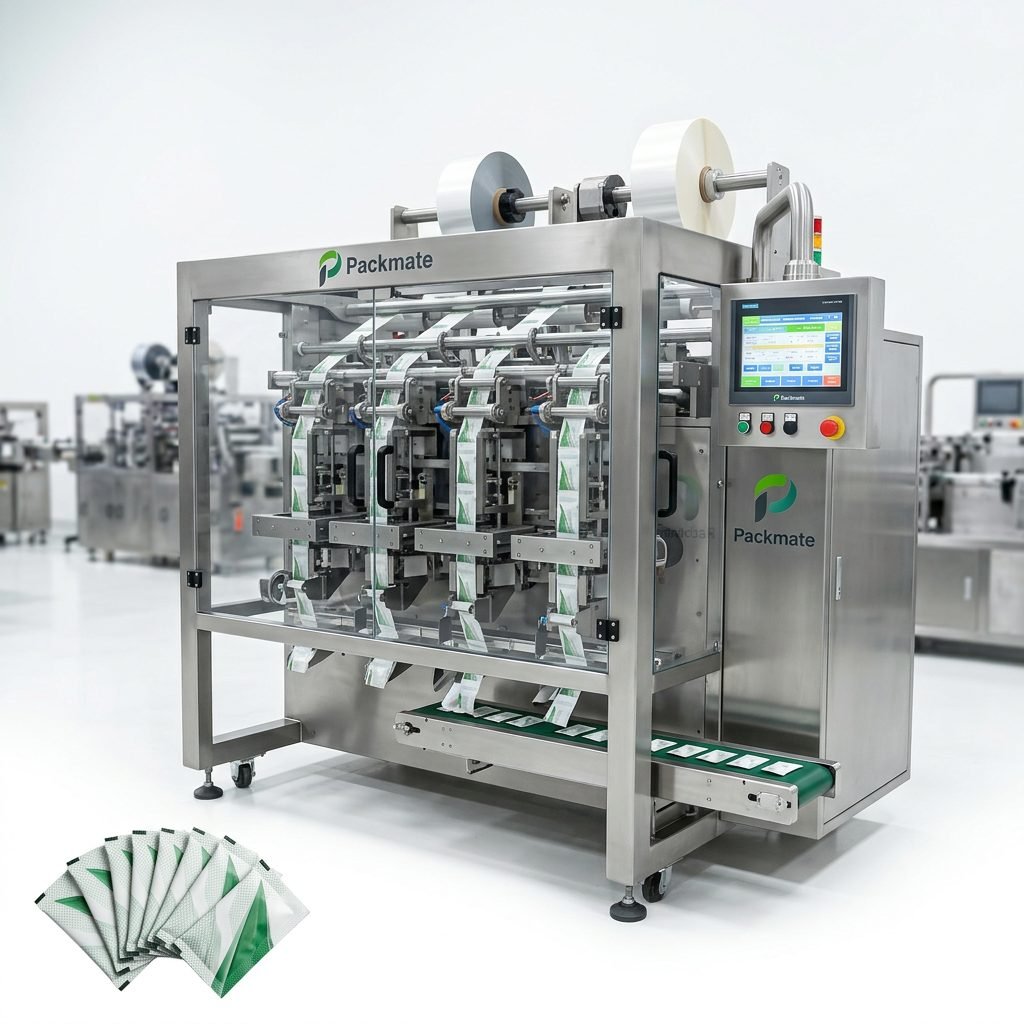
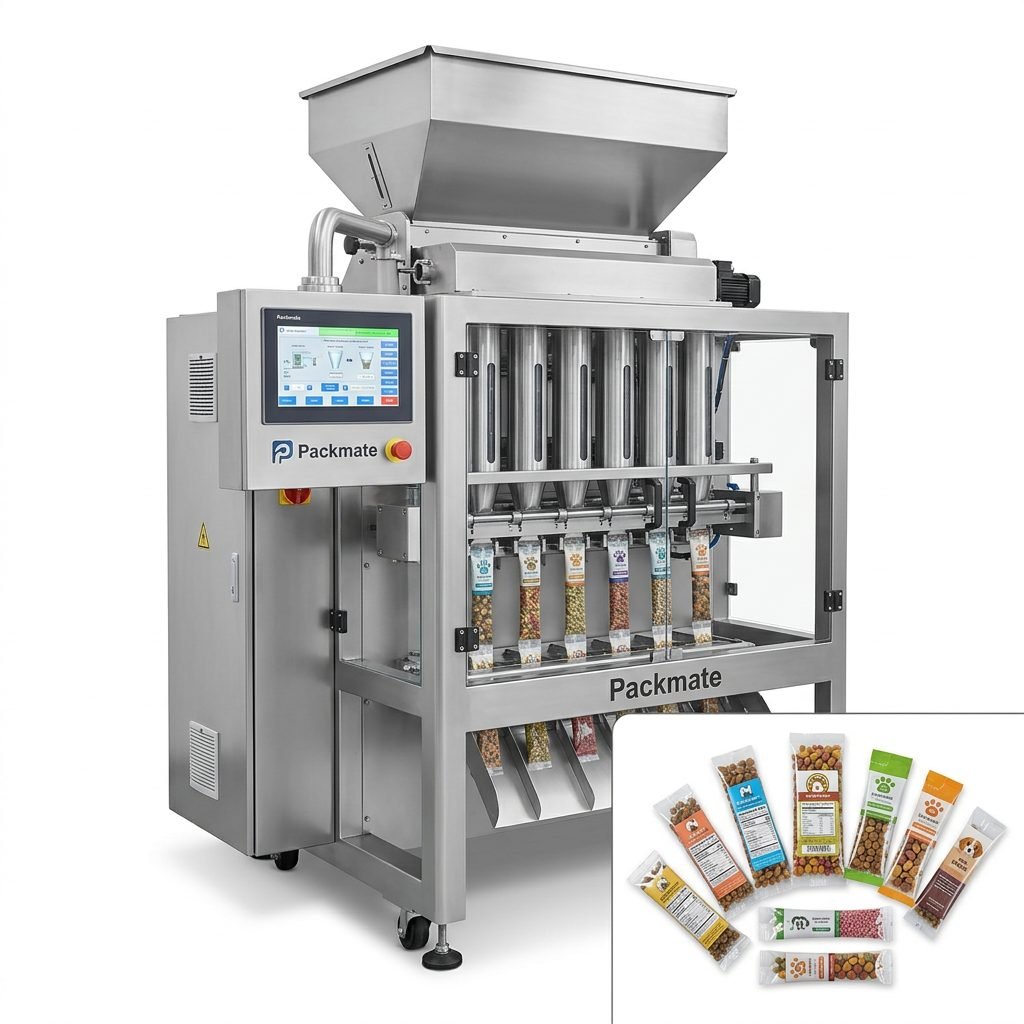
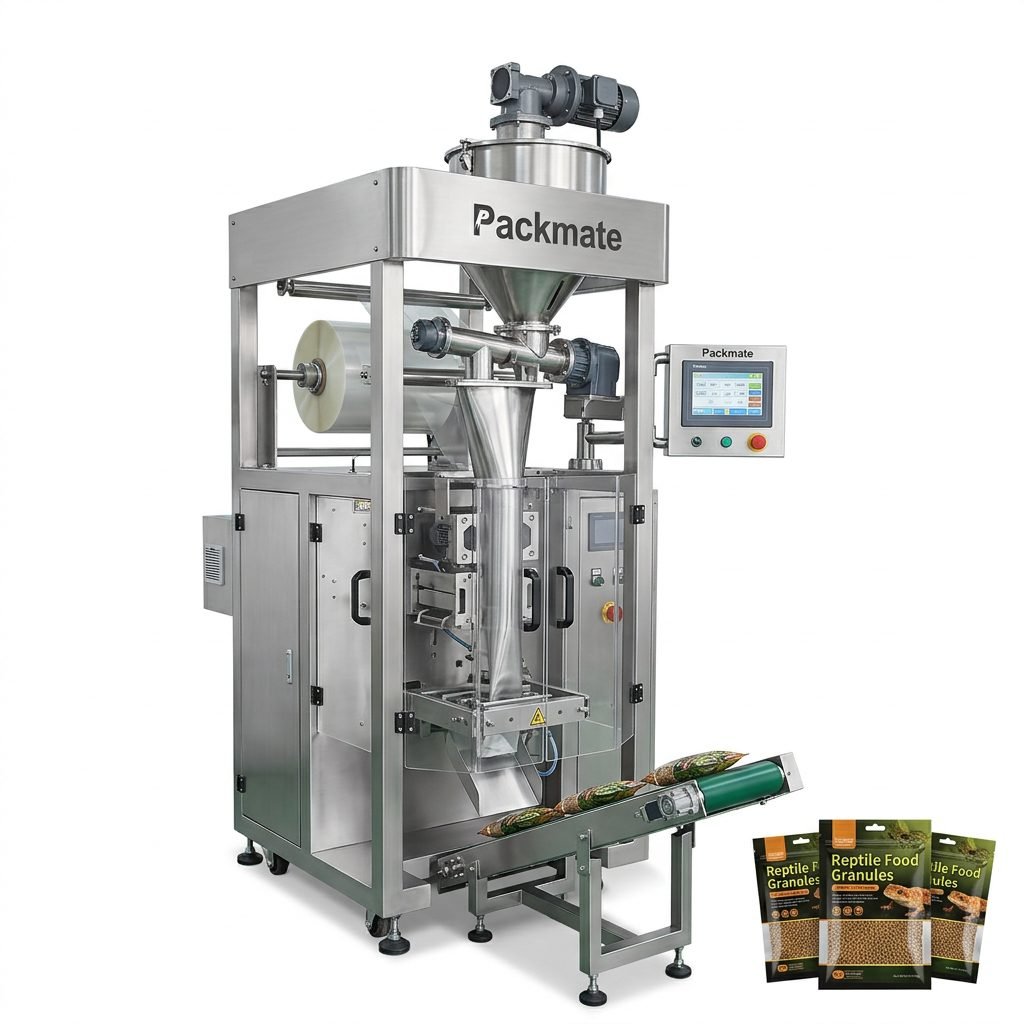
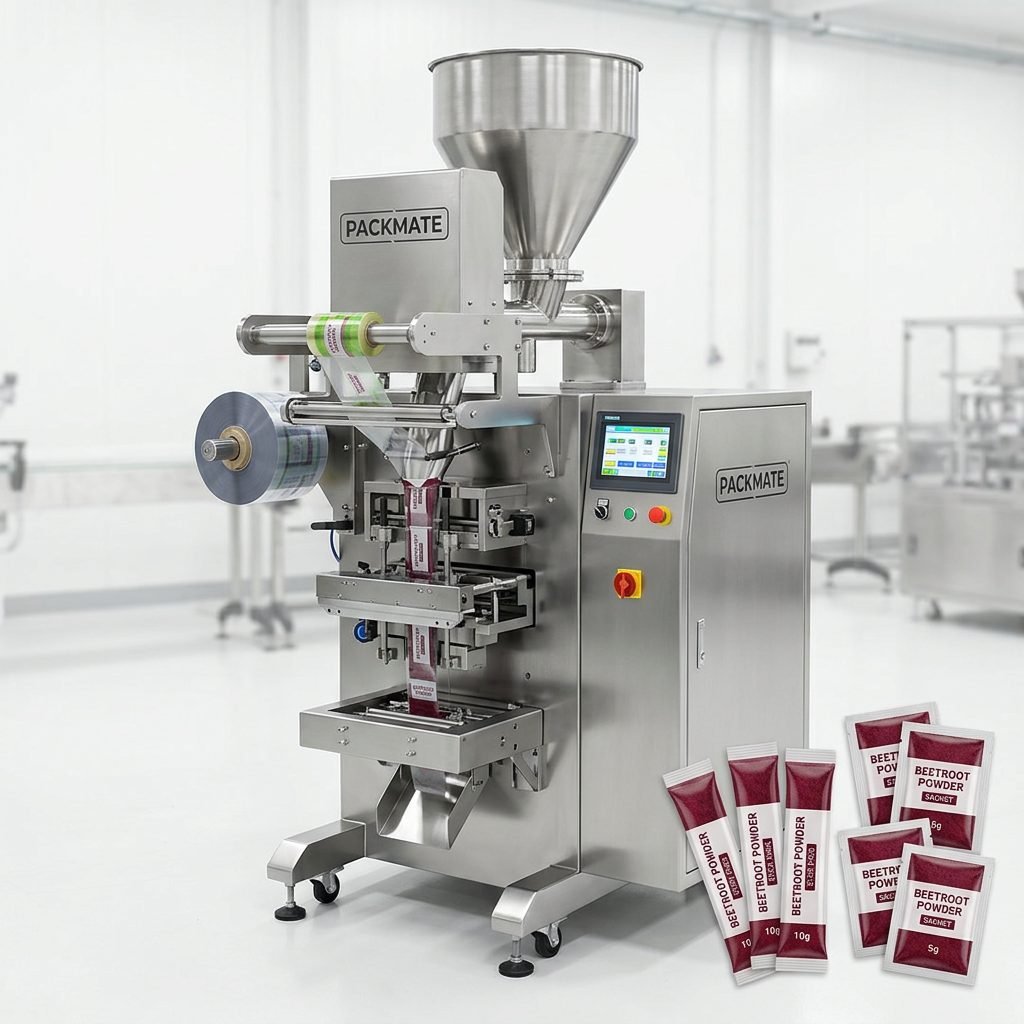
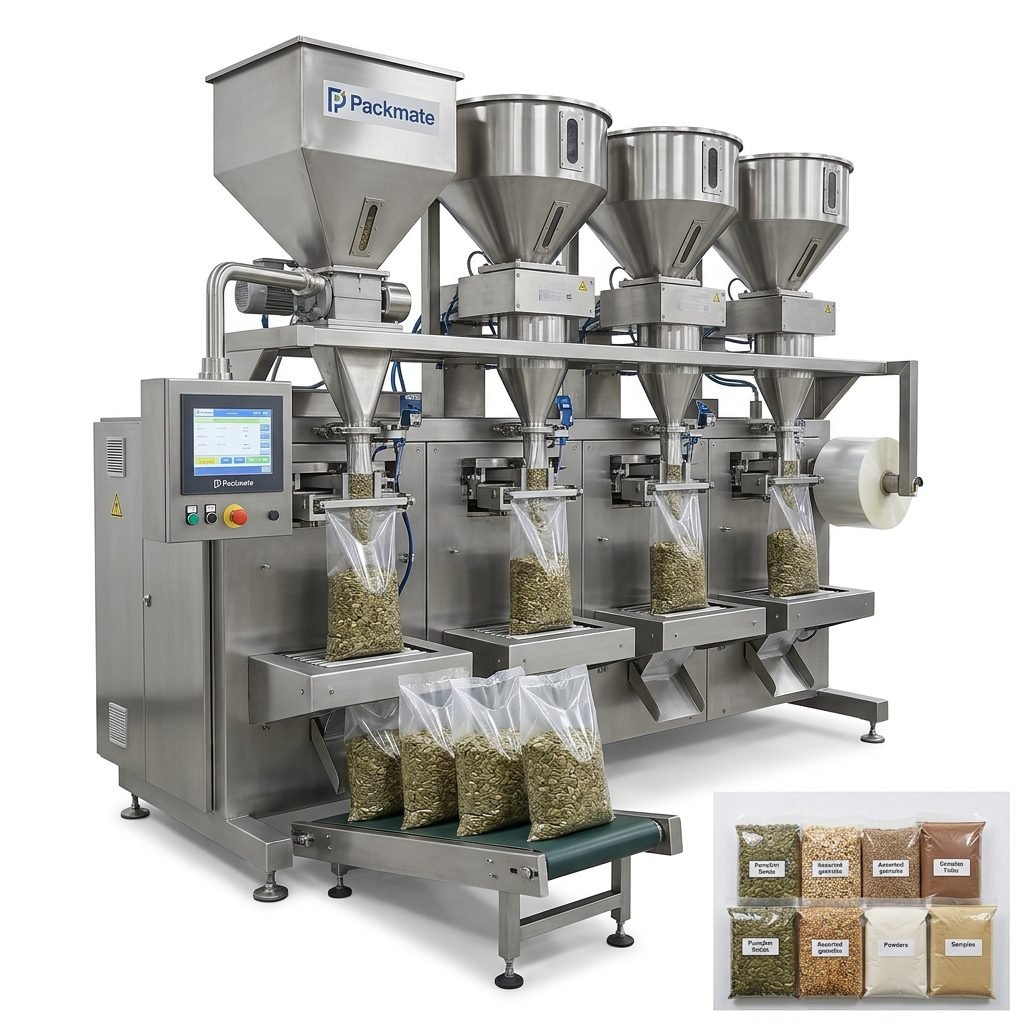
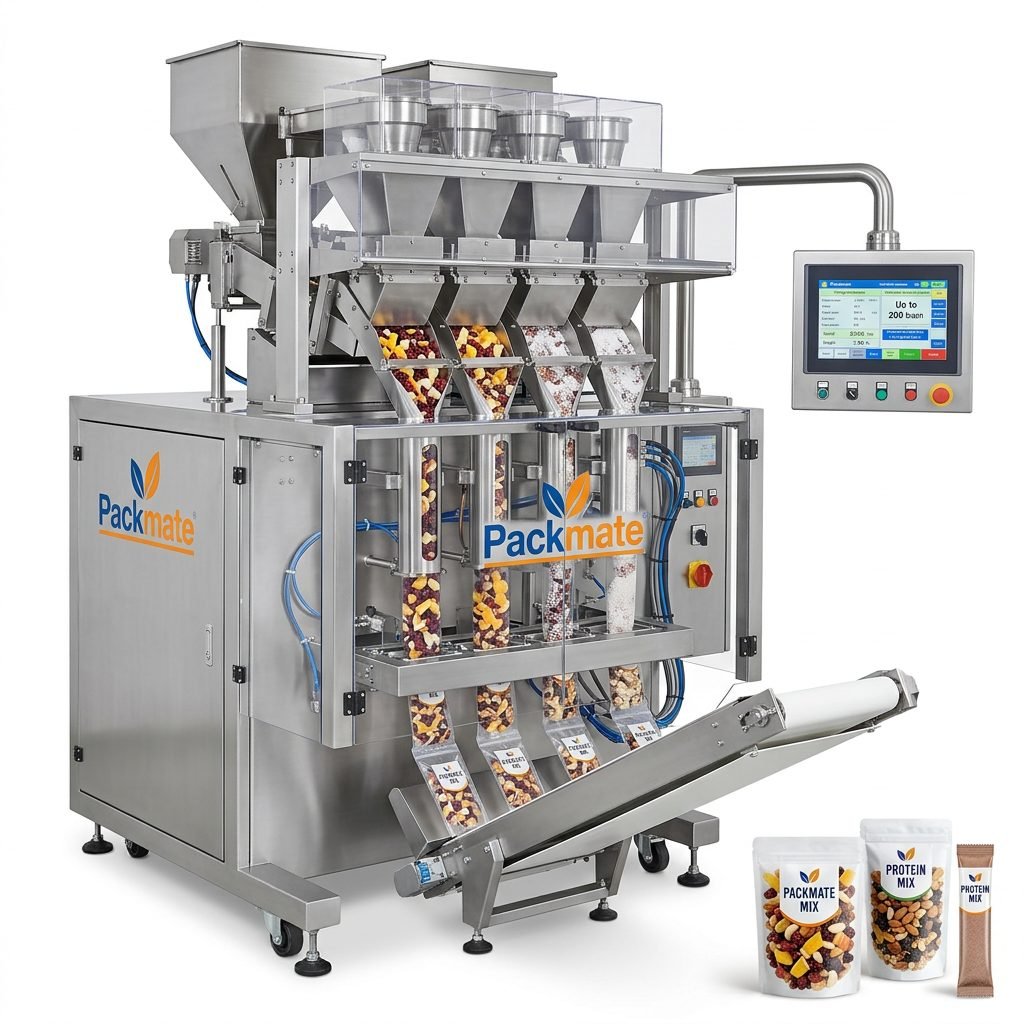
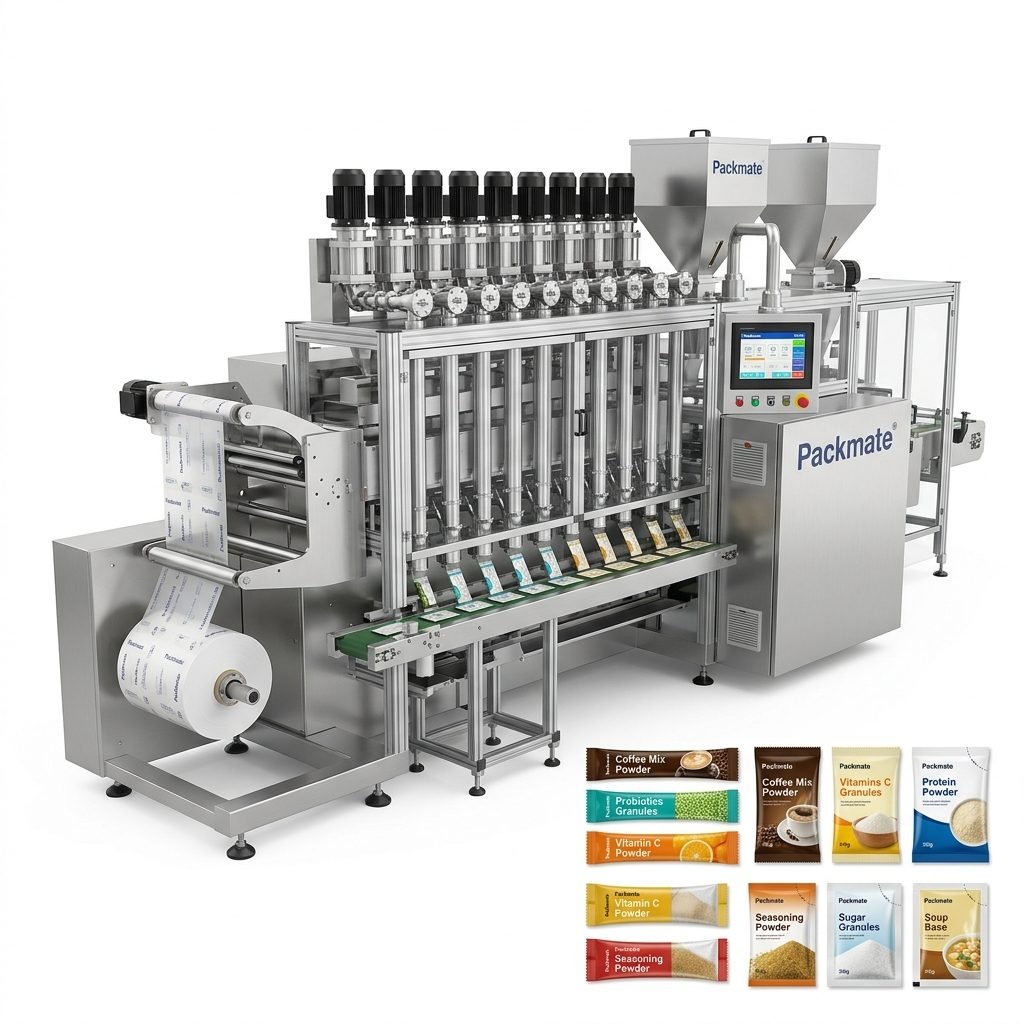
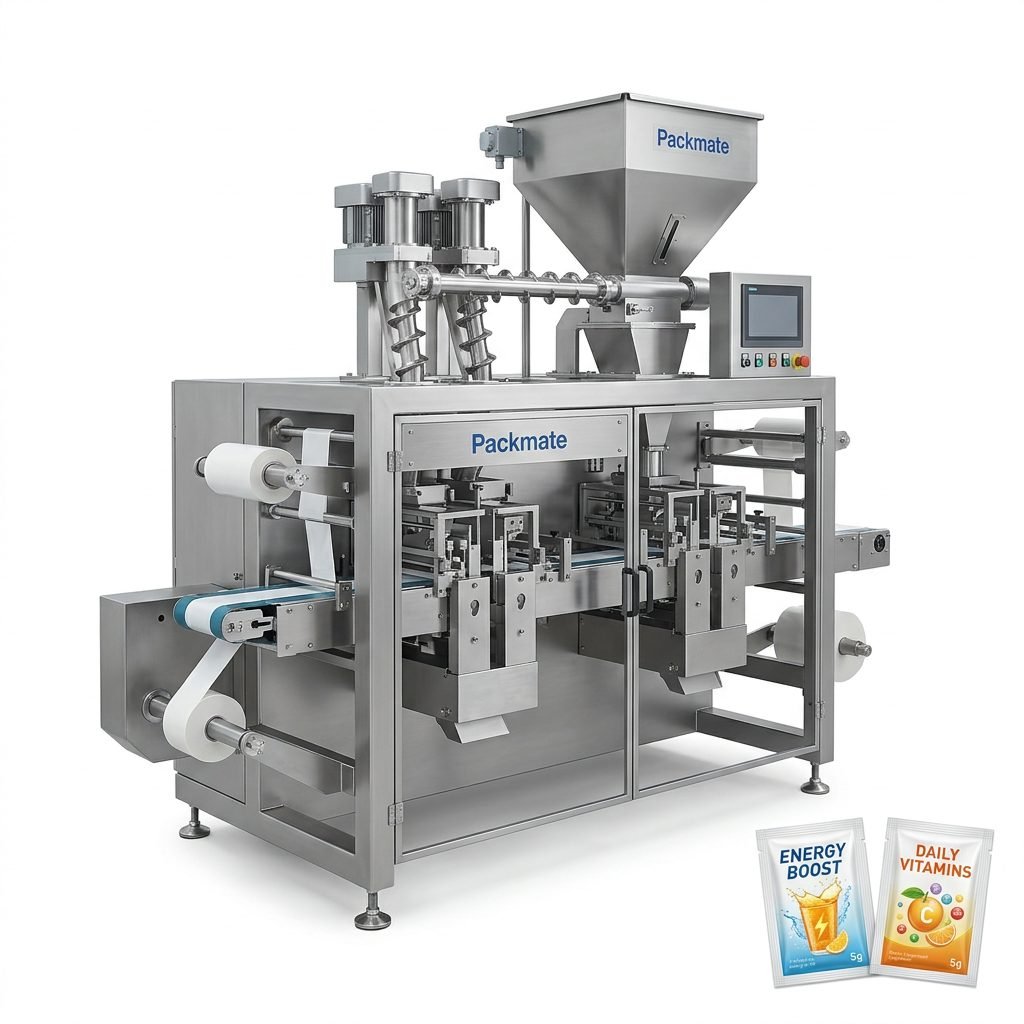
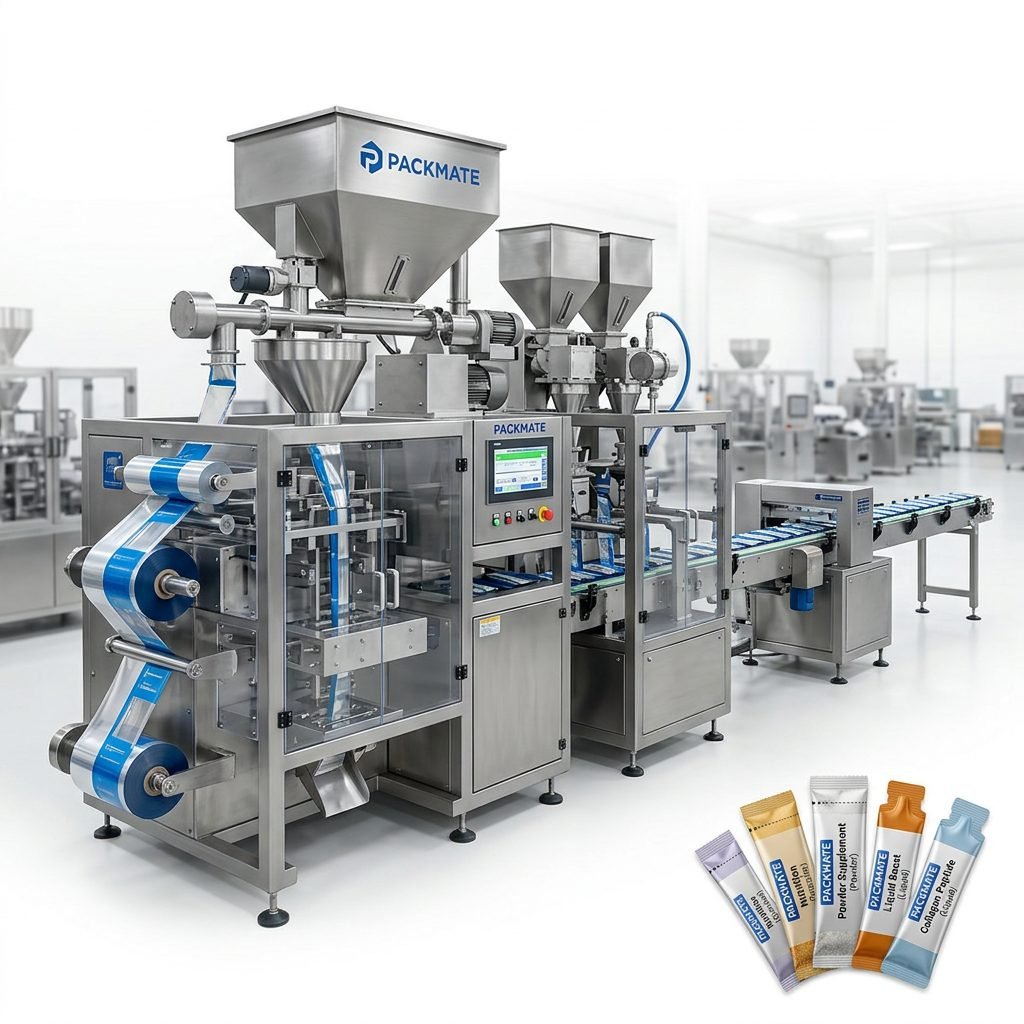
The ideal packaging solution is not a one-size-fits-all machine but a synchronized line tailored to your specific product and output goals. Leading providers like Packmate (GuangDong) Co., Ltd. offer a comprehensive portfolio. For unit-dose products like instant drink mixes, protein powders, or pharmaceutical granules, multi-lane stick pack and sachet packaging machines deliver exceptional speed and portion control. For larger volumes, such as bulk food ingredients or chemical additives, automated large bag (FFS) packaging lines provide the necessary scale and durability.
Overcoming Common Production Hurdles
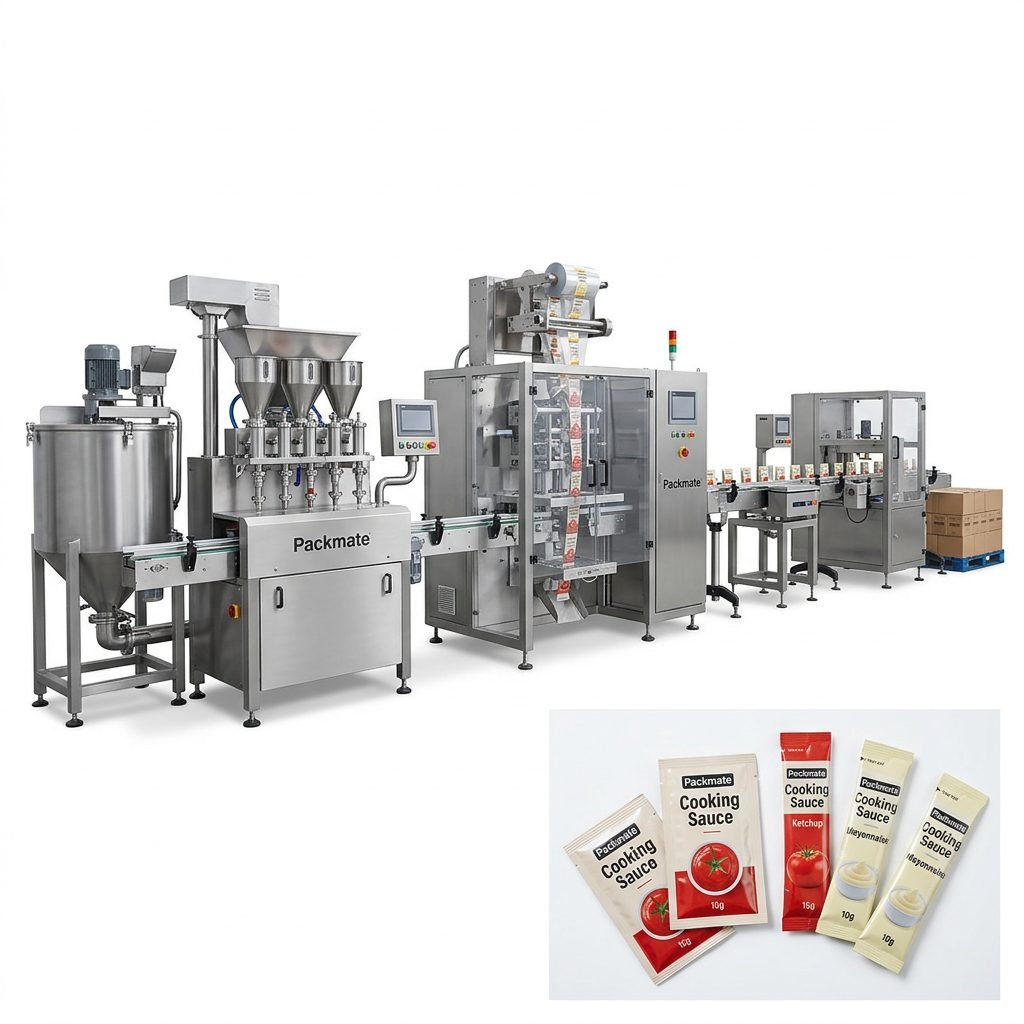
Manufacturers often face bottlenecks that a well-designed line can eliminate. These include product waste from inaccurate filling, cross-contamination risks, slow manual packaging processes, and difficulty meeting evolving retail or regulatory standards. A turnkey packaging line solution addresses these holistically, integrating filling, sealing, coding, and inspection into one cohesive, automated flow. This not only boosts efficiency but also creates a more controlled, auditable production environment.
Why Partner with an Experienced Provider?
The complexity of modern packaging demands more than just equipment purchase; it requires a partnership. A provider with deep industry experience brings invaluable insight. For instance, with over 30 years of specialization, Packmate’s journey from a dedicated workshop to a company with a 20,000㎡ modern facility exemplifies a commitment to innovation and practical problem-solving. Their evolution, detailed in their Company Profile, mirrors the technological advancements in packaging itself.
The Partner Advantage Includes:
✔ Customized Engineering: Designing a line that fits your unique factory layout, product characteristics, and capacity targets.
✔ End-to-End Project Management: From initial consultation and factory layout planning to installation, commissioning, and staff training.
✔ Lifelong Technical Support: Ensuring your investment continues to perform optimally with accessible spare parts and expert service, a cornerstone of their Service commitment.
✔ Future-Proofing: Offering scalable solutions that can grow and adapt with your business, preventing obsolescence.
Seeing is Believing: The Value of Real-World Validation
Before committing to a major capital investment, reviewing tangible evidence of a provider’s capability is crucial. Exploring a supplier’s portfolio of successful case studies offers a window into their practical experience across different products and challenges. Furthermore, a provider’s active participation in international trade shows, as seen on their Our Exhibition page, demonstrates industry engagement and a commitment to showcasing the latest technological innovations directly to the market.
Looking Ahead: Smart Packaging for a Competitive Edge
The future of filling and packaging is intelligent. The integration of IoT sensors, AI-driven quality vision systems, and real-time production data analytics is transforming packaging lines from mechanical workhorses into smart, decision-supporting hubs. This digital shift enables predictive maintenance, unparalleled traceability, and agile production scheduling. Partnering with a forward-thinking provider ensures your operations are not just efficient today but are also prepared for the data-driven manufacturing landscape of tomorrow.
Ultimately, selecting a filling and packaging line solution is a pivotal step toward securing operational excellence, regulatory compliance, and market competitiveness. By focusing on specialized expertise, proven performance, and a true partnership model, manufacturers in the food, pharmaceutical, and health product industries can build a foundation for sustainable growth and product excellence.
Frequently Asked Questions (FAQs)
1. What is the typical lead time for a complete turnkey packaging line?
Lead times vary significantly based on the line’s complexity, level of customization, and current production schedule. A standard line might take 3-6 months from order to delivery, while highly customized systems require more detailed engineering and thus a longer timeline. A reliable provider will give a clear project timeline after the initial technical review.
2. How do you ensure the packaging line meets GMP or food safety standards?
Reputable providers design lines with compliance in mind. This includes using certified sanitary materials (e.g., 304/316 stainless steel), designing for easy cleaning and inspection (CIP/SIP where applicable), and incorporating features like dust extraction and protective guarding. Documentation, including material certificates and design rationale, is also provided to support your validation processes.
3. Can your machines handle the specific characteristics of my product (e.g., sticky, abrasive, hygroscopic)?
Yes, this is where engineering expertise is critical. Experienced providers will often request product samples for testing. They can then recommend and customize contact parts (filling nozzles, augers, funnels), implement special hopper designs (with agitators or anti-bridging systems), and control the packaging environment (with nitrogen flushing or dehumidification) to handle challenging products effectively.
4. What kind of training and after-sales support is included?
Comprehensive support is essential. It typically includes on-site installation supervision, detailed operational and maintenance training for your engineers and operators, and provision of manuals and spare parts lists. After-sales service should offer remote technical support and ready access to genuine spare parts. For more details, visit the provider’s FAQs and service pages.
5. Is the line scalable if our production needs increase in the future?
A well-planned line has scalability built-in. This can mean designing a layout that allows for adding parallel filling heads or packaging machines, selecting a control system with spare I/O capacity, or ensuring mechanical strength supports higher speeds. Discussing your 5-year growth forecast with your provider during the design phase is highly recommended to plan for cost-effective future expansion.