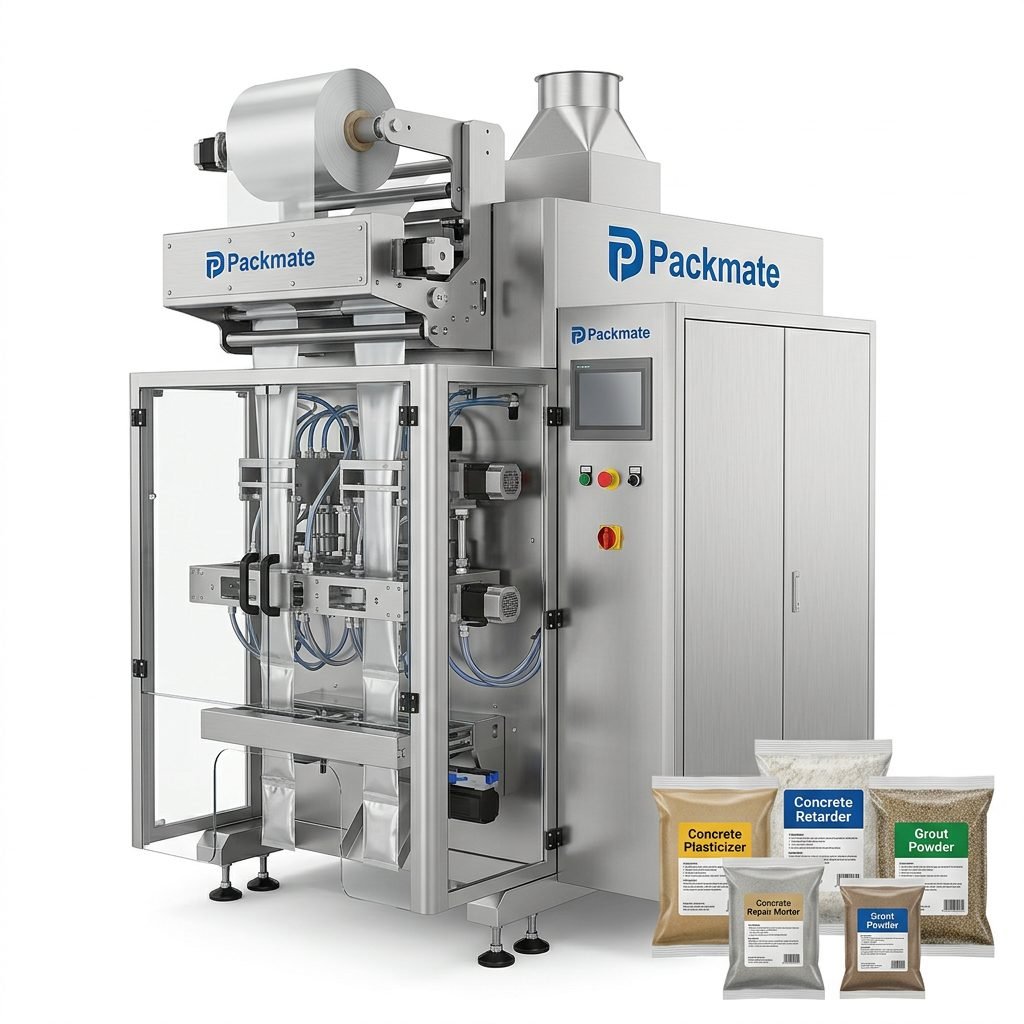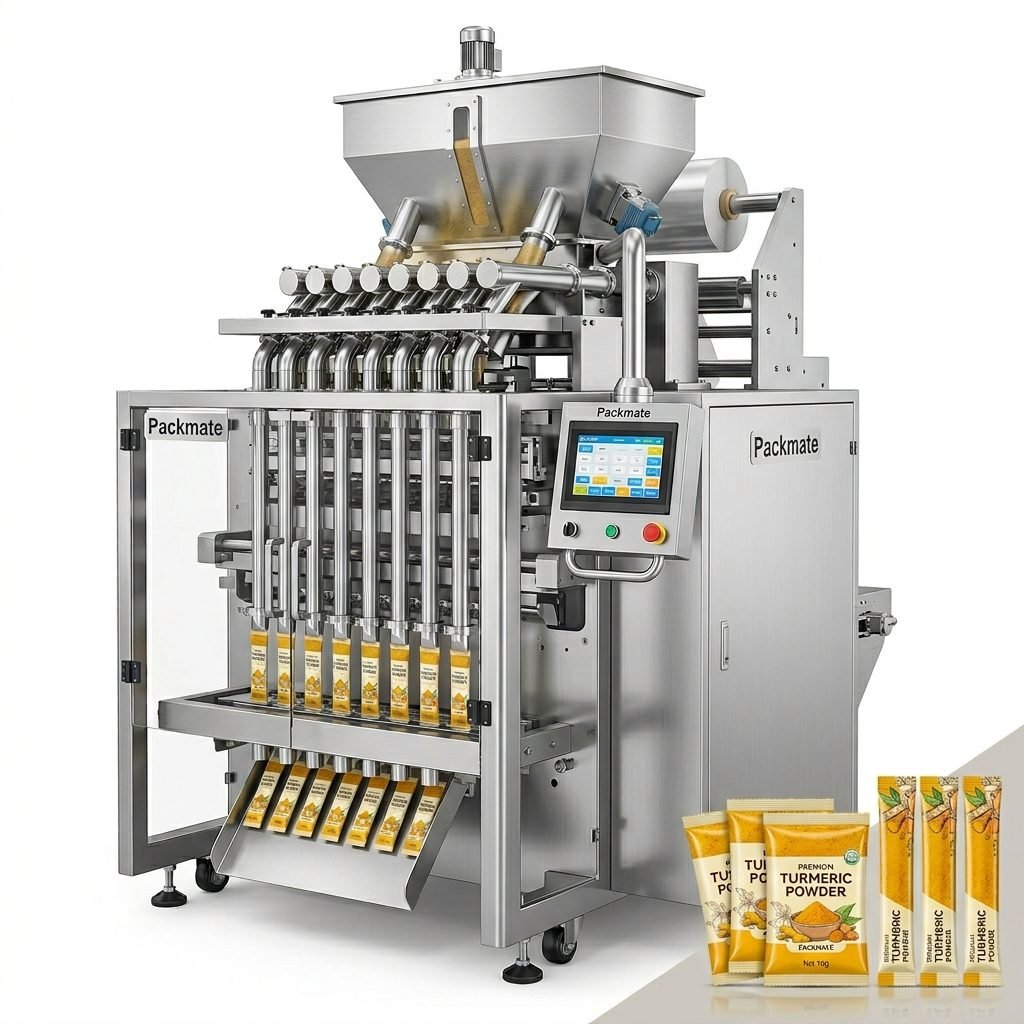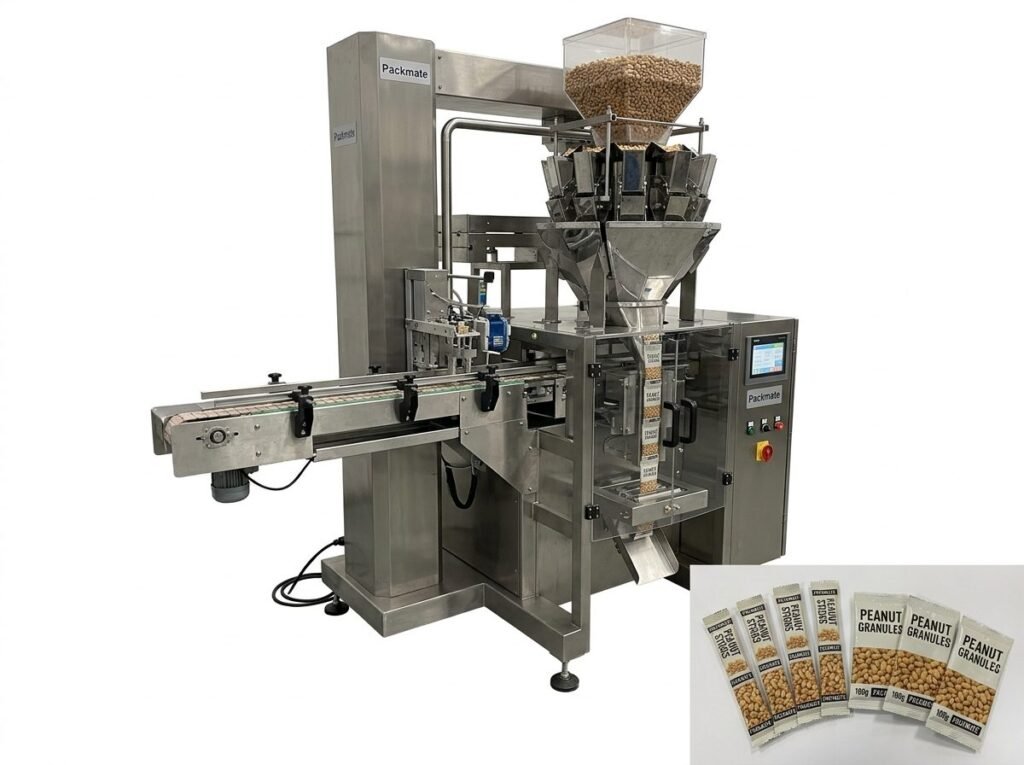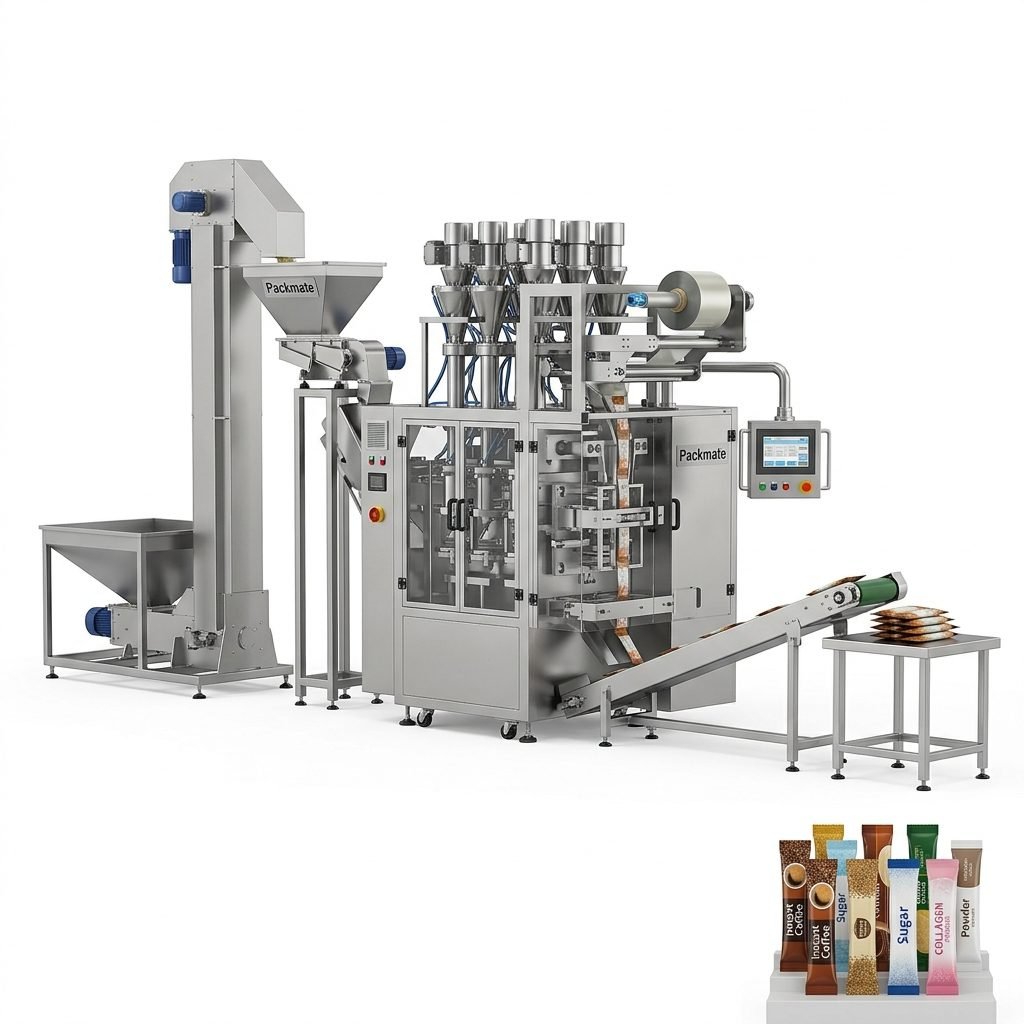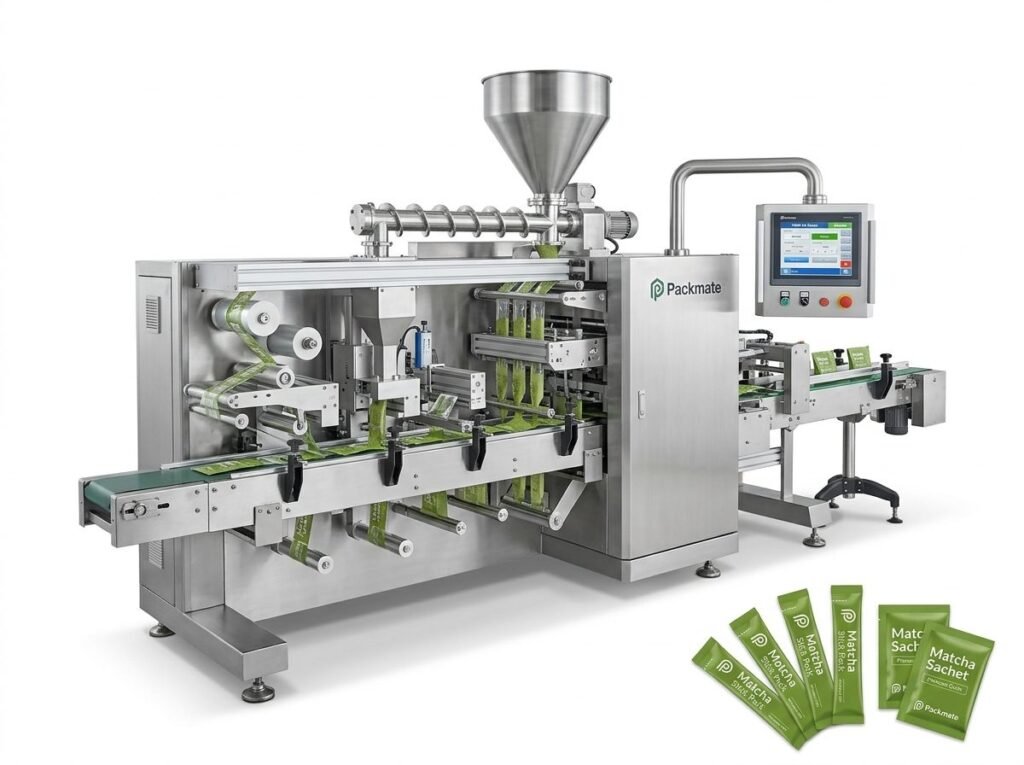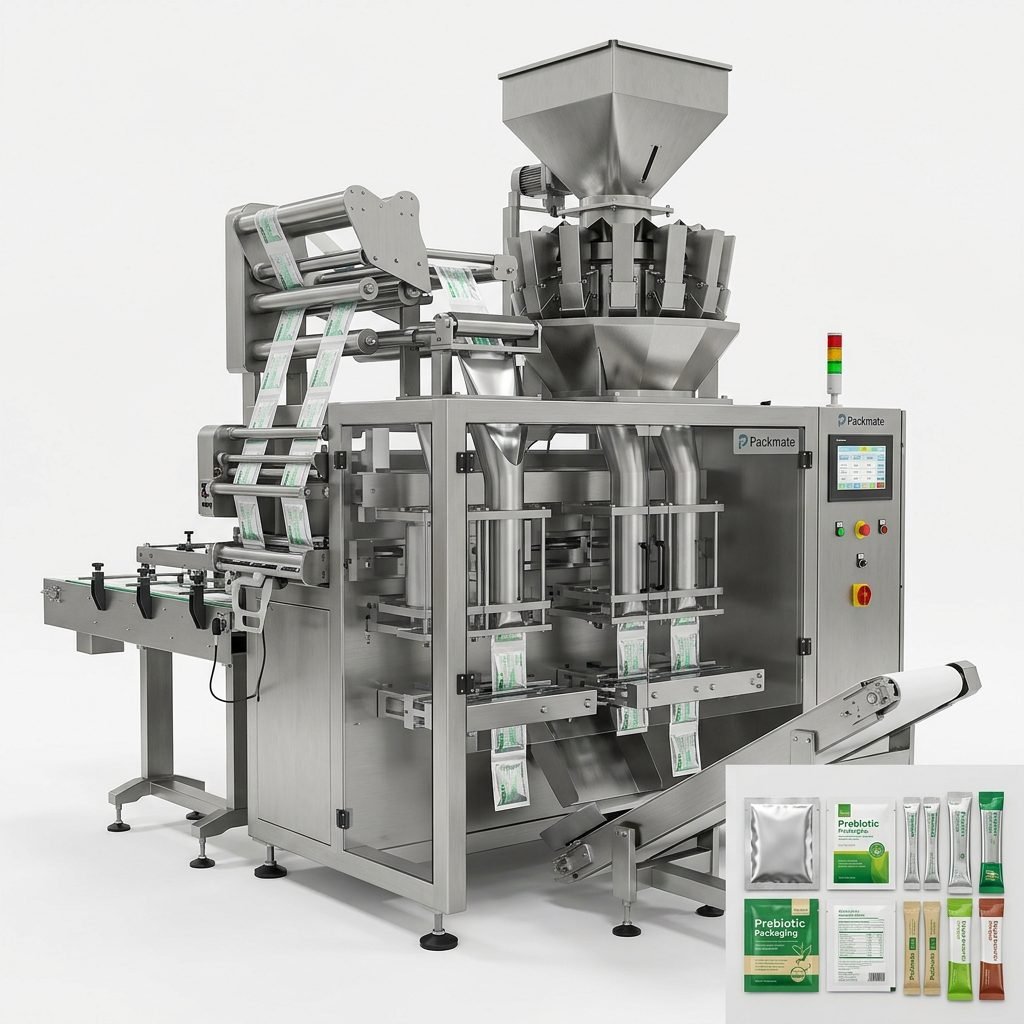
In today’s fast-paced manufacturing landscape, achieving peak efficiency is not just a goal; it’s a necessity for survival and growth. The integration of automated packaging and strapping machines into production lines represents a transformative leap forward. These sophisticated systems are engineered to streamline the final, critical stages of production, ensuring products are securely prepared for storage and shipment with minimal human intervention and maximum consistency. This article delves into the world of Packaging Line Packing and Strapping Machine Solutions, exploring how they drive efficient automated production and form the backbone of modern industrial operations.
The Core of Automated Packaging: Seamless Integration
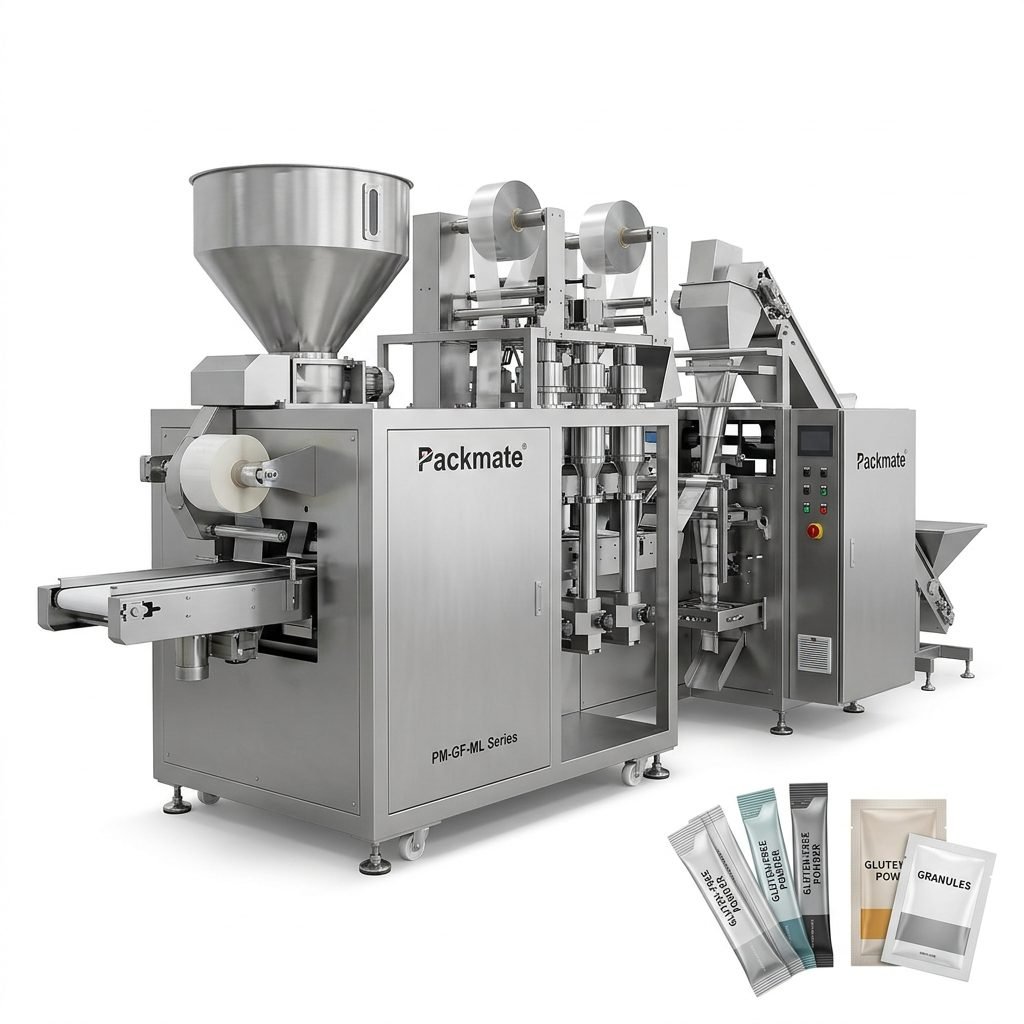
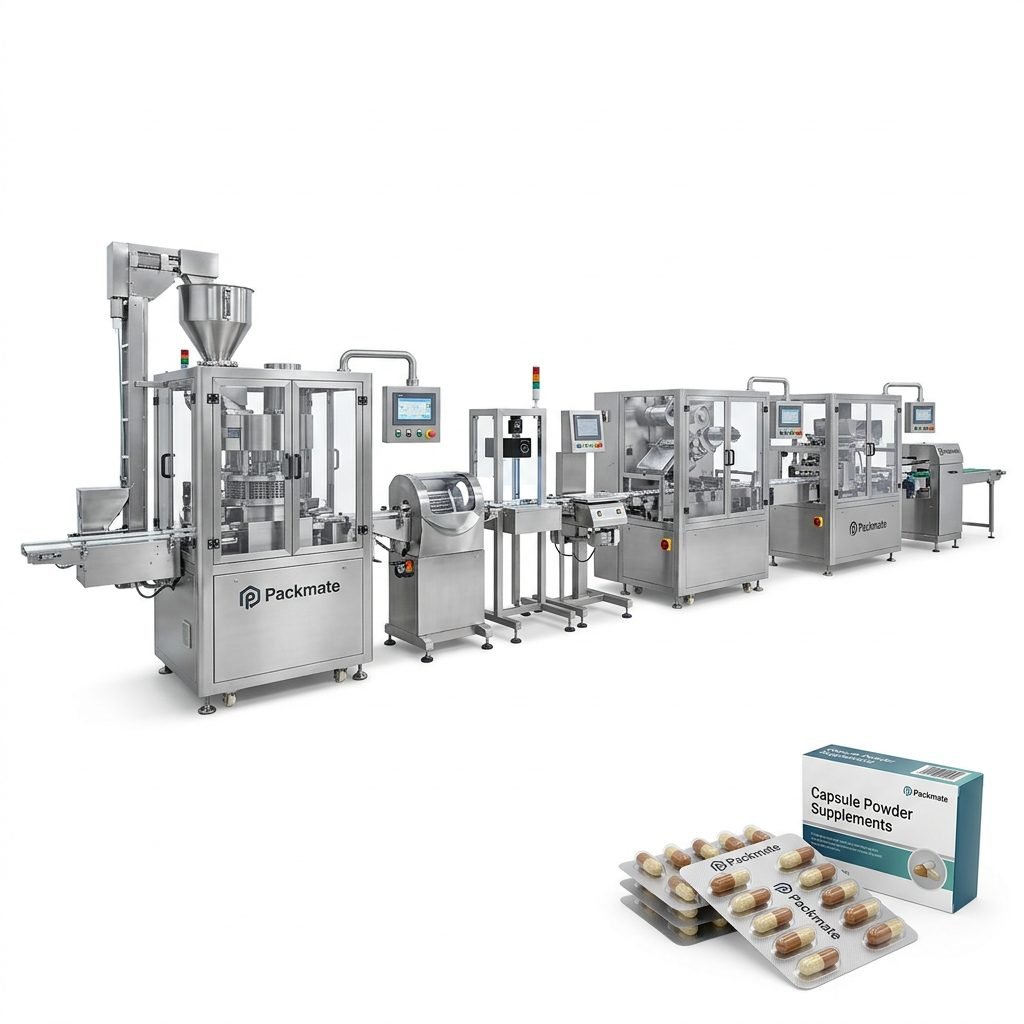
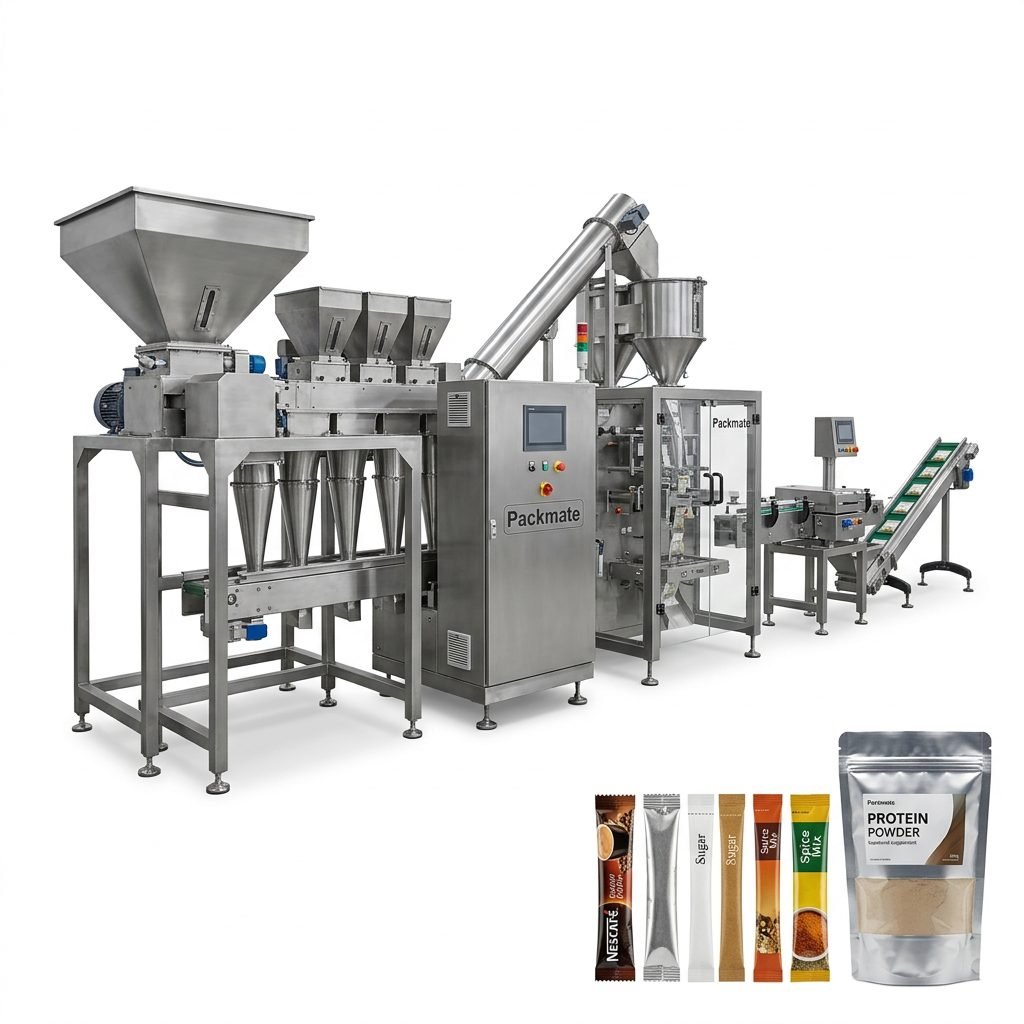
An automated packaging line is more than a collection of individual machines; it is a synchronized symphony of technology. At its heart lies the seamless integration of various components—from filling and sealing units to carton formers, case packers, and finally, the strapping or palletizing systems. The true power of a solution like those offered by industry leaders is its ability to function as a cohesive unit. This integration eliminates bottlenecks, reduces material handling, and creates a continuous flow from production to dispatch. When every machine communicates flawlessly with the next, throughput increases dramatically while operational costs and the potential for errors decrease.
💡 Key Insight: The efficiency gain from an integrated line is multiplicative, not additive. The synergy between a high-speed cartoner and a precisely timed strapping machine can yield productivity improvements far beyond the sum of their individual speeds.
Advanced Strapping Solutions: Securing Your Output
Once products are boxed and cases are sealed, the final step is securing them for the rigors of logistics. Modern strapping machines are marvels of precision and adaptability. They can apply polypropylene, polyester, or steel straps with consistent tension and seal strength, accommodating a vast range of box sizes and weights without the need for manual adjustment. Automated strapping stations can be strategically placed within the line to apply straps in specific patterns—horizontally, vertically, or both—providing optimal stability for pallet loads. This not only enhances the safety of the goods during transit but also optimizes space utilization in warehouses and shipping containers. For a deeper look at specific applications, reviewing real-world case studies can provide invaluable insights.
Driving Factors for Adoption: Beyond Speed
The shift towards fully automated packing and strapping is driven by several compelling factors that deliver a strong return on investment:
1. Unmatched Consistency and Quality Assurance
Machines do not suffer from fatigue or lapses in concentration. Every carton is formed identically, every seal is applied with the same pressure, and every strap is tensioned to the exact specification. This relentless consistency drastically reduces product damage from inadequate packaging and ensures every unit that leaves the facility meets the highest quality standards.
2. Significant Labor Optimization and Safety
Automating repetitive and physically demanding tasks like bending, lifting, and strapping frees a skilled workforce to focus on higher-value activities such as machine supervision, quality control, and process optimization. It also significantly improves workplace safety by reducing strain injuries and minimizing worker interaction with moving machine parts.
3. Enhanced Data and Traceability
Modern packaging lines are data hubs. Integrated sensors and PLCs (Programmable Logic Controllers) monitor output rates, machine efficiency, material usage, and even predict maintenance needs. This data is crucial for lean manufacturing initiatives, allowing managers to make informed decisions to fine-tune the entire production process. Understanding a provider’s mission and vision often reveals their commitment to such smart, data-driven solutions.
Customization: The Key to True Efficiency
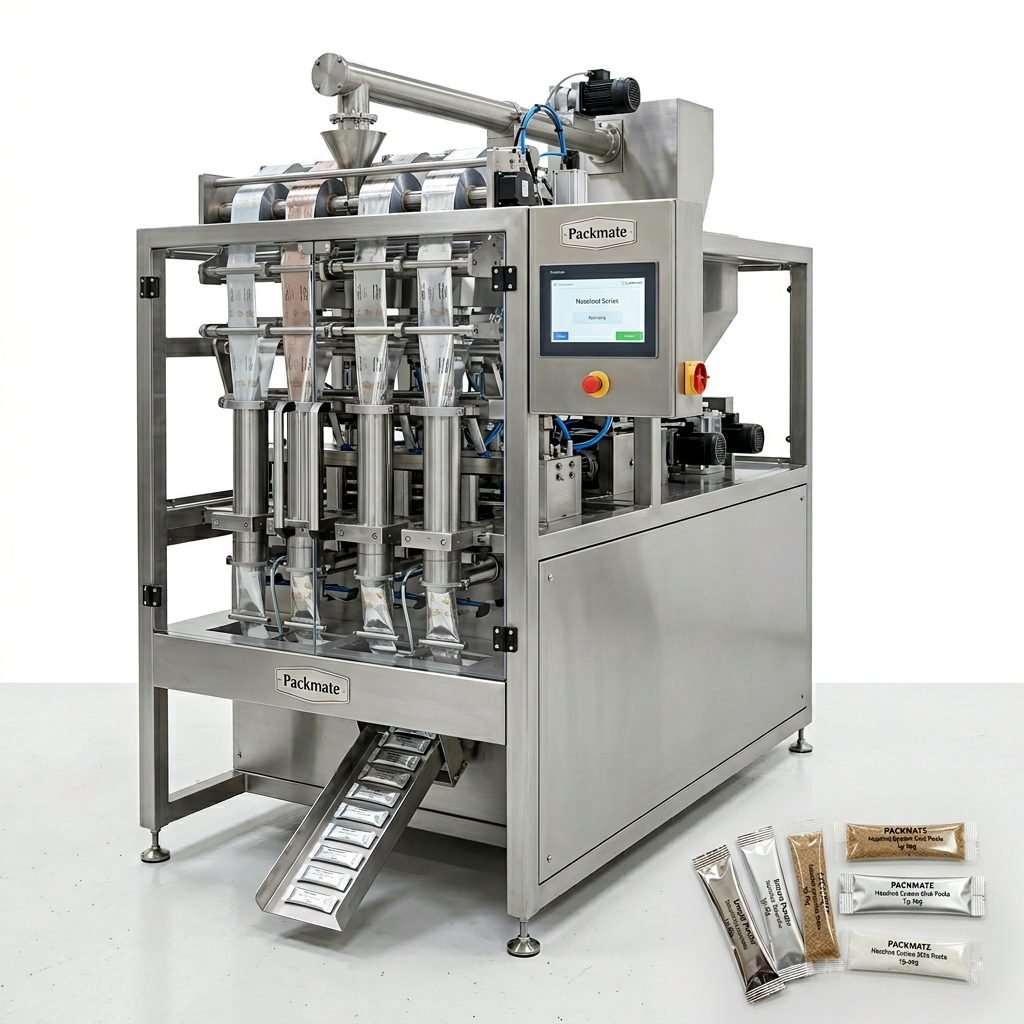
No two production facilities are identical. Therefore, off-the-shelf solutions often fall short. The most effective packaging lines are tailored to the specific product, throughput requirements, and factory layout. This involves selecting the right combination of machine models, configuring their sequence, and programming them for specific tasks. A partner with deep expertise, like Packmate (GuangDong) Co., Ltd., excels in designing these turnkey solutions. With over 30 years of experience and a portfolio of over 50 machine models, they can engineer a line that perfectly fits unique operational needs, whether for delicate pharmaceutical sachets or large-volume powder bags.
Future-Proofing Your Production Investment
Investing in an automated packaging line is a major capital decision. To protect this investment, it is essential to choose technology that is not only capable today but also adaptable for tomorrow. Look for machines built with robust, serviceable components and control systems that allow for easy reprogramming and integration of future upgrades. Comprehensive after-sales support and service, including training, spare parts availability, and technical assistance, are non-negotiable for ensuring long-term uptime and reliability. A provider’s commitment to innovation, often demonstrated through R&D and adherence to international quality certificates, is a strong indicator of their ability to help you stay competitive.
In conclusion, integrating advanced packing and strapping machine solutions into your production line is a definitive strategy for achieving efficient automated production. It delivers a powerful combination of increased speed, unwavering quality, operational safety, and valuable data insights. By partnering with an experienced provider to design a customized, integrated system, manufacturers can build a robust, scalable, and future-ready packaging operation that secures both their products and their competitive edge in the global market.
Frequently Asked Questions (FAQs)
1. What are the main benefits of automating my packaging and strapping process?
The primary benefits include significantly increased production throughput, consistent and high-quality packaging output, reduced labor costs and physical strain on workers, lower material waste, and enhanced data collection for process optimization and traceability.
2. How do I know if my facility is ready for an automated packaging line?
Key indicators include high and growing order volumes, challenges in meeting demand with manual labor, issues with packaging consistency or product damage, and a desire to improve workplace safety. A consultation with a solution provider can assess your specific needs and space.
3. Can automated lines handle different product sizes and types?
Yes, modern lines are highly flexible. With quick-changeover mechanisms and programmable settings, they can often switch between different product formats (e.g., different box sizes or pouch types) with minimal downtime, making them ideal for batch production.
4. What is the typical ROI (Return on Investment) period for such an investment?
The ROI period varies based on the scale of the system, labor costs, and production gains. Many businesses see a return within 1 to 3 years through savings in labor, reduced waste, increased output, and lower costs associated with product damage.
5. How important is after-sales service and support?
It is critically important. Reliable technical support, readily available spare parts, and operator training are essential for maximizing uptime, ensuring long-term machine performance, and protecting your investment. Always choose a provider with a strong, proven support network.