In the highly regulated and quality-sensitive sectors of food, pharmaceuticals, and health products, packaging is far more than just a final step in production. It is a critical component of product integrity, safety, and brand reputation. The choice of industrial packing equipment directly impacts efficiency, compliance, and ultimately, the success of your operation. This article delves into the essential solutions required for modern packaging lines in these industries, highlighting the importance of tailored, intelligent systems.
The Critical Role of Specialized Packaging Equipment
Packaging for food, pharmaceuticals, and health products operates under a unique set of stringent requirements. Beyond mere containment, the primary functions include:
Product Protection: Shielding contents from moisture, oxygen, light, and microbial contamination to ensure safety and extend shelf life.
Dosing Accuracy: Ensuring precise measurement of powders, granules, or liquids, which is non-negotiable in pharmaceutical and supplement packaging.
Traceability & Compliance: Adhering to global standards like FDA, cGMP, and HACCP, often requiring equipment that supports serialization and data logging.
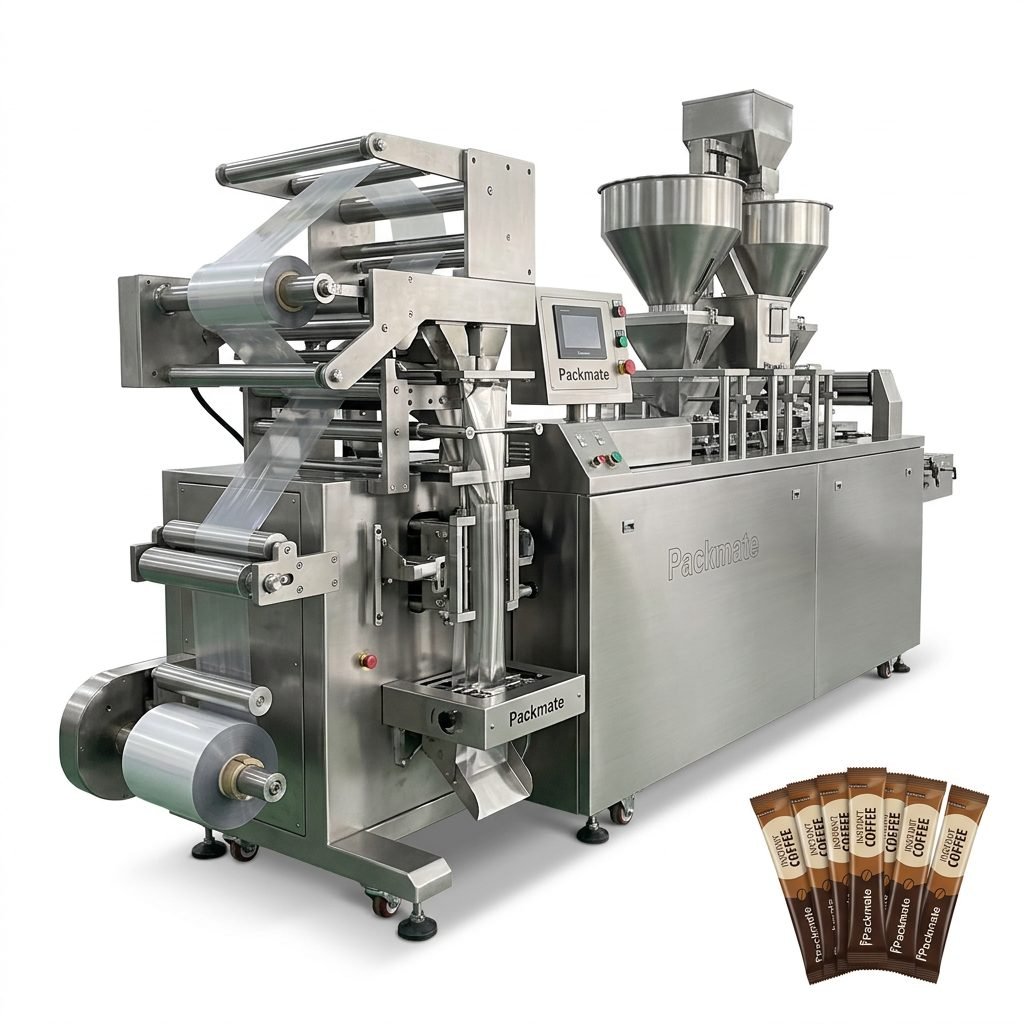
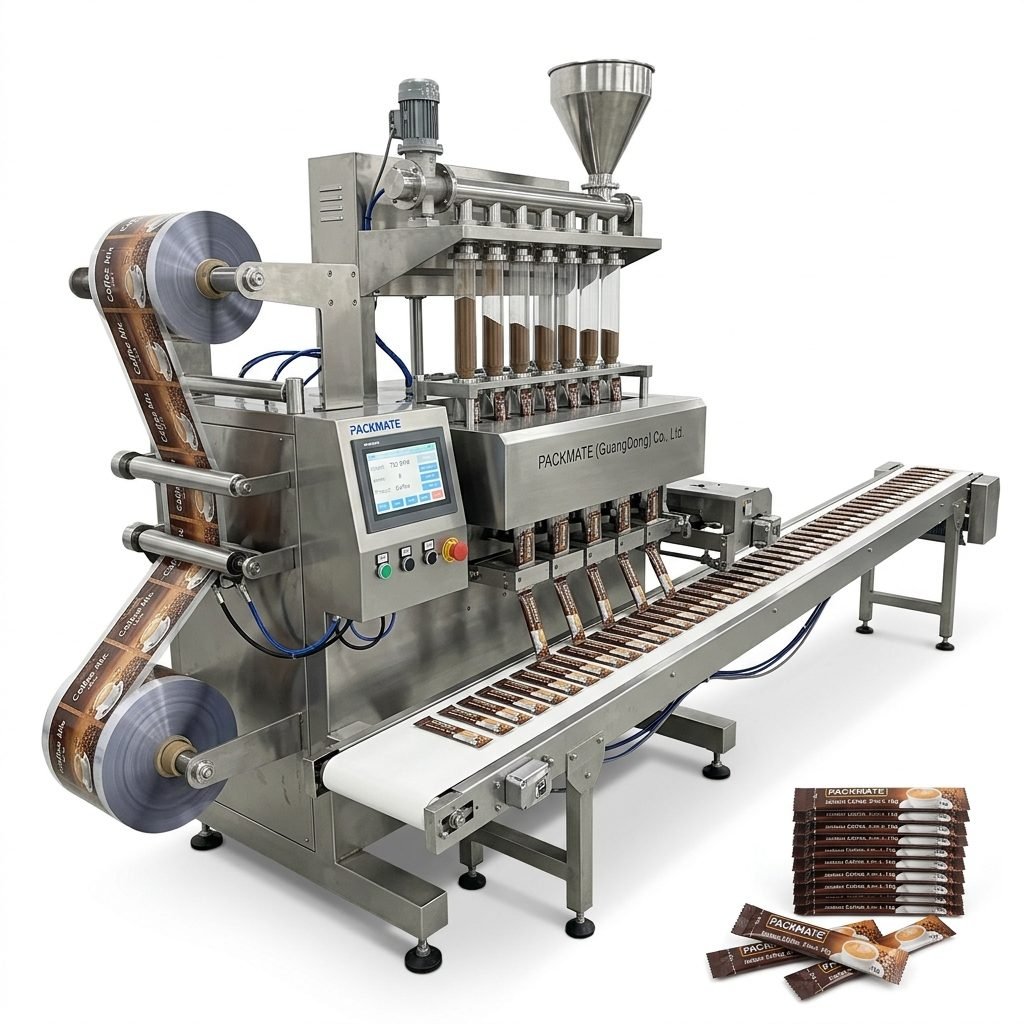
Consumer Convenience: Creating user-friendly formats like stick packs, sachets, or portion-controlled bags that align with modern lifestyles.
Generic packaging solutions often fall short. Specialized industrial equipment is engineered to meet these exacting demands, providing the reliability and precision these industries cannot compromise on. For a deeper look at how these principles are applied across different products, explore our comprehensive packaging solutions.
Core Equipment for Modern Packaging Lines
A complete, or turnkey, packaging line integrates several key machines that work in seamless harmony. The core components typically include:
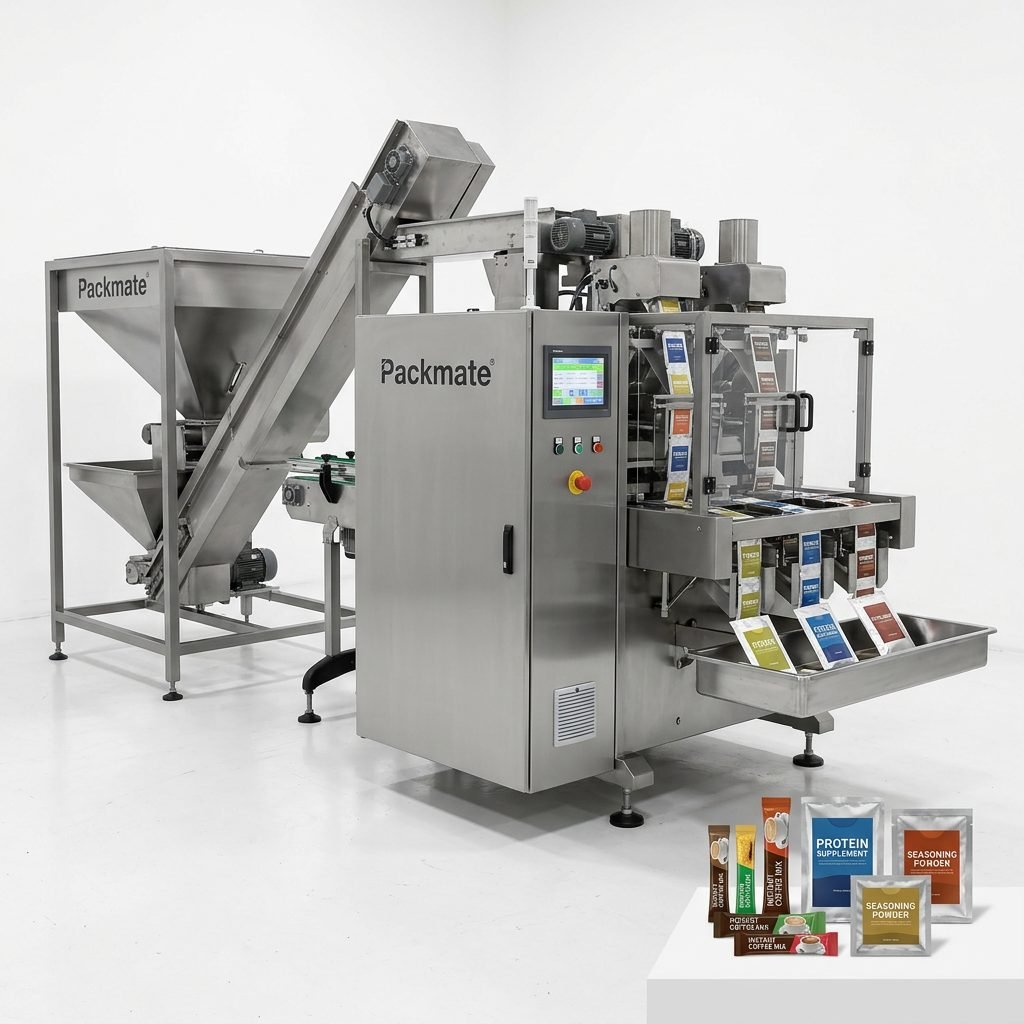
1. Form-Fill-Seal (FFS) Machines
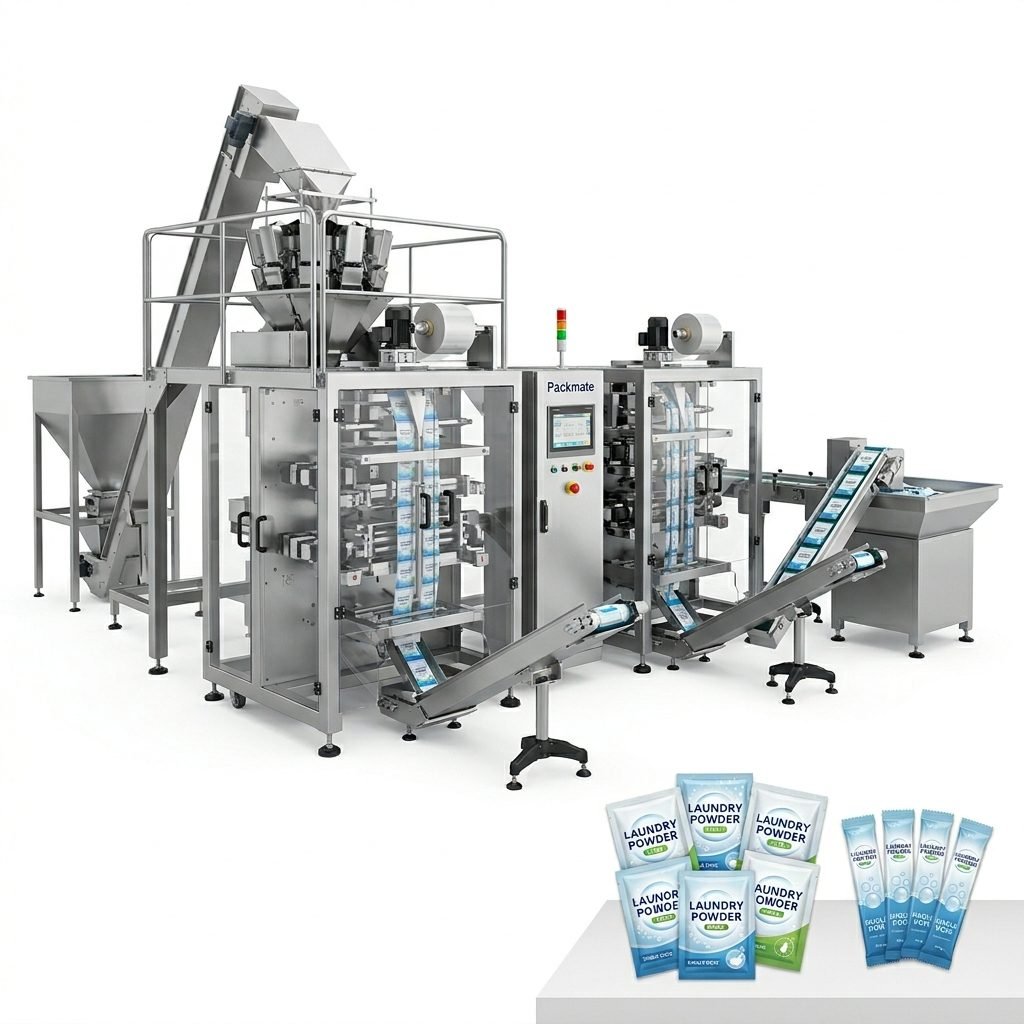
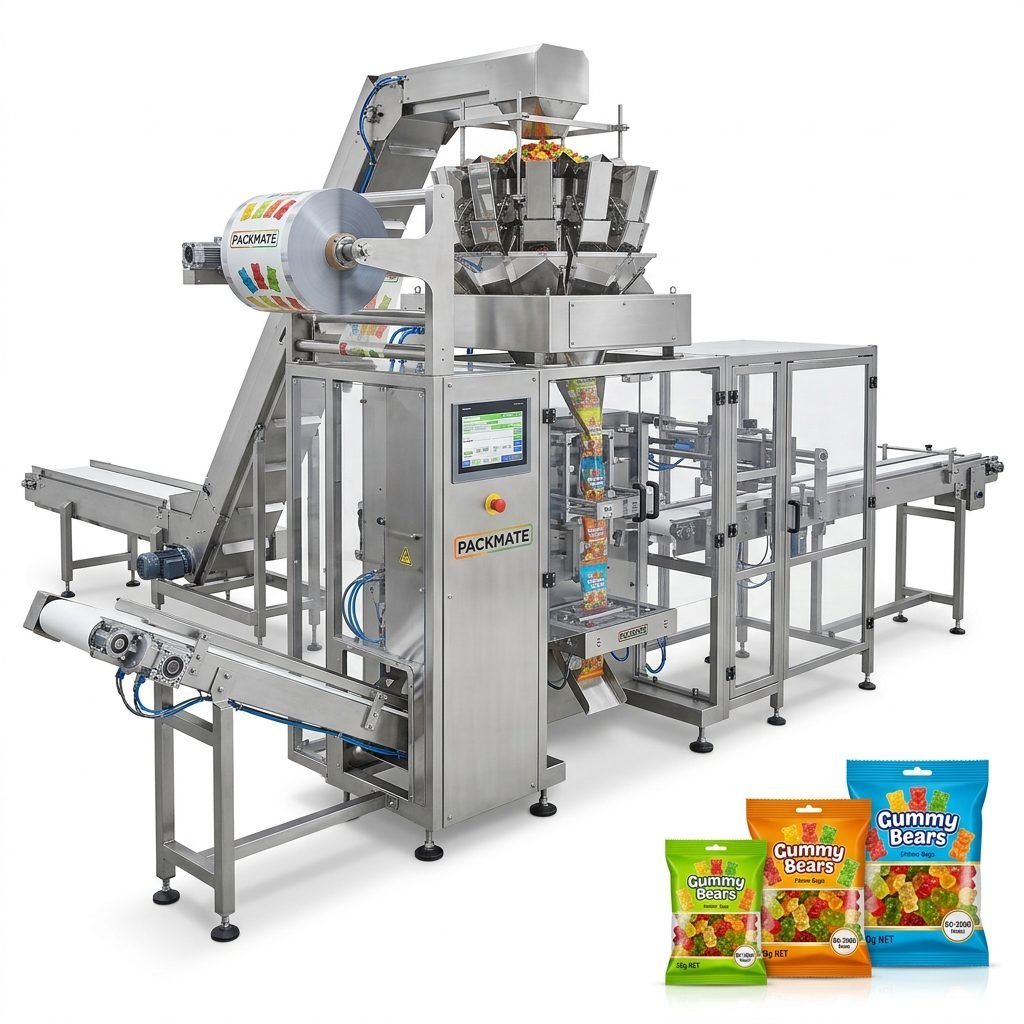
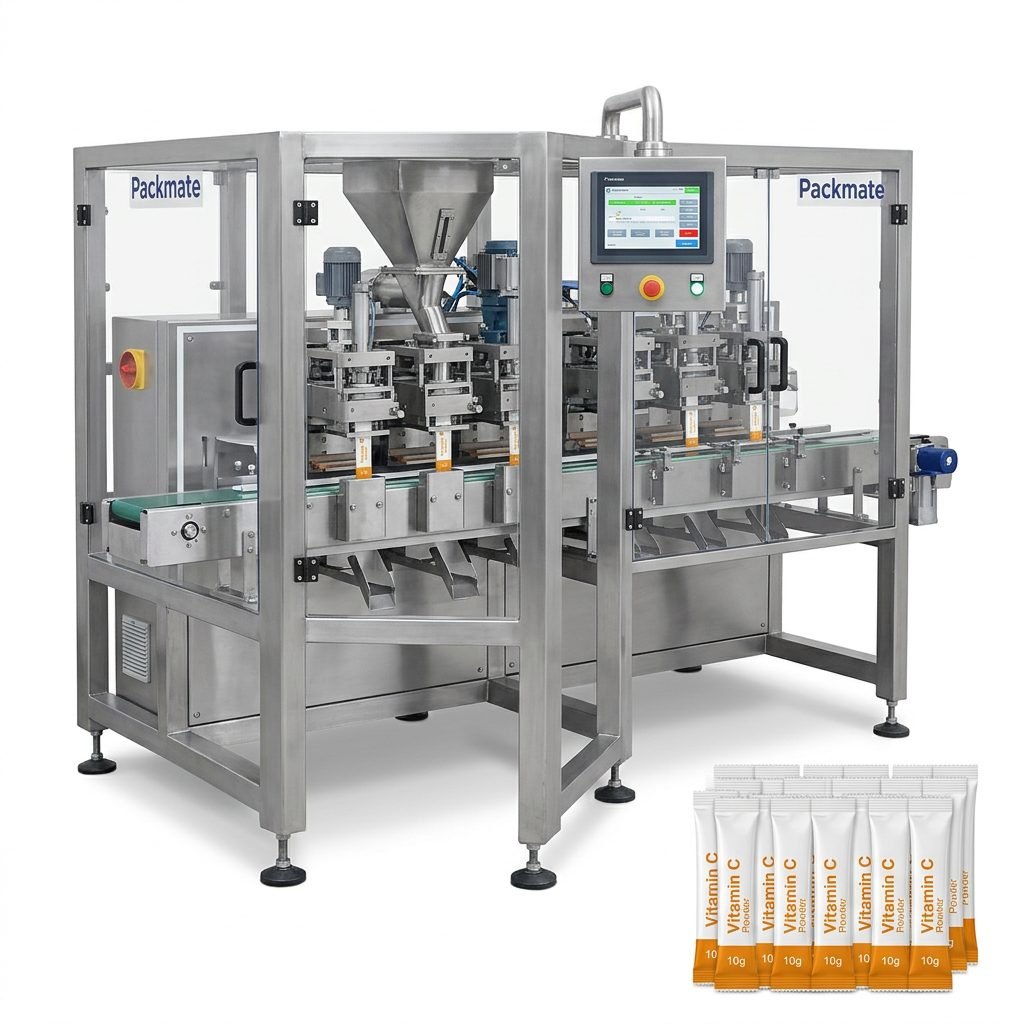
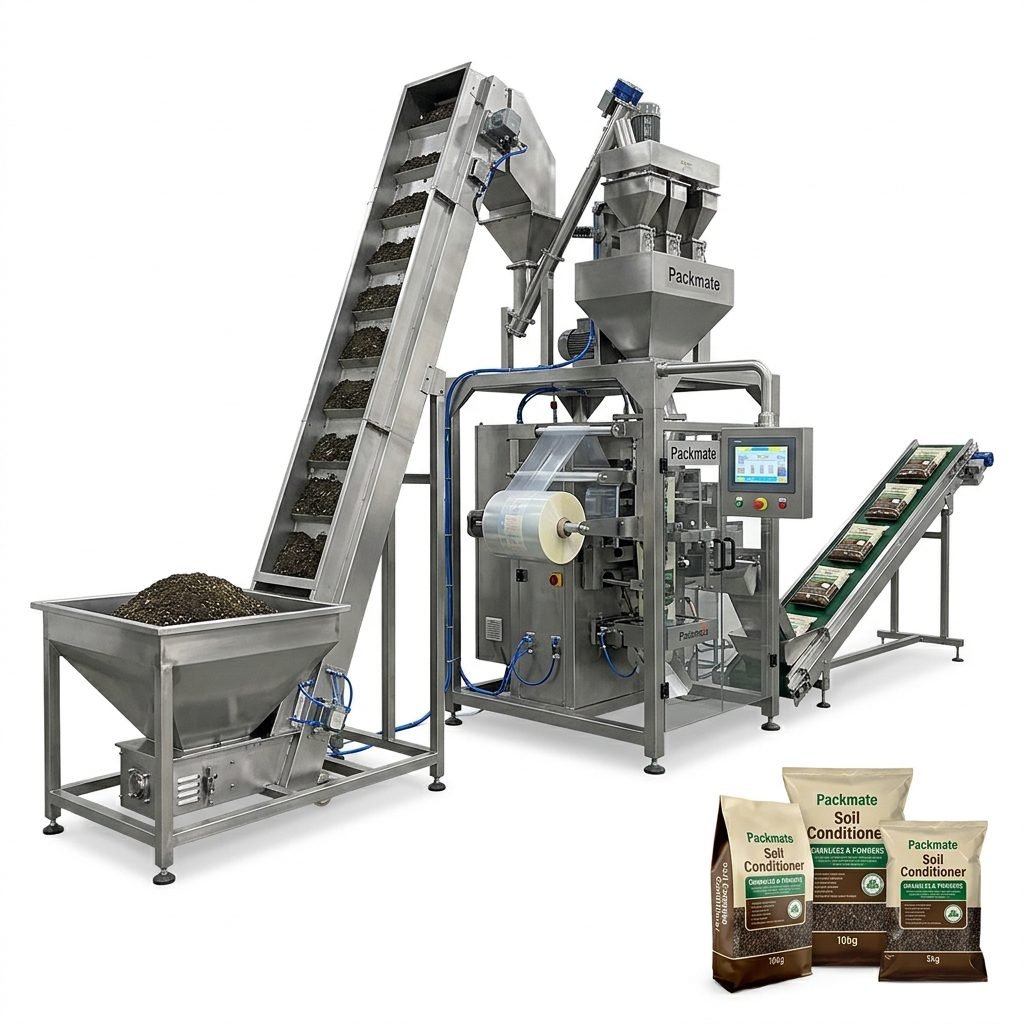
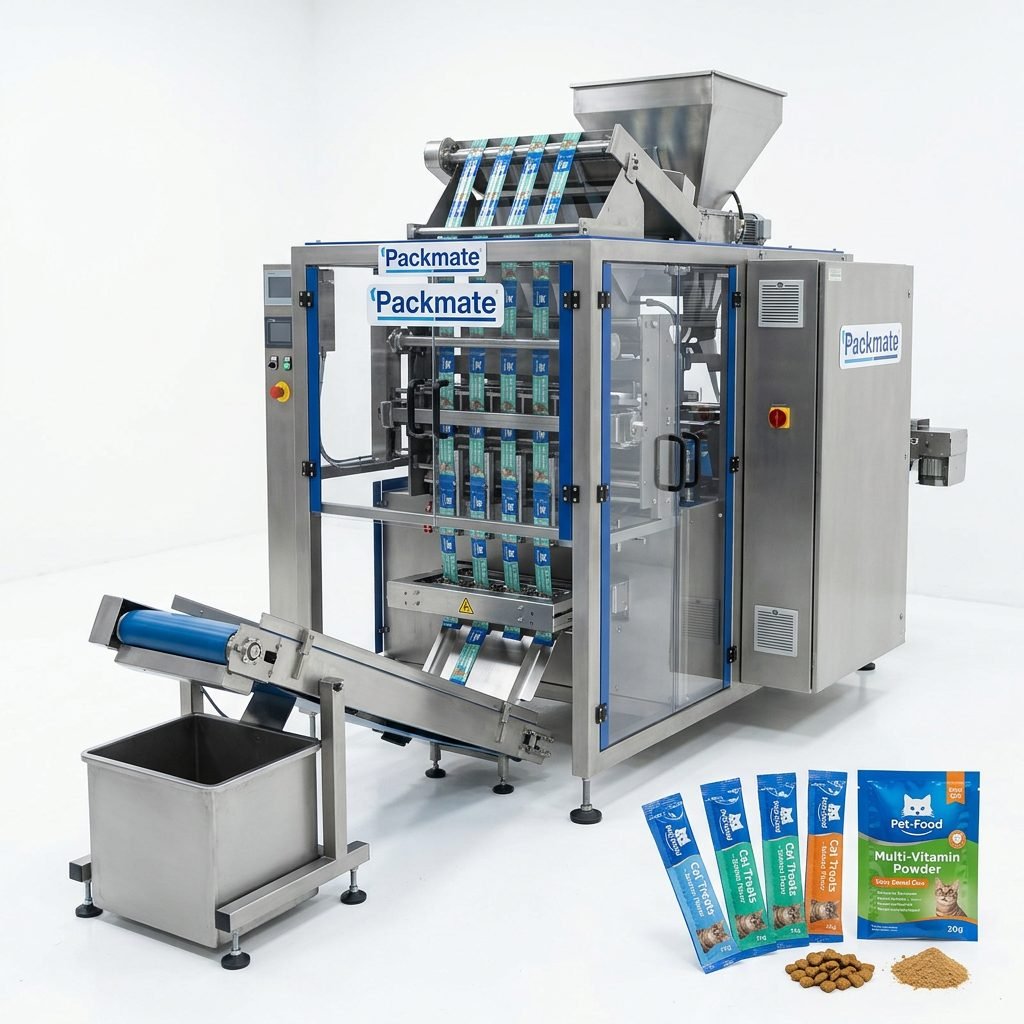
The workhorse of the line. These machines form packaging from a roll of film, accurately fill it with product, and hermetically seal it. Variants include vertical form-fill-seal (VFFS) for larger bags and horizontal form-fill-seal (HFFS) for sachets and stick packs. Multi-lane HFFS machines are particularly vital for high-volume production of small unit doses.
2. Precision Weighing & Dosing Systems
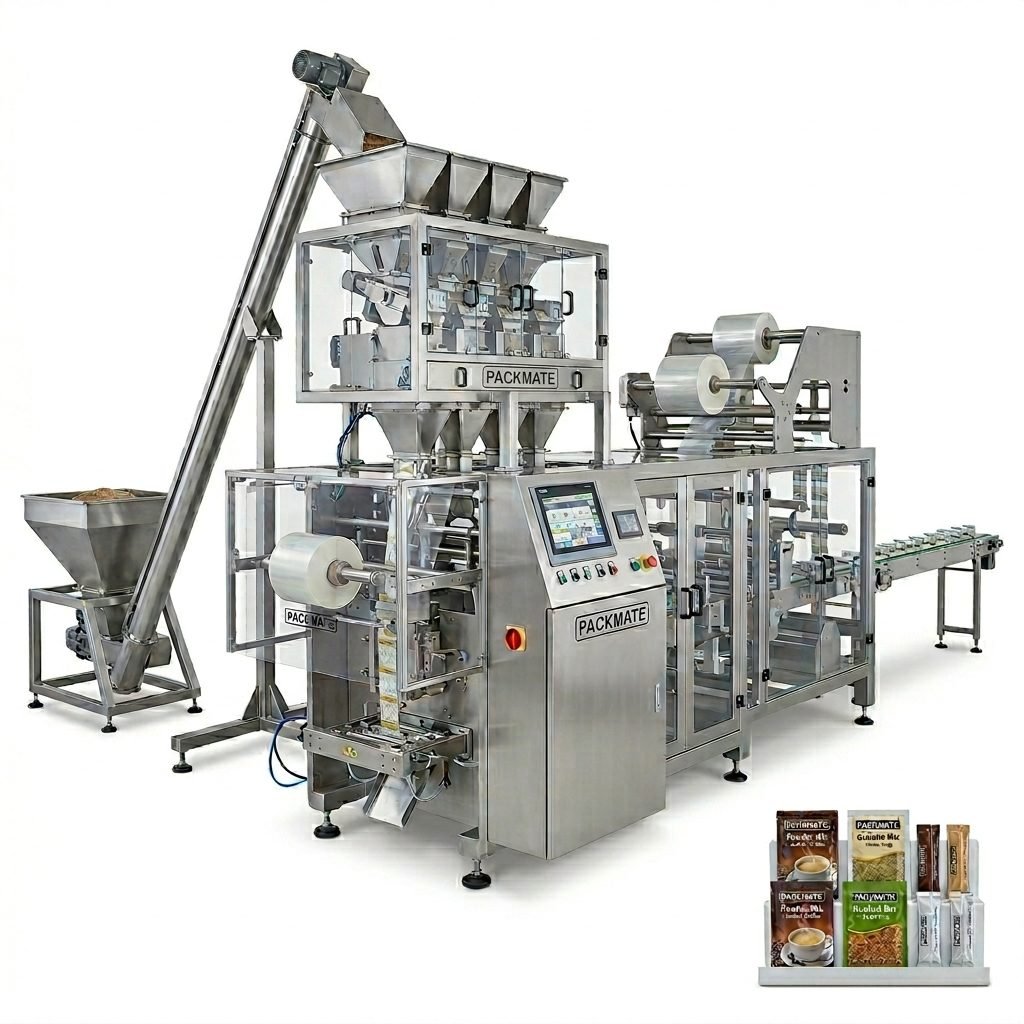
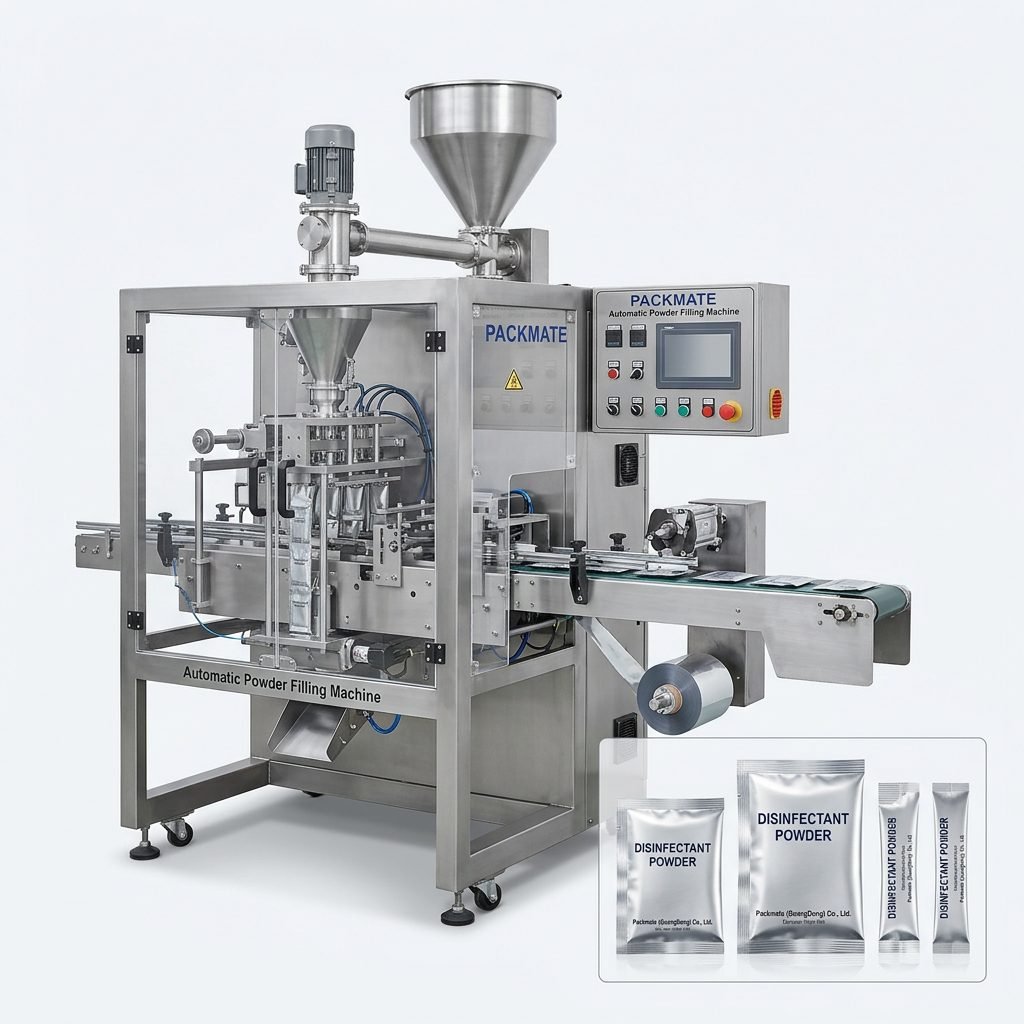
Critical for product consistency and cost control. Volumetric cup fillers, auger fillers with multi-head weighers, and liquid piston fillers ensure each package contains the exact specified amount, whether it’s 2 grams of a potent pharmaceutical powder or 500ml of a health drink.
3. Product Handling & Conveying
This includes elevators, conveyors, and vibratory feeders that gently and consistently transport product from mixing or processing areas to the packaging machines without degradation or segregation, especially important for fragile granules or blends.
4. Secondary & Tertiary Packaging
Equipment like cartoners, case packers, and palletizers automate the bundling of primary packages into boxes and onto pallets for shipping, dramatically reducing labor and handling damage.
Integrating these components into a synchronized line is a complex task. Success stories from our global clients can be seen in our detailed project case studies.
Industry-Specific Challenges and Solutions
Each sector presents distinct challenges that dictate equipment specifications.
Food Industry Solutions
Focus: Hygiene, speed, and preserving freshness.
Key Equipment Features: Machines constructed with food-grade stainless steel (e.g., SS304, SS316), easy-clean designs with minimal crevices, and nitrogen flushing capabilities for modified atmosphere packaging (MAP) to lock in freshness.
Pharmaceutical & Nutraceutical Solutions
Focus: Absolute accuracy, sterility, and compliance.
Key Equipment Features: Isolated containment for potent compounds, high-precision auger fillers with ±1% dosing accuracy, and clean-in-place (CIP) systems. Equipment must be validated and support data integrity for audit trails.
Health & Wellness Products Solutions
Focus: Versatility, attractive presentation, and market agility.
Key Equipment Features: Quick-changeover tooling to switch between different powder supplements, protein drinks, or tea granules. The ability to produce sleek, branded stick packs or stand-up pouches that appeal to health-conscious consumers is crucial.
The Value of a Turnkey Solution Provider
Partnering with a single provider for your entire packaging line, like Packmate (GuangDong) Co., Ltd., offers unparalleled advantages over piecing together machines from multiple vendors.
✔ Single Point of Responsibility: One partner handles design, integration, installation, and after-sales support, simplifying project management and accountability.
✔ Seamless Integration: All machines are designed to communicate and work together optimally from the outset, maximizing line efficiency (OEE) and minimizing bottlenecks.
✔ Customized Engineering: The line is tailored to your specific product, output goals, and factory layout, rather than forcing your process to fit standard machines.
✔ Future-Proofing: A reliable partner helps you plan for scalability, making it easier to add modules or increase speed as your business grows.
Our commitment to this integrated approach is rooted in our company profile and decades of experience, which you can learn more about on our About Us page.
Trends Shaping the Future of Industrial Packaging
The industry is evolving rapidly, driven by technology and consumer demands.
Smart Manufacturing & IIoT: Modern equipment is increasingly connected. Sensors collect real-time data on machine performance, production counts, and maintenance needs, enabling predictive maintenance and data-driven optimization from a central dashboard.
Sustainability: There is growing demand for equipment that can handle recyclable, biodegradable, or mono-material films without compromising sealing integrity or speed. Machines that reduce material waste through more precise cutting and sealing are also in high demand.
Flexibility & Agility: The need to run smaller, customized batches requires equipment with rapid changeover capabilities. Modular machine designs allow producers to quickly reconfigure lines for different package sizes or product types.
Enhanced Safety & Hygiene: Touchscreen HMIs with remote access, enclosed machine frames, and automated sanitation systems are becoming standard to improve operator safety and meet ever-stricter hygiene protocols.
Staying ahead of these trends requires a partner committed to innovation. Discover our latest advancements by viewing our equipment catalog.
Investing in the right industrial packing equipment is a strategic decision that determines your production efficiency, product quality, and regulatory compliance. For the food, pharmaceutical, and health product industries, the stakes are too high to settle for anything less than a fully integrated, intelligent, and reliable packaging line solution. By understanding your specific challenges and partnering with an experienced turnkey provider, you can build a packaging operation that not only meets today’s demands but is also ready for the future.
Frequently Asked Questions (FAQs)
1. What is the main advantage of a turnkey packaging line over buying individual machines?
The primary advantage is guaranteed compatibility and optimized performance. A turnkey provider designs the entire line as a cohesive system, ensuring all machines communicate seamlessly, minimizing bottlenecks, and providing a single source for installation, training, and service. This reduces integration risks and long-term operational headaches.
2. How do you ensure packaging equipment meets pharmaceutical cGMP standards?
Equipment for pharmaceutical use is designed with specific features: easy-clean surfaces with no product traps, use of compliant materials (e.g., FDA-grade seals), validated cleaning procedures (like CIP), and the ability to generate supporting documentation for processes. Reputable providers design with these standards in mind and can assist with the necessary validation protocols (IQ/OQ/PQ).
3. Can one packaging line handle different types of products, like powders and liquids?
While some core machines differ (e.g., an auger filler for powder vs. a piston filler for liquid), a modular and flexible line design can often accommodate different product types with planned changeovers. The key is to discuss your full product range with your supplier during the design phase to build in the necessary versatility and quick-change tooling.
4. What kind of after-sales support should I expect from a packaging equipment supplier?
Comprehensive support includes detailed installation supervision, thorough operator and maintenance training, a readily available supply of spare parts, and responsive technical support (often remote and on-site). Look for suppliers with a dedicated service team and clear service level agreements to ensure minimal downtime.
5. How long does it typically take to commission a new industrial packaging line?
The timeline varies significantly based on line complexity and customization. A standard line might be commissioned in 4-8 weeks, while a highly customized, large-scale turnkey project can take 4-6 months from order to full production. This includes design finalization, manufacturing, factory acceptance testing, shipment, installation, and on-site commissioning.