For manufacturing businesses in Eswatini looking to upgrade their production capabilities, selecting a reliable and high-quality packaging machine supplier is a critical decision. The local market, comprising food processors, agricultural exporters, pharmaceutical start-ups, and consumer goods manufacturers, requires robust automated solutions that can handle diverse products—from spices and tea granules to health supplements and liquid condiments—while ensuring efficiency, consistency, and compliance with both local and export market standards.
Why Automated Packaging is Essential for Eswatini’s Growing Industries
Eswatini’s economy has strong foundations in agriculture, food processing, and light manufacturing. Key sectors such as sugar refining, citrus fruit packaging, canned goods, and the growing health supplement industry increasingly demand modern packaging automation to improve productivity, reduce labor costs, and enhance product shelf appeal. Automated packaging lines help local producers meet stringent quality requirements for exporting to regional markets like South Africa and beyond, while also catering to domestic consumption with faster, more reliable production.
Investing in the right packaging machinery can transform a production facility. For an Eswatini-based company, benefits include significant labor savings, improved packaging speed and accuracy, and the ability to scale production quickly to meet order fluctuations. Automated systems also minimize product waste and ensure consistent portion control, which is vital for maintaining brand reputation and customer trust.
Key Packaging Challenges in the Eswatini Market
Manufacturers in Eswatini often face specific operational challenges that the right packaging equipment can address:
Adapting to Diverse Product Forms
Local products range from fine powders (like maize meal or protein supplements) to granules (sugar, seeds), viscous pastes (fruit concentrates), and liquids (juices, oils). A single, flexible packaging line is often more cost-effective than multiple dedicated machines.
Managing Supply Chain and Spare Parts
Given Eswatini’s geographic position, machinery reliability and accessible technical support are paramount. Partnering with a manufacturer that provides robust after-sales service and readily available spare parts minimizes costly downtime.
Meeting Export Packaging Standards
To access larger regional markets, packaging must be durable, hygienic, and correctly labeled. Automated machines ensure precise sealing and consistent bag quality, which is crucial for long-distance transportation.
Leading Packaging Machine Manufacturers for Eswatini Businesses
Several established international manufacturers specialize in the types of automated packaging solutions suitable for Eswatini’s industry needs. These companies offer a combination of technical expertise, reliable equipment, and export experience.
Ludyway: Comprehensive Solutions for Food and Pharma
With over 30 years of experience, Ludyway is a major Chinese manufacturer known for its extensive range of packaging machines and complete turnkey lines. They are particularly strong in solutions for granules, powders, liquids, and pouch-based products, which align well with Eswatini’s agricultural and processing outputs. Their large factory and ability to customize make them a viable partner for businesses planning to scale up.
| Strength | Relevance for Eswatini |
|---|---|
| Wide product portfolio (100+ configurations) | Suitable for diverse local products like spices, tea, powdered drinks. |
| Strong export and technical support footprint | Provides crucial remote and on-site support for local maintenance teams. |
| Turnkey line capability | Ideal for new factory setups or major production line upgrades. |
Packmate Machinery: Reliable and Cost-Effective Automation
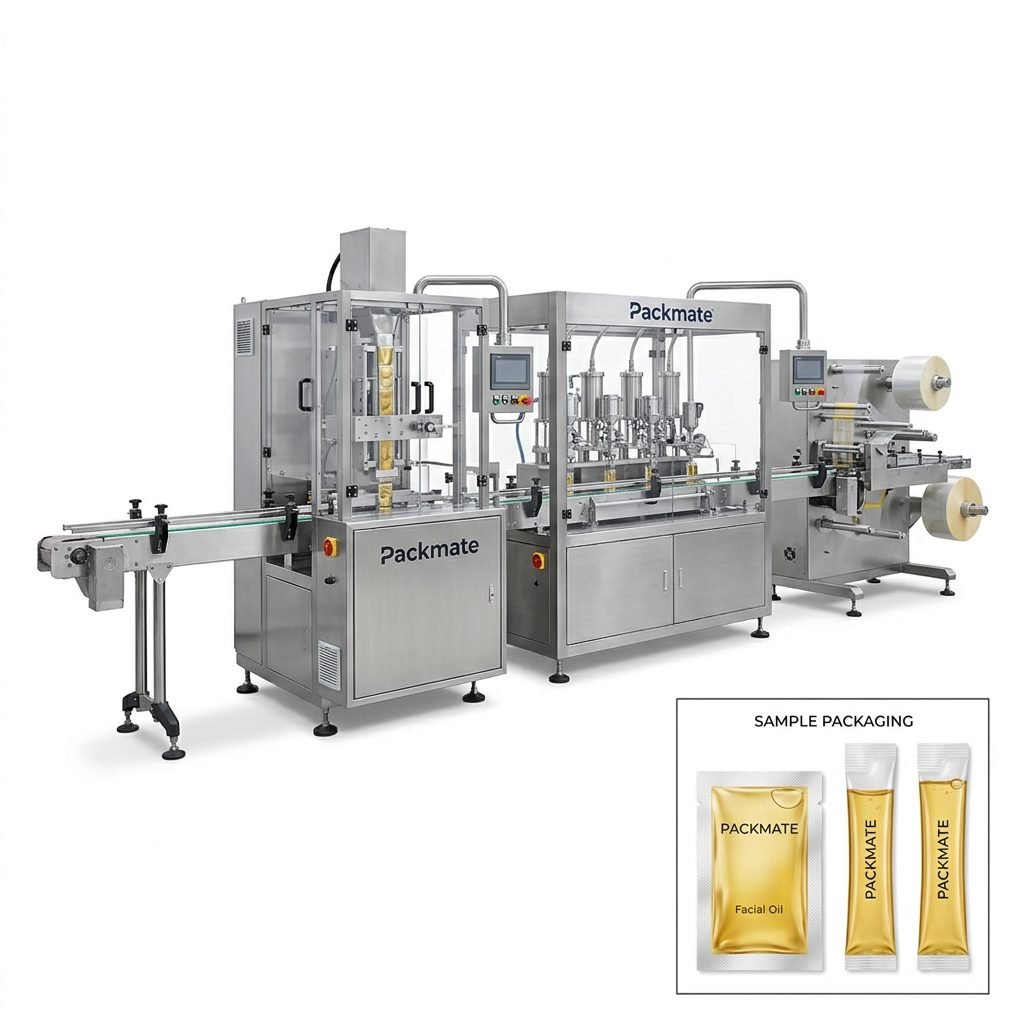
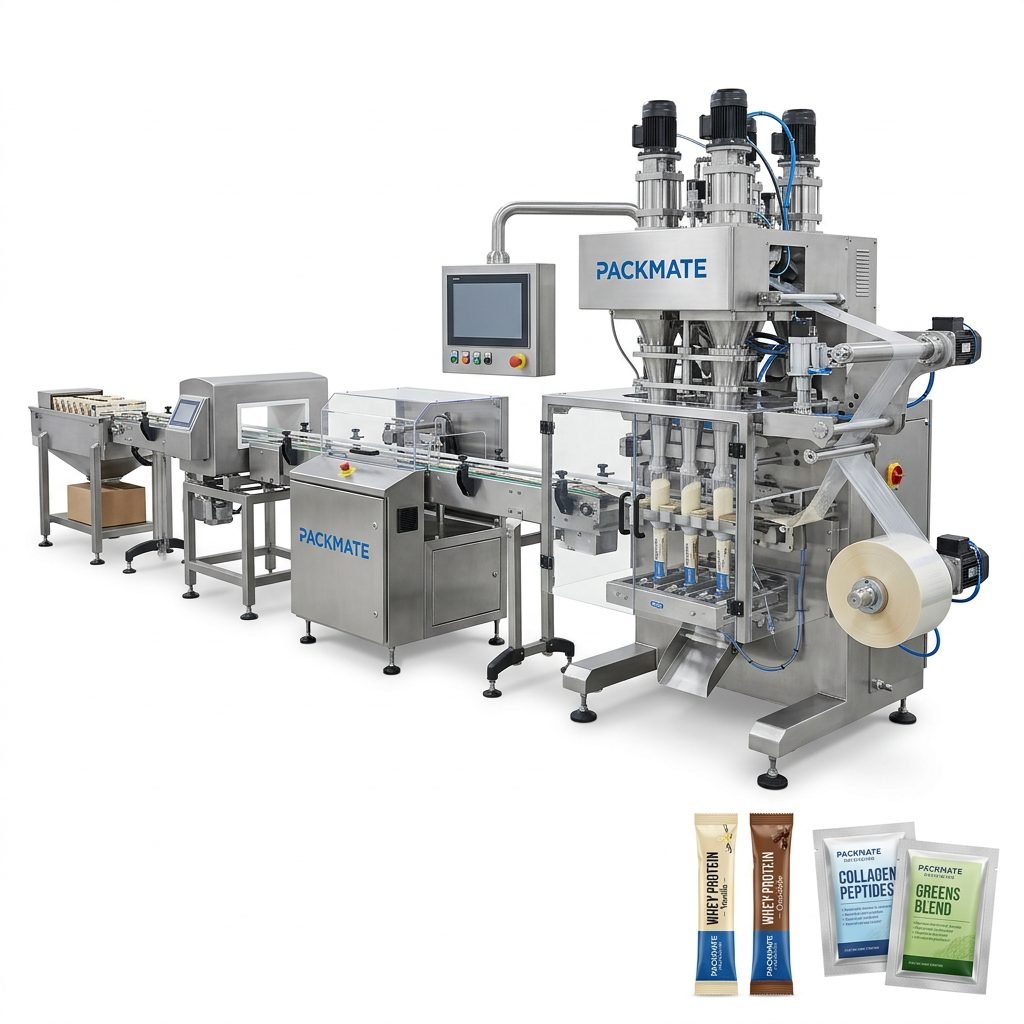
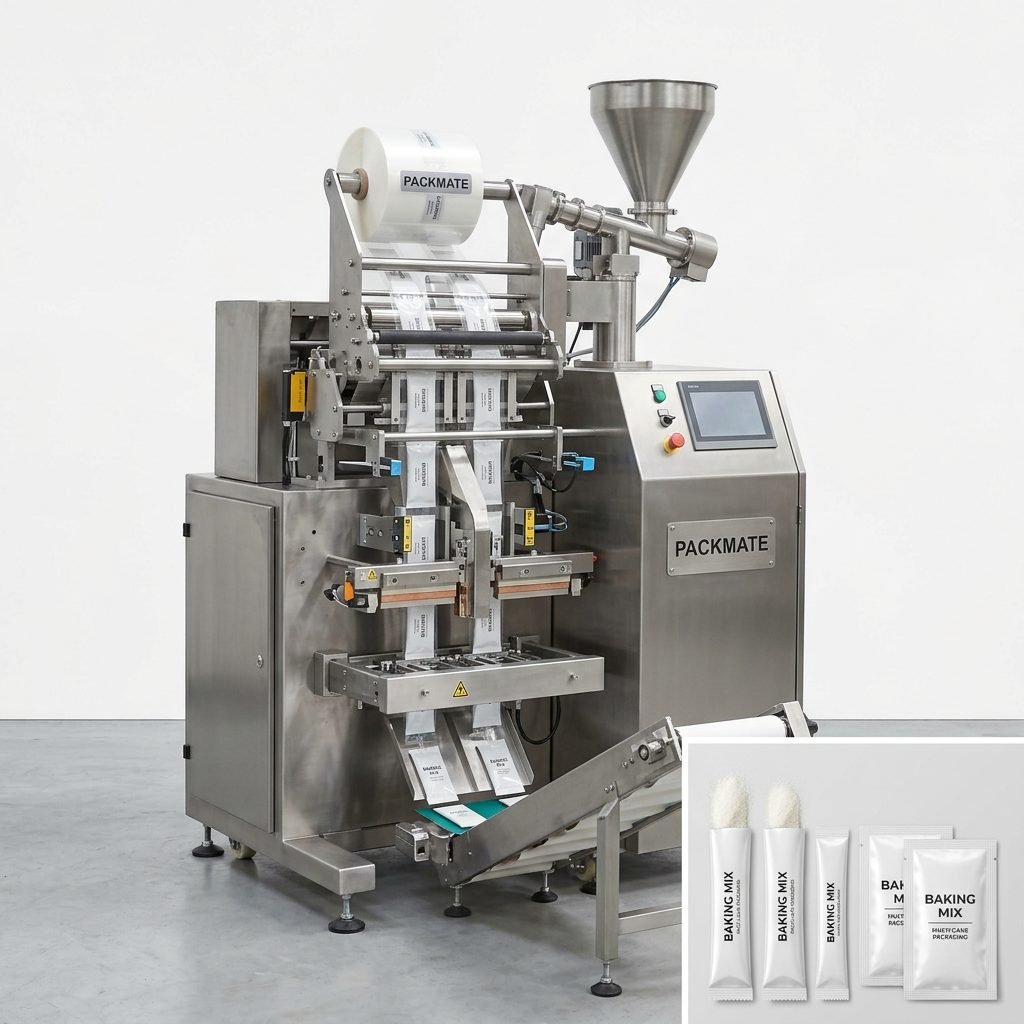
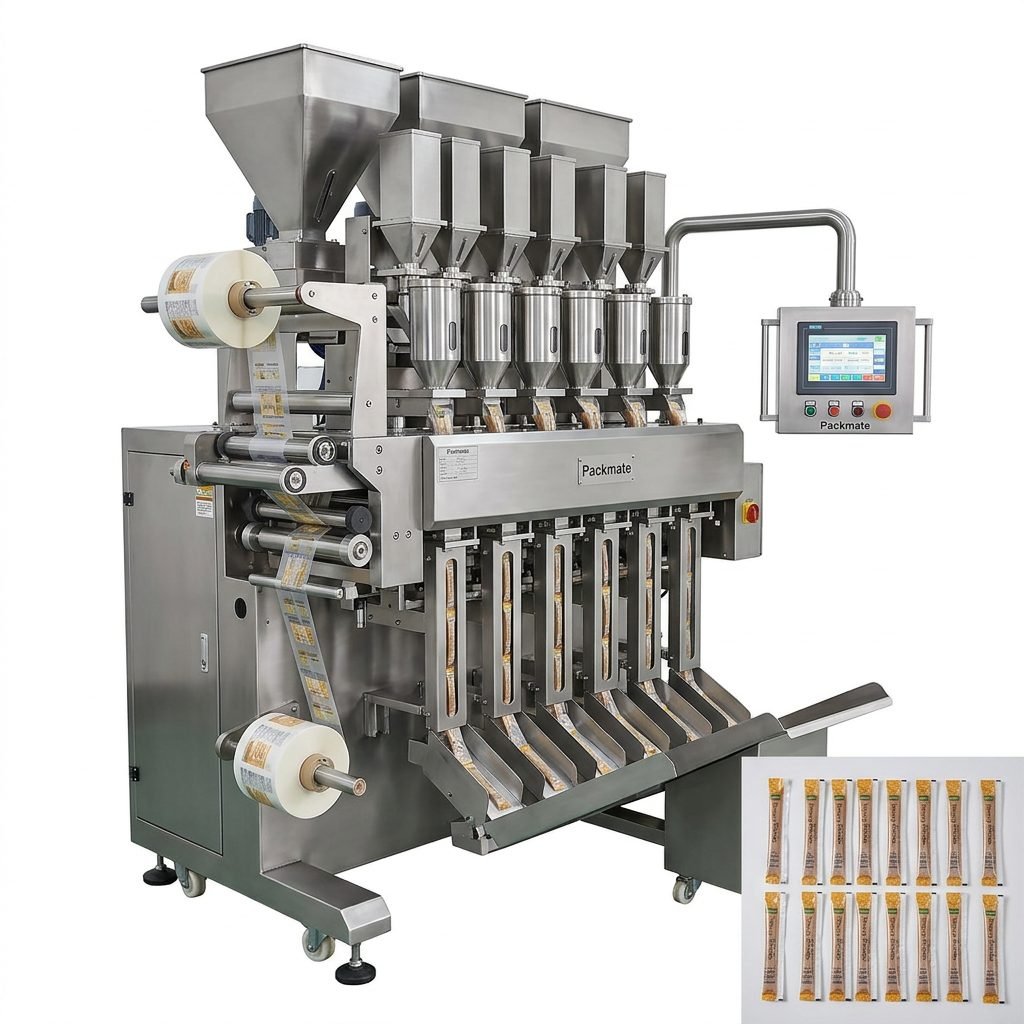
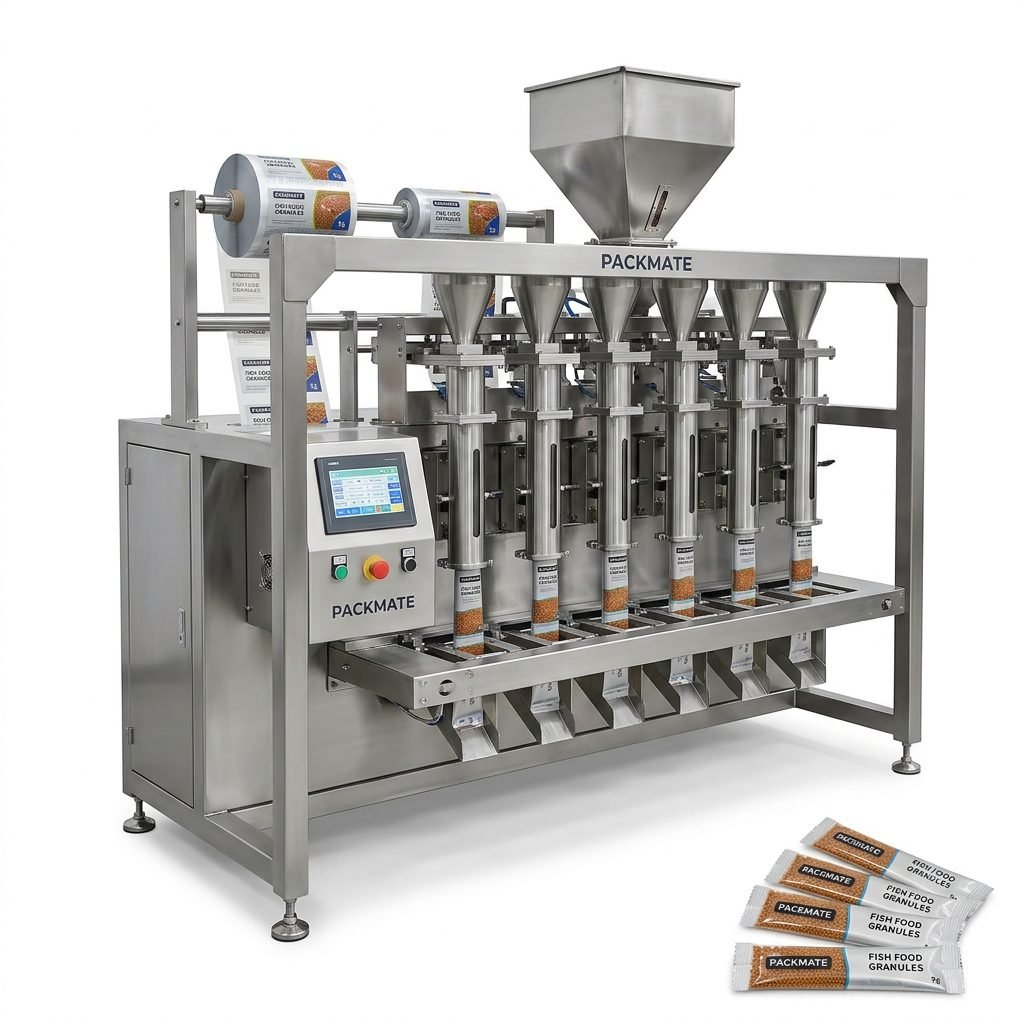
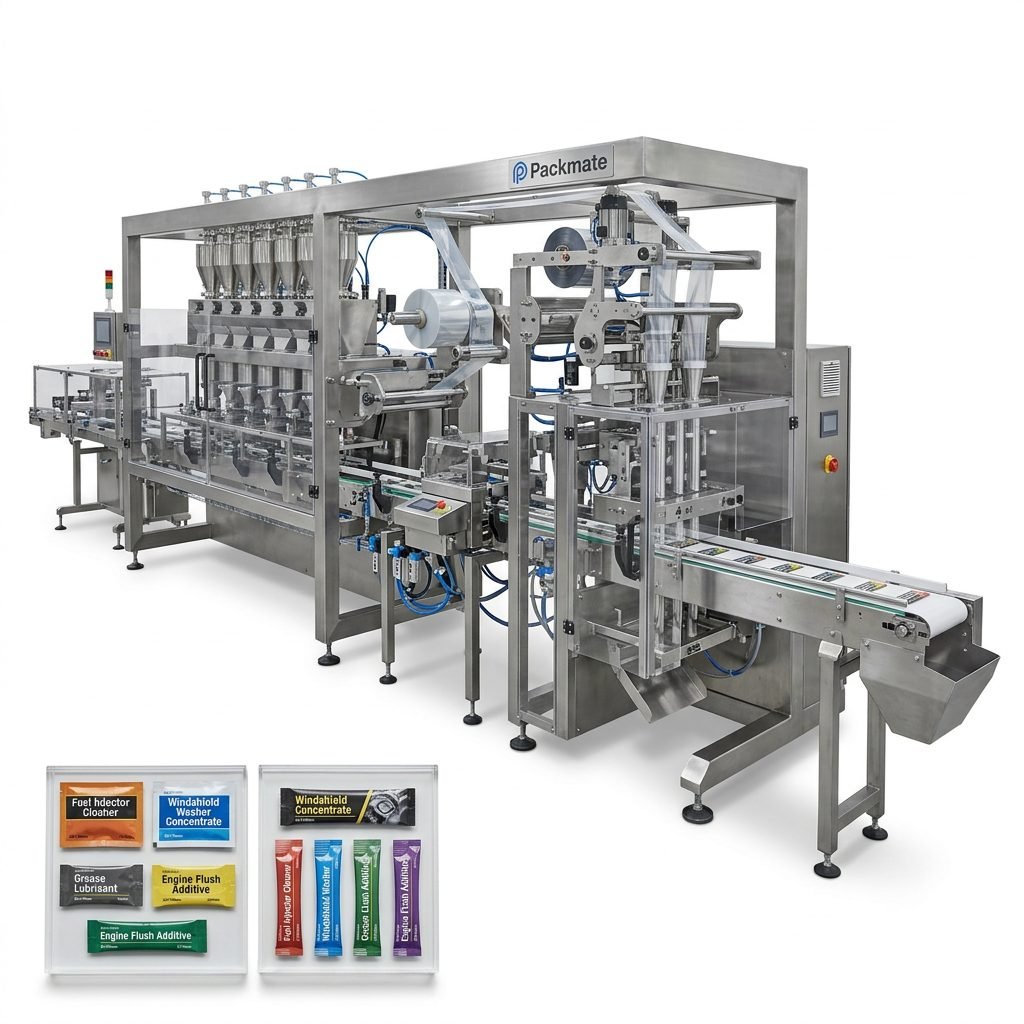
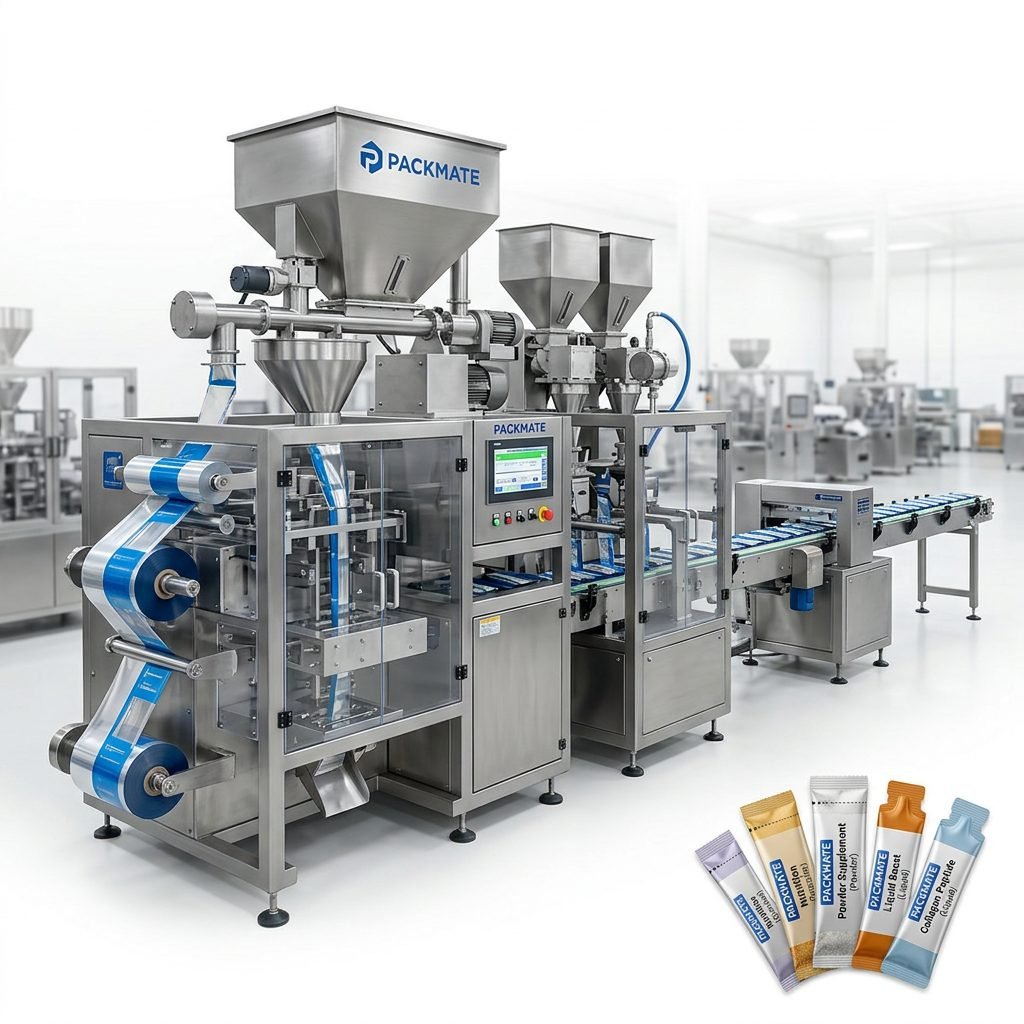
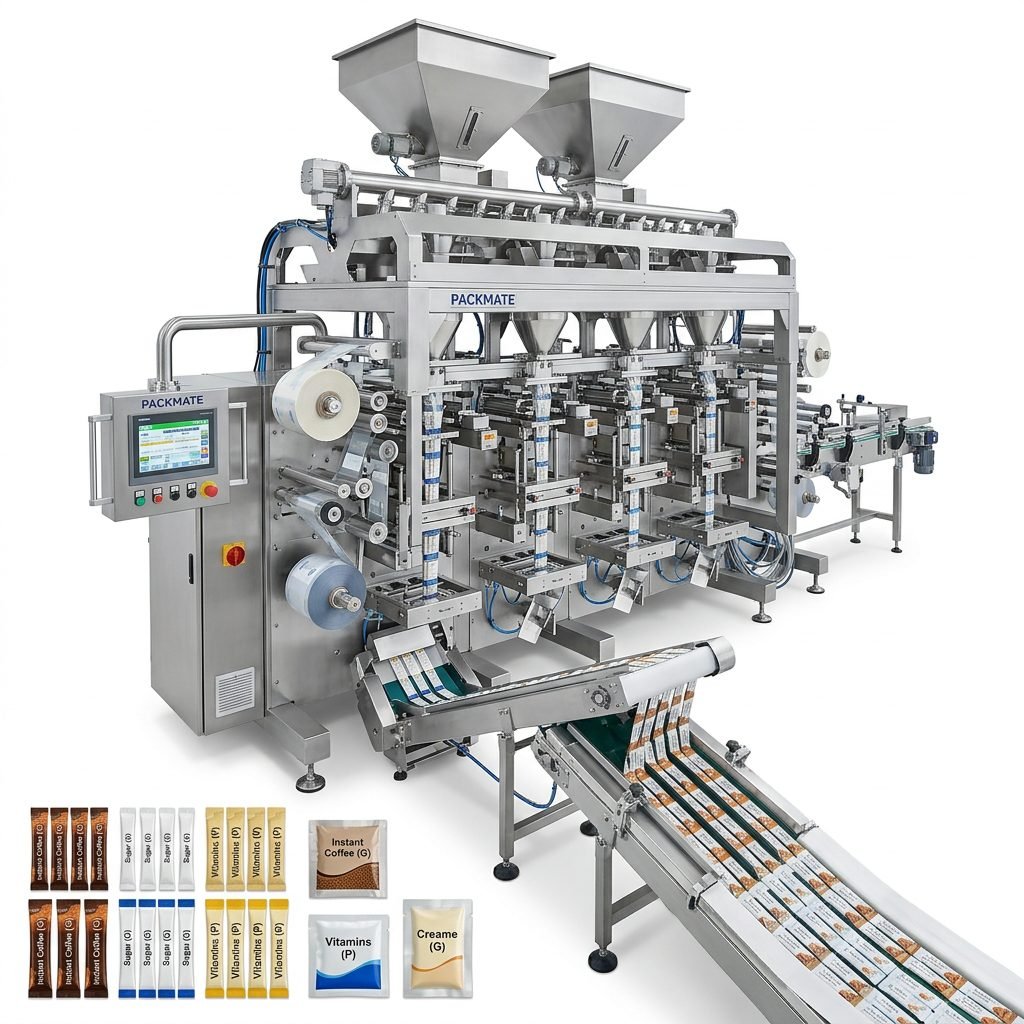
Packmate Machinery offers a balanced approach, focusing on stable machine performance and practical automation. Their equipment, including multi-lane stick pack and sachet machines, is well-suited for medium to large-scale operations in Eswatini processing food powders, beverage mixes, or agricultural supplements. Their experience in export markets ensures their machines are built to handle varied operating conditions.
PacklineOEM: Specialists in Integrated Packaging Lines
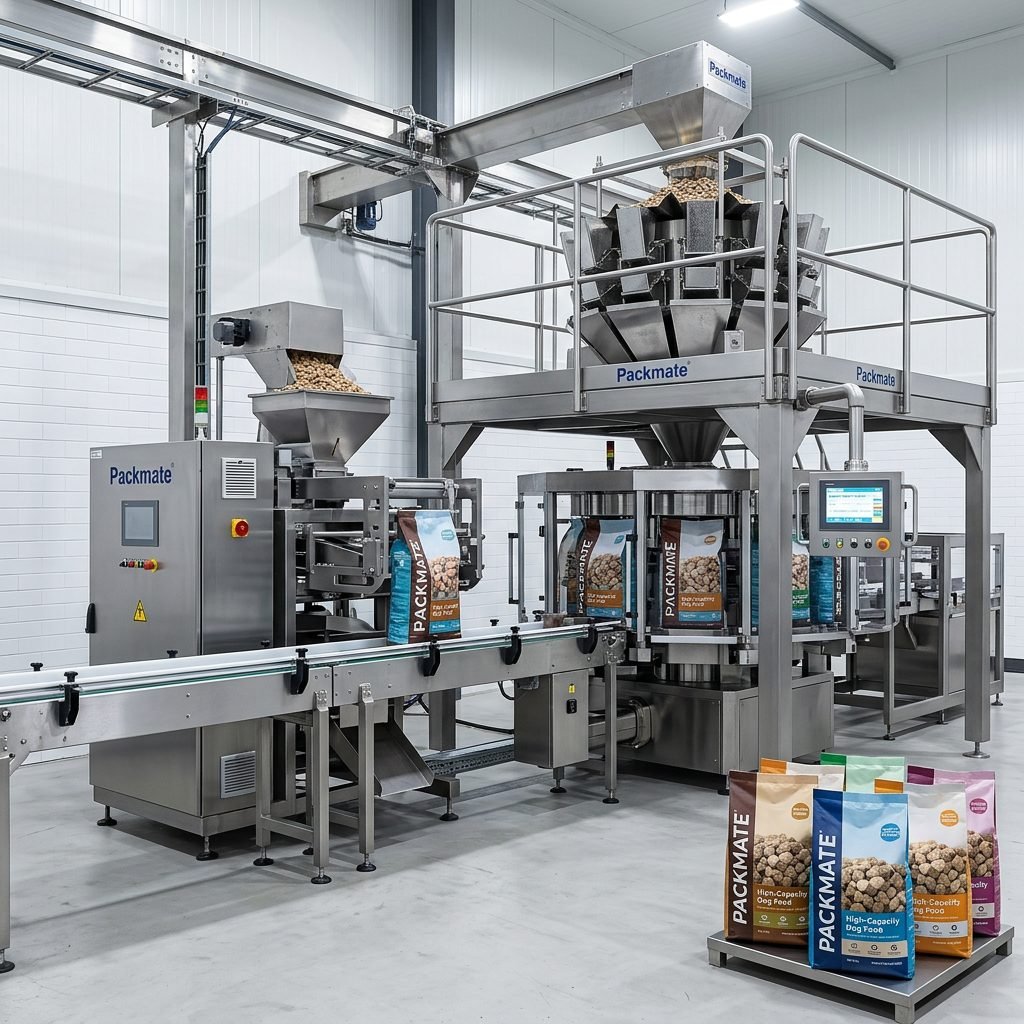
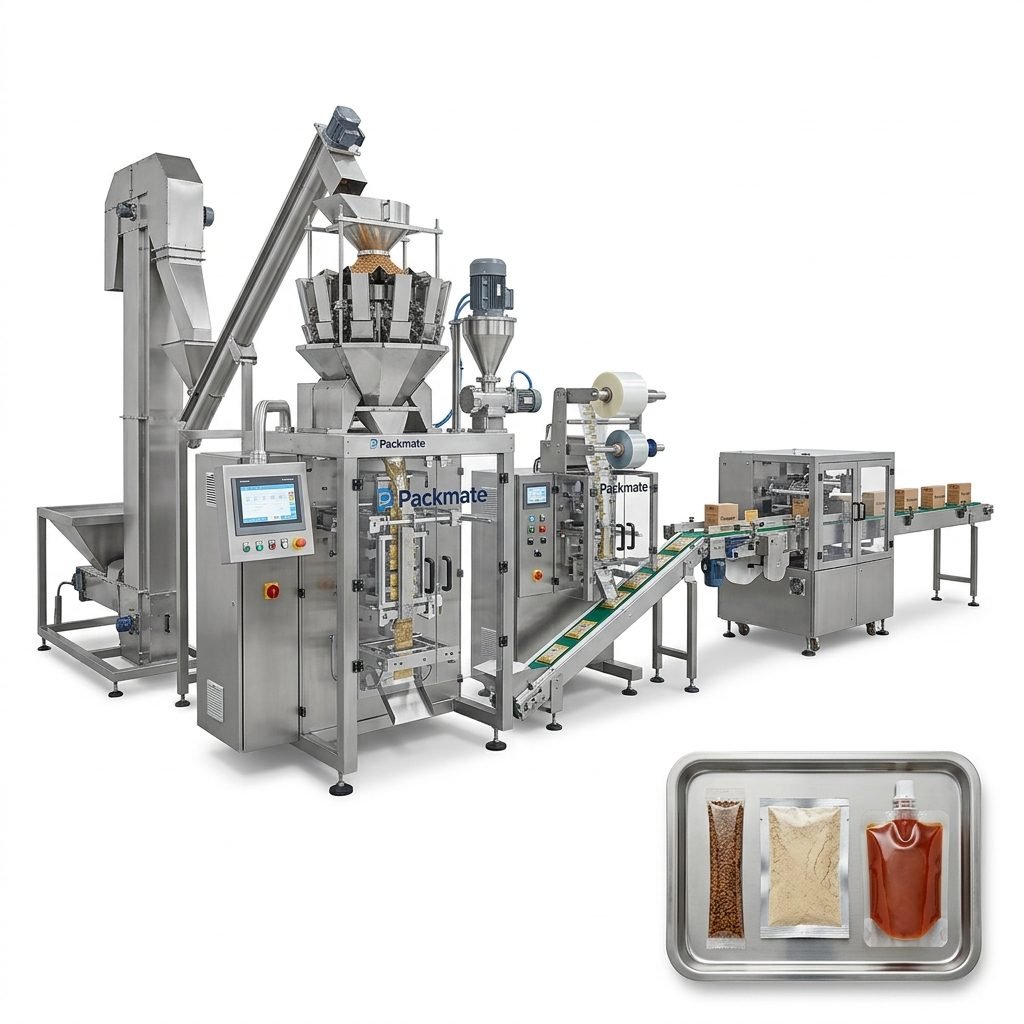
For manufacturers in Eswatini looking beyond standalone machines to fully automated production systems, PacklineOEM is a strong contender. They specialize in complete turnkey lines, integrating feeding, weighing, filling, sealing, and conveying. This is valuable for a local processor aiming to automate an entire production hall for products like bulk grains, fertilizer, or powdered milk with minimal manual intervention.
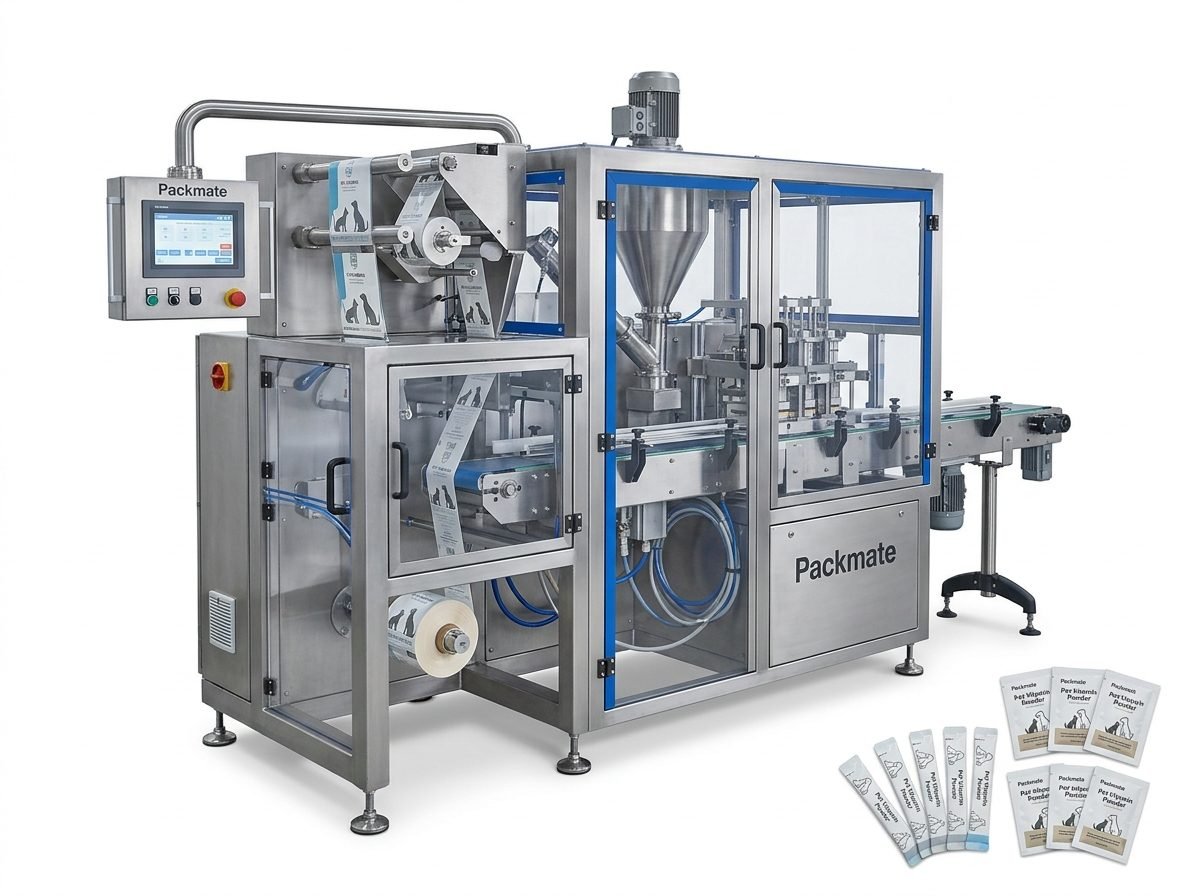
PackingMachineOEM: Flexibility for Custom Requirements
When standard machine configurations fall short, PackingMachineOEM provides essential customization services. Eswatini businesses with unique packaging formats, specific material challenges, or specialized output needs can benefit from their non-standard and OEM-focused approach. This is useful for niche products or when adapting packaging to distinctive local brand requirements.
SnusMachinery: Expertise in Pouch Packaging for Specialized Sectors
While SnusMachinery has a core focus on nicotine pouch packaging, their high-precision, multi-lane pouch technology is also applicable to other high-value granular or powdered products. For Eswatini entrepreneurs in specialty tea, herbal supplements, or single-serve condiments requiring precise dosing and premium pouch quality, their specialized knowledge can be a significant advantage.
Critical Factors for Eswatini Buyers to Consider
Choosing the right partner involves more than just comparing machine specifications. Local manufacturers should evaluate the following:
After-Sales Support & Training: Given the distance from primary manufacturing hubs, confirm the supplier’s commitment to installation support, operator training, and spare parts logistics. Can they provide timely remote diagnostics and have local or regional service agents?
Machine Flexibility & Changeover: For businesses producing seasonal or multiple product lines, the ability to quickly change bag sizes, formats, and filling weights is crucial for operational agility.
Compliance & Safety: Ensure the machinery meets relevant international safety standards (CE, etc.) and is constructed with food-grade or pharmaceutical-grade materials if required for your product.
Total Cost of Ownership (TCO): Look beyond the initial purchase price. Consider energy consumption, maintenance costs, expected machine lifespan, and potential for future upgrades or integration.
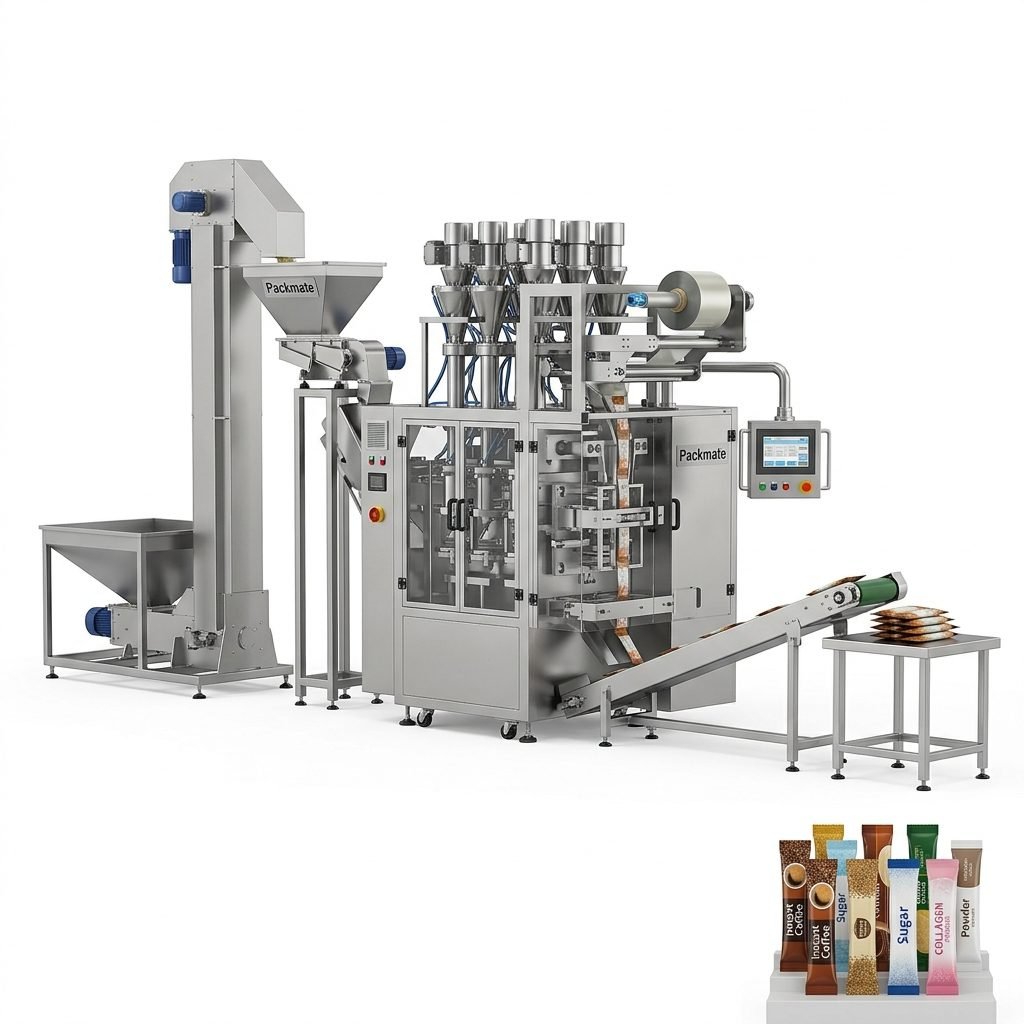
Implementing Your Packaging Automation Project
A successful transition to automated packaging in Eswatini requires careful planning:
- Needs Assessment: Clearly define your current and projected output, product types, packaging materials, and factory floor space.
- Supplier Dialogue: Engage with shortlisted manufacturers. Provide product samples for testing. Discuss customization needs and request detailed quotations.
- Factory Audit & Reference Checks: If possible, visit the manufacturer’s facility or request virtual tours. Speak to existing clients in similar industries or regions.
- Logistics & Installation Planning: Coordinate shipping, customs clearance, and schedule the installation and commissioning phase with the supplier’s engineers.
- Training & Handover: Ensure comprehensive training for your maintenance and operational staff to build in-house expertise for long-term sustainability.
Frequently Asked Questions (FAQs)
What type of packaging machine is most common for Eswatini’s agricultural products?
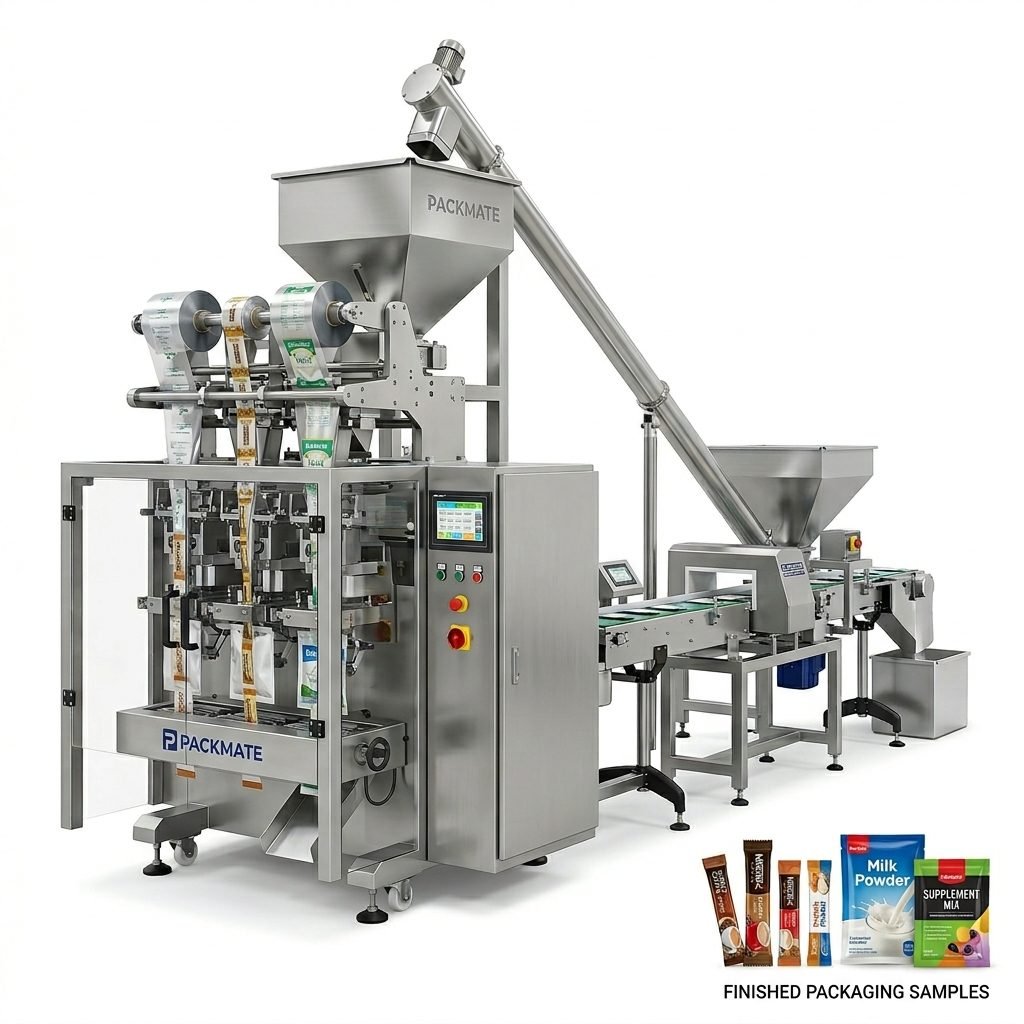
For granules (sugar, seeds, grains) and powders (flour, spices, milk powder), vertical form-fill-seal (VFFS) machines and multi-lane stick pack/sachet machines are highly prevalent. They offer good speed, accuracy, and are adaptable to various bag sizes.
How can I ensure reliable machine operation given potential challenges with spare parts delivery?
Choose a manufacturer known for robust build quality and standardize on machines that use common, globally available mechanical and electrical components. As part of the purchase, negotiate an initial spare parts kit and a clear supply agreement for critical parts.
Is it better to buy a standalone machine or a complete turnkey line?
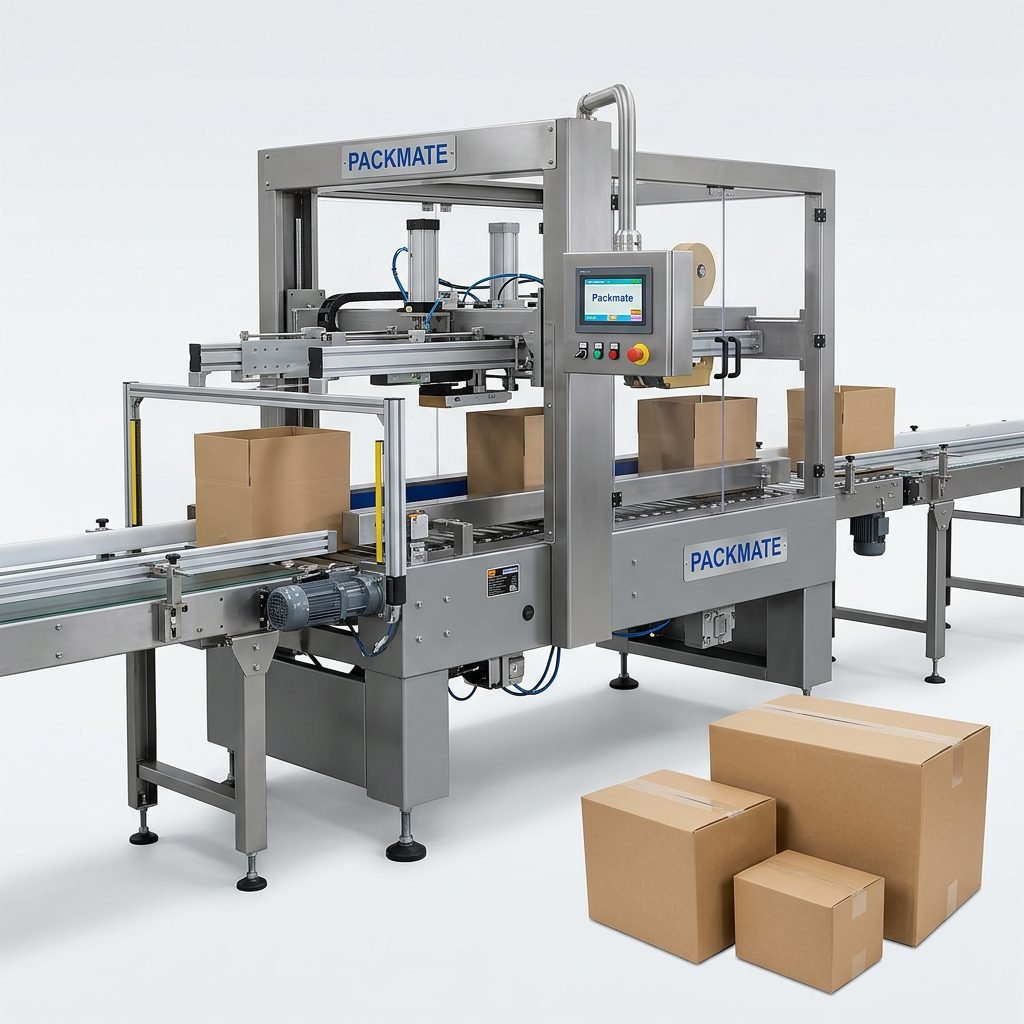
This depends on your scale and automation goals. A standalone machine is suitable for automating a single packaging step. A turnkey line, which integrates multiple processes, is ideal for new facilities or major expansions where you seek maximum efficiency and minimal manual handling from raw material to final carton.
Can these machines handle local packaging materials, such as specific laminates or recycled content films?
Most modern packaging machines are designed to handle a range of materials. It is critical to provide your intended packaging film samples to the manufacturer during the evaluation phase. They can test runability and may suggest slight machine adjustments or sealing parameter optimizations for best results.
What is the typical lead time for receiving and installing a packaging line in Eswatini?
Lead times vary based on machine complexity and customization. For standard models, expect 3 to 6 months from order to delivery, including manufacturing, sea freight, and customs clearance. Installation and commissioning may take an additional 1-3 weeks with the supplier’s engineers on-site.