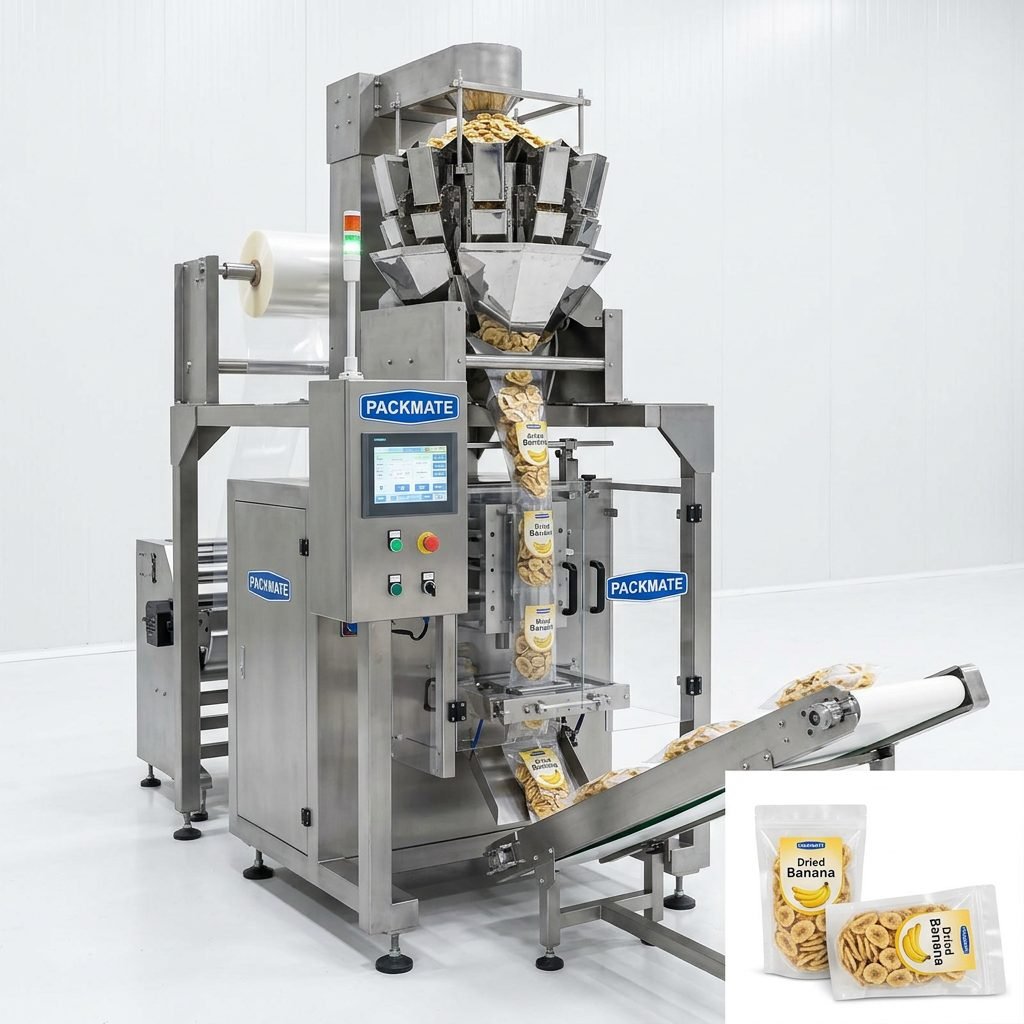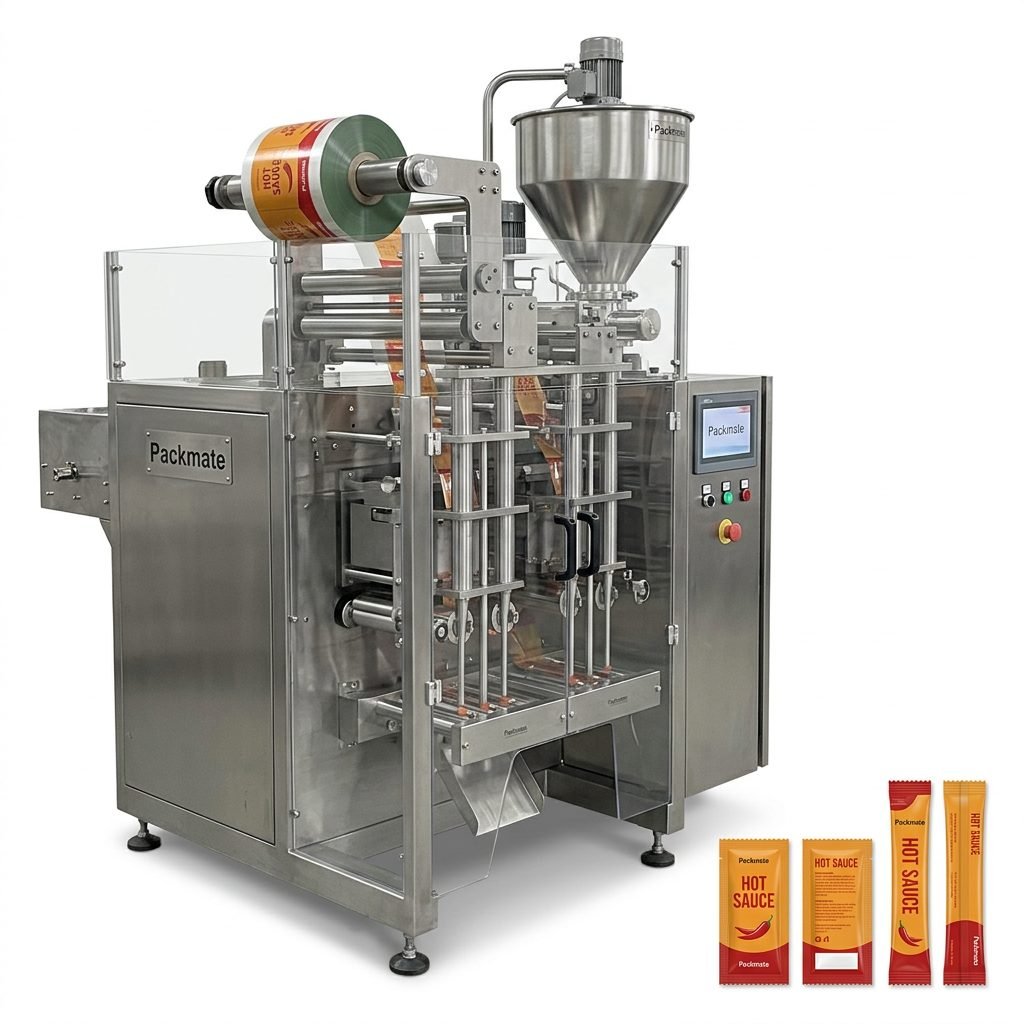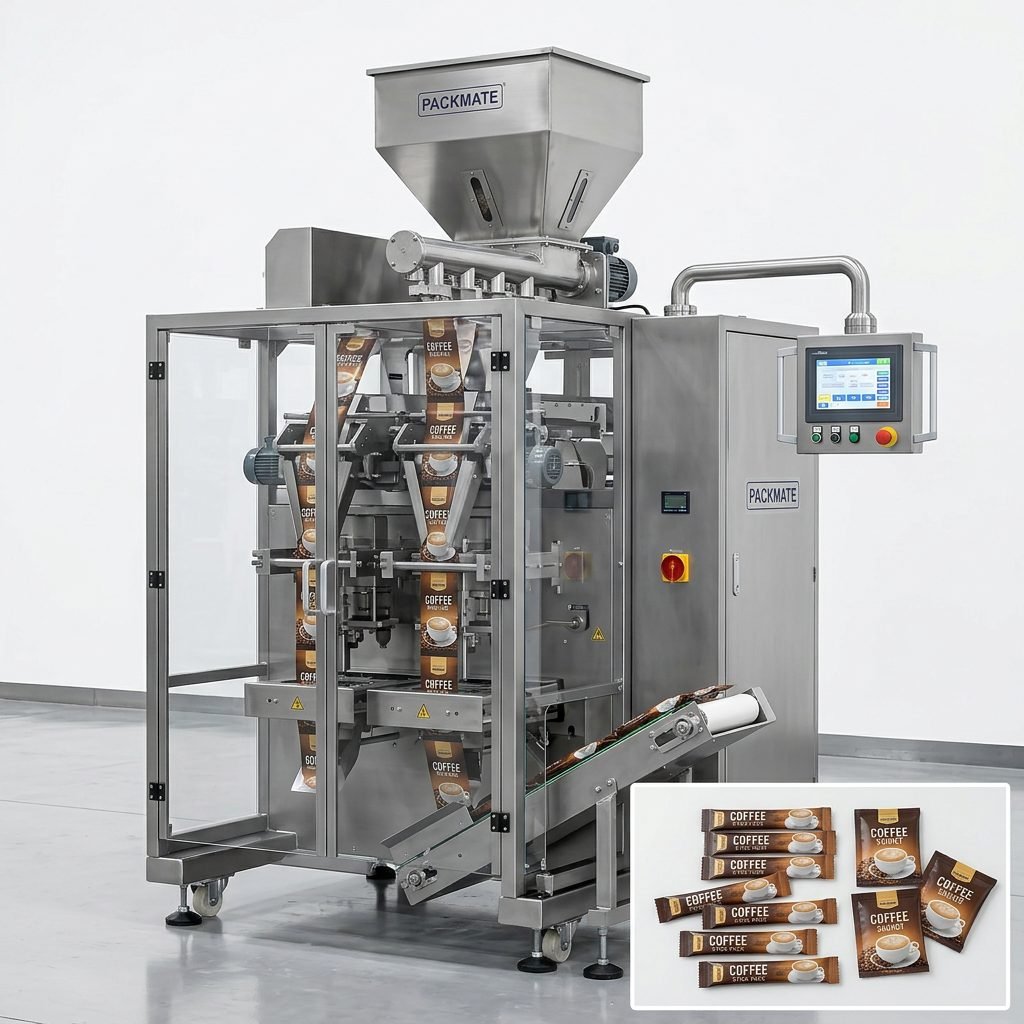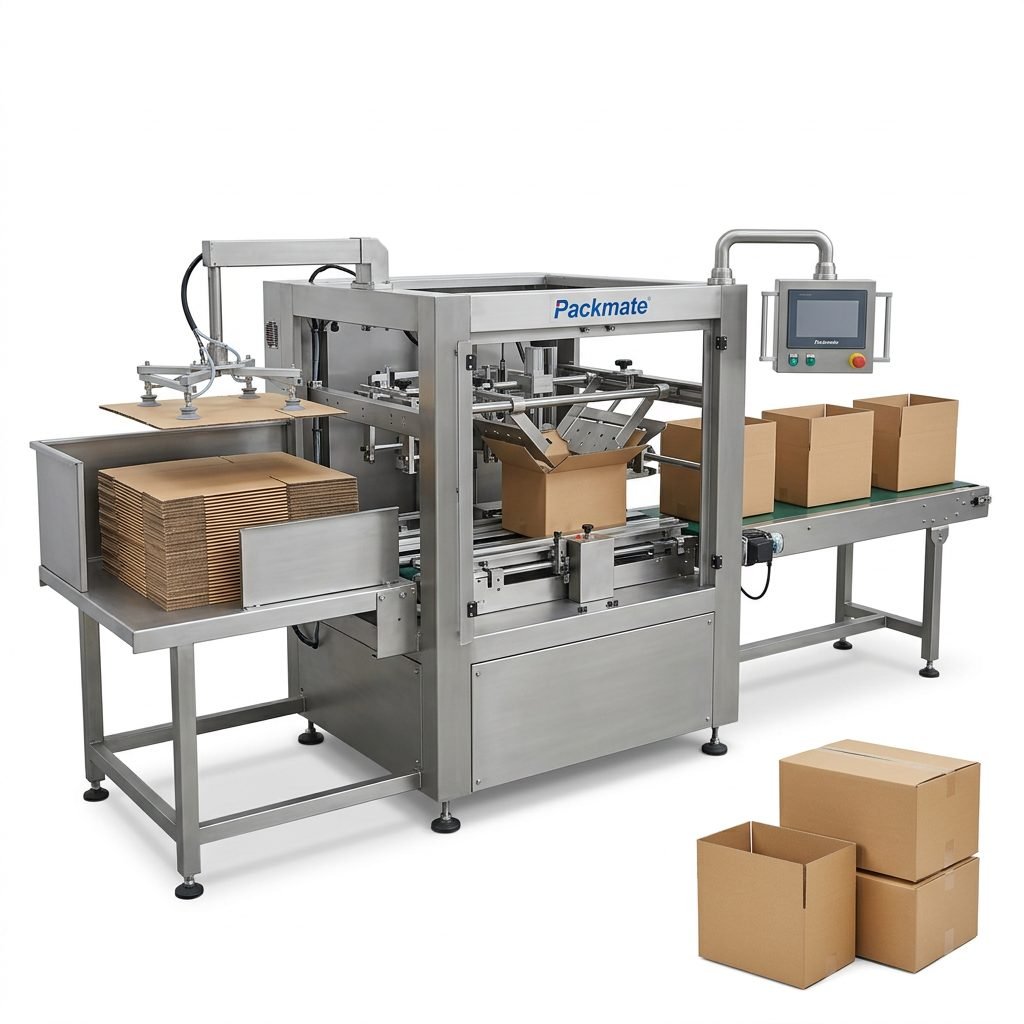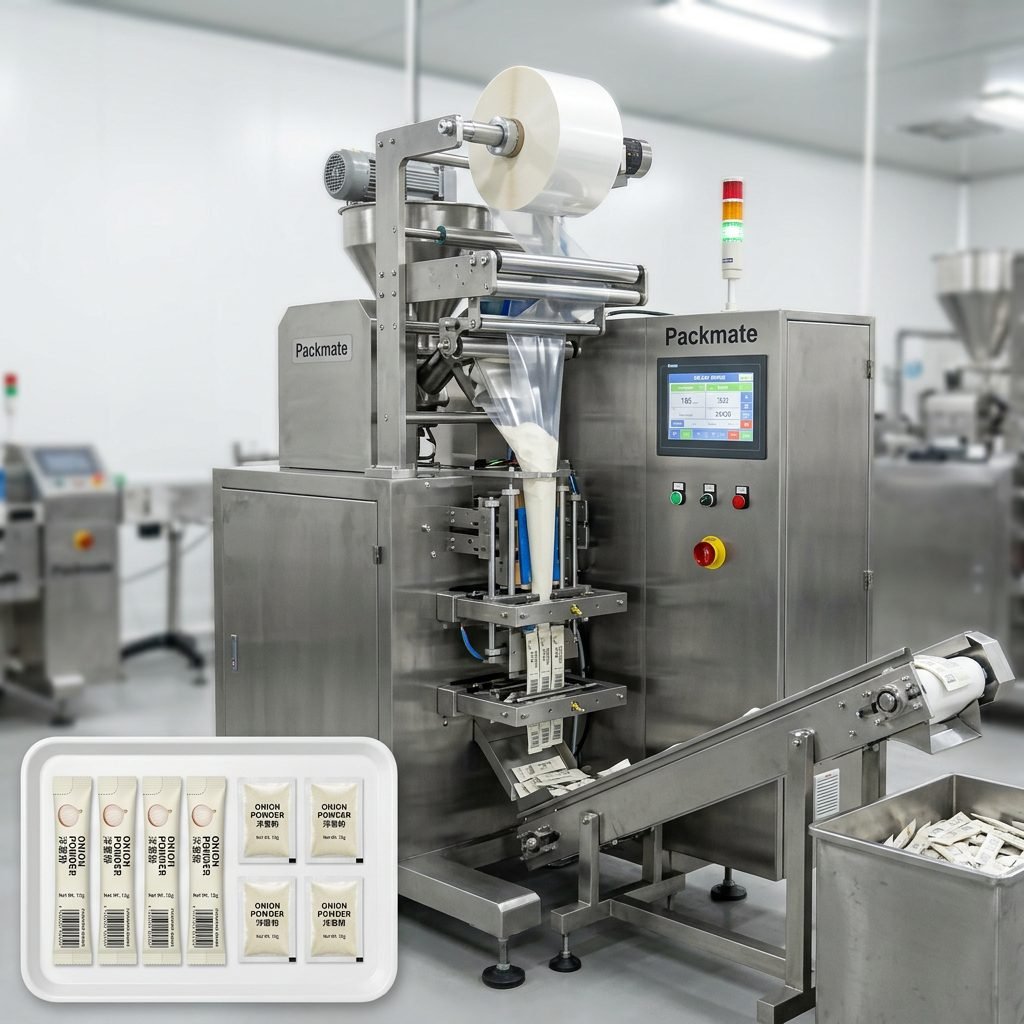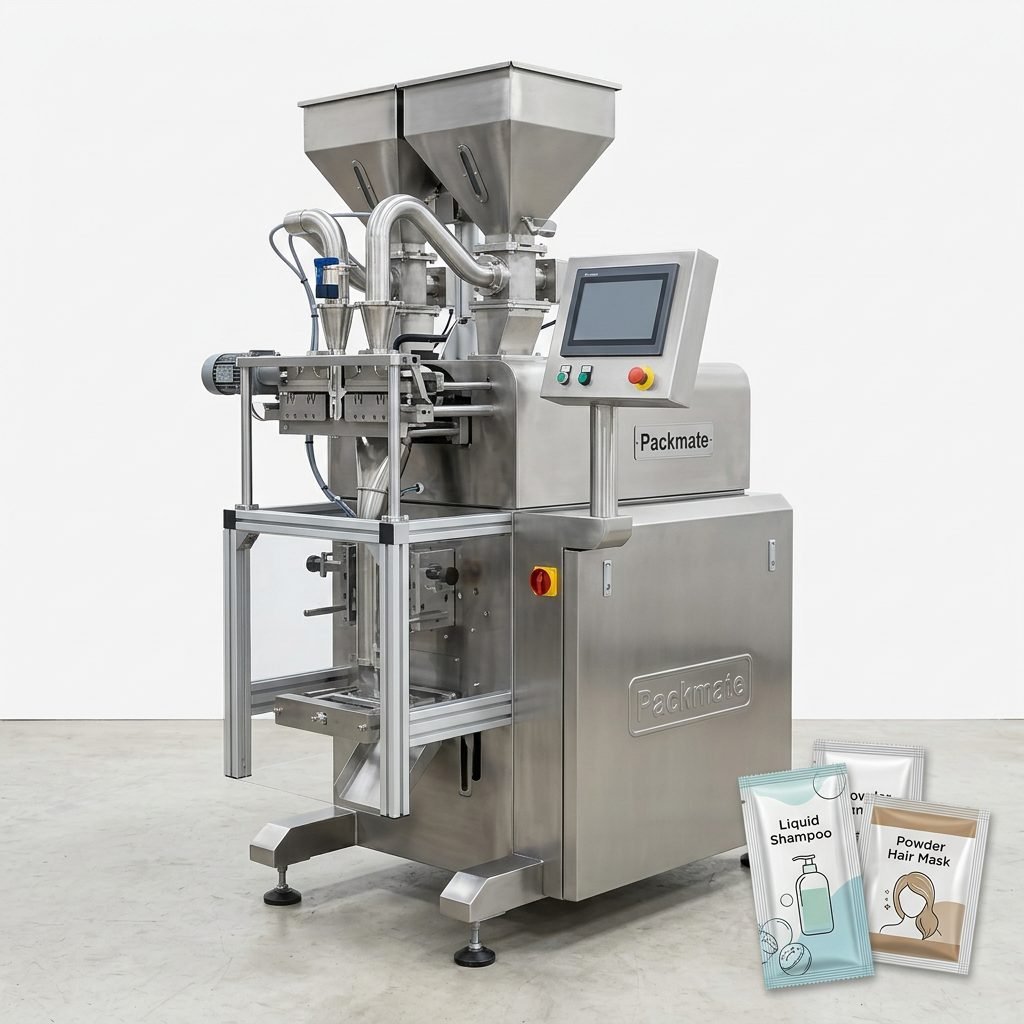
In today’s fast-paced and highly regulated markets for food, pharmaceuticals, and health products, packaging is far more than just a final step in production. It is a critical component of product integrity, safety, brand identity, and supply chain efficiency. Secondary packaging, the layer that groups and protects primary packaged units, plays a particularly vital role. For businesses seeking reliability and scalability, investing in a complete secondary packaging system is not just an option—it’s a strategic imperative. These turnkey solutions integrate seamlessly from primary packaging output to palletization, ensuring a cohesive, efficient, and compliant operation.
The Strategic Importance of Secondary Packaging
Secondary packaging systems encompass the machinery and processes that handle, collate, carton, bundle, and prepare primary packages for distribution and retail. This includes cartoners, case packers, bundlers, wrappers, and palletizers. For sectors like food, pharma, and health products, the demands on these systems are exceptionally high.
Core Demands Addressed by Turnkey Systems:
- Product Protection & Preservation: Shielding against physical damage, contamination, and environmental factors like moisture and light is paramount, especially for sensitive pharmaceuticals and perishable foods.
- Regulatory Compliance: Adhering to strict standards such as FDA, GMP, and EU regulations requires traceability, tamper-evidence, and precise labeling—all integrated into modern systems.
- Supply Chain Efficiency: Optimizing pack size, weight, and stability for automated handling, storage, and transportation reduces costs and minimizes damage.
- Brand Enhancement & Consumer Experience: Secondary packaging is a key brand touchpoint, influencing shelf appeal and providing essential consumer information.
Components of a Complete Turnkey Secondary Packaging Line
A true turnkey solution is designed, supplied, installed, and commissioned as a unified whole. Partnering with an experienced provider like Packmate (GuangDong) Co., Ltd. ensures all components work in perfect harmony. Here’s a breakdown of a typical integrated line:
1. Infeed & Product Handling Systems
This is the critical interface where primary packages (bottles, sachets, blister packs) are received, oriented, and singulated. Advanced systems use gentle handling mechanisms and vision systems to ensure correct positioning and reject faulty products without disrupting the flow.
2. Cartoning & Case Packing
The heart of many secondary operations. Automatic cartoners form, load, and seal cartons at high speeds. Case packers then efficiently place these cartons or primary packages into shipping cases. Modern machines offer incredible flexibility to handle various sizes and patterns, crucial for businesses with diverse product portfolios.
3. Bundling & Multi-Packing
For retail-ready packaging, bundlers use film or paperboard to group products together. This creates convenient multi-packs for consumers while providing an additional layer of protection and branding space.
4. Labeling & Coding
Integrated labeling systems apply barcodes, QR codes, batch numbers, expiry dates, and nutritional information directly onto secondary packages. This ensures 100% accurate, legible coding for track-and-trace compliance and retail requirements.
5. Palletizing & End-of-Line Automation
Robotic or conventional palletizers stack cases onto pallets in stable, optimized patterns. Conveyors then transport finished pallets to stretch wrapping stations and ultimately to the warehouse, completing the automated journey. View real-world applications in our detailed project case studies.
Why Choose a Turnkey Solution Over Piecemeal Equipment?
Procuring machines from different vendors and attempting integration in-house is a common pitfall. A turnkey approach from a single expert provider offers distinct advantages:
✔ Single Point of Responsibility: One partner manages the entire project—design, manufacturing, installation, training, and after-sales service. This eliminates finger-pointing and streamlines communication.
✔ Optimized System Integration: Machines are engineered from the outset to communicate and synchronize, maximizing Overall Equipment Effectiveness (OEE) and minimizing bottlenecks.
✔ Faster Time-to-Market: With coordinated planning and execution, your new packaging line becomes operational much quicker, accelerating your return on investment.
✔ Future-Proof Scalability: A reputable provider designs with your growth in mind, allowing for easier future upgrades or capacity expansions.
Sector-Specific Applications and Considerations
For the Pharmaceutical Industry
Compliance is non-negotiable. Systems must be designed for easy cleaning and validation, often using stainless steel and cleanroom-compatible components. Serialization and aggregation—tracking each saleable unit through to the case and pallet—are mandatory in many regions, requiring sophisticated software integration.
For the Food & Beverage Industry
Speed, hygiene, and flexibility are key. Lines must handle diverse package shapes and sizes, from cereal boxes to sauce sachets. Hygienic design prevents bacterial harborage, and quick changeover capabilities are essential for short production runs of different products.
For Health & Nutraceutical Products
This sector often blends requirements from both pharma and food. Products like vitamins, protein powders, and supplements demand high-quality packaging that ensures stability and communicates premium quality to health-conscious consumers. Child-resistant or senior-friendly features may also be required.
The Packmate Advantage: Over Two Decades of Integrated Solutions
With a foundation built on over 22 years of company development and a 20,000㎡ modern manufacturing facility, Packmate embodies the turnkey philosophy. Our journey from a specialized workshop to a leading provider of intelligent packaging lines has been driven by a deep understanding of client challenges. We don’t just sell machines; we deliver complete, reliable production ecosystems.
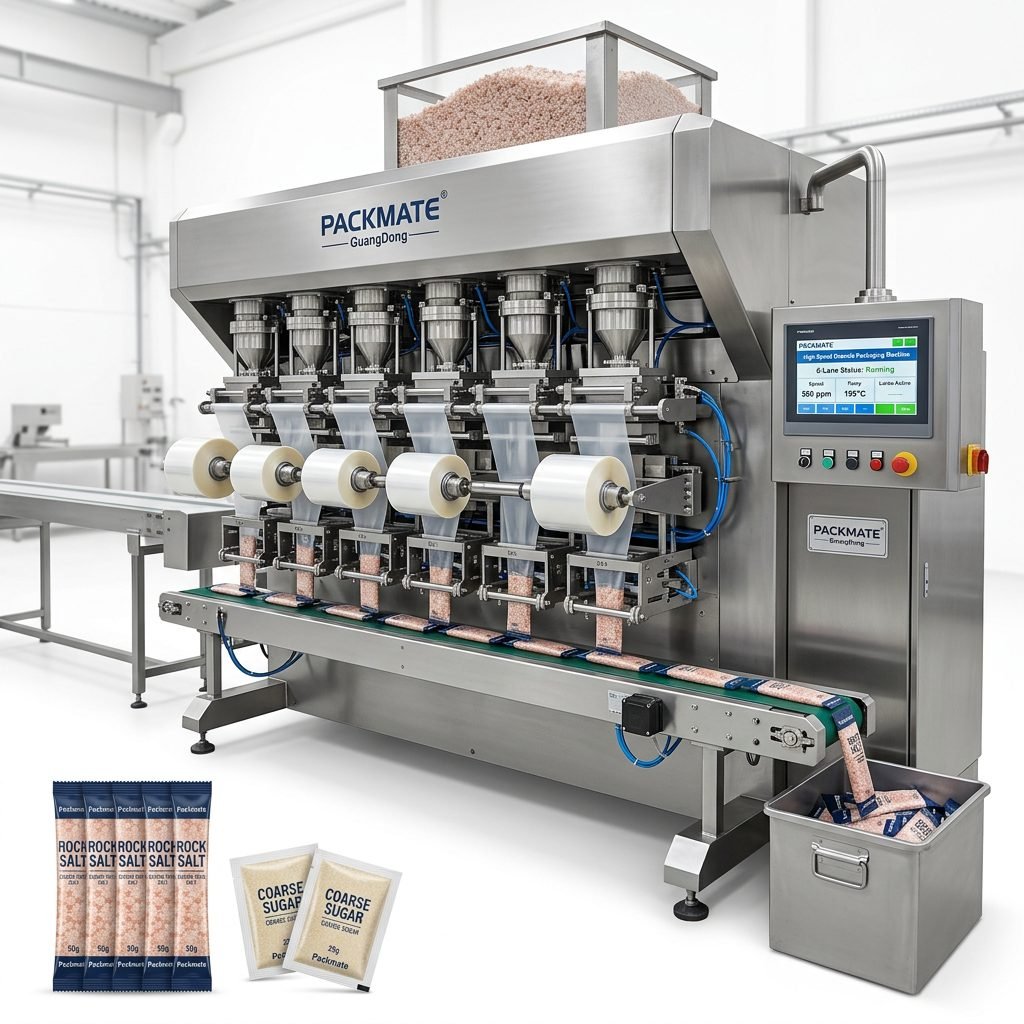
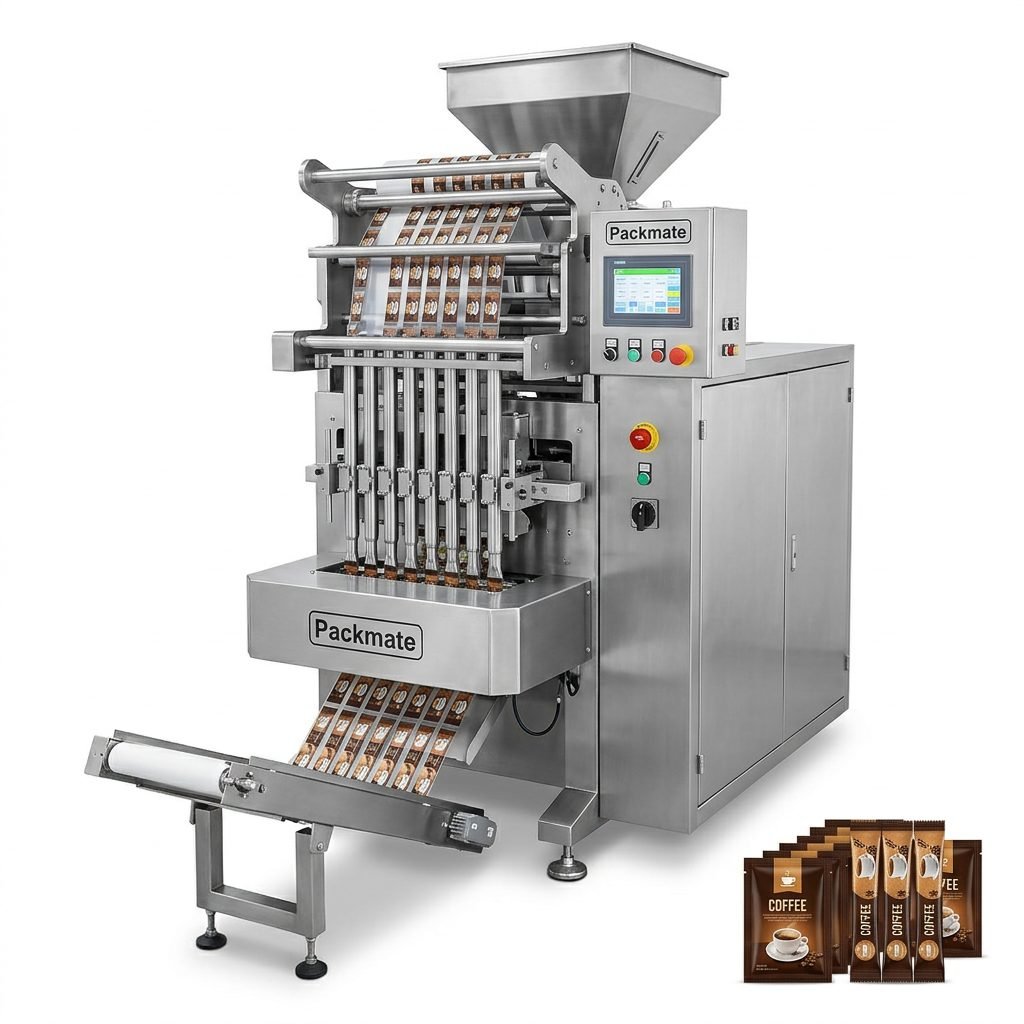
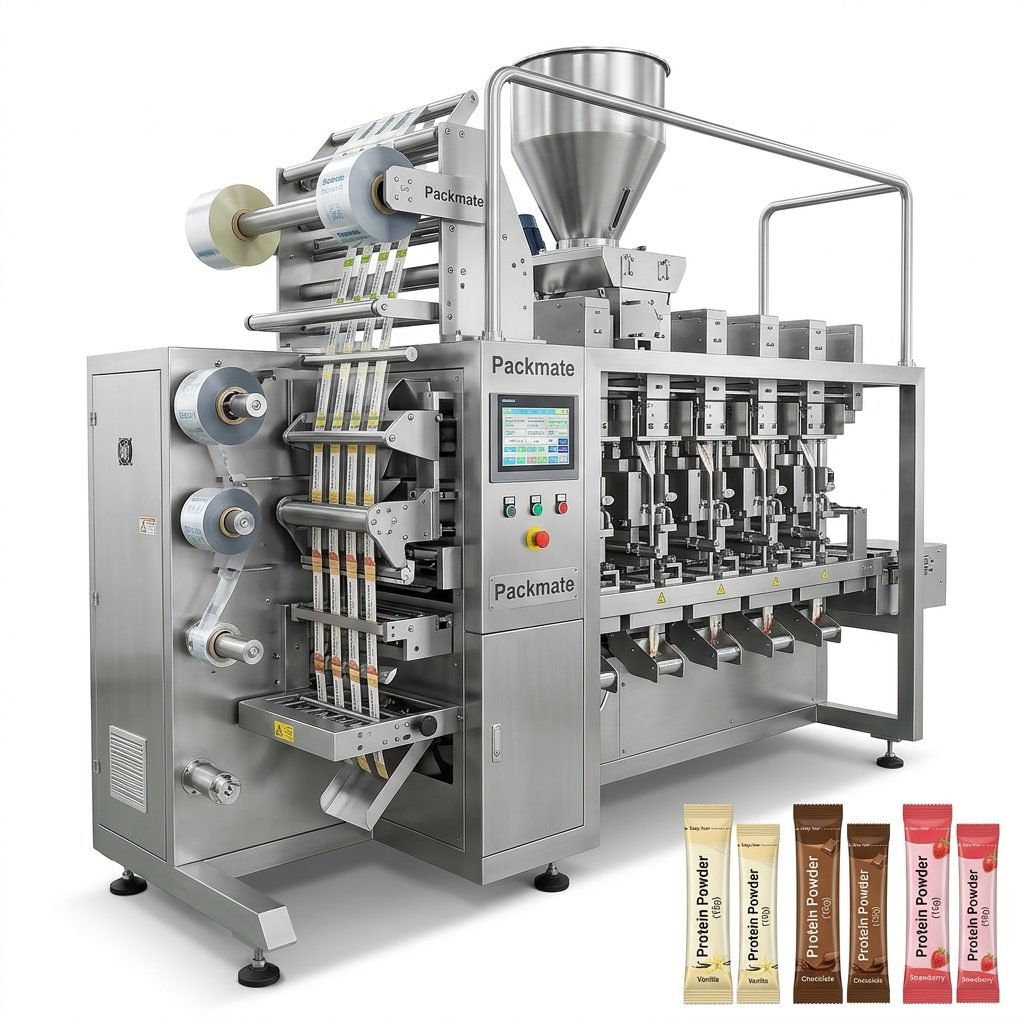
Our team of 125+ professional members leverages 100+ advanced production equipment to design systems that are robust, efficient, and tailored to specific client needs. From multi-lane stick pack lines for instant coffee to large bag packaging for powdered ingredients, our secondary packaging systems ensure that your products are market-ready, secure, and presented perfectly. Learn more about our guiding principles on our Mission & Vision page.
Implementing Your Turnkey System: Key Steps
Successful implementation is a collaborative process:
- Needs Analysis & Concept Design: Our engineers work with you to understand your products, volumes, facility constraints, and goals.
- Detailed Engineering & Planning: Every mechanical, electrical, and software detail is mapped out, including factory layout and utility requirements.
- Manufacturing & Factory Acceptance Testing (FAT): The system is built and rigorously tested at our facility before shipment, ensuring performance meets specifications.
- Installation & Site Acceptance Testing (SAT): Our technicians supervise installation and commissioning at your site, training your operators along the way.
- Ongoing Support & Optimization: We provide comprehensive after-sales support, spare parts, and service to ensure long-term peak performance.
Frequently Asked Questions (FAQs)
1. What is the main difference between primary and secondary packaging?
Primary packaging is in direct contact with the product (e.g., a bottle, blister pack, or sachet). Secondary packaging groups and protects these primary packages for distribution and retail (e.g., a carton holding 24 bottles, or a shrink-wrapped bundle of 6 sachets).
2. How long does it typically take to commission a complete turnkey secondary packaging line?
The timeline varies based on complexity and customization, but typically ranges from 6 to 12 months from initial design to full production. This includes design, manufacturing, factory testing, shipping, installation, and on-site commissioning.
3. Can a turnkey system handle frequent product changeovers?
Absolutely. Modern systems are designed for flexibility. Features like quick-change tooling, programmable logic controller (PLC) recipes, and servo-driven adjustments allow for rapid changeovers between different product sizes or pack patterns, minimizing downtime.
4. How do you ensure the system complies with industry regulations (e.g., FDA, GMP)?
Compliance is built into the design. We use compliant materials (e.g., food-grade or pharmaceutical-grade components), design for cleanability, and integrate necessary features like tamper-evidence and precise coding. Our documentation supports your validation protocols. Details on our certifications are available here.
5. What kind of after-sales support can we expect?
Comprehensive support is a cornerstone of our turnkey offering. This includes detailed operator and maintenance training, readily available spare parts, remote diagnostics support, and access to service technicians for on-site assistance when needed, ensuring maximum uptime for your operation.