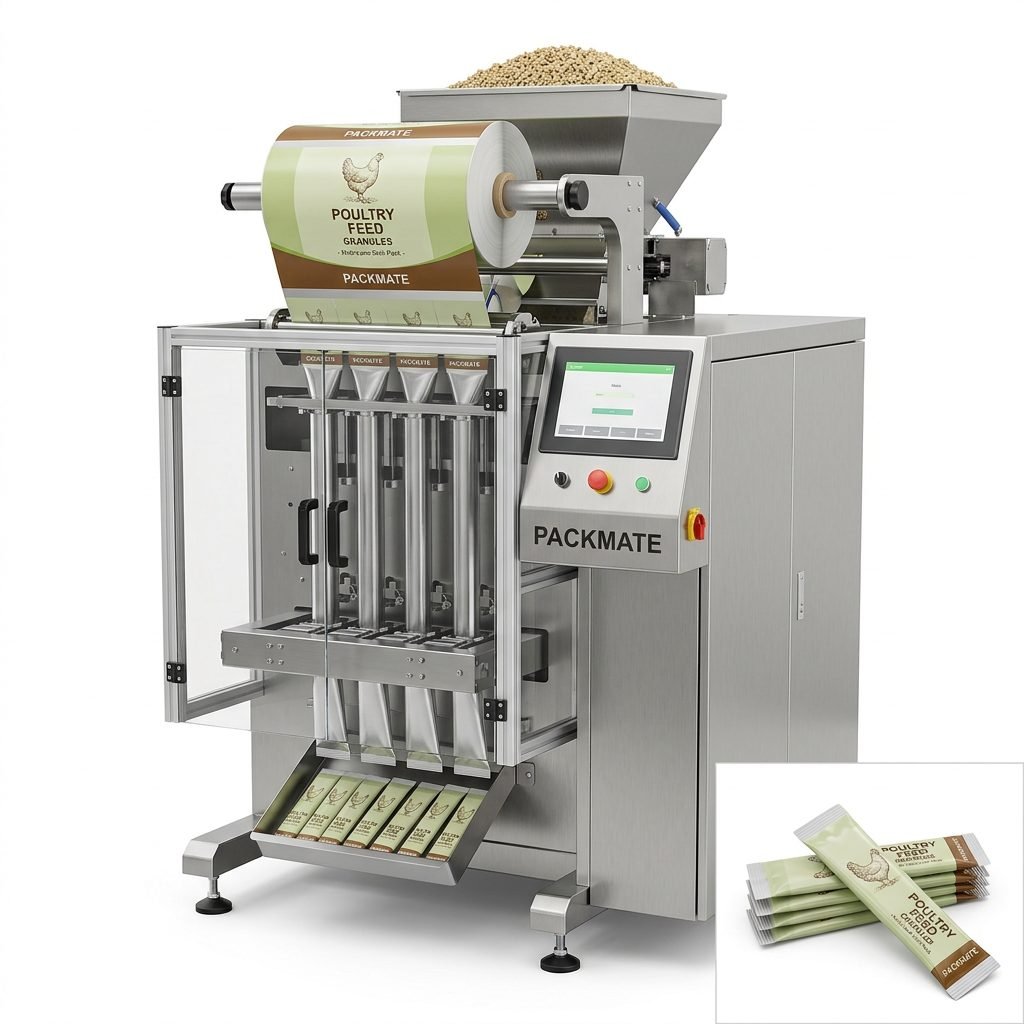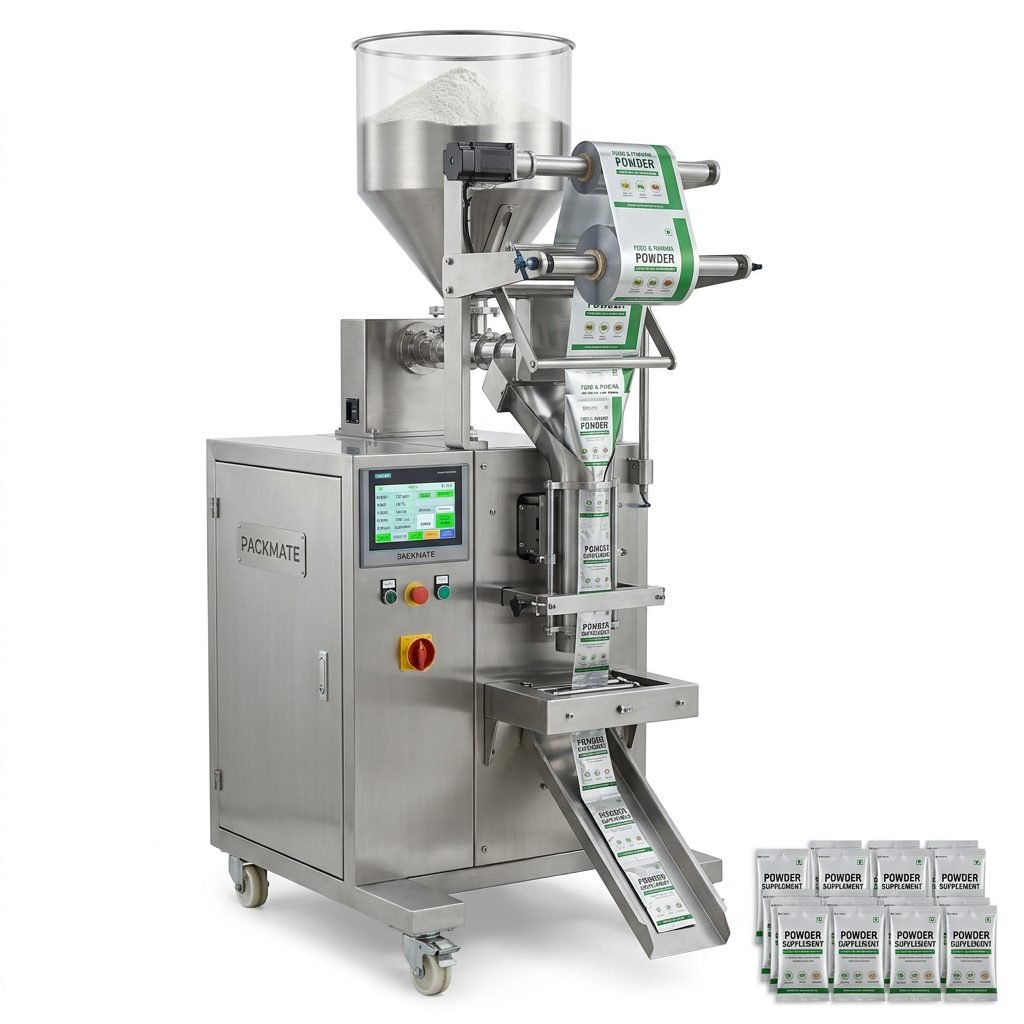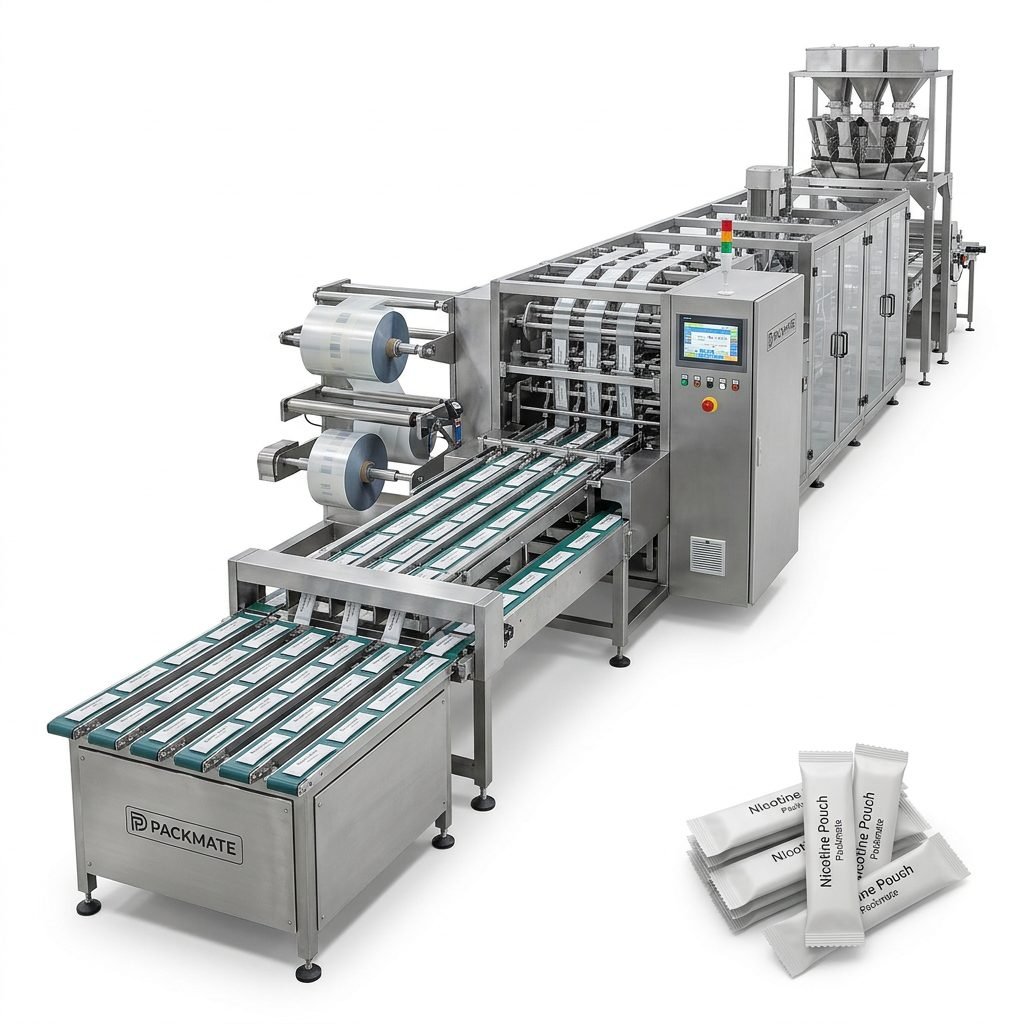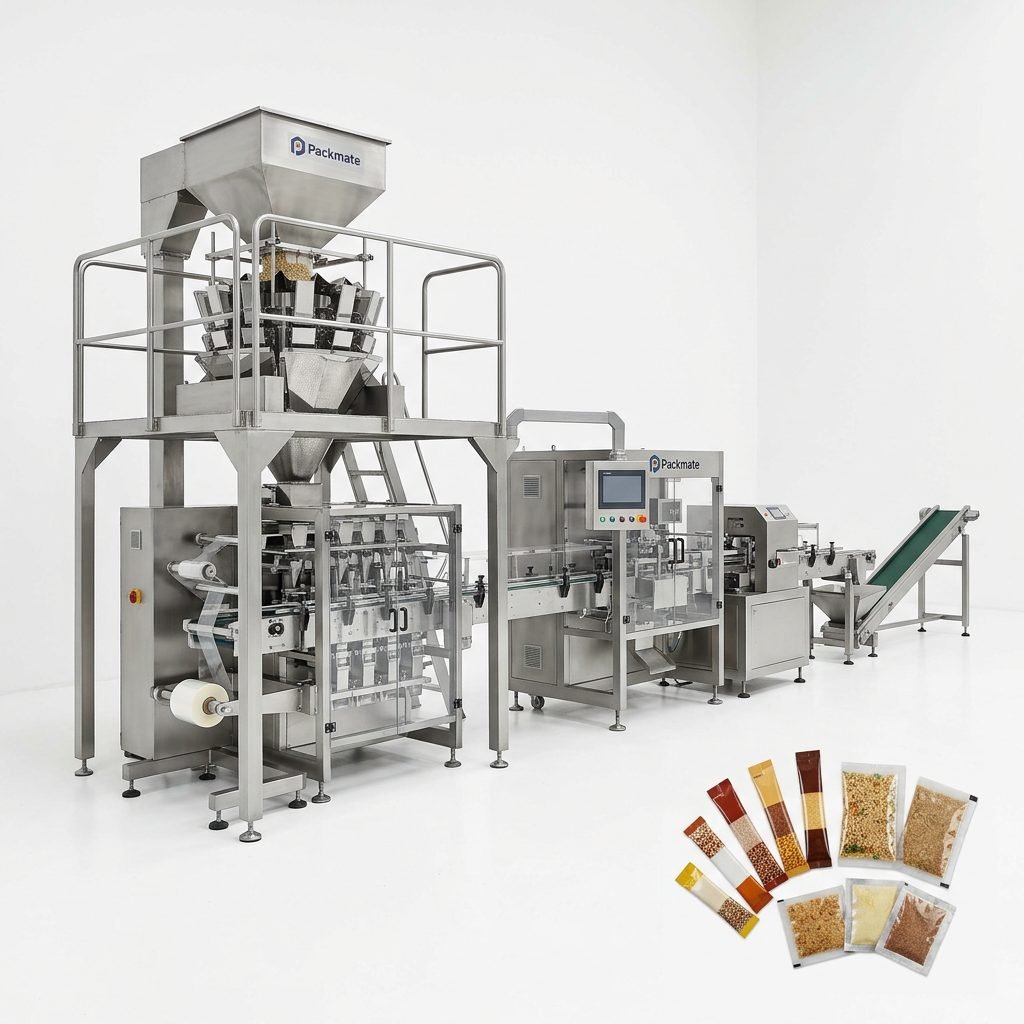
The landscape of modern manufacturing is defined by precision, speed, and stringent quality control. Nowhere is this more critical than in the food, pharmaceutical, and bulk goods sectors, where packaging is not merely a final step but a vital component of product integrity, safety, and marketability. Industrial bagging equipment has evolved from simple filling machines to sophisticated, automated systems that form the backbone of efficient production lines. These systems handle everything from delicate pharmaceutical powders and granular food products to large volumes of industrial materials, ensuring each bag is sealed with exact weight, protected from contamination, and ready for distribution.
The Critical Role of Automation in Modern Packaging
Automation in packaging is no longer a luxury; it is a fundamental requirement for competitiveness and compliance. For businesses in the food and pharmaceutical industries, manual or semi-automatic processes introduce risks of inconsistency, contamination, and high labor costs. Automated industrial bagging lines address these challenges head-on by delivering unmatched consistency, traceability, and operational efficiency. These systems are engineered to perform repetitive tasks with robotic precision, drastically reducing human error and intervention on the production floor.
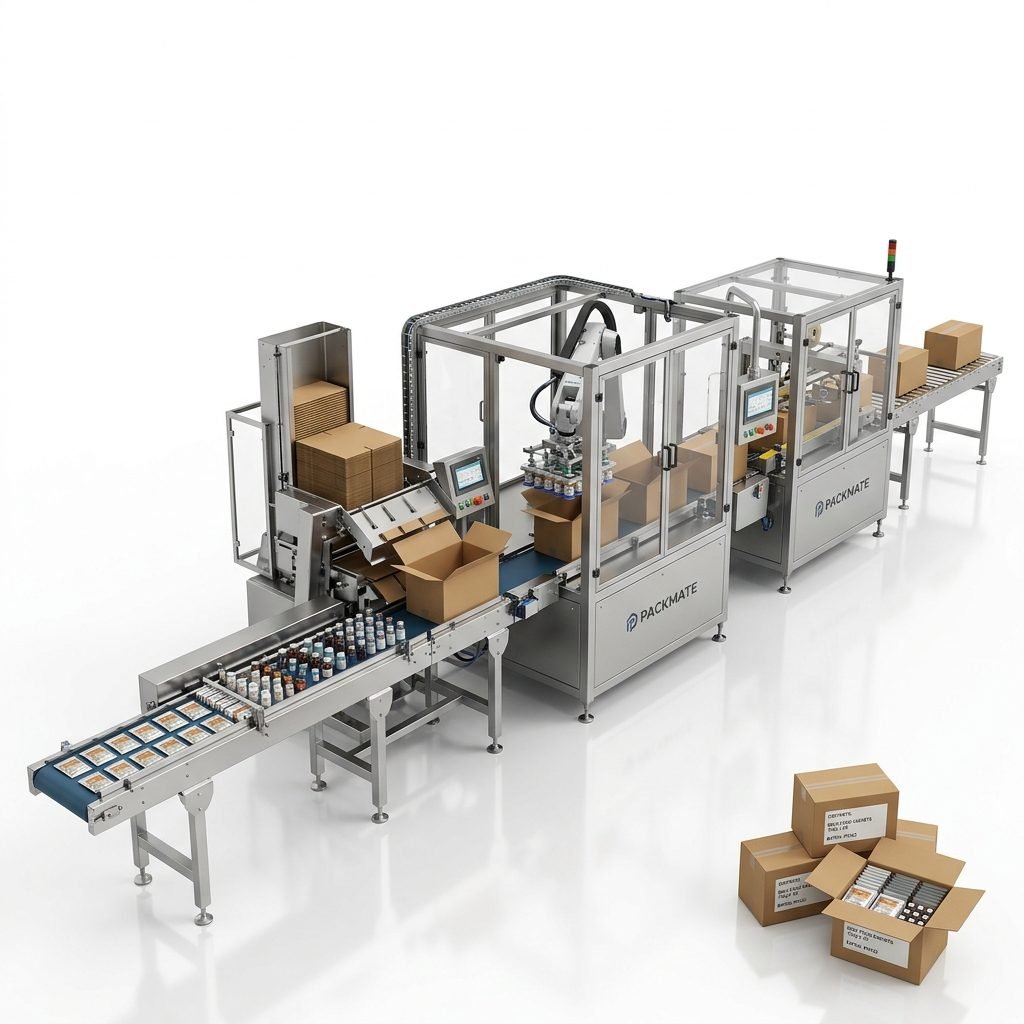
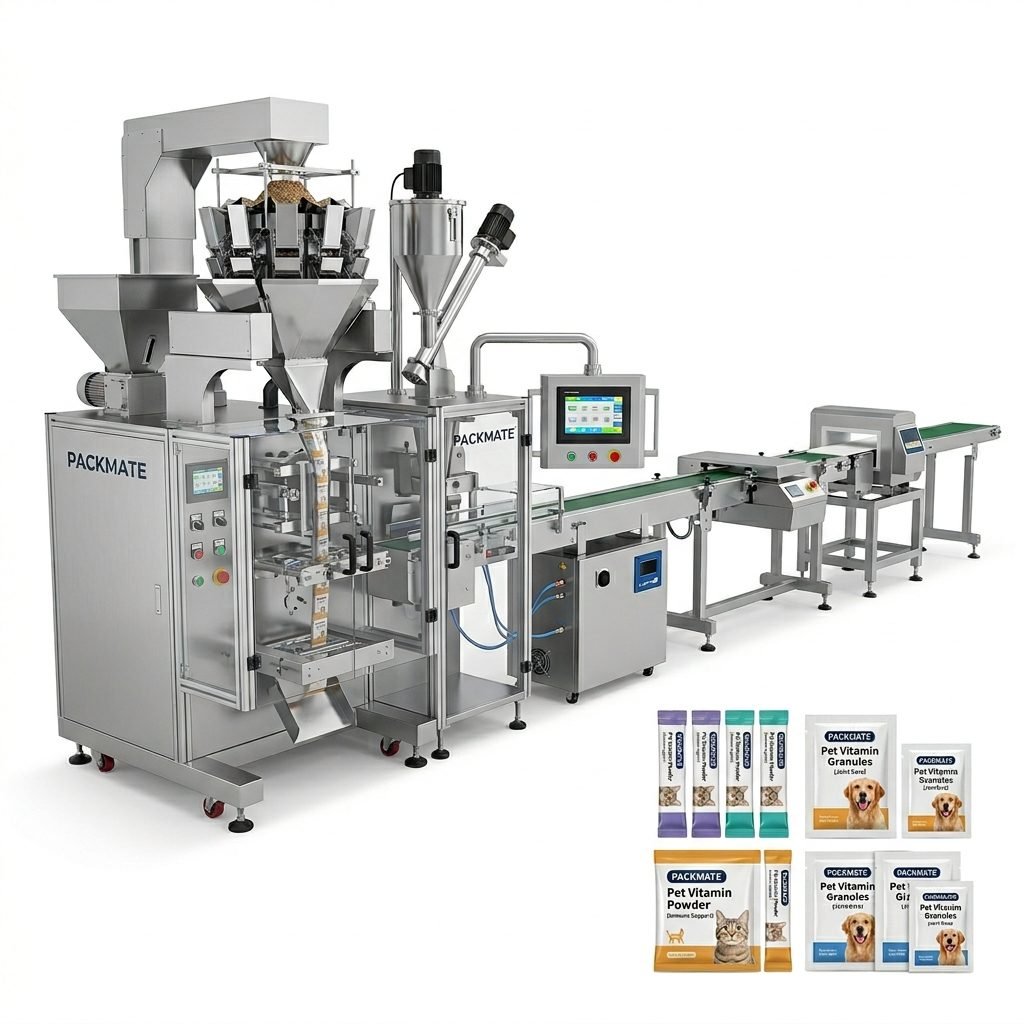
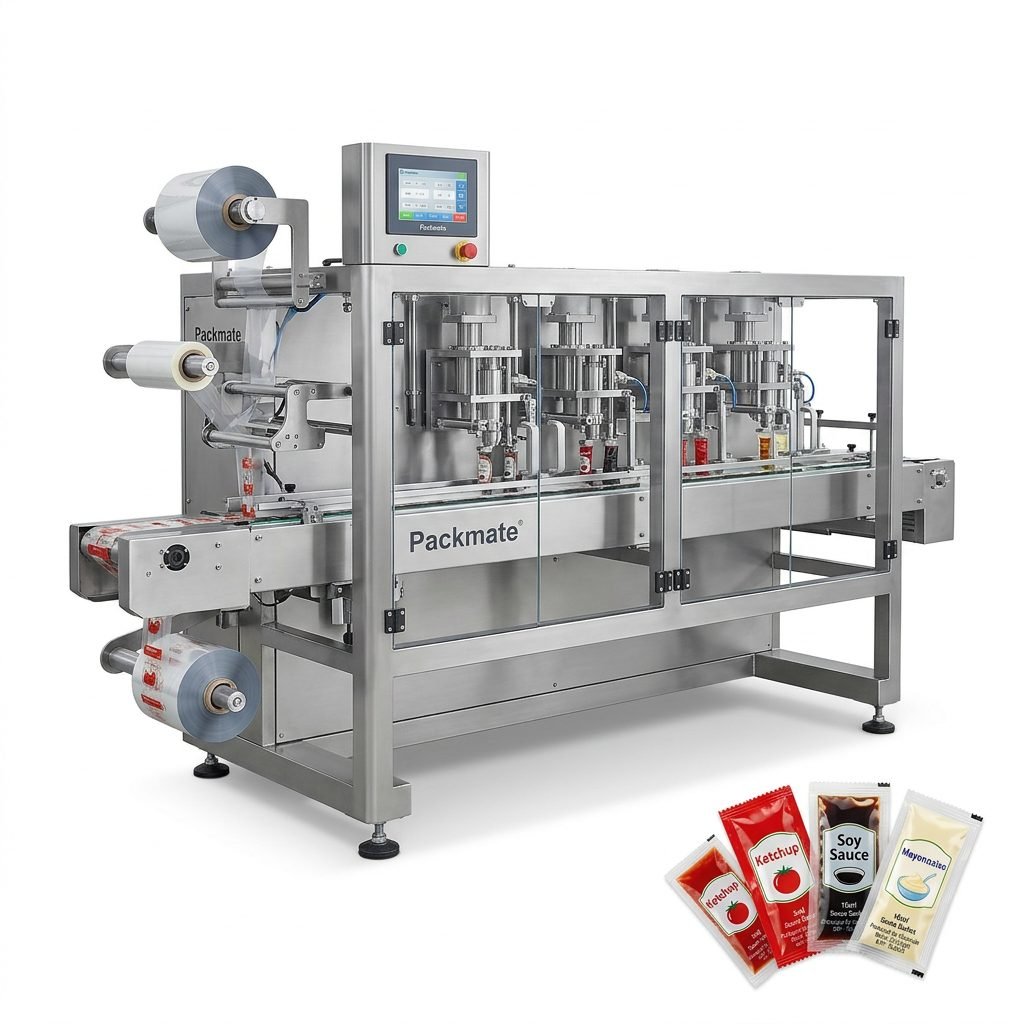
An automated bagging line typically integrates several key functions: product feeding, precise weighing or volumetric dosing, bag forming or picking, filling, sealing, and final handling. The seamless coordination of these modules is what transforms raw materials into securely packaged goods at remarkable speeds. This level of automation is essential for meeting the high-volume demands of bulk packaging while adhering to the rigorous hygiene and accuracy standards mandated for food and pharmaceutical products. Companies looking to upgrade their operations can explore comprehensive packaging solutions that are tailored to specific industry needs.
Food Industry: Ensuring Freshness and Safety
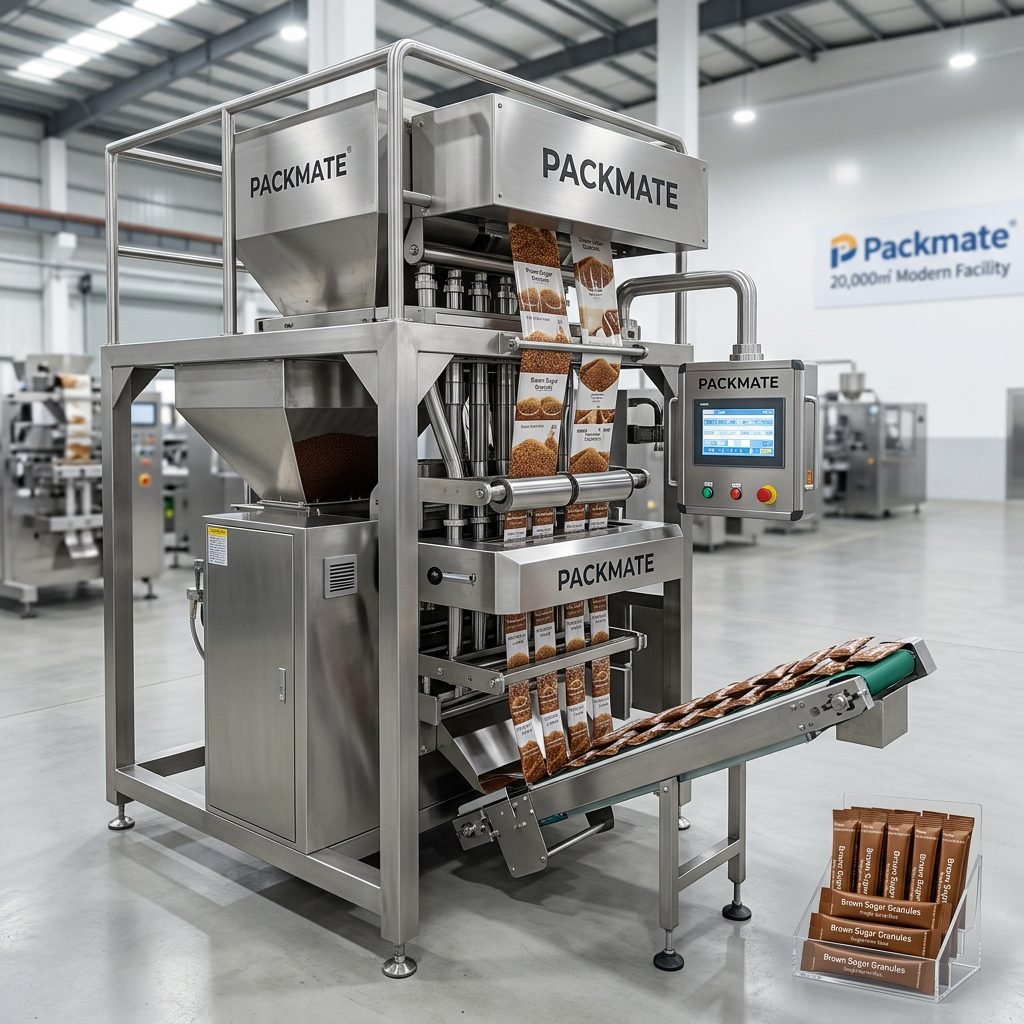
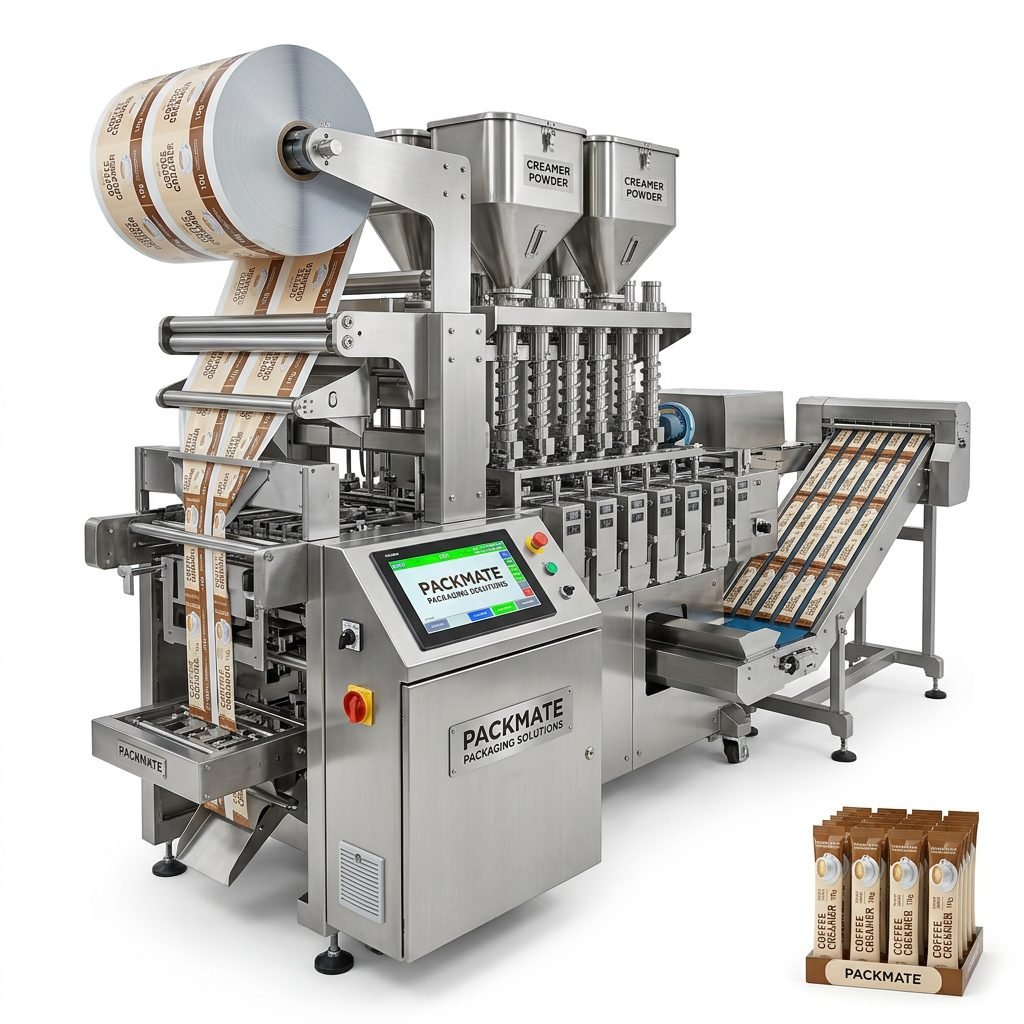
In the food sector, packaging serves as the primary barrier against spoilage, moisture, and external contaminants. Industrial bagging equipment for food must be versatile enough to handle diverse products—from flour and sugar to snacks, coffee, and frozen vegetables—while maintaining absolute hygiene. Modern VFFS (Vertical Form-Fill-Seal) machines are particularly prevalent, creating bags from a roll of film, filling them with product, and sealing them in one continuous, enclosed process. This minimizes product exposure to the environment.
Key considerations for food bagging include: using food-grade stainless-steel contact parts, implementing easy-clean designs (CIP/SIP systems), and incorporating gas flushing capabilities for modified atmosphere packaging (MAP) to extend shelf life. The ability to quickly changeover between bag sizes and materials is also crucial for manufacturers producing multiple product lines.
Pharmaceutical Industry: Precision and Compliance Above All
The pharmaceutical industry presents the most demanding environment for packaging machinery. Here, the stakes involve patient safety and regulatory compliance with standards like cGMP (Current Good Manufacturing Practice). Bagging equipment for pharmaceuticals often deals with potent powders, granules, or medical devices that require an ultra-clean, dust-controlled environment. Accuracy in dosing is non-negotiable, with tolerances often measured in milligrams.
Machines for this sector are designed with a focus on containment, cleanability, and data integrity. Features like integrated checkweighers, vision inspection systems, and serialization modules are common. Every action is logged, providing a complete audit trail from raw material to finished bag. This level of control is essential not only for quality assurance but also for meeting the traceability requirements of global regulatory bodies. For insights into how these systems are implemented in real-world scenarios, reviewing detailed project cases can be highly informative.
Bulk & Industrial Packaging: Strength and Efficiency
Beyond consumer-facing packages, industrial bagging plays a massive role in the bulk handling of materials like chemicals, fertilizers, minerals, and construction products. This domain emphasizes durability, high-speed output, and the ability to handle abrasive or challenging materials. Equipment ranges from large Open-Mouth Bagging stations for 25-50 kg sacks to fully automated FIBC (Flexible Intermediate Bulk Container) filling lines for tons of material.
The automation focus here is on reducing physical strain, improving filling speed, and ensuring bag integrity for safe storage and transport. Robotic palletizing is frequently integrated at the end of the line to stack filled bags onto pallets, creating a truly hands-off process from filling to shipping. The robustness of the equipment is paramount, often requiring specialized coatings and heavy-duty components to withstand harsh industrial environments.
Key Components of a Turnkey Bagging Line
A successful automated packaging line is more than just a single machine; it is a symphony of integrated components. Understanding these elements helps in planning a system that delivers maximum ROI.
1. The Core Bagging Machine
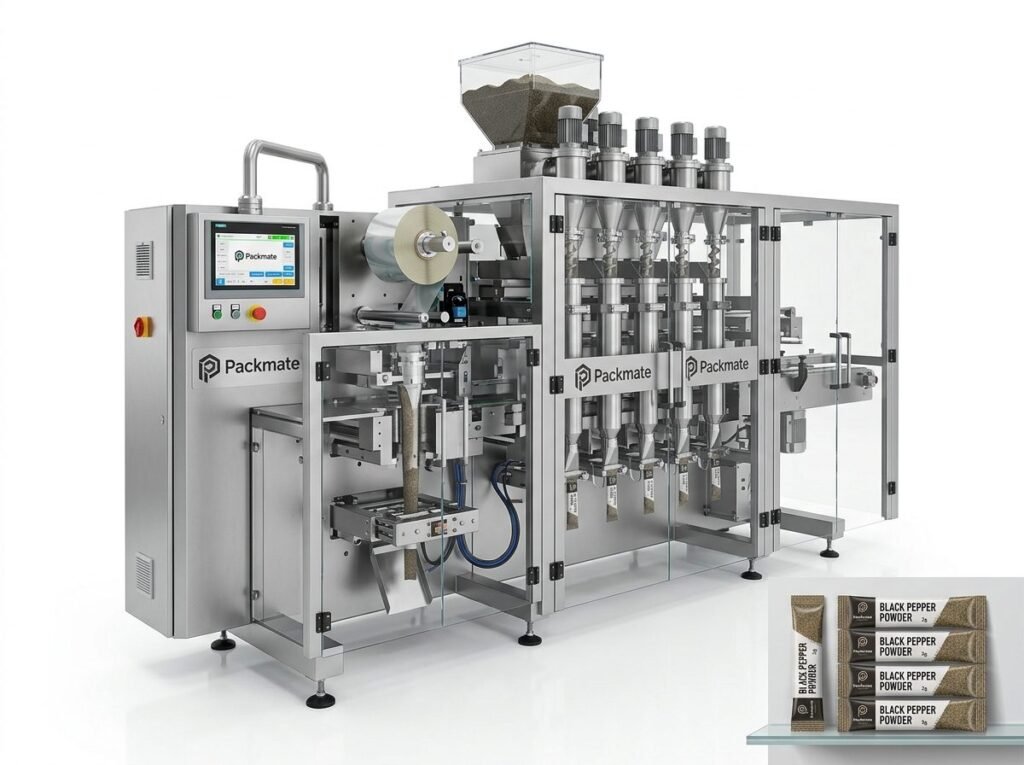
This is the heart of the line. The choice between VFFS, HFFS (Horizontal Form-Fill-Seal), or pre-made bag systems depends on the product, bag style, and required speed. Advanced models offer servo-driven precision for smoother film handling and more accurate seals.
2. Precision Weighing & Feeding Systems
Accurate product delivery is critical. Multi-head weighers are the gold standard for free-flowing food items, offering speed and precision. For powders, auger fillers with loss-in-weight technology provide excellent control. Volumetric cup fillers are a cost-effective solution for uniform granules.
3. Upstream & Downstream Integration
An efficient line connects seamlessly with both upstream (production) and downstream (distribution) processes. This includes bulk supply systems like silos or hoppers, metal detectors and x-ray inspection systems for quality control, coders for date/batch printing, and finally, conveyors leading to checkweighers and robotic palletizers.
4. The Brains: Control & HMI System
The centralized PLC (Programmable Logic Controller) and intuitive Human-Machine Interface (HMI) touchscreen are the command center. They allow operators to monitor production data, adjust parameters, track OEE (Overall Equipment Effectiveness), and diagnose issues quickly, minimizing downtime.
Selecting the right partner to design and integrate these components is as important as the technology itself. A provider with deep application experience, like Packmate (GuangDong) Co., Ltd., can ensure all elements work in harmony. Their comprehensive service from design to aftersales support is crucial for long-term success.
Future Trends: Smart Packaging and Sustainability
The future of industrial bagging is intelligent and sustainable. Industry 4.0 principles are driving the adoption of IoT-enabled machines that communicate performance data to central dashboards, enabling predictive maintenance and deeper production analytics. Furthermore, there is intense pressure across all industries to adopt sustainable practices.
This translates into a growing demand for bagging equipment that can efficiently handle recyclable, compostable, or mono-material plastic films, as well as paper-based packaging. Machines need to be adaptable to these new, sometimes more challenging, materials without sacrificing speed or seal integrity. The drive for reducing material waste (film, product giveaway) through even greater precision is also a constant focus for engineering teams worldwide.
In conclusion, investing in advanced industrial bagging automation is a strategic decision that directly impacts product quality, operational cost, and regulatory compliance. Whether for food, pharmaceuticals, or bulk materials, the right automated system provides a foundation for scalability, safety, and market responsiveness. For businesses ready to embark on this transformation, a detailed consultation with an expert provider is the essential first step. You can initiate this conversation through their contact channel to discuss specific requirements.
Frequently Asked Questions (FAQs)
1. What are the main benefits of automating our bagging process?
Automation delivers multiple key benefits: Significantly increased production speed and output, elimination of human error for improved weight accuracy and consistency, enhanced product safety by reducing human contact, lower long-term labor costs, and full traceability with production data logging for quality assurance and compliance reporting.
2. How do I choose between a VFFS and a pre-made bag machine?
The choice depends on your product and bag design. VFFS machines are highly versatile and cost-effective for a wide range of bag sizes and styles (pillow, gusseted, block-bottom) made from roll stock. Premade bag systems are ideal for complex bag shapes (like stand-up pouches), heavier materials, or when printing quality on the bag is a premium concern, as the bags are pre-printed offline.
3. What hygiene features are critical for food and pharmaceutical bagging?
For these sensitive industries, look for: Construction primarily from stainless steel (grade 304 or 316) on all product contact surfaces, fully enclosed machine frames to prevent dust and contaminant ingress, easy-access panels and tool-free disassembly for thorough cleaning, and optionally, clean-in-place (CIP) systems. For pharmaceuticals, additional features like dust extraction ports and washdown capabilities are vital.
4. Can one bagging line handle multiple different products?
Yes, with proper design. This is known as changeover flexibility. Key factors include: a quick-change film roll assembly and forming tube for VFFS machines, interchangeable augers or weighing heads for different products, and recipe management software in the HMI that stores settings for each product (weight, speed, seal temperature), allowing for fast switchovers with minimal downtime and waste.
5. What kind of after-sales support should I expect from the equipment supplier?
A reputable supplier should offer: Comprehensive installation and commissioning at your site, detailed operator and maintenance training programs, ready availability of spare parts, and responsive technical support (often remote via video call). Look for providers who offer service contracts and have a proven track record, which you can often verify by reviewing their company certifications and credentials.