In today’s demanding global market, ensuring product integrity from the production line to the end consumer is non-negotiable. For industries where sterility and shelf-life are paramount, such as food, pharmaceuticals, and nutritional supplements, aseptic packaging is the gold standard. An effective aseptic packaging line is not merely a collection of machines; it is a meticulously engineered, validated, and integrated system designed to eliminate microbial contamination, preserving product safety, quality, and nutritional value without the need for preservatives or refrigeration.
Core Principles of Aseptic Packaging Technology
The fundamental goal is to achieve and maintain a sterile environment. This involves several critical, interconnected steps:
Product Sterilization: The product itself (liquid, semi-liquid, or particulate) is sterilized separately, typically using methods like ultra-high temperature (UHT) processing, flash heating, or sterile filtration.
Packaging Material Sterilization: Containers (bottles, pouches, cartons) and closures are sterilized in-line using techniques such as hydrogen peroxide baths or sprays, peracetic acid, steam, or intense ultraviolet (UV) light.
Sterile Filling & Sealing: The sterilized product is filled into the sterilized packaging within a controlled, sterile environment (often an ISO Class 5 laminar airflow zone) and hermetically sealed to prevent recontamination.
Tailored Solutions for Critical Industries
The application of aseptic technology varies significantly across sectors, each with unique regulatory and product demands.
Food & Beverage Industry
Here, aseptic packaging enables ambient storage of milk, juices, soups, sauces, and plant-based products. It locks in freshness, flavor, and vitamins for months, revolutionizing logistics and reducing the carbon footprint associated with cold chains. Solutions often involve form-fill-seal (FFS) cartons, pouches, or bottles, handling products with varying viscosities and particulate matter.
Pharmaceutical & Biotech Industry
This is the most stringent arena. Aseptic lines are used for sterile injectables, ophthalmics, respiratory therapies, and biologics. Compliance with cGMP (current Good Manufacturing Practice) and regulatory standards like those from the FDA and EMA is critical. The focus is on absolute sterility assurance, precise filling accuracy (often to microliter levels), and comprehensive documentation for process validation. You can explore specific applications in our detailed packaging solutions portfolio.
Nutritional & Health Products
For probiotics, liquid supplements, baby formula, and medical nutrition, aseptic processing is vital to protect sensitive active ingredients from heat degradation and microbial spoilage. It ensures the promised potency and efficacy reach the consumer, building brand trust in a competitive wellness market.
Key Components of a Modern Aseptic Packaging Line
A robust line integrates several specialized modules, each playing a crucial role in the sterile barrier system.
➤ Unwinding & Sterilization Tunnel
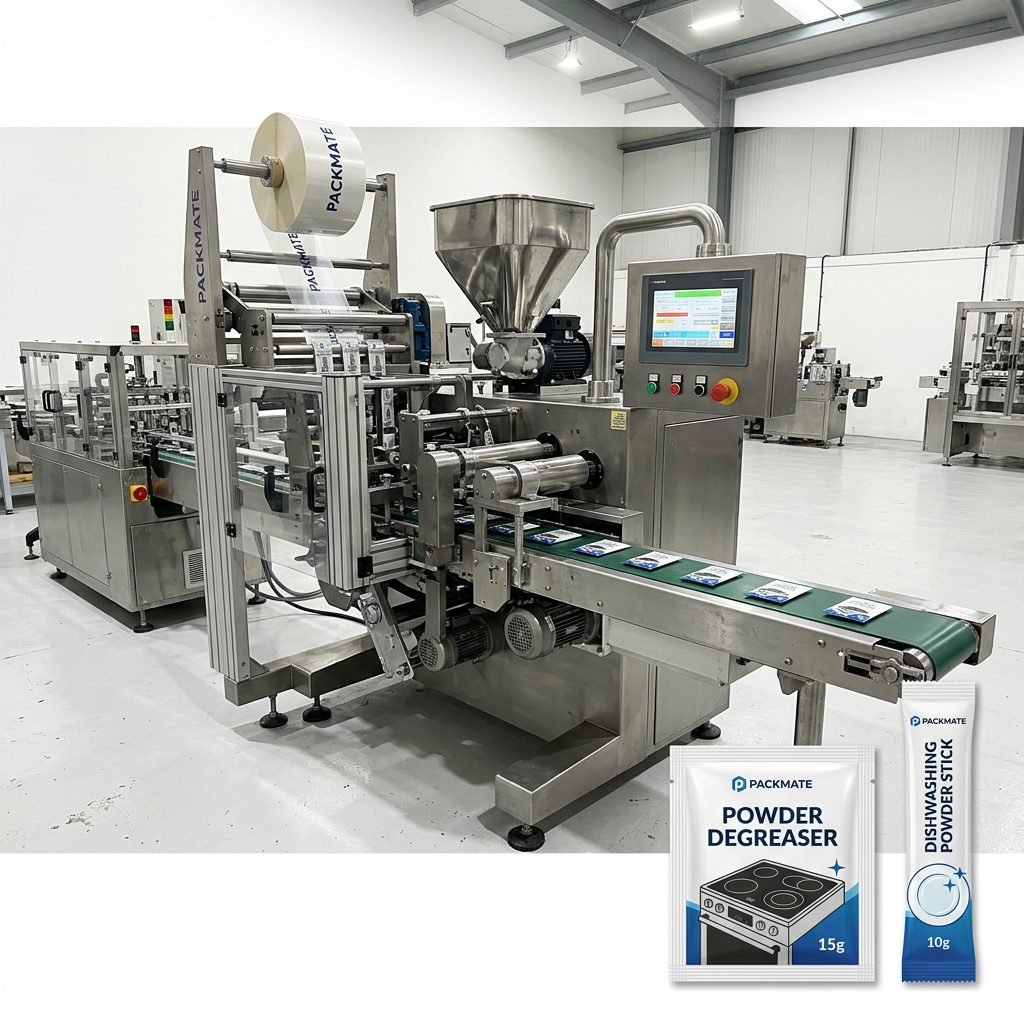
For flexible packaging, this module unwinds the roll stock (laminate film) and passes it through a sterilization tunnel, typically using hydrogen peroxide and heated air to achieve a sterile surface.
➤ Form-Fill-Seal (FFS) Machine
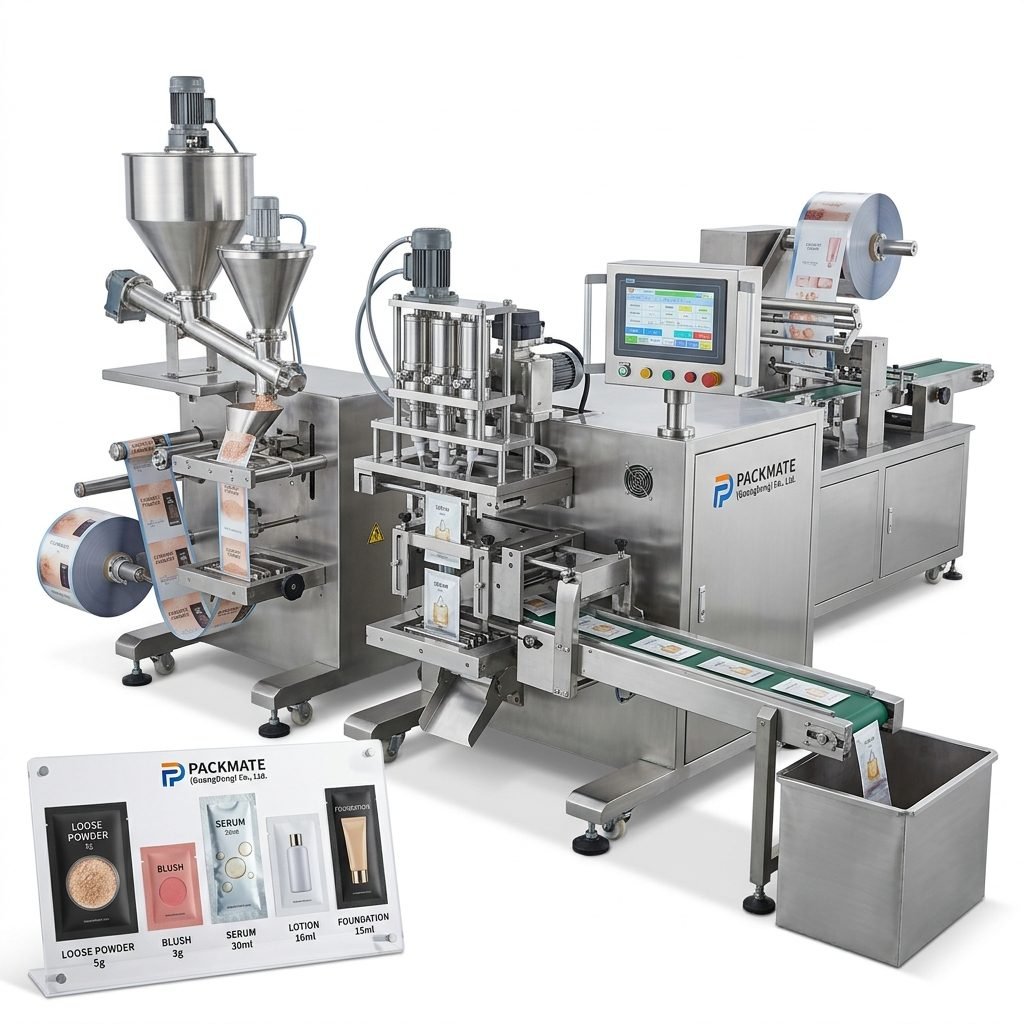
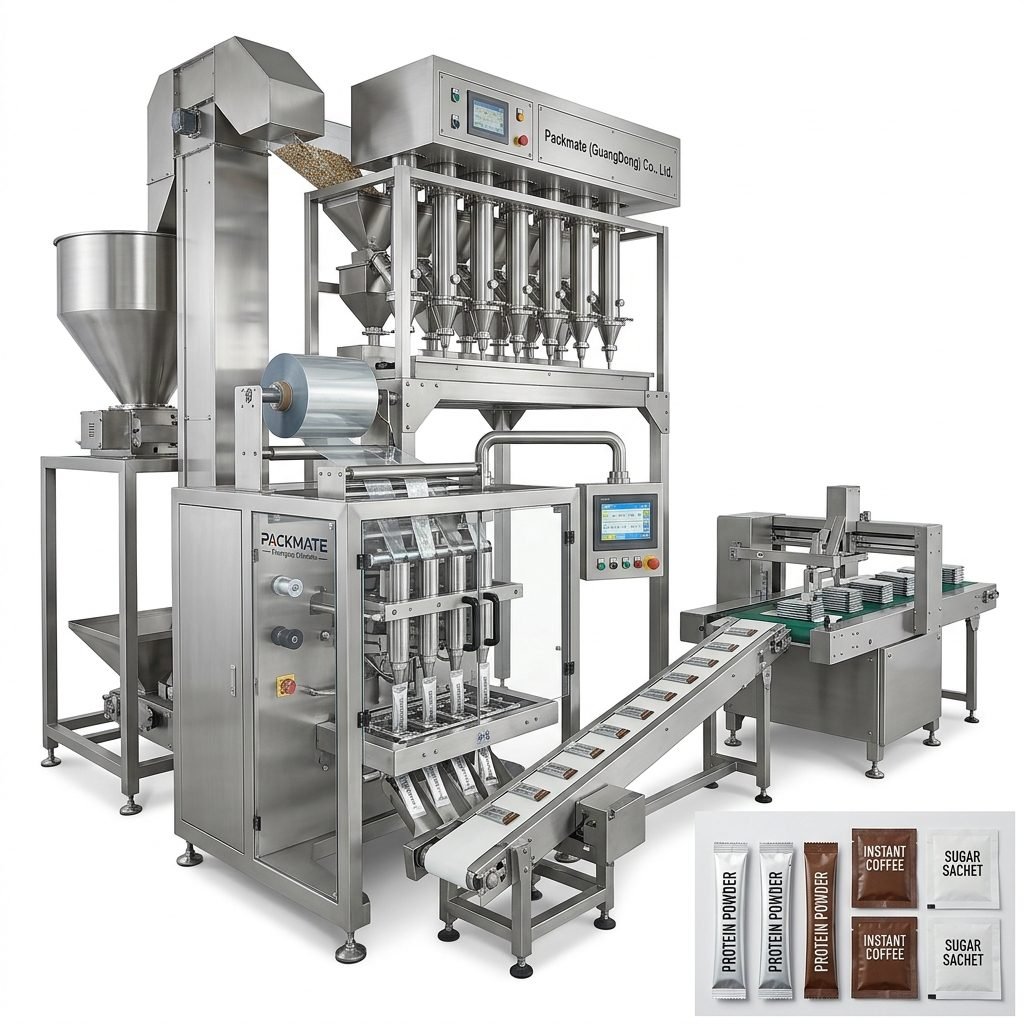
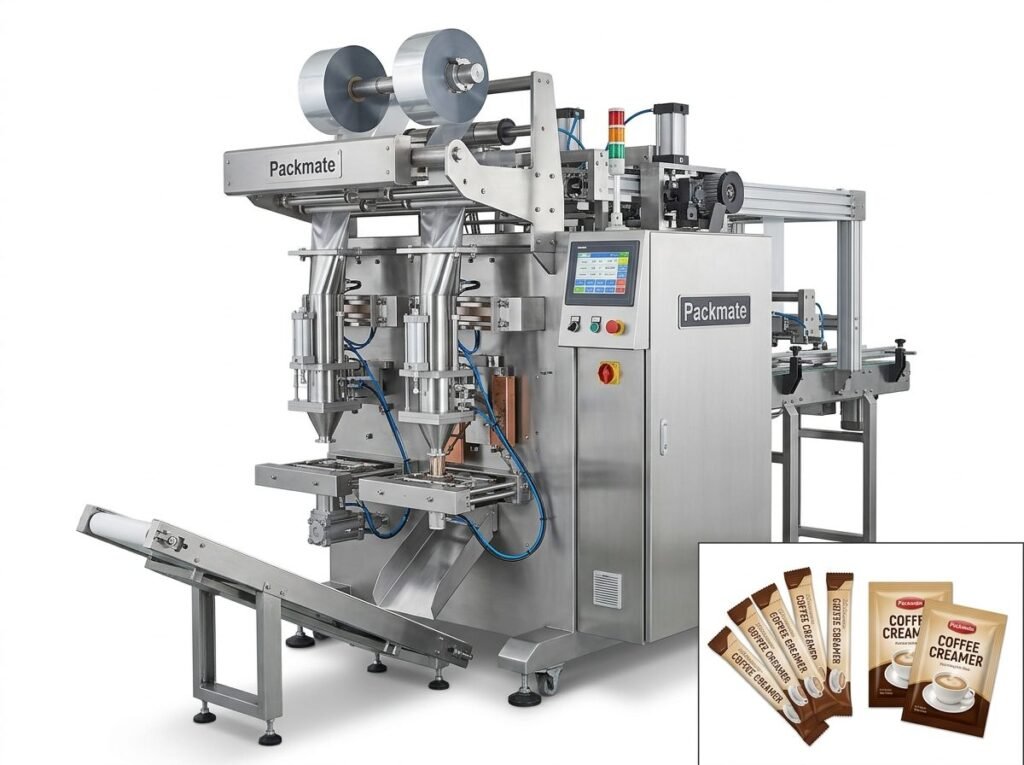
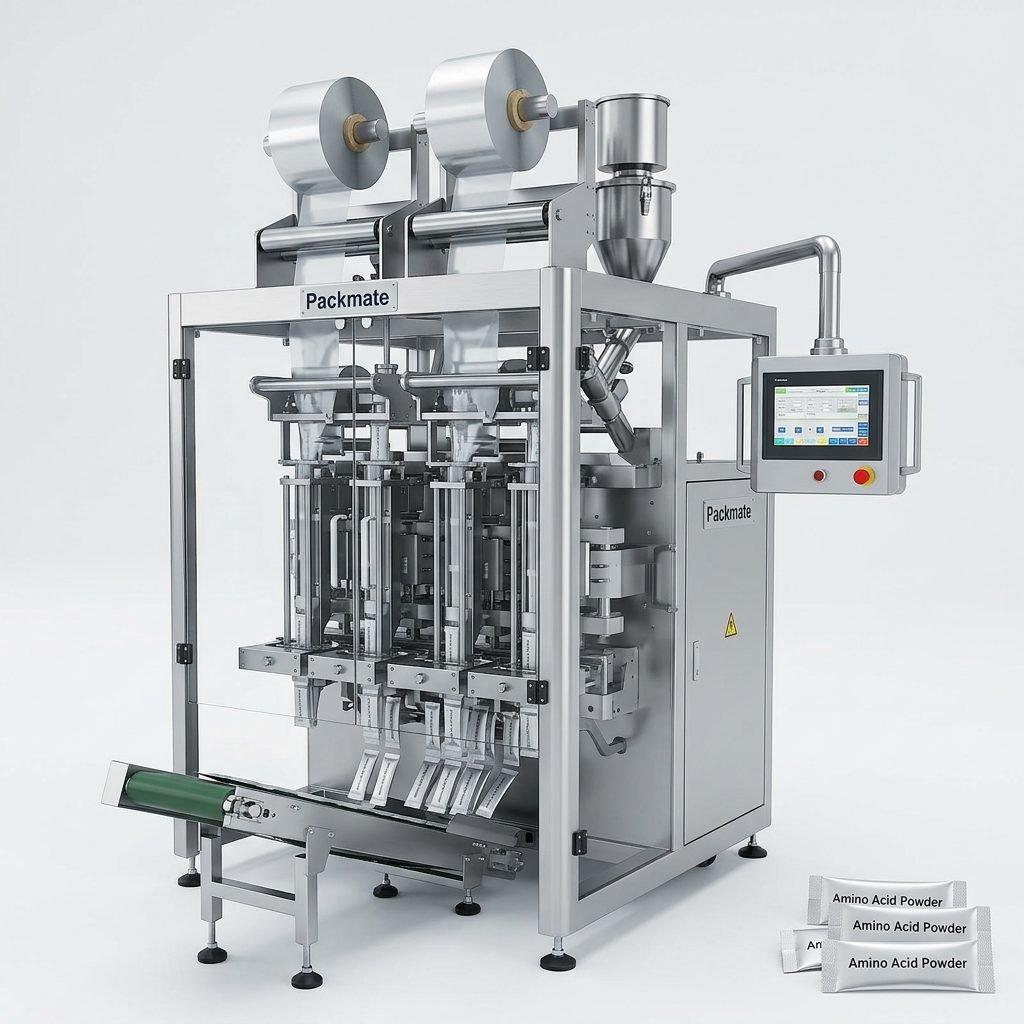
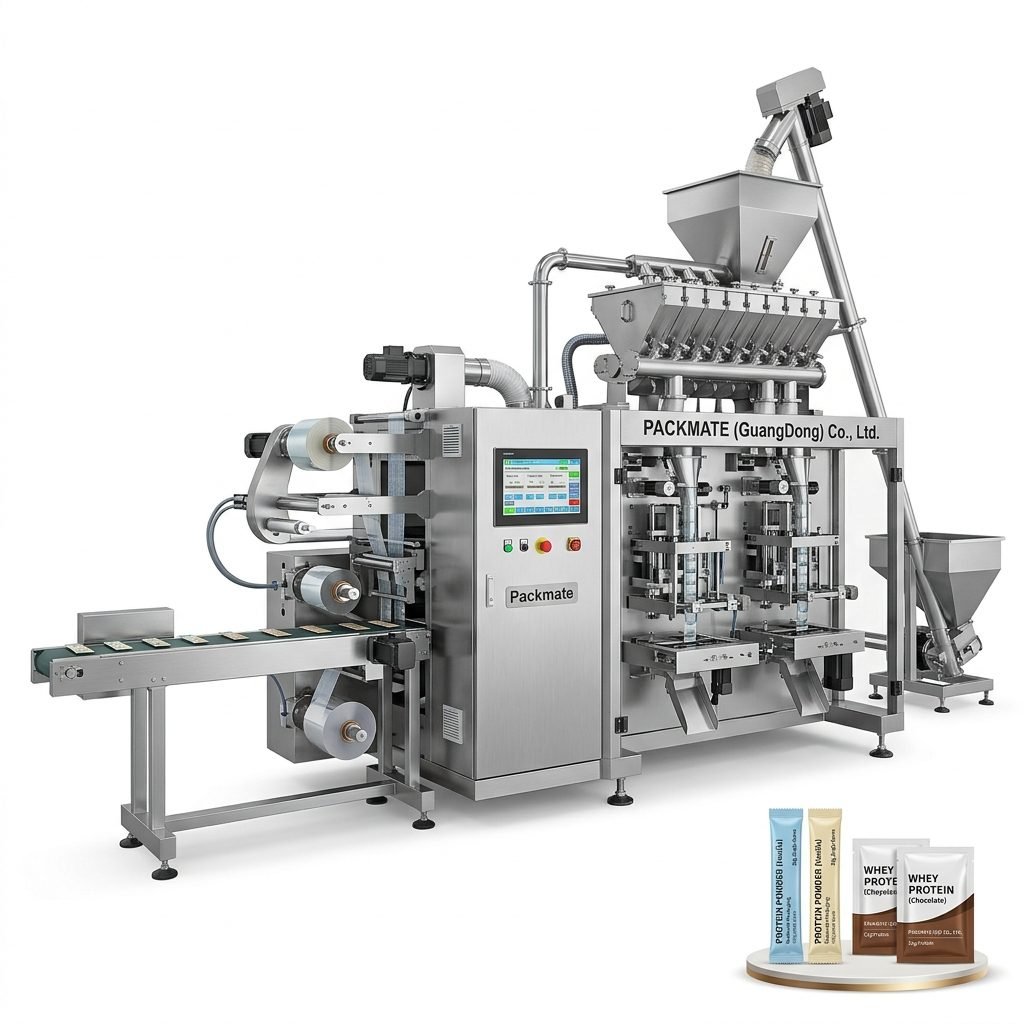
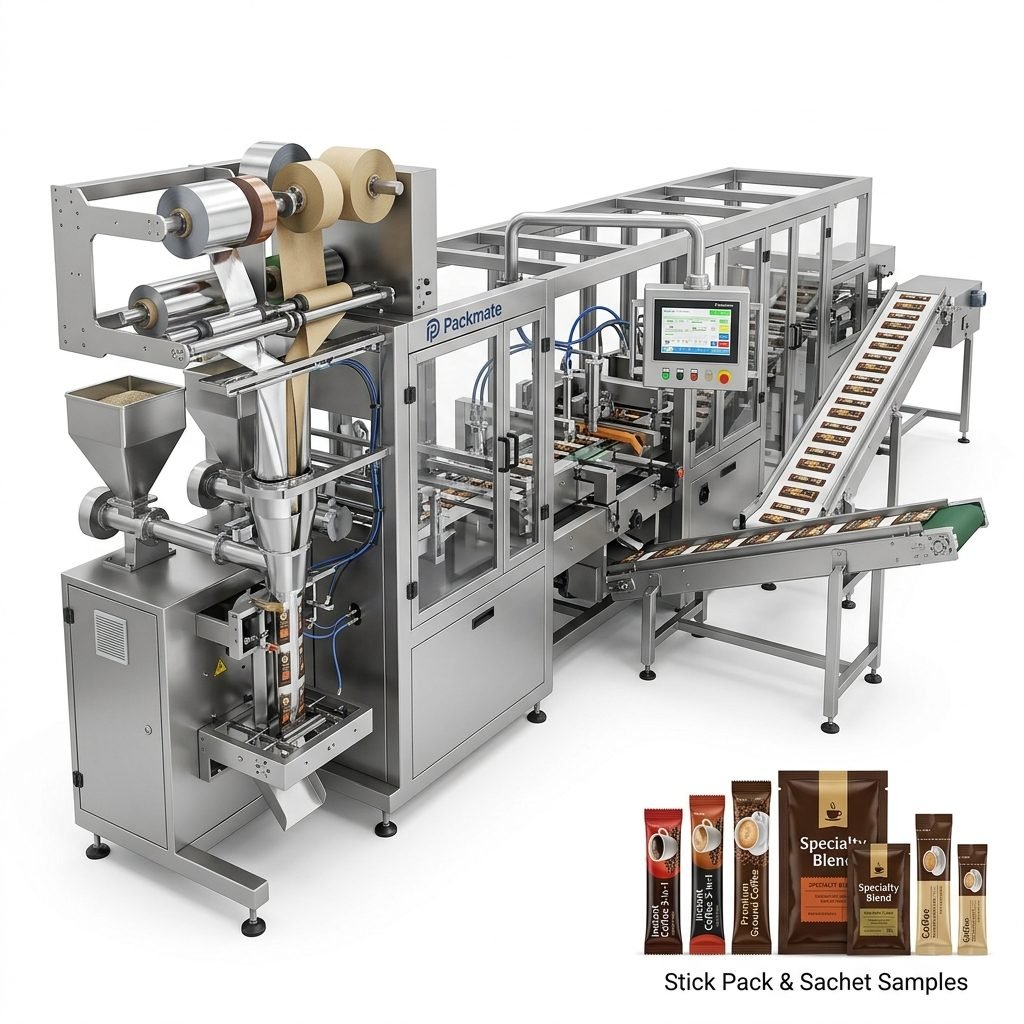
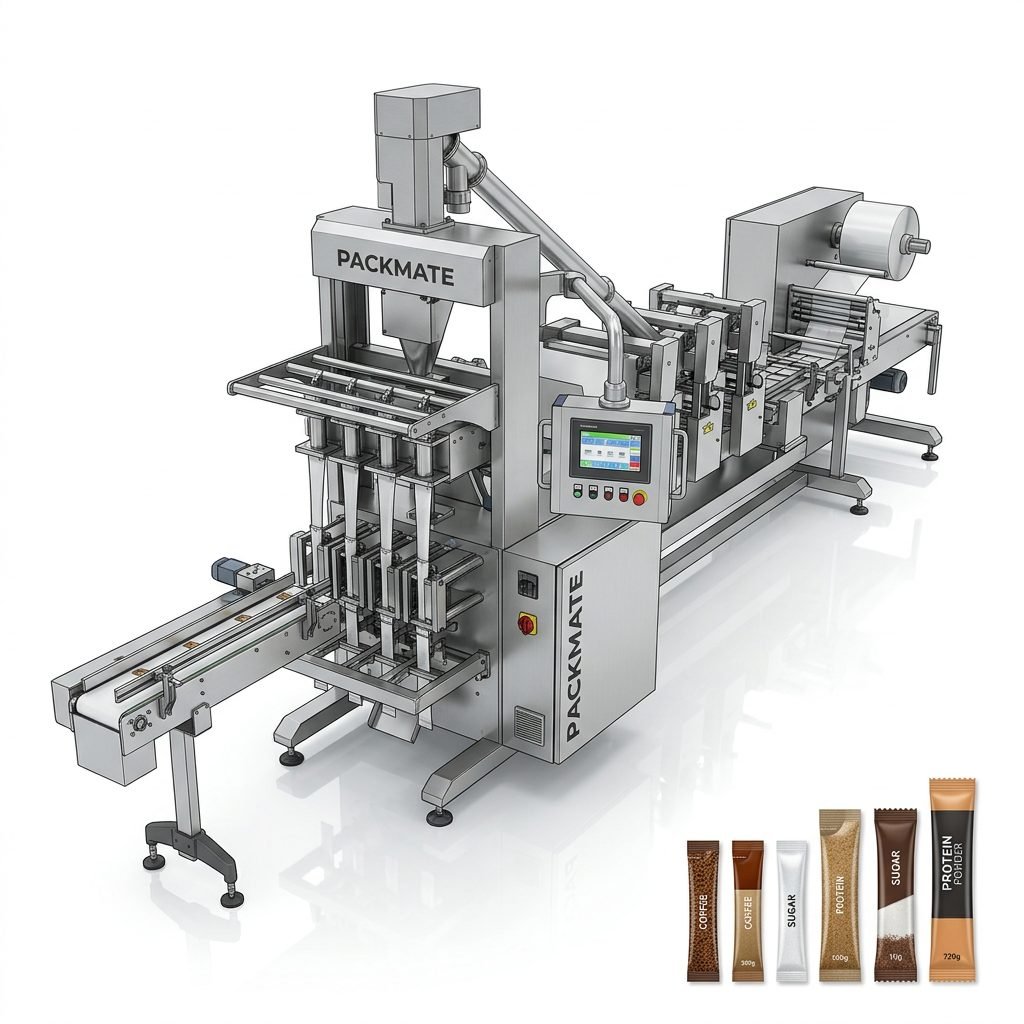
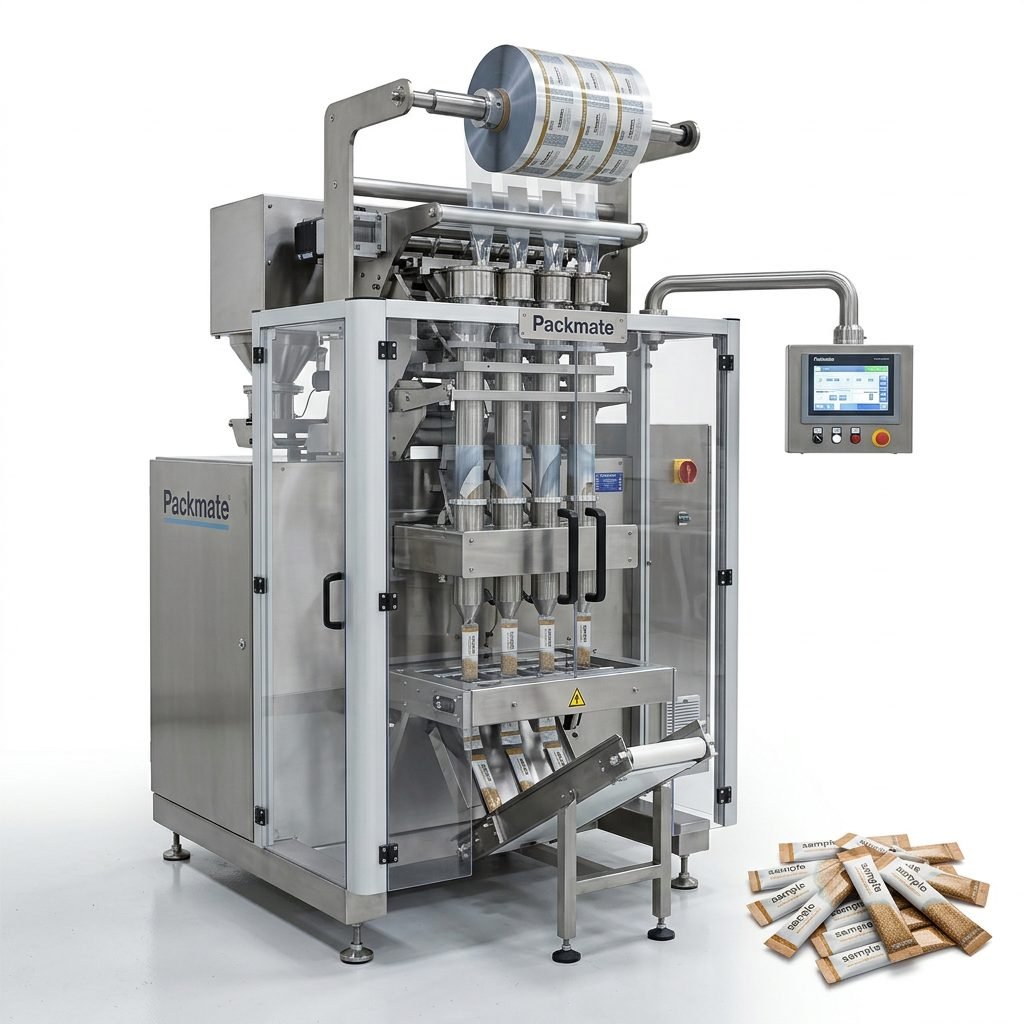
The heart of many lines. The sterilized film is formed into pouches or sachets in a sterile chamber, filled with the product, and immediately sealed. Modern multi-lane FFS machines dramatically increase output for high-volume products like stick packs for coffee or supplements.
➤ Bottle Sterilizer, Filler, and Capper
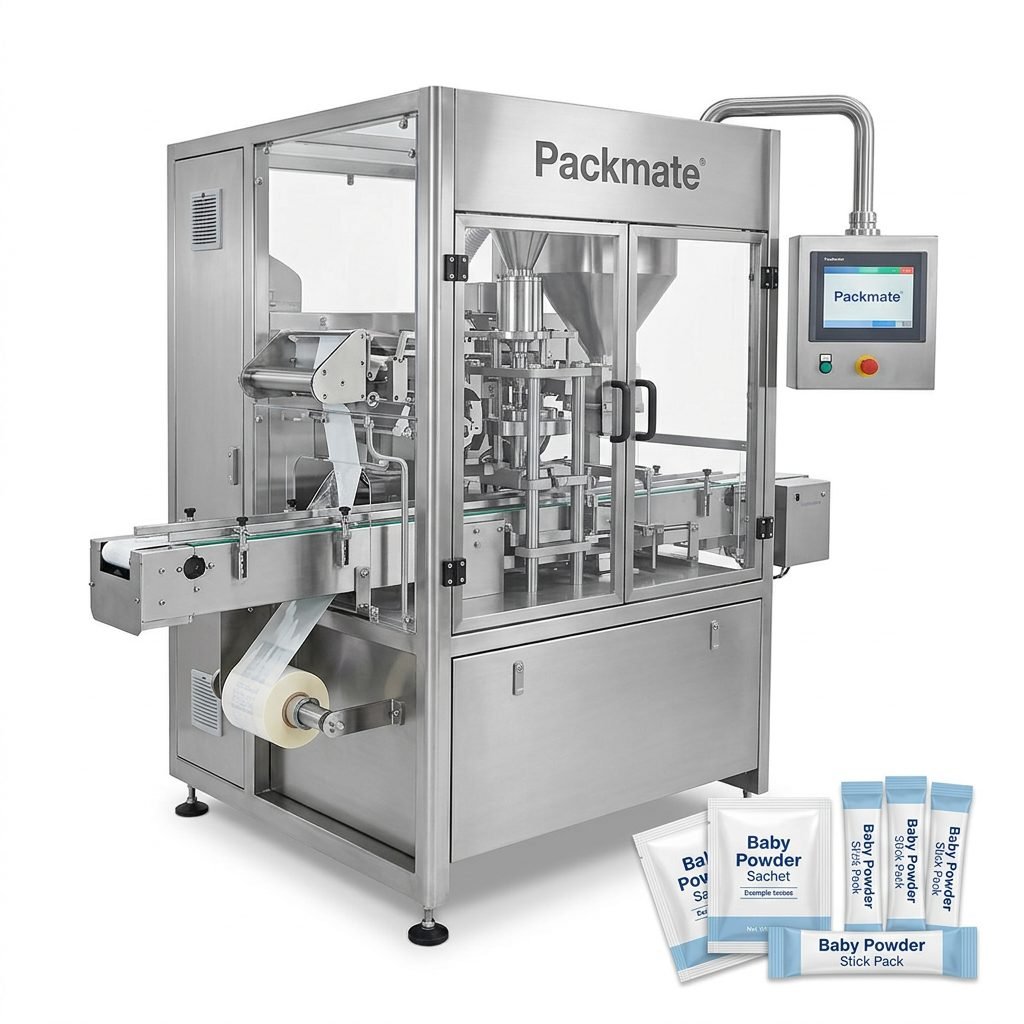
For rigid containers, pre-formed bottles are fed, sterilized (e.g., with H2O2 spray and sterile air), conveyed into a sterile filling zone for precise dosing, and capped with a pre-sterilized closure.
➤ Critical Zone & HEPA Filtration
The area where filling and sealing occur is maintained under positive pressure with HEPA-filtered laminar airflow (ISO 5/Class 100) to create a particle-free environment.
The Packmate Advantage: Engineering Reliability
Selecting the right partner for your aseptic line is a strategic decision. With over 22 years of experience, Packmate (GuangDong) Co., Ltd. has evolved from a specialist in sachet machines to a provider of complete, intelligent turnkey lines. Our 20,000㎡ modern facility houses the advanced R&D and manufacturing capabilities needed to build systems that meet international standards for hygiene, precision, and uptime.
We understand that an aseptic line is a long-term investment. Our approach combines robust mechanical design with intelligent control systems for seamless operation, easy cleaning (CIP/SIP where applicable), and minimal downtime. From granules and powders to viscous liquids, our solutions are engineered for your specific product characteristics. Discover how we’ve solved complex challenges for global clients by reviewing our industry case studies.
Future Trends in Aseptic Packaging
The landscape is continuously evolving. Sustainability is driving demand for lighter-weight, recyclable, or bio-based packaging materials compatible with aseptic processes. Industry 4.0 integration is another key trend, with smart sensors and IoT connectivity enabling real-time monitoring of critical parameters (sterilant concentration, air purity, seal integrity) for predictive maintenance and enhanced quality control. Furthermore, the rise of personalized nutrition and niche pharmaceuticals is creating demand for more flexible, smaller-batch aseptic systems.
Staying ahead requires a partner committed to innovation. At Packmate, our professional team of over 125 engineers and technicians is dedicated to integrating these advancements into reliable, future-ready solutions for our partners worldwide. For a comprehensive overview of our capabilities, we invite you to download our latest equipment catalog or contact our technical sales team directly for a consultation.
Frequently Asked Questions (FAQs)
1. What is the main difference between aseptic and cleanroom filling?
Answer: While both require clean environments, aseptic processing involves the separate sterilization of both the product and the packaging material before filling and sealing in a sterile zone. Cleanroom filling typically involves filling a pre-sterilized product into pre-sterilized containers, with the primary focus on maintaining the cleanliness of the environment and components to prevent contamination.
2. Can aseptic packaging lines handle products with solid particles?
Answer: Yes, advanced aseptic technologies like aseptic particulate processing exist. These systems are designed to sterilize and handle products containing small, discrete particles (such as fruits in yogurt or herbs in sauces) while maintaining sterility throughout the filling process, though the engineering complexity is higher.
3. How is the sterility of an aseptic packaging line validated?
Answer: Validation is a rigorous, multi-stage process. It typically includes Installation Qualification (IQ), Operational Qualification (OQ), and Performance Qualification (PQ). PQ often involves running media fills (using a sterile growth medium instead of product) to simulate production under worst-case scenarios and prove the line can consistently maintain sterility. This process is mandatory for pharmaceutical lines and a best practice for food lines.
4. What are the typical sterilization methods for packaging materials?
Answer: Common methods include:
• Hydrogen Peroxide (H2O2): Most common for plastics and laminates, used as a liquid bath, spray, or vapor combined with heat.
• Steam (Saturated Steam): Used for metal and some glass components.
• UV Light & Intense Pulsed Light (IPL): Used for surface sterilization of pre-formed containers or as a complementary method.
• Peracetic Acid & Electron Beam: Used in specific applications.
The choice depends on the material, container shape, and required log reduction of microorganisms.
5. What is the expected operational lifespan of a well-maintained aseptic line?
Answer: A high-quality aseptic packaging line from a reputable manufacturer like Packmate, with proper preventative maintenance, calibration, and part replacement, can have an operational lifespan of 15 to 20 years or more. The control systems may be upgraded more frequently to keep pace with technological advancements, while the core mechanical structure remains robust for decades.
For more detailed questions, please visit our dedicated FAQs page.