In the fast-paced world of modern manufacturing, precision, efficiency, and consistency are non-negotiable. For packaging lines handling everything from food granules to pharmaceutical powders, achieving this trifecta manually is nearly impossible. This is where the automatic dosing system becomes the unsung hero of the production floor. It is the critical component that ensures every sachet, stick pack, or large bag contains the exact predetermined amount of product, eliminating waste, ensuring compliance, and safeguarding brand reputation.
The Core Role of Automatic Dosing in Packaging
An automatic dosing system is an integrated unit within a packaging line that precisely measures and dispenses a specific volume or weight of product into the packaging format. It replaces manual scooping or rudimentary volumetric filling, which are prone to significant variation. The primary goal is to achieve high-speed, accurate, and repeatable filling, which directly impacts product quality, operational cost, and production throughput. For industries like food and pharmaceuticals, this accuracy is not just about profit—it’s a regulatory requirement.
Key Benefit: By automating the dosing process, manufacturers can drastically reduce giveaway (overfilling), minimize underfilling complaints, and increase line speeds from a few dozen to hundreds of packs per minute. This translates into a rapid return on investment (ROI) and a more competitive market position.
Primary Types of Automatic Dosing Systems
Choosing the right dosing technology depends entirely on the physical characteristics of the product. The main categories are defined by their measurement principle.
1. Volumetric Dosing Systems
These systems dispense a consistent volume of product using cavities, screws, or pumps. They are generally cost-effective and suitable for a wide range of products.
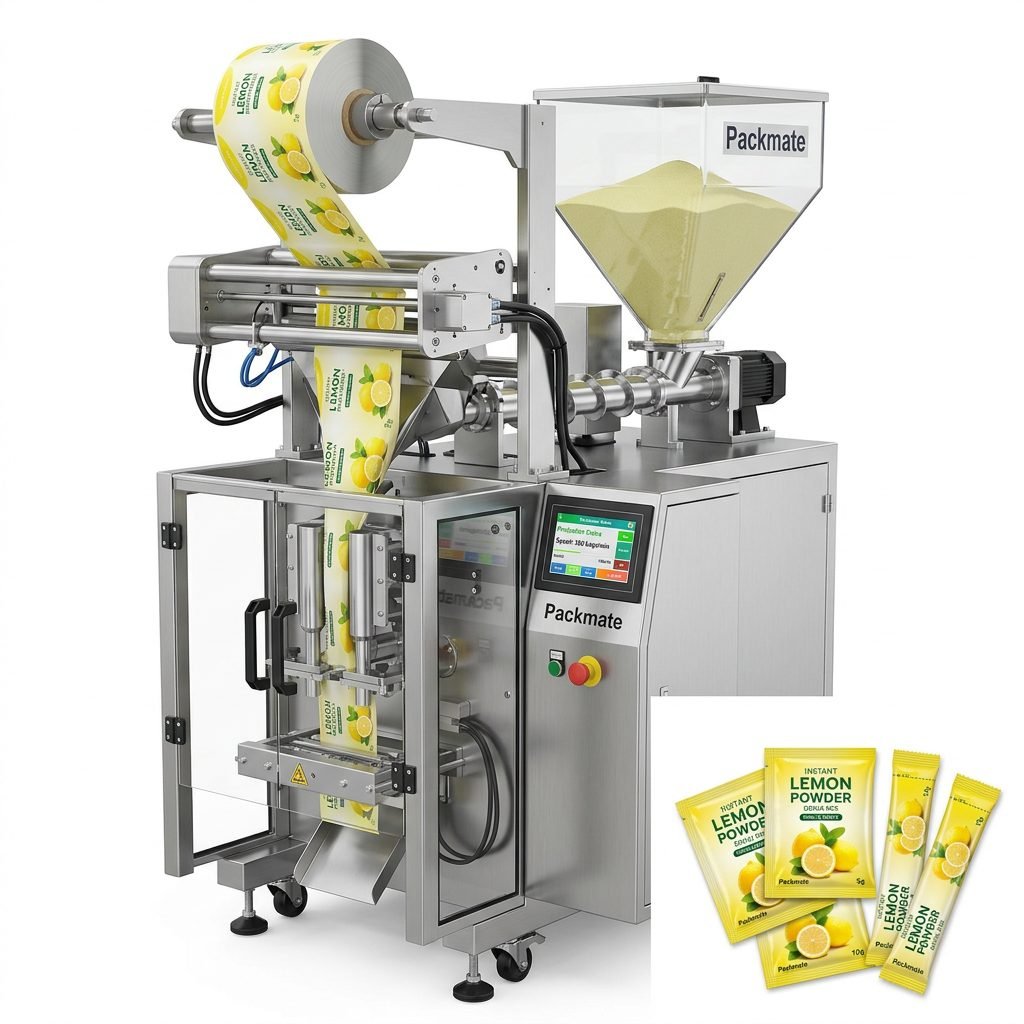
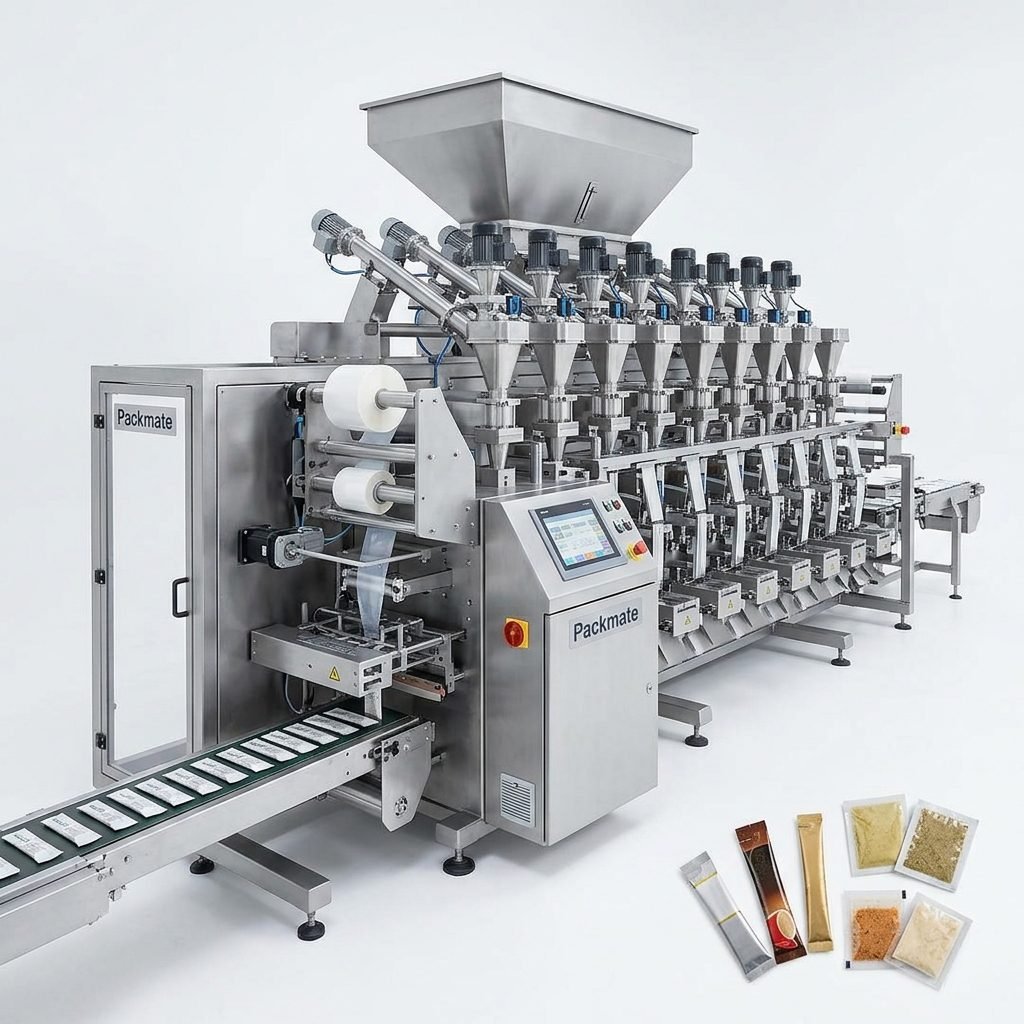
- Cup or Auger Fillers: Utilize rotating cups or a helical screw to pick up and deposit a set volume. Ideal for free-flowing granules, powders, and non-uniform solids like snacks. The simplicity and ease of cleaning make them popular in the food packaging industry.
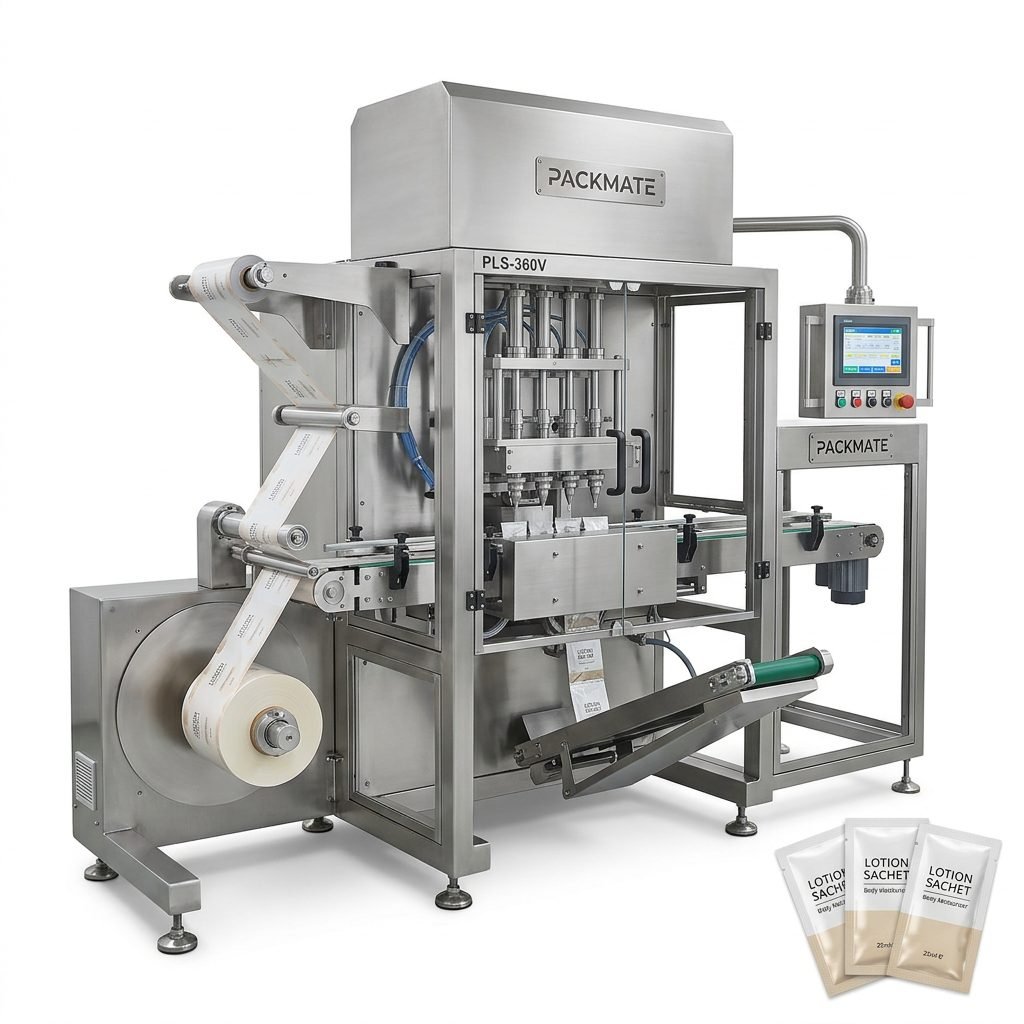
- Piston Fillers: Employ a cylinder and piston to draw in and expel a precise volume of product. Best suited for viscous liquids, pastes, creams, and sauces. They are a staple in pharmaceutical and cosmetic packaging lines.
2. Gravimetric (Net Weight) Dosing Systems
These are the pinnacle of precision, measuring product by weight rather than volume. They are essential where the value of the product is high or regulatory demands are strict.
- Single-head Weighing Scales: A single scale weighs each dose individually. Highly accurate but slower, often used for premium products or in laboratory settings.
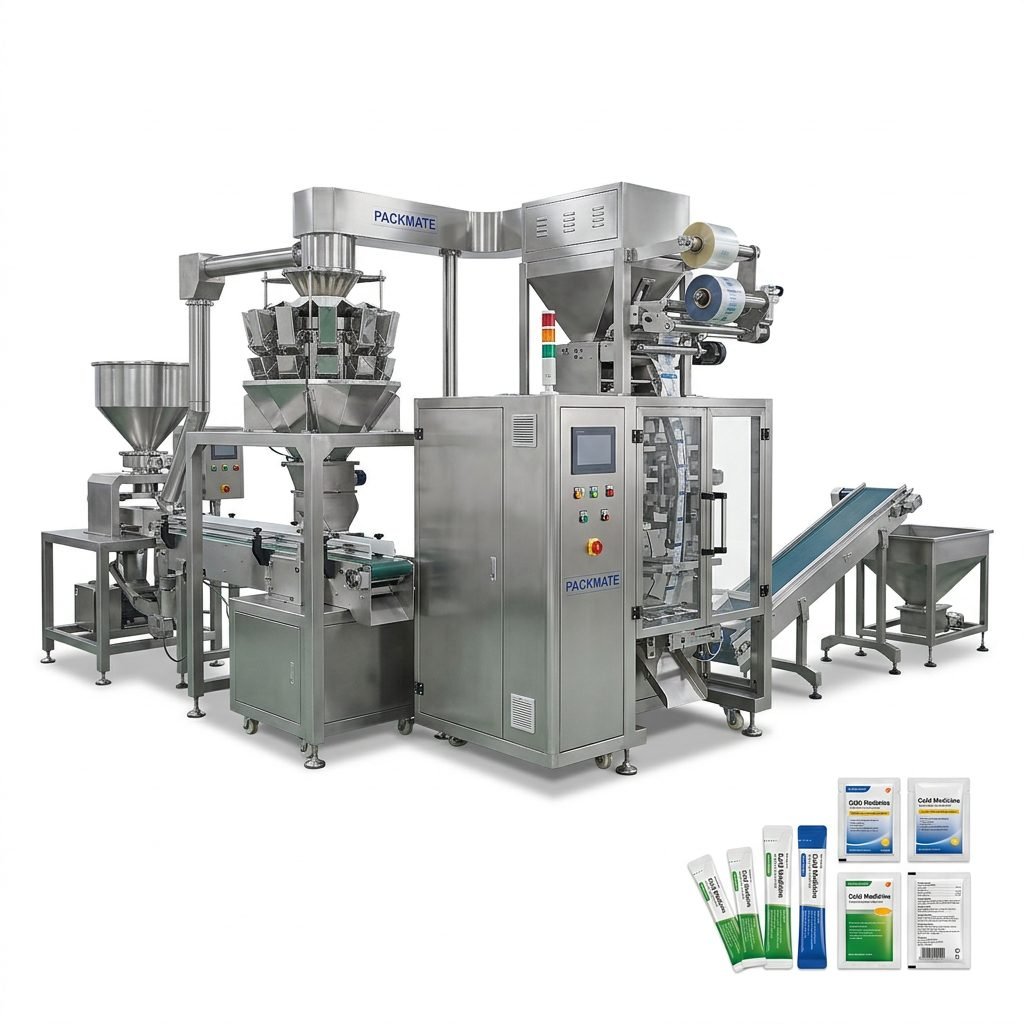
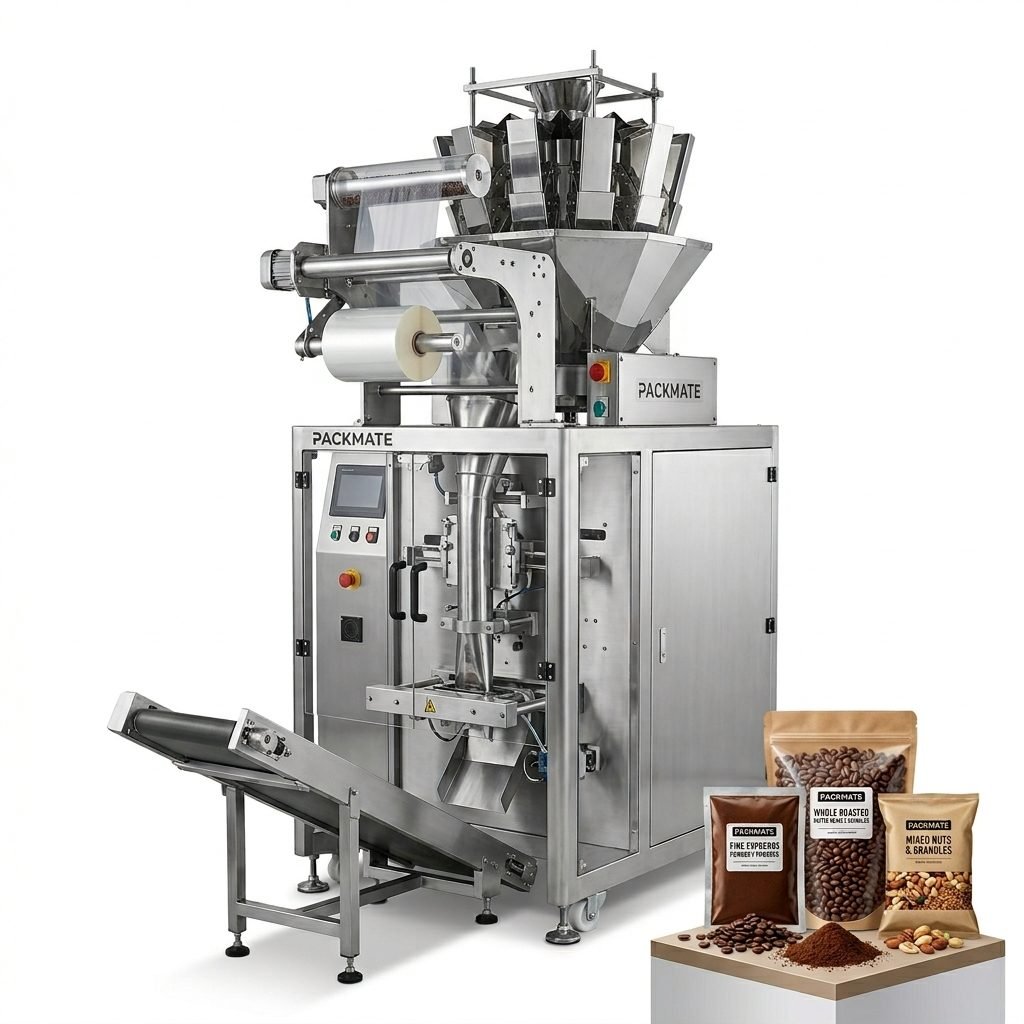
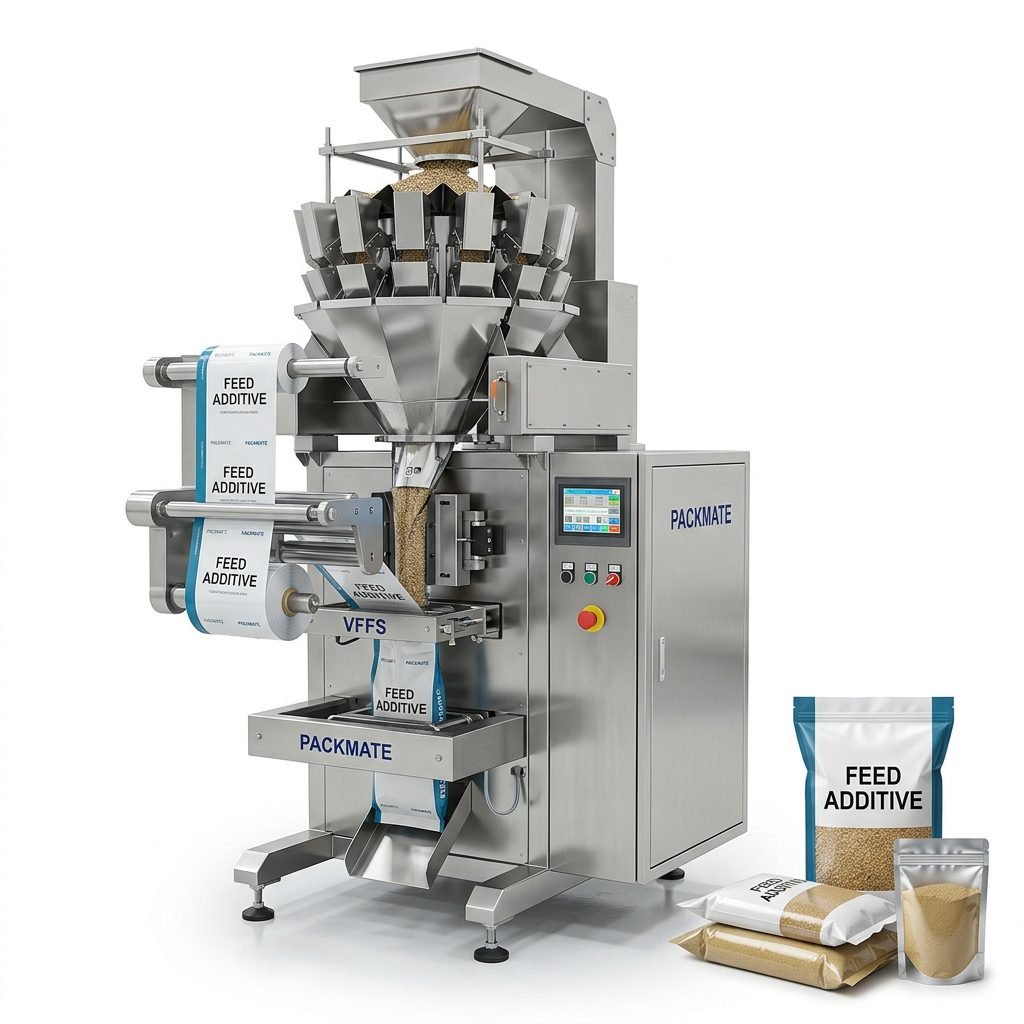
- Multi-head Weighing Combinational Scales: The industry standard for high-speed, high-accuracy packaging. Multiple weigh buckets work in concert; a computer calculates the optimal combination of buckets to achieve the target weight instantly. This system is virtually mandatory for modern snack food and coffee packaging lines.
3. Liquid Dosing Systems
A specialized subset focusing on fluids, utilizing technologies like timed flow, peristaltic pumps, or mass flow meters to achieve precision for oils, juices, chemicals, and pharmaceuticals.
Working Principles: From Hopper to Seal
The operation of an automatic dosing system is a symphony of mechanical and electronic coordination. Here’s a step-by-step breakdown:
- Product Supply: Bulk product is stored in a main hopper above the dosing unit. Agitators or vibrators may be used to prevent bridging or compacting, ensuring a consistent flow.
- Dosing Cycle Initiation: The packaging machine’s central control system sends a signal to the dosing unit that a packaging pouch is in position and ready to be filled.
- Measurement & Dispensing:
- For Volumetric: The auger rotates a pre-set number of times, or the piston completes its stroke, delivering the calibrated volume.
- For Gravimetric: Product is fed into the weigh buckets. The computer analyzes all bucket weights, selects the optimal combination, and opens those specific buckets to discharge the product.
- Transfer to Package: The measured product falls through a funnel or chute directly into the waiting package, which is typically being held open by grippers or forming tubes.
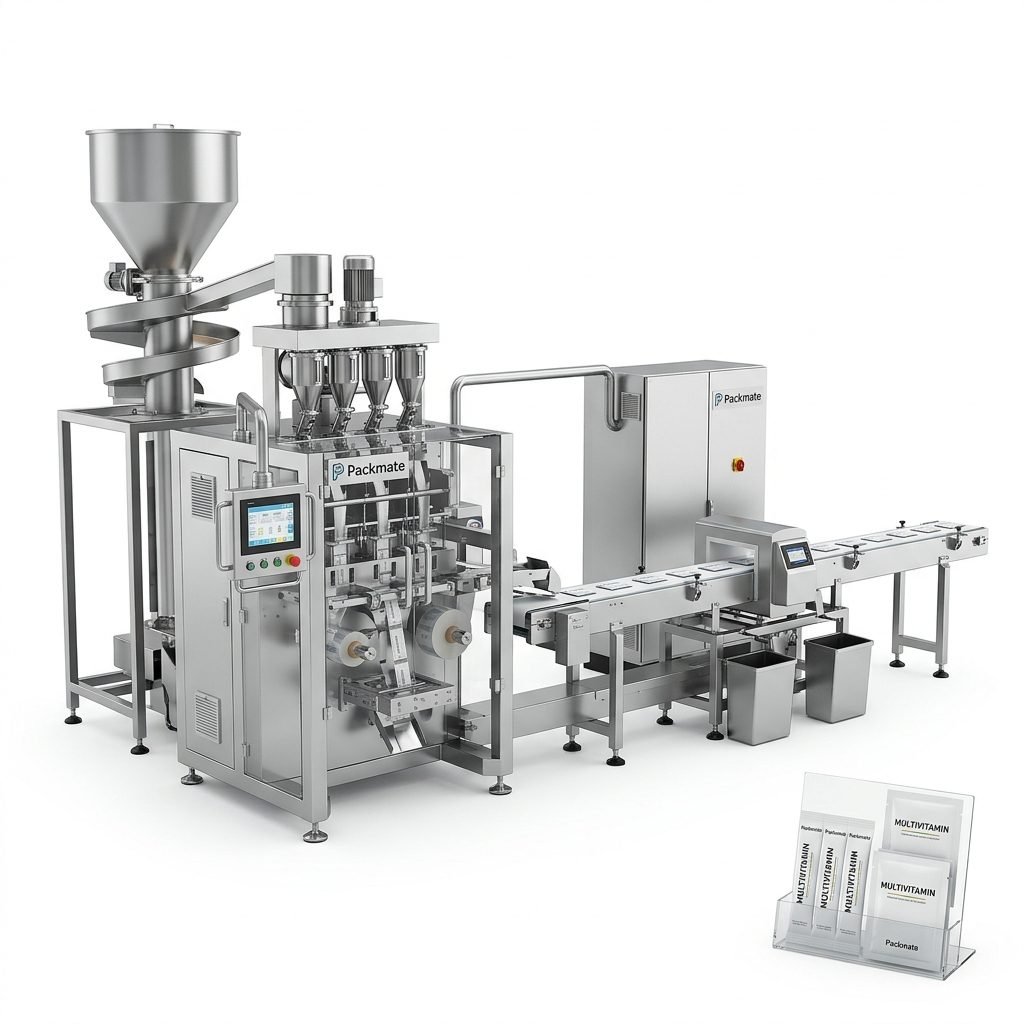
- Feedback & Adjustment: Advanced systems, especially net weight scales, incorporate check-weighing and feedback loops. A downstream checkweigher monitors the final pack weight and sends correction data back to the dosing controller in real-time, ensuring perpetual accuracy.
Why Integration Matters
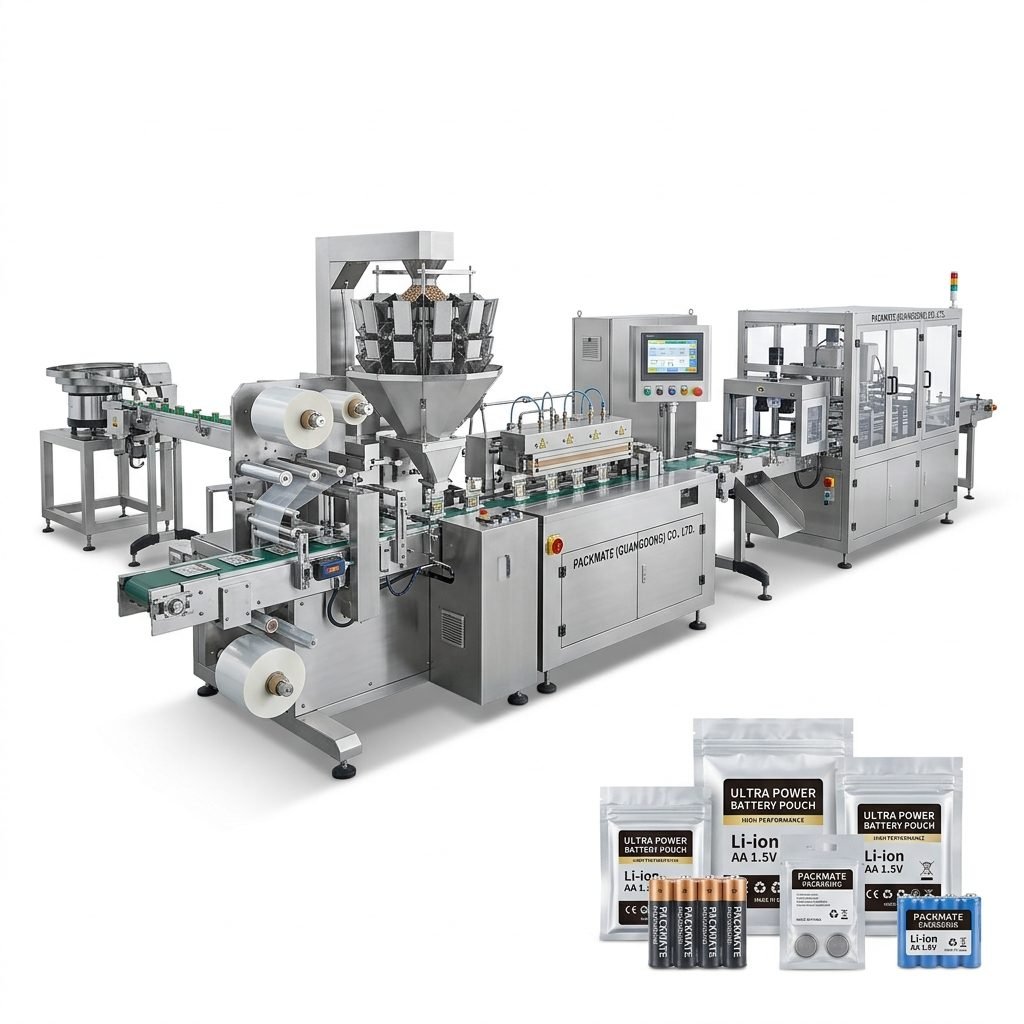
The true power of an automatic dosing system is unlocked when it is seamlessly integrated into a complete, synchronized packaging line. A standalone doser is of limited value. Companies like Packmate (GuangDong) Co., Ltd. specialize in designing such turnkey solutions. Their expertise ensures the dosing system communicates flawlessly with the bag maker, sealer, and conveyor, creating a single, efficient organism. This holistic approach, backed by over 22 years of experience, minimizes bottlenecks and maximizes overall equipment effectiveness (OEE).
Diverse Applications Across Industries
The application of automatic dosing is virtually universal in packaged goods. Its versatility solves unique challenges in each sector.
Food & Beverage Industry
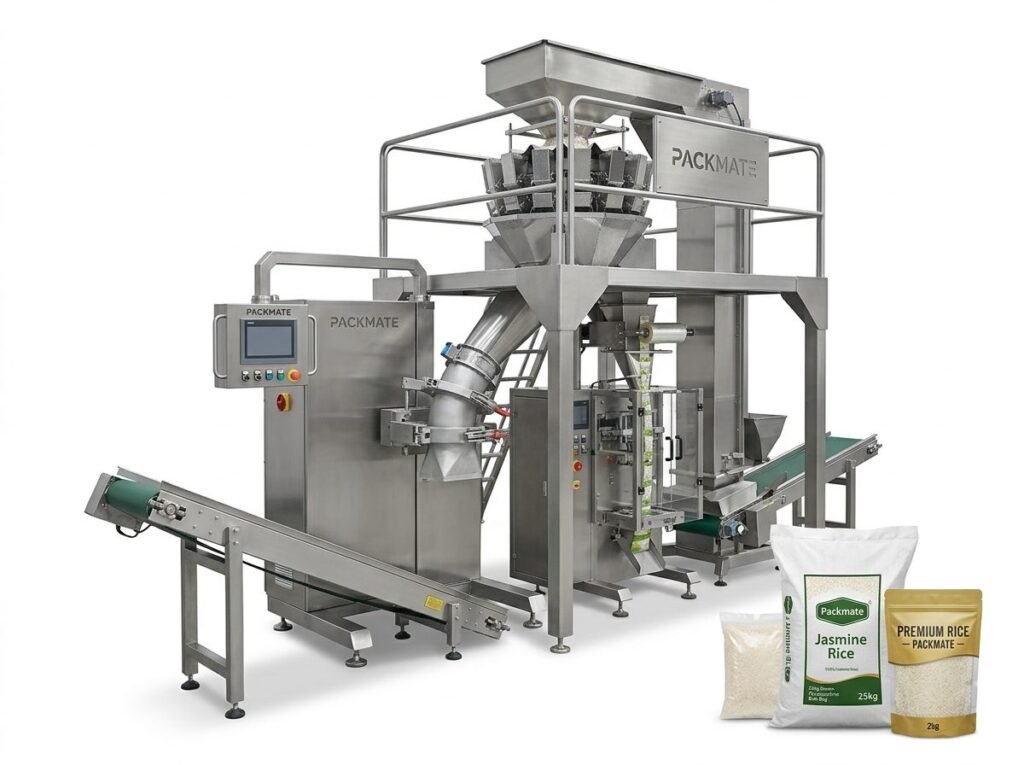
This is the largest application area. From single-serve sugar sachets and instant coffee sticks to bulk bags of rice or snack mixes, dosing ensures consistency and portion control. Multi-head weighers are ubiquitous for chips and nuts, while auger fillers handle spices and powdered drink mixes. The demand for high-speed, hygienic filling is relentless.
Pharmaceutical & Nutraceutical Industry
Here, precision is legally mandated. Dosing systems for powders in sachets, tablets in blister packs, or liquids in bottles must operate within extremely tight tolerances to ensure correct dosage. Systems are often constructed from stainless steel for easy sterilization and designed to prevent cross-contamination, complying with strict GMP standards.
Chemical & Agricultural Industry
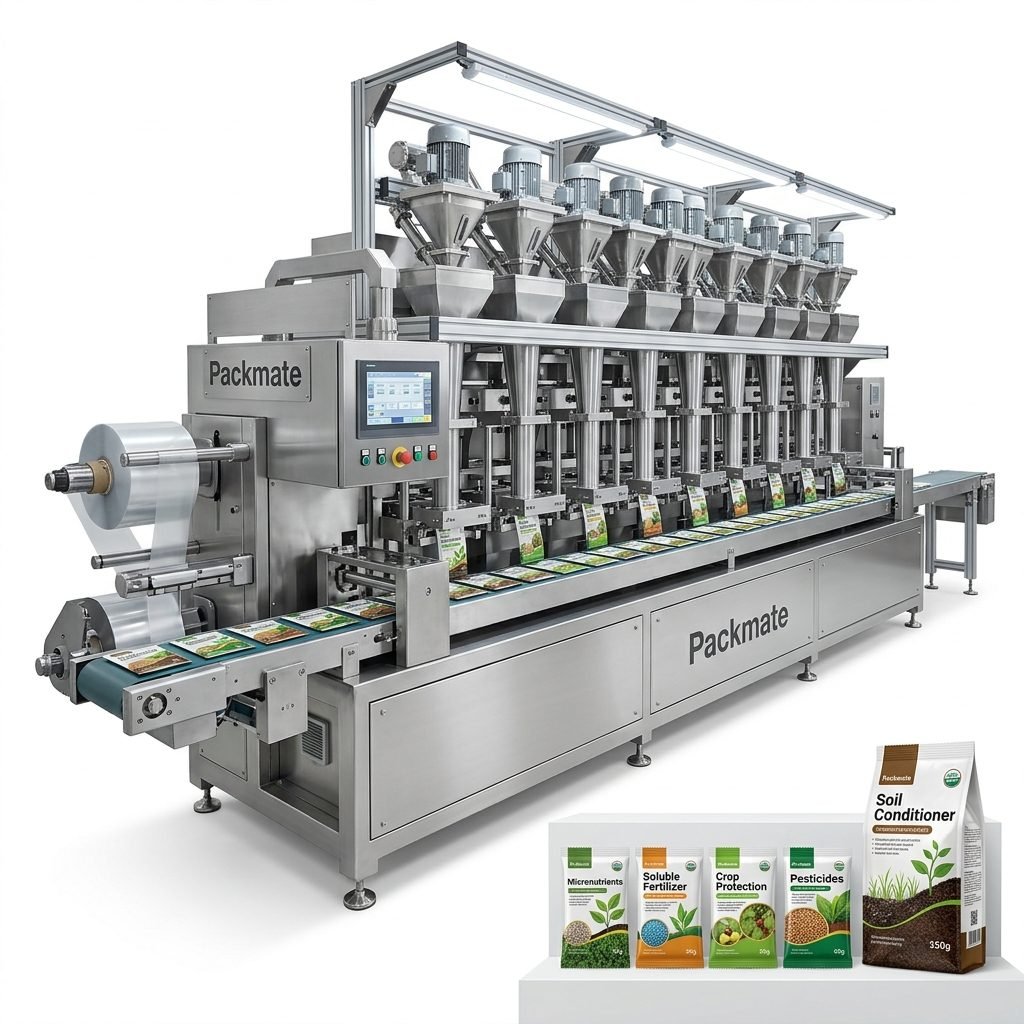
From dishwasher detergent pods to fertilizer granules, automatic dosing provides safe, accurate handling of materials that can be hazardous or require specific active ingredient ratios. Dust containment and corrosion-resistant materials are key considerations in system design.
Cosmetics & Personal Care
Filling creams, lotions, shampoos, and face masks requires systems that handle viscous products gently and without introducing air. Piston fillers and specialized pumps are commonly used to maintain product integrity and luxurious presentation.
Selecting the Right System: Key Considerations
Investing in an automatic dosing system is a significant decision. Partnering with an experienced provider is crucial. Key factors to evaluate include:
- Product Characteristics: Is it free-flowing, sticky, abrasive, fragile, or aerated? This dictates the technology.
- Required Accuracy (Tolerance): ±1% is very different from ±0.1%, and impacts cost and technology choice.
- Desired Speed (PPM): The dosing unit must match or exceed the speed of the rest of your packaging line.
- Hygiene & Cleanability: Food and pharma-grade designs with quick-disconnect parts and smooth surfaces are essential.
- Integration & Support: Ensure the supplier, like Packmate, can provide full integration, training, and reliable after-sales service.
Conclusion: The Engine of Modern Packaging
The automatic dosing system is far more than just a component; it is the precision engine that drives profitability, quality, and compliance in modern packaging operations. By understanding the different types—volumetric, gravimetric, and liquid—along with their working principles and ideal applications, manufacturers can make informed decisions that propel their business forward. As packaging lines become smarter and more connected, the role of intelligent, feedback-driven dosing will only grow in importance, making it a cornerstone of any competitive manufacturing strategy.
Frequently Asked Questions (FAQs)
1. What is the main difference between volumetric and gravimetric dosing?
Answer: Volumetric dosing measures by volume (e.g., using a cup or screw), which is faster and more economical for many products. Gravimetric (net weight) dosing measures by weight, using scales. It is significantly more accurate and essential for high-value or regulated products, as it compensates for product density variations that affect volume.
2. How do I know which type of dosing system is right for my product?
Answer: The choice is primarily driven by your product’s physical properties (flowability, density, abrasiveness) and your required accuracy/speed. The best approach is to conduct a product test with a reputable supplier. They can analyze your sample and recommend the optimal technology based on empirical data.
3. Can one dosing system handle multiple different products?
Answer: Yes, many systems are designed for changeover. Features like quick-change augers, tool-less part removal, and programmable recipes for different products allow for flexible production. However, the ease of changeover depends on the system design and the similarity of the products (e.g., switching between two different powders is easier than switching from powder to liquid).
4. How important is the integration of the dosing system with the rest of the packaging line?
Answer: Integration is critical. A perfectly accurate doser is useless if it isn’t synchronized with the bag former, sealer, and conveyor. Poor integration causes spills, jams, and downtime. A turnkey solution from a single provider ensures all components communicate seamlessly, maximizing overall line efficiency and reliability.
5. What kind of maintenance does an automatic dosing system require?
Answer: Regular maintenance is key to longevity and accuracy. This typically includes daily cleaning to prevent product buildup, periodic lubrication of moving parts, calibration checks (especially for scales), and inspection of wear parts like augers, seals, and filters. A good supplier will provide a clear maintenance schedule and training.