In today’s competitive and highly regulated manufacturing landscape, the packaging line is far more than a final step in production. For the food, pharmaceutical, and health product industries, it is a critical nexus of quality assurance, brand integrity, and operational efficiency. A professional packaging solution must seamlessly integrate speed, precision, hygiene, and adaptability to meet diverse product needs and stringent global standards.
The Critical Role of Specialized Packaging Lines
The demands placed on packaging differ dramatically across these vital sectors. A one-size-fits-all approach is not only ineffective but can pose significant risks to product safety and consumer trust.
Food Industry Requirements
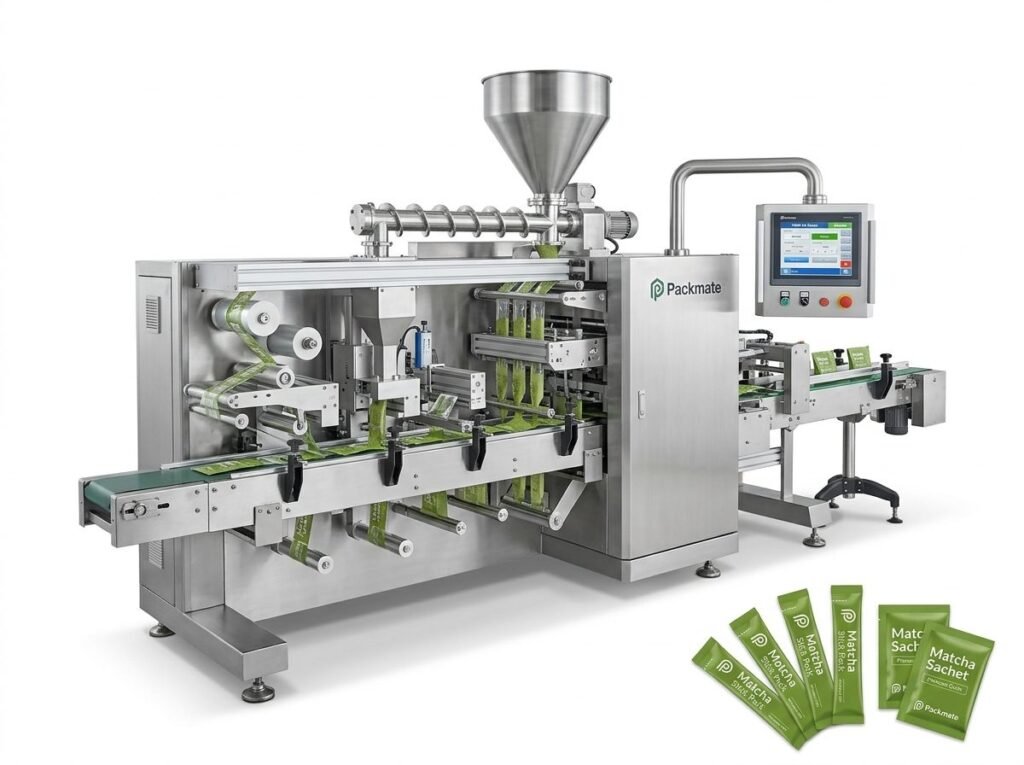
Packaging must ensure freshness preservation, prevent contamination, and provide clear nutritional labeling. Solutions often involve modified atmosphere packaging (MAP) for perishables, robust sealing for powders and granules, and portion-controlled formats like stick packs for instant beverages or condiments.
Pharmaceutical & Health Product Imperatives
Here, the stakes are even higher. Packaging is a primary barrier against moisture, light, and tampering. It must guarantee dosage accuracy, child safety, and comply with Good Manufacturing Practices (GMP). Solutions range from sterile blister packs for tablets to precise sachet filling for powdered supplements and liquid oral doses. Traceability through serialization is also becoming a global mandate.
Core Components of a Turnkey Professional Solution
Building a reliable production line requires the integration of several key subsystems, each performing a specialized function with synchronized precision.
1. Automated Filling & Dosing Systems
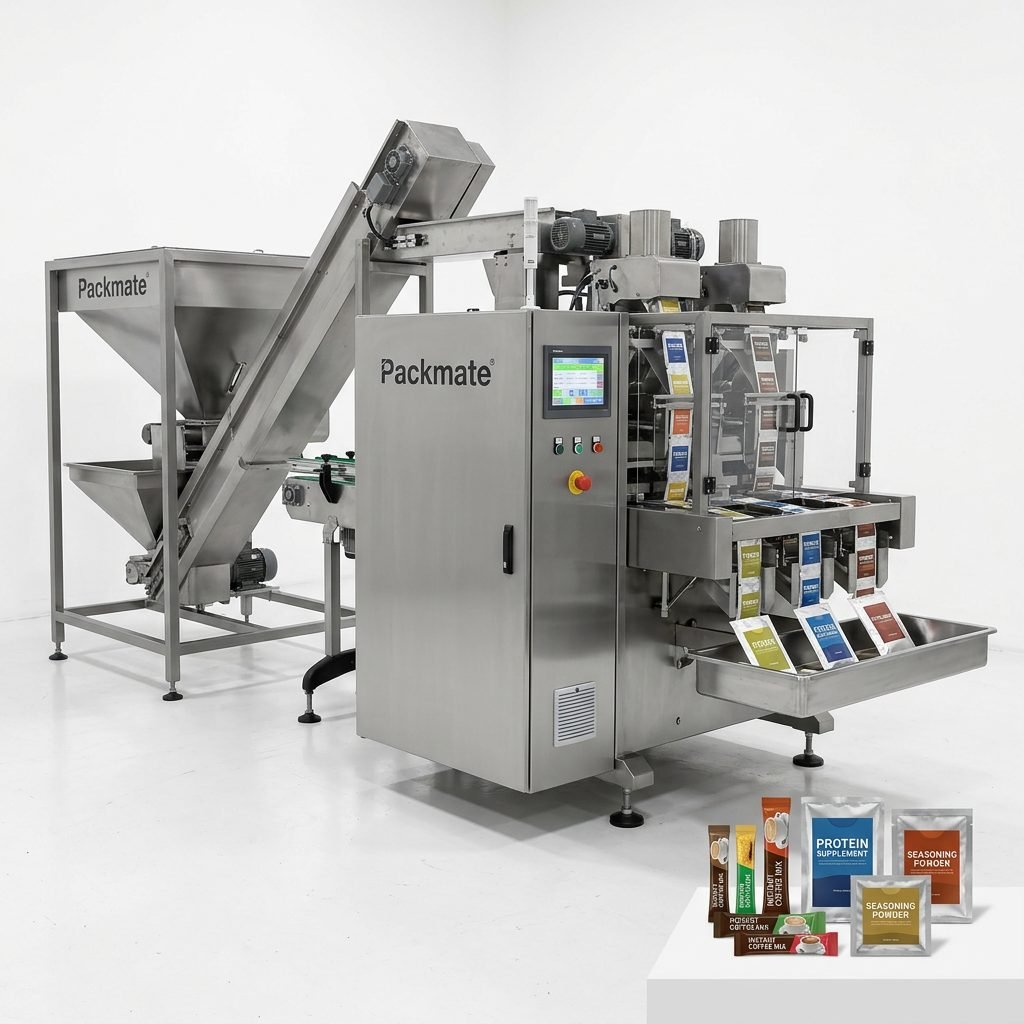
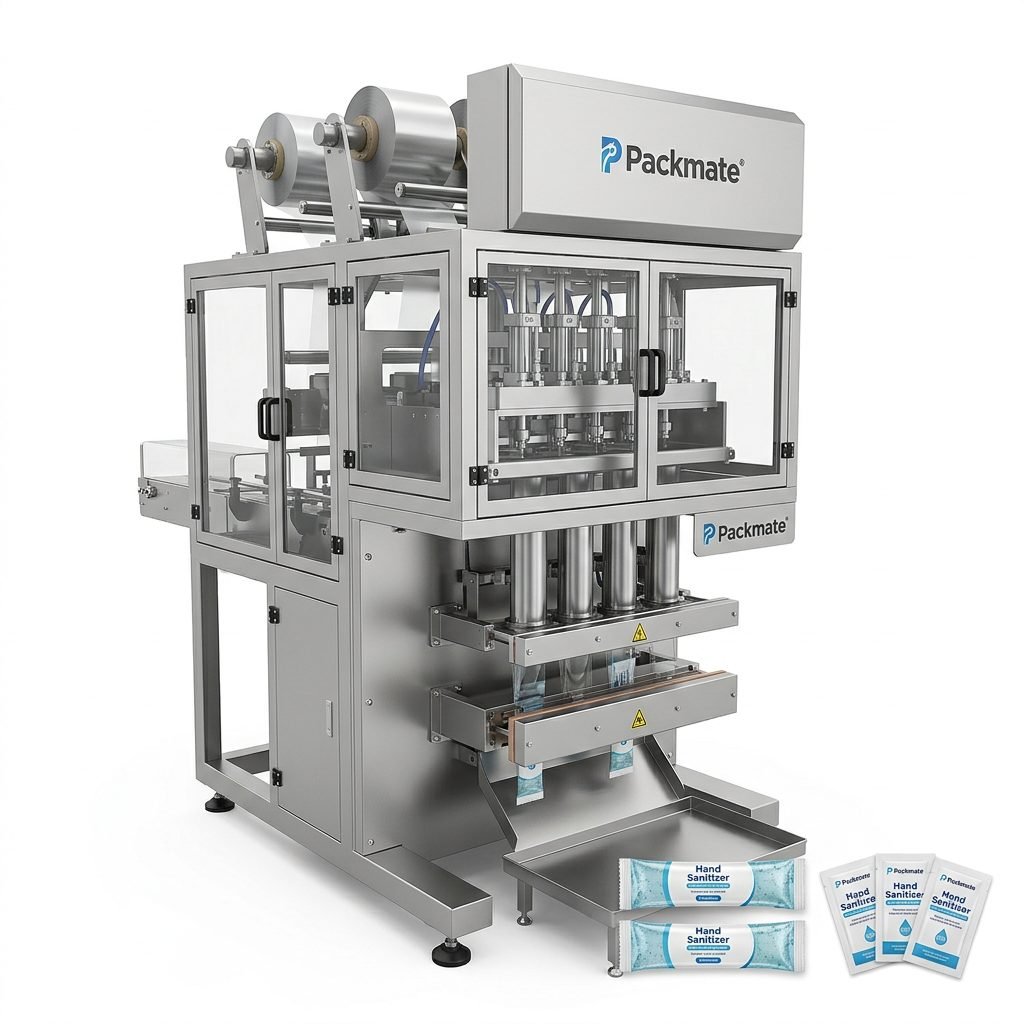
The heart of any packaging line. For food products like coffee granules or soup powder, volumetric or auger fillers ensure consistent weight. For pharmaceutical liquids, peristaltic or piston pumps deliver exact volumes. Advanced systems feature in-line checkweighers to reject under or over-filled units in real-time, a non-negotiable feature for compliance.
2. Forming, Sealing & Cutting Technology
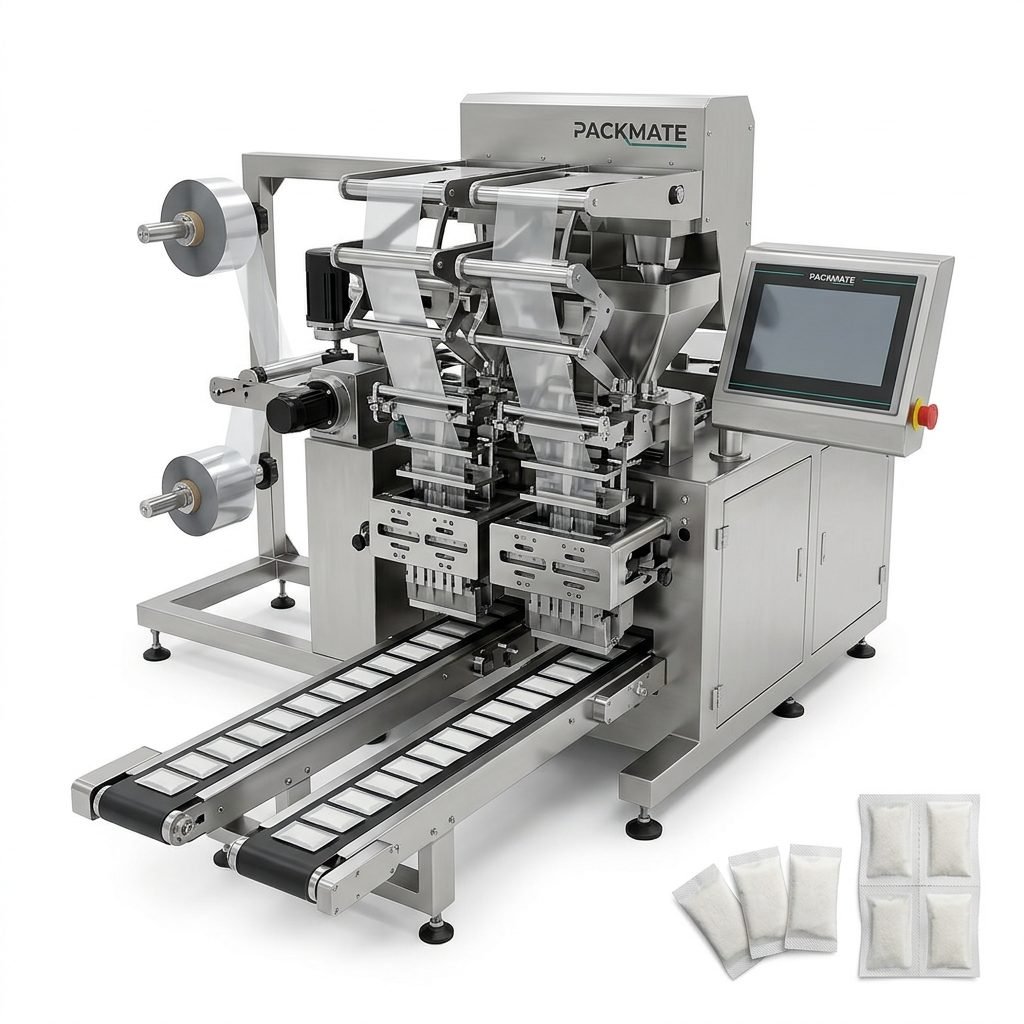
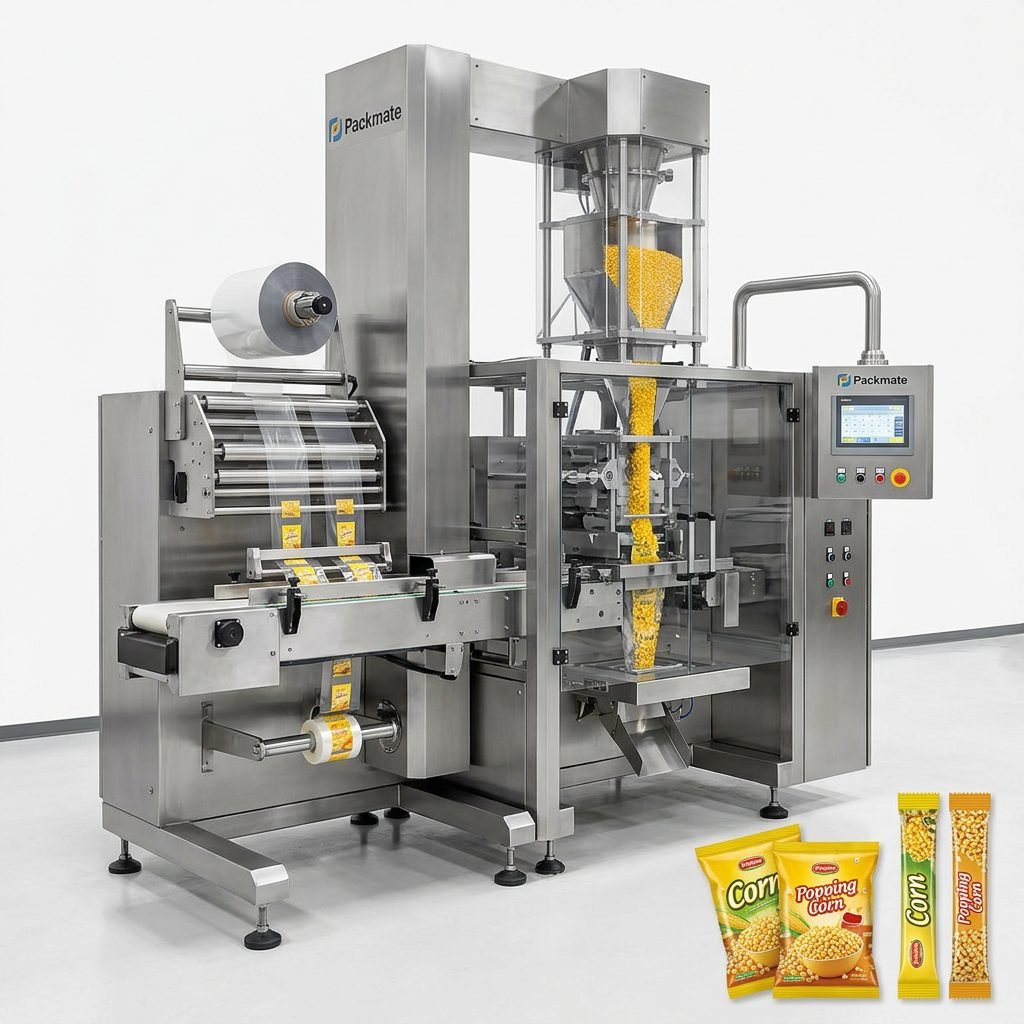
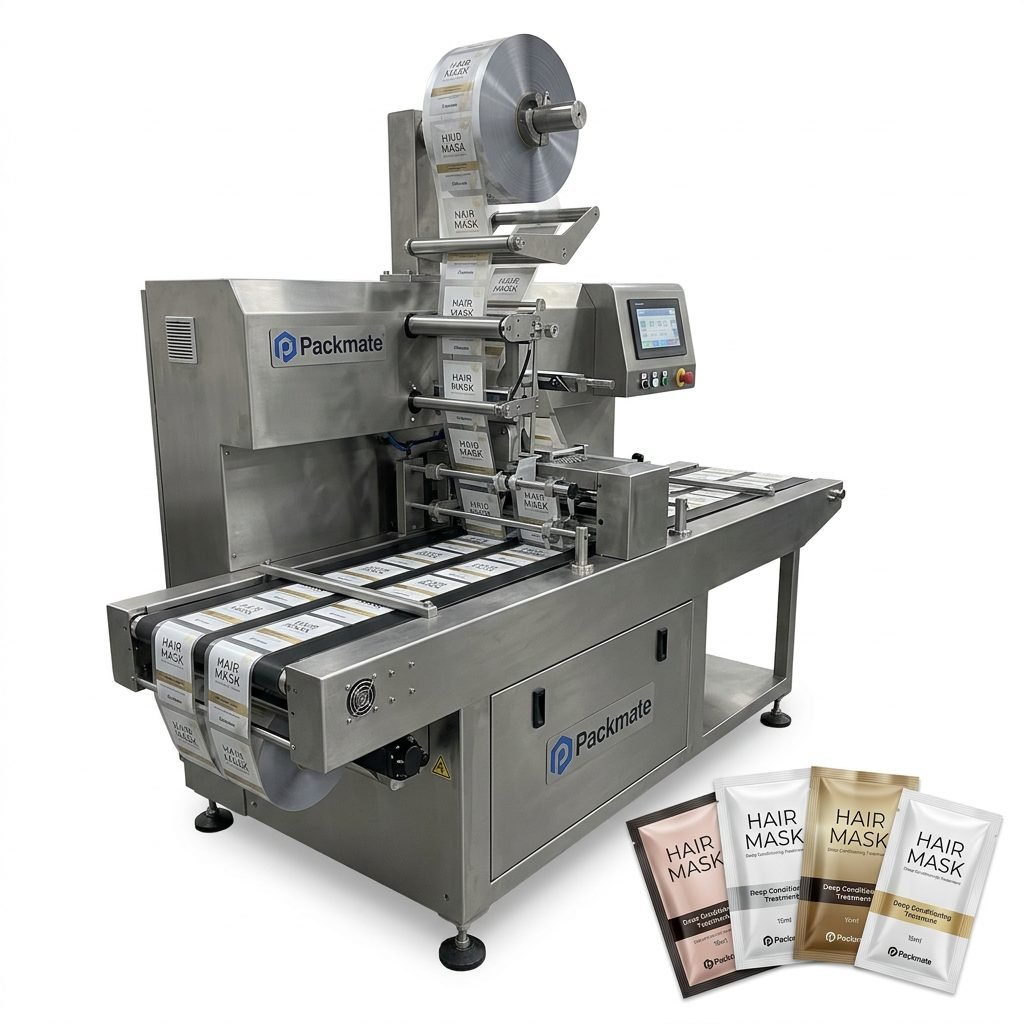
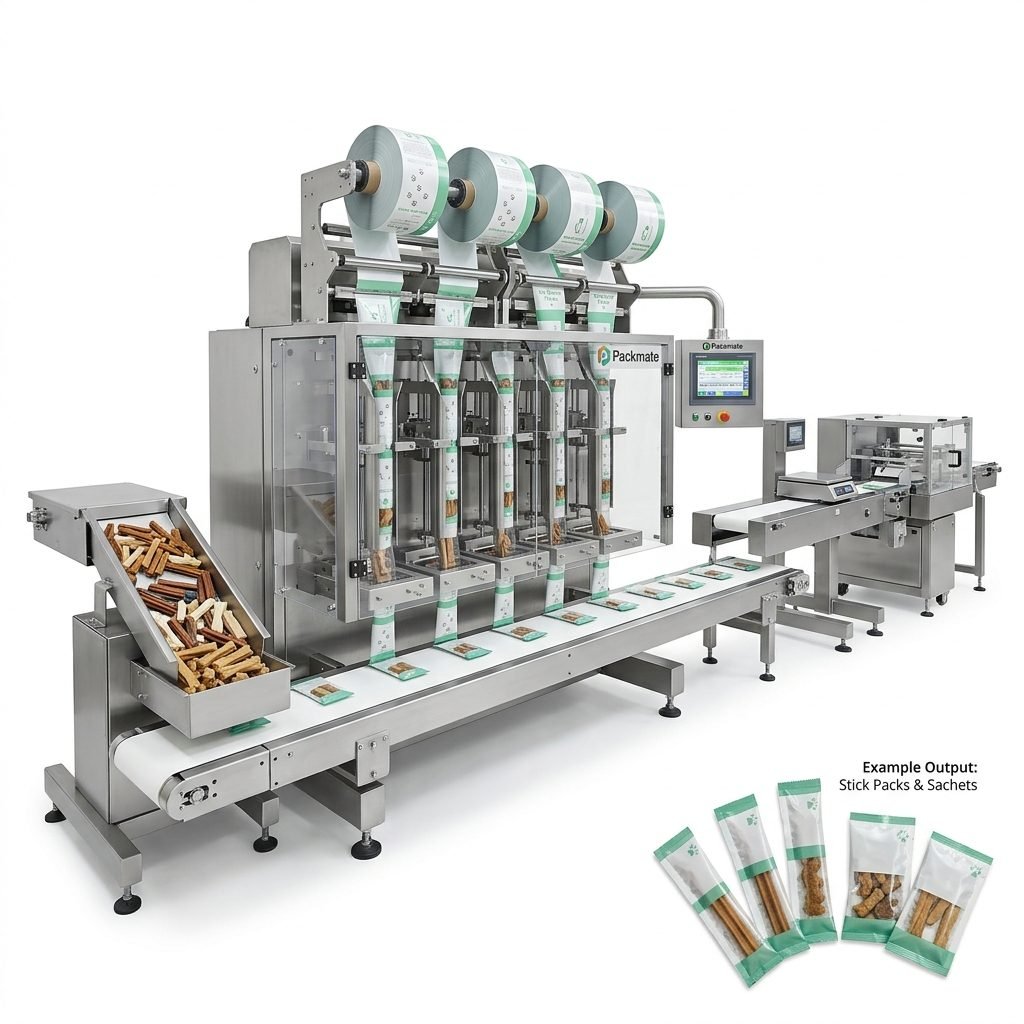
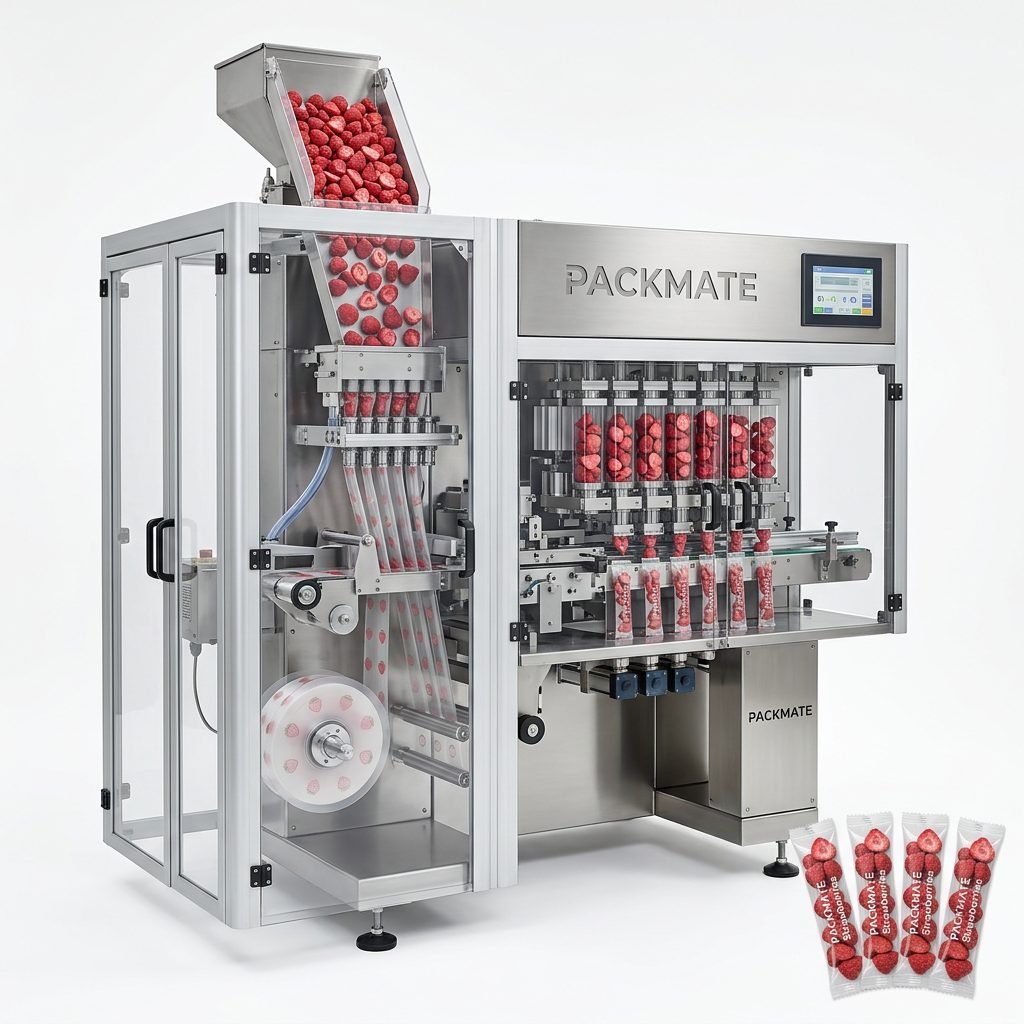
This stage transforms packaging film into the final product format. Vertical form-fill-seal (VFFS) machines are versatile for creating bags and sachets, while horizontal form-fill-seal (HFFS) is ideal for blister packs and stick packs. The quality of the seal—whether fin, lap, or crimp—is paramount for product integrity. Clean, precise cutting prevents fraying and ensures a professional finish.
3. Secondary & Tertiary Packaging Integration
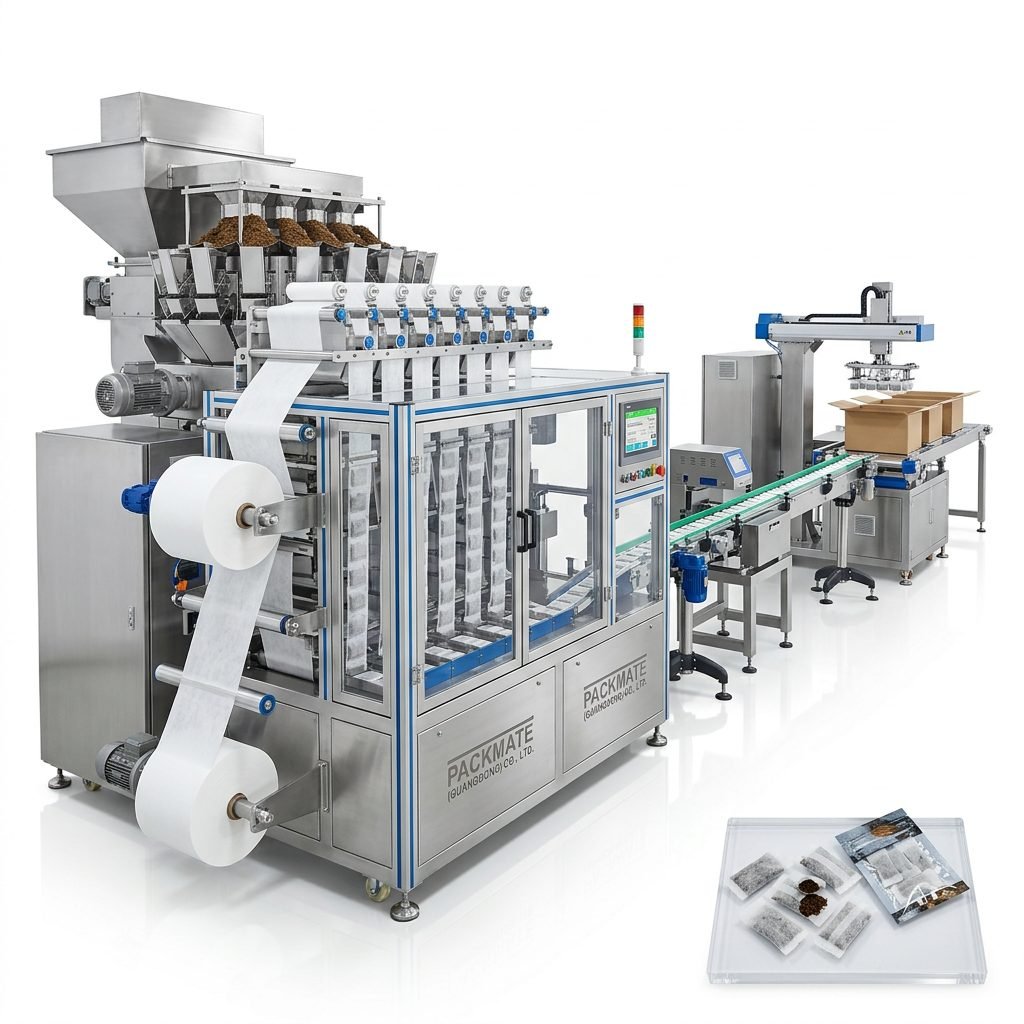
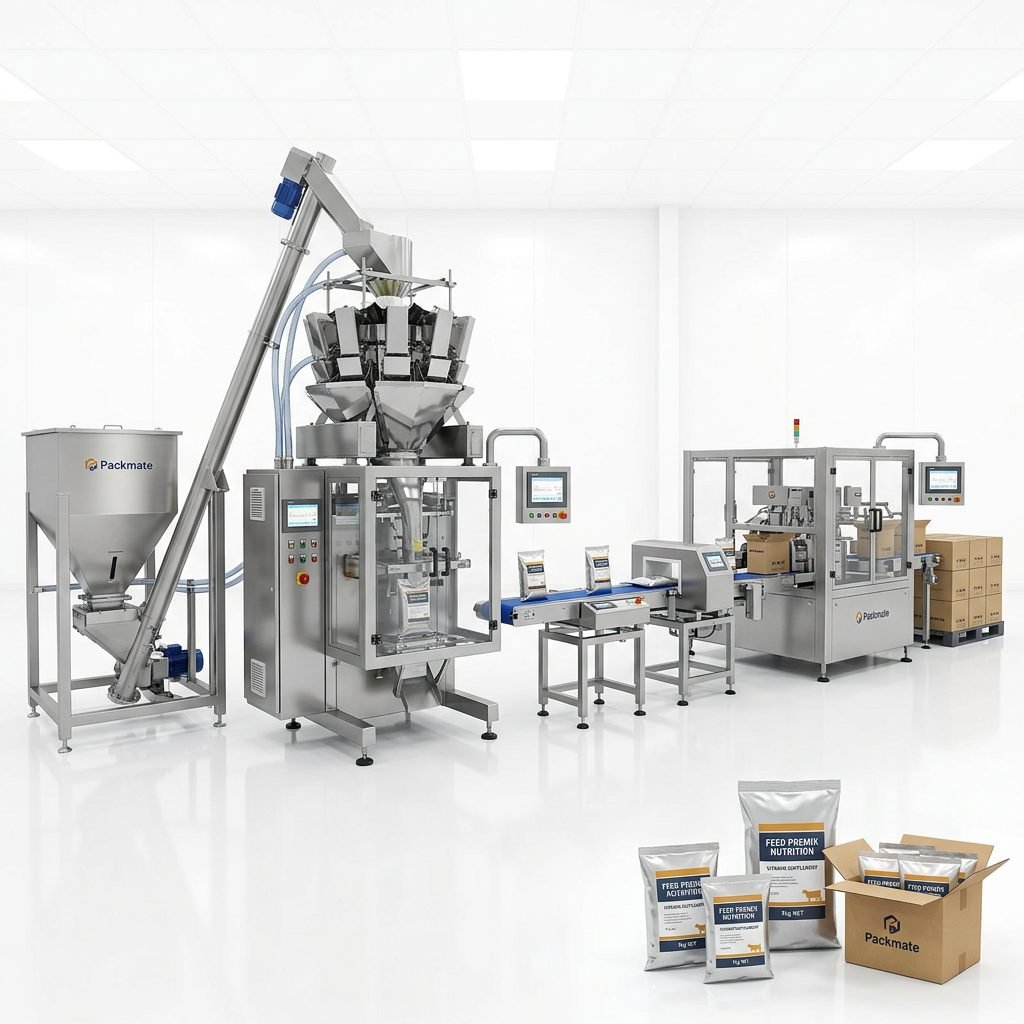
After primary packaging, products are often collated into boxes, cartoned, and palletized. A professional line integrates cartoners, case packers, and palletizers to create a continuous flow from single unit to shipment-ready load. This end-to-end automation drastically reduces manual handling, lowering labor costs and minimizing contamination risk.
The Packmate Advantage: Engineering Complete Confidence
With over 30 years of focused experience, Packmate (GuangDong) Co., Ltd. has evolved from a specialist machine builder to a provider of intelligent, turnkey packaging lines. Our philosophy is rooted in understanding the unique challenges of each industry and engineering solutions that deliver unwavering reliability.
Our modern 20,000㎡ facility in the heart of China’s Greater Bay Area is more than a factory; it’s an innovation hub. Here, our team of 125+ skilled engineers designs, prototypes, and rigorously tests over 50 machine models. We don’t just sell equipment; we deliver a complete production ecosystem.
🔵 Key Differentiators of Our Packaging Lines:
- Modular Design: Lines can be configured and scaled for granules, powders, liquids, and large-volume products, ensuring future-proof adaptability.
- Hygienic Construction: Use of stainless steel, easy-clean surfaces, and IP-rated components, especially critical for pharmaceutical and health product applications.
- Intelligent Control Systems: User-friendly HMI panels with data logging, OEE tracking, and remote diagnostic capabilities for predictive maintenance.
- Global Compliance Focus: Machines are engineered to meet CE, FDA, and other international regulatory standards for safety and hygiene.
Our commitment extends beyond installation. We provide comprehensive training, detailed documentation, and accessible after-sales support to ensure your team achieves optimal line performance from day one. You can explore real-world applications in our detailed case studies.
Driving Efficiency and ROI in Your Production
Investing in a professional packaging line is a strategic decision with a clear return on investment. The benefits are tangible and multifaceted.
Maximized Operational Uptime: High-reliability machinery from experienced providers like Packmate minimizes unplanned downtime. Robust components and intelligent monitoring ensure the line runs consistently at its designed capacity, maximizing output.
Reduced Material Waste & Cost: Precision filling and sealing drastically reduce product give-away and packaging film waste. Over time, these savings directly improve your bottom line and support sustainability goals.
Enhanced Product Quality & Brand Reputation: Consistent, secure, and attractive packaging builds consumer confidence. For health products, flawless packaging is synonymous with efficacy and safety, protecting your brand’s most valuable asset—its reputation.
Scalability for Market Growth: A well-designed line can accommodate new product formats, sizes, and increased volumes with minimal re-engineering. This flexibility allows you to respond quickly to market opportunities. Discover the full scope of our capabilities by viewing our equipment catalog.
Frequently Asked Questions (FAQs)
1. What is the typical lead time for a complete turnkey packaging line?
Lead time varies based on line complexity and customization. A standard configured line typically takes 60-90 days from order confirmation to shipment. Complex, fully custom solutions may require 120-180 days for design, manufacturing, and testing. A detailed project timeline is provided during the quotation process.
2. How do you ensure the packaging line meets our specific product and output requirements?
Our process begins with a deep technical consultation. We often request product samples for testing in our facility to determine the optimal filling, sealing, and handling methods. We define key parameters like bag size, film material, required speed (packs per minute), and integration needs before finalizing the line design and providing a firm proposal.
3. What kind of training and after-sales support do you provide?
We provide comprehensive on-site training for your operators and maintenance technicians upon installation. This covers operation, routine maintenance, troubleshooting, and safety. Our support includes a warranty period, readily available spare parts, and access to remote technical assistance via phone or video call for ongoing support.
4. Can your machines handle different packaging formats, like switching from sachets to stick packs?
Many of our core machines are designed with modularity in mind. While a complete format change (e.g., from sachet to stick pack) usually requires changing the forming assembly, which can be provided as a spare kit, within a format (e.g., different sachet sizes), changeovers are often quick and tool-less, minimizing downtime.
5. Are your packaging lines compliant with international standards for food and pharmaceutical use?
Yes. Our machines are designed and constructed to meet major international standards. This includes using food-grade and pharmaceutical-grade materials (e.g., 304/316 stainless steel), implementing hygienic design principles, and ensuring electrical systems comply with CE directives. We can guide you on the specific certifications required for your target markets.