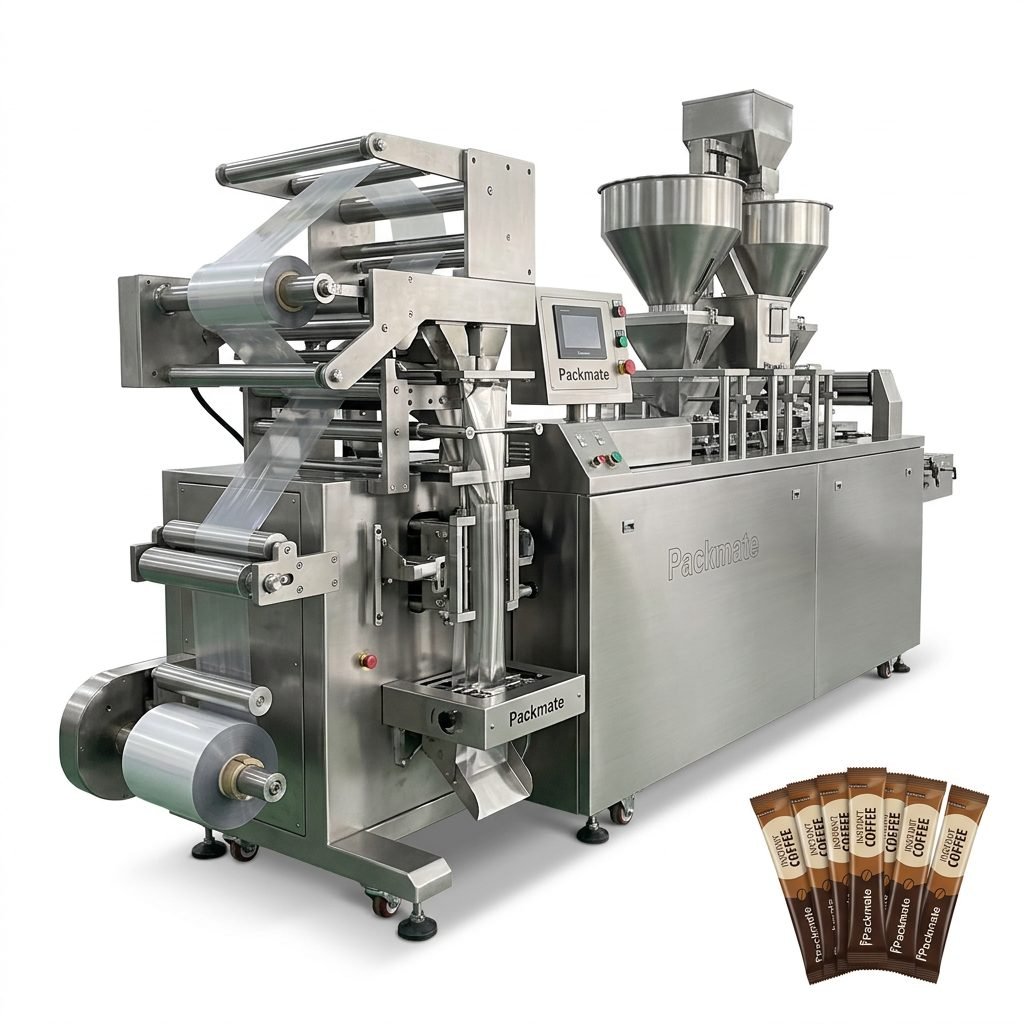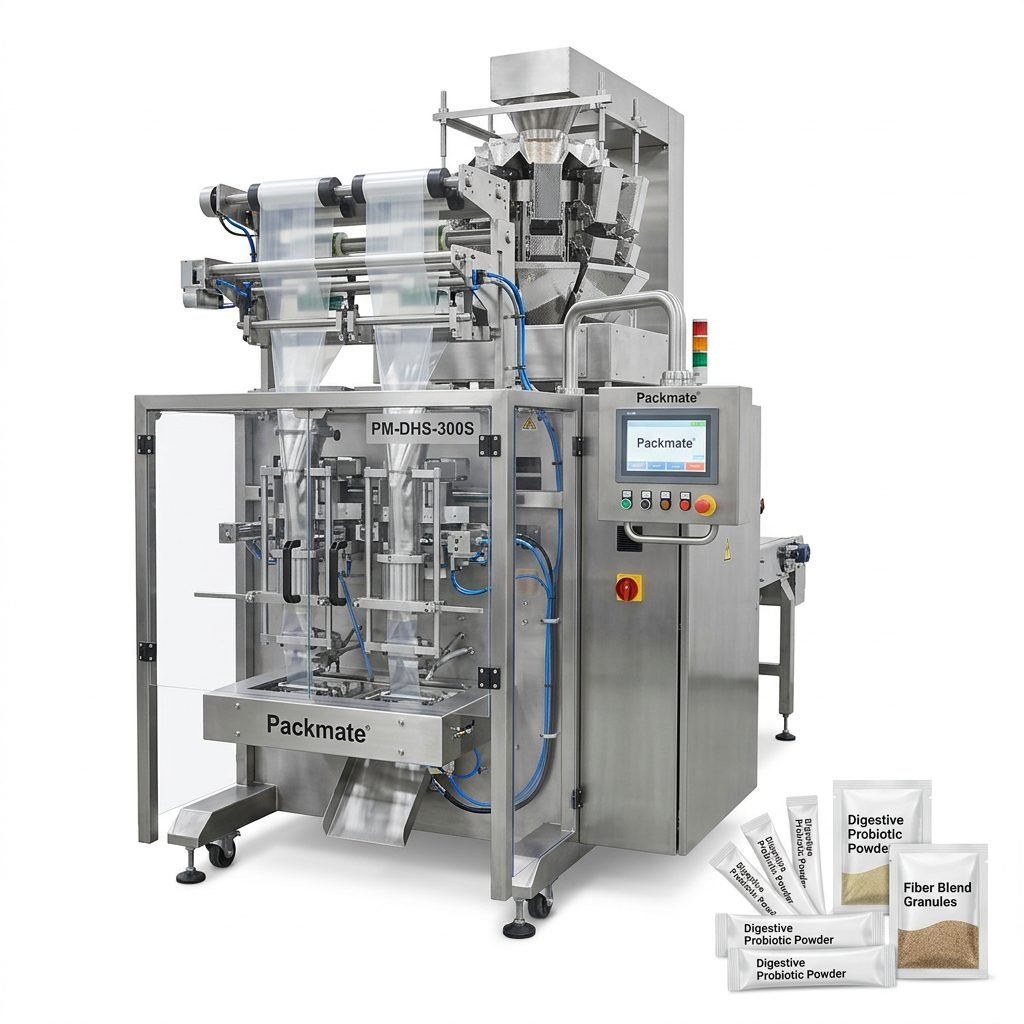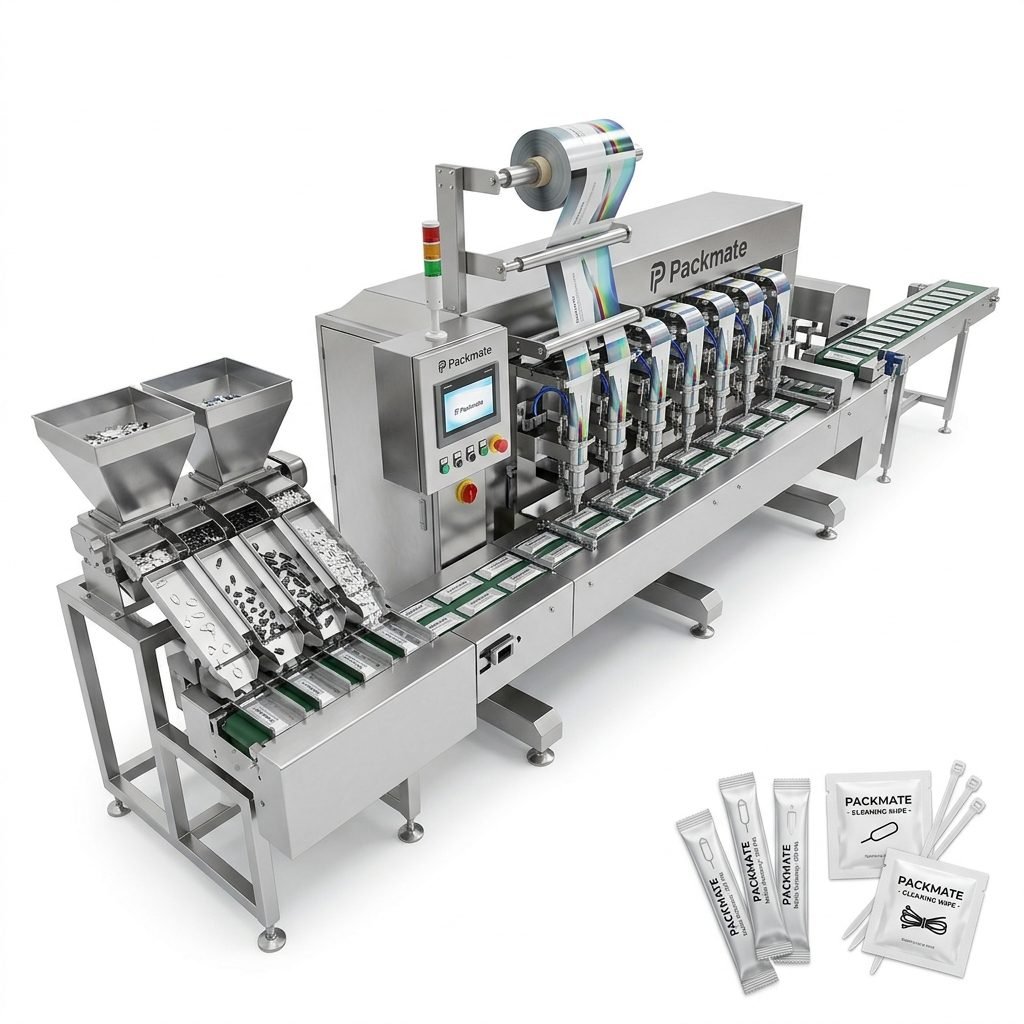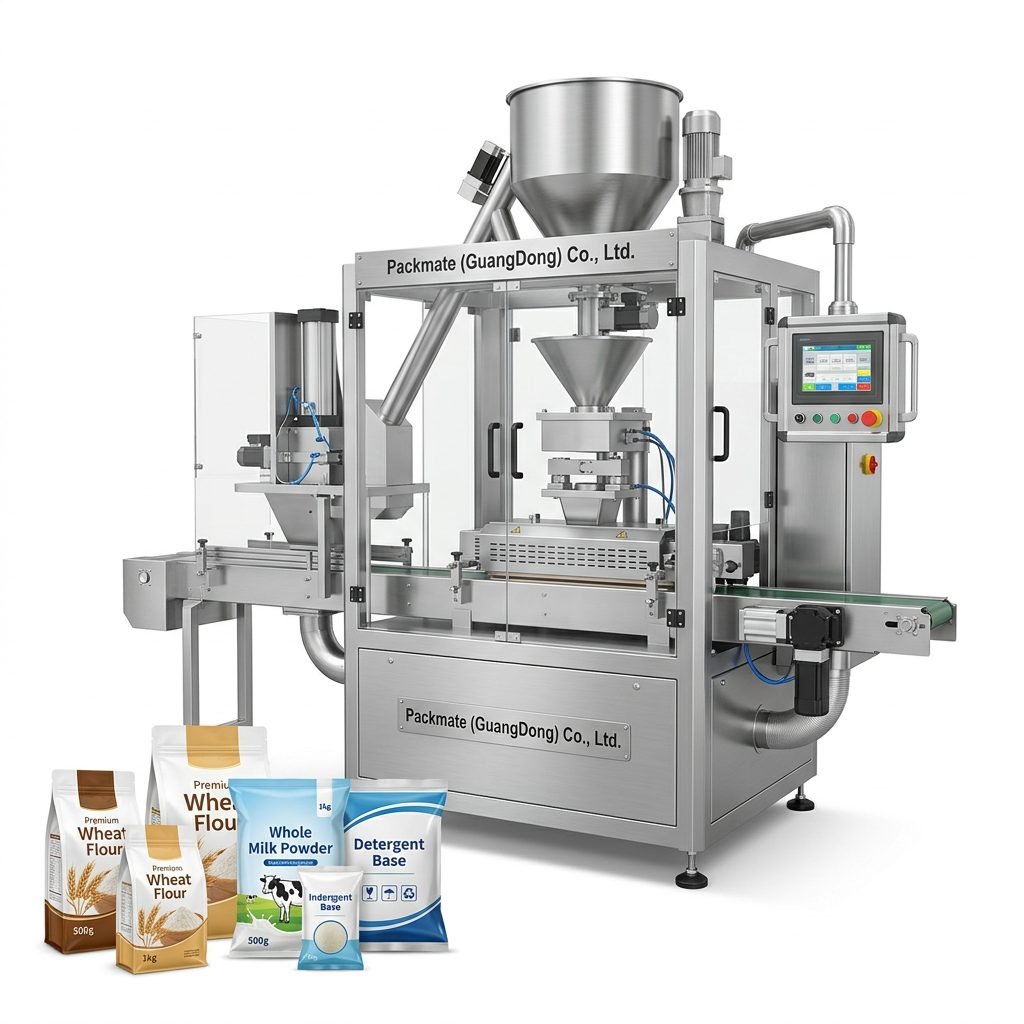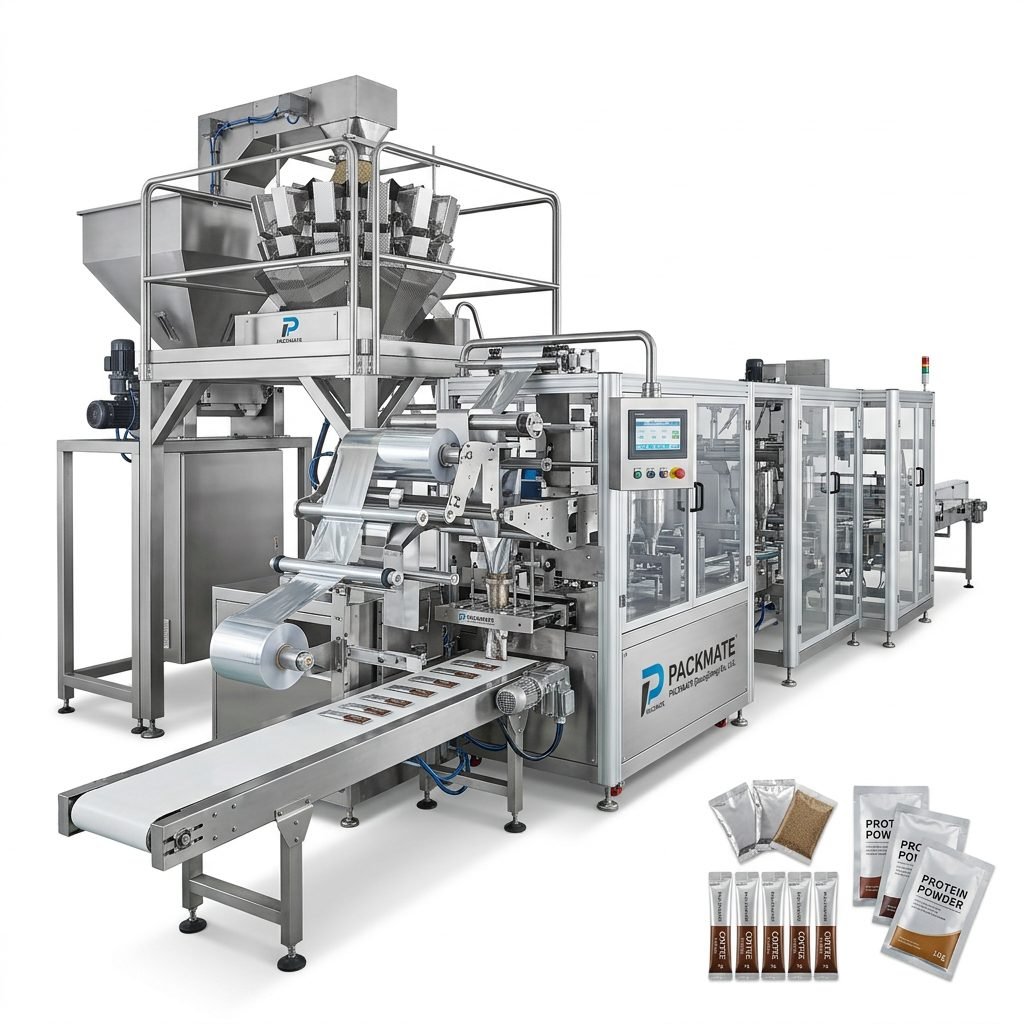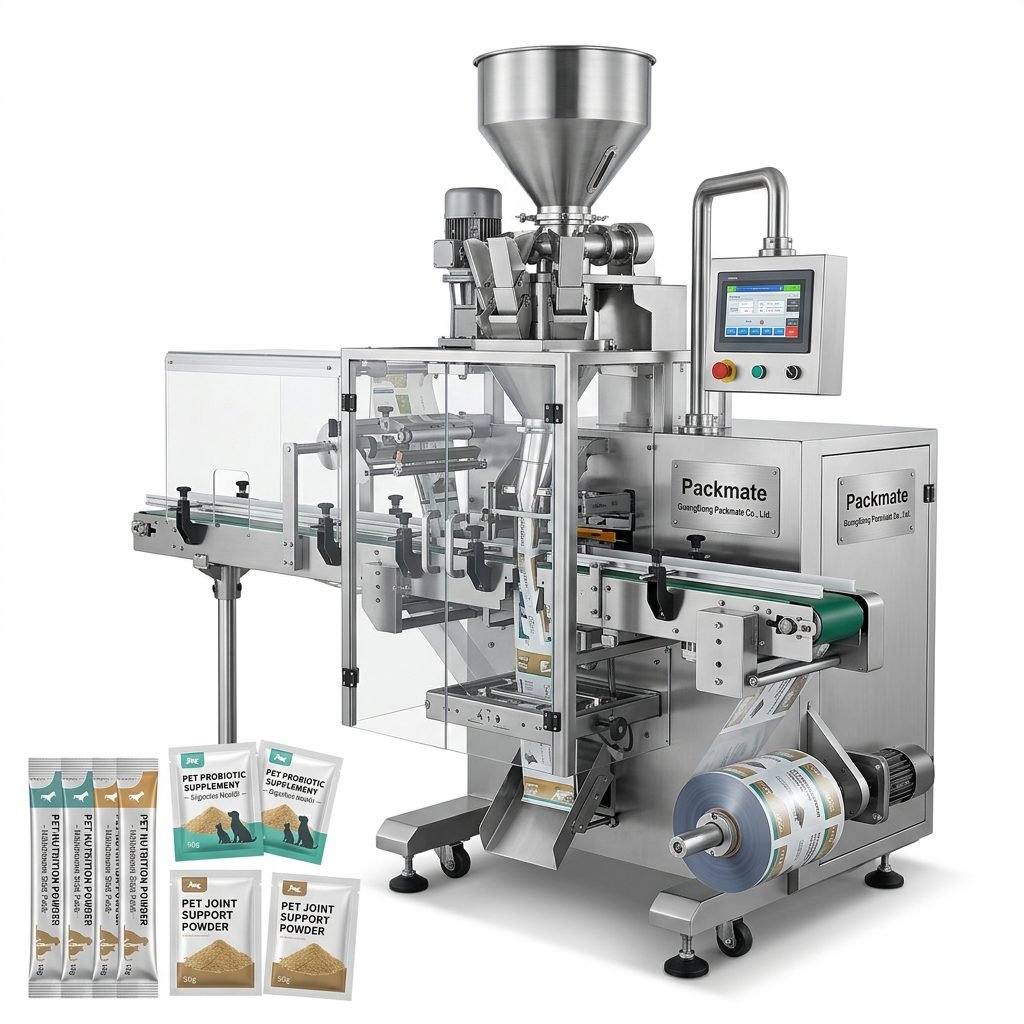
In the competitive world of beverage manufacturing, efficiency, hygiene, and speed are not just goals—they are the very foundation of profitability and market success. A complete beverage filling and packaging line is a sophisticated symphony of machinery, each component meticulously engineered to handle specific tasks, from cleaning containers to sealing finished products. For producers of bottled drinks, canned beverages, and large-scale production plants, investing in a seamless, integrated line is a strategic decision that impacts output quality, operational cost, and scalability.
The Core Components of a Modern Beverage Line
Every successful beverage production journey begins with a clear understanding of the essential stages. A turnkey solution integrates these stages into a cohesive, automated flow.
1. Unscrambling & Cleaning
Empty bottles or cans are fed into the line, often from bulk containers. An unscrambler oratorients and singles them out, preparing them for a thorough cleaning process. High-pressure air jets, water rinsers, or inverted rinsers ensure that every container is free of dust, particles, or residual contaminants, which is critical for product integrity and shelf life.
2. Filling Technology: Precision is Paramount
This is the heart of the operation. The choice of filler depends heavily on the beverage type:
- Gravity Fillers: Ideal for still, non-carbonated liquids like water, juices, or teas.
- Pressure Fillers: Essential for carbonated drinks (soft drinks, beer) to prevent loss of carbonation.
- Volumetric or Piston Fillers: Used for viscous products like syrups, dairy drinks, or oils.
Modern fillers offer incredible accuracy, minimizing product giveaway and ensuring every container meets the labeled volume.
3. Sealing & Capping
Immediately after filling, containers move to the capping station. For bottles, this involves applying screw caps, sports caps, or crown corks with precise torque control. For cans, the process involves seaming a lid onto the can body with absolute hermetic integrity. Reliability here prevents leaks and preserves freshness.
4. Labeling & Branding
This is where the product gains its market identity. Labelers can apply wrap-around labels, front-and-back labels, or even sophisticated sleeve labels. Options include pressure-sensitive (sticker) labeling, cold glue labeling, or heat-shrink sleeves for a tamper-evident seal. Consistency and alignment are key for shelf appeal.
5. Secondary Packaging & Palletizing
The final steps prepare products for distribution. Machines group containers into multipacks—using cartons, trays, or shrink film—and then place these packs onto pallets. Automated palletizers dramatically reduce manual labor and streamline logistics for the warehouse.
Tailored Solutions for Different Formats
Bottled Drink Lines
Lines for PET, glass, or HDPE bottles must be versatile to handle various shapes and sizes. Key considerations include gentle handling to prevent bottle scuffing, compatibility with different closure types, and efficient rinsing systems. For high-speed water or soft drink bottling, integrated monoblock systems that combine rinsing, filling, and capping in one unit are popular for saving floor space and maximizing efficiency.
Canning Lines
Canning operates at exceptionally high speeds. The line must be robust, with a focus on seamless feeding from the depalletizer, precise filling under counter-pressure, and flawless double-seaming technology. The durability of the seamer rolls and the hygiene of the filler valves are paramount for maintaining product safety in this high-volume environment.
Complete Production Plants
For greenfield projects or major expansions, a complete turnkey plant solution encompasses more than just the packaging line. It integrates upstream processes like water treatment, syrup batching, carbonation, and mixing with the downstream packaging and warehousing systems. The goal is a single, harmonized production ecosystem controlled from a central point.
The Packmate Advantage: Engineering Your Success
With over 22+ years of deep industry experience, Packmate (GuangDong) Co., Ltd. stands as a trusted partner for beverage producers worldwide. Our philosophy is built on more than just selling machines; we deliver complete, intelligent, and reliable production line solutions.
Our 20,000㎡ modern manufacturing facility is equipped with advanced production and testing tools, allowing us to design, build, and validate lines that meet the strictest standards. We understand that every client’s needs are unique—whether you are producing still mineral water, sparkling energy drinks, or ready-to-drink coffee.
From initial concept and layout design to machine fabrication, installation, commissioning, and staff training, our team manages the entire project. We ensure the line is optimized for your specific bottle or can, your beverage’s characteristics, and your target production capacity. Explore our commitment to innovation and quality on our Home page.
Key Considerations When Choosing a Line
- Product Compatibility: Ensure every component is suitable for your beverage’s pH, viscosity, carbonation, and particulate content.
- Output Speed (Bottles/Cans Per Hour): Match the line’s capacity to your current and projected future demand.
- Flexibility & Changeover: How quickly and easily can the line switch between different container sizes or products? This is crucial for smaller batch production.
- Hygienic Design: Look for stainless steel construction, CIP (Clean-in-Place) capabilities, and designs that prevent bacterial harborage.
- Total Cost of Ownership: Consider energy consumption, maintenance needs, spare part availability, and the supplier’s after-sales service and support.
Frequently Asked Questions (FAQs)
1. What is the lead time for a complete beverage filling and packaging line?
Lead times vary significantly based on the line’s complexity, customization level, and current production schedule. A standard line might take 3-6 months from order to delivery, while a large, fully customized turnkey plant can take 8-12 months or more. Detailed project planning with your supplier is essential for an accurate timeline.
2. Can one line handle both bottles and cans?
Generally, no. Bottle and can lines use fundamentally different technologies for handling, filling, and sealing. While some upstream processes (like syrup preparation) can be shared, the packaging machinery itself is format-specific. Some manufacturers offer modular designs that allow for future conversion, but this involves significant changeover.
3. How do I ensure the line meets food safety and regional certification standards?
Work with a reputable supplier like Packmate who designs equipment to international standards (e.g., ISO, CE). Clearly communicate your target market’s regulatory requirements during the design phase. The supplier should provide necessary documentation and support for any certification audits. You can review our compliance on the Certificate page.
4. What kind of training and after-sales support is provided?
A comprehensive package should include on-site installation supervision, commissioning, and detailed operational and maintenance training for your engineers and line operators. Reliable after-sales support includes access to spare parts, remote technical assistance, and availability of service engineers for on-site repairs if needed.
5. How can I improve the sustainability of my packaging line?
Modern lines offer several eco-friendly advantages. Look for energy-efficient motors and drives, systems that minimize water use during rinsing, and technology that reduces product waste (like no-drip filling valves). Furthermore, a line designed for lightweight bottles or cans directly contributes to reducing material use and transportation emissions.