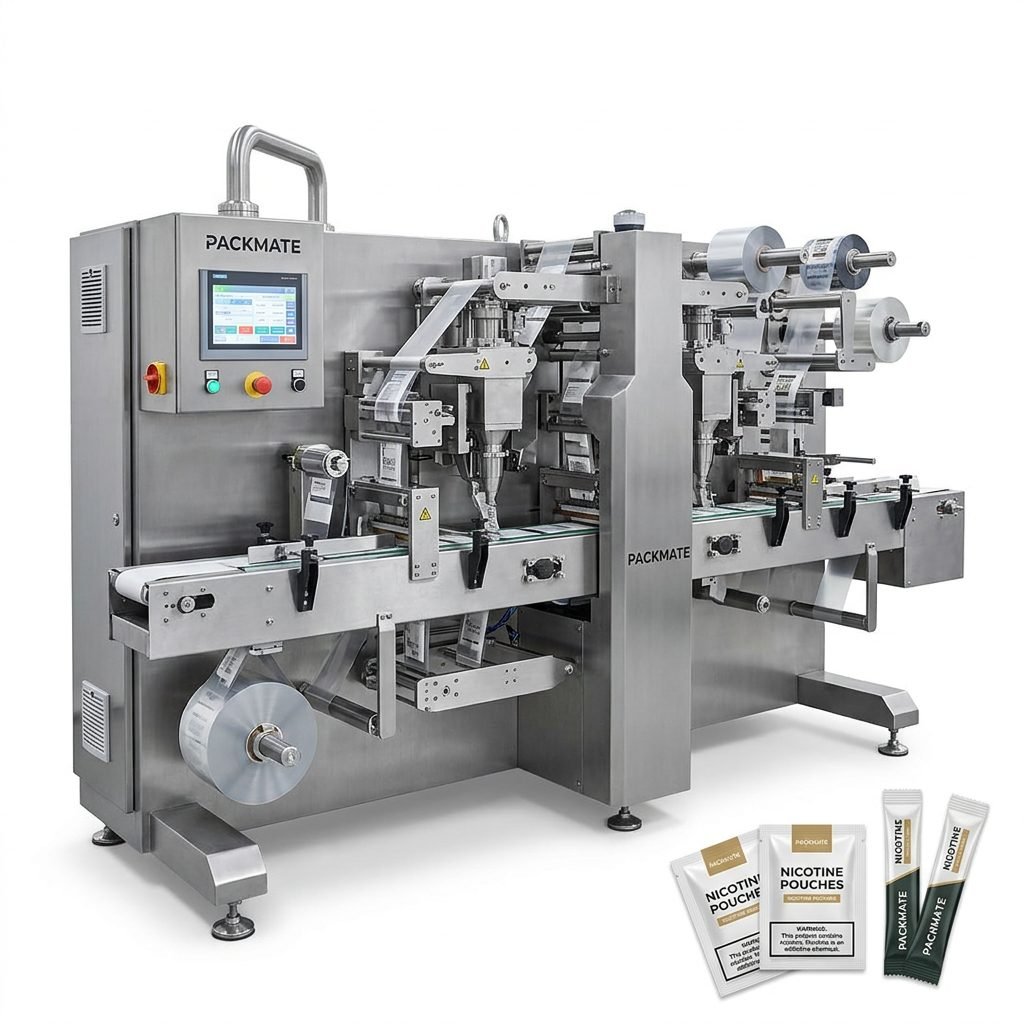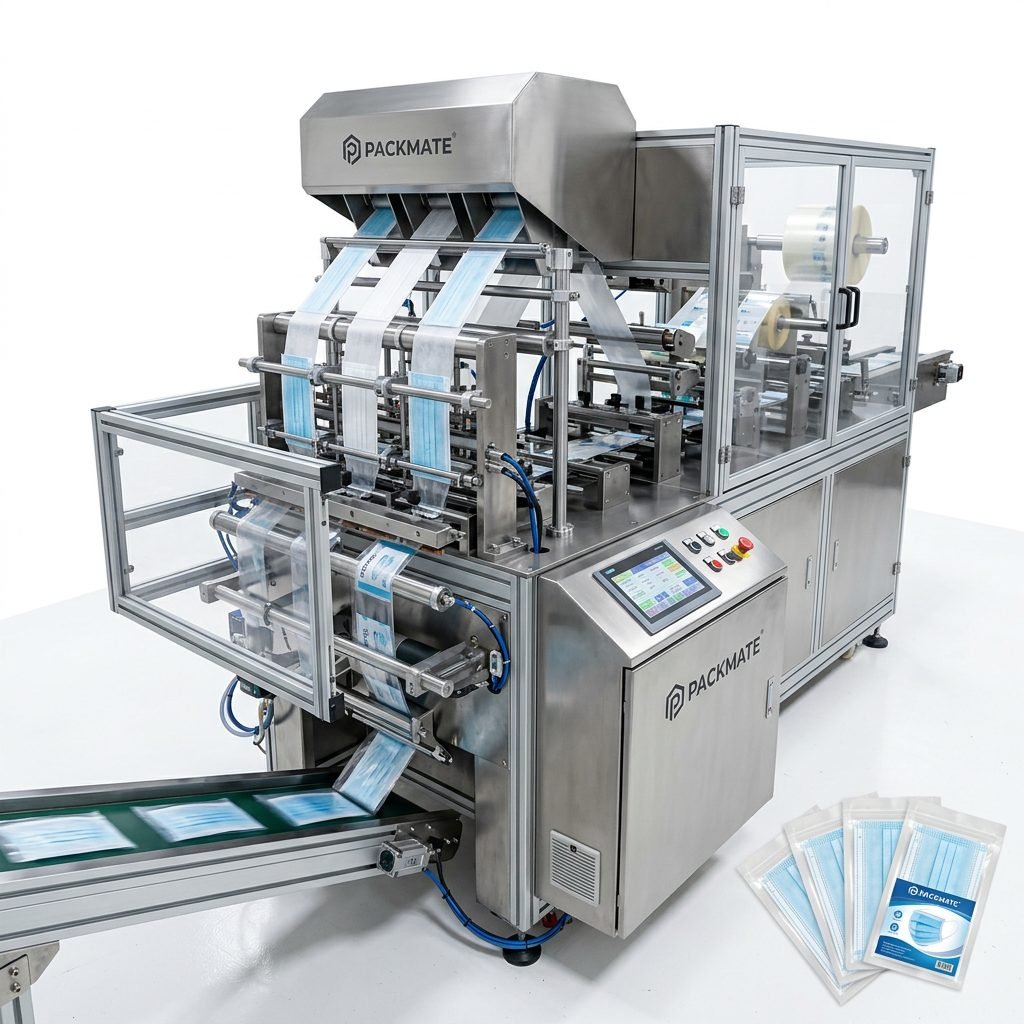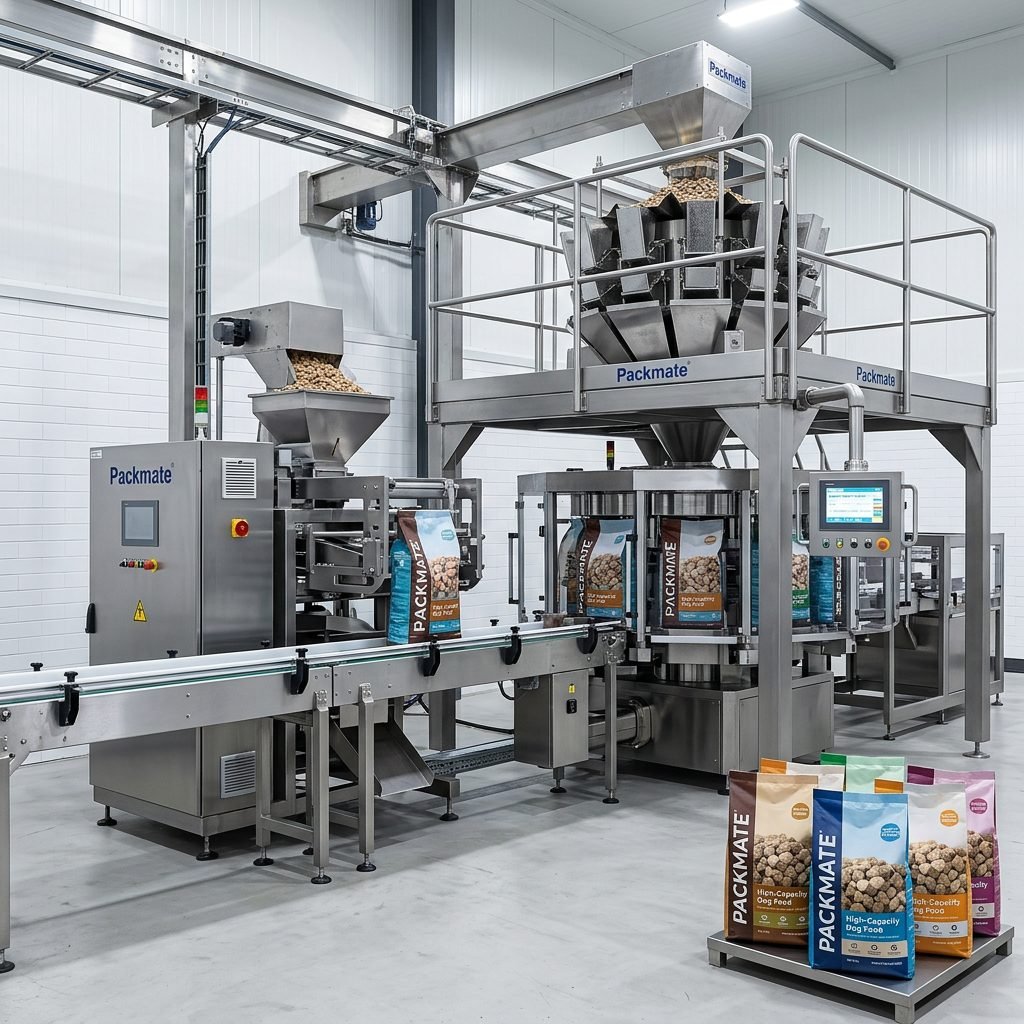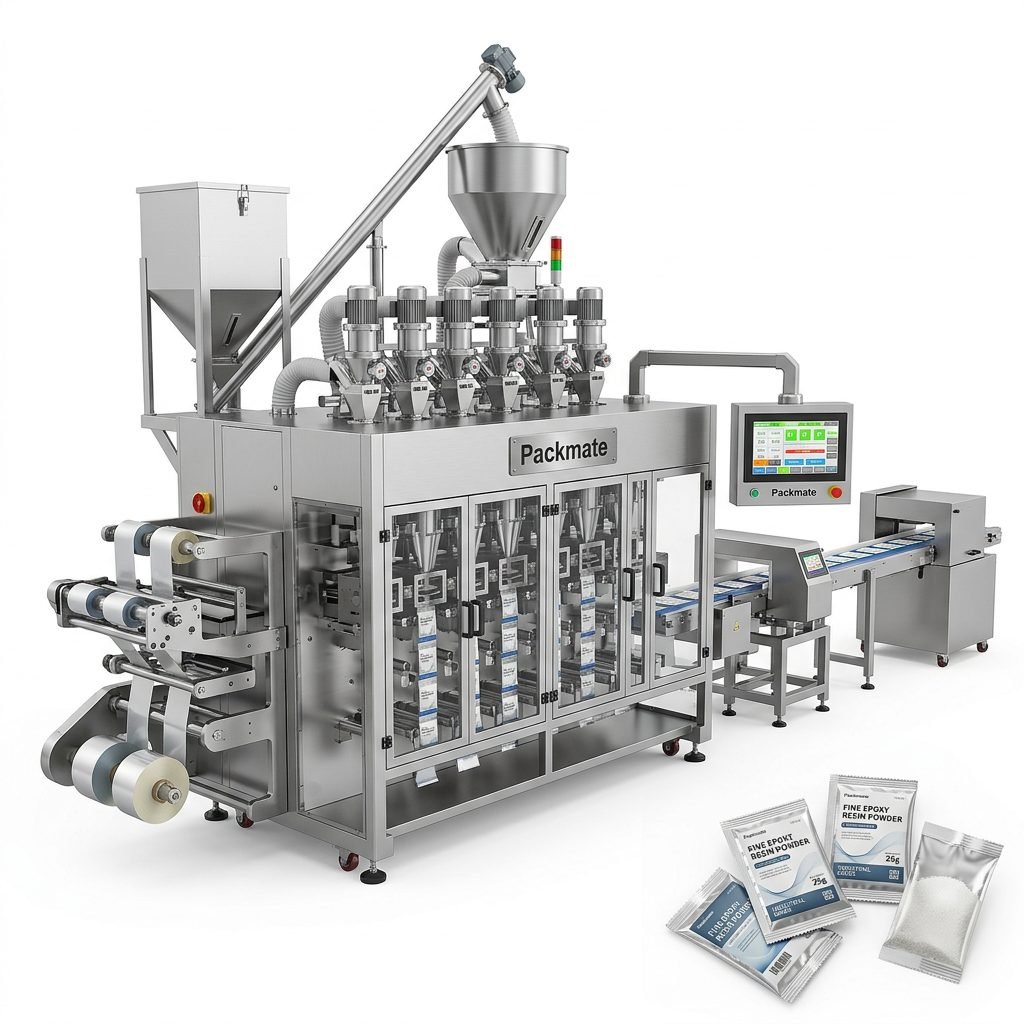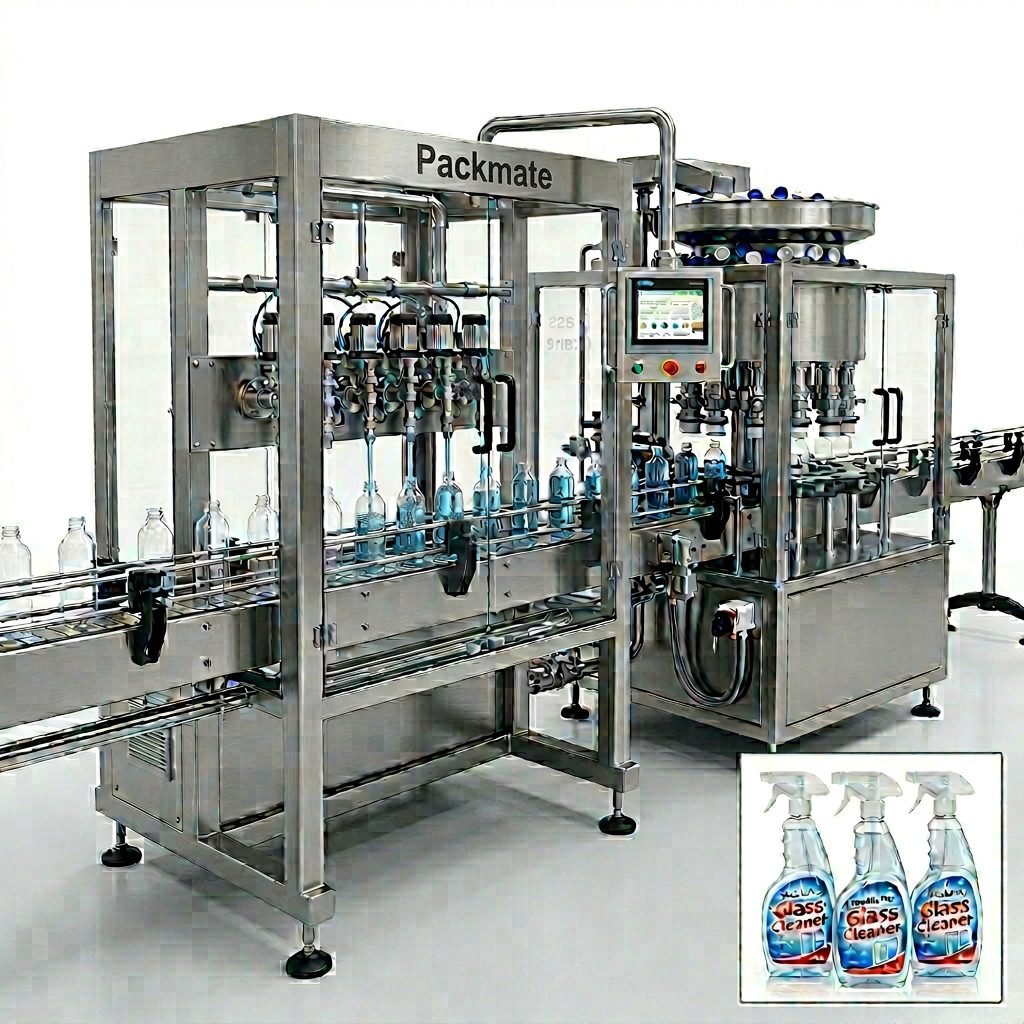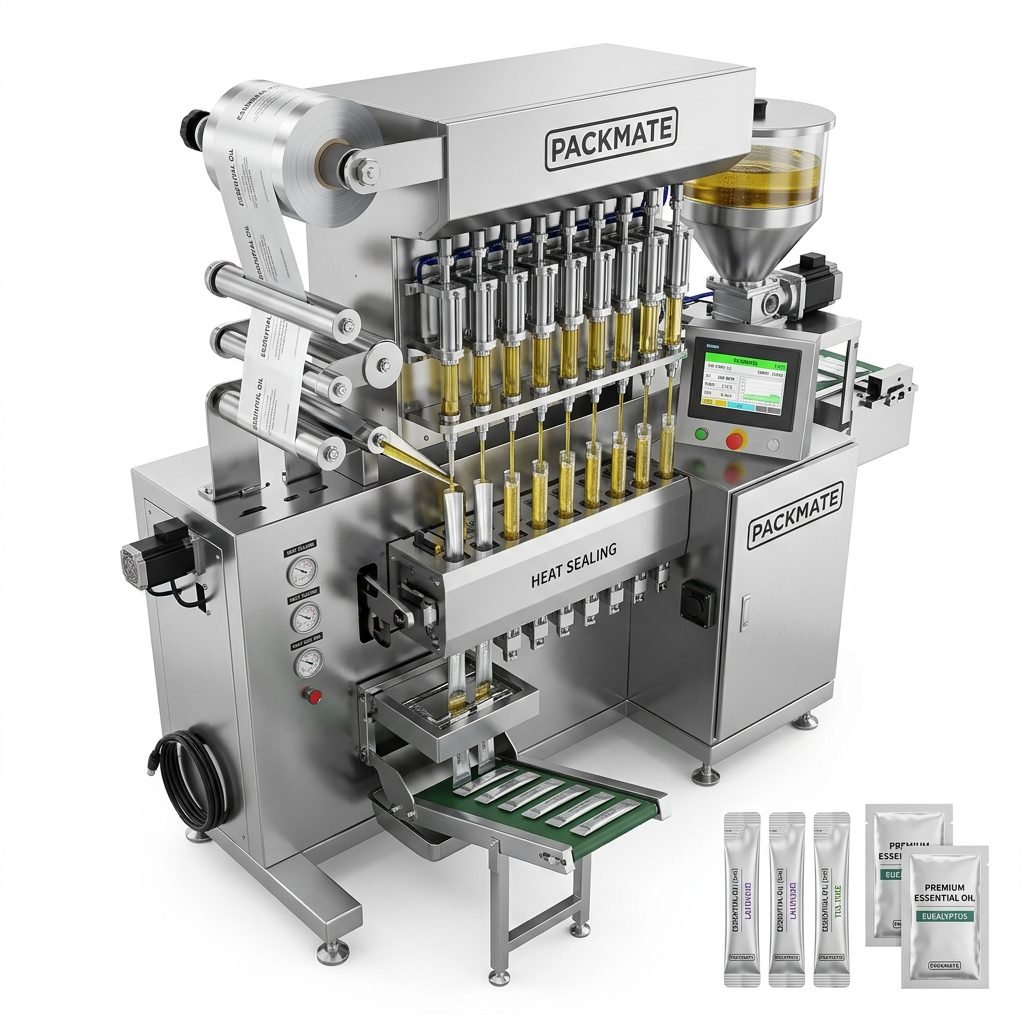
In today’s fast-paced and highly regulated manufacturing landscape, efficiency, precision, and hygiene are non-negotiable. For industries dealing with fine, often sensitive materials like food ingredients, pharmaceutical powders, and nutritional supplements, the packaging process is a critical final step that directly impacts product integrity, shelf life, and consumer safety. Manual or semi-automated methods are increasingly insufficient, struggling with consistency, speed, and contamination risks. This is where a fully Automatic Powder Packing Line becomes not just an advantage, but a strategic necessity.
The Core Challenge: Packaging Powders with Precision
Powders present unique packaging challenges. They can be cohesive or free-flowing, dusty, hygroscopic (moisture-absorbing), or prone to segregation. Inconsistent fill weights, product waste (giveaway), and cross-contamination are constant threats. An automatic line is engineered to overcome these hurdles through integrated, synchronized systems.
Key Takeaway: The transition from manual to automatic packaging is a shift from variable, labor-dependent output to a controlled, repeatable, and data-driven process. It’s the foundation for scaling production while uncompromisingly maintaining quality standards.
Essential Components of a Modern Powder Packing Line
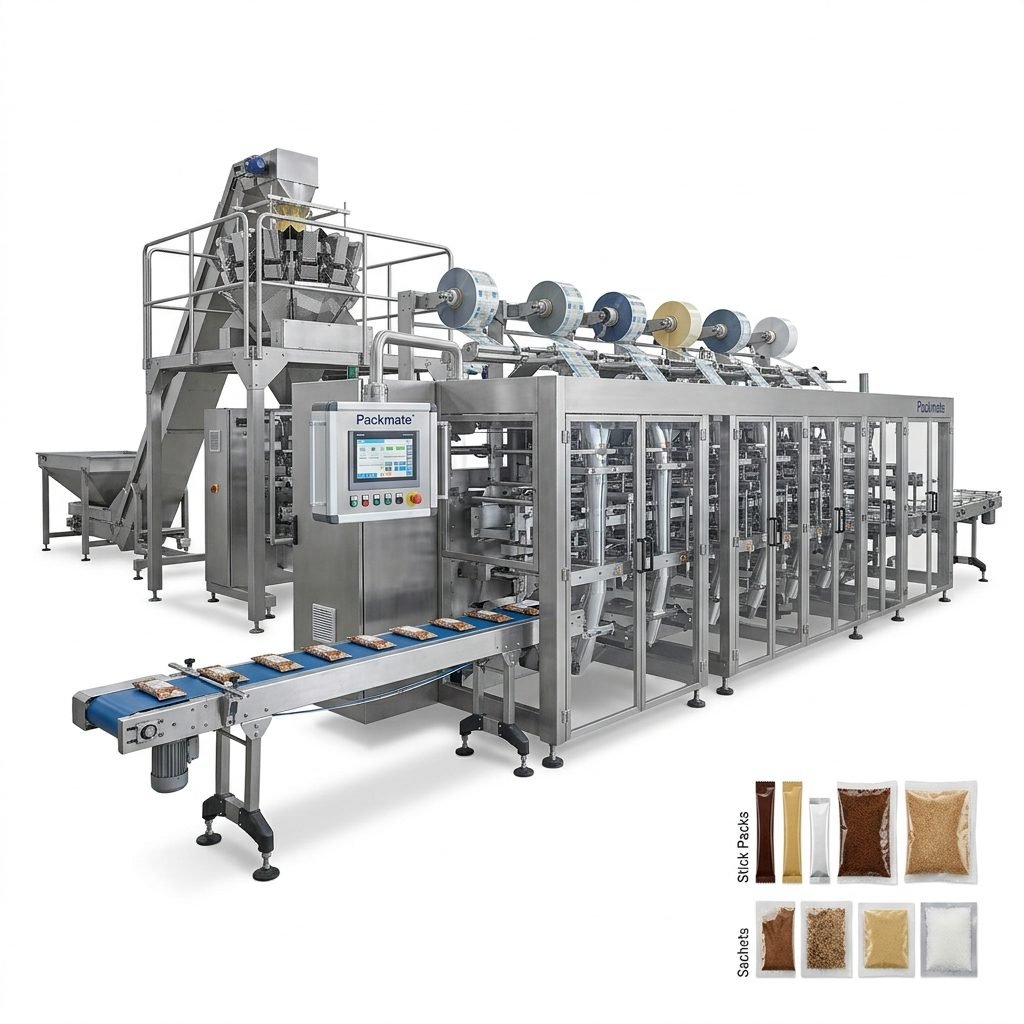
A turnkey automatic powder packaging solution is more than just a single machine; it’s a harmonious ecosystem. Here are its fundamental components:
1. Feeding & Conveying System
This is the starting point, ensuring a consistent and controlled supply of powder to the filling machine. Systems may include screw conveyors, vibratory feeders, or pneumatic conveying lines, often integrated with bulk storage silos or hoppers.
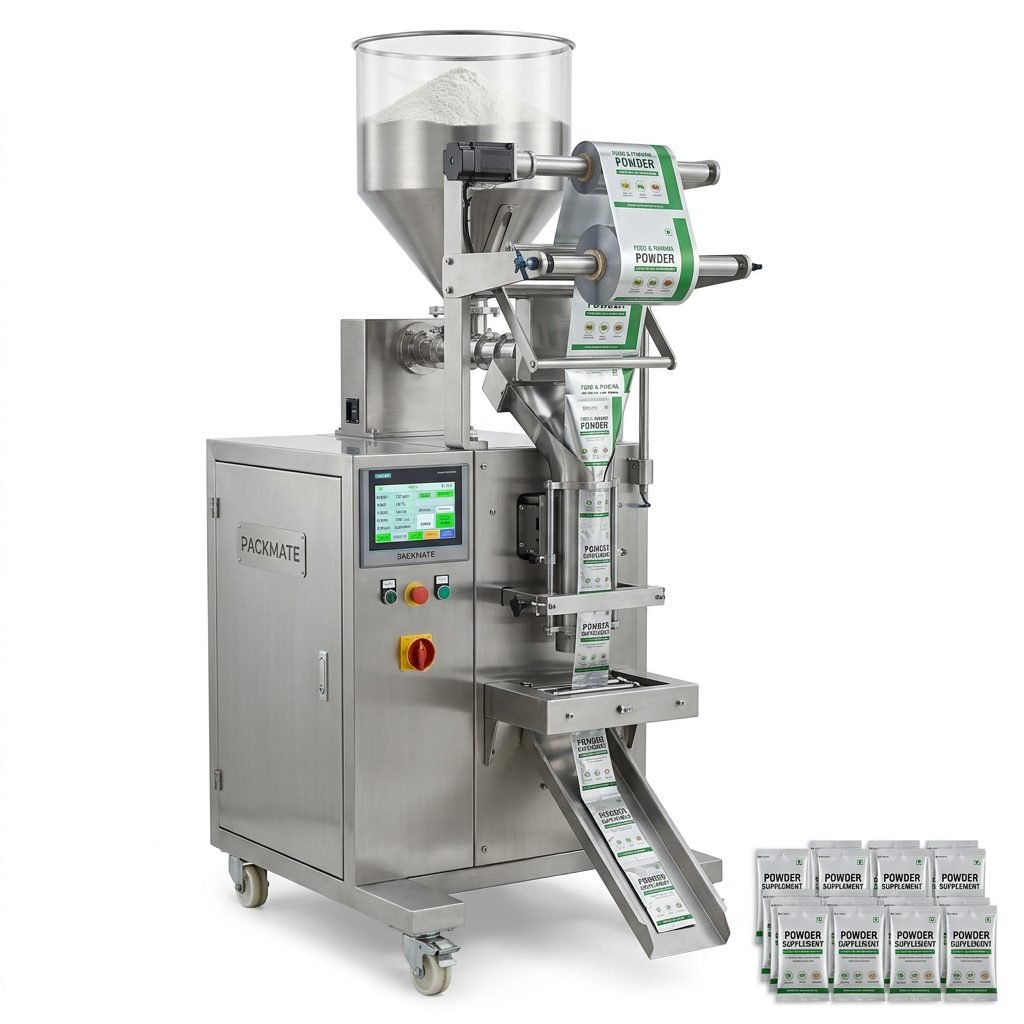
2. Filling Machine: The Heart of the Line
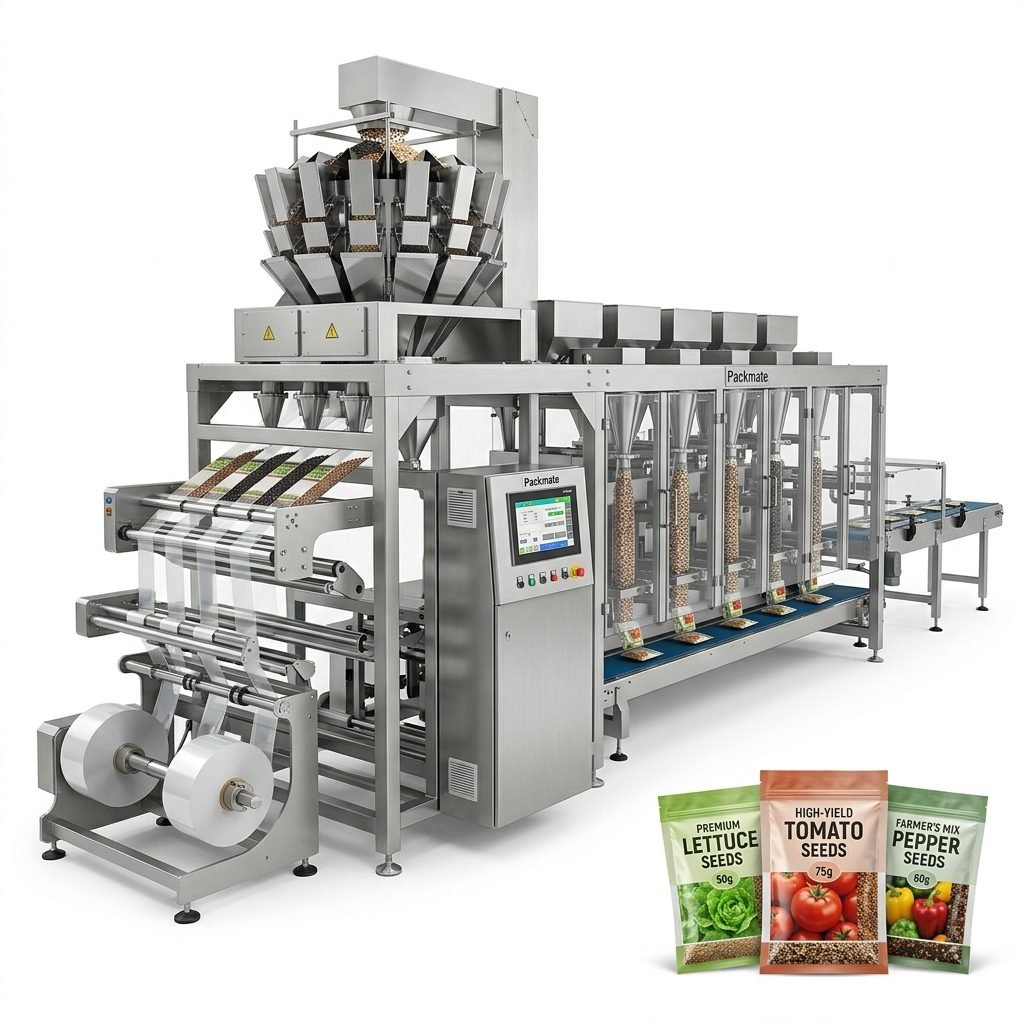
The filler is where precision happens. For powders, auger fillers are most common. A rotating auger (screw) within a tube meters out a precise volume of product. Advanced models feature touchscreen controls for recipe management, automatic tare weight adjustment, and self-cleaning mechanisms. For higher speeds, multi-head auger systems are employed.
3. Bag Forming, Filling, and Sealing (FFS) Machine
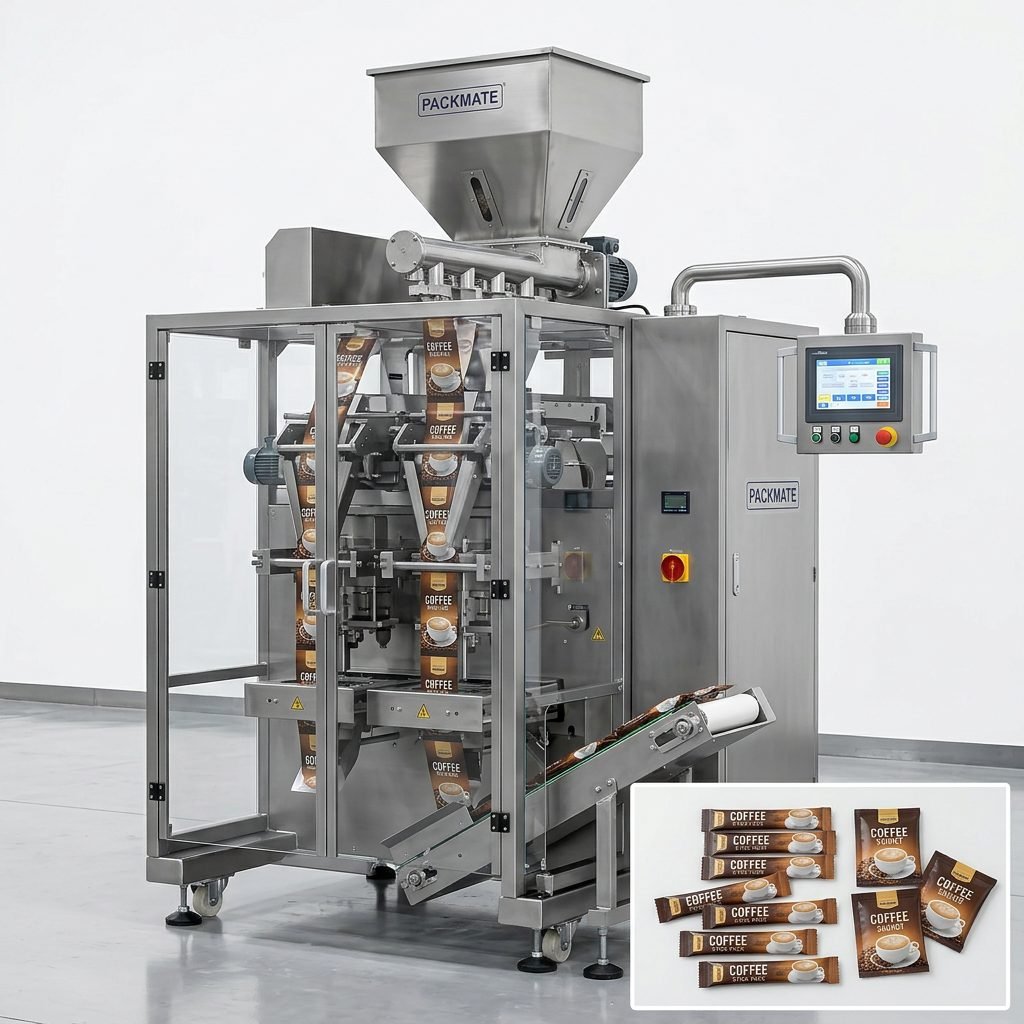
This unit creates the package from a roll of film, fills it, and seals it—all in one continuous motion. It defines the final package type, such as:
- Stick Packs: Long, slender single-serve packs ideal for instant beverages, supplements, or pharmaceuticals. Explore our packaging solutions for various formats.
- Sachets: Small, flat pouches perfect for sauces, drink mixes, or sample-sized products.
- Stand-up Pouches (Doypacks): Larger, retail-ready bags with a gusseted bottom for stability.
4. Checkweigher & Metal Detector
Positioned after the filler, the checkweigher ensures every packet meets the specified weight tolerance, rejecting under or over-filled packs. An inline metal detector provides an additional critical safety layer by identifying and ejecting any metallic contaminants.
5. Secondary Packaging & Integration
This stage handles the grouped packaging, such as cartoning, case packing, and palletizing. A well-integrated line uses robotic arms or conveyor systems to smoothly transfer primary packages into boxes and onto pallets, ready for shipment. View real-world applications in our project case studies.
Industry-Specific Applications and Benefits
Food Industry
From spices and flour to instant coffee and protein powder, food powders require strict hygiene and accurate labeling. Automatic lines offer:
- Hygiene & Contamination Control: Closed systems and CIP (Clean-in-Place) capabilities minimize human contact and airborne contaminants.
- Speed to Market: High-speed lines can produce thousands of packets per hour, meeting large-scale retail demand.
- Portion Control: Perfect for single-serve and recipe-specific quantities, reducing waste for consumers.
Pharmaceutical & Nutraceutical Industry
This is arguably the most demanding sector. Compliance with standards like cGMP (current Good Manufacturing Practice) is mandatory. Benefits here are critical:
- Unmatched Accuracy & Traceability: Precision filling ensures exact dosages. Systems log batch data for complete traceability.
- Regulatory Compliance: Lines are constructed with pharmaceutical-grade materials (e.g., 316L stainless steel) and designed for validated cleaning processes.
- Product Integrity: Protects sensitive active ingredients from moisture, light, and oxygen through high-quality sealing and compatible barrier films.
Why Partner with an Experienced Provider?
Selecting a powder packing line is a significant investment. Partnering with a specialist like Packmate (GuangDong) Co., Ltd. brings immense value. With over 30 years of experience, we don’t just sell machines; we deliver turnkey solutions. Our process involves deep analysis of your product characteristics, required output, and factory layout to design a line that optimizes your workflow from raw material intake to pallet dispatch. Learn more about our company’s journey and capabilities.
Key Considerations When Choosing a Line
Before investing, manufacturers must evaluate several factors:
- Product Characteristics: Flowability, density, abrasiveness, and sensitivity define the choice of feeder, filler type, and contact parts material.
- Required Output (Speed): Calculate your required packs-per-minute/hour to size the system appropriately, allowing for future growth.
- Packaging Material & Format: The film type (monolayer, laminate), thickness, and desired pouch style dictate the capabilities of the FFS machine.
- Level of Automation: Determine the need for integration with upstream (mixing) and downstream (warehouse) systems via MES/ERP software.
- After-Sales Support: Ensure your provider offers comprehensive installation, training, maintenance, and ready access to spare parts. Our commitment to customer service and support is a cornerstone of our offering.
Future Trends: Smart Packaging Lines
The future lies in Industry 4.0 connectivity. Next-generation powder packing lines are becoming smarter, featuring:
- IoT Sensors & Predictive Maintenance: Monitoring machine health in real-time to predict failures before they cause downtime.
- Advanced Vision Inspection: AI-powered cameras checking for seal integrity, print quality, and correct labeling on every single pack.
- Centralized Data Analytics: Dashboards providing insights into Overall Equipment Effectiveness (OEE), yield rates, and production trends for continuous improvement.
Implementing an automatic powder packing line is a transformative decision. It streamlines operations, slashes waste, ensures unwavering quality, and provides the scalability needed to compete in global markets. For businesses in food, pharma, and nutrition, it’s the reliable, precise, and hygienic partner that safeguards your product and empowers your brand’s growth.
Frequently Asked Questions (FAQs)
1. What is the typical ROI (Return on Investment) for an automatic powder packing line?
ROI depends on scale, labor costs, and current waste levels. Typically, savings from reduced labor, minimized product giveaway, and increased throughput lead to an ROI period of 1-3 years. The long-term benefits of consistent quality and scalability often justify the initial investment.
2. Can one line handle different types of powders and package sizes?
Yes, with proper configuration. Modern lines are designed for changeover. Quick-release parts, tool-less adjustments, and saved machine recipes allow operators to switch between similar products and package sizes within minutes, maximizing flexibility for multi-product facilities.
3. How do you ensure no cross-contamination when switching products, especially for allergens or active pharmaceuticals?
This is critical. Lines are designed with smooth, accessible surfaces for thorough cleaning. Features like CIP systems, removable contact parts, and dedicated air purges are used. A validated cleaning protocol is established and followed between batches to prevent any cross-contamination.
4. What kind of maintenance does an automatic packing line require?
Maintenance involves daily cleaning, periodic lubrication, and inspection of wear parts like seals and augers. A proactive schedule based on machine hours is best. Choosing a supplier with clear documentation, training, and readily available spare parts, as highlighted in our equipment catalog and support services, is vital for uptime.
5. How do we get started with implementing a new packaging line?
The process begins with a consultation. Reputable providers will analyze your product samples, production goals, and factory space. They will then propose a detailed layout and equipment list, often providing a test run with your actual product to guarantee performance before installation. Contact our team to start this collaborative process.