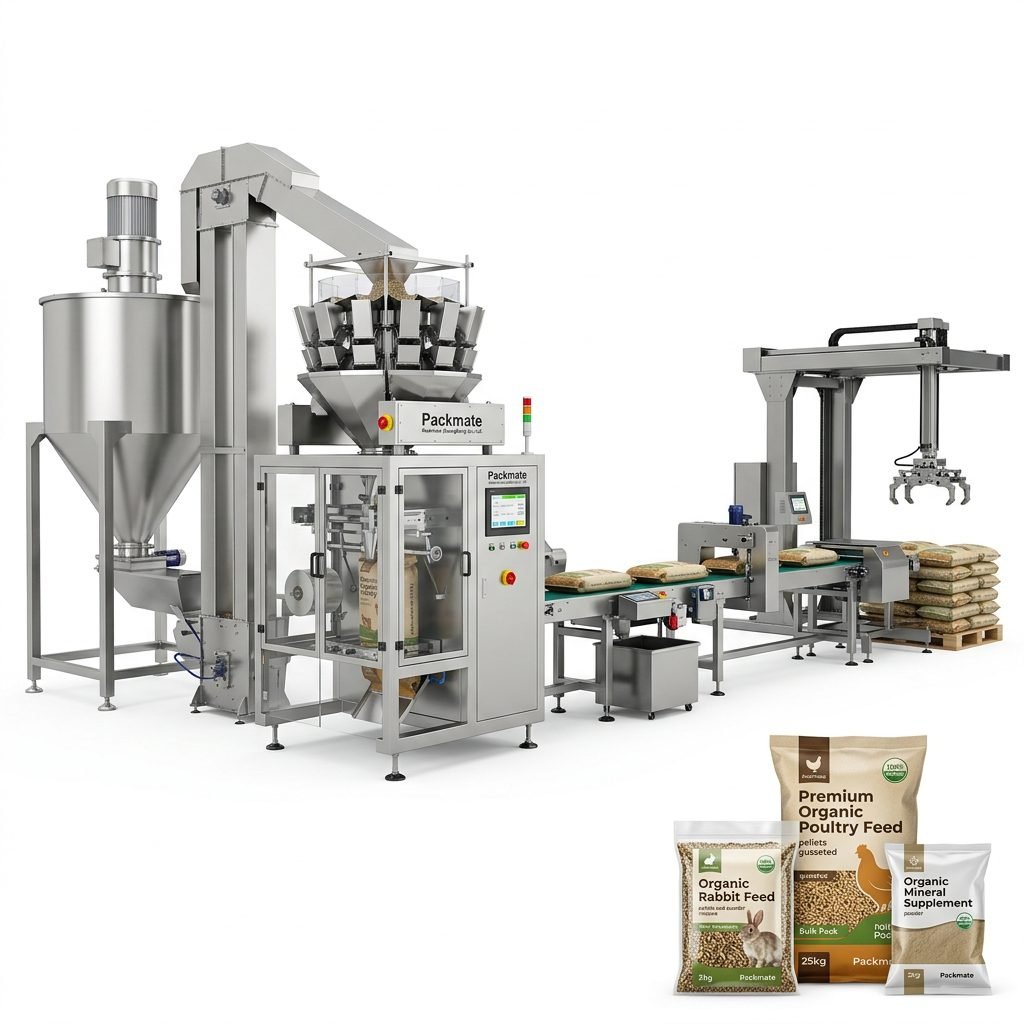
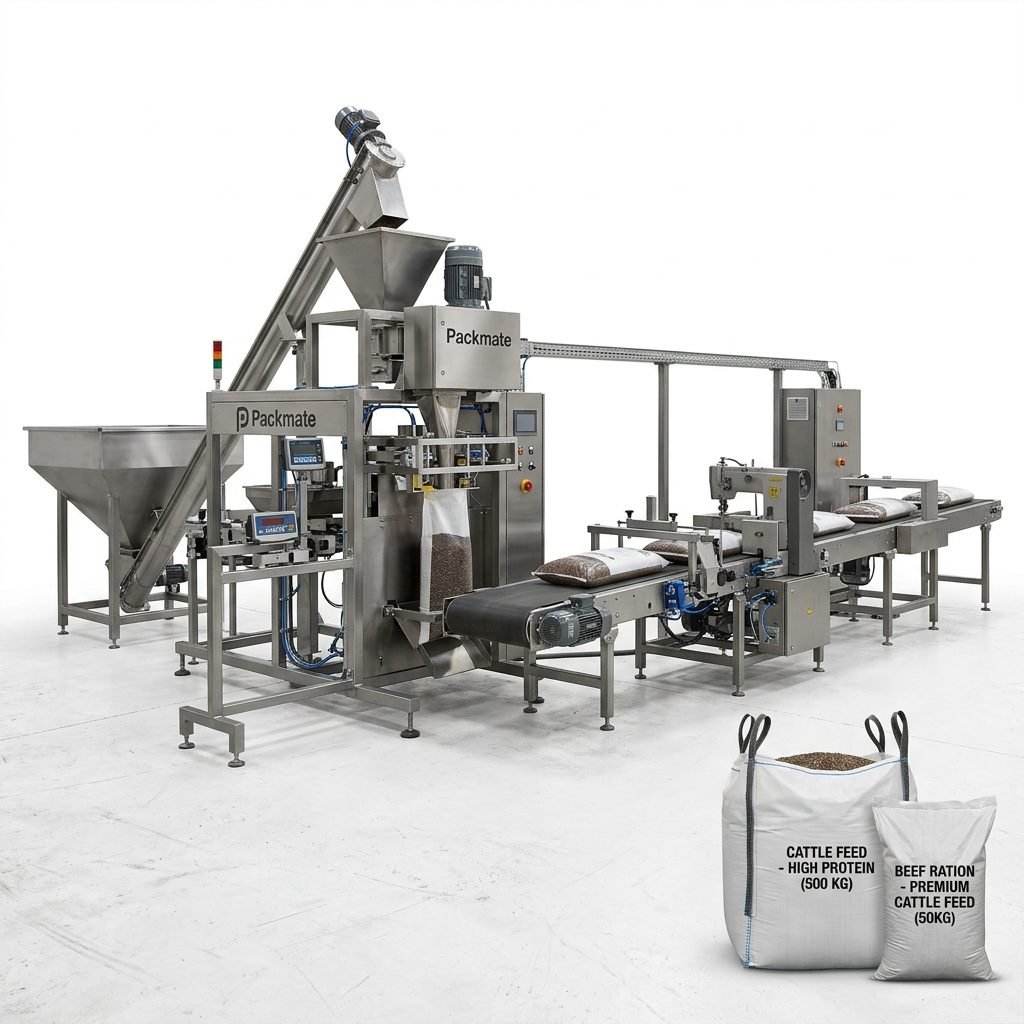
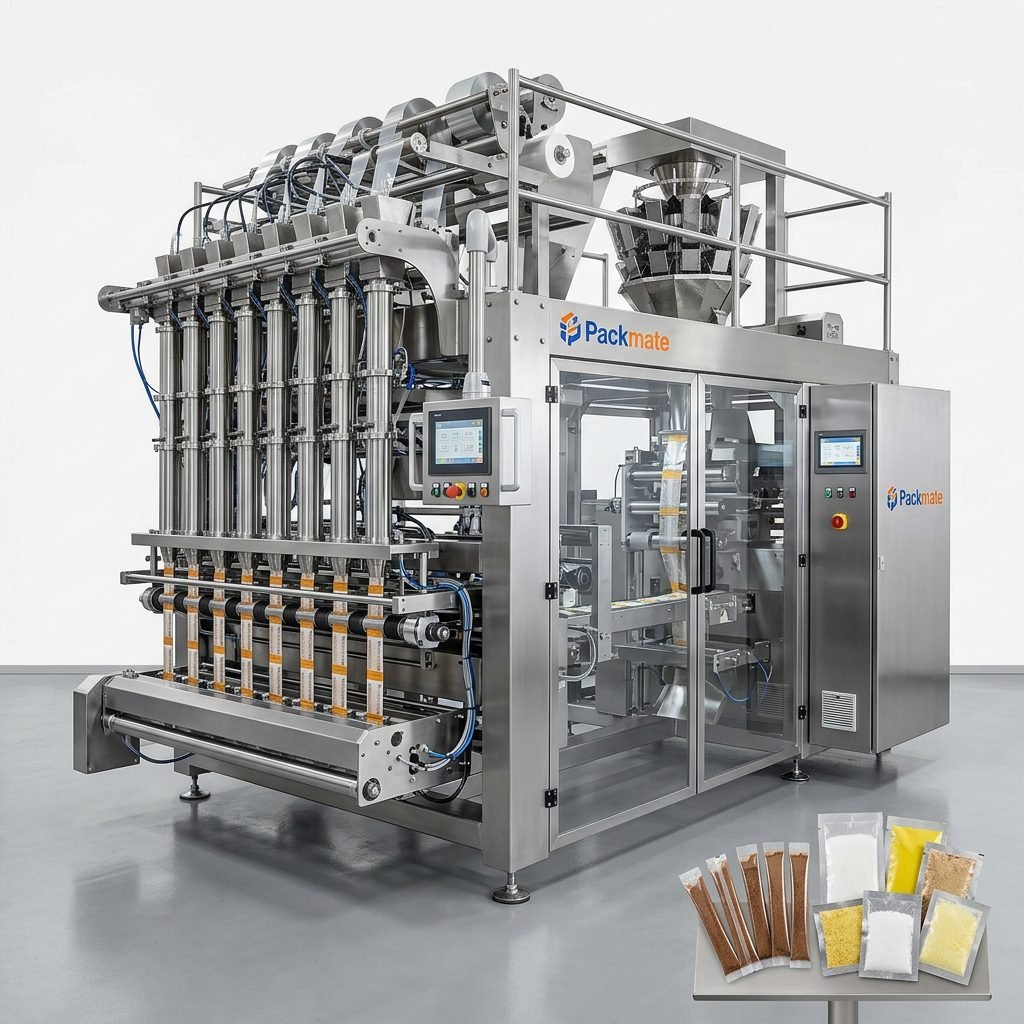
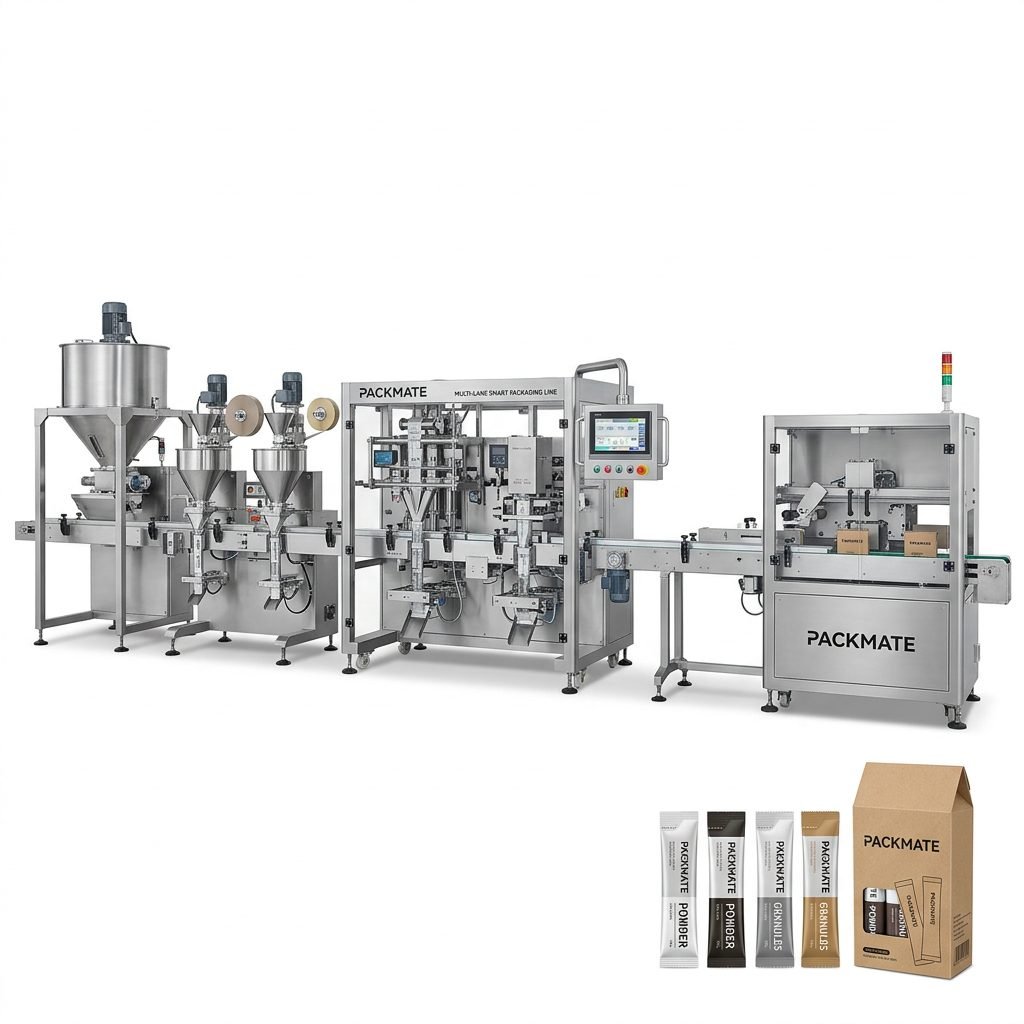
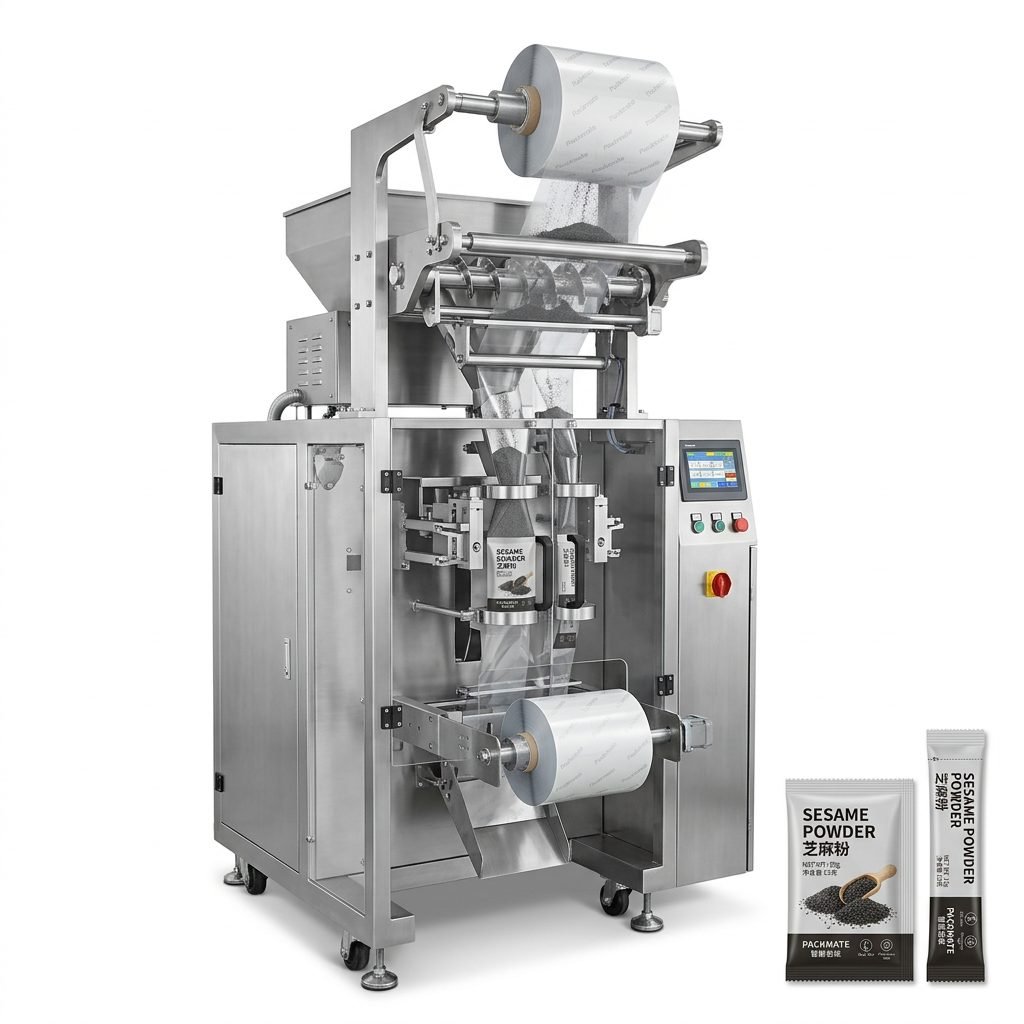
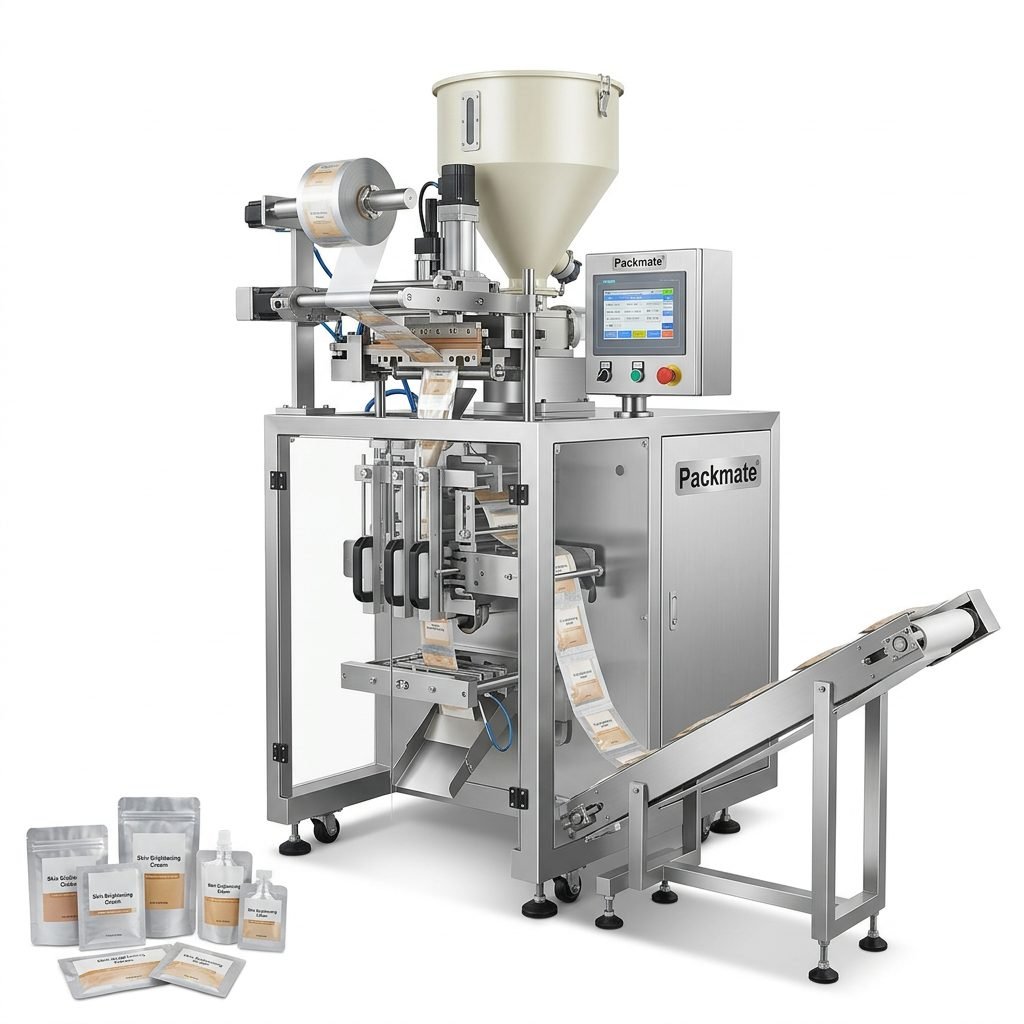
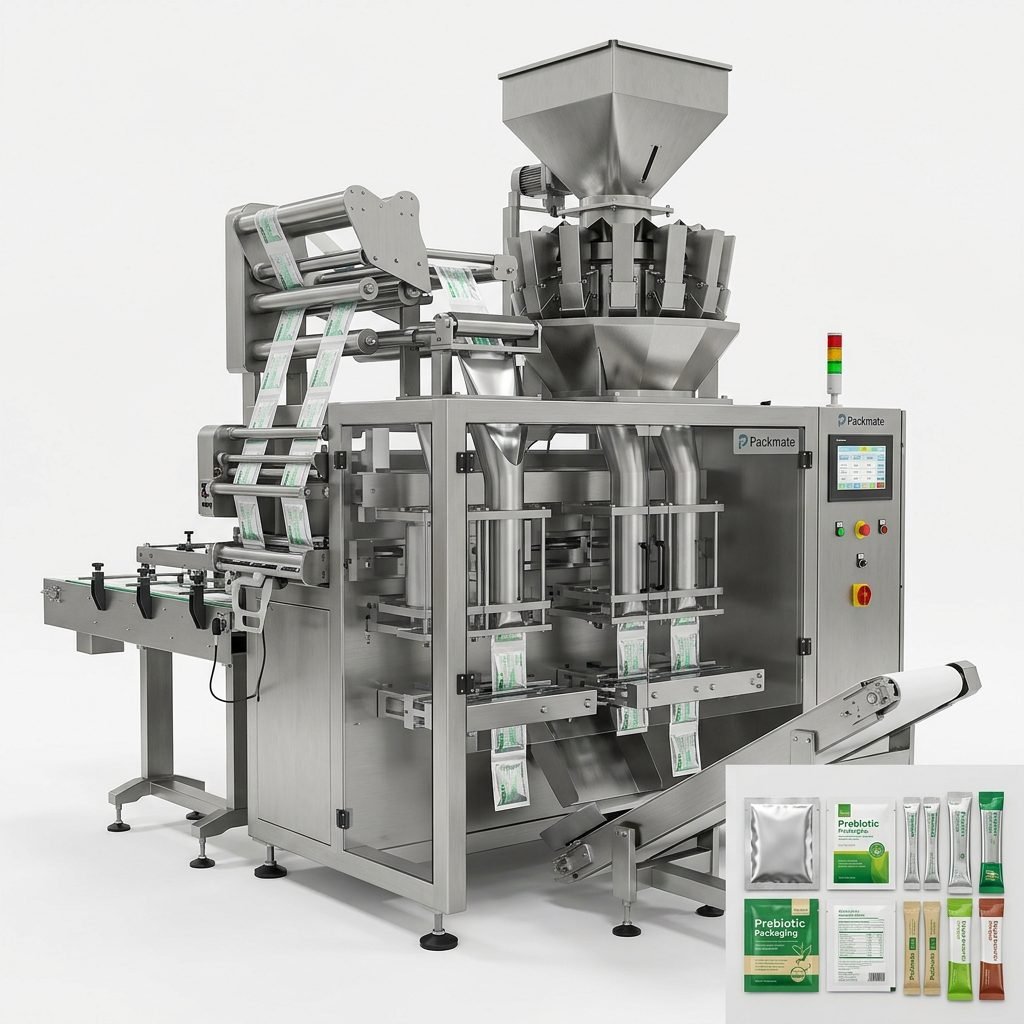
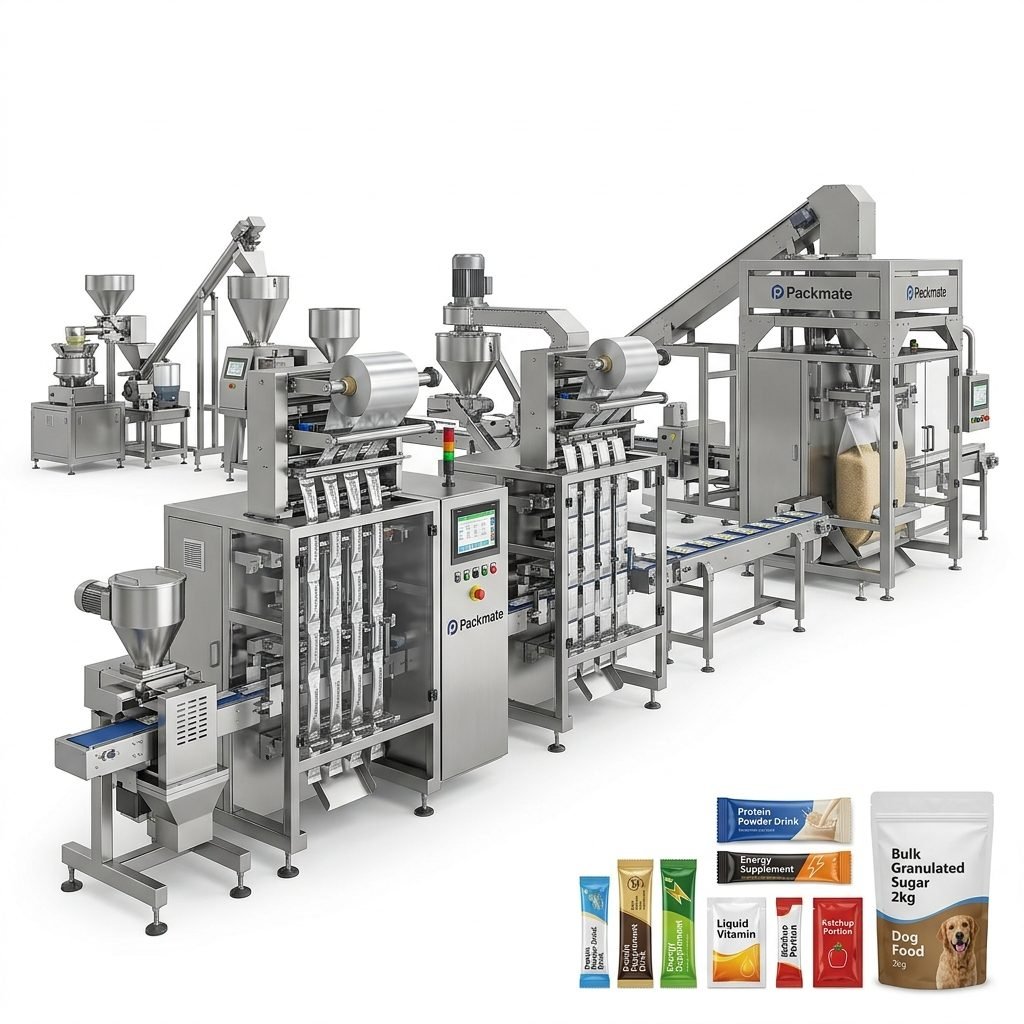
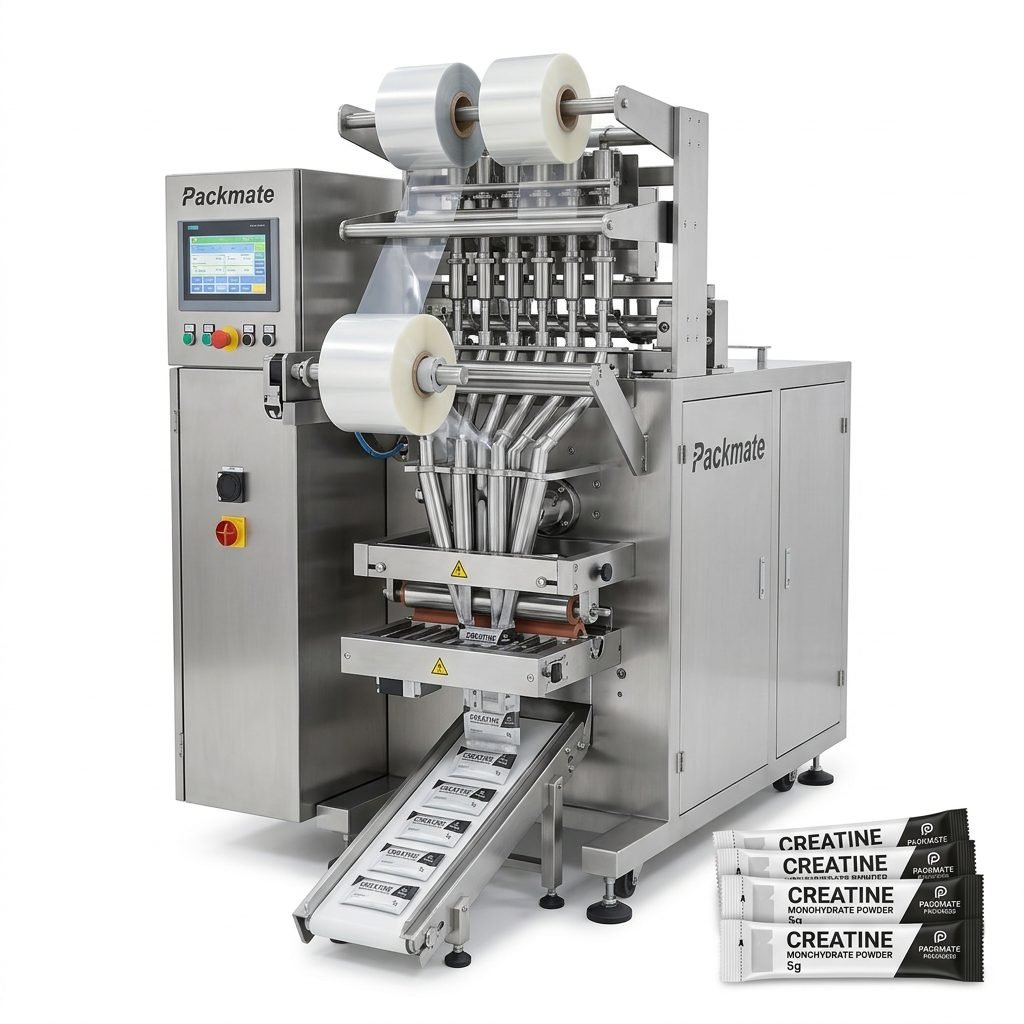
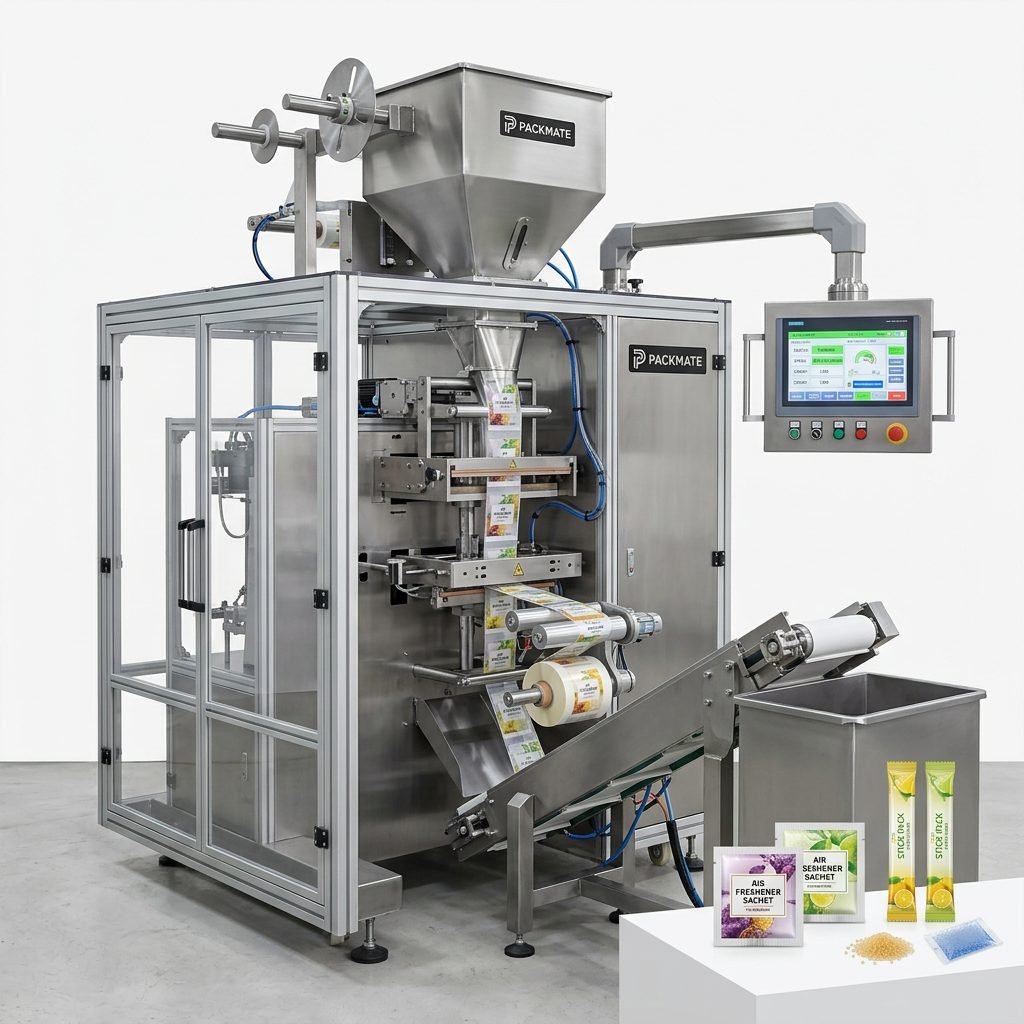
In the fast-paced world of manufacturing, efficiency is paramount. Packaging conveyor systems form the critical backbone of any modern production line, seamlessly linking individual packaging machines into a cohesive, high-throughput unit. These systems are far more than simple moving belts; they are the arteries of the packaging process, ensuring smooth, continuous, and synchronized material flow from filling and sealing to cartoning and palletizing. For businesses in sectors like food, pharmaceuticals, and consumer goods, a well-designed conveyor system is the difference between a bottleneck and a competitive advantage.
Key Takeaway: A packaging conveyor system is an integrated network of components designed to transport products, containers, or packages between different stages of the packaging process. Its primary goal is to automate material handling, minimize manual intervention, reduce labor costs, and maximize overall line efficiency and safety.
Core Types of Packaging Conveyor Systems
Selecting the right conveyor type is the first step in workflow design. The choice depends on product characteristics (weight, size, fragility), required speed, hygiene standards, and the specific stages of your packaging line.
Belt Conveyors
The most common and versatile type. They use a continuous loop of material—such as PVC, rubber, or stainless steel mesh—driven by pulleys. Ideal for transporting a wide variety of packaged goods, boxes, and bags on a stable, flat surface. Modular plastic belt conveyors are particularly popular in food and pharmaceutical applications due to their ease of cleaning and durability.
Roller Conveyors
Utilize a series of rollers mounted on a frame. Products move via gravity (on a declined slope) or are powered by motors. Perfect for handling rigid, flat-bottomed items like cases, totes, and pallets. They are fundamental in accumulation areas, merging stations, and for transferring heavy loads between processes.
Chain Conveyors
Employ chains to move products, often using specially designed flights or attachments. This type is exceptionally robust, suitable for moving heavy-duty items, pallets, or for applications requiring precise positioning, such as in filling or capping stations.
Vertical Conveyors & Elevators
Essential for multi-floor facilities or when space is limited. They lift or lower products between different levels of the production line, ensuring a continuous flow without occupying large horizontal footprints. Spiral conveyors are a space-saving variant of this concept.
Specialized Conveyors
This category includes vibratory conveyors for bulk powders or granules, pneumatic conveyors for fine powders, and magnetic conveyors for ferrous materials. For turnkey solutions in food and pharma, sanitary designs with easy-clean surfaces and minimal crevices are non-negotiable. Companies like Packmate (GuangDong) Co., Ltd. specialize in integrating these hygienic systems into complete lines.
Strategic Workflow Design for Optimal Performance
Designing a conveyor workflow is a strategic exercise that goes beyond connecting point A to point B. It involves a holistic analysis of the entire packaging operation to create a synchronized, efficient, and flexible system.
Step 1: Process Mapping & Requirement Analysis
Begin by mapping every step of your packaging process: from product infeed, filling, sealing, labeling, inspection, secondary packaging (cartoning), to case packing and palletizing. Identify throughput rates (units per minute), product dimensions, weight, and any special handling requirements (e.g., gentle handling for fragile items).
Step 2: Layout Planning & Zoning
Design the physical layout to optimize floor space and workflow logic. Create distinct zones: Infeed & Accumulation (to buffer product before processing), Processing Zone (where primary packaging occurs), Inspection Zone (for checkweighing, metal detection, vision systems), and Outfeed & Dispatch Zone. Ensure there is adequate space for maintenance access and operator safety.
Step 3: Conveyor Selection & Integration
Based on the analysis, select the appropriate conveyor types for each zone. For instance, a flat belt conveyor may carry sachets to a vision inspector, while a roller conveyor accumulates filled cartons before case packing. The key is seamless integration—ensuring transfer points between different conveyors or machines are smooth to prevent jams, tipping, or product damage.
Step 4: Control & Synchronization
The brain of the system. Modern conveyor lines are controlled by a centralized Programmable Logic Controller (PLC) or a line control system. This ensures all motors, sensors, and machines work in harmony. Sensors (photo-eyes, proximity sensors) detect product presence, control accumulation, and trigger actions, while variable frequency drives (VFDs) allow precise speed control to match the pace of upstream and downstream equipment.
Critical Design Considerations
- Hygiene & Cleanability: For food and pharma, conveyors must have smooth, non-porous surfaces, rounded edges, and be easy to disassemble for cleaning. Stainless steel construction is often mandatory.
- Safety: Incorporate emergency stop cords, guards, and safety interlocks to protect operators. All systems should comply with local and international safety standards.
- Flexibility & Future-Proofing: Design with modularity in mind. The line should be adaptable to handle different product sizes or formats with minimal changeover time. Consider potential future capacity increases.
- Maintenance Access: Easy access to drives, bearings, and electrical panels is crucial for minimizing downtime during routine maintenance.
The Turnkey Packaging Line Solution Advantage
While individual conveyor components are available, the most reliable and efficient path for complex operations is a turnkey packaging line solution. This approach involves a single provider—like Packmate—designing, manufacturing, installing, and commissioning the entire integrated system.
The benefits are substantial:
Single Point of Responsibility: You work with one vendor for the entire project, from initial concept to final production. This eliminates finger-pointing between multiple equipment suppliers if issues arise.
Optimized System Integration: A turnkey provider ensures all components, from the filling machine to the palletizer, are perfectly matched and synchronized. The conveyor system is designed from the ground up to be the perfect link, not an afterthought.
Faster Time-to-Market: With coordinated project management, design, fabrication, and installation happen in a streamlined sequence, getting your production line up and running faster.
Comprehensive Support & Training: You receive unified training for operators and maintenance staff, along with ongoing support and spare parts from a single source. Explore their range of integrated packaging solutions to understand the scope.
Proven Reliability: Established providers leverage decades of experience. For instance, with over 30 years in the industry, Packmate’s solutions are built on a foundation of reliability, ensuring the conveyor system and the entire line perform consistently under production demands. You can see real-world applications in their project case studies.
Icon: 💡 Implementing Your System: A Partner-Centric Approach
Successful implementation starts with choosing the right partner. Look for a provider with a strong track record in your specific industry (e.g., food-grade or pharmaceutical certification), proven engineering capabilities, and a portfolio of successful turnkey projects. The process typically involves:
- Consultation & Feasibility Study: The provider analyzes your needs, product, and goals.
- Detailed Design & Proposal: A custom layout and technical specification are created.
- Fabrication & Factory Acceptance Test (FAT): The line is built and tested at the supplier’s facility before shipment.
- Installation & Site Commissioning: Expert engineers install the system at your plant and fine-tune it for production.
- Training & Handover: Comprehensive training ensures your team can operate and maintain the line effectively.
Investing in a well-designed packaging conveyor system, especially as part of a turnkey solution, is an investment in the foundational efficiency and scalability of your operation. It reduces operational costs, enhances product safety and quality, and provides the agility needed to compete in today’s market. By understanding the types, prioritizing smart workflow design, and partnering with an experienced integrator, you can build a packaging line that is not just functional, but a true driver of productivity and growth. For any specific queries regarding implementation, the provider’s service team is the best point of contact.
Frequently Asked Questions (FAQs)
Q1: What is the main difference between a standalone packaging machine and a turnkey packaging line with conveyors?
A standalone machine performs a single function (e.g., filling). A turnkey line integrates multiple machines (filling, sealing, labeling, cartoning) with a custom-designed conveyor system into one fully automated, synchronized production unit. The conveyor is the critical component that enables this continuous, high-speed automation.
Q2: How do I determine the right conveyor belt material for my food product?
The choice depends on the product’s characteristics and hygiene requirements. For oily or greasy products, polyurethane (PU) belts offer good resistance. For wet environments or washdowns, stainless steel mesh or modular plastic belts are ideal due to their cleanability. Always consult with your conveyor system integrator to select USDA or FDA-compliant materials suitable for direct product contact.
Q3: Can an existing packaging line be retrofitted with a new conveyor system?
Yes, retrofitting is common. An experienced provider can design a new conveyor system to link your existing machines, often improving speed and efficiency. The feasibility depends on the age and compatibility of your current equipment, available space, and control system integration possibilities.
Q4: What are the most important safety features for a packaging conveyor system?
Key safety features include emergency stop pull cords along the entire length, guarded pinch points and rotating parts, safety light curtains at hazardous access points, proper lockout/tagout (LOTO) procedures, and clearly marked walkways. The system must be designed and installed in compliance with standards like OSHA (USA) or the Machinery Directive (EU).
Q5: How does a turnkey provider ensure the conveyor system matches our production speed?
During the design phase, engineers calculate the required line speed based on your target output. They then size motors, select drives, and design conveyor widths and transfer mechanisms to handle that capacity with a safety margin. The entire system is synchronized via a central PLC, and its performance is validated during the Factory Acceptance Test (FAT) before installation.