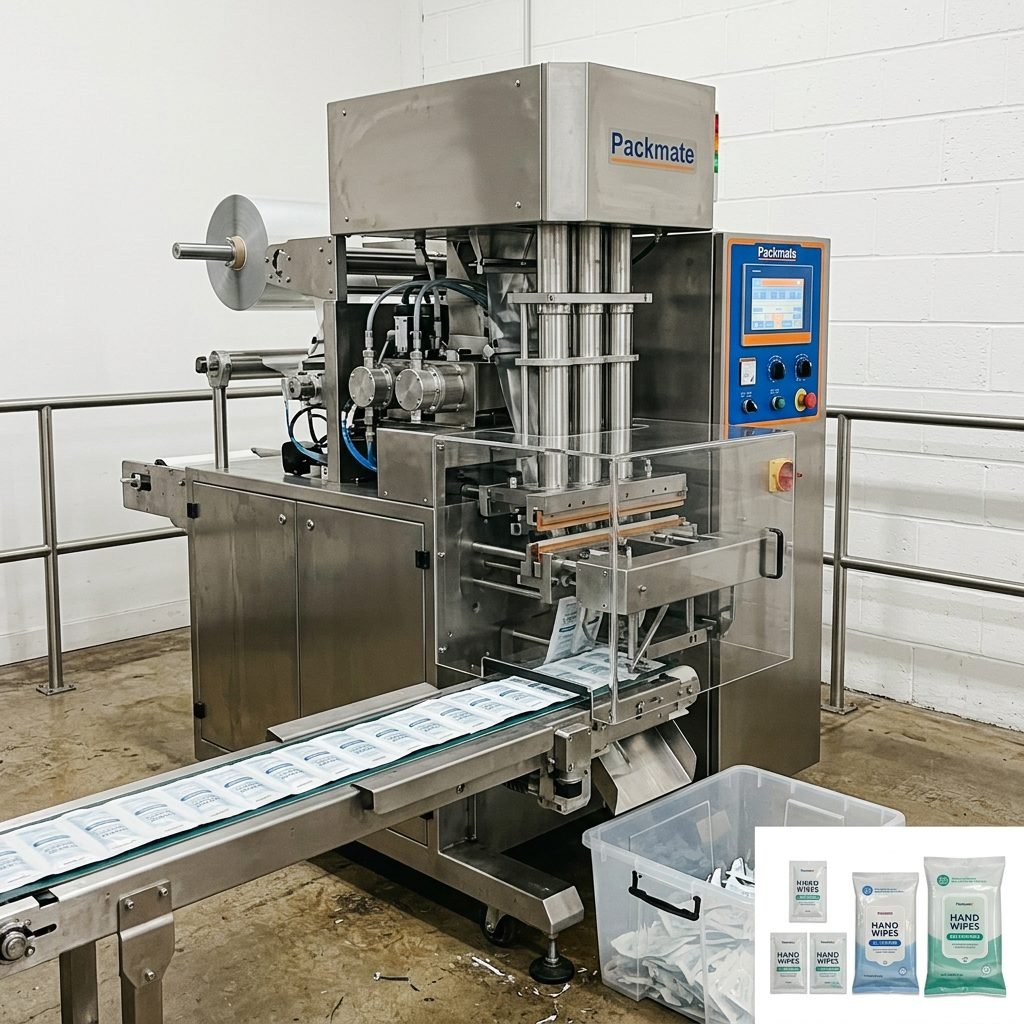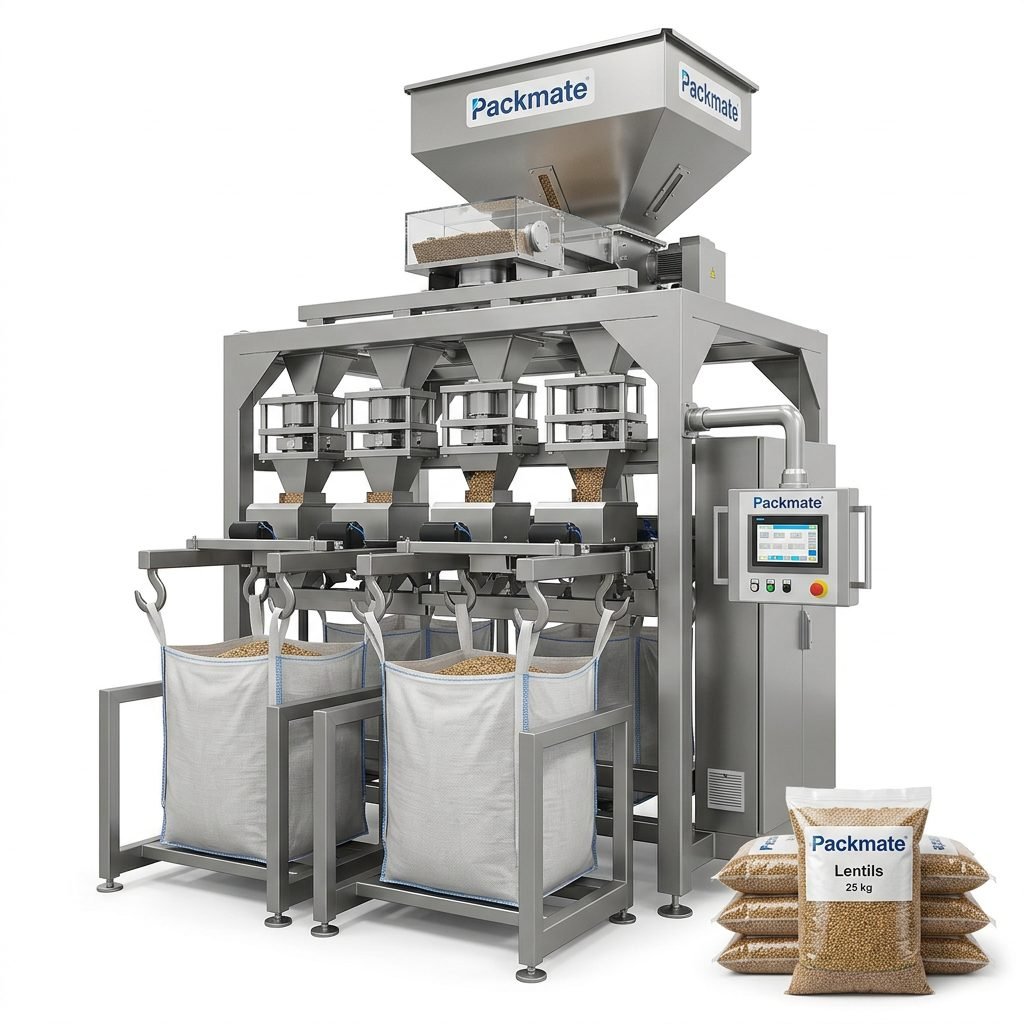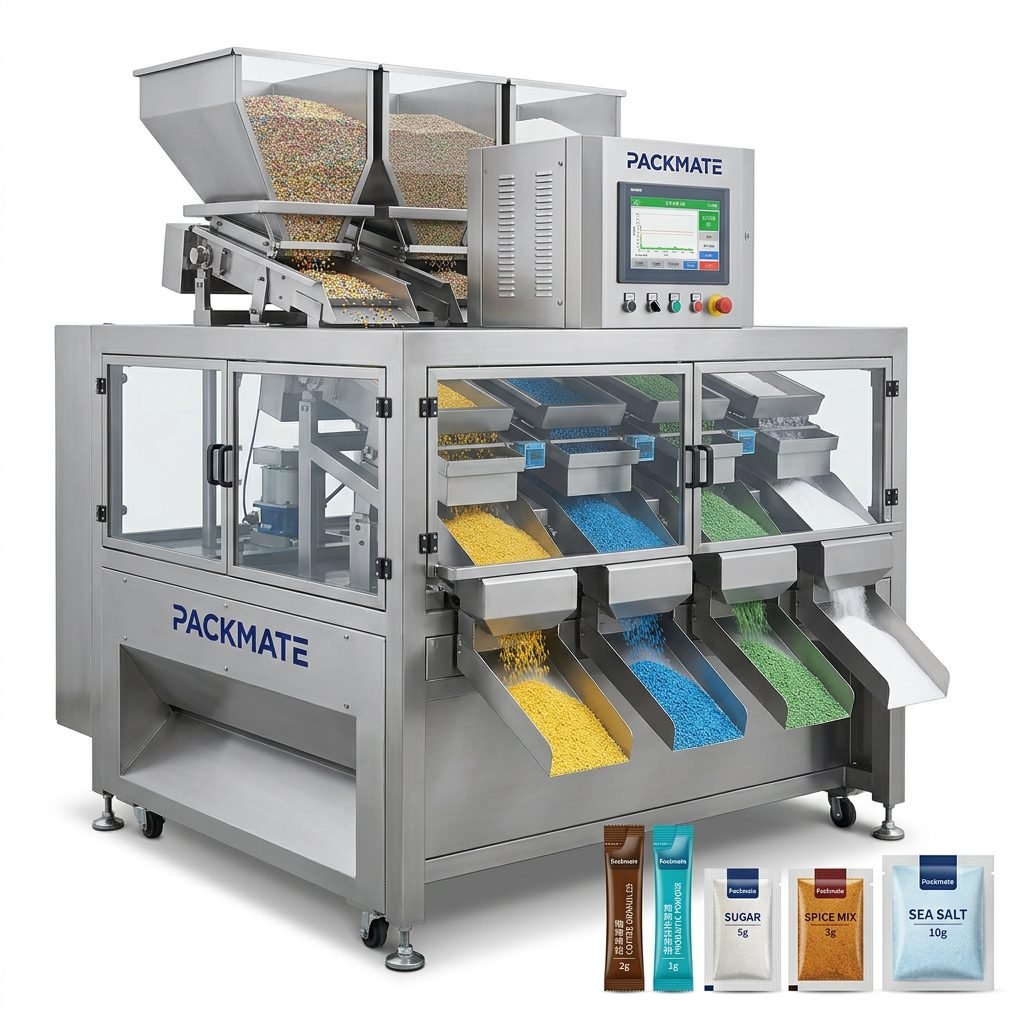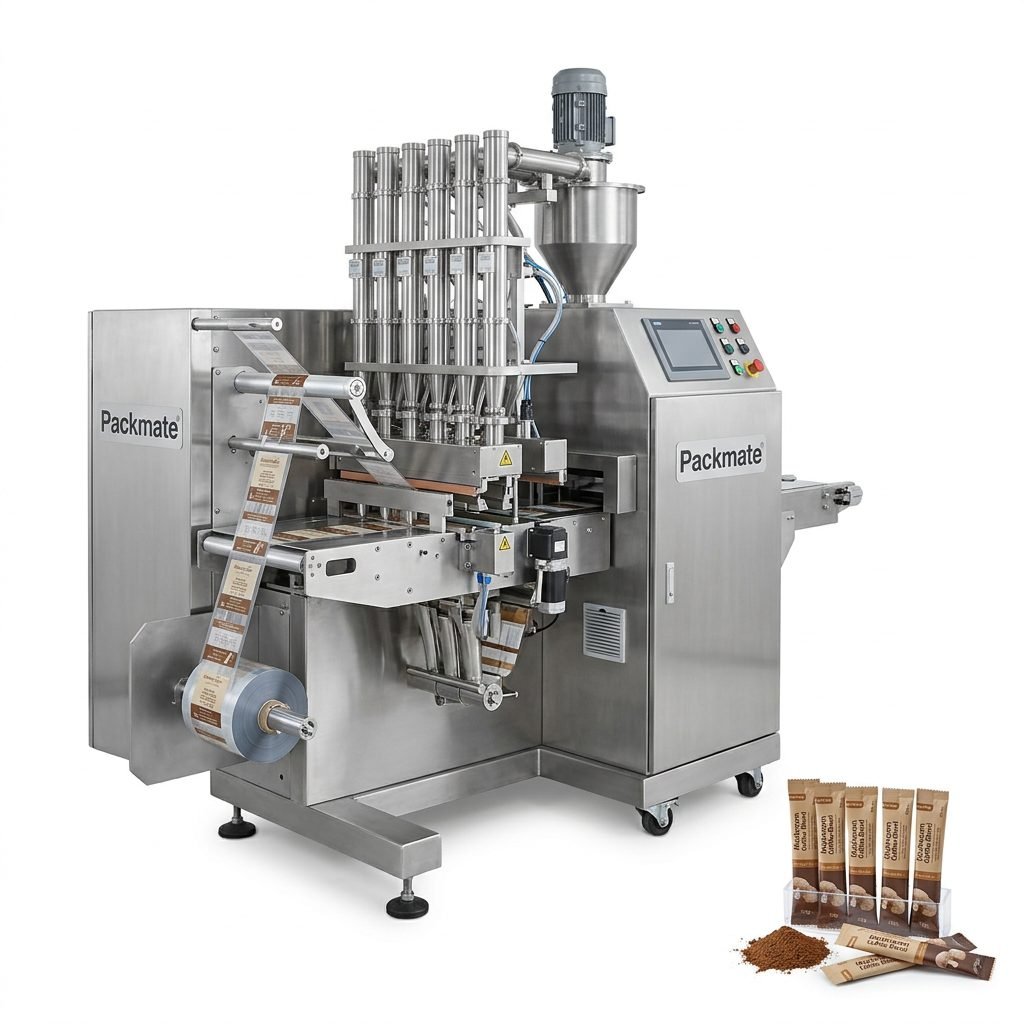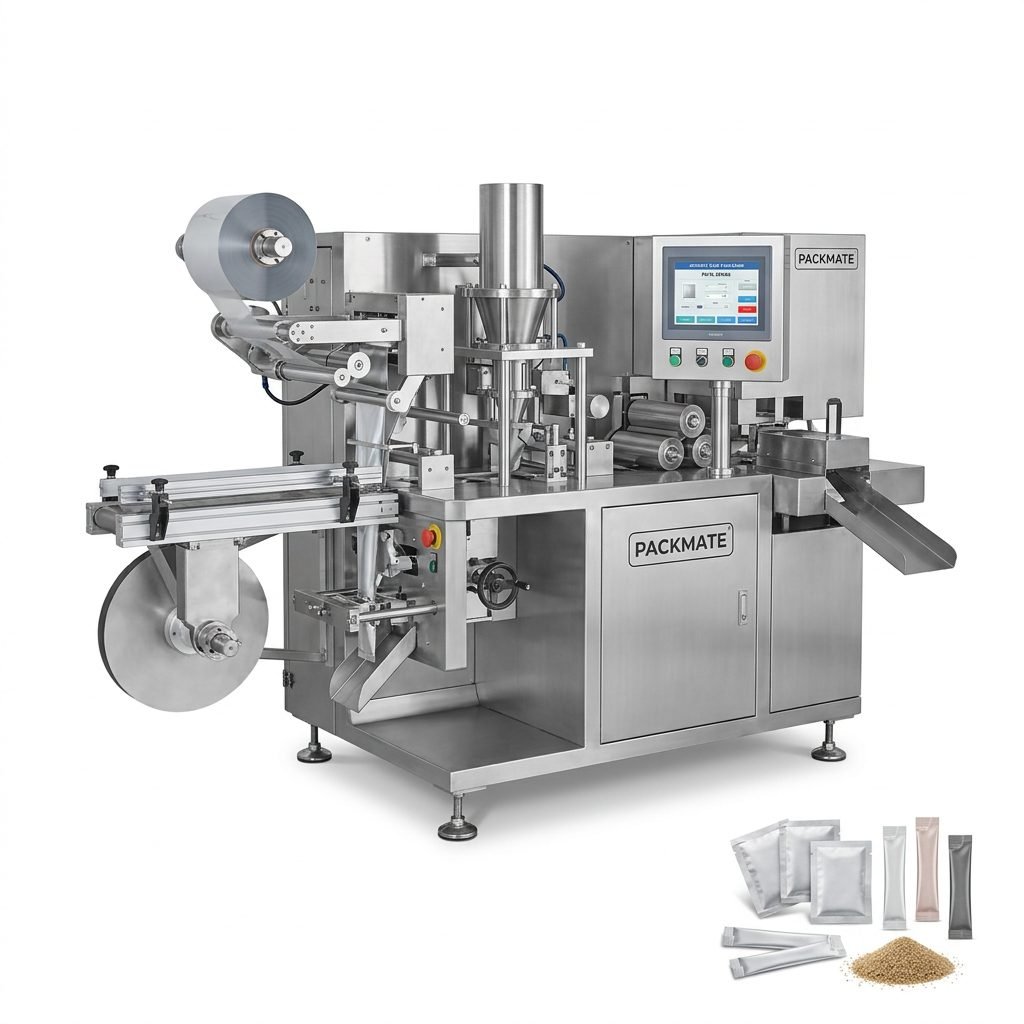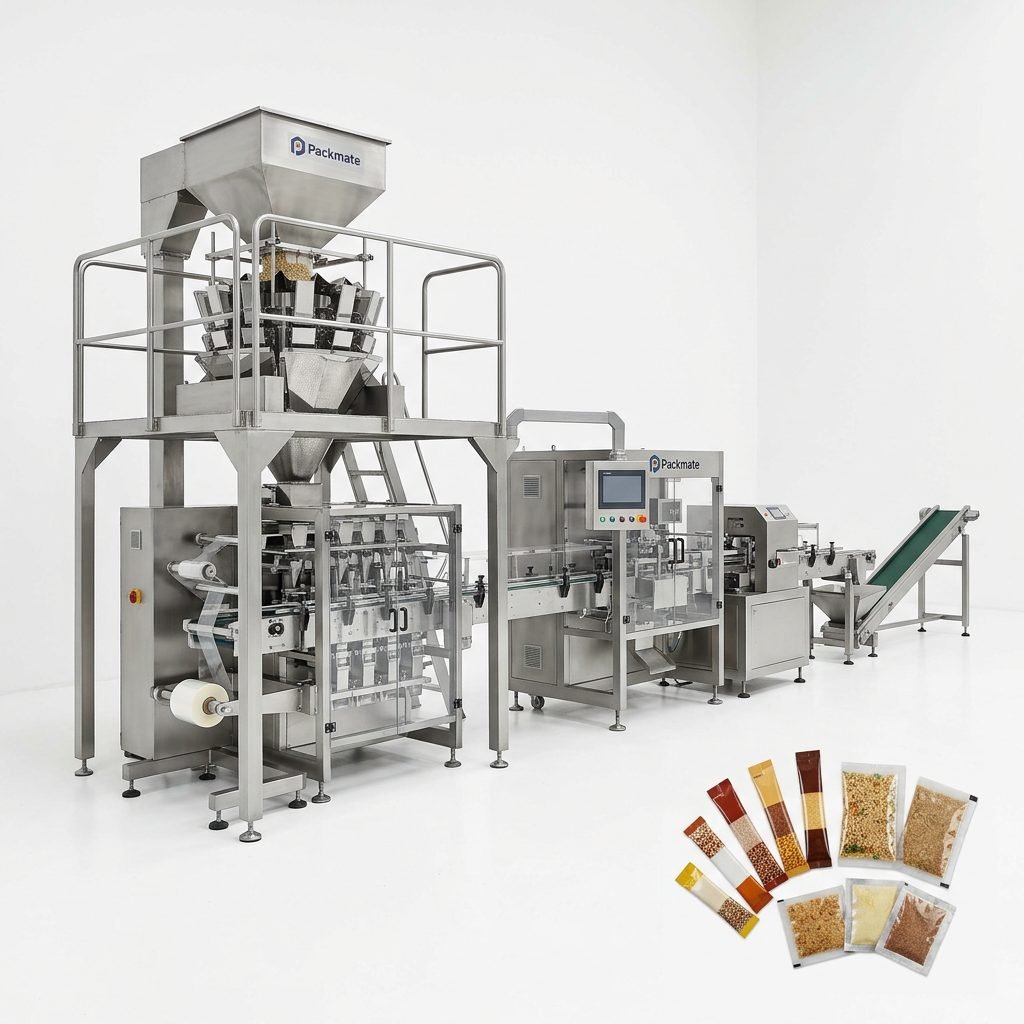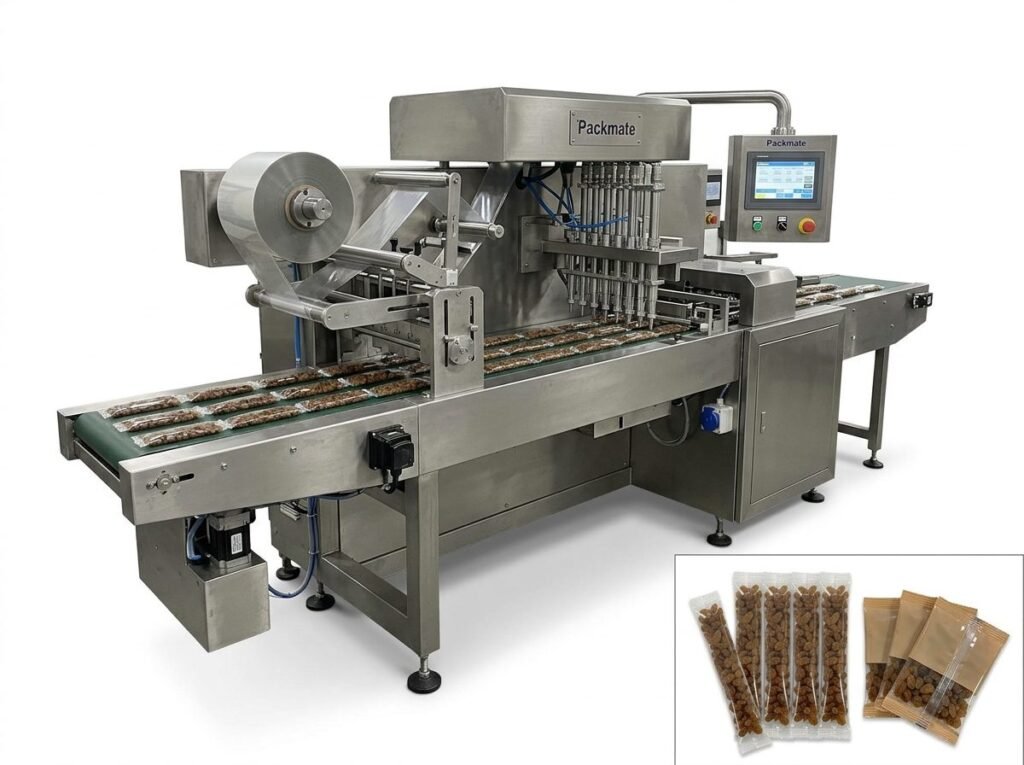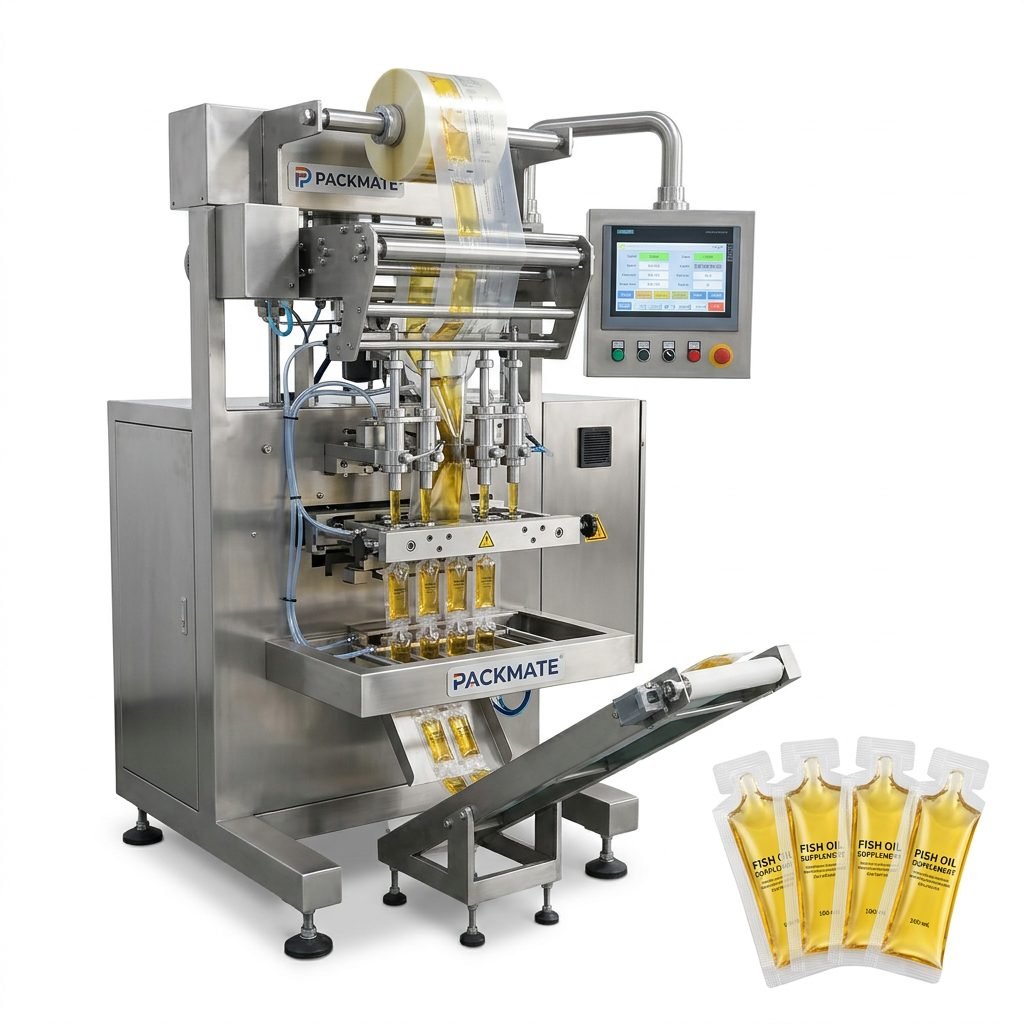
In today’s fast-paced and highly regulated manufacturing world, the packaging line is the critical final link between production and the consumer. For industries where product integrity, safety, and presentation are non-negotiable—such as food, pharmaceuticals, and health products—selecting the right liquid packaging line solution is a strategic decision. It impacts everything from operational efficiency and regulatory compliance to brand reputation and market success. A well-designed, intelligent packaging line is no longer a luxury; it is a fundamental component of a competitive and resilient business.
The Critical Role of Specialized Packaging Lines
Liquid products present unique challenges that demand specialized solutions. Unlike solids, liquids require precise handling to prevent leakage, maintain consistency, and ensure accurate dosing. The stakes are particularly high in the sectors we serve.
Food & Beverage Industry
Here, packaging must preserve flavor, freshness, and nutritional value while withstanding supply chain stresses. Solutions range from high-speed filling of juices, sauces, and cooking oils to aseptic packaging for dairy and plant-based beverages. Hygiene, speed, and versatility for different viscosities and container types are paramount.
Pharmaceutical Industry
This is arguably the most stringent environment. Packaging lines for syrups, suspensions, injectables, and eye drops must operate in controlled environments, often meeting cGMP (current Good Manufacturing Practice) standards. Precision, traceability, and absolute sterility are not optional. The system must prevent cross-contamination and ensure every unit dose is accurate.
Health & Nutraceutical Products
This growing sector, including vitamins, supplements, probiotics, and functional beverages, blends requirements from both food and pharma. Consumers demand premium, tamper-evident packaging that protects sensitive formulations (like probiotics) from light and oxygen. The line must be agile enough to handle diverse product types, from thin oils to thick gels, often in smaller batch runs.
Core Components of a Modern Liquid Packaging Line
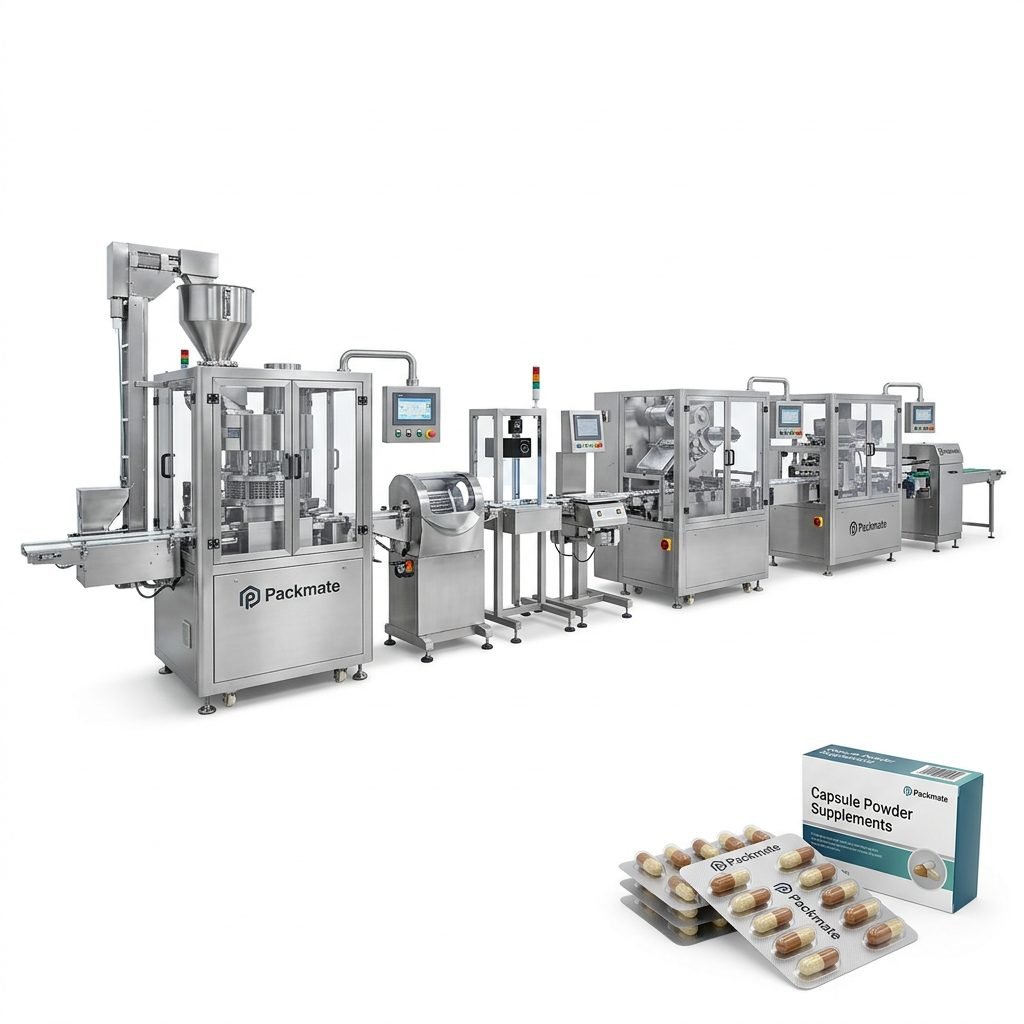
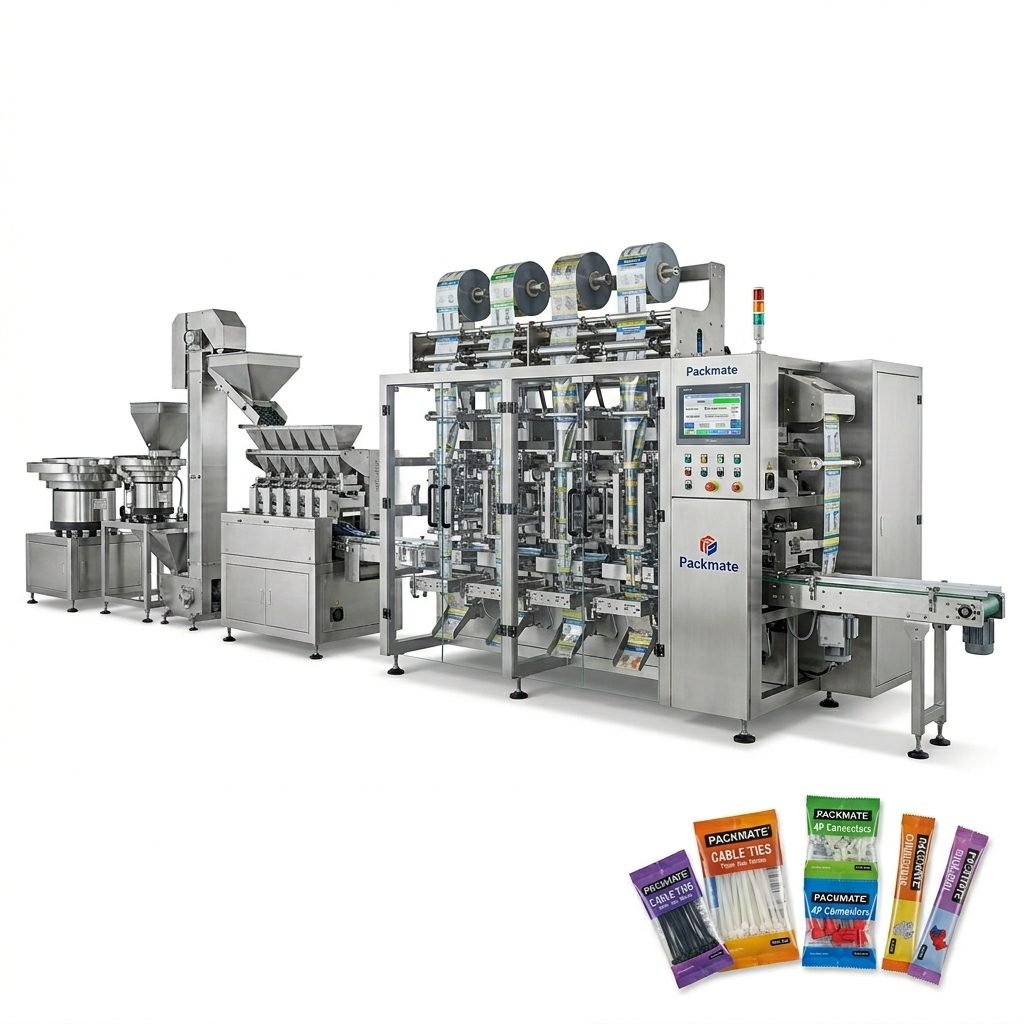
A turnkey liquid packaging line is a synchronized orchestra of machines, each performing a vital function. Understanding these components is key to specifying the right solution for your needs.
1. Unscrambling & Cleaning
Containers (bottles, vials, pouches) are fed and oriented correctly. An integrated cleaning system, using ionized air or mechanical brushes, removes dust and particulates to ensure a pristine filling environment.
2. Filling Technology: The Heart of the Line
The choice of filler is dictated by product characteristics and accuracy requirements.
- Volumetric Fillers: Ideal for free-flowing, non-foaming liquids. Use pistons or pumps to deliver a set volume.
- Gravity Fillers: Suited for thin, non-viscous liquids. Relies on product flow by gravity into containers.
- Pump Fillers: Excellent for viscous products like sauces, creams, or gels. Provides positive displacement.
- Aseptic Fillers: The gold standard for sterile products. The product and container are sterilized separately and brought together in a sterile chamber.
3. Capping & Sealing
Immediately after filling, containers are sealed to preserve the product. This can involve screw capping, snap capping, induction sealing (for tamper evidence), or heat sealing for pouches and stick packs.
4. Labeling & Coding
Accurate labeling with regulatory information, barcodes, and batch numbers is applied. High-resolution inkjet or laser coders print expiry dates and lot codes directly onto the container or label.
5. Inspection & Quality Control
Critical checkpoints include fill level detection (to ensure no under or overfills), cap presence and torque verification, and label inspection. Vision systems and sensors automatically reject non-conforming units.
6. Secondary Packaging & Case Handling
Finished primary packages are collated into cartons, shrink-wrapped, or tray-packed. Robotic palletizers often handle the final case stacking for shipment. You can see real-world applications in our detailed case studies.
Key Considerations for Selecting Your Solution
Choosing a packaging line is a significant investment. Beyond the basic components, several strategic factors must guide your decision to ensure long-term value and performance.
Flexibility & Changeover Time
Can the line handle multiple container sizes and product types? In markets with frequent product launches or seasonal variations, quick changeover systems minimize downtime and maximize asset utilization.
Automation & Integration Level
From semi-automatic to fully robotic lines, the level of automation impacts labor costs, consistency, and output speed. Modern lines feature integrated PLCs and HMIs for centralized control and data collection, crucial for Industry 4.0 readiness.
Hygienic & Sanitary Design
For food and pharma, equipment must be designed for easy cleaning (CIP/SIP – Clean-in-Place/Sterilize-in-Place) with smooth surfaces, minimal crevices, and compatibility with harsh cleaning agents. Materials like 316L stainless steel are often standard.
Regulatory Compliance
Your supplier must understand and design for relevant standards: FDA regulations, EU directives, cGMP, and regional food safety norms. Documentation and validation support are critical deliverables.
The Packmate Advantage: Engineering Your Success
At Packmate (GuangDong) Co., Ltd., we bring over three decades of engineering expertise to every project. We don’t just sell machines; we deliver intelligent, turnkey packaging solutions. Our process begins with a deep analysis of your product, output goals, and facility constraints. We then design, manufacture, and integrate a complete line from our modern 20,000㎡ facility, ensuring every component works in perfect harmony.
Our commitment is reflected in our company profile and our track record of serving global clients. We combine robust, reliable machinery with intelligent control systems, providing you with a line that delivers not just today, but for years to come. Our comprehensive service and support ensure your operation runs smoothly.
Frequently Asked Questions (FAQs)
1. What is the lead time for a complete turnkey liquid packaging line?
Lead times vary significantly based on the line’s complexity, customization level, and current production schedule. A standard configuration may take 3-6 months from order to delivery, while highly customized or aseptic systems can take longer. We provide a detailed project timeline during the proposal phase.
2. Can your packaging lines be integrated with our existing production equipment?
Yes, integration is a core part of our service. Our engineering team will assess your current upstream (mixing, processing) and downstream (warehousing) equipment to design interfaces and conveyors that ensure seamless material flow and data communication, creating a unified production system.
3. How do you ensure the line meets our specific industry’s regulatory standards (e.g., FDA, cGMP)?
We design with compliance in mind. We use approved materials (e.g., food-grade stainless steel, FDA-compliant seals), incorporate necessary documentation protocols, and design for validatable cleaning processes. We provide the required documentation packs and can advise on validation procedures, though final validation is typically conducted on-site by the client.
4. What kind of training and after-sales support do you provide?
We offer comprehensive training for your operators, mechanics, and quality control staff during installation and commissioning. Our after-sales support includes a warranty period, access to spare parts, remote troubleshooting assistance, and optional scheduled maintenance contracts to ensure optimal uptime and longevity of your equipment.
5. What is the typical ROI (Return on Investment) for automating a liquid packaging process?
ROI depends on factors like previous manual labor costs, output increase, reduction in product waste, and improved quality leading to fewer rejects. Many clients see a full ROI within 12-24 months through significant gains in efficiency, consistency, and scalability, allowing them to meet growing demand without proportionally increasing labor costs.