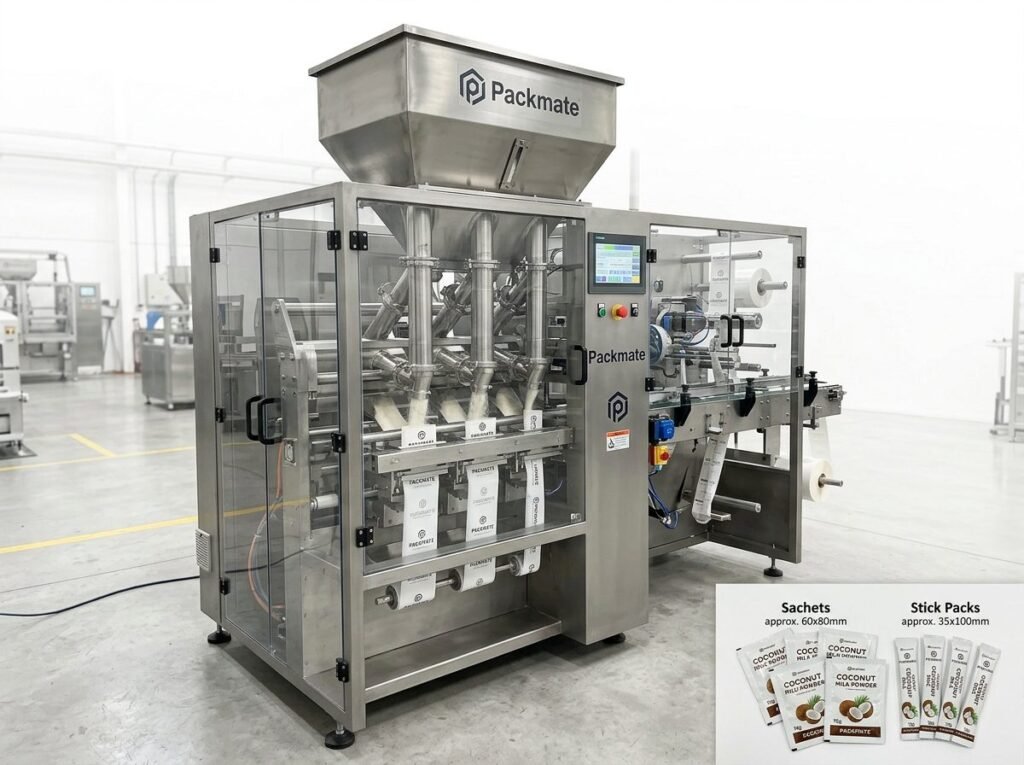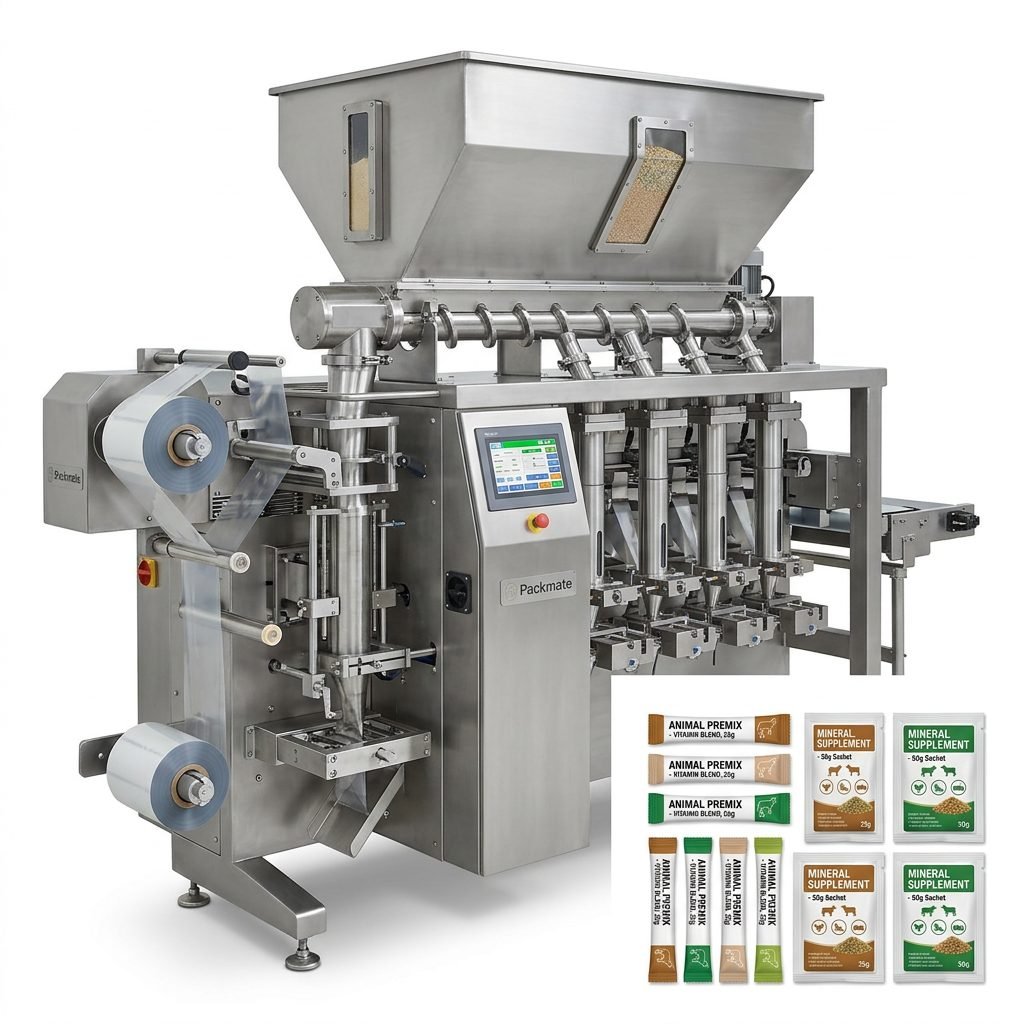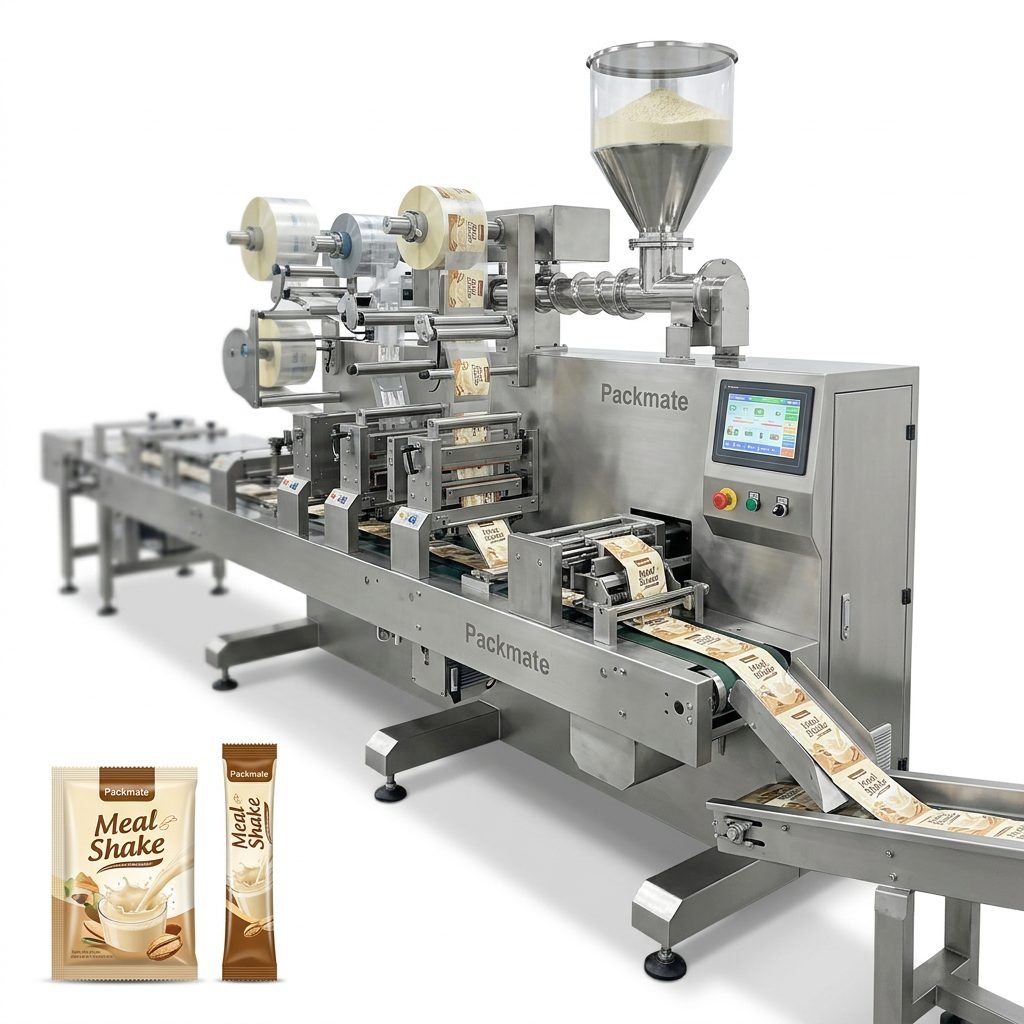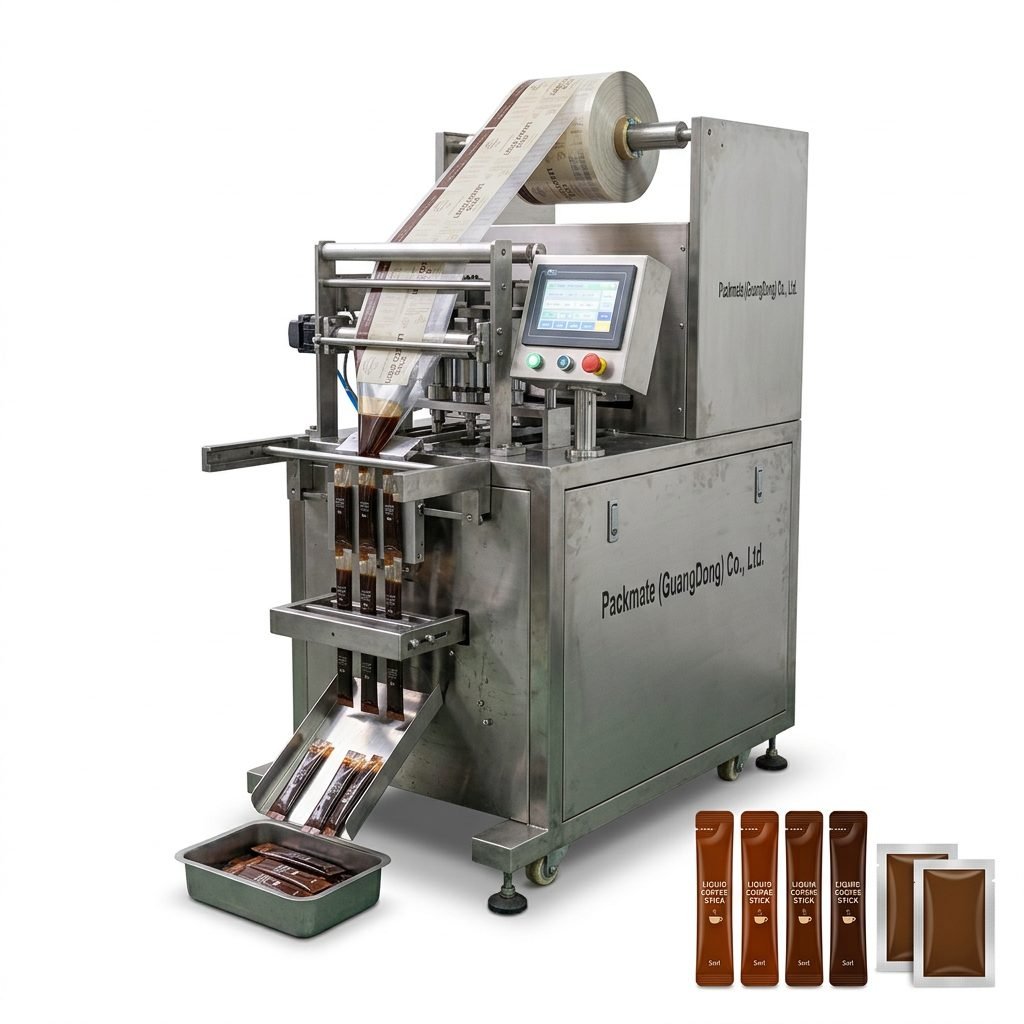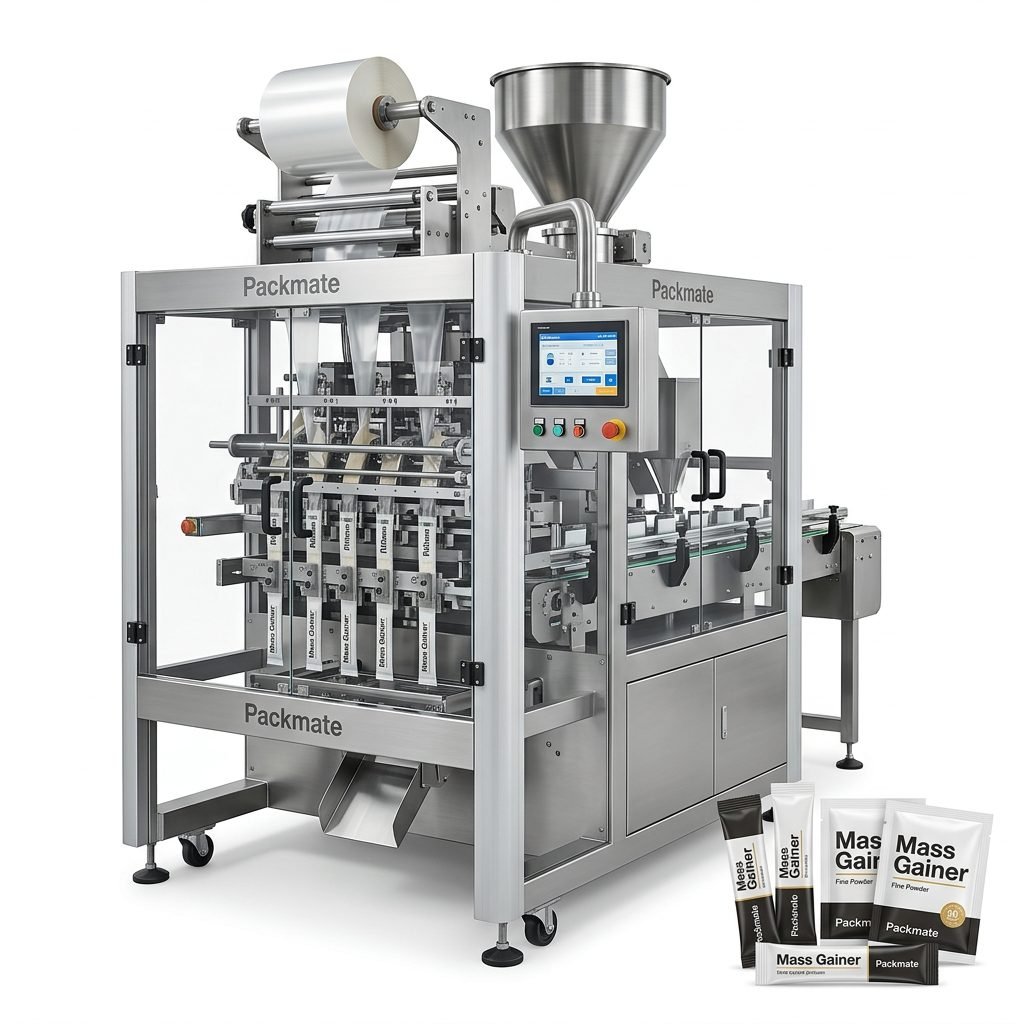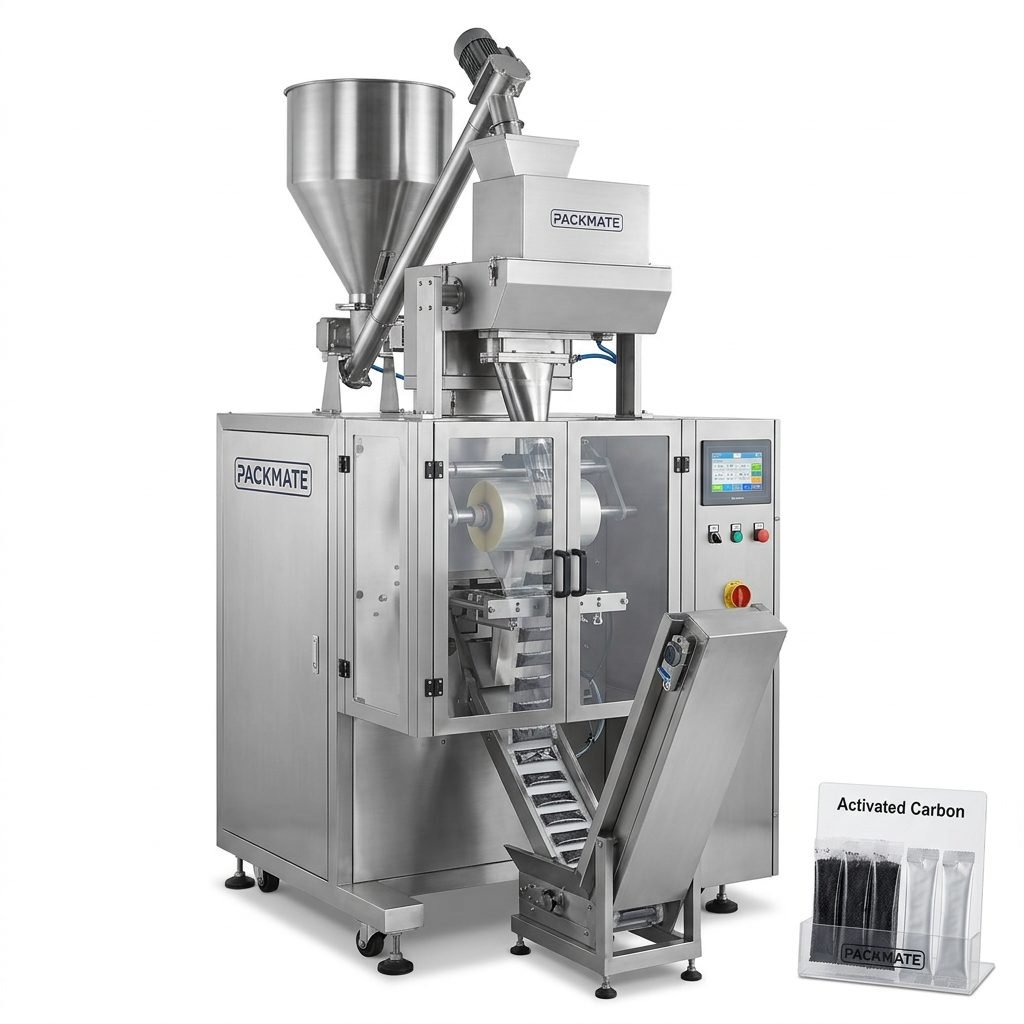
In today’s fast-paced food manufacturing landscape, efficiency, hygiene, and precision are not just advantages—they are necessities. For producers handling granules, powders, and liquids, the packaging process presents unique challenges, from maintaining product integrity to ensuring consistent fill weights and preventing contamination. This is where the expertise of a specialized automated food packaging line manufacturer becomes invaluable. These manufacturers design and deliver integrated systems that transform raw, bulk products into perfectly sealed, retail-ready packages with minimal human intervention.
The Critical Role of Specialized Packaging Automation
Why is specialization so crucial? Packaging coffee granules requires a different approach than bottling cooking oil or portioning spice powder. A one-size-fits-all machine often leads to product waste, downtime, and compromised quality. A dedicated manufacturer like Packmate (GuangDong) Co., Ltd. understands these nuances. With over three decades of experience, they develop solutions tailored to the specific flow characteristics, abrasiveness, and sensitivity of each product type.
Key Benefits of a Turnkey Automated Line:
- Unmatched Consistency: Automated systems deliver precise fill volumes for every single packet, eliminating underfills and costly overfills.
- Enhanced Hygiene & Safety: Closed systems minimize human contact, drastically reducing the risk of contamination—a paramount concern in food processing.
- Scalable Production Speed: From multi-lane stick pack machines for high-volume powders to liquid filling lines, automation meets demanding production targets.
- Significant Cost Reduction: While the initial investment is substantial, the long-term savings in labor, material waste, and downtime are profound.
- Data & Traceability: Modern lines integrate sensors and software for real-time monitoring, production data collection, and full batch traceability.
Tailored Solutions for Every Product Form
A premier manufacturer offers a portfolio of machines designed for specific applications. Let’s explore the solutions for the core categories mentioned.
Granules Packaging Lines
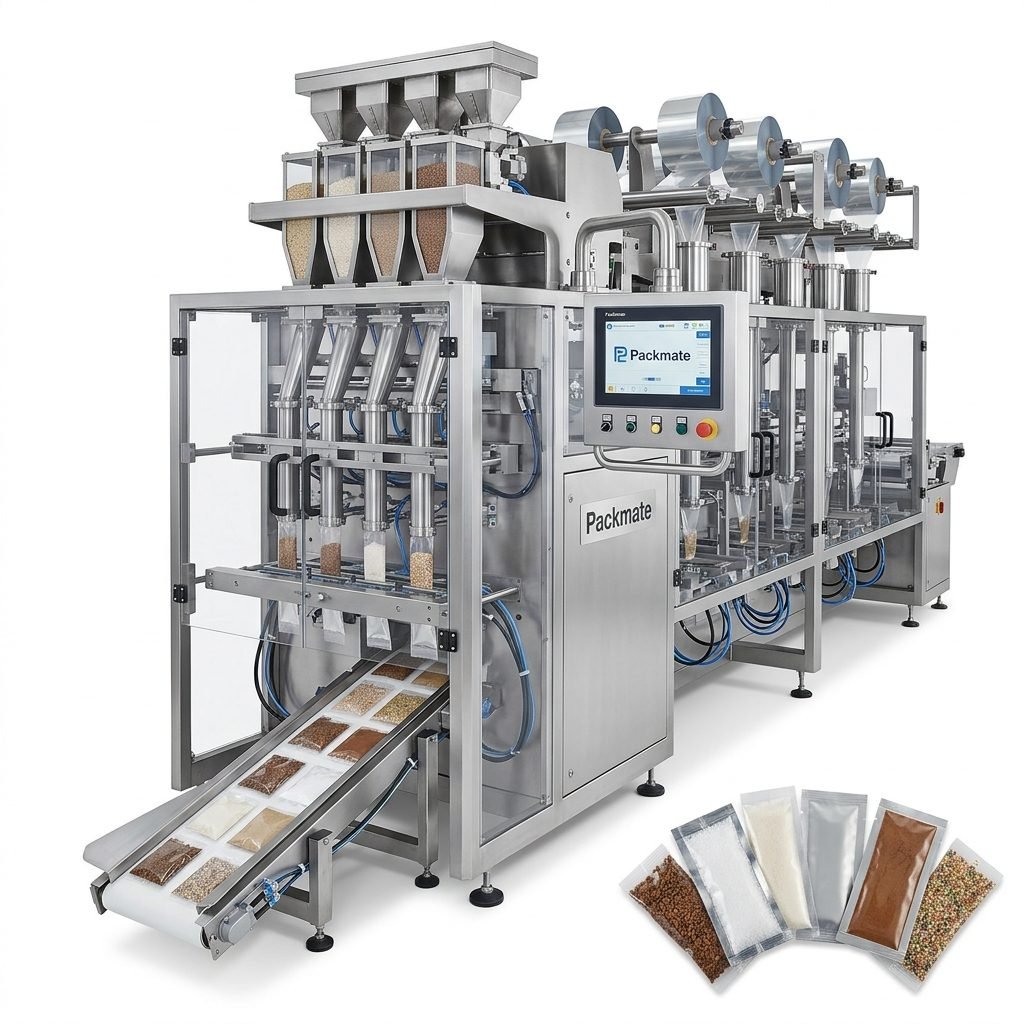
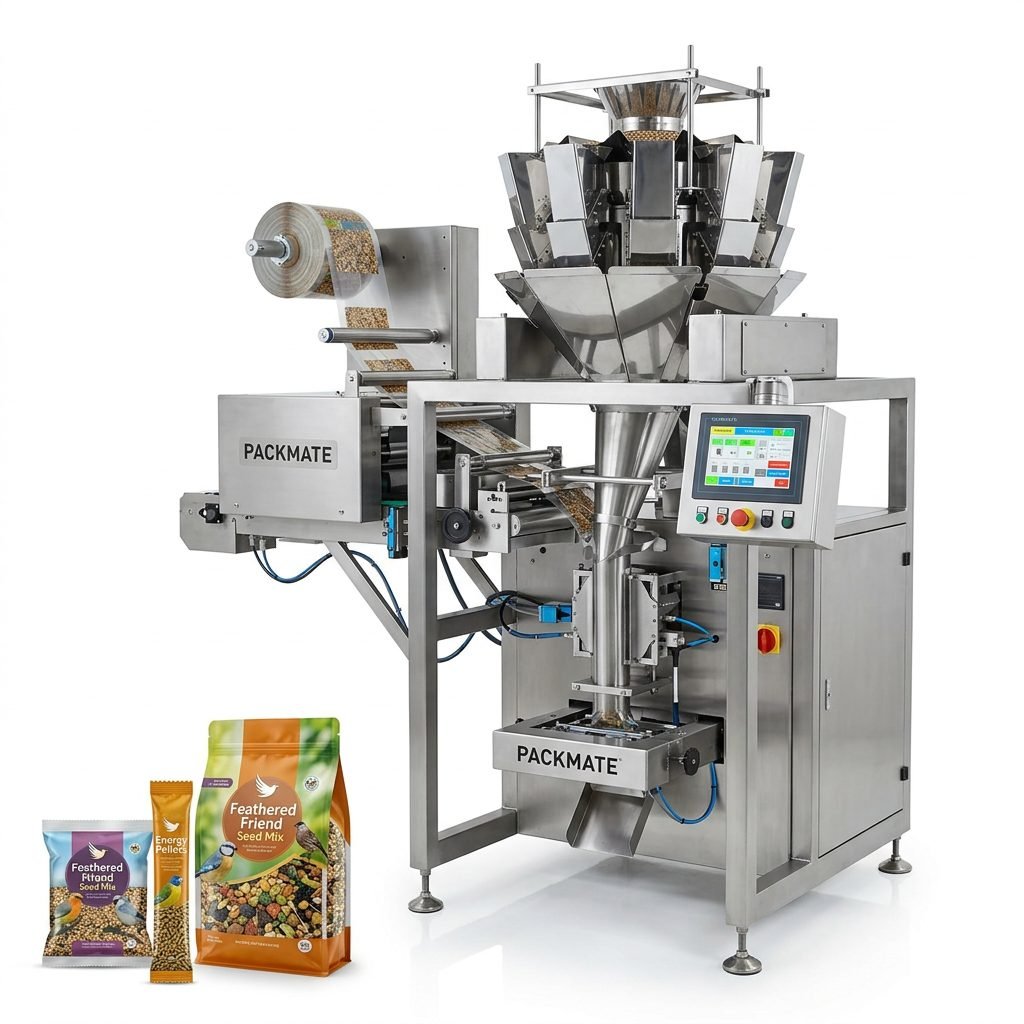
Think of rice, sugar, coffee beans, or frozen vegetables. Granules can be free-flowing or sticky, large or small. Automated lines for granules typically involve multi-head weighers for incredible accuracy, vibratory feeders to orient product, and specialized form-fill-seal (FFS) machines. The goal is to achieve high-speed packaging without damaging the product’s structure. For instance, a complete packaging line solution for roasted coffee beans would include destoning, grinding (if needed), precise weighing, gas flushing to preserve freshness, and sealing into barrier bags.
Powders Packaging Lines
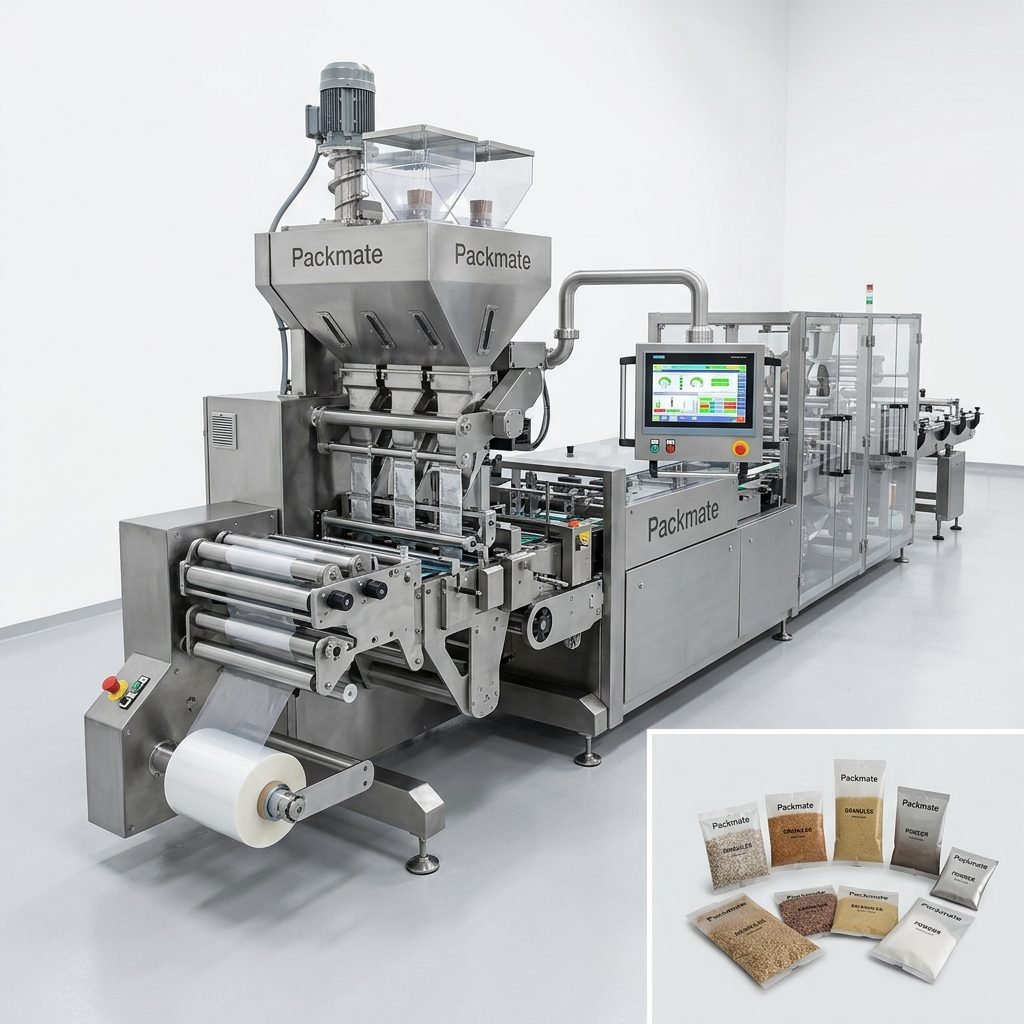
Powders, such as flour, milk powder, protein supplements, and spices, are prone to dusting, caking, and segregation. Packaging them demands an airtight process. Auger filler systems are the gold standard here, using a rotating screw to dispense powder with remarkable precision. To combat dust, manufacturers integrate dust extraction hoods and use pre-made spouted bags or create sealed stick packs. The entire system must be designed for easy cleaning to prevent cross-contamination between batches, a feature heavily emphasized in successful project cases across the industry.
Liquids Packaging Lines
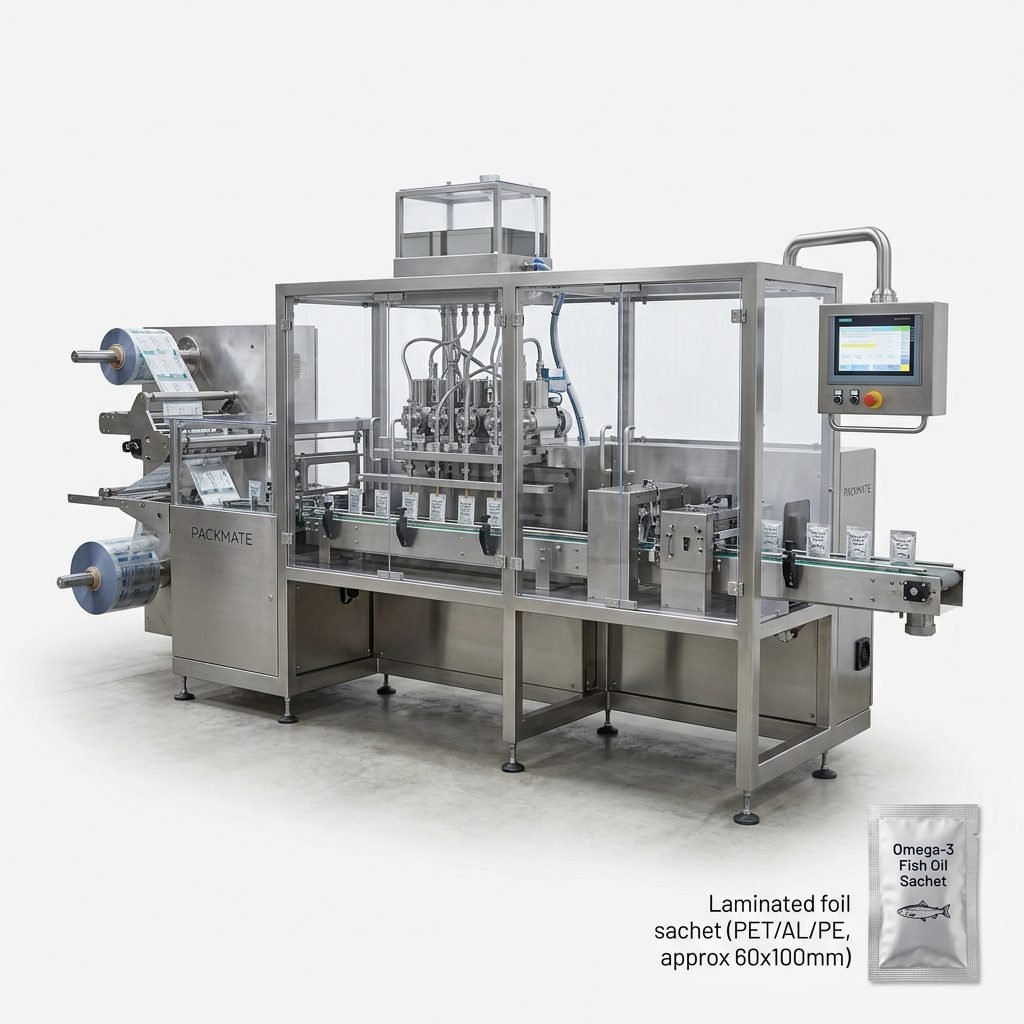
From sauces and edible oils to dairy products and juices, liquid packaging requires impeccable hygiene and leak-proof integrity. Solutions range from pouch packaging for single-serve condiments to bottling lines for larger volumes. Key components include piston or volumetric fillers, capping or sealing stations, and often, inline coding for date/batch information. For viscous liquids like honey or paste, specialized pumps and heated nozzles may be employed. The reliability of these systems is critical, as any failure can lead to significant product loss and messy, expensive clean-up.
Choosing the Right Manufacturing Partner
Selecting an automated packaging line manufacturer is a strategic decision. Beyond the machine specifications, consider these factors:
🔍 Engineering Expertise & Customization:
Can they adapt their standard models to your unique factory layout, product characteristics, and output goals? Look for a team with deep application knowledge.
🏭 In-House Manufacturing & Quality Control:
A manufacturer with its own production facility, like Packmate’s 20,000㎡ modern factory, maintains strict control over quality, from sourcing components to final assembly and testing.
🛠️ Comprehensive After-Sales Support:
The relationship begins at installation. Ensure they offer thorough training, readily available spare parts, and responsive technical support. Explore their service commitments in detail.
🌍 Proven Global Experience:
A manufacturer with an international clientele understands diverse market regulations, packaging standards, and can provide references for similar projects.
The journey from a concept to a fully operational line is complex. It involves initial consultation, feasibility studies, detailed engineering, factory acceptance testing (FAT), installation, and commissioning. Partnering with a manufacturer that manages this as a turnkey project significantly reduces risk and project management burden for the food producer.
The Future: Smart, Connected Packaging Lines
The next evolution in automated packaging is the integration of Industry 4.0 principles. Future-forward manufacturers are building lines with IoT sensors that monitor machine health in real-time, predicting maintenance needs before a breakdown occurs. Data analytics dashboards provide insights into Overall Equipment Effectiveness (OEE), pinpointing bottlenecks. Furthermore, there is a growing demand for flexible lines that can quickly switch between different package sizes or product types to accommodate smaller batch production runs and personalized products, a trend visible at major international exhibitions.
Investing in an automated packaging line from a reputable manufacturer is an investment in the future competitiveness of a food business. It safeguards product quality, unlocks new levels of efficiency, and provides the scalability needed for growth. For companies specializing in granules, powders, and liquids, it is the definitive step towards modern, reliable, and profitable production.
Frequently Asked Questions (FAQs)
1. What is the typical lead time for a complete automated packaging line?
Lead times vary significantly based on the line’s complexity and customization level. For a standard configuration, it can range from 16 to 30 weeks from order confirmation to delivery. This includes design, procurement, manufacturing, and factory testing. Custom or highly complex systems may require more time.
2. How do you ensure the packaging line is suitable for our specific product?
Reputable manufacturers conduct thorough product testing in their labs. You will be asked to send product samples. Engineers will run tests on different filling systems, film materials, and sealing parameters to determine the optimal configuration and provide performance guarantees before the line is built.
3. What kind of training and support is provided after installation?
A comprehensive package includes on-site installation supervision, commissioning, and hands-on training for your operators, maintenance technicians, and line supervisors. This covers routine operation, changeover procedures, basic troubleshooting, and preventive maintenance. Ongoing remote and on-site support should be available through a service agreement.
4. Can the line be integrated with our existing production equipment (e.g., mixers, conveyors)?
Yes, a key role of the manufacturer is to design the packaging line as a seamless integration point within your broader production process. They will account for incoming product flow from upstream equipment and outgoing packaged product handling, ensuring compatibility in speed, height, and control interfaces.
5. What are the most important factors in maintaining line efficiency and uptime?
Proactive preventive maintenance is crucial. Following the manufacturer’s maintenance schedule for lubrication, part inspection, and replacement is essential. Using genuine spare parts, training operators properly to avoid misuse, and monitoring key performance indicators (KPIs) like OEE help maximize uptime and longevity of the investment.
For more detailed answers, visit our dedicated FAQs page.