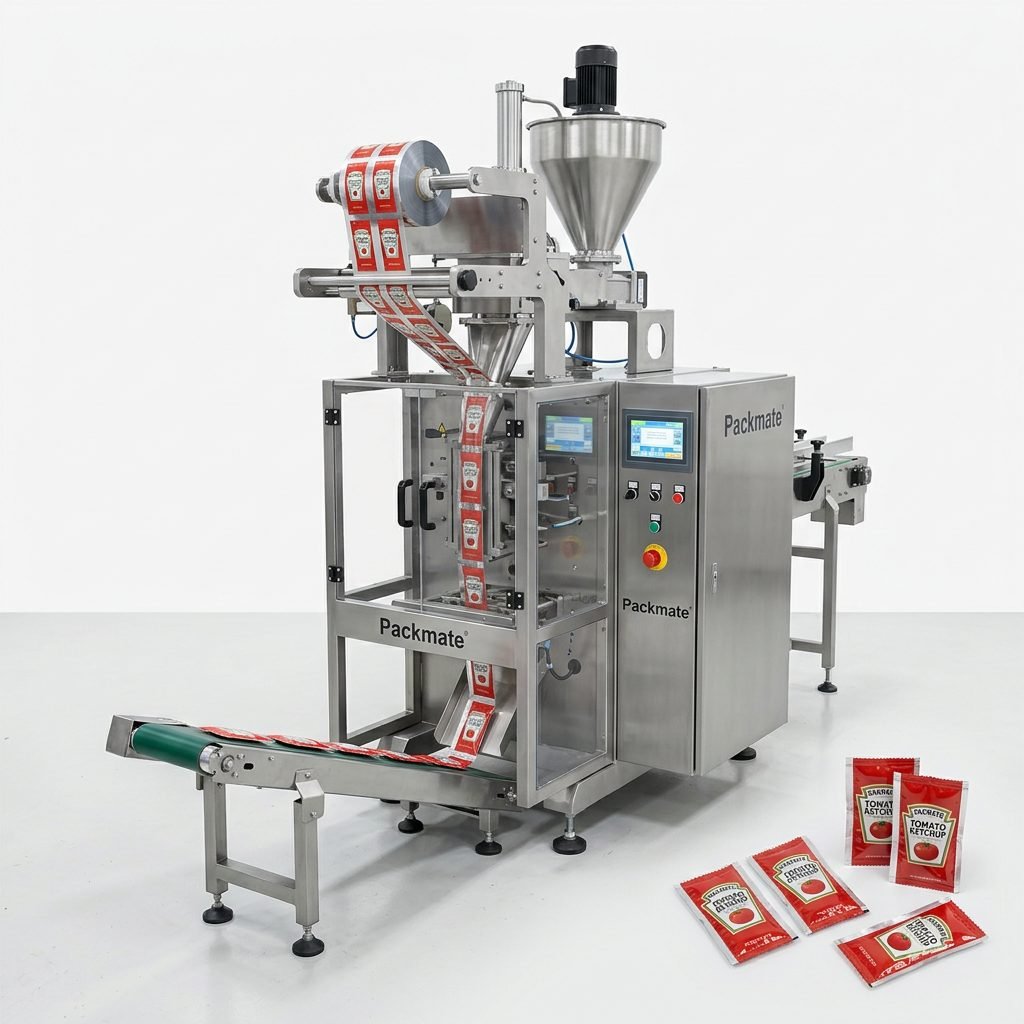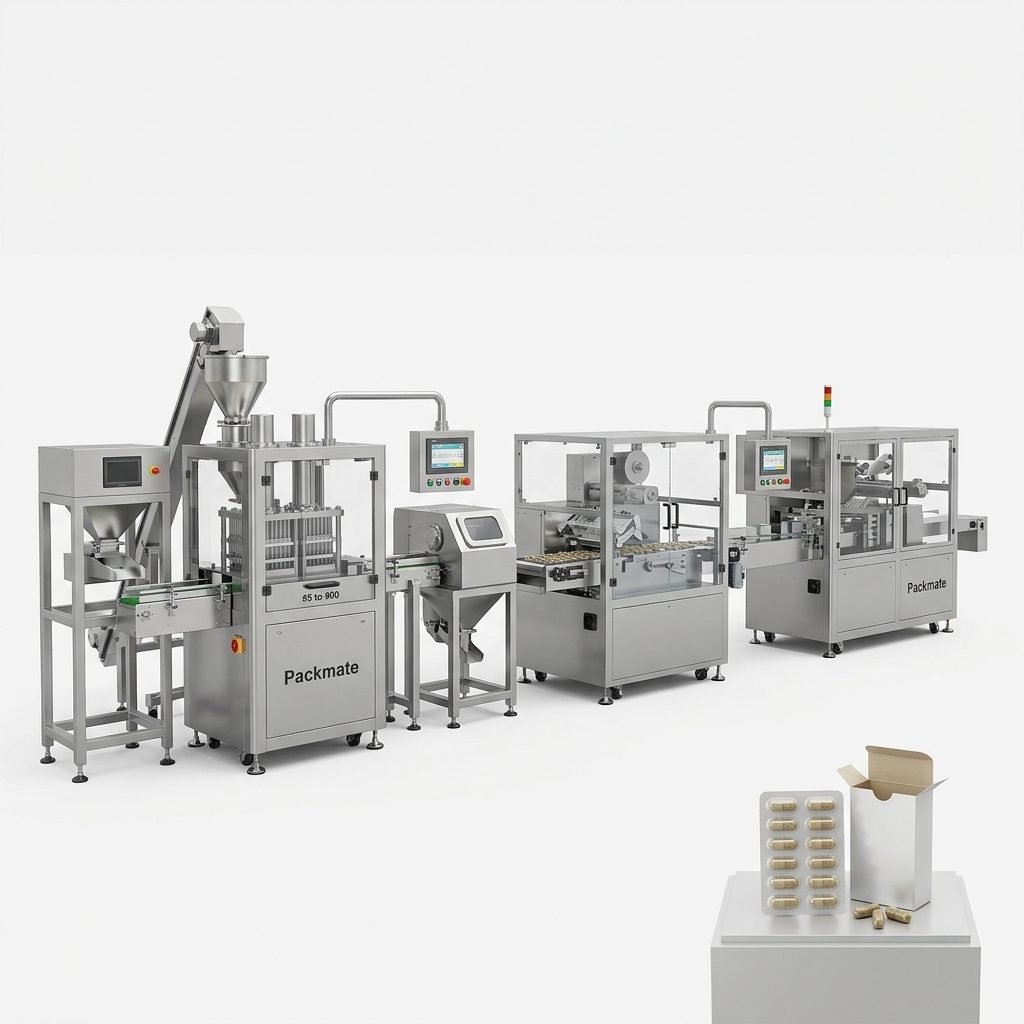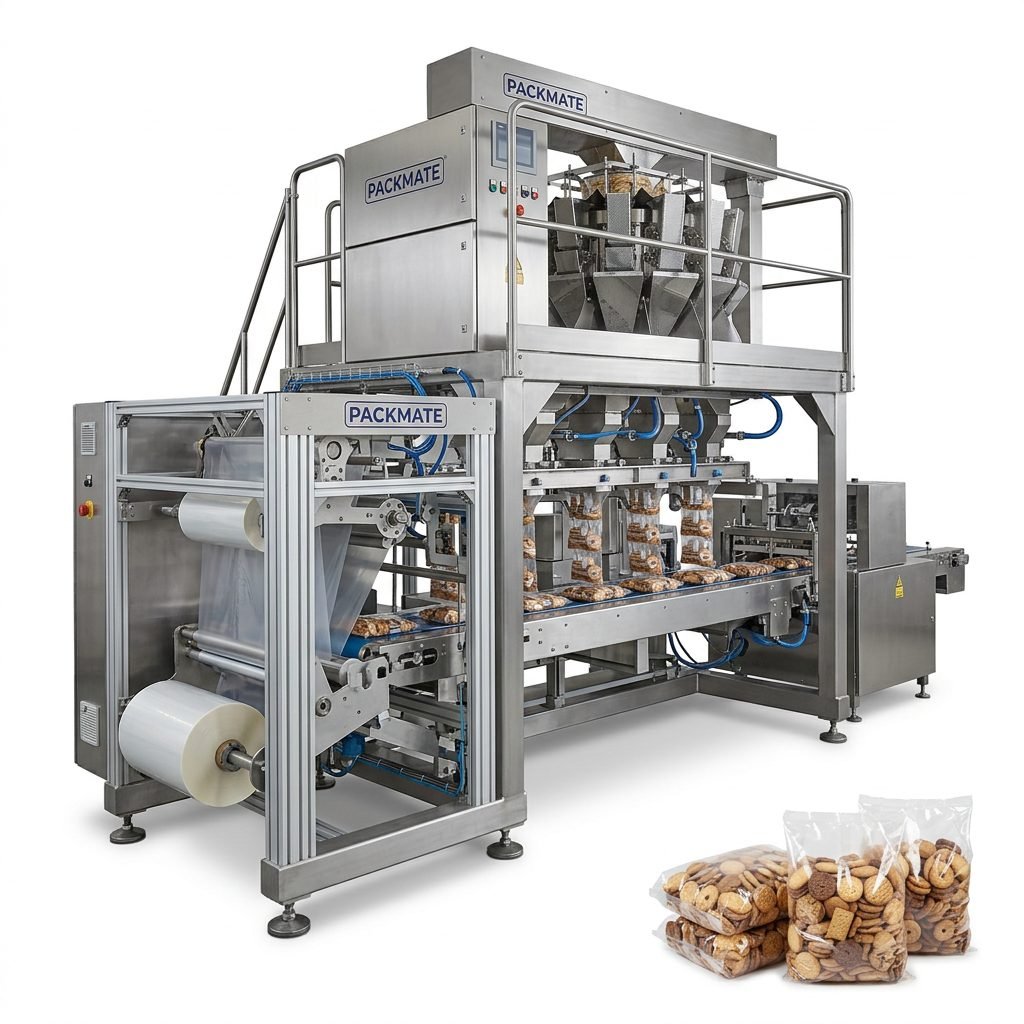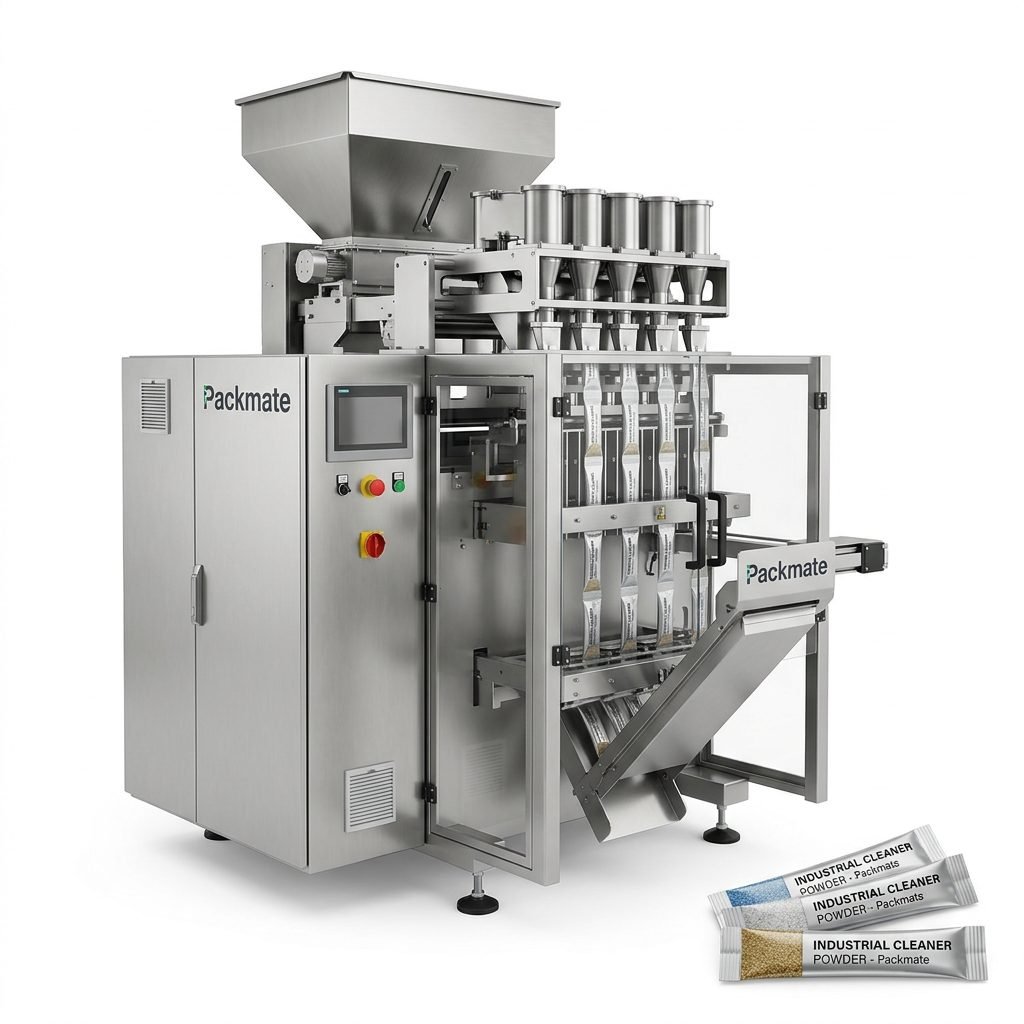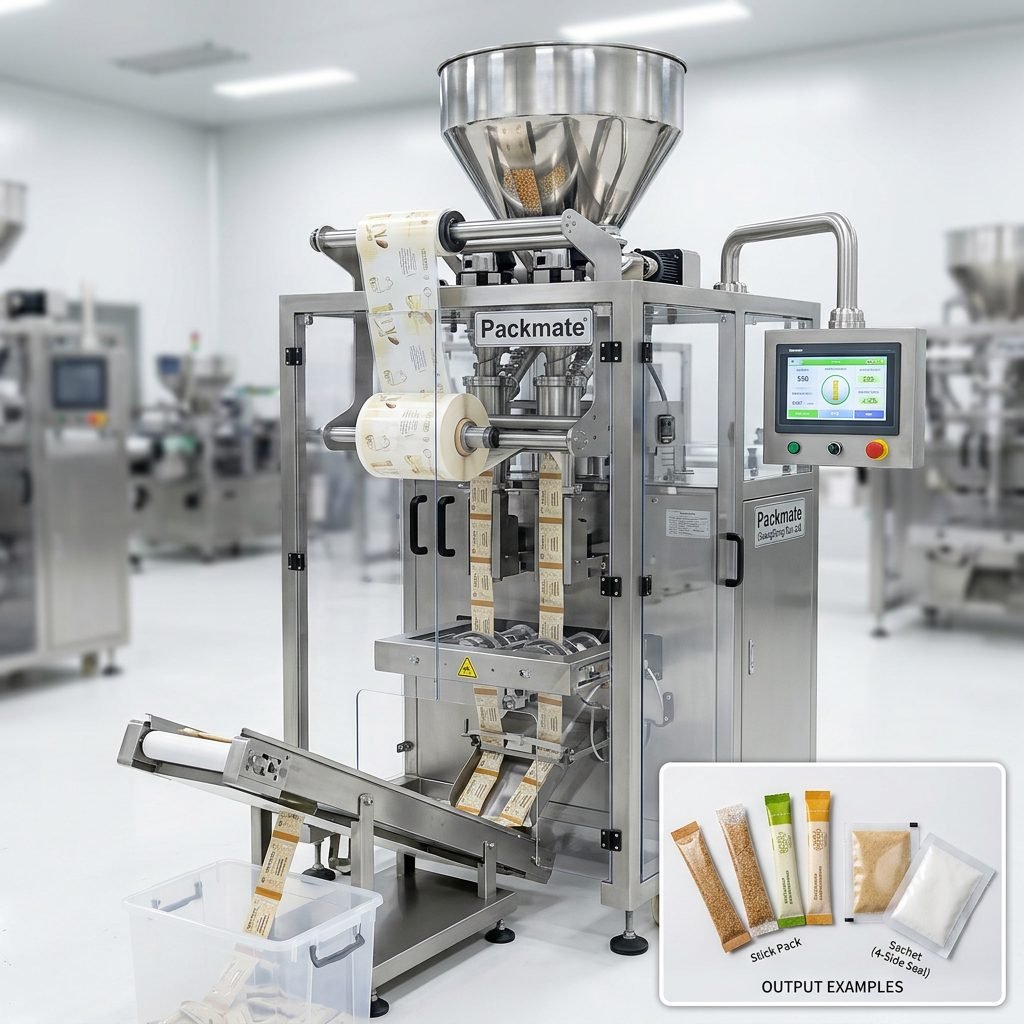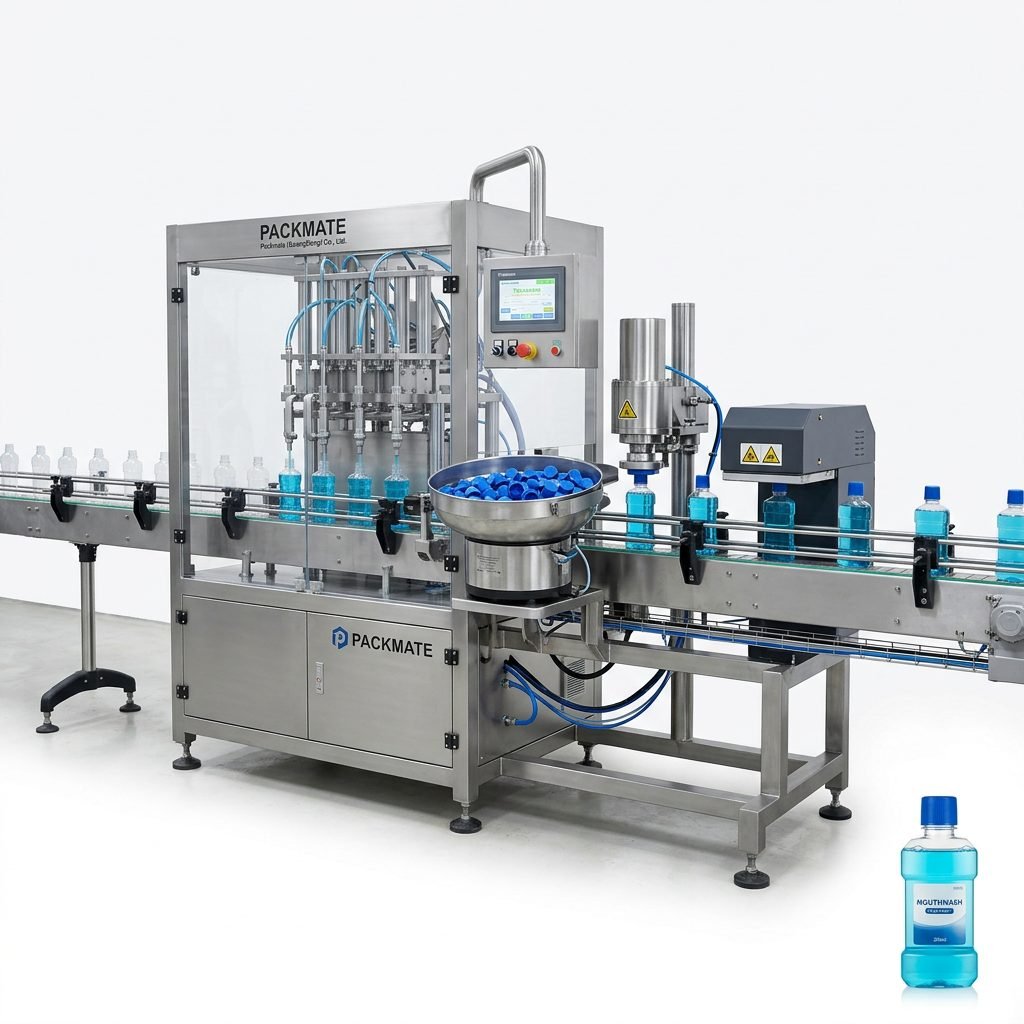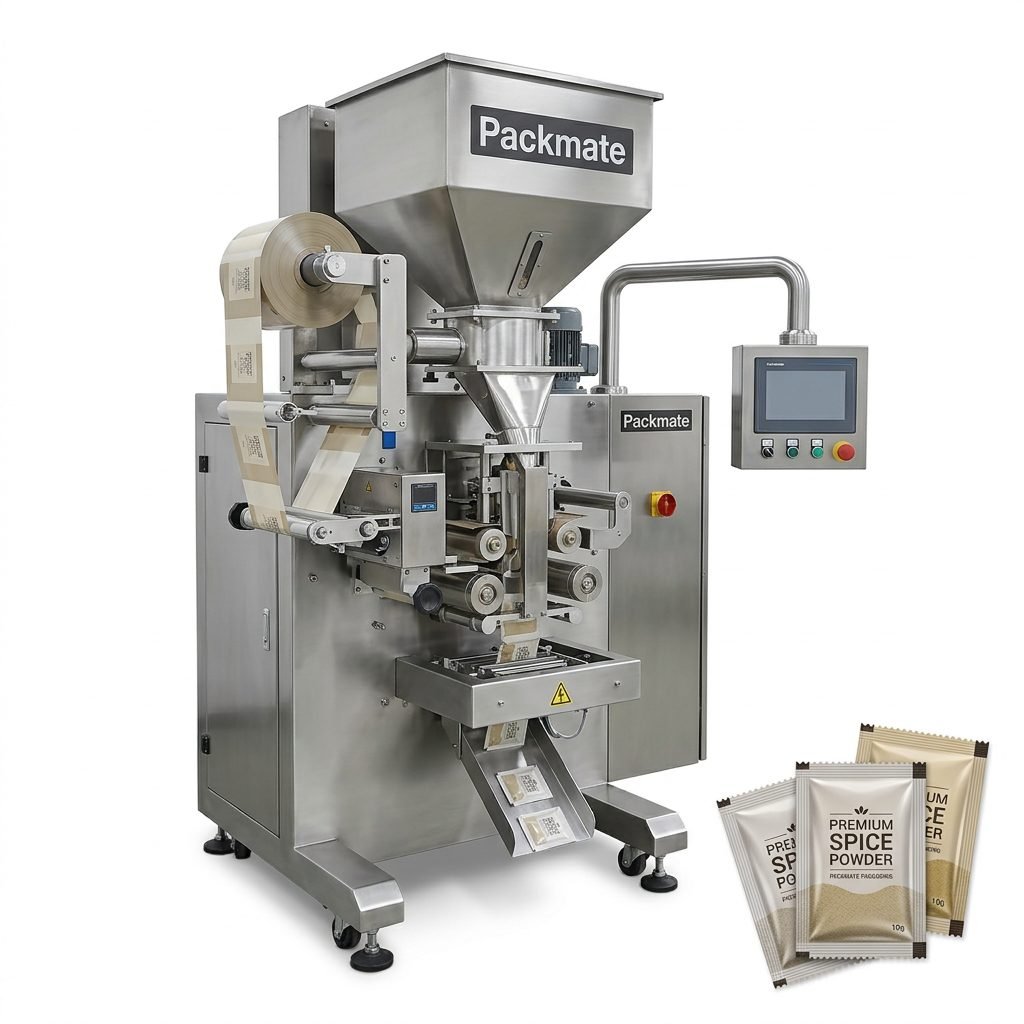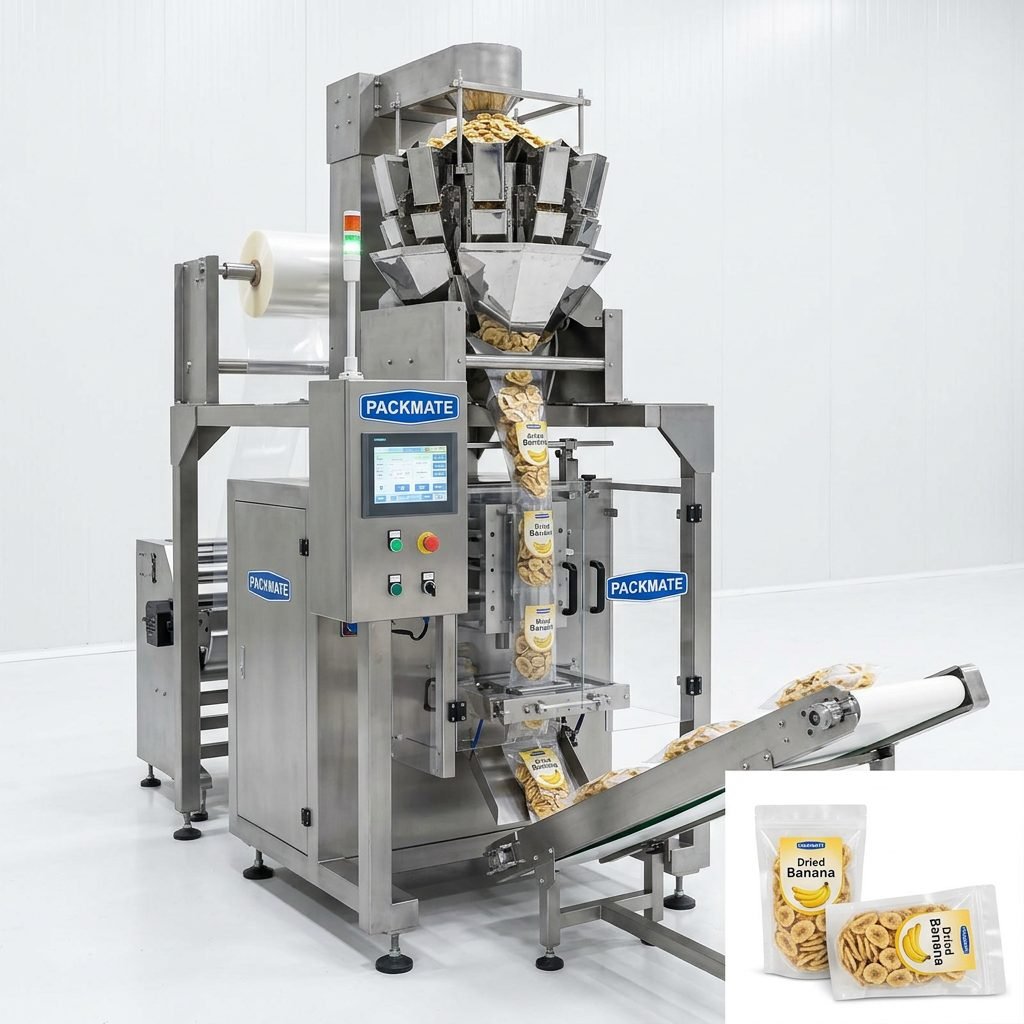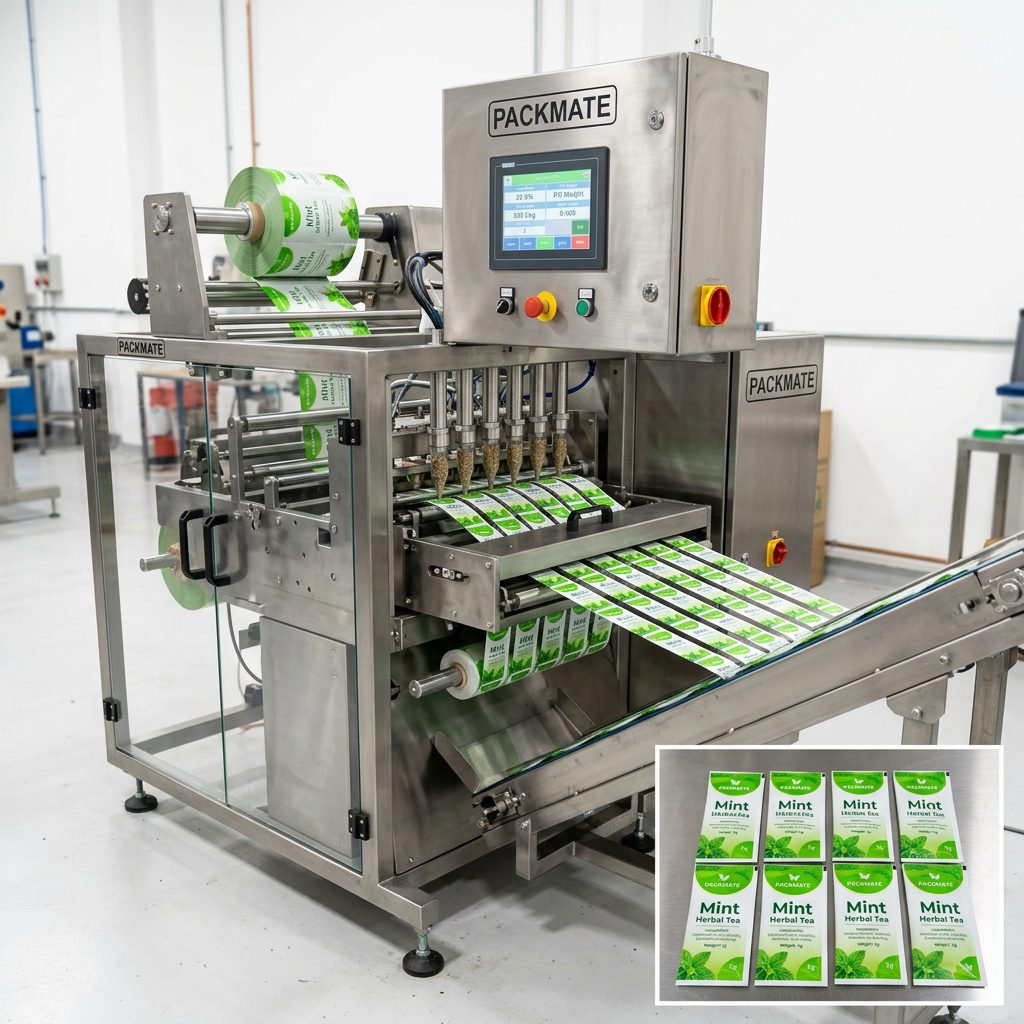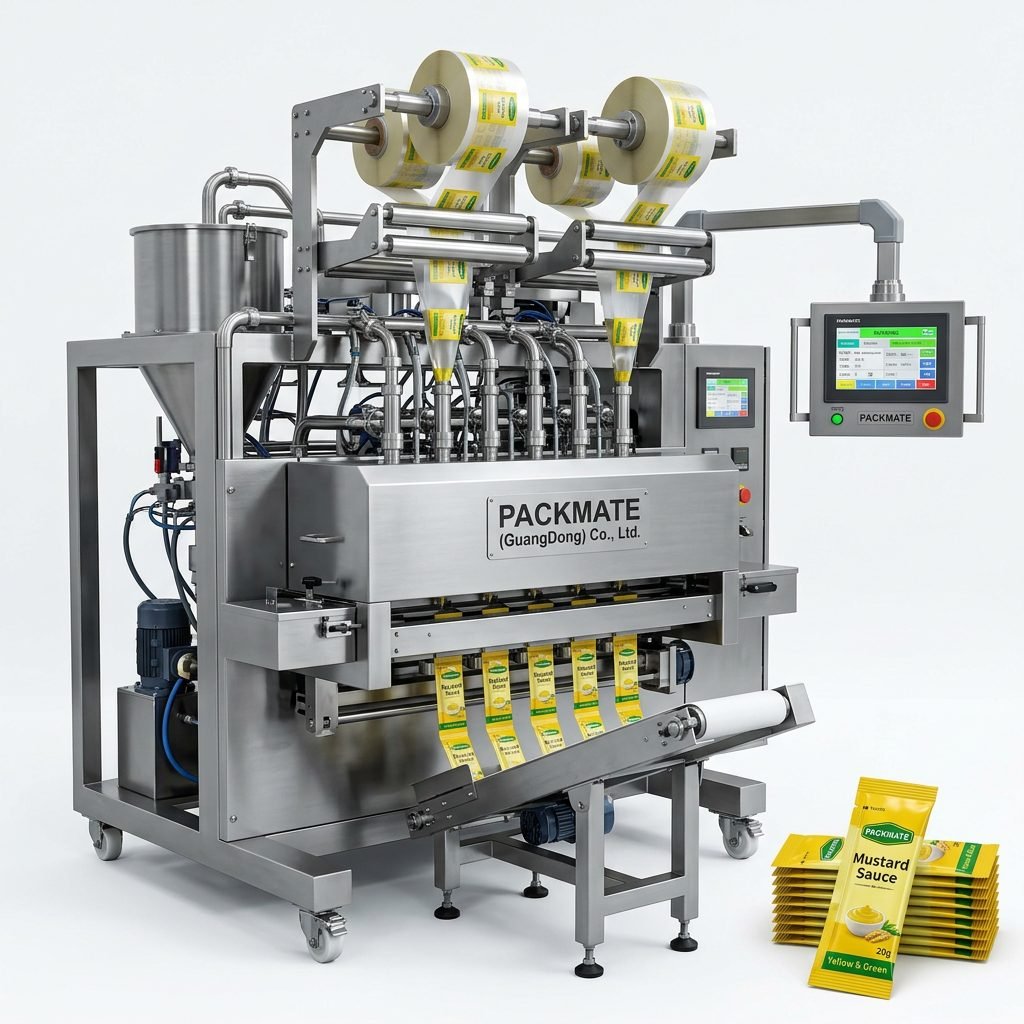
In the fast-paced world of modern manufacturing, maintaining peak operational performance is non-negotiable. For producers utilizing aluminum packaging for products ranging from pharmaceuticals and food supplements to dairy and specialty chemicals, the packaging line is the final and critical gateway to the market. Real-time monitoring has evolved from a luxury to an essential component, transforming these lines from simple production units into intelligent, data-driven systems. This guide delves into the core aspects of aluminum packaging line monitoring, focusing on achieving real-time efficiency, robust quality control, and seamless automation.
The Critical Role of Real-Time Monitoring
Gone are the days of reactive maintenance and post-production quality checks. Real-time monitoring provides a live digital pulse of your entire aluminum packaging line. By deploying a network of sensors, vision systems, and IoT-enabled devices at key points—such as the forming, filling, sealing, and coding stations—operators gain immediate visibility into every process parameter.
Key Benefits of Real-Time Data:
- Instant Downtime Alerts: Receive immediate notifications of machine stoppages, allowing for swift intervention to minimize production losses.
- Predictive Maintenance: Monitor motor vibrations, temperatures, and cycle counts to predict component failures before they cause unplanned downtime.
- Optimized Line Speed (OEE): Track Overall Equipment Effectiveness in real-time, identifying bottlenecks and maximizing throughput.
- Material Usage Tracking: Precisely monitor foil consumption, helping to reduce waste and control raw material costs.
Pillars of Automated Quality Control
Quality defects in aluminum packaging can lead to product spoilage, recalls, and brand damage. An integrated monitoring system automates quality assurance, inspecting 100% of output at production speed.
Core Inspection Points Include:
- Seal Integrity Inspection: Advanced thermal or vision cameras check for leaks, weak seals, or contamination in the seal area, ensuring product barrier properties are intact.
- Fill Level Verification: High-precision sensors or checkweighers ensure each pouch or blister contains the exact specified volume or weight, guaranteeing compliance and customer satisfaction.
- Print & Code Quality: Vision systems verify the legibility, accuracy, and placement of batch codes, expiry dates, and branding, critical for traceability and regulations.
- Package Forming: Monitor the consistency of the aluminum pouch or blister shape, preventing malformed packages that could jam downstream equipment.
Driving Efficiency Through Automation & Integration
Monitoring is the sensory layer; automation is the action layer. The data collected feeds directly into programmable logic controllers (PLCs) and manufacturing execution systems (MES), enabling closed-loop control.
Automation in Action:
- Auto-Rejection: Defective packages identified by inspection systems are automatically ejected from the line without slowing down production.
- Parameter Auto-Adjustment: The system can automatically fine-tune sealing temperature or pressure based on real-time feedback to maintain optimal seal quality.
- Centralized Dashboard: All data converges into a single, intuitive dashboard—viewable from the factory floor or remotely—providing a holistic view of line performance, as seen in many successful industry case studies.
- Historical Analytics: Data is logged to generate performance reports and trends, facilitating continuous improvement and informed decision-making for future packaging line solutions.
Implementing Your Monitoring System: A Strategic Approach
Transitioning to a monitored, smart line requires careful planning. Start with a thorough audit of your current line to identify critical control points and pain points. Partner with an experienced provider, like Packmate (GuangDong) Co., Ltd., who can offer turnkey solutions that integrate seamlessly with existing machinery. Prioritize scalability, ensuring the system can grow with your production needs. Finally, invest in training for your team to fully leverage the new technology’s capabilities, a principle central to our comprehensive service philosophy.
The integration of real-time monitoring, automated quality control, and intelligent automation represents the future of aluminum packaging. It is a powerful strategy to reduce waste, ensure consistent quality, boost efficiency, and build a resilient, data-driven production operation. This approach not only safeguards your product but also strengthens your competitive edge in a demanding global market.
Frequently Asked Questions (FAQs)
What are the main components of an aluminum packaging line monitoring system?
The core components typically include sensors (for temperature, pressure, speed), machine vision cameras, checkweighers, PLCs for data collection, a central industrial PC or server, and specialized software for data visualization, analytics, and generating alerts.
Can monitoring systems be retrofitted to older packaging machinery?
Yes, in most cases. Experienced providers can design retrofit solutions that add sensors and communication modules to existing equipment, modernizing older lines without the need for a complete replacement, thereby protecting your capital investment.
How does real-time monitoring improve Overall Equipment Effectiveness (OEE)?
It directly measures the three OEE factors: Availability (by tracking downtime causes), Performance (by identifying speed losses), and Quality (by tracking defect rates). This precise data pinpoints exact areas for improvement to drive OEE upward.
What is the typical ROI for implementing such a system?
Return on investment is often realized through significant reductions in material waste, lower labor costs for manual inspection, decreased downtime, and fewer product recalls. Many operations see a full payback within 12-24 months.
How crucial is data security for these connected systems?
Extremely crucial. A robust monitoring system should have enterprise-grade security features, including encrypted data transmission, secure user authentication, and network segmentation, to protect sensitive production data from cyber threats.