In today’s competitive manufacturing landscape, achieving peak efficiency, ensuring product integrity, and maintaining stringent hygiene standards are non-negotiable. For industries where safety and precision are paramount—namely food, pharmaceuticals, and health products—the packaging line is not merely the final step; it is a critical component of the entire production value chain. An optimized packaging line solution integrates advanced automation, intelligent control, and robust design to meet the unique challenges of these sensitive sectors.
The Critical Role of Specialized Packaging
Packaging for food, pharmaceuticals, and health products serves far beyond containment and branding. It is the primary barrier against contamination, moisture, oxygen, and light—factors that can degrade product quality, efficacy, and safety. Regulatory bodies worldwide impose rigorous standards, making compliance a top priority. An optimized line must therefore be designed with material compatibility, seal integrity, and traceability at its core.
Key Challenges Addressed by Optimized Lines:
- Cross-Contamination Prevention: Dedicated zones, easy-clean surfaces, and sanitary design are essential, especially when switching between product batches or types.
- Dosing Accuracy: Whether filling powders, granules, or liquids, precision is vital for product consistency and cost control.
- Speed & Scalability: Lines must balance high output with gentle handling to prevent product damage, allowing for scalable production to meet market demands.
- Data Integrity & Traceability: Integrated systems for tracking batch numbers, production dates, and operational parameters are crucial for quality assurance and recall management.
Core Components of a Turnkey Packaging Solution
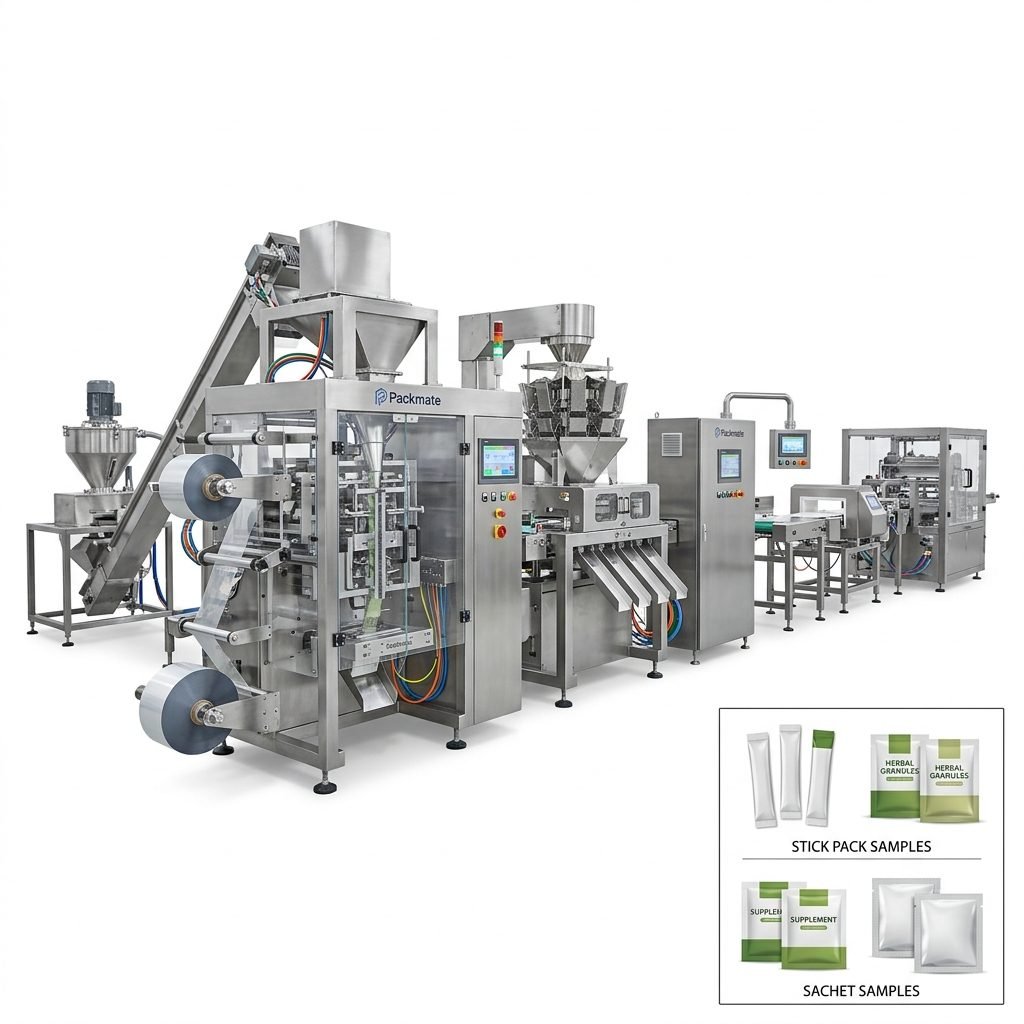
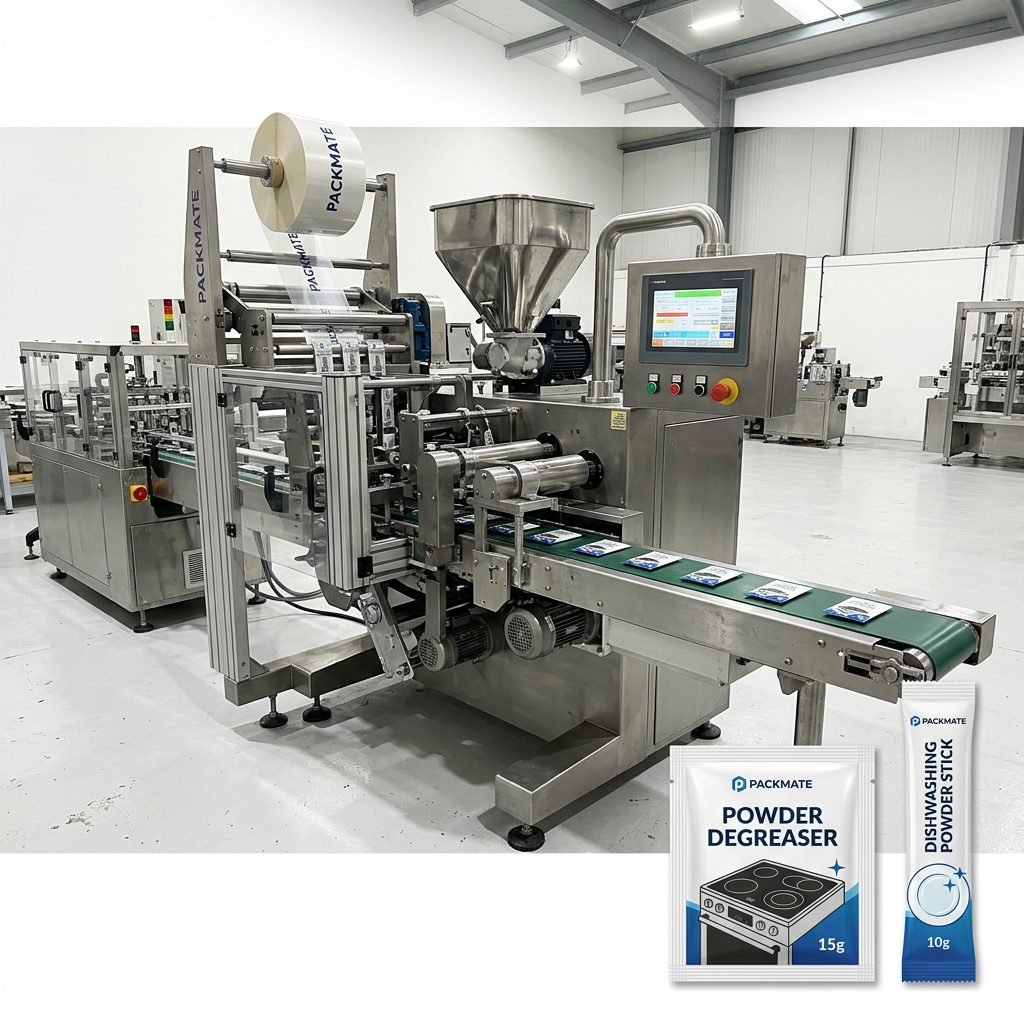
A truly optimized line is a synchronized ecosystem of machines. Leading providers like Packmate (GuangDong) Co., Ltd. design integrated systems where each component communicates seamlessly.
1. Primary Packaging Machines
This is where the product meets its immediate container. Solutions vary widely:
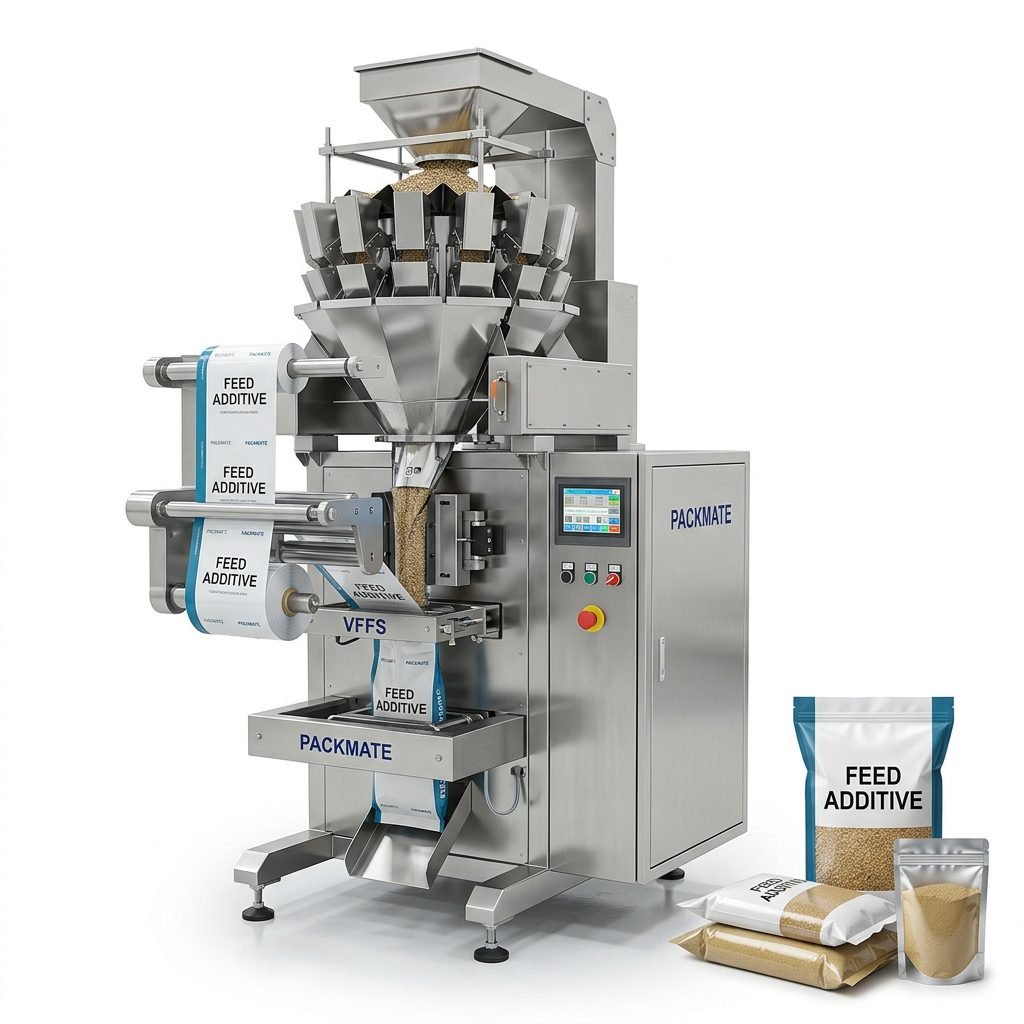
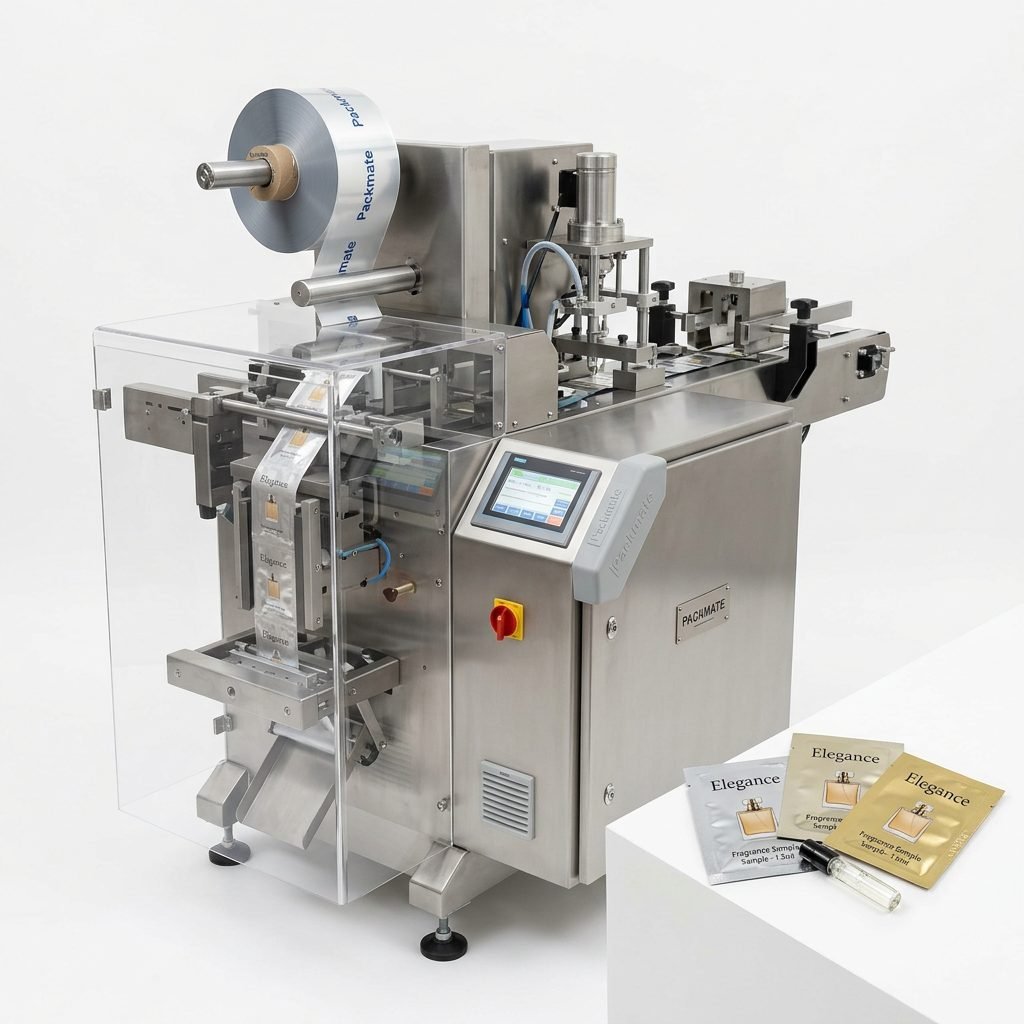
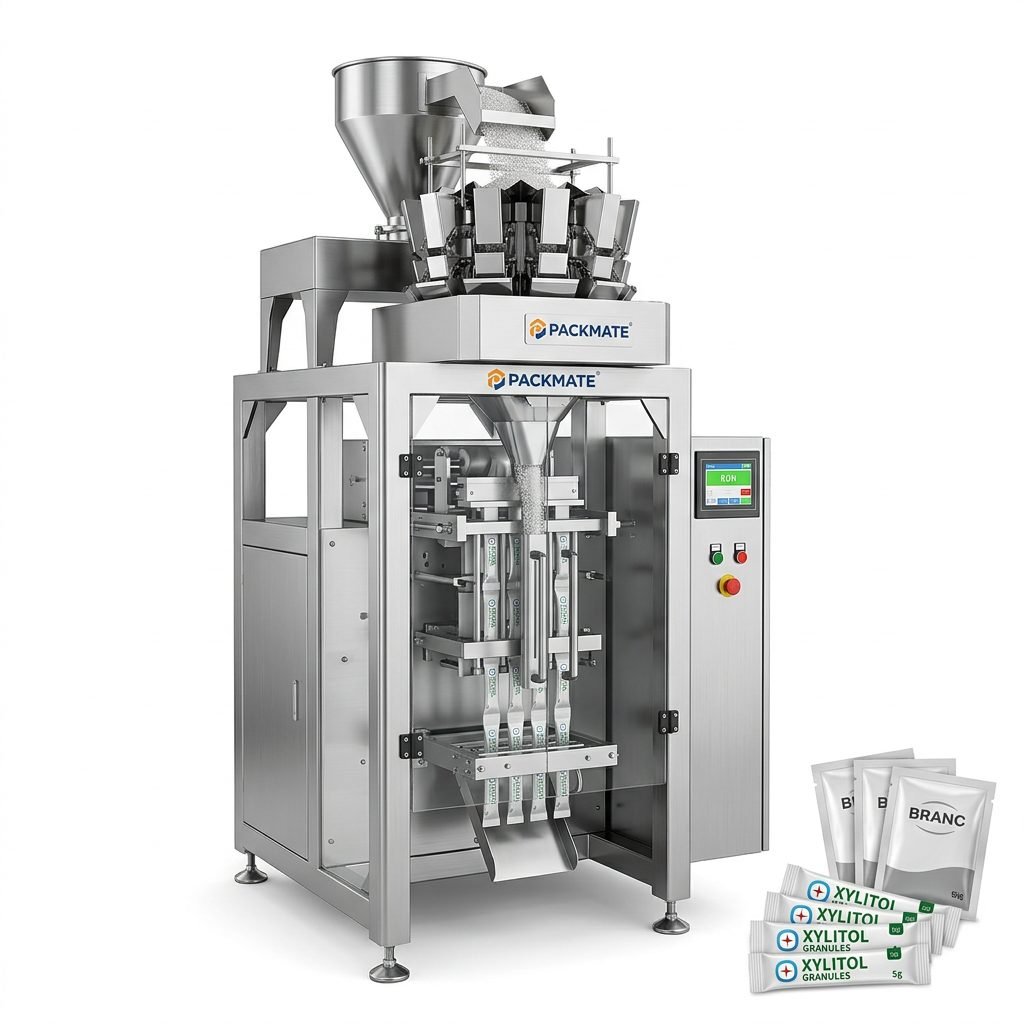
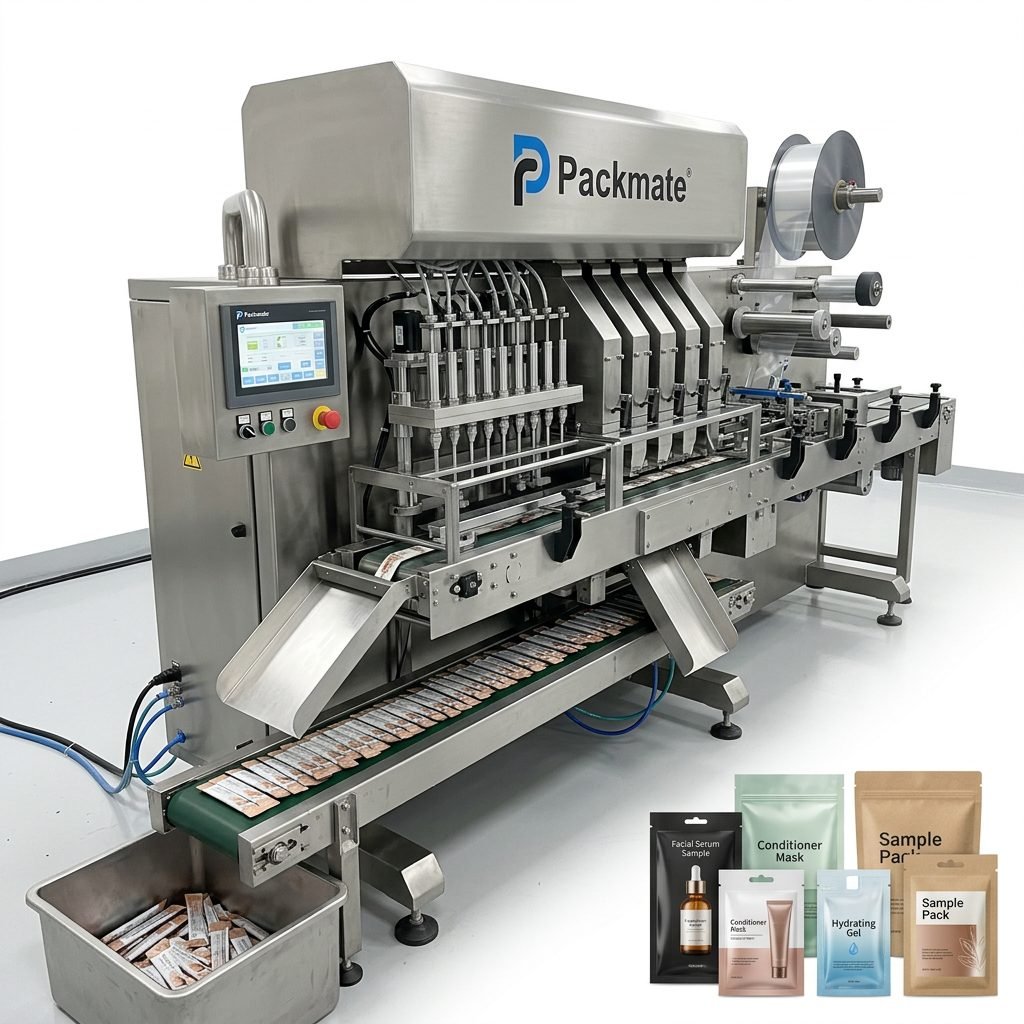
- Vertical Form-Fill-Seal (VFFS) Machines: Ideal for creating pouches or sachets on-demand from roll stock, perfect for single-serve portions in food or powdered supplements.
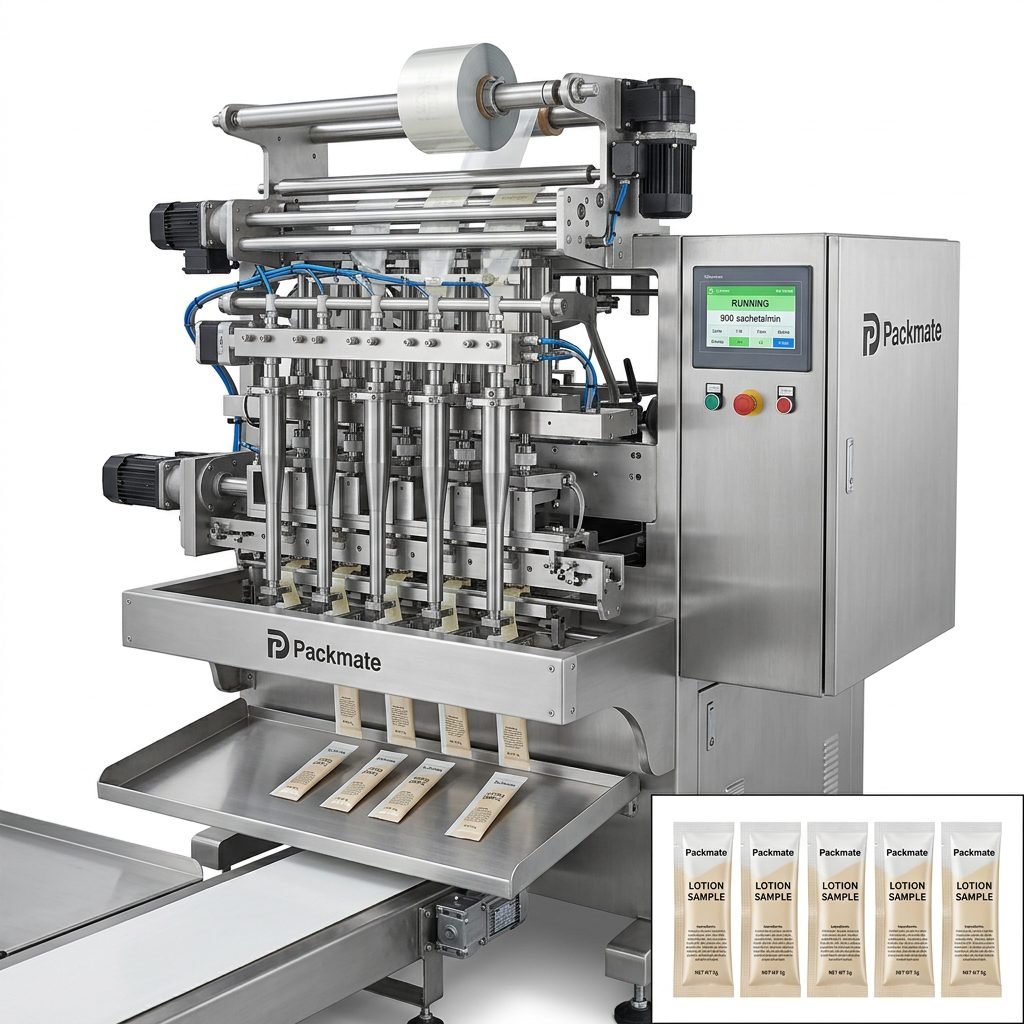
- Stick Pack Machines: A sleek, space-efficient format highly popular for instant beverages, pharmaceutical powders, and single-dose health supplements. Multi-lane configurations dramatically increase output.
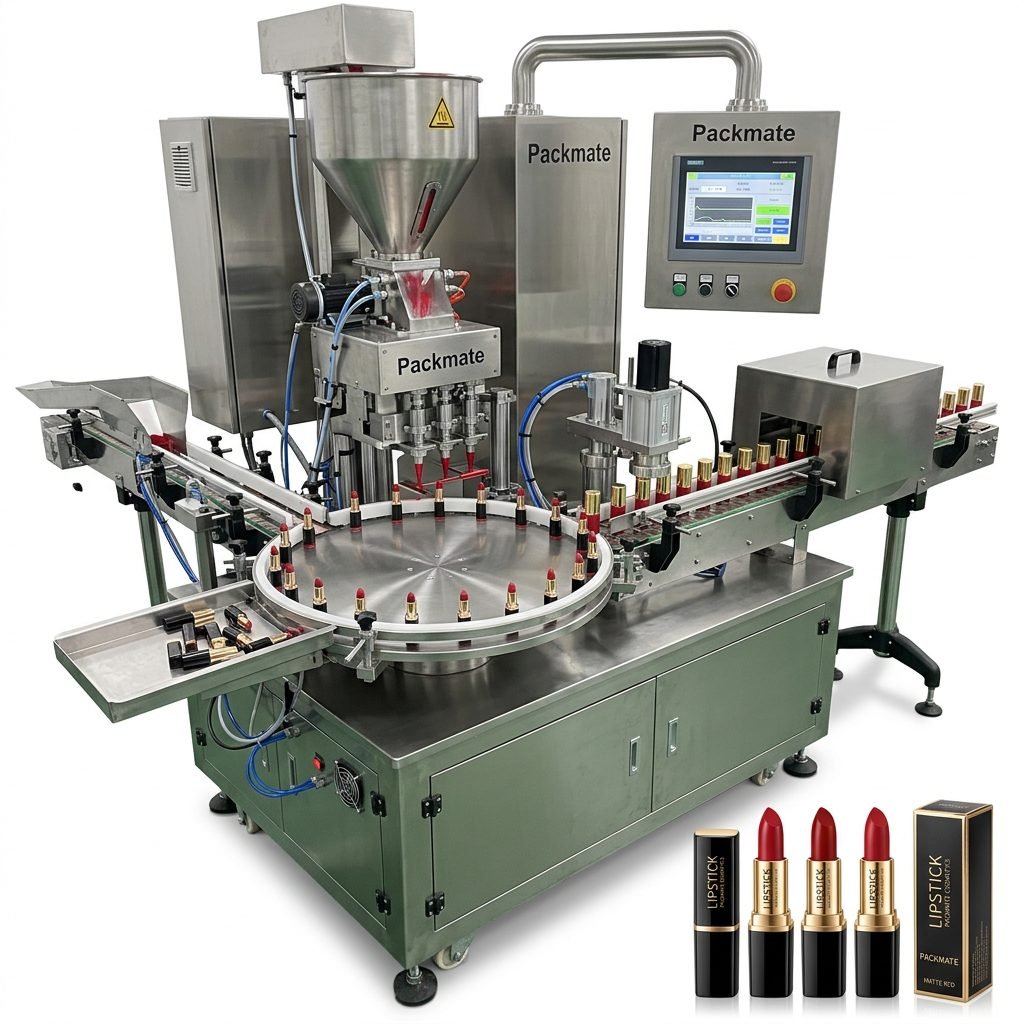
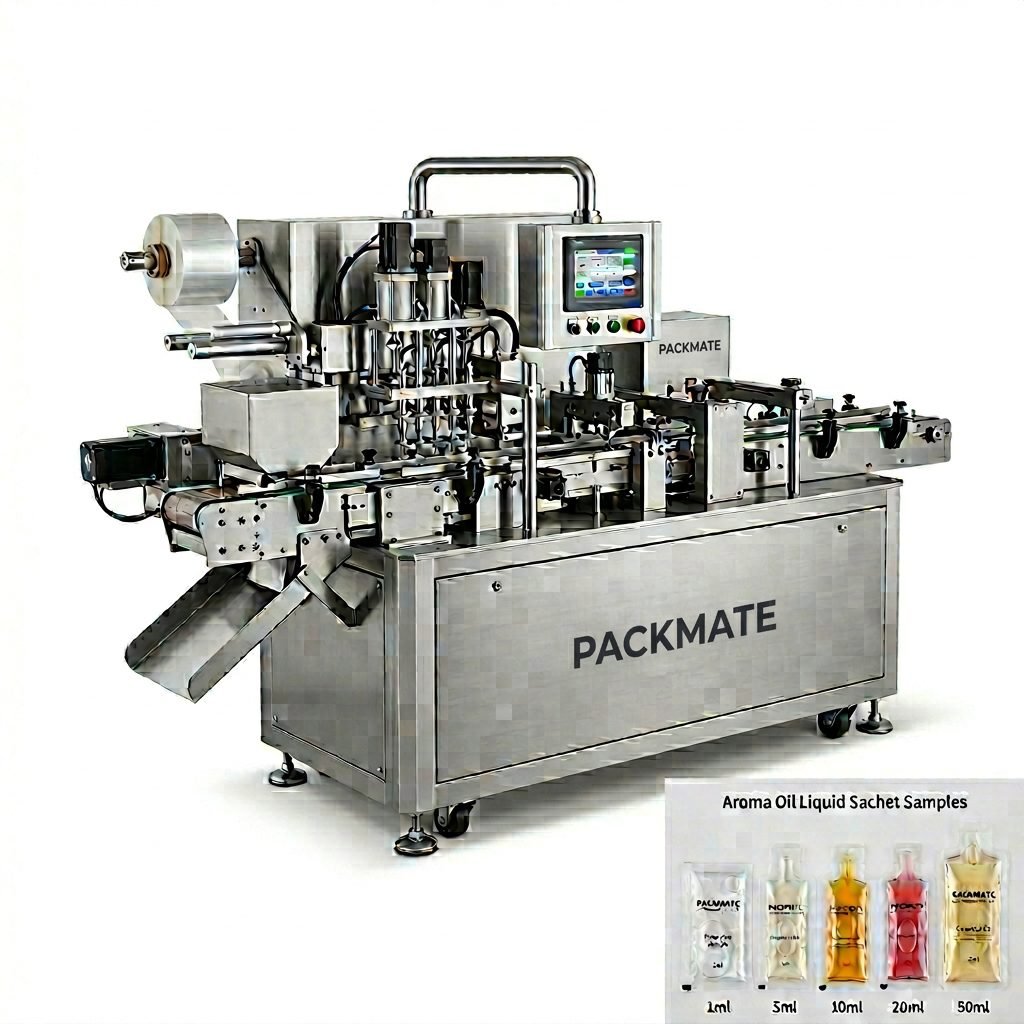
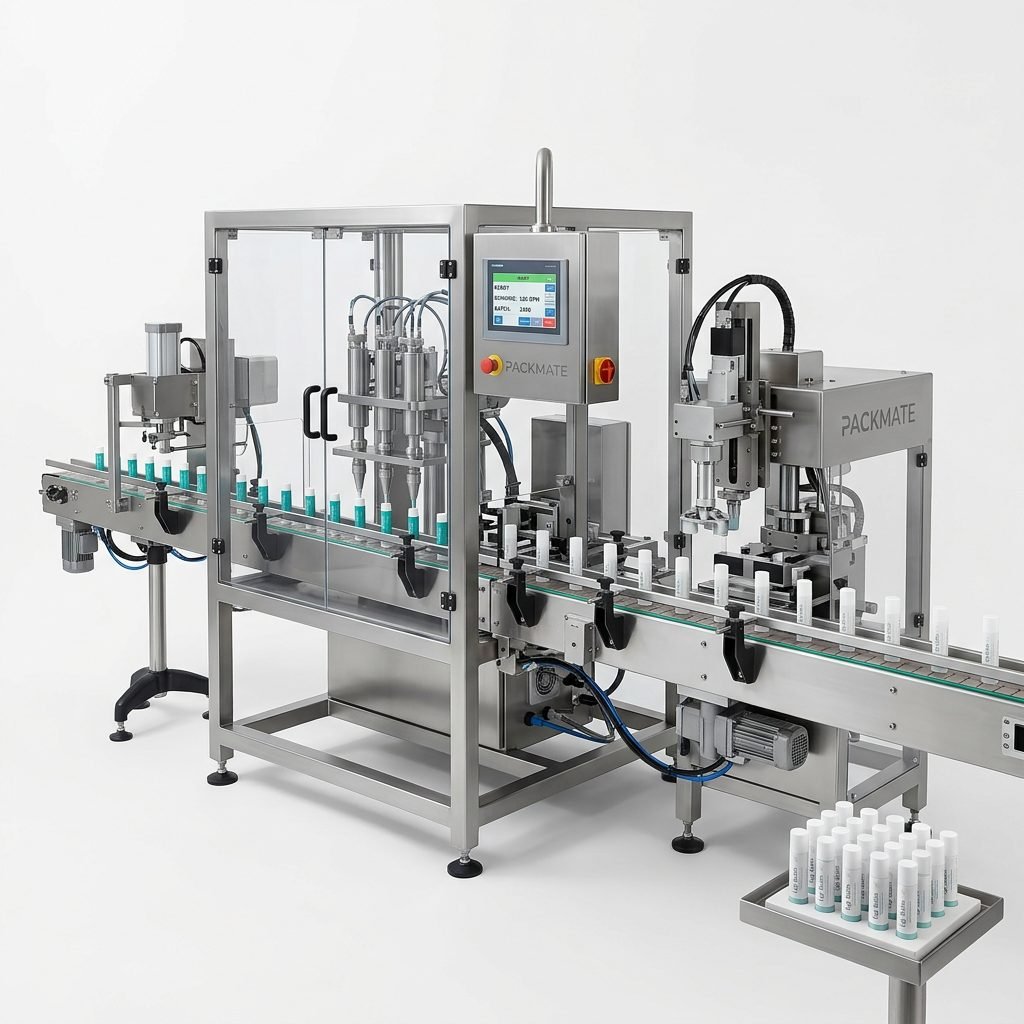
- Liquid Filling & Sealing Lines: Engineered for accuracy and zero-drip performance, handling everything from viscous health tonics to sterile pharmaceutical solutions.
2. Integrated Ancillary Systems
Optimization extends beyond the primary packager. A complete packaging solution includes:
- Pre- & Post-Processing: Automated unscramblers, bottle cleaners, cappers, labelers, and cartoners.
- Quality Control Checkpoints: Inline checkweighers, metal detectors, vision inspection systems, and leak detectors.
- Centralized Control & HMI: A user-friendly interface for monitoring speed, output, faults, and performing quick changeovers.
Industry-Specific Optimization Considerations
🍎 Food Industry
Focus: Freshness preservation, portion control, and appealing presentation. Lines must handle diverse textures (oils, granules, pastes) and often require gas flushing (Modified Atmosphere Packaging) for extended shelf life. Hygiene design with stainless steel construction and CIP (Clean-in-Place) capabilities is standard.
💊 Pharmaceutical Industry
Focus: Absolute sterility, precision dosing, and regulatory compliance (e.g., FDA, GMP). Packaging lines often operate in controlled environments. Machines are designed for minimal particle generation, with validated cleaning protocols. Serialization and aggregation for track-and-trace are increasingly mandatory. You can explore real-world applications in our detailed project case studies.
🌿 Health & Nutraceutical Products
Focus: Product integrity, consumer convenience, and brand premiumization. This sector often blends requirements from both food and pharma. Stick packs and single-serve sachets are dominant for powders. Lines need flexibility to run various package sizes and materials, from standard laminates to high-barrier eco-friendly options.
The Value of Partnering with an Experienced Provider
Selecting an optimized line is a strategic investment. Partnering with a specialist like Packmate, which brings over 30 years of experience and a 20,000㎡ modern facility, ensures more than just equipment purchase. It guarantees a turnkey solution encompassing design, installation, commissioning, training, and ongoing technical support. Their deep understanding of granular, powder, and liquid dynamics translates into reliable, efficient lines that minimize waste and downtime.
From the initial vision in a small workshop to becoming a leader serving a global clientele, the Packmate story is built on solving complex packaging challenges. This legacy of innovation is directly applied to creating solutions that are not just machines, but reliable partners in your production journey.
Frequently Asked Questions (FAQs)
1. What does a “turnkey” packaging line solution include?
A true turnkey solution covers the entire project lifecycle: initial consultation and feasibility study, custom machine design and manufacturing, factory acceptance testing, installation and commissioning at your site, comprehensive operator training, and long-term after-sales service and spare parts support. It’s a single-source responsibility for your complete packaging system.
2. How can I ensure the packaging line meets FDA or GMP regulations?
Work with a supplier experienced in regulated industries. They will design the line with appropriate materials (e.g., pharmaceutical-grade stainless steel), provide documentation for machine design qualification (DQ), and support your installation and operational qualification (IQ/OQ) processes. Always verify their industry certifications and compliance records.
3. What is the typical lead time for a custom packaging line?
Lead times vary based on complexity, from 3-6 months for standard configurations to 9-12 months for highly complex, fully integrated systems. Detailed project planning with your supplier after the initial design freeze is crucial for an accurate timeline.
4. How do I choose between stick pack, sachet, and pouch packaging?
The choice depends on your product format, target market, and branding. Stick packs offer excellent shelf presence and portability for powders. Sachets are versatile for single-use liquids or thicker products. Stand-up pouches are great for multi-serve or retail presentation. A reliable supplier can run product tests on different formats to recommend the optimal solution.
5. What kind of after-sales support should I expect?
Comprehensive support includes remote technical assistance via phone or video, on-site engineer dispatch for major issues, readily available spare parts inventory, and periodic preventive maintenance services. Ensure your provider has a clear and responsive support structure in place, which is a hallmark of a dependable partner like Packmate.