In the fast-paced world of commercial baking, efficiency and product integrity are paramount. The Bread Dual Splice Packaging Line represents a pinnacle of automation, designed to meet the rigorous demands of high-speed bakery production. This complete, integrated solution streamlines the packaging process for various bread products, from sandwich loaves and buns to artisan bread, ensuring consistent quality, extended shelf life, and a pristine presentation that appeals to consumers.
The Core Challenge in Modern Bakery Packaging
Traditional packaging methods often create bottlenecks. Manual loading, inconsistent sealing, and the inability to keep pace with high-volume ovens lead to production delays, increased labor costs, and potential product damage. The dual splice technology specifically addresses the critical need for continuous operation. It allows for an uninterrupted flow of packaging film by seamlessly joining the end of one roll to the beginning of the next, eliminating downtime for roll changes—a vital feature for 24/7 production facilities.
Key Advantage: The dual splice system is the heart of this line, guaranteeing non-stop packaging. This means no more production halts, maximized output, and a significant reduction in film waste during changeovers.
Complete System Breakdown: From Cooling to Palletizing
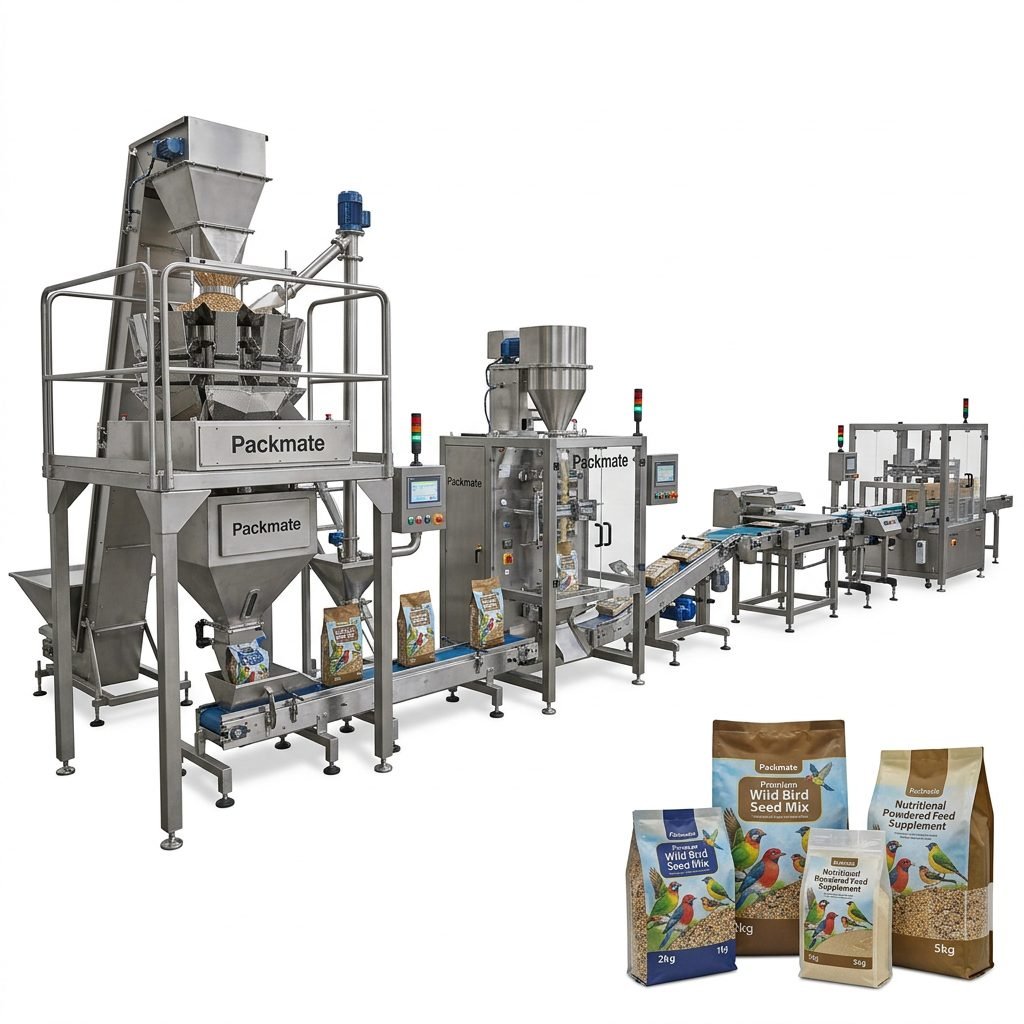
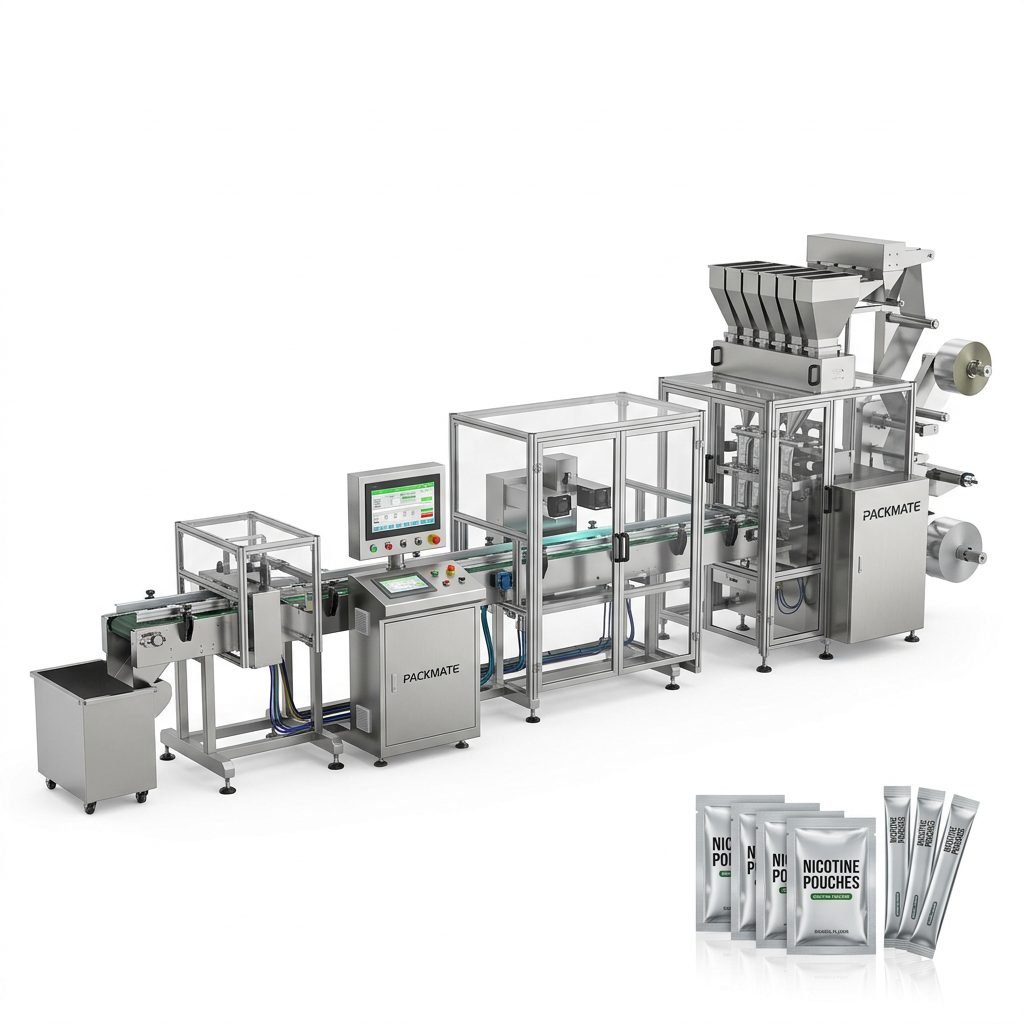
A true complete automated solution encompasses more than just a bagging machine. The Bread Dual Splice Packaging Line is a synchronized symphony of specialized modules:
1. Automatic Bread Handling & Conveying
Gentle yet efficient conveyors transport baked and cooled loaves from the cooling spiral to the infeed of the packaging machine. Orientation systems ensure each piece is correctly positioned for optimal bag presentation.
2. Dual Splice Bag Maker & Bagging Machine
This is the core unit. It utilizes two film unwinds. While one roll is in active use, the other stands ready. An integrated splicing unit automatically joins the films, allowing the line to switch to the new roll without stopping. The machine then forms, fills, and seals the bags with precise control over gas flushing (for Modified Atmosphere Packaging – MAP) if required.
3. Checkweigher & Metal Detector
Integrated quality control is essential. A checkweigher ensures every bag meets precise weight specifications, while a metal detector provides an additional layer of safety by scanning for any foreign contaminants.
4. Date Coding & Secondary Packaging
Automated inkjet or laser coders print clear batch codes, expiry dates, and logos. The line can then feed bags into cartoners or case packers, preparing them for distribution.
Why Automation is Non-Negotiable for High-Speed Production
For bakeries targeting large retail chains or wholesale markets, volume and consistency are contract requirements. An automated line like this delivers:
- Scalability: Outputs ranging from 50 to over 200 bags per minute, matching oven capacity.
- Product Protection: Consistent sealing and optional MAP drastically reduce spoilage and staling.
- Labor Optimization: Reduces dependency on manual packers, reallocating staff to supervisory and quality roles.
- Data & Traceability: Modern PLC systems provide production data for analysis and full batch traceability.
The Packmate Advantage: Engineering Reliability
Behind every great machine is a great engineering team. At Packmate (GuangDong) Co., Ltd., our 30+ years of experience in packaging automation is channeled into designing robust and reliable solutions. We understand that a bakery’s production floor is not a laboratory; it’s a demanding environment. Our lines are built with food-grade stainless steel, feature user-friendly HMI interfaces, and are designed for easy cleaning and maintenance to meet stringent hygiene standards.
Our approach goes beyond selling a machine. We provide a turnkey packaging solution. This includes in-depth consultation, custom engineering to fit your specific bread dimensions and film specifications, factory acceptance testing, on-site installation, and comprehensive operator training. You can see examples of our integrated systems in action by exploring our real-world case studies.
Future-Proofing Your Bakery Investment
Investing in a Bread Dual Splice Packaging Line is an investment in future growth. The modular design allows for upgrades, such as adding a nitrogen gas flush system for extended freshness or integrating advanced vision inspection systems. As consumer preferences evolve towards artisanal and specialty bread, the flexibility of these lines to handle different shapes and sizes becomes a key competitive advantage.
Summary: Transforming Bakery Output
The Bread Dual Splice Packaging Line is more than equipment; it’s a strategic asset. It transforms a chaotic, labor-intensive packaging area into a streamlined, efficient, and reliable endpoint for your production. By ensuring continuous operation, superior product protection, and high-speed throughput, it directly contributes to increased profitability, brand reputation for quality, and the ability to secure larger contracts. For any bakery serious about scaling production while maintaining uncompromising standards, this automated solution is the clear path forward.
Frequently Asked Questions (FAQs)
1. What types of bread can this line package?
It is highly versatile and can handle a wide range, including standard sandwich loaves, hot dog and hamburger buns, dinner rolls, artisan boules, and even longer products like baguettes (with appropriate machine sizing). The key is customizing the forming tubes and conveyor guides to your product’s specific dimensions.
2. How does the dual splice system actually work?
The system uses two film roll stands. A sensor detects when the primary roll is nearly depleted. The system then automatically activates: it aligns the new film with the running web, uses a heated seal or adhesive tape to create a strong splice, and seamlessly transfers tension to the new roll—all in milliseconds without stopping the bag-making process.
3. Can this line handle Modified Atmosphere Packaging (MAP)?
Absolutely. Many of our dual splice lines are configured with integrated gas flushing systems. Before the final seal, oxygen is evacuated from the bag and replaced with a mixture of gases (like nitrogen and carbon dioxide) to significantly inhibit mold growth and staling, extending shelf life by weeks.
4. What is the typical speed range for such a line?
Speeds are configurable based on bread size and bag complexity. Standard lines can operate between 80 to 120 bags per minute for common loaf sizes. Higher-speed configurations for smaller rolls can exceed 200 packs per minute. We determine the optimal speed during the project consultation phase.
5. How do we ensure the line meets our factory’s hygiene standards?
All product contact parts are constructed from 304 or 316 stainless steel. The design prioritizes easy access for cleaning, with smooth surfaces and minimal crevices. The machinery can be designed with open frameworks and washdown-rated electrical components (IP ratings) for environments requiring frequent high-pressure cleaning.