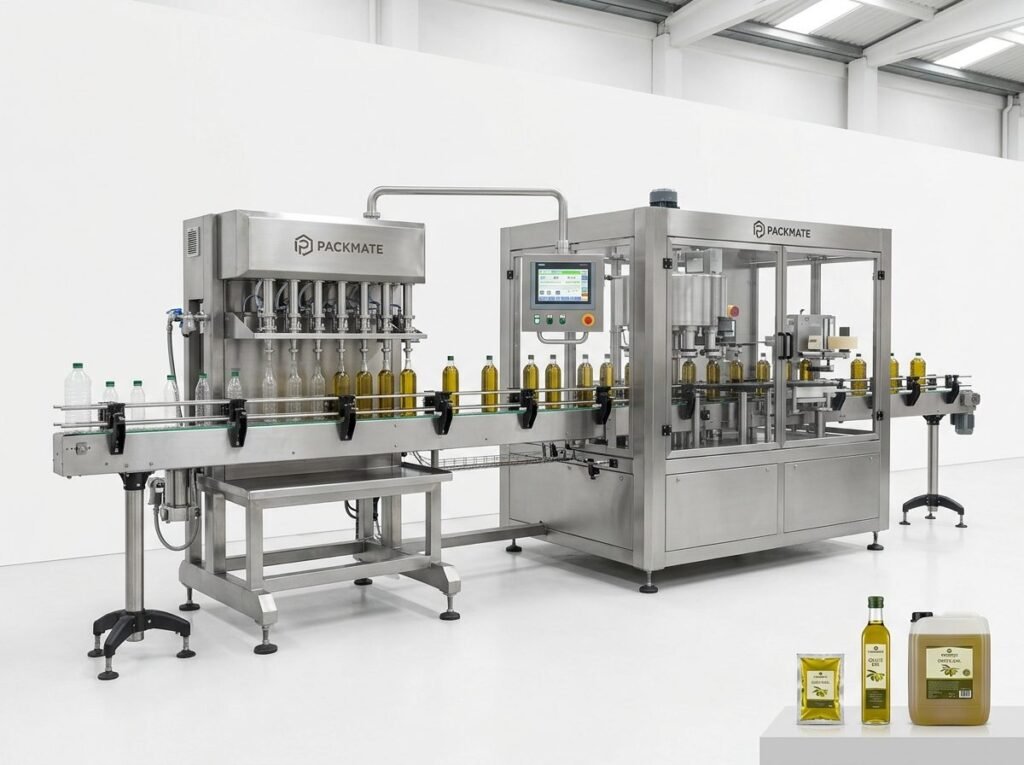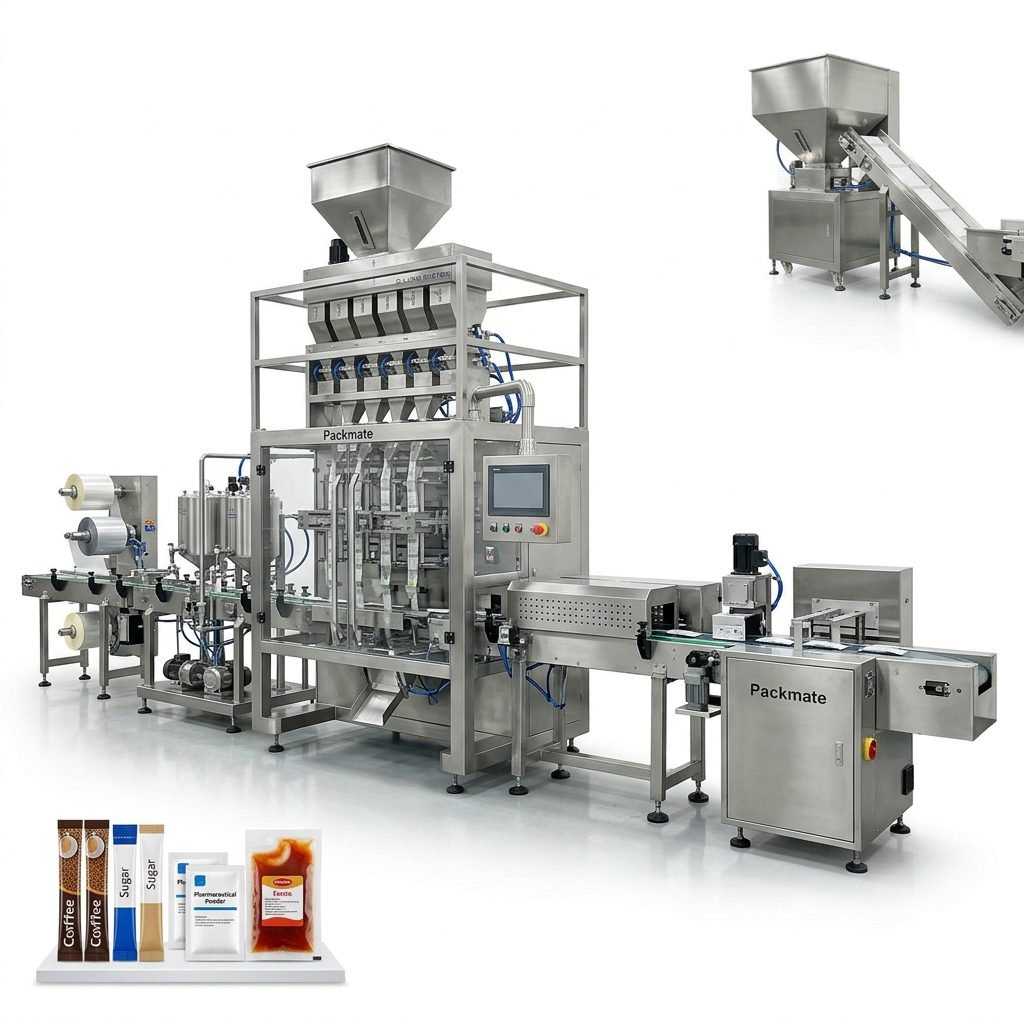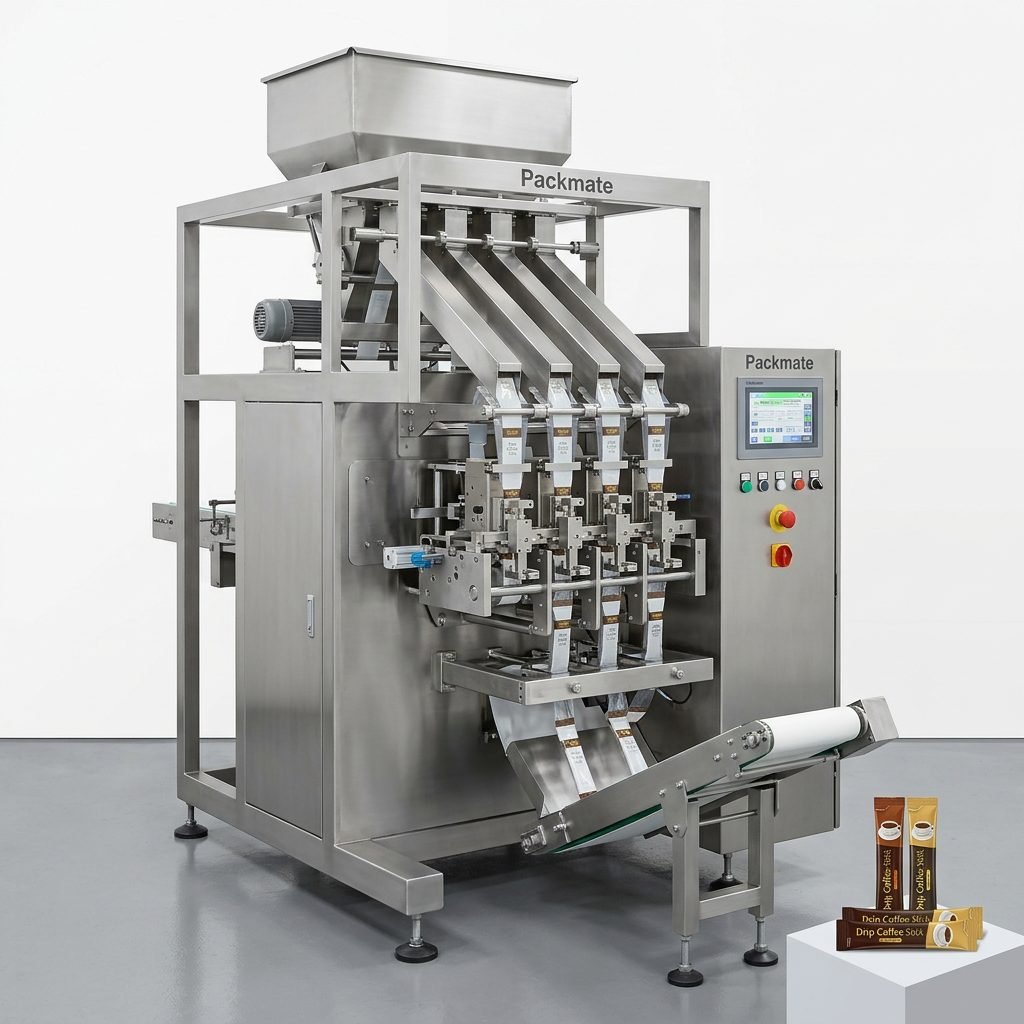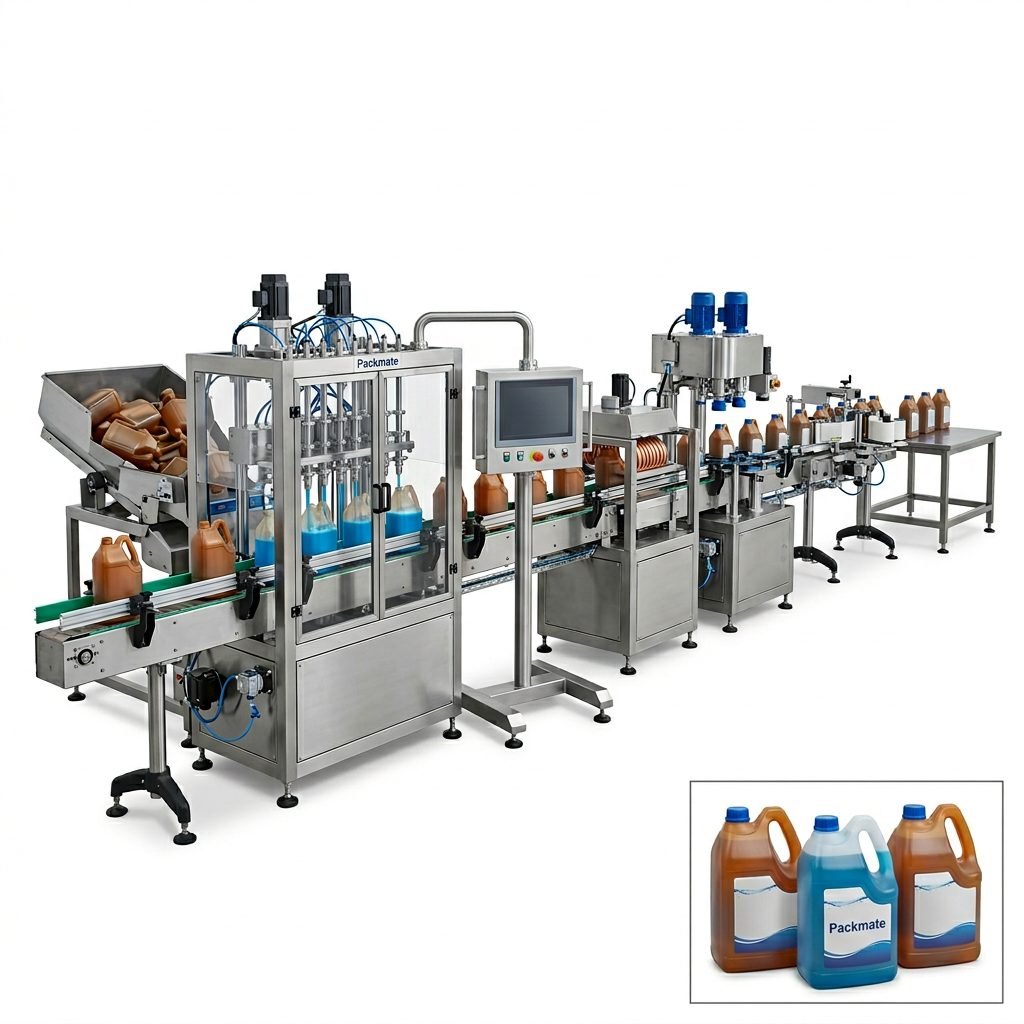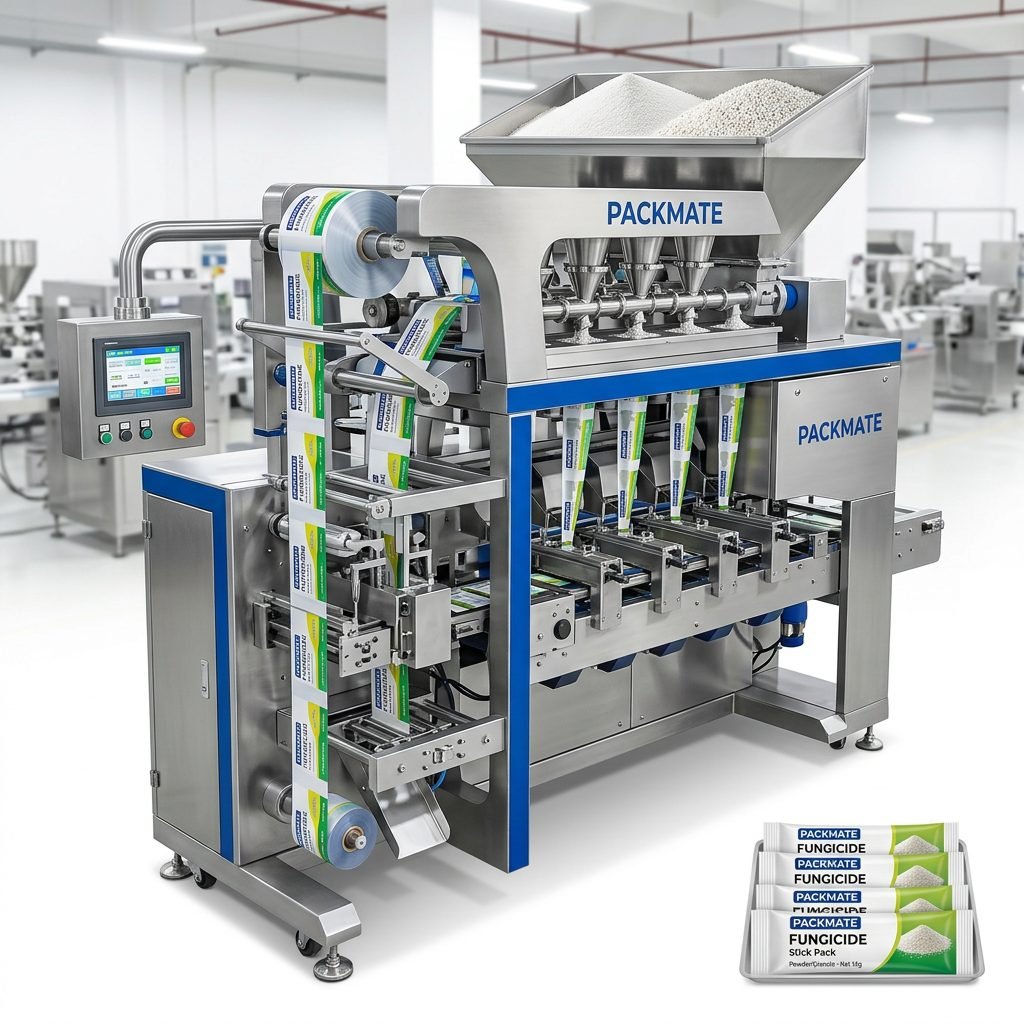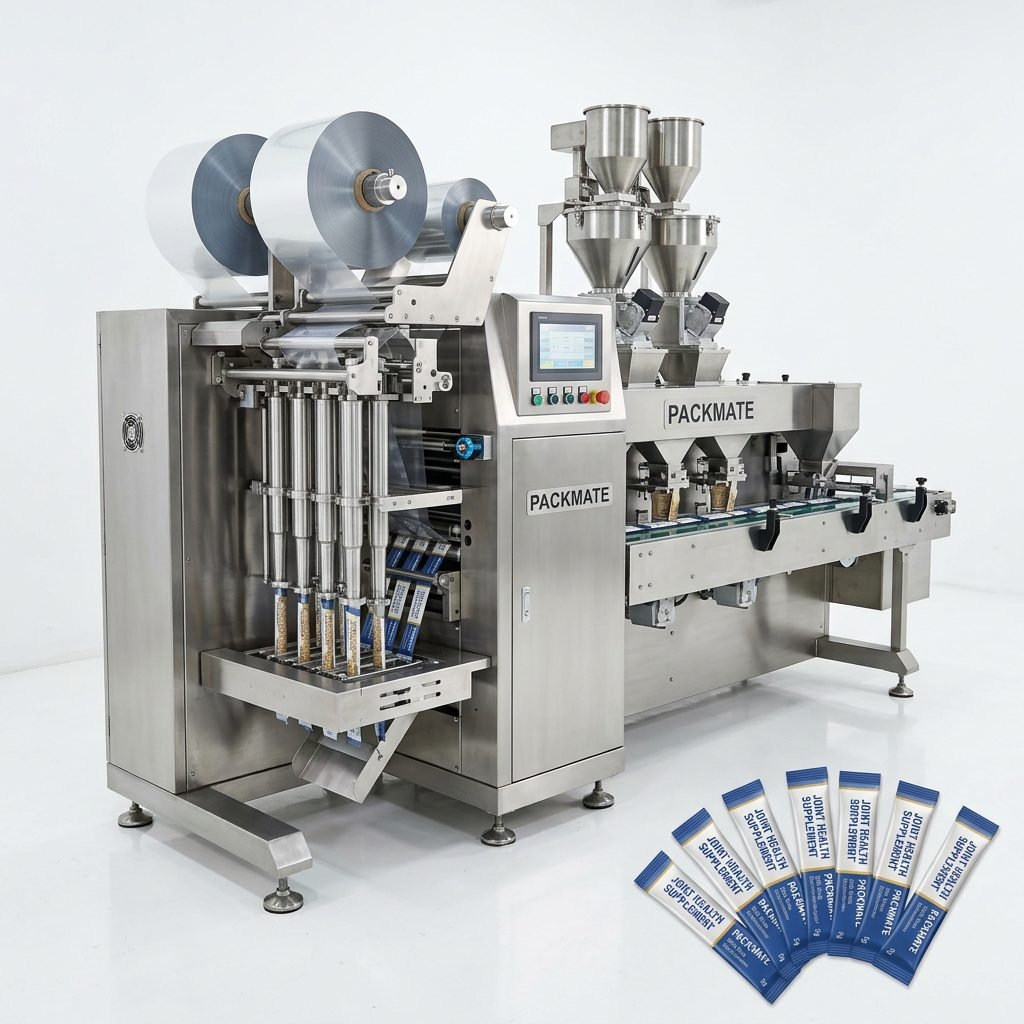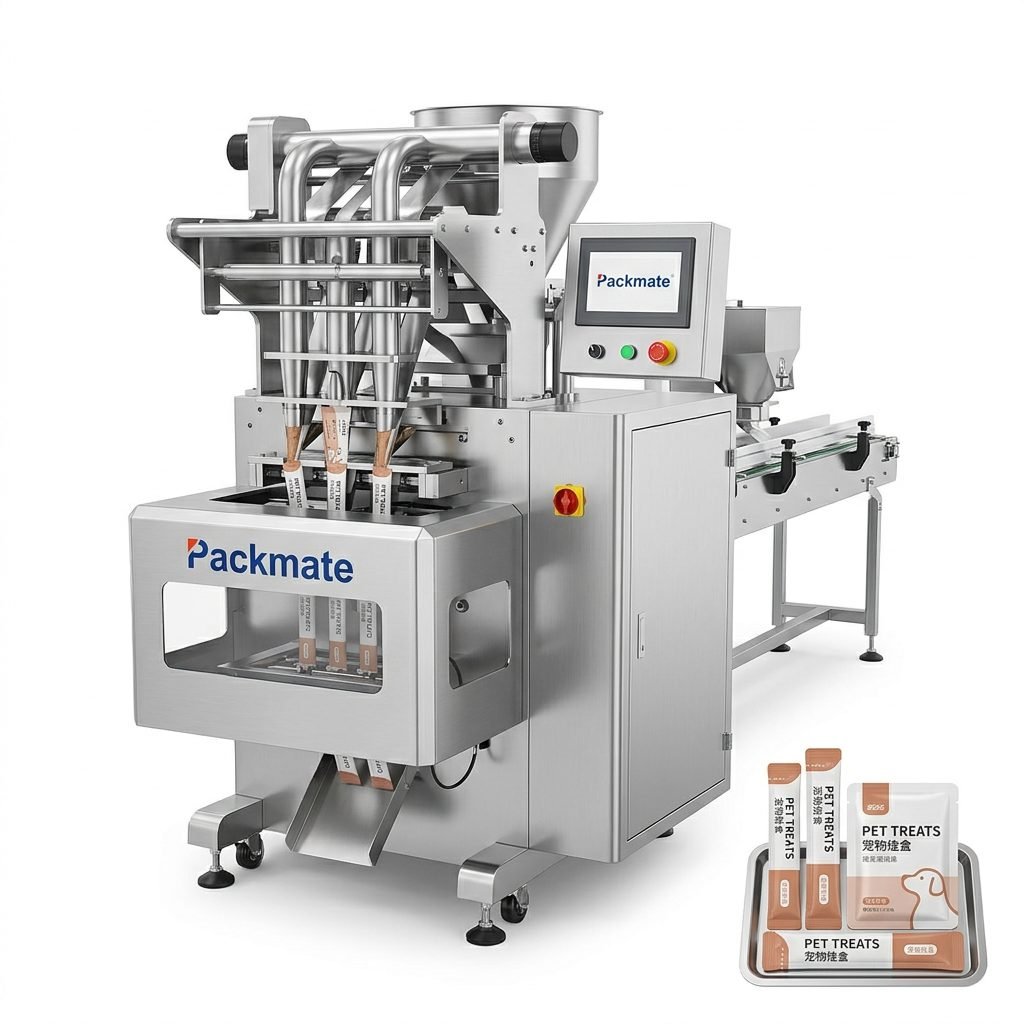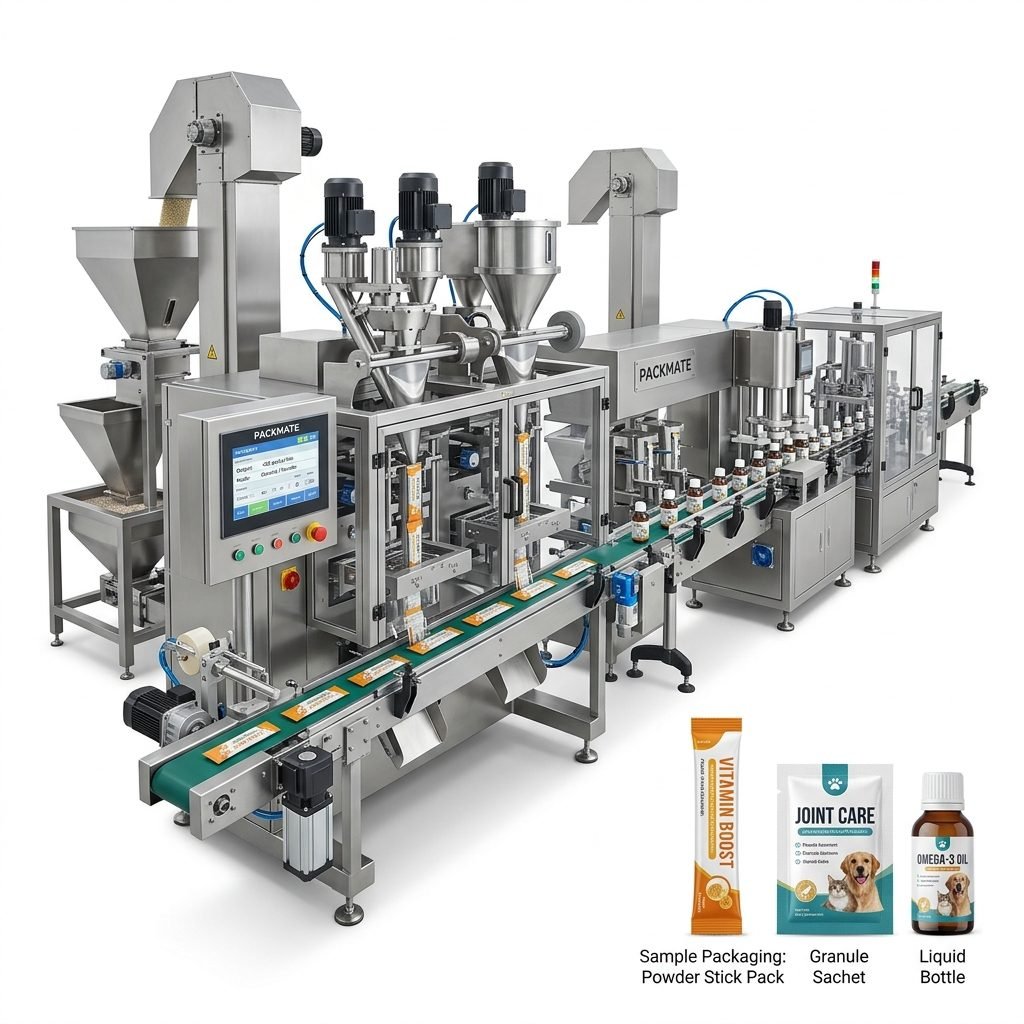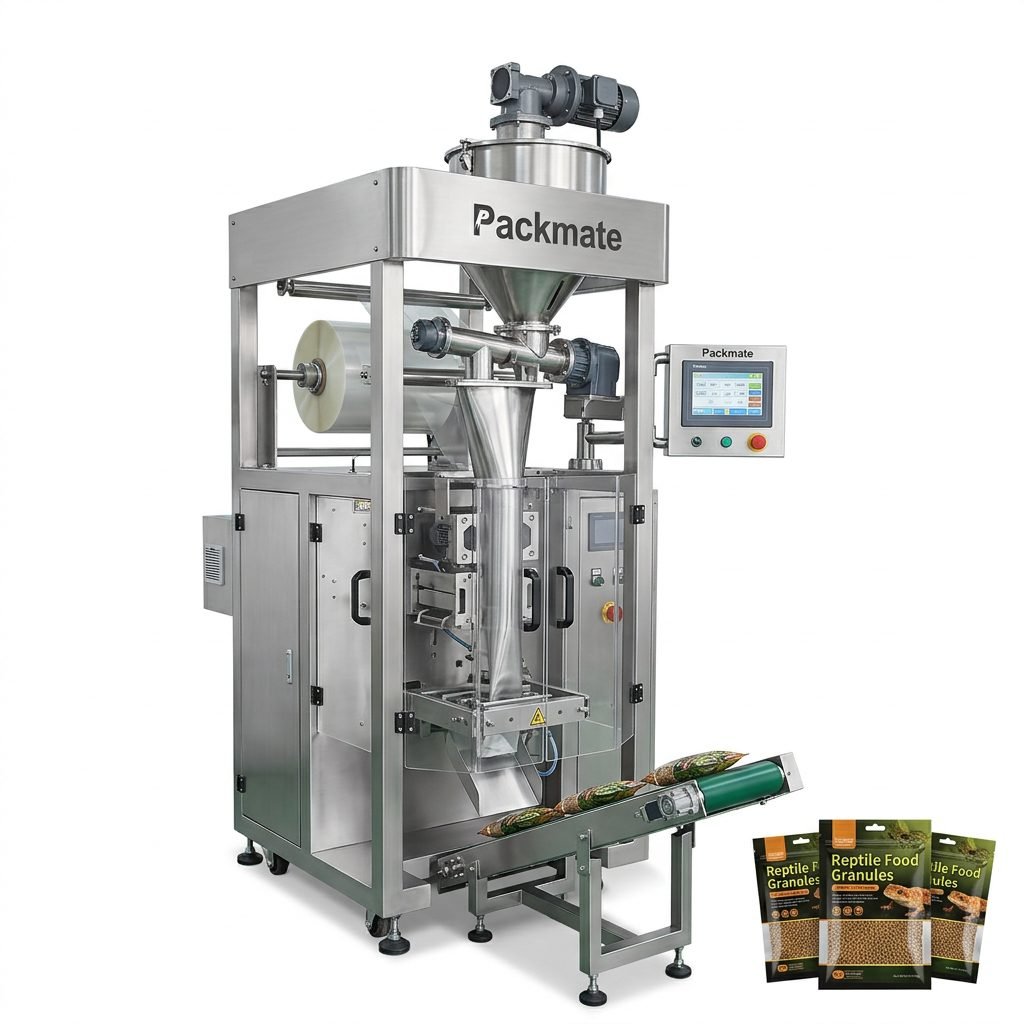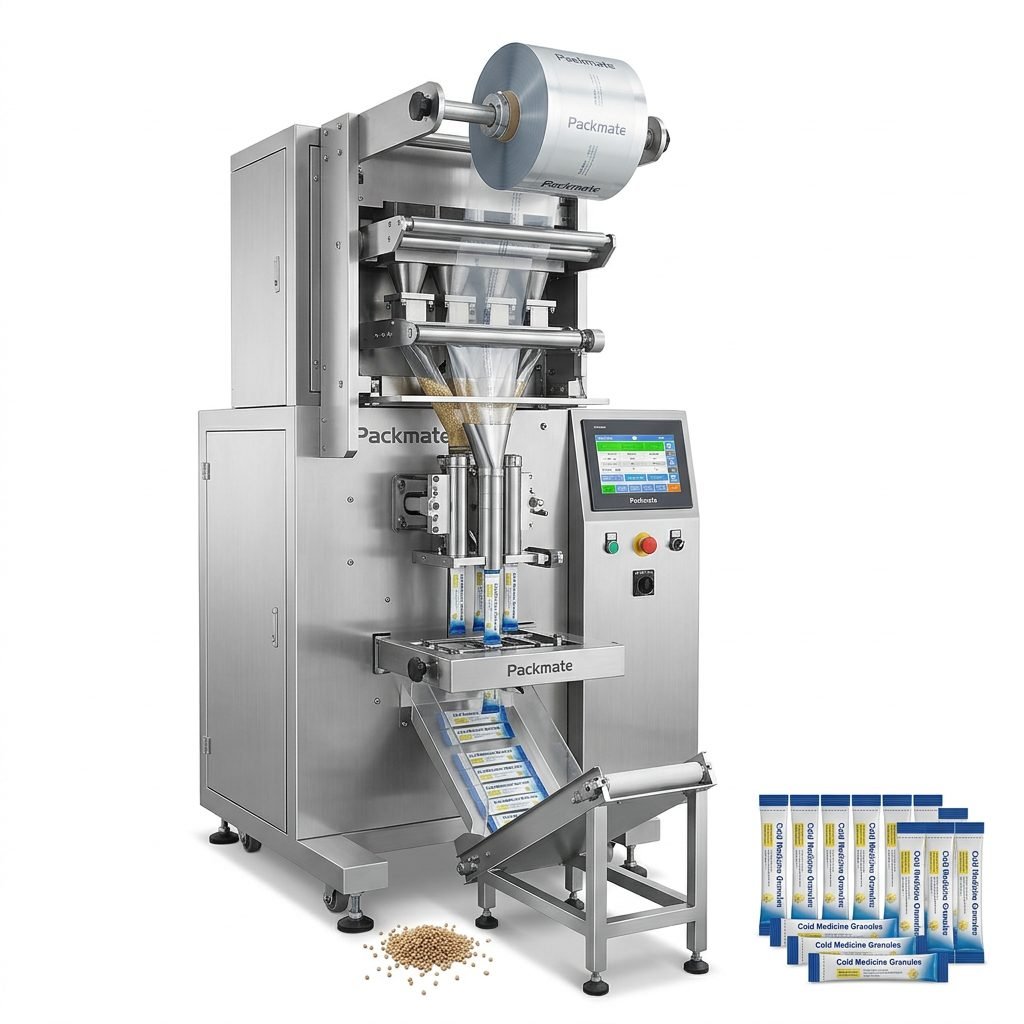
In today’s fast-paced and highly regulated manufacturing landscape, efficiency, hygiene, and precision are non-negotiable. This is especially true for the food, pharmaceutical, and health product industries, where product integrity directly impacts consumer safety and brand reputation. An automatic packaging line is no longer a luxury but a critical component of a modern, competitive production facility. These integrated systems streamline the entire process from product filling to final cartoning, ensuring consistency, reducing waste, and safeguarding against contamination.
The Critical Need for Specialized Automation
Why can’t a one-size-fits-all approach work? The requirements for packaging a probiotic supplement, a sterile pharmaceutical vial, and a bag of instant coffee, while sharing the need for speed and accuracy, diverge dramatically in their core demands.
Food Industry Requirements:
Priority is given to high-speed throughput, cost-effectiveness for large volumes, and maintaining product freshness. Lines must handle diverse forms—powders, granules, liquids, and solids—often requiring nitrogen flushing or vacuum sealing to extend shelf life. Compliance with food safety standards like HACCP and GMP is mandatory. Equipment must be easy to clean and sanitize to prevent cross-contamination and allergen risks.
Pharmaceutical & Health Product Requirements:
Here, the stakes are even higher. The paramount concern is absolute product integrity and sterility. Packaging lines must operate in controlled environments, often with cleanroom compatibility. They require unparalleled precision in dosing, especially for potent active ingredients. Traceability is crucial, with systems needing to support serialization and aggregation to combat counterfeiting. Compliance with stringent regulations like FDA 21 CFR Part 11 and EU GMP Annex 1 is not optional. Materials used must be inert and non-reactive.
Core Components of a Modern Automatic Packaging Line
A turnkey automatic packaging solution is a symphony of interconnected machines, each performing a specific task. Key modules typically include:
1. Unwinding & Forming
This station feeds the packaging film (laminated pouches, blister foil, etc.) and forms it into the desired shape—be it a sachet, stick pack, or blister pocket.
2. Product Filling & Dosing
The heart of the line. Advanced auger, volumetric, or weight-based fillers ensure exact, consistent product measurement. For pharmaceuticals, this might involve highly sensitive micro-dosing systems.
3. Sealing
Utilizes heat, pressure, or ultrasonic technology to create a hermetic, tamper-evident seal. The seal quality is critical for barrier properties and shelf life.
4. Coding & Marking
Integrates printers for batch codes, expiry dates, barcodes, and QR codes directly onto the package, ensuring full traceability.
5. Secondary Packaging
Automates the collation of primary packages into cartons, boxes, or display trays, often with automatic leaflet or insert placement.
Leading providers like Packmate (GuangDong) Co., Ltd. specialize in integrating these components into a seamless, high-reliability system tailored to specific product needs.
Benefits Beyond Speed: The Tangible ROI
Investing in an automatic packaging line delivers a compelling return on investment across multiple dimensions:
- ➤ Dramatically Increased Output: Machines operate 24/7 at constant, high speeds, far surpassing manual or semi-automatic operations.
- ➤ Unmatched Consistency & Quality: Eliminates human error in filling and sealing, guaranteeing every unit meets exact specifications.
- ➤ Significant Material & Labor Savings: Precise dosing reduces product giveaway, while automation cuts direct labor costs and reliance on seasonal workers.
- ➤ Enhanced Safety & Compliance: Minimizes human contact with the product, reducing contamination risk. Built-in data logging aids regulatory compliance.
- ➤ Superior Flexibility: Modern lines with quick-change parts and programmable logic controllers (PLCs) can handle multiple package sizes and formats, allowing for agile response to market demands. Explore different packaging solutions to find the right fit.
Choosing the Right Partner for Your Packaging Line
Selecting a supplier is as important as selecting the technology. Look for a partner with:
Proven Industry Experience: Deep knowledge of the unique challenges in food, pharma, and health products is essential. A company with a long history, like Packmate with over 22+ years of development, brings invaluable expertise.
Turnkey Solution Capability: The ability to design, manufacture, install, and commission the entire line ensures single-point accountability and system harmony.
Commitment to Quality & Innovation: A modern manufacturing facility (such as Packmate’s 20,000㎡ plant) with advanced R&D capabilities signals a commitment to durable, cutting-edge equipment.
Global Support & Service: Reliable after-sales support, readily available spare parts, and technician training are crucial for minimizing downtime. Review their service commitments carefully.
Transparent Portfolio: Examine their case studies and machine catalog to assess their experience with products similar to yours.
The journey from a concept to a fully operational line involves careful planning, from initial consultation and factory acceptance tests (FAT) to on-site installation and operator training. A trusted partner guides you through every step.
Future Trends: The Smart, Sustainable Packaging Line
The future of automatic packaging is intelligent and eco-conscious. Integration with Industrial Internet of Things (IIoT) platforms allows for real-time monitoring of machine performance, predictive maintenance, and production data analytics. Sustainability is driving demand for lines that can handle mono-material or recyclable films efficiently. Furthermore, adaptability for smaller, customized batch runs is becoming increasingly important.
For businesses looking to scale, improve quality, and future-proof their operations, investing in a tailored automatic packaging line is a strategic imperative. It transforms packaging from a cost center into a competitive advantage.
Frequently Asked Questions (FAQs)
1. What is the typical lead time for a complete automatic packaging line?
Lead times vary significantly based on line complexity, customization, and current order backlog. For a standard configured line, it can range from 3 to 6 months from order confirmation to delivery. This includes design, manufacturing, factory testing, and shipping. Always discuss specific timelines with your supplier during the quotation process.
2. How do automatic lines ensure precise dosing for expensive pharmaceutical powders?
They use highly accurate filling systems such as servo-driven auger fillers or micro-weight checkweighers. These systems are calibrated to dispense minute quantities with tolerances as tight as ±1%. They are often housed in isolated chambers with dust extraction and are made from polished stainless steel to prevent product adhesion and cross-batch contamination.
3. Can one packaging line handle different product types and package sizes?
Yes, many modern lines are designed for flexibility. Through features like quick-change form-fill-seal (FFS) units, adjustable dosing heads, and tool-less changeover parts, a single line can often run multiple similar product formats. However, significant changes (e.g., from liquid sachets to powder stick packs) usually require dedicated modules or separate lines.
4. What kind of maintenance do these lines require?
Regular preventive maintenance is key to longevity and uptime. This includes daily cleaning and lubrication, weekly checks of seals and sensors, and periodic replacement of wear parts like sealing jaws or cutting blades. Most reputable suppliers provide detailed maintenance manuals and training. Investing in a comprehensive service plan is highly recommended.
5. How do we validate the line for regulated industries like pharmaceuticals?
Validation is a rigorous process following a V-model: Installation Qualification (IQ), Operational Qualification (OQ), and Performance Qualification (PQ). Your equipment supplier should provide extensive documentation (Design Specs, DQ, FAT reports) to support your in-house validation protocol. Choosing a supplier familiar with GMP standards is critical for this process.