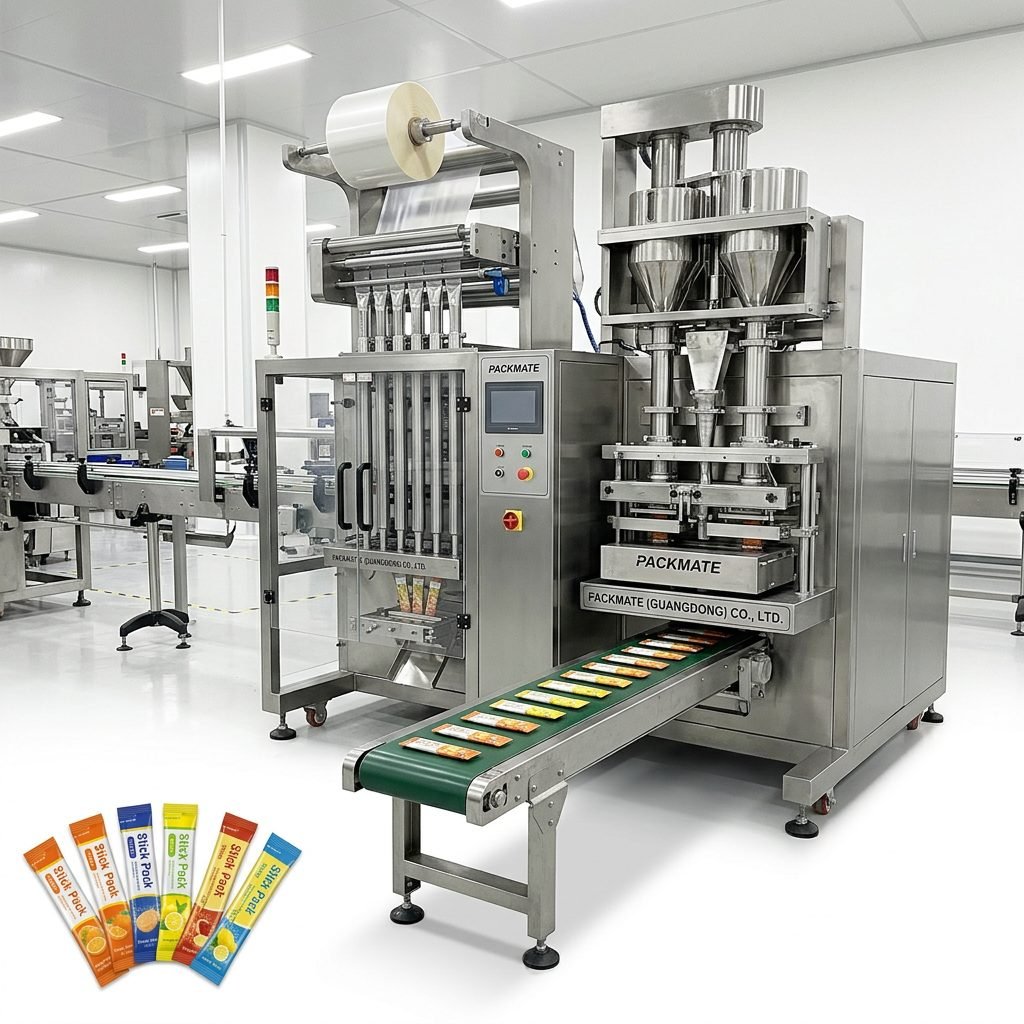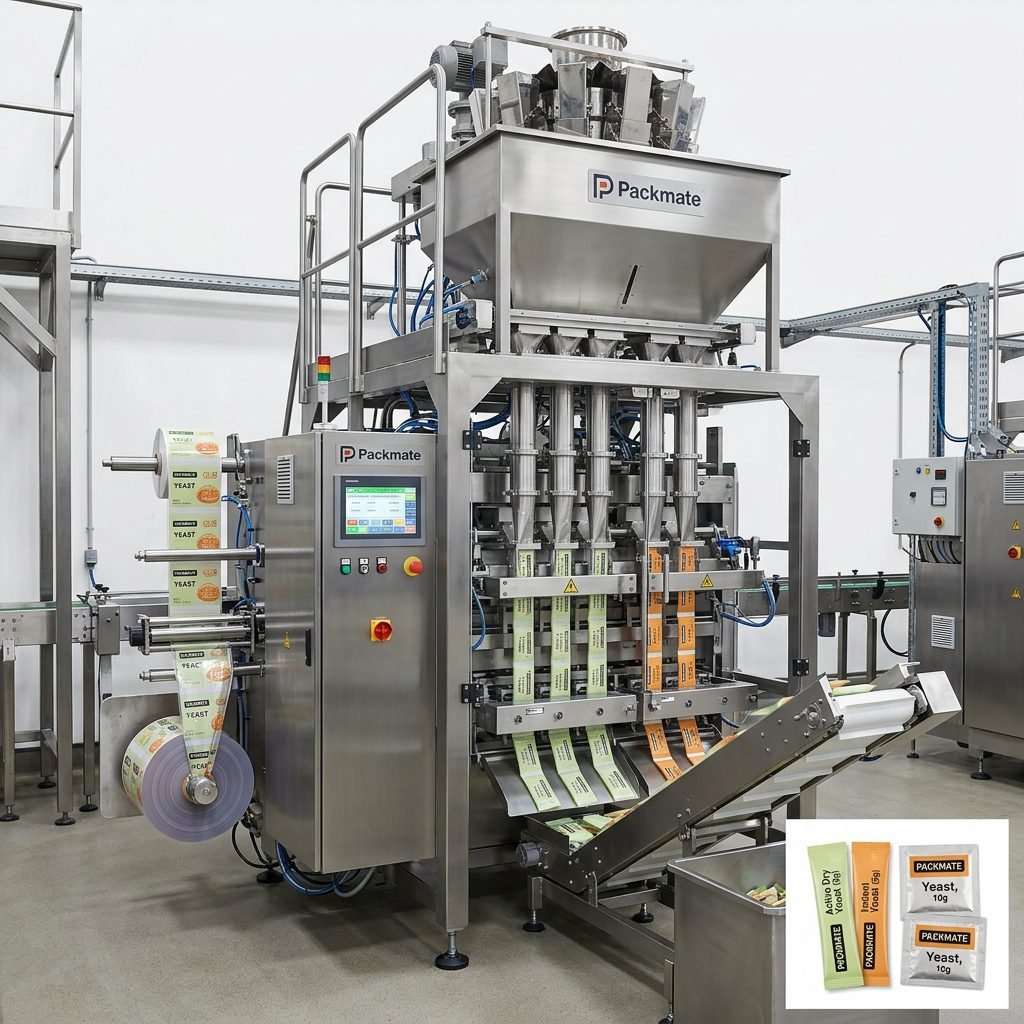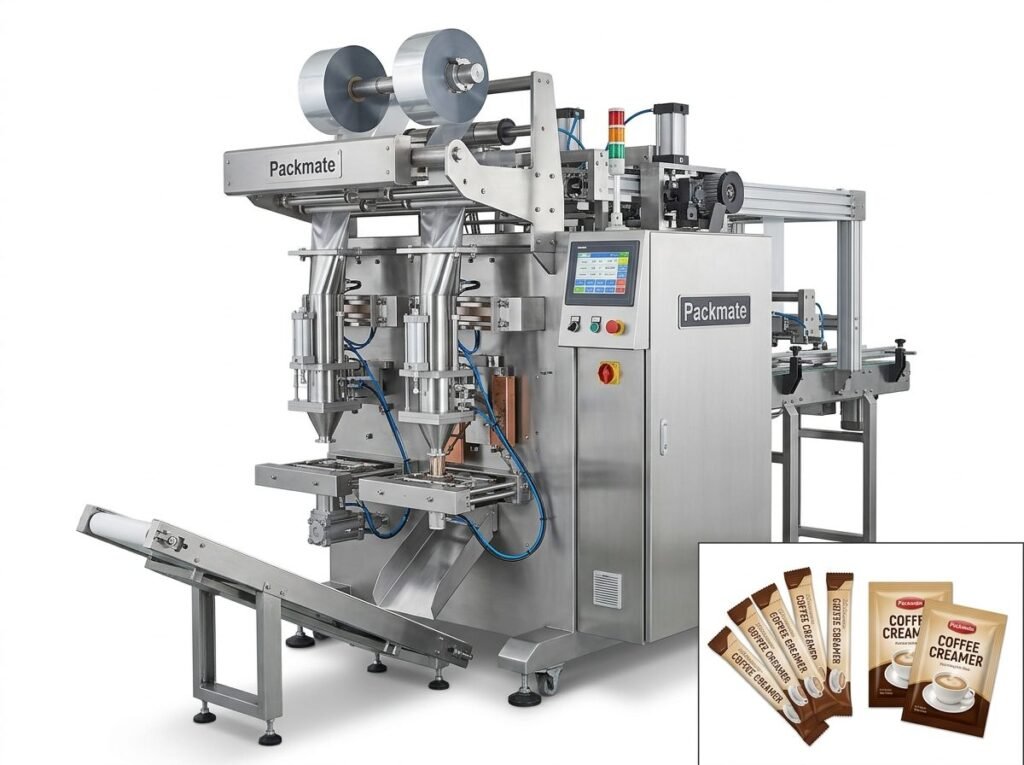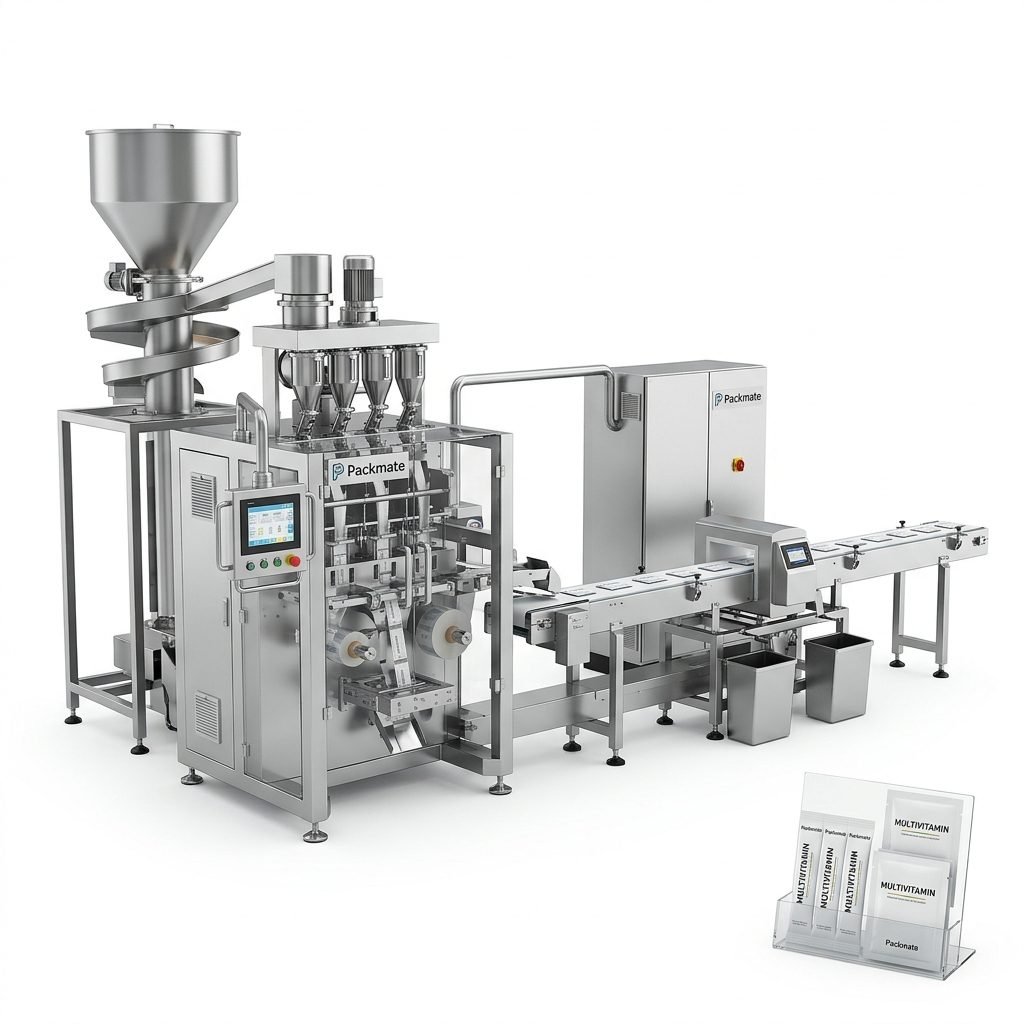
In the global food industry, rice is a staple commodity with immense production and distribution demands. Ensuring its efficient, hygienic, and cost-effective packaging is a critical challenge for producers. A complete, automatic rice packaging line solution is no longer a luxury but a necessity for businesses aiming to scale, maintain quality, and remain competitive. These systems integrate various machines into a seamless workflow, handling everything from weighing and filling to sealing and palletizing with minimal human intervention.
The Core Components of an Automatic Rice Packaging Line
An efficient automatic packaging line is a symphony of specialized machinery. Understanding each component’s role is key to appreciating the system’s overall efficiency.
1. Feeding and Pre-Cleaning Systems
The process begins with feeding bulk rice into the line. Advanced systems often include pre-cleaning mechanisms—such as sieves and destoners—to remove impurities, dust, and broken grains before packaging. This initial step is crucial for ensuring the final product’s purity and meeting food safety standards, which are paramount for consumer trust and regulatory compliance in markets worldwide.
2. Precision Weighing and Filling Machines
At the heart of the line is the weighing system. Multi-head weighers or linear weighers provide exceptional accuracy, ensuring each bag contains the exact weight declared on the label. This precision minimizes product giveaway, directly impacting profitability. The weighed rice is then transferred swiftly and cleanly into the open bags, which can range from small retail pouches to large 25kg or 50kg sacks.
Key Benefit: Modern filling systems are designed to be gentle on the grain, preventing breakage and dust generation, which preserves the rice’s quality and appearance—a vital factor for brand reputation.
3. Bag Forming, Sealing, and Closing
For premade bag lines, bags are automatically opened and positioned. For form-fill-seal (FFS) lines, the system creates the bag from a roll of packaging film, offering greater flexibility and material savings. The sealing process is critical. Heat sealers create strong, airtight seals for plastic bags, while sewing machines or tape closers are used for woven polypropylene sacks. An airtight seal is essential for extending shelf life and protecting the rice from moisture, insects, and contamination during storage and transport.
4. Checkweighing and Metal Detection
Quality control is automated. A checkweigher verifies the weight of each filled bag, rejecting any underweight or overweight packages to maintain consistency. An integrated metal detector scans every bag for ferrous and non-ferrous metal contaminants, a non-negotiable safety step in food packaging. Rejected bags are automatically diverted for inspection.
5. Bag Flattening, Coding, and Palletizing
The final stages add polish and prepare for shipment. Bag flatteners give packages a neat, uniform appearance for better stacking. Inkjet or laser coders print batch numbers, expiry dates, and barcodes directly onto the bag. Finally, robotic palletizers or automatic palletizing systems arrange bags onto pallets in a stable, optimized pattern, ready for wrapping and shipping. This end-to-end automation drastically reduces manual labor and physical strain on workers.
Why Choose a Complete Turnkey Solution?
Investing in individual machines from different suppliers can lead to integration headaches, communication gaps, and inconsistent performance. A complete turnkey solution from a single provider like Packmate offers distinct advantages.
Unified Design & Compatibility: All components are designed to work together harmoniously, ensuring smooth material transfer and synchronized operation.
Single Point of Responsibility: You have one partner for installation, training, maintenance, and technical support, simplifying project management and after-sales service.
Optimized Throughput: The entire line is engineered to achieve a specific output target (e.g., bags per hour) without bottlenecks.
Future-Proof Scalability: A reputable provider designs the line with future expansion in mind, allowing for easier upgrades as your business grows.
For a deeper look at how such integrated systems are implemented, exploring real-world application cases can provide valuable insights.
Key Considerations for Selecting Your System
Choosing the right packaging line requires careful analysis of your specific needs.
Production Capacity & Bag Types
Define your required output speed and the range of bag sizes and materials you will use (e.g., small 1kg retail bags, large 50kg industrial sacks). The line must be flexible enough to handle your product portfolio.
Automation Level and Labor
Determine how much manual intervention is acceptable. Fully automatic lines require higher initial investment but offer lower long-term labor costs and higher consistency.
Hygiene and Food Safety Standards
The system must be constructed with food-grade materials (e.g., stainless steel contact parts) and designed for easy cleaning and maintenance to comply with international standards like HACCP, FDA, or EU regulations.
Supplier Expertise and Support
The provider’s experience is critical. A company with a proven track record, like Packmate (GuangDong) Co., Ltd., brings invaluable knowledge of process challenges and reliable after-sales service, ensuring your line remains productive for years.
The Impact on Efficiency and ROI
The transition from semi-automatic or manual packing to a complete automatic line delivers a transformative return on investment.
➤ Dramatically Increased Output: Machines can operate 24/7 with minimal downtime, multiplying packaging speed.
➤ Significant Labor Savings: One operator can often oversee an entire line, reducing wage costs and eliminating repetitive strain injuries.
➤ Reduced Product Waste: Precision weighing and handling minimize spillage and giveaway, saving raw material costs.
➤ Enhanced Product Consistency & Brand Image: Every bag is identical in weight, appearance, and seal quality, strengthening consumer trust and brand equity.
➤ Improved Traceability: Automated coding allows for precise batch tracking, which is essential for quality control and potential recalls.
Ultimately, a complete automatic rice packaging line is a strategic investment that drives down the cost per bag while elevating product quality and operational reliability, providing a decisive competitive edge in the marketplace.
Frequently Asked Questions (FAQs)
1. What is the typical output speed of a complete automatic rice packaging line?
Speed varies based on bag size and complexity. For standard 5kg-10kg bags, modern lines can achieve 20-40 bags per minute. For larger 25kg-50kg sacks, speeds typically range from 6-15 bags per minute. The exact throughput is determined during the system design phase based on your specific requirements.
2. Can one packaging line handle different types of rice (e.g., long-grain, basmati, jasmine) and different bag sizes?
Yes, a well-designed line offers significant flexibility. Key components like the weigher and bagger can be adjusted or have change parts to accommodate different grain shapes, weights, and bag dimensions. This allows producers to run multiple products on the same line with quick changeovers.
3. How does an automatic line ensure packaging hygiene and prevent contamination?
Automatic lines are built with hygiene as a priority. They use food-grade stainless steel for product contact points, have enclosed systems to minimize dust exposure, and are designed with smooth surfaces for easy cleaning and sanitization. Integrated metal detectors and sieves provide additional contamination control.
4. What kind of after-sales support and maintenance should I expect?
Reputable suppliers offer comprehensive support, including on-site installation supervision, operator training, detailed manuals, and a readily available supply of spare parts. Many also provide remote diagnostic support and scheduled maintenance contracts. It’s crucial to discuss these terms, exemplified by providers like Packmate, before purchase. For more details, visit their dedicated FAQs page.
5. What is the lead time for installing a complete turnkey packaging line?
Lead time depends on the line’s complexity and customization. From finalizing the design to factory acceptance testing and on-site installation, the process can typically take between 3 to 6 months. Close collaboration with your supplier during the planning phase is essential to ensure a smooth and timely project execution.