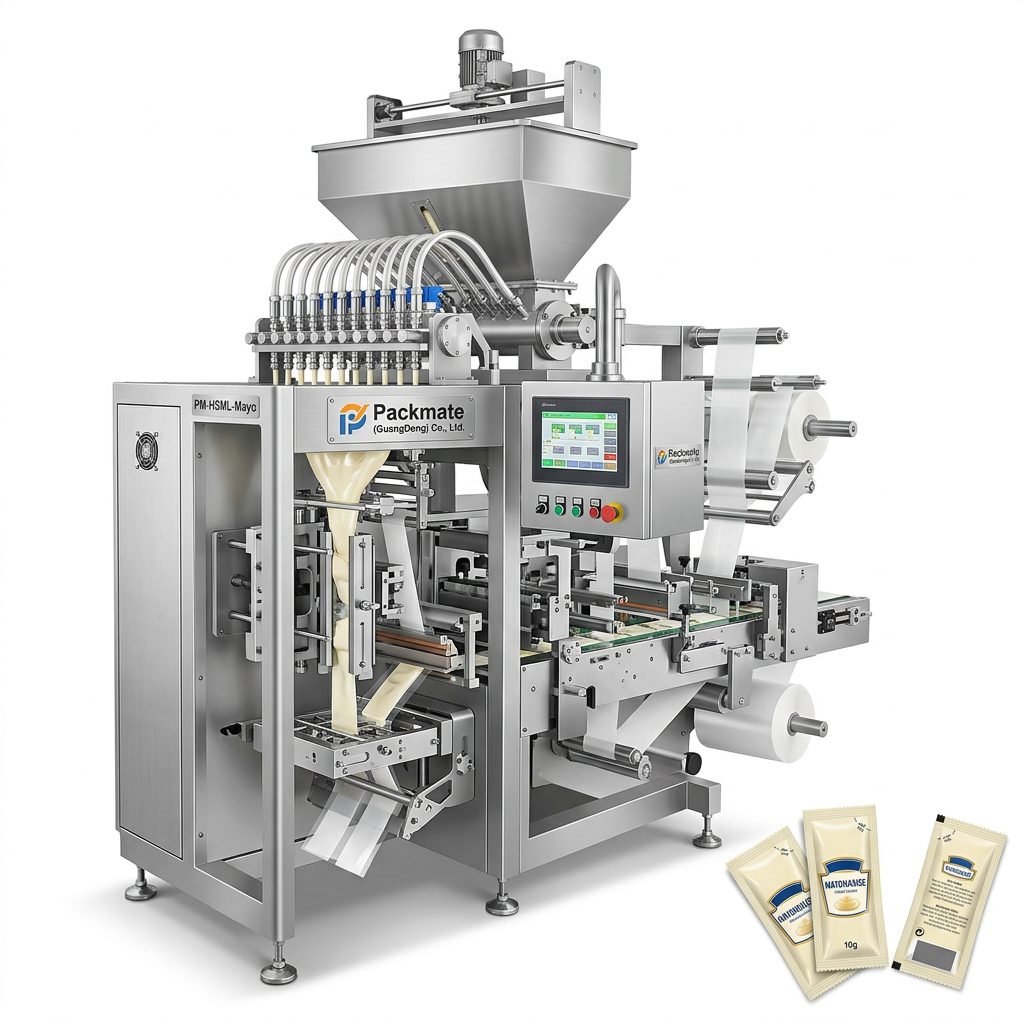
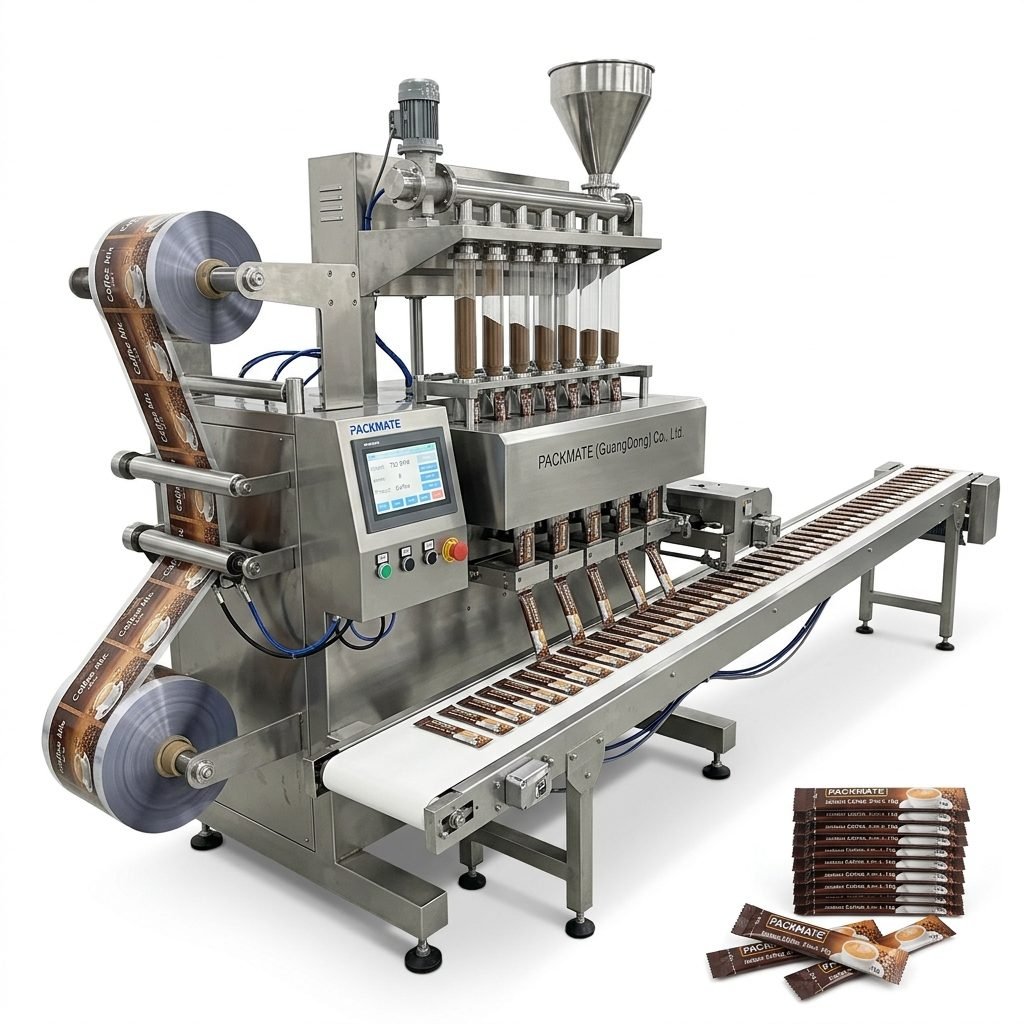
In the highly regulated and precision-driven pharmaceutical industry, the final packaging stage is far more than a simple step in production. It is a critical safeguard for product integrity, patient safety, and brand reputation. A Pharmaceutical Bottle Packaging Line represents the culmination of engineering excellence, designed to handle sensitive products with uncompromising accuracy and sterility. This article delves into the world of complete automatic filling and capping systems, exploring their components, benefits, and the pivotal role they play in modern pharmaceutical manufacturing.
The Core of Modern Pharma Production: Automated Packaging Lines
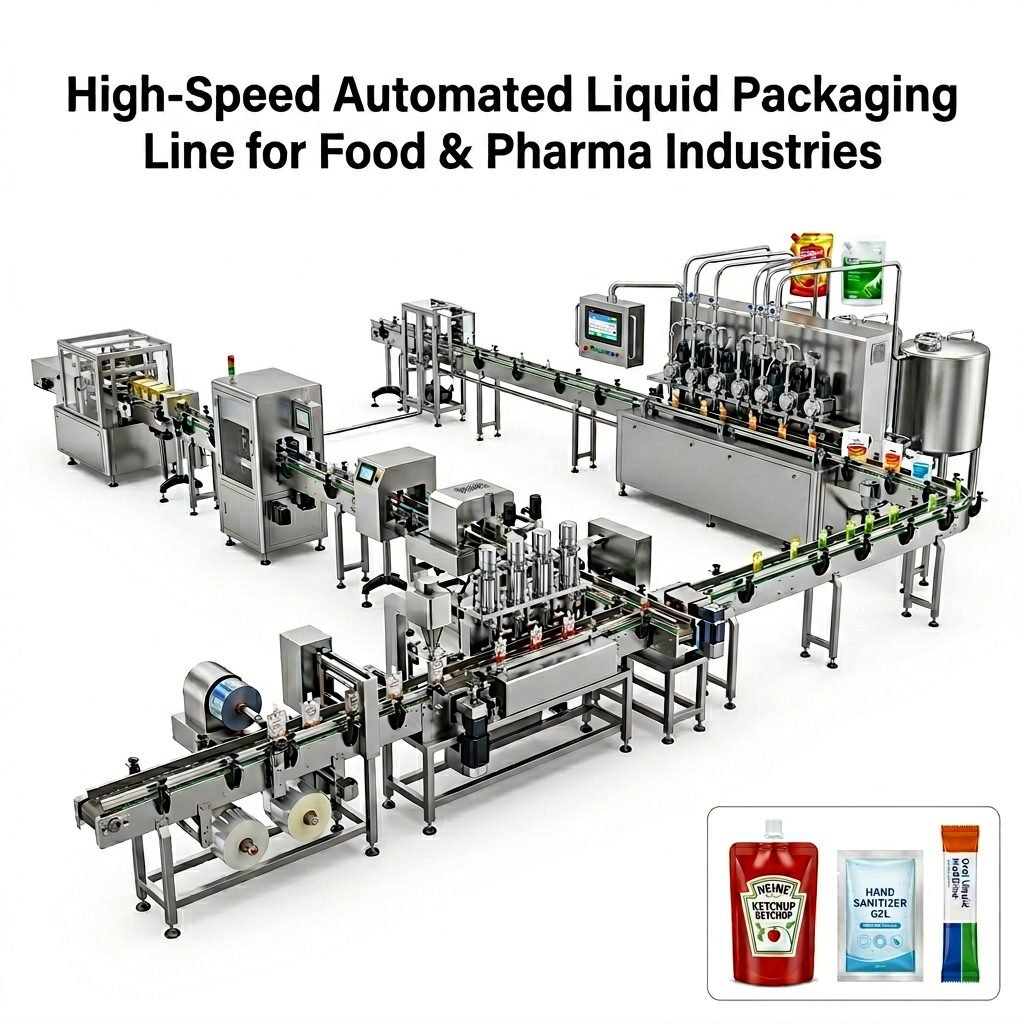
Gone are the days of manual, error-prone packaging processes. Today’s pharmaceutical manufacturers rely on integrated, automated lines that seamlessly combine multiple operations into one continuous, controlled flow. A typical complete automatic filling and capping system is engineered to perform a sequence of critical tasks: bottle unscrambling, cleaning, liquid or powder filling, stopper insertion or screw capping, sealing, and labeling. This automation is not merely about speed; it’s about achieving a level of consistency and contamination control that manual methods cannot match.
Key Advantage: Automation drastically reduces human intervention, which is a primary vector for particulate contamination and cross-contamination in cleanroom environments. This is paramount for injectables, ophthalmics, and other sterile dosage forms.
Deconstructing the System: Essential Components
Understanding a pharmaceutical packaging line requires a look at its integral parts. Each component is a specialized piece of technology contributing to the whole system’s reliability.
1. Automatic Bottle Unscrambler & Air Cleaner
This is the starting point. Bulk containers of sterile bottles (glass or plastic) are fed into an unscrambler, which orients them correctly and places them onto the conveyor. An integrated air-jet cleaning station then removes any loose particles or fibers from the interior of each bottle, ensuring they are pristine before filling.
2. Precision Filling Machine
The heart of the line. Depending on the product—be it viscous syrup, thin solution, or lyophilized powder—different filling technologies are employed:
- Peristaltic Pump Fillers: Ideal for sterile liquids as the product only contacts a disposable tube, eliminating cleaning and cross-contamination risks.
- Piston Fillers: Offer high accuracy for a wide range of viscosities, from water-thin to paste-like creams.
- Auger Fillers: The go-to choice for precise volumetric dosing of powders and granules.
Modern fillers are equipped with weight check systems that automatically reject under or over-filled containers, guaranteeing every unit meets the strict label claim.
3. Automatic Stopper Placer or Screw Capper
Immediately after filling, the container must be sealed. For vials, an automatic stopper placer inserts elastomeric closures. For bottles, a rotary or in-line capper applies and tightens screw caps or child-resistant closures (CRCs) with precise torque control. Consistent capping is vital to maintain the product’s shelf life and prevent leakage.
4. Sealing & Labeling Units
To provide tamper evidence, induction sealers are often integrated, applying an aluminum foil liner under the cap that bonds to the bottle mouth. Finally, automatic labelers apply product labels, barcodes, and necessary regulatory information with perfect alignment. For a deeper look at how these components integrate into a full production solution, explore our dedicated Packaging Solutions page.
Why Invest in a Complete Turnkey System?
The decision to implement a fully integrated line from a single supplier, like Packmate, offers multifaceted advantages beyond mere equipment purchase.
Tangible Benefits for Pharma Manufacturers
Enhanced Product Safety & Compliance: A validated, integrated system ensures processes meet cGMP (Current Good Manufacturing Practice) standards, providing auditable data for regulatory bodies like the FDA and EMA.
Maximum Operational Efficiency: Synchronized machines eliminate bottlenecks, optimize throughput, and reduce changeover times. This leads to higher Overall Equipment Effectiveness (OEE).
Significant Cost Reduction: Lower labor costs, minimized product waste from filling errors, and reduced risk of costly recalls or sterility failures contribute to a strong return on investment.
Scalability & Flexibility: Modern lines are designed with modularity in mind, allowing for future expansion or adaptation to new bottle sizes or products without replacing the entire system.
The Packmate Advantage in Pharmaceutical Packaging
With over 30 years of engineering expertise, Packmate (GuangDong) Co., Ltd. brings a profound understanding of the pharmaceutical sector’s unique challenges. Our solutions are built on a foundation of precision, cleanroom compatibility, and robust validation support. We don’t just sell machines; we deliver turnkey packaging solutions that include design, installation, commissioning, and training. Our project case studies demonstrate successful implementations for clients requiring the highest standards of hygiene and accuracy.
Our company’s story, rooted in innovation since 1993, drives us to create systems that are not only reliable but also incorporate the latest in servo-drive technology, touch-screen HMIs, and data recording capabilities for complete traceability. Discover more about our journey and capabilities on our detailed Company Profile page.
Implementation Considerations for a Successful Project
Selecting the right packaging line partner is crucial. Key factors to consider include:
- Product Characteristics: Viscosity, foaming tendency, sensitivity to oxygen or light.
- Output Requirements: Required bottles per minute (BPM) to meet production forecasts.
- Container Specifications: Material (glass, PET, HDPE), size, shape, and closure type.
- Regulatory Environment: Specific validation documentation and compliance needs for your target markets.
- After-Sales Support: Availability of spare parts, technical service, and remote diagnostics.
Engaging with an experienced provider early in the planning phase ensures the final system is perfectly tailored to your specific needs, mitigating risk and ensuring a smooth ramp-up to full production.
Conclusion
A Pharmaceutical Bottle Packaging Line is a strategic investment that directly impacts product quality, operational cost, and market competitiveness. By automating the critical steps of filling, capping, and sealing, manufacturers achieve unparalleled levels of precision, safety, and efficiency. Partnering with an experienced and innovative supplier like Packmate provides access to complete, reliable systems backed by deep industry knowledge and global support, ensuring your packaging process becomes a pillar of strength for your pharmaceutical products.
Frequently Asked Questions (FAQs)
1. What is the typical accuracy of a pharmaceutical liquid filling machine?
High-precision pharmaceutical fillers, such as peristaltic or servo-piston types, typically achieve filling accuracies within ±0.5% to ±1.0% of the target volume, crucial for meeting pharmacopeial standards. In-line checkweighers provide a final verification to ensure every unit is within specification.
2. Can one packaging line handle different bottle sizes and products?
Yes, modern modular and servo-driven lines are designed for quick changeover. With change parts (like filling nozzles, grippers, and cap chucks) and programmable recipes on the HMI, a single line can often accommodate a range of similar container sizes and product types, enhancing flexibility for multi-product facilities.
3. How important is the validation process for these lines?
Validation is absolutely critical in pharmaceutical manufacturing. A reputable supplier will support you through the entire process: Installation Qualification (IQ), Operational Qualification (OQ), and Performance Qualification (PQ). This documented evidence proves the system consistently operates as intended and is mandatory for regulatory compliance.
4. What are the key maintenance requirements for an automatic filling and capping line?
Regular preventive maintenance is essential. Key tasks include lubrication of moving parts, inspection and replacement of wear items (seals, gaskets, pump tubes), calibration of sensors and scales, and cleaning/disinfection according to strict SOPs to prevent microbial or particulate contamination.
5. Where can I see examples of your pharmaceutical packaging solutions?
You can view detailed applications and success stories in our Case Studies section. For specific technical inquiries or to discuss your project requirements, please visit our Contact Us page to connect with our engineering team.