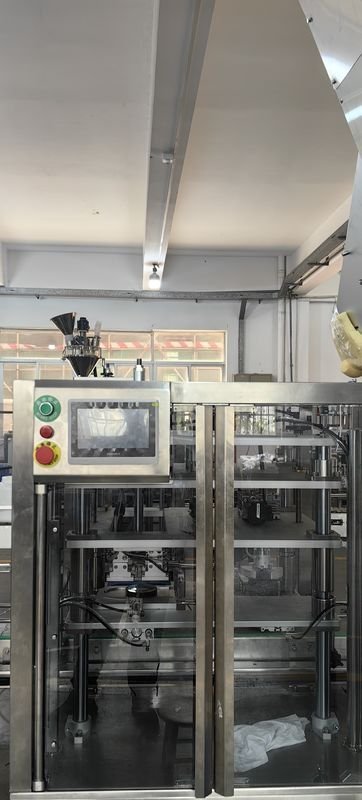
In the fast-paced world of manufacturing, ensuring product integrity from the production line to the end consumer is paramount. For industries like food, pharmaceuticals, and consumer goods, this often hinges on one critical process: heat shrink packaging. A robust Heat Shrink Packaging Line is not just a piece of equipment; it’s a comprehensive solution that safeguards quality, enhances presentation, and streamlines operations. These automated lines apply a protective film that, when heated, conforms tightly to the product’s shape, creating a tamper-evident, secure, and visually appealing package.

Why a Dedicated Heat Shrink Line is a Strategic Investment
Moving beyond manual or semi-automatic methods to a fully integrated heat shrink packaging line offers transformative benefits. It represents a strategic investment in your brand’s future, delivering consistent, high-quality results at scale.
Core Advantages of Automated Heat Shrink Lines
- Superior Product Protection: Creates a sealed, waterproof, and dust-proof barrier, crucial for pharmaceutical products and hygroscopic food items.
- Enhanced Tamper Evidence: Provides clear, visible security for consumer safety and brand trust, a non-negotiable standard in many markets.
- Improved Efficiency & Consistency: Automates the feeding, wrapping, sealing, and shrinking process, drastically increasing output while eliminating human error.
- Professional Brand Presentation: Delivers a tight, glossy finish that enhances shelf appeal and communicates quality to consumers.
- Material & Cost Savings: Precise film application reduces material waste, and automation lowers long-term labor costs.
Tailored Solutions for Critical Industries
The “one-size-fits-all” approach fails in precision packaging. Each sector has unique regulatory, aesthetic, and functional demands that a heat shrink line must address. Leading providers like Packmate specialize in engineering customized solutions that meet these specific challenges head-on.
1. Heat Shrink Packaging for the Food Industry
Food packaging must balance preservation, safety, and allure. Heat shrink lines are ideal for bundling multi-packs (cans, bottles, yogurt cups), securing trayed meats and cheeses, and creating tamper-evident seals for snacks and confectionery. The tight seal locks in freshness and prevents contamination. For high-volume food producers, a line that integrates seamlessly with upstream filling and downstream cartoning is essential for uninterrupted throughput.
2. Heat Shrink Packaging for the Pharmaceutical Sector
In pharma, packaging is a critical component of product safety. Heat shrink bands and sleeves are extensively used for bottle neck sealing, providing immediate visual tamper evidence. For bundling multiple medicine boxes or vials together, a heat shrink line ensures unit integrity and compliance with strict Good Manufacturing Practice (GMP) standards. The process must be clean, reliable, and validated, with precise temperature control to avoid damaging sensitive products.
3. Heat Shrink Packaging for Consumer Products
From cosmetics and electronics to stationery and hardware, consumer goods rely on packaging for protection and brand storytelling. Heat shrink sleeves offer 360-degree branding space for vibrant graphics and information. A dedicated line can handle diverse shapes and sizes, from software boxes to tool kits, providing a cost-effective and attractive alternative to rigid boxes while offering excellent protection during shipping and handling.
Key Components of a Modern Heat Shrink Packaging Line
Understanding the anatomy of a complete line helps in selecting the right configuration. A typical turnkey solution from an expert provider integrates several synchronized machines.
The Conveying & Feeding System
This is the start of the line, where products are organized and fed into the wrapper at the correct orientation and pace. Options include accumulation tables, flight bars, and vibratory feeders, chosen based on product fragility and required speed.
The Automatic L-Sealer or Sleeve Wrapper
The core machine that forms the film around the product. An L-sealer creates a “fin” seal on the bottom and back, ideal for boxes and trays. A sleeve wrapper forms a tube of film that is cut and sealed around the product, perfect for bundling cylindrical or irregular items.
The Heat Shrink Tunnel (Oven)
This chamber applies controlled, even heat to the film-wrapped product. Critical parameters include temperature uniformity, airflow design, and tunnel length, which are calibrated based on film type and line speed. Precision here ensures a perfect, wrinkle-free shrink without damaging the product.
Control System & Integration
The brain of the operation. A modern PLC-based control panel with an HMI (Human-Machine Interface) allows for easy recipe changes, speed adjustment, and monitoring of all parameters. Seamless integration with upstream and downstream equipment, like case packers, is vital for a smooth production flow.
Choosing the Right Partner for Your Packaging Line
Selecting a heat shrink packaging line is a significant capital decision. The right manufacturing partner brings more than just hardware; they bring expertise, reliability, and ongoing support.
Look for a provider with a proven track record in your specific industry. They should offer comprehensive services from initial consultation and factory testing to installation, training, and after-sales service. A partner like Packmate (GuangDong) Co., Ltd., with over 30 years of experience and a 20,000㎡ modern facility, embodies this holistic approach. They design intelligent, turnkey solutions, ensuring each line is built for durability, ease of maintenance, and optimal performance, as detailed in their comprehensive Company Profile.
Frequently Asked Questions (FAQs)
1. What types of film can be used with a heat shrink packaging line?
Common films include Polyolefin (POF), Polyvinyl Chloride (PVC), and Polyethylene (PE). POF is popular for its clarity, strength, and eco-friendliness. PVC offers excellent clarity and a tight shrink at lower cost. PE is very durable and used for heavy items. Your machine supplier can recommend the best film for your product and tunnel specifications.
2. How do I determine the speed and capacity I need?
Required speed is calculated based on your current and projected production volumes (units per minute/hour). Consider product size, the complexity of the wrapping pattern, and desired uptime. A reputable provider will analyze your needs and may suggest running product tests at their facility to determine the optimal line configuration.
3. What are the main maintenance requirements for a heat shrink line?
Regular maintenance is key to longevity. Daily tasks include cleaning the sealing wires and tunnel interior. Weekly and monthly checks involve inspecting and cleaning air filters, verifying seal bar alignment, and lubricating moving parts. A good supplier will provide a detailed maintenance schedule and training for your operators.
4. Can one line handle products of very different shapes and sizes?
Yes, with the right configuration. Modular lines with adjustable conveyors, quick-change film reel holders, and programmable tunnel settings allow for changeovers. However, extremely varied product dimensions may require dedicated tooling or separate lines for optimal efficiency. Discuss your product range in detail with your solution provider.
5. How energy-efficient are modern heat shrink tunnels?
Modern tunnels are significantly more efficient than older models. Features like insulated walls, precise zonal temperature control, and efficient hot air circulation systems reduce energy consumption. Some advanced models use infrared heating for targeted, faster shrinking with lower overall energy use. Always inquire about the specific power consumption of a proposed line.