In today’s fast-paced and highly regulated manufacturing landscape, achieving seamless, efficient, and compliant production is paramount. For industries where product integrity is non-negotiable—such as food, pharmaceuticals, and health products—the packaging line is far more than just a final step. It is a critical nexus of quality control, efficiency, and brand trust. This is where the concept of complete turnkey packaging line integration becomes not just an advantage, but a strategic necessity. A fully integrated system harmonizes every component, from filling and sealing to labeling and cartoning, into a single, synchronized, and intelligent operation.
The Imperative for Integrated Packaging in Critical Industries
The demands on packaging lines in the food, pharma, and health sectors are uniquely stringent. Each industry faces its own set of challenges that a disjointed, piecemeal approach to machinery simply cannot address.
Food Industry: Speed, Safety, and Adaptability
Food manufacturers operate on thin margins and high volumes, requiring blistering speeds and unwavering hygiene. An integrated line ensures consistent portion control, maintains airtight seals to prevent spoilage, and allows for quick changeovers between different product types or package sizes—crucial for responding to market trends. Contamination risks are minimized when material handling is automated and enclosed from start to finish.
Pharmaceutical Sector: Precision and Compliance
Here, precision is measured in milligrams and compliance is governed by strict regulations like cGMP (Current Good Manufacturing Practice). A turnkey integrated system provides the traceability and documentation required. Every action, from counting tablets to applying tamper-evident seals, is controlled, monitored, and logged. This eliminates human error, ensures dosage accuracy, and creates an audit-ready production environment, which is essential for regulatory approval and market access.
Health & Nutraceutical Products: Brand Integrity and Flexibility
This dynamic market blends the safety needs of pharma with the branding and variety of consumer goods. Products range from powdered supplements and liquid vitamins to herbal teas. An integrated line offers the flexibility to handle diverse forms—granules, powders, liquids—within a single, validated process. It ensures that premium products are packaged with the quality that justifies their price point, protecting potency and enhancing shelf appeal.
Core Components of a Modern Turnkey Packaging System
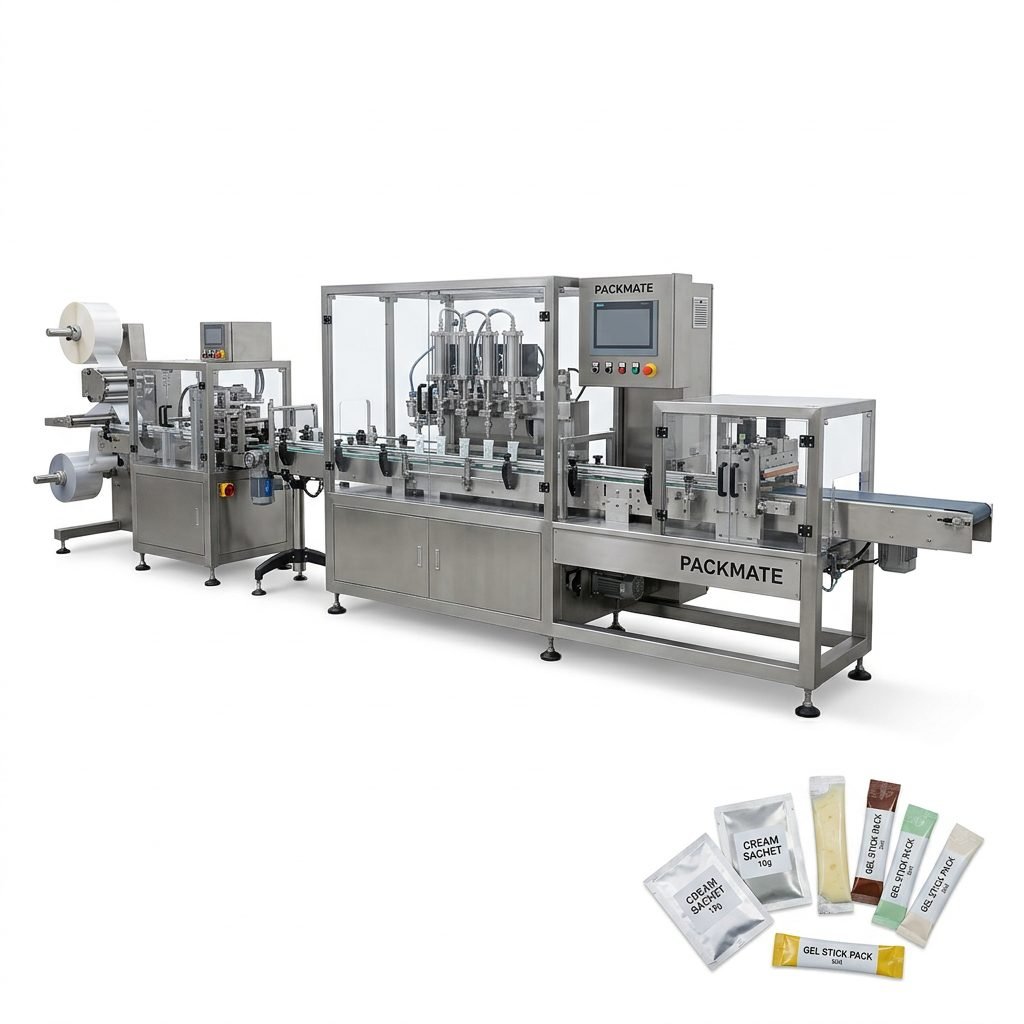
A true turnkey solution is a symphony of specialized machinery and intelligent software, all provided and synchronized by a single source. Key modules typically include:
1. Automated Feeding & Filling Systems
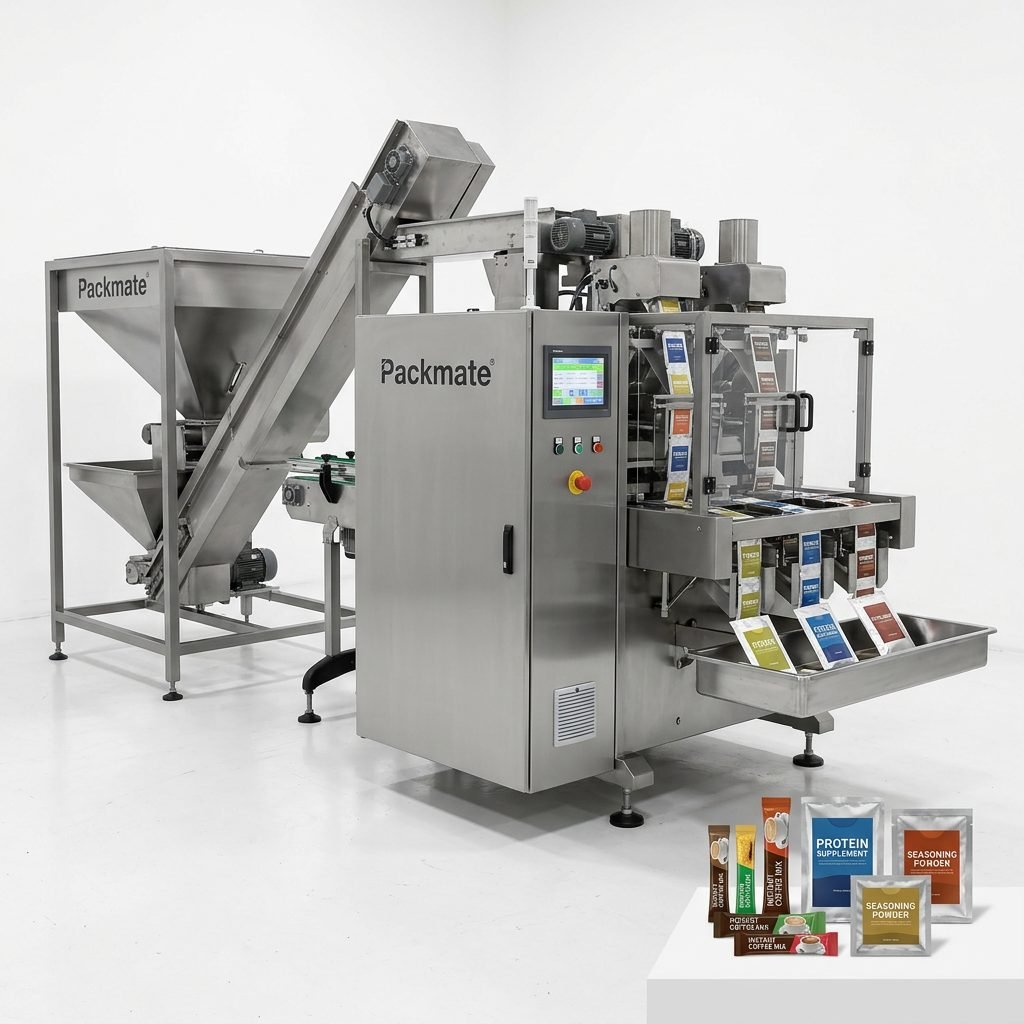
The heart of accuracy. Volumetric, auger, or liquid pumps ensure exact fill weights for every single unit, crucial for cost control and regulatory compliance.
2. Form-Fill-Seal (FFS) Machines
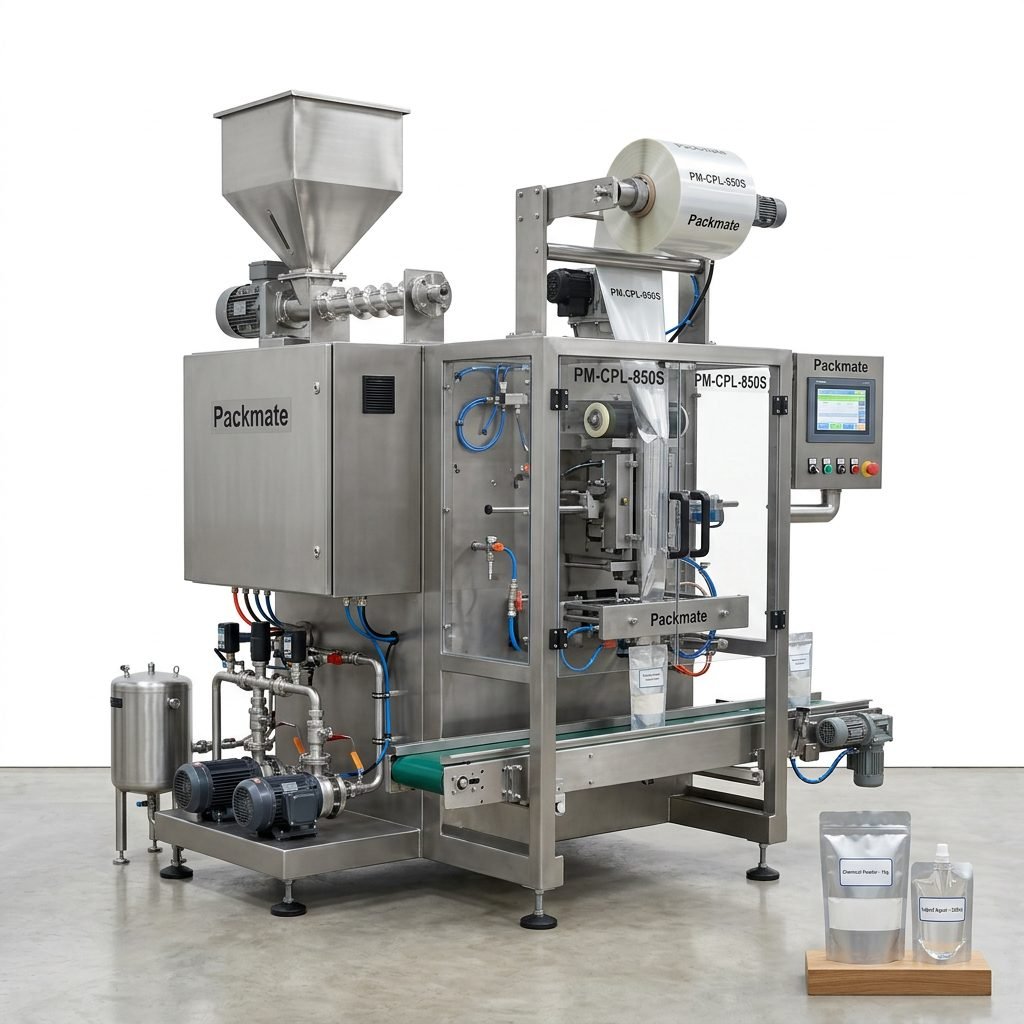
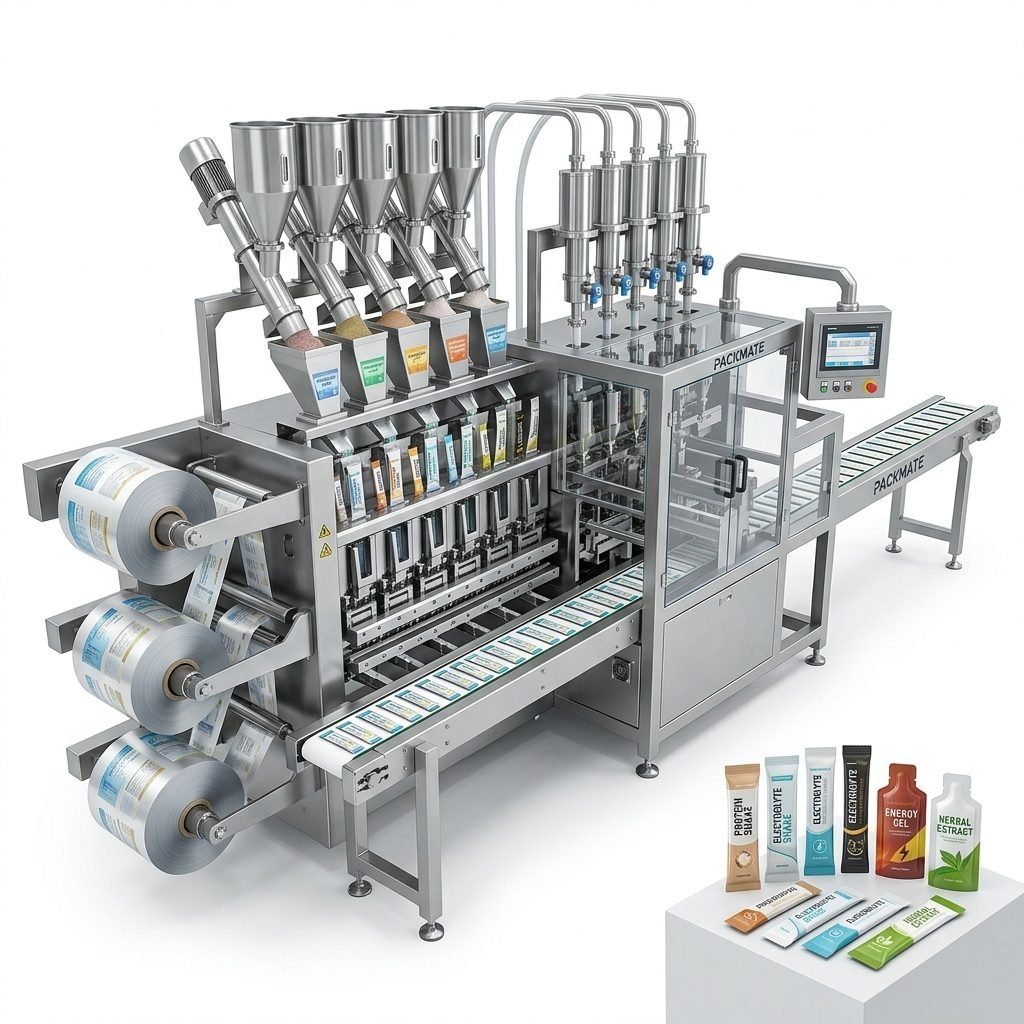
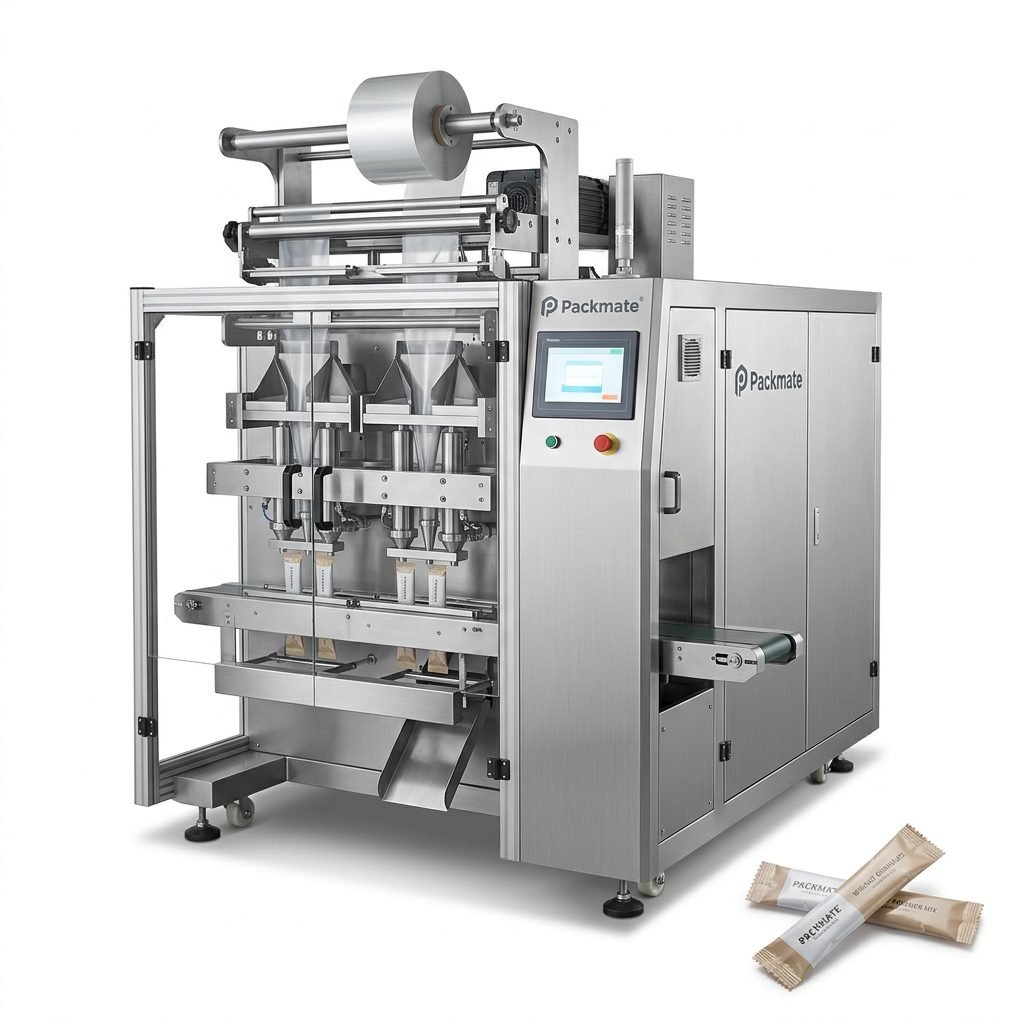
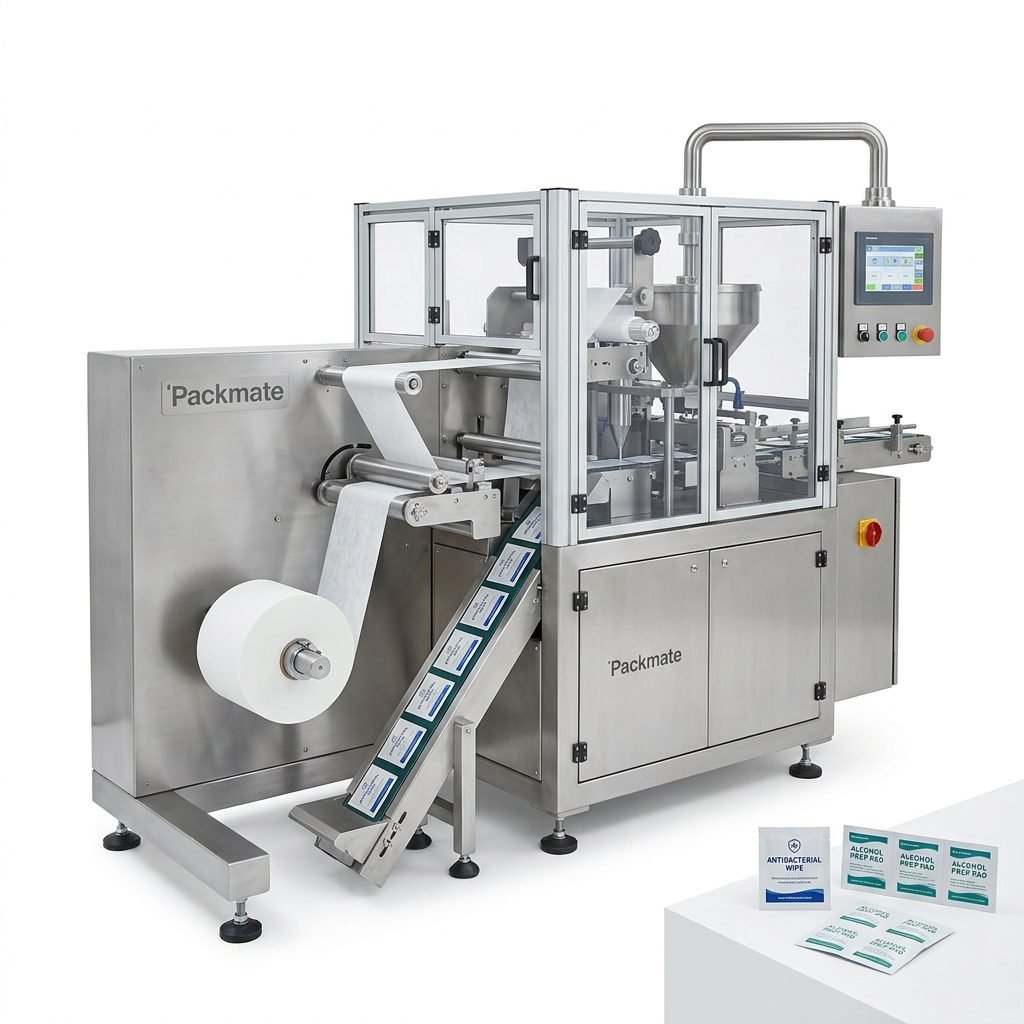
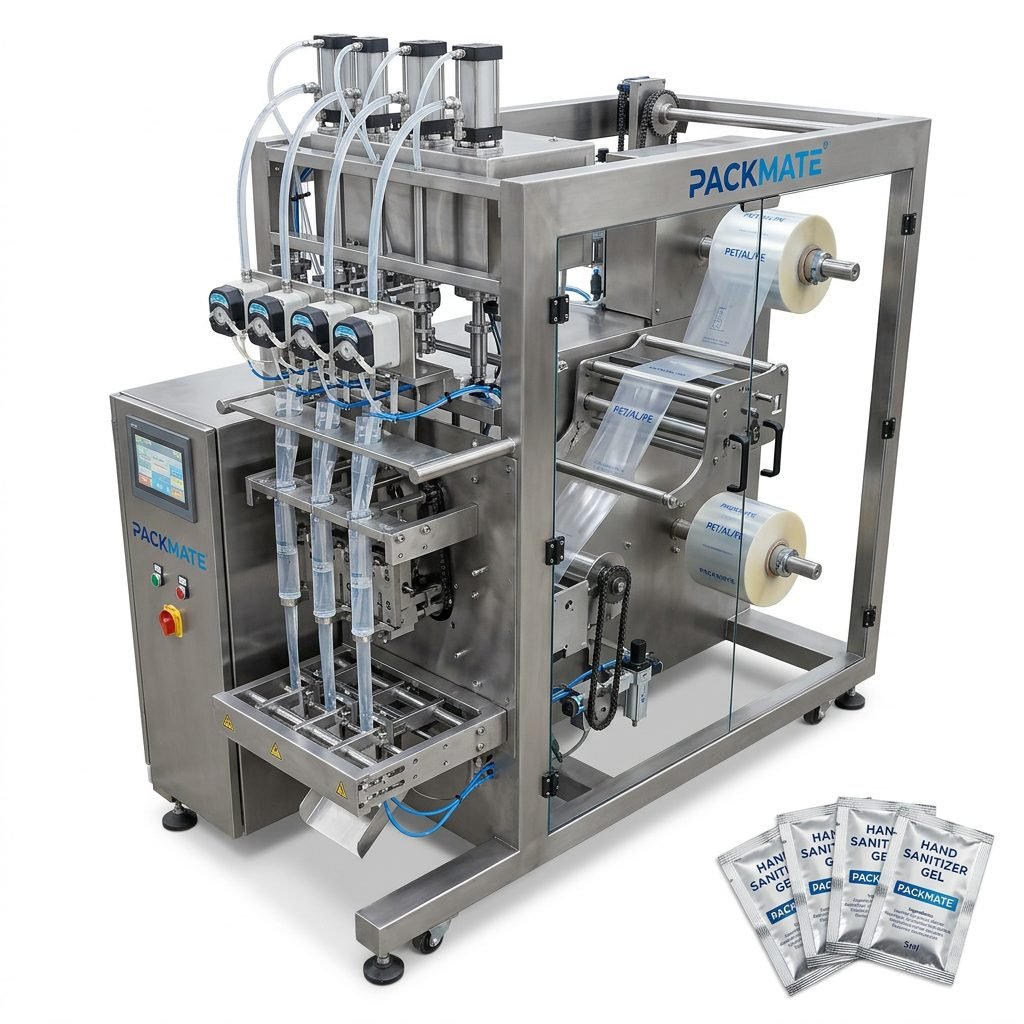
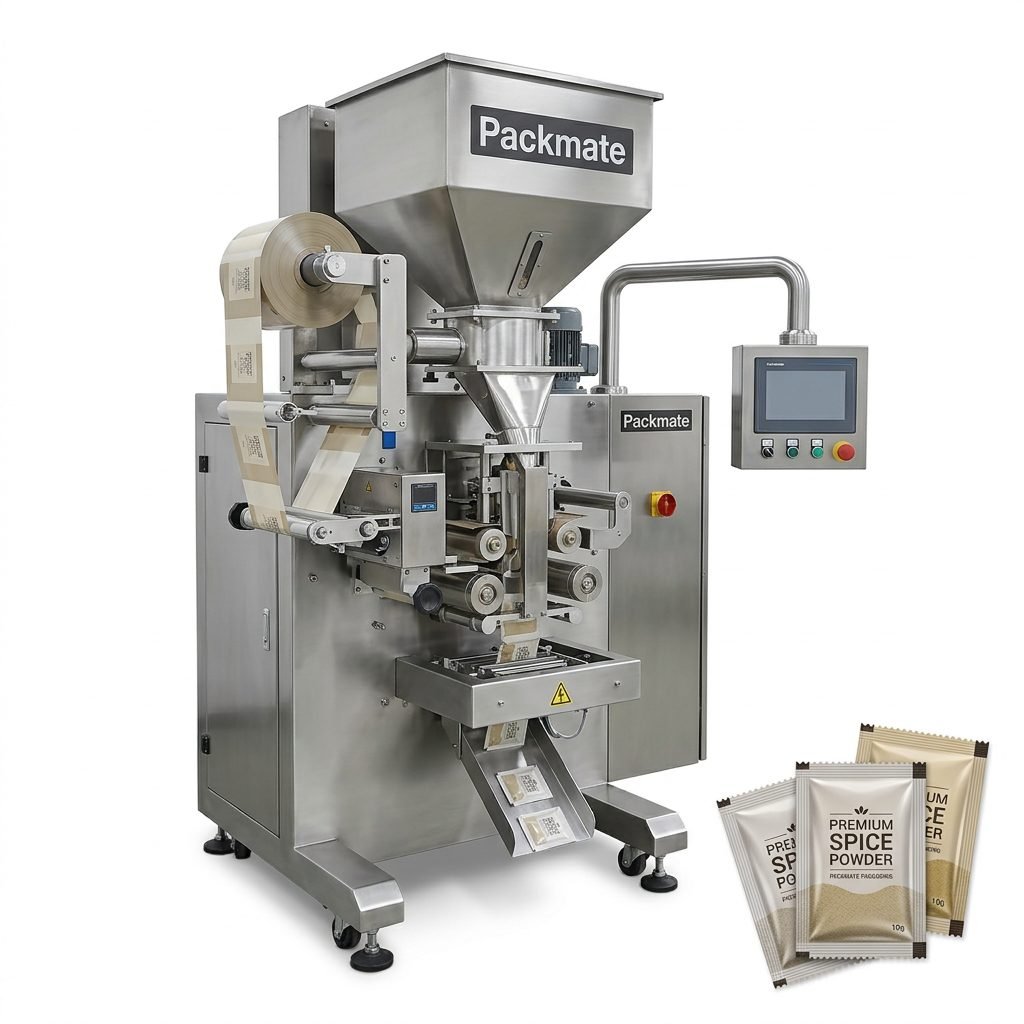
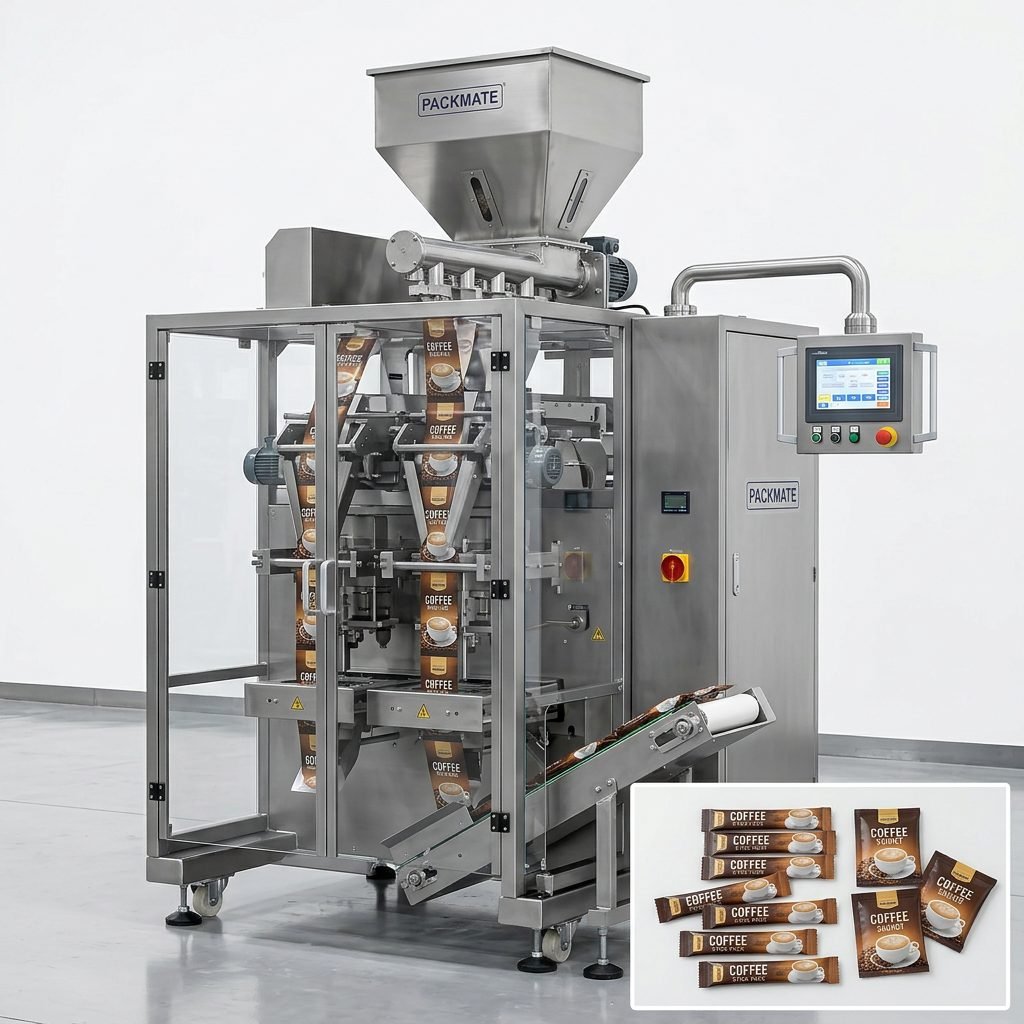
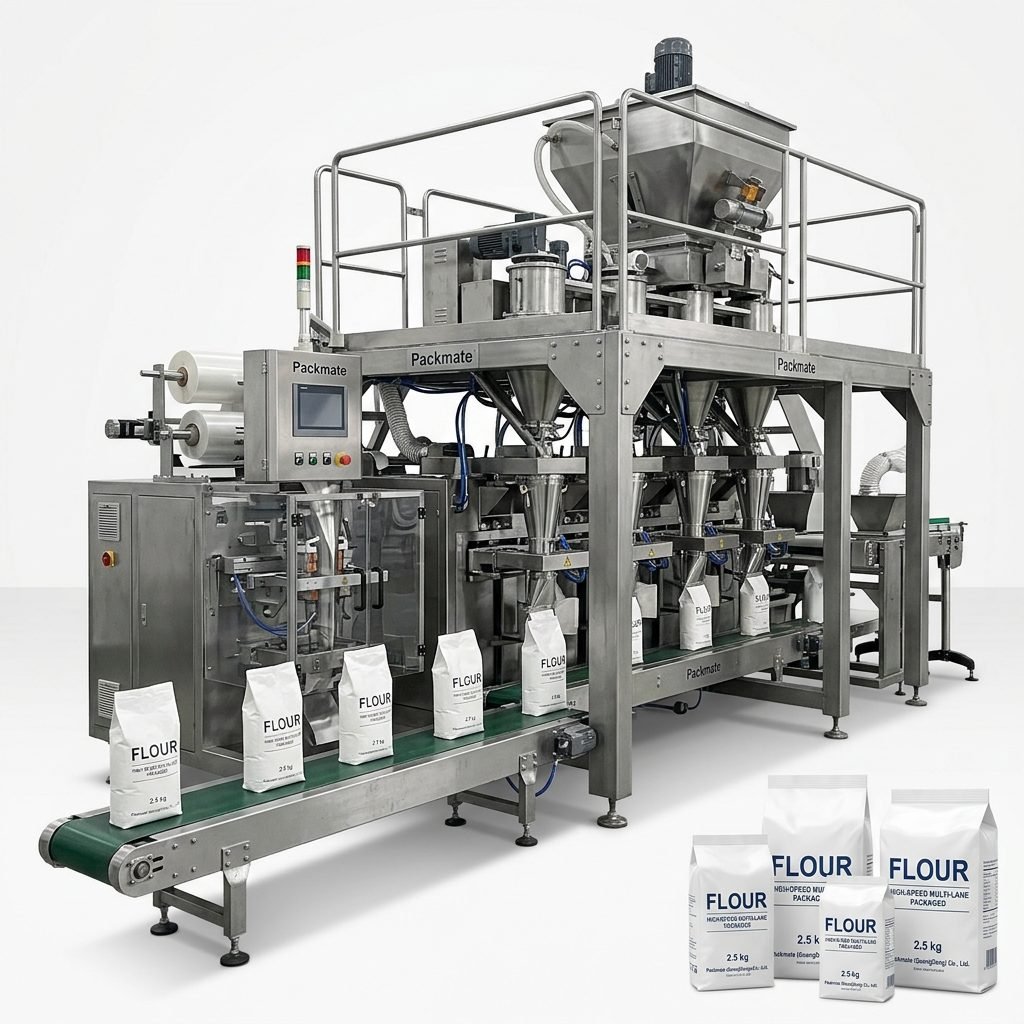
The workhorses of efficiency. These machines form the package from a roll of film, fill it with product, and seal it—all in one continuous motion. Options include vertical form-fill-seal (VFFS) for bags and pouches, and horizontal machines for stick packs and sachets.
3. Secondary & Tertiary Packaging
This includes cartoners, case packers, and palletizers. Integration ensures that primary packages are smoothly collated, boxed, and prepared for shipping without bottlenecks.
4. The Integration Nerve Center: PLC & SCADA
The true value of “integration” lies in the control system. A centralized Programmable Logic Controller (PLC) and Supervisory Control and Data Acquisition (SCADA) software allow operators to monitor and adjust the entire line from one HMI (Human-Machine Interface). This enables real-time diagnostics, production data collection, and rapid troubleshooting.
The Tangible Benefits of a Single-Source Turnkey Partner
Choosing a provider like Packmate (GuangDong) Co., Ltd. for a complete system delivers advantages far beyond simply buying machines.
➤ Simplified Project Management: One point of contact for design, manufacturing, installation, and training eliminates finger-pointing between multiple vendors.
➤ Guaranteed Compatibility: All components are designed to work together seamlessly, ensuring optimal line speed (OEE) and minimizing downtime from mechanical incompatibilities.
➤ Unified Warranty & Support: A single service contract covers the entire line, streamlining maintenance and technical support. Providers with deep expertise, often showcased in their project case studies, can offer more holistic solutions.
➤ Faster Time-to-Market: With coordinated planning and execution, your new production line can be commissioned and validated more quickly, getting revenue-generating products to shelf faster.
➤ Future-Proof Scalability: A trusted partner designs with growth in mind, making it easier to add modules or increase capacity in the future without a complete overhaul.
Implementing Your Integrated Line: A Phased Approach
Successful integration follows a meticulous process:
- Consultation & Needs Analysis: Understanding your product, output goals, facility constraints, and regulatory landscape.
- Line Design & Simulation: Creating a detailed layout and often simulating line flow to predict performance.
- Manufacturing & Factory Acceptance Test (FAT): Building the line and testing it at the supplier’s facility before disassembly for shipping.
- Installation & Site Acceptance Test (SAT): Expert engineers reassemble and commission the line in your plant, ensuring it meets all agreed specifications.
- Training & Handover: Comprehensive training for your operators and maintenance teams is critical for long-term success and is a core part of a provider’s after-sales service commitment.
For businesses looking to explore specific machinery options, reviewing a detailed equipment catalog is an excellent first step in the planning process.
Conclusion: Integration as a Competitive Edge
In the competitive worlds of food, pharma, and health products, packaging line integration is a transformative investment. It moves packaging from a cost center to a strategic asset that drives efficiency, ensures uncompromising quality, and protects your brand. By partnering with an experienced turnkey solution provider, you gain more than machinery—you gain a seamless production ecosystem engineered for reliability, compliance, and growth.
Frequently Asked Questions (FAQs)
1. What is the main difference between buying individual machines and a turnkey integrated line?
Individual machines require you to handle integration, compatibility, and coordination between multiple vendors. A turnkey line provides a pre-synchronized, ready-to-run system from a single supplier, with guaranteed performance and unified support, significantly reducing project risk and complexity.
2. How long does it typically take to install and commission a complete turnkey packaging line?
The timeline varies based on line complexity and customization, but a typical project from order to full production can range from 4 to 9 months. This includes design, manufacturing, factory testing, shipping, on-site installation, and validation. A clear project plan from your provider will outline each phase.
3. Can an integrated line handle multiple different products or package sizes?
Yes, modern integrated lines are designed for flexibility. With features like quick-change tooling, programmable recipes in the PLC, and adjustable components, changeover times between different products or package formats can be minimized from hours to minutes, maximizing production uptime.
4. What kind of training and ongoing support can we expect?
Reputable providers offer comprehensive training for operators, mechanics, and engineers during commissioning. Ongoing support typically includes remote diagnostics, a library of spare parts, preventive maintenance plans, and access to technical specialists. This ensures your team can operate and maintain the line effectively for its entire lifecycle.
5. How do we ensure the line will comply with our industry’s regulations (e.g., FDA, cGMP)?
An experienced turnkey partner will design the line with compliance in mind from the start. This includes using appropriate materials (e.g., food-grade or pharmaceutical-grade stainless steel), designing for cleanability, incorporating necessary safety interlocks, and providing documentation (e.g., machine manuals, FAT/SAT protocols, validation IQ/OQ templates) that supports your regulatory submissions. Always discuss your specific compliance requirements in detail during the initial consultation.
For more detailed answers, you can often find resources on a provider’s dedicated FAQ page.