In today’s competitive manufacturing landscape, the efficiency of your packaging line is not just an operational metric—it’s a critical determinant of profitability, customer satisfaction, and market agility. A slow or unreliable bagging process can create bottlenecks that ripple through your entire supply chain, leading to missed deadlines, increased labor costs, and frustrated customers. Conversely, a streamlined, high-speed packaging operation acts as a powerful engine for growth, allowing you to meet surges in demand, reduce per-unit costs, and enhance product quality. This guide delves into actionable strategies to significantly boost your bagging speed and systematically reduce costly downtime, transforming your packaging line from a potential weak link into a core competitive advantage.
Understanding the Core Components of Packaging Line Efficiency
Before implementing improvements, it’s essential to diagnose where inefficiencies originate. Packaging line performance is typically measured by two intertwined factors: Overall Equipment Effectiveness (OEE) and Mean Time Between Failures (MTBF). OEE combines availability, performance, and quality rates, giving you a holistic view of how well your line is utilized. Downtime is the arch-nemesis of OEE, and it can be categorized as either planned (for maintenance, changeovers) or unplanned (due to mechanical failure, jams, or material issues).
🔍 Key Insight:
Often, the quest for pure speed can compromise reliability. The most efficient lines find the optimal balance where machines operate at a sustainable, high-output pace that minimizes stress and wear, thereby reducing unplanned stoppages. Partnering with an experienced provider like Packmate for a line audit can pinpoint this balance for your specific operation.
Strategic Approaches to Boost Bagging Speed
Increasing speed isn’t merely about pushing machines to run faster. It’s about optimizing the entire workflow to eliminate delays and maximize throughput.
1. Invest in Modern, High-Speed Machinery
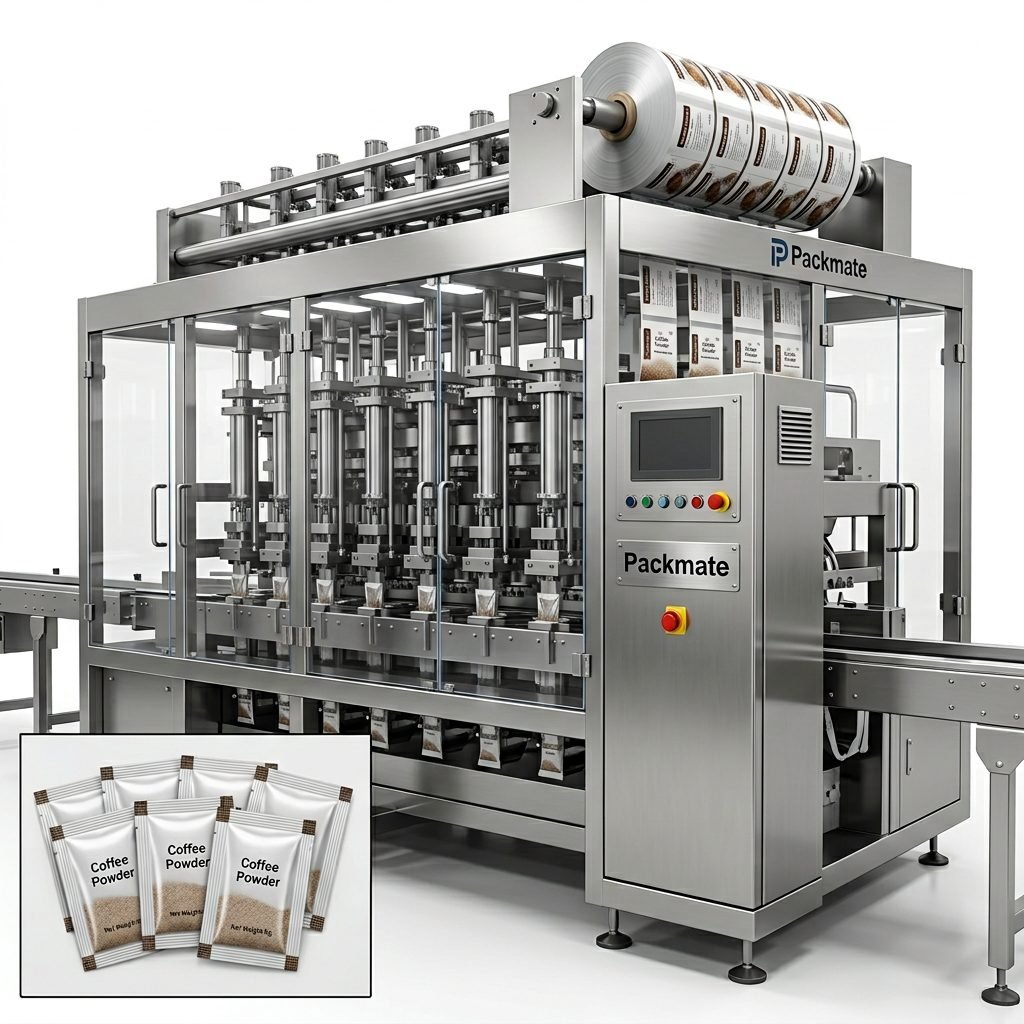
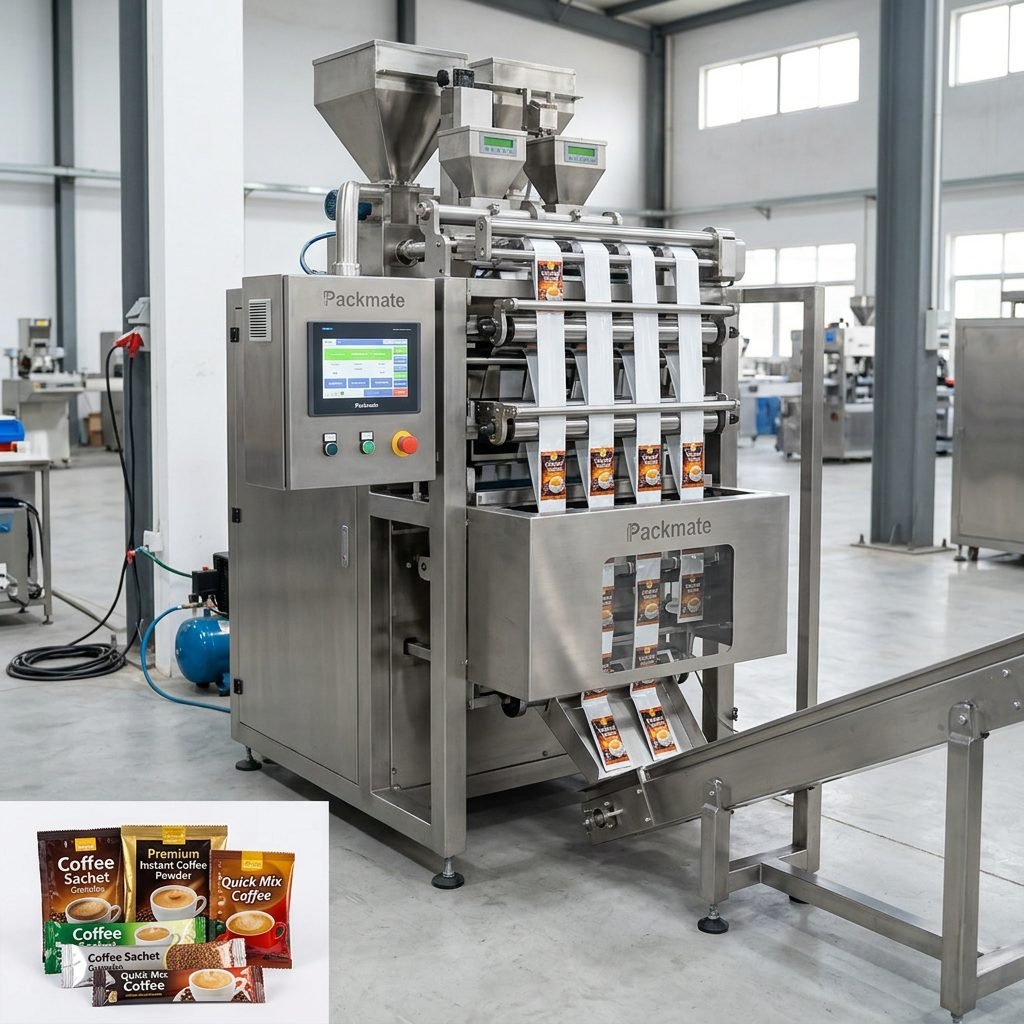
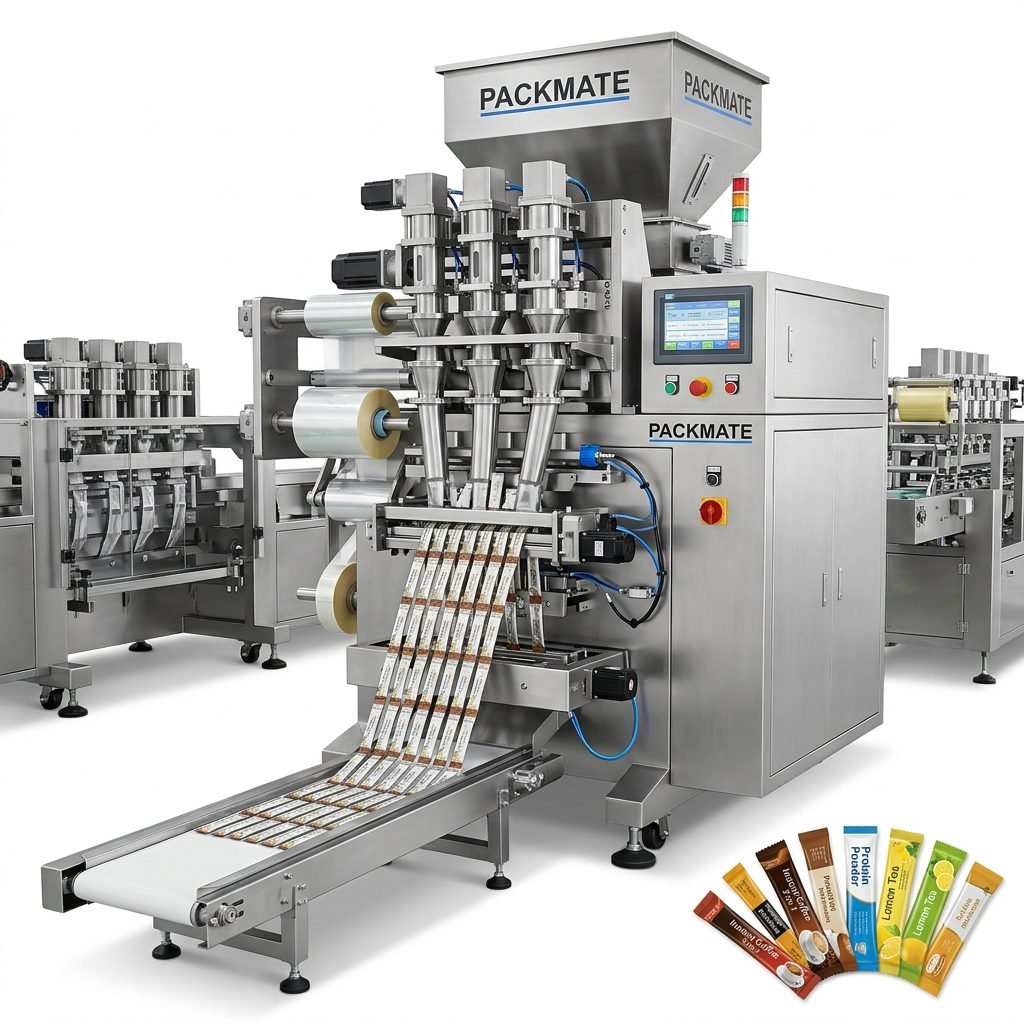
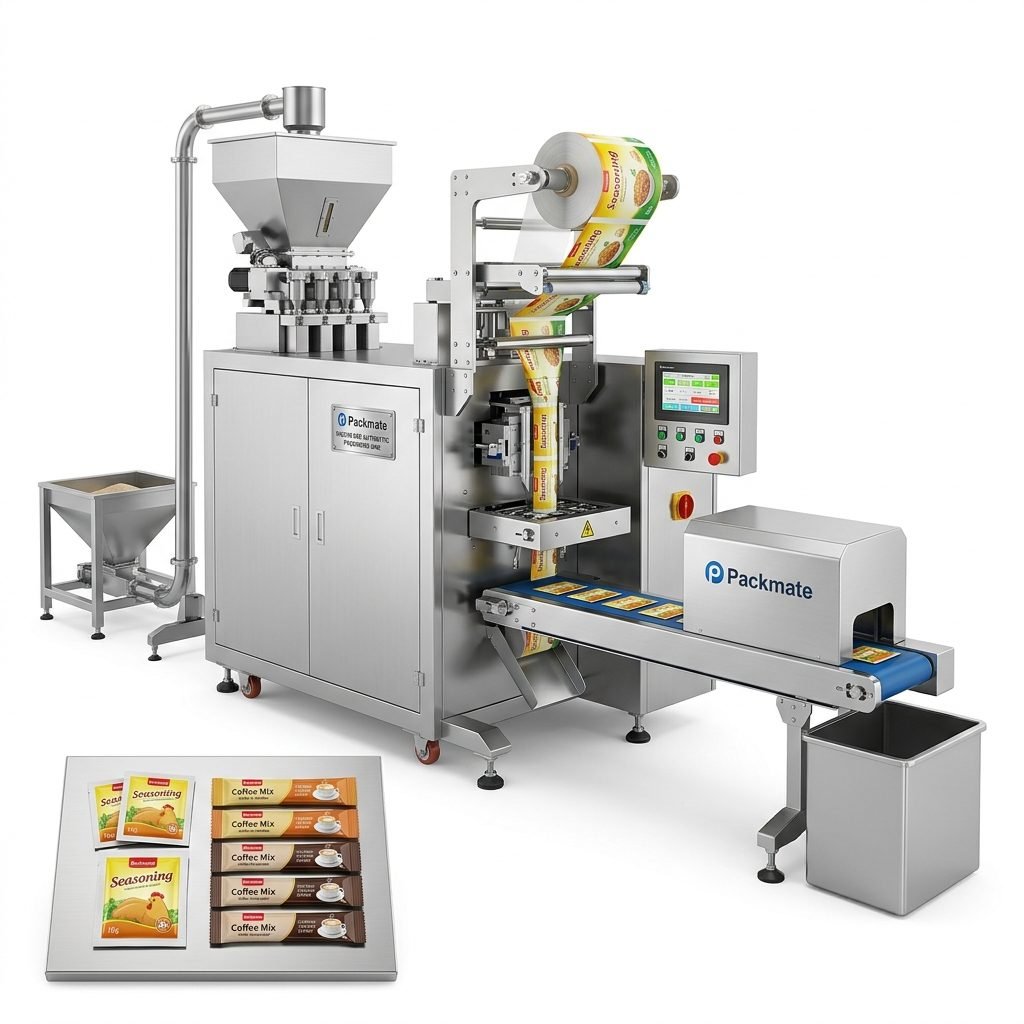
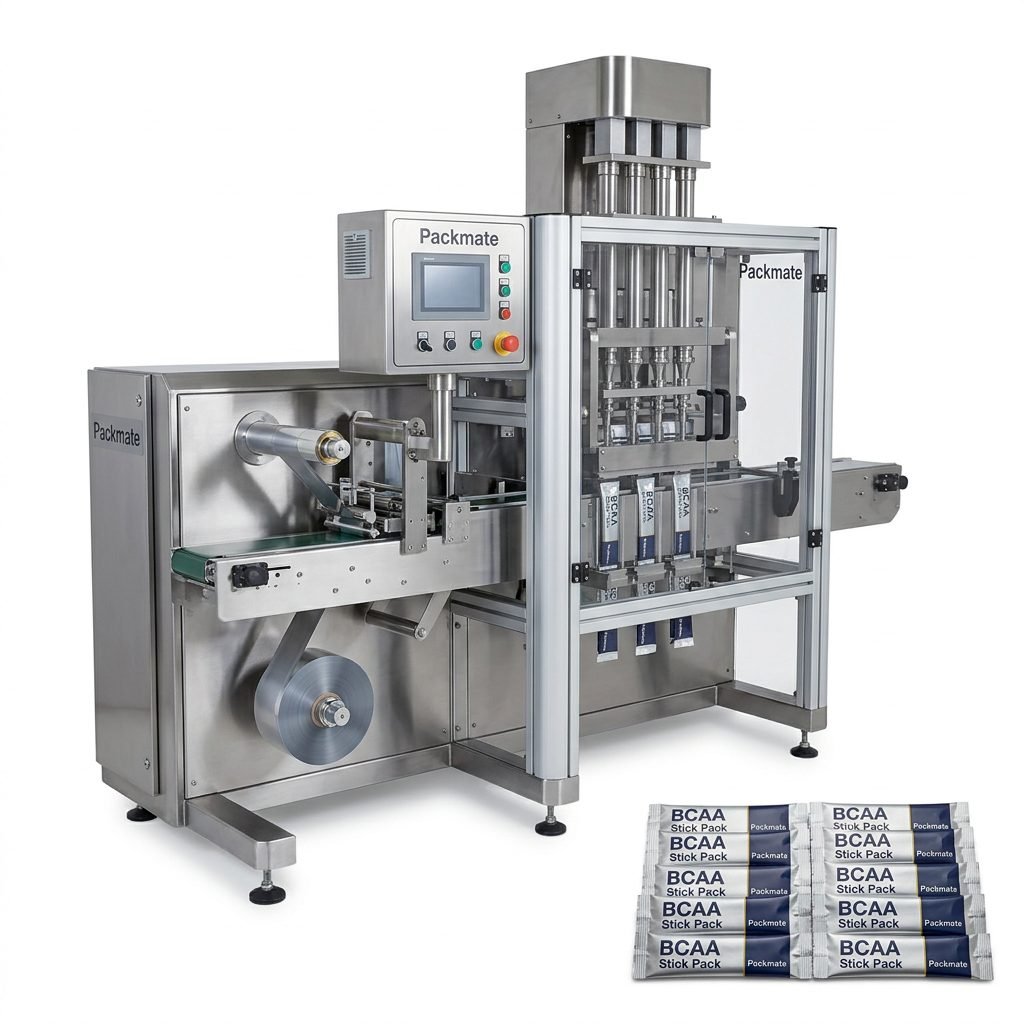
Legacy equipment often lacks the servo-driven precision and advanced control systems of modern machines. Upgrading to contemporary multi-lane baggers, like the advanced stick pack or sachet packaging solutions offered by industry leaders, can dramatically increase output. These machines feature faster cycling times, more accurate filling, and quicker response to control inputs.
2. Optimize Line Layout and Material Flow
A convoluted line layout creates unnecessary product travel and handling time. Analyze your current flow from product infeed to palletizing. Implementing a linear, U-shaped, or cellular layout can minimize movement. Ensure that upstream equipment (like mixers and conveyors) and downstream systems (cartoners, case packers) are perfectly synchronized with the bagging machine’s pace to prevent accumulation or starvation.
3. Implement Automated Product Handling
Manual loading of bags, films, or finished product is a major speed constraint. Integrate automation such as:
- Automatic Film Roll Changes: Systems that splice new rolls without stopping the line.
- Robotic Palletizing: Robots that stack bags or cases far faster and more consistently than human workers.
- Vision-Guided Placement: Ensuring precise product positioning for accurate bagging.
4. Leverage Smart Control Systems (IIoT)
Industrial Internet of Things (IIoT) platforms collect real-time data from sensors on your packaging line. This data allows you to:
- Monitor machine performance and identify speed bottlenecks.
- Predict maintenance needs before they cause slowdowns.
- Remotely adjust parameters for different products, reducing changeover time.
Proactive Measures to Drastically Reduce Downtime
Downtime reduction is arguably more impactful than speed increases, as it directly recovers lost production capacity.
1. Establish a Robust Preventive Maintenance (PM) Program
Reactive maintenance is a primary cause of unplanned downtime. A scheduled PM program is non-negotiable. This includes daily cleaning, weekly lubrication, and monthly inspections of critical components like seals, bearings, and cutting blades. Use maintenance logs and CMMS (Computerized Maintenance Management System) software to track schedules and history. For complex machinery, consider a comprehensive service contract with your equipment supplier.
📈 Downtime Cost Calculator:
Formula: (Hourly Production Rate) x (Cost per Unit) x (Hours of Downtime) + (Labor Cost During Downtime).
Example: A line producing 5,000 bags/hour at $0.10 profit each, down for 2 hours with 3 idle staff ($30/hour each), loses: (5,000 x $0.10 x 2) + (3 x $30 x 2) = $1,000 + $180 = $1,180 in lost opportunity per incident.
2. Streamline Changeovers (SMED Methodology)
Single-Minute Exchange of Die (SMED) is a lean manufacturing technique to reduce changeover time to under 10 minutes. Key steps include:
👉 Separate Internal & External Setup: Prepare tools, settings, and materials (external) while the machine is still running.
👉 Convert Internal to External: Standardize parts and use quick-release mechanisms.
👉 Streamline All Aspects: Use preset recipes in the PLC and color-coded tools.
3. Standardize Operator Training
Inconsistent operator practices lead to jams, misfeeds, and improper adjustments. Develop clear, visual Standard Operating Procedures (SOPs) for running, monitoring, and performing basic troubleshooting on the bagging line. Cross-train operators to ensure flexibility and consistent knowledge application. Reviewing real-world case studies of successful implementations can provide valuable training benchmarks.
4. Ensure Consistent, High-Quality Packaging Materials
Film or bag quality issues are a stealthy cause of downtime. Variations in thickness, sealant layer, or roll winding can cause constant jams, poor seals, and machine stoppages. Work closely with your material suppliers to enforce strict specifications and conduct incoming quality checks. A reliable machine paired with subpar materials will never achieve peak efficiency.
The Role of Turnkey Solutions and Expert Partnership
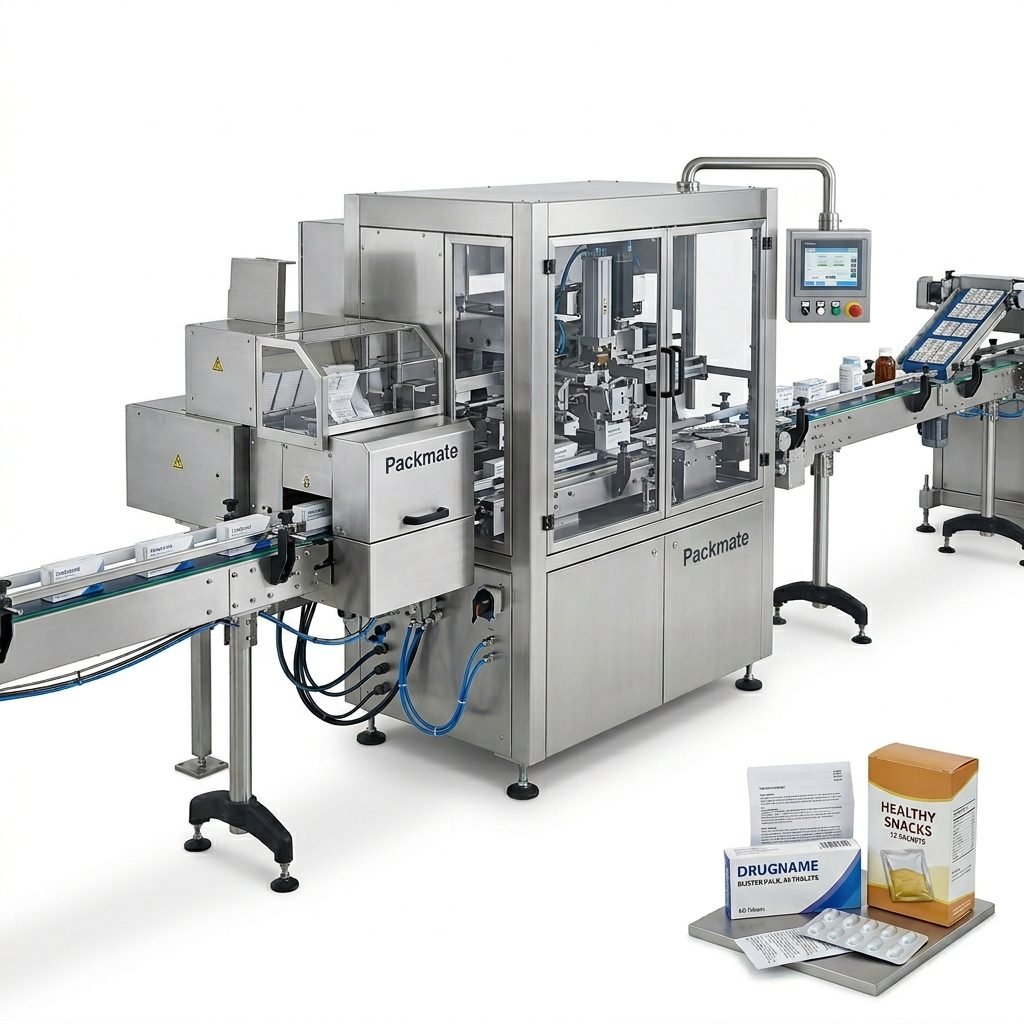
For many manufacturers, the most effective path to a high-efficiency line is partnering with a provider who delivers a complete, integrated system. A turnkey packaging line from a single source ensures all components—from the bagger and weigher to the conveyor and control panel—are designed to work in perfect harmony. This eliminates integration headaches, ensures a single point of accountability, and often includes comprehensive training and support. Companies with deep expertise, such as Packmate, bring over two decades of experience in designing such synchronized solutions for diverse industries, which is reflected in their commitment to quality and innovation.
Frequently Asked Questions (FAQs)
Q1: What is the single biggest mistake that reduces packaging line efficiency?
A: Neglecting a structured preventive maintenance program. Operating machinery until it breaks guarantees unpredictable, costly downtime and often causes collateral damage, leading to longer repairs and higher costs.
Q2: Can we boost speed on our old packaging machine without a major investment?
A: Yes, to a degree. Focus on “soft” improvements first: optimize material flow to the machine, reduce changeover times using SMED principles, ensure operators are highly trained, and use higher-quality packaging films to reduce jams. However, for step-change improvements, a machinery upgrade or retrofit is usually necessary.
Q3: How do IIoT and data analytics specifically help reduce downtime?
A: IIoT sensors monitor vibration, temperature, and motor current. Analytics can detect anomalies that signal impending failure (e.g., a bearing wearing out), allowing for maintenance to be scheduled during a planned stop. This transitions maintenance from reactive to predictive, preventing failures before they occur.
Q4: How long does it typically take to see a return on investment (ROI) from efficiency improvements?
A: ROI timelines vary. Process optimizations like SMED can show returns in weeks. Investments in automation or new machinery typically have an ROI period of 1 to 3 years, calculated through increased output, labor savings, and reduced waste and downtime.
Q5: Where should we start if we want a complete overhaul of our packaging line?
A: Begin with a comprehensive audit. Have an expert evaluate your current line’s OEE, identify the top causes of downtime and speed loss, and analyze your product mix and future growth plans. This audit will form the basis for a strategic roadmap, whether it involves retrofitting existing equipment or investing in a new, custom-designed turnkey solution.