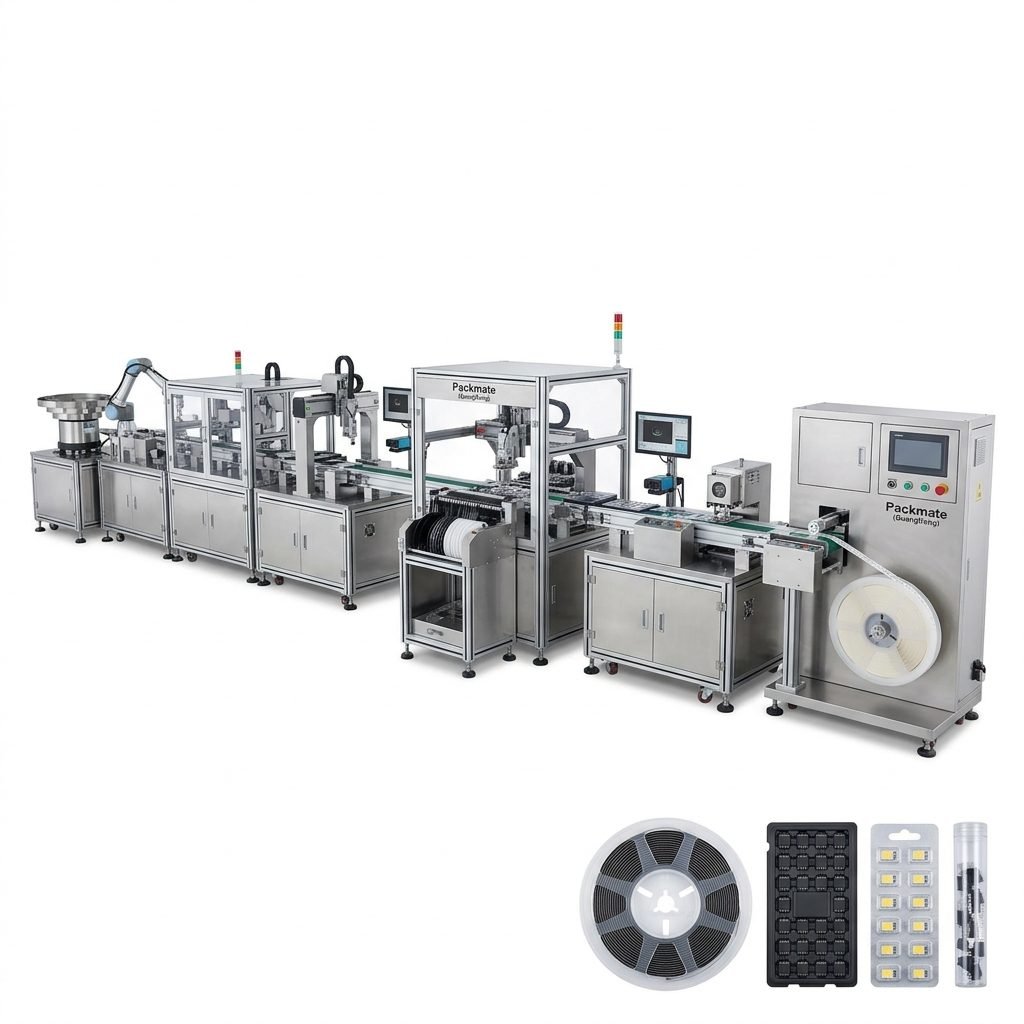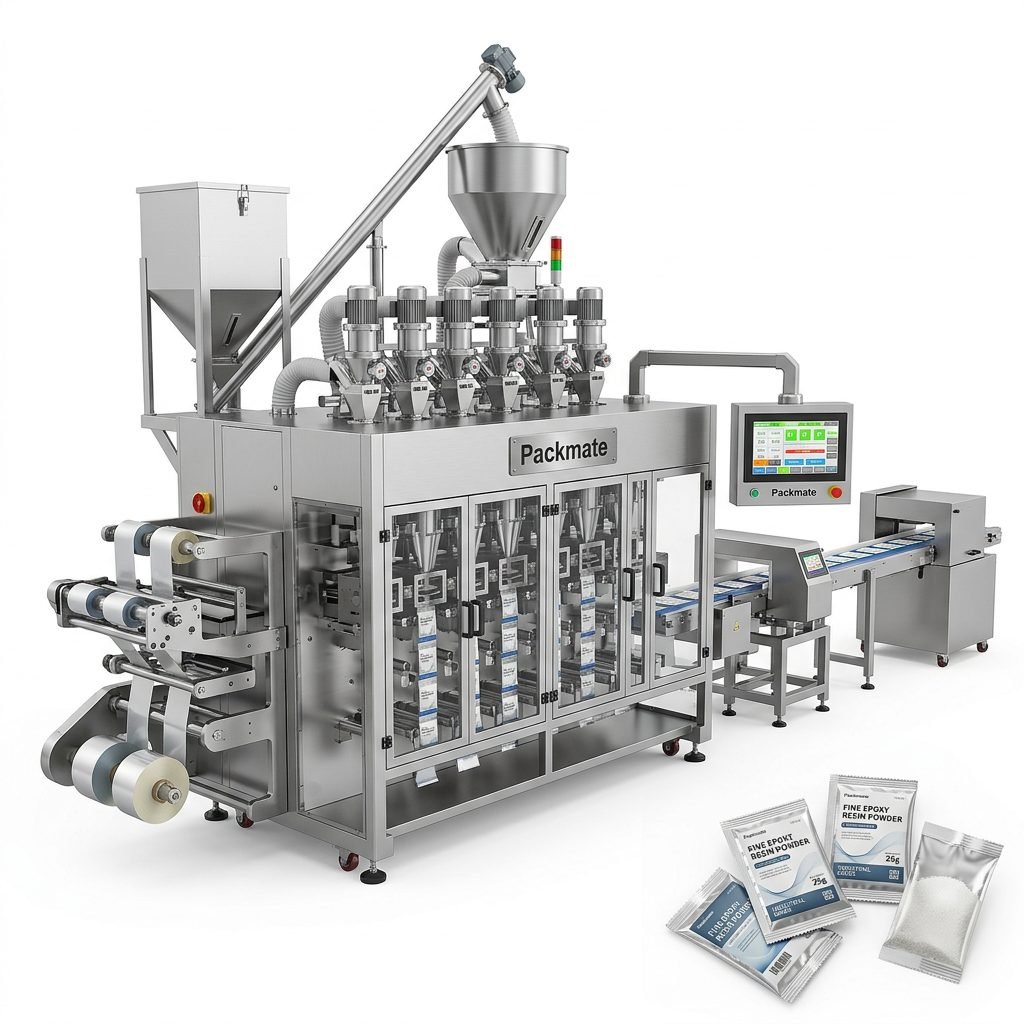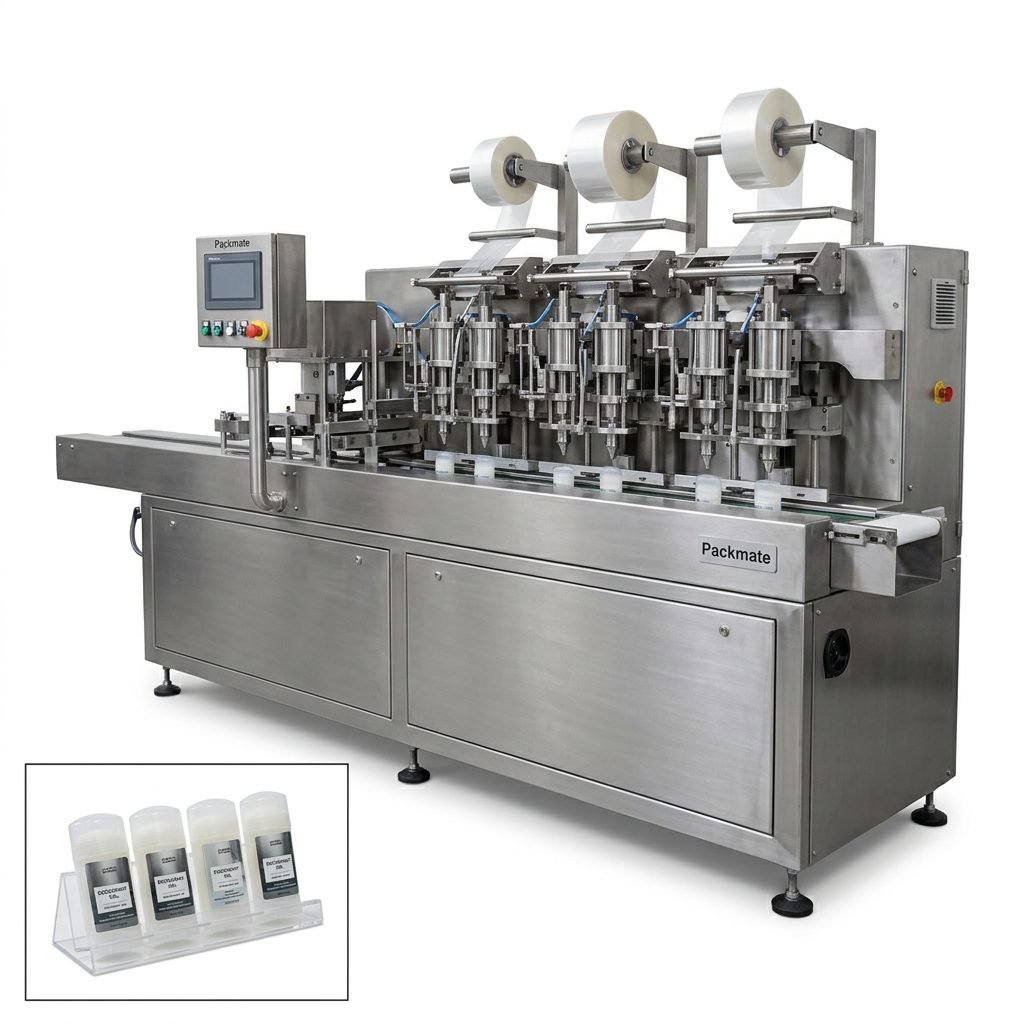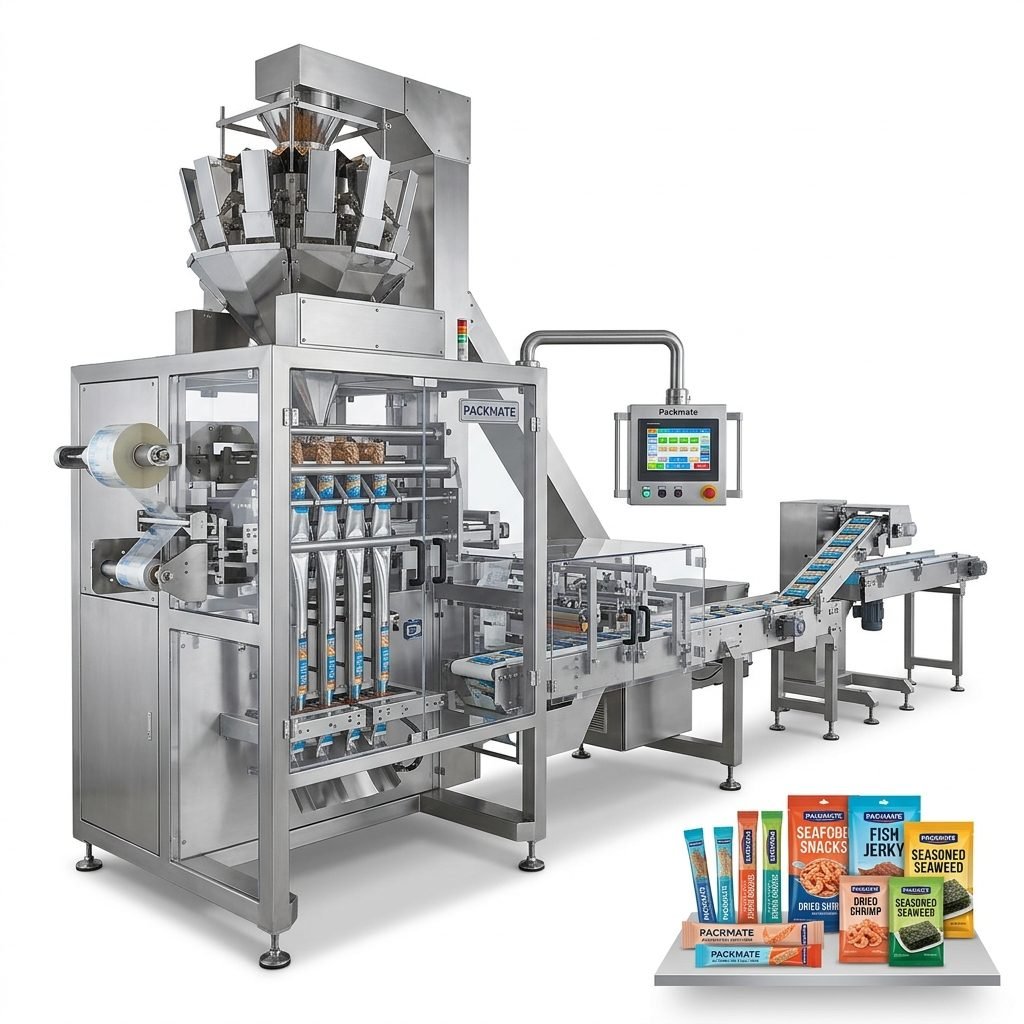
In today’s fast-paced and highly regulated manufacturing landscape, achieving seamless, efficient, and compliant production is paramount. For industries where product integrity is non-negotiable—such as food, pharmaceuticals, and health products—the packaging process is not merely a final step but a critical component of the entire value chain. This is where the expertise of a specialized Packaging Line Integration Manufacturer becomes indispensable. These providers deliver comprehensive turnkey solutions that transform complex packaging challenges into streamlined, reliable operations.
The Critical Role of Integrated Packaging Lines
An integrated packaging line is more than a collection of individual machines. It is a synchronized ecosystem where dosing, filling, sealing, labeling, coding, and cartoning operations work in perfect harmony. For sensitive sectors, this integration ensures:
➤ Uncompromised Product Safety: Minimizing human handling and exposure to contaminants is crucial in pharma and food. Automated, closed systems maintain sterile environments.
➤ Regulatory Compliance: Adherence to standards like FDA, cGMP, and HACCP is built into the line’s design, with traceability and documentation features.
➤ Operational Efficiency: Eliminating bottlenecks between discrete machines maximizes throughput and Overall Equipment Effectiveness (OEE).
➤ Scalability & Flexibility: A well-designed integrated line can adapt to changing product formats, batch sizes, and market demands without major overhauls.
Tailored Solutions for Core Industries
A premier manufacturer doesn’t offer a one-size-fits-all approach. Instead, they engineer solutions with deep industry-specific knowledge.
Food & Beverage Packaging
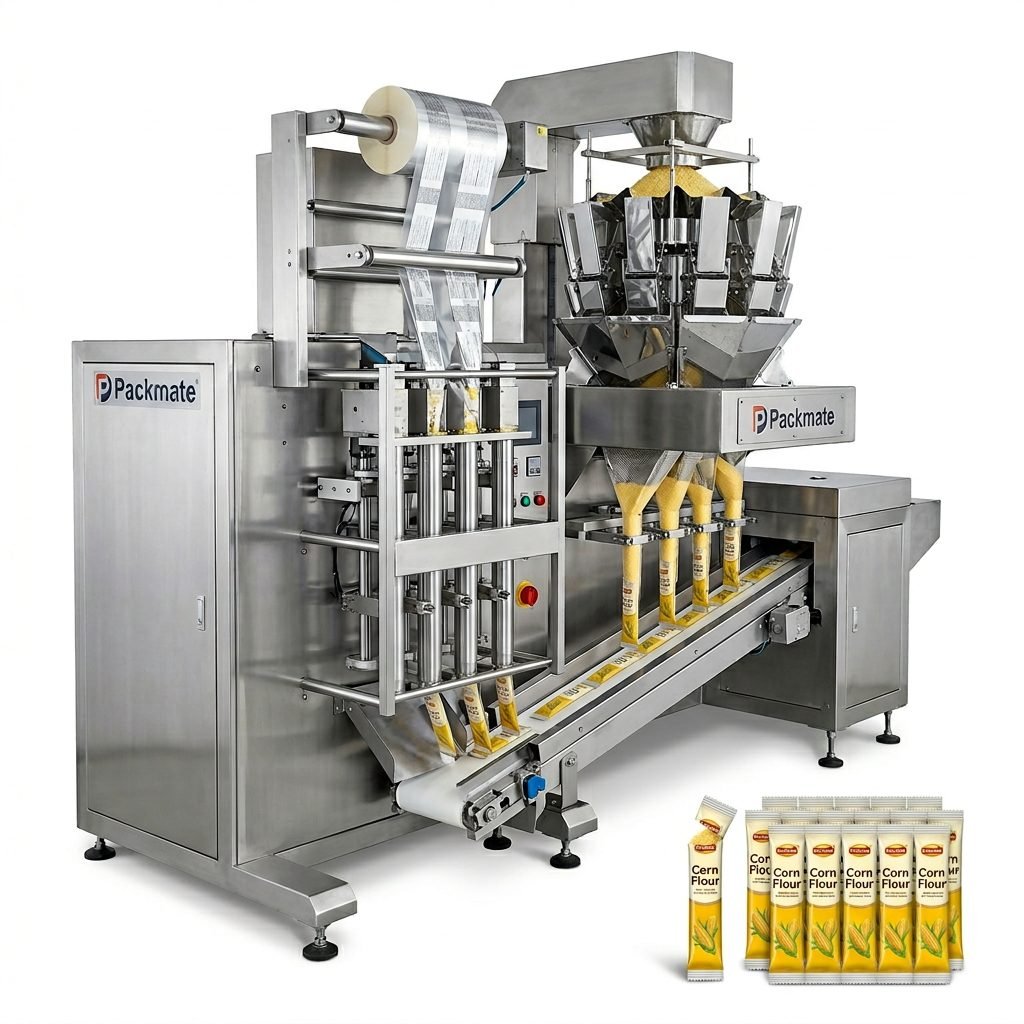
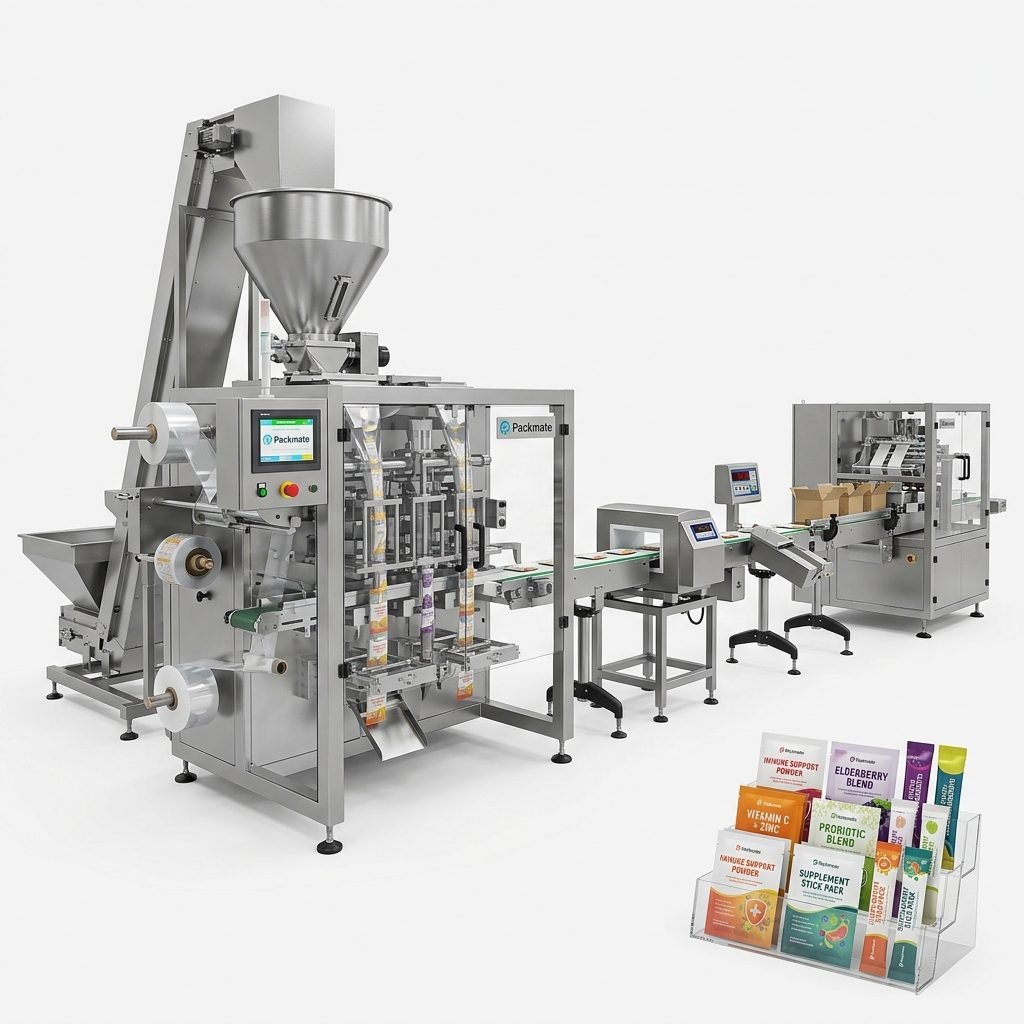
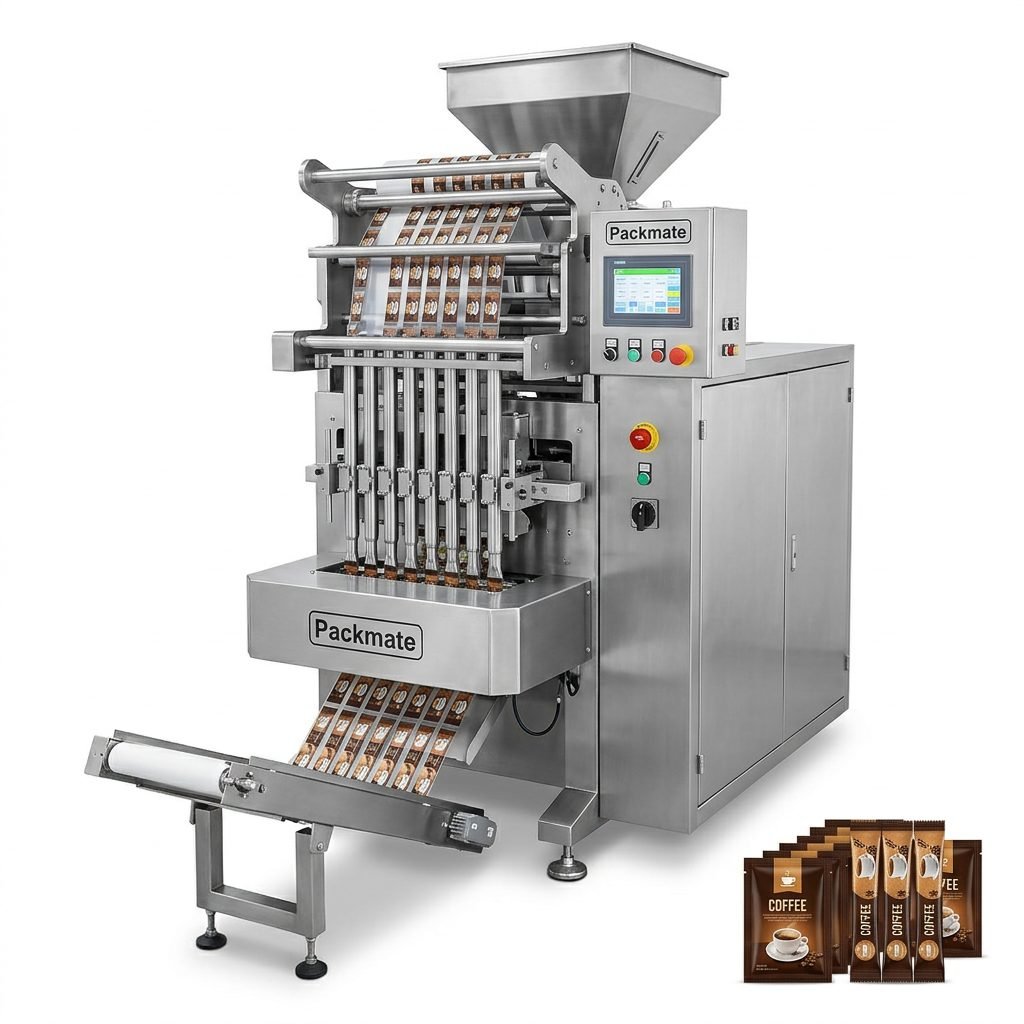
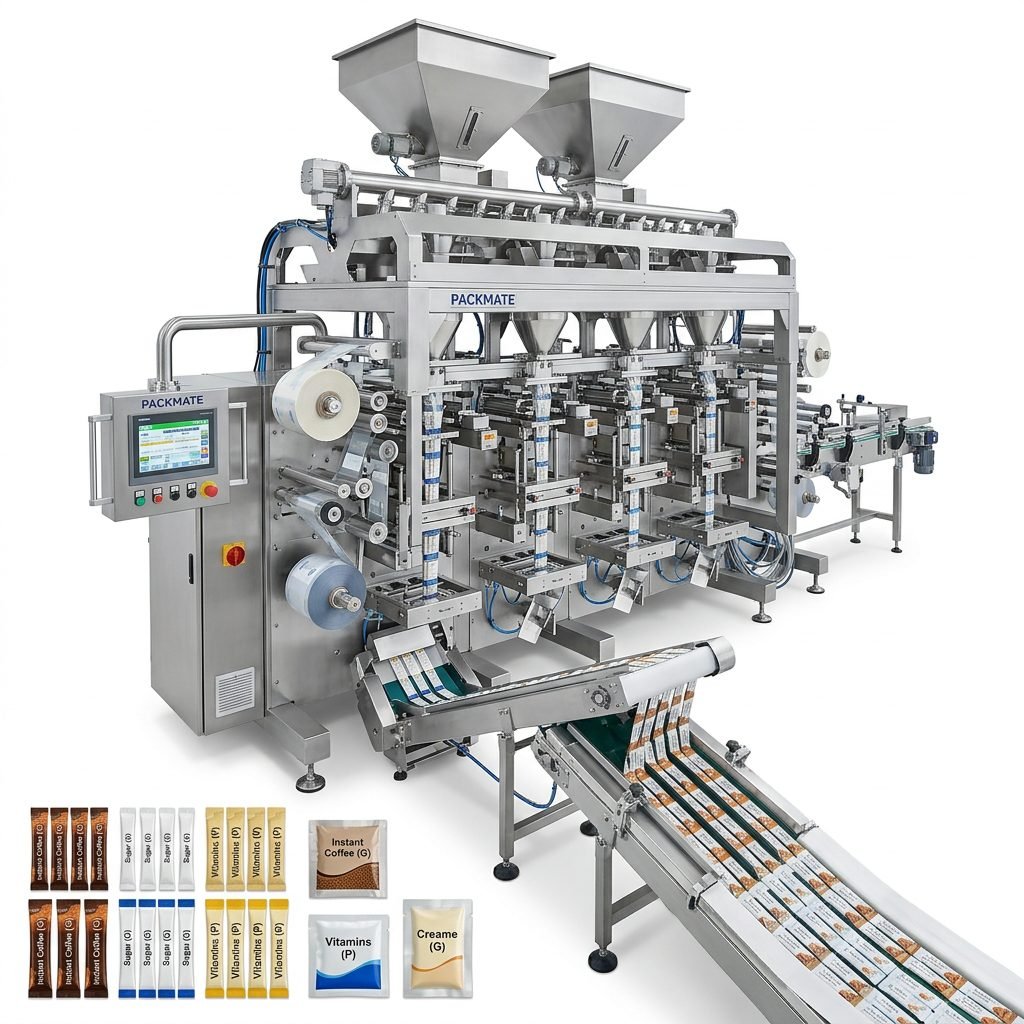
From hygroscopic powders like protein supplements to viscous liquids like sauces and oils, food packaging demands versatility. Turnkey solutions here focus on preserving freshness, preventing oxidation, and ensuring appealing shelf presentation. High-speed multi-lane stick pack and sachet machines are ideal for single-serve portions, snacks, and condiments, offering consumers convenience while boosting production rates.
Pharmaceutical & Nutraceutical Packaging
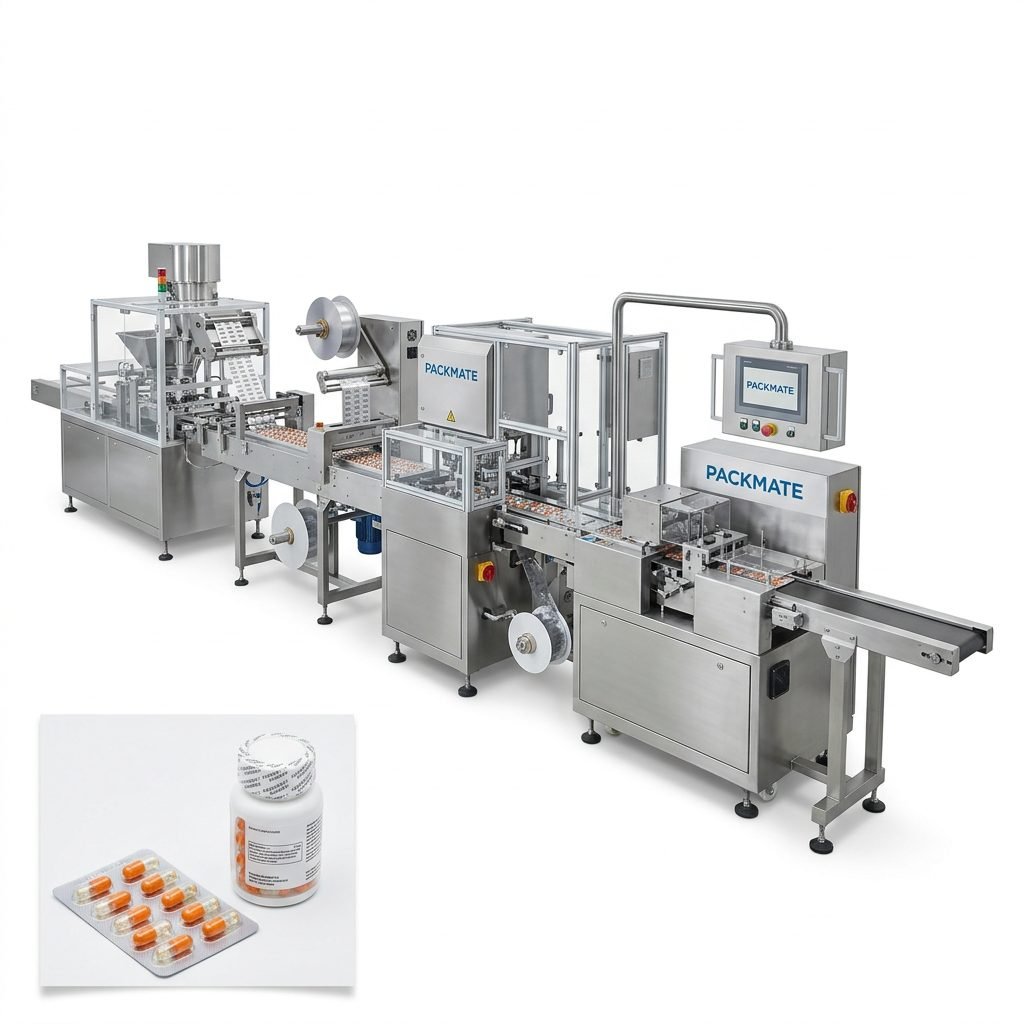
Precision and compliance are the watchwords. Integrated lines for tablets, capsules, powders, and liquids must guarantee accurate dosing, tamper-evident seals, and complete serialization for track-and-trace. The machinery often incorporates clean-design principles, easy-sanitation features, and validation support to meet stringent global regulations.
Health & Wellness Products
This booming sector, encompassing everything from herbal teas to vitamin granules, requires packaging that protects delicate ingredients and communicates brand purity. Solutions often combine the precision of pharma with the high-speed appeal of food packaging, utilizing formats like stick packs and pouches that align with a health-conscious, on-the-go lifestyle.
What Defines a True Turnkey Solution?
Partnering with a manufacturer like Packmate (GuangDong) Co., Ltd. for a turnkey project means entrusting them with the entire process, from concept to commissioning. This holistic approach typically includes:
- Consultation & Feasibility Study: Understanding your product, output goals, and facility constraints.
- Customized Line Design: Engineering a layout that optimizes flow, space, and future expansion. Explore their range of packaging solutions.
- Manufacturing & Sourcing: Building core machines and integrating best-in-class peripherals (like vision systems or robots).
- Factory Acceptance Testing (FAT): You witness the line running at their facility before shipment.
- Installation & Site Commissioning: Expert engineers install, calibrate, and fine-tune the line on your factory floor.
- Training & Documentation: Comprehensive training for your operators and maintenance teams.
- Ongoing Support: Reliable after-sales service, spare parts, and technical support to ensure long-term productivity.
The Packmate Advantage: A Case Study in Integration
With over 22+ years of development, Packmate exemplifies the turnkey integration specialist. Operating from a modern 20,000㎡ facility in Guangdong, China—a hub of advanced manufacturing—they leverage deep technical expertise to serve global clients. Their journey from a specialized workshop to a leading provider mirrors the evolution of packaging automation itself.
Their strength lies in designing lines for challenging products: granules, powders, and liquids. Whether it’s a high-speed multi-lane line for instant coffee sticks or a precision liquid filling line for pharmaceutical syrups, Packmate’s approach is rooted in reliability and innovation. You can see practical applications in their portfolio of successful case studies.
Their commitment extends beyond the machine. By offering a true single-point service responsibility, they ensure that all components—from the primary pouch machine to the downstream cartoner—communicate flawlessly, reducing interface issues and providing you with one dedicated partner for all support needs.
Key Considerations When Choosing Your Integration Partner
Selecting the right manufacturer is a strategic decision. Key evaluation criteria include:
1. Proven Industry Experience: Do they have a track record in your specific sector (food, pharma, health)? Request relevant references and case studies.
2. Technical & Engineering Depth: Assess their in-house R&D, customization capability, and understanding of current technologies like IoT for predictive maintenance.
3. Project Management Capability: A turnkey project requires meticulous planning. Ensure they have a dedicated PM team to keep timelines and budgets on track.
4. Global Support Network: For international clients, the availability of local service engineers or readily dispatchable support is critical for minimizing downtime.
5. Commitment to Quality: Certifications (like CE, ISO) are a baseline. Inspect their manufacturing quality controls and testing protocols during a factory visit, which you can arrange via their contact page.
The Future: Smart, Sustainable Integration
The next frontier for packaging line integration is the incorporation of Industry 4.0 principles. Smart lines will feature enhanced data collection, real-time OEE dashboards, predictive analytics, and greater energy efficiency. Leading manufacturers are already designing solutions with sustainability in mind—reducing material waste, optimizing energy consumption, and facilitating the use of recyclable packaging materials.
Frequently Asked Questions (FAQs)
1. What is the main benefit of a turnkey packaging line versus buying machines separately?
The primary benefit is single-point responsibility and guaranteed system compatibility. A turnkey provider designs, integrates, and commissions the entire line as a cohesive system, ensuring all machines work together optimally. This eliminates interface risks, reduces project management burden on you, and provides one vendor for all service and support needs.
2. How long does it typically take from project initiation to a fully operational line?
The timeline varies significantly based on line complexity and customization. A standard, pre-engineered line might be operational in 4-6 months, while a highly customized solution for a novel product could take 9-12 months or more. A reputable manufacturer will provide a detailed project timeline after the initial feasibility study.
3. Can an integrated line handle multiple different products or package formats?
Yes, flexibility is a key design goal for modern lines. Through features like quick-change parts, programmable logic controller (PLC) recipes, and adjustable mechanics, many integrated lines can run a family of similar products (e.g., different flavors of the same powder) with minimal changeover time. Discuss your required flexibility upfront during the design phase.
4. What kind of training and documentation is provided with a turnkey solution?
Comprehensive training for machine operators, maintenance technicians, and line supervisors is standard. Documentation should include detailed machine manuals, electrical and pneumatic diagrams, maintenance schedules, spare parts lists, and often video guides. This knowledge transfer is crucial for achieving sustained line performance and independence.
5. How do you ensure the line will comply with our local and industry regulations?
An experienced manufacturer will design compliance into the line from the start. They should be well-versed in international standards (e.g., FDA, CE, cGMP) and use compliant components. They will provide the necessary technical documentation to support your validation and regulatory submission processes. Always verify their certifications and discuss your specific regulatory requirements in detail.