In the fast-paced world of manufacturing, a packaging line is the critical final step before a product reaches the consumer. Any defect at this stage can lead to significant financial losses, damaged brand reputation, and potential safety hazards. For operations managers and quality assurance professionals, understanding the root causes of these defects and implementing robust control measures is paramount. This article delves into the common causes of packaging line defects, explores effective quality control solutions, and provides actionable strategies to prevent them, ensuring your line operates at peak efficiency and reliability.
Common Causes of Packaging Line Defects
Defects can arise from a multitude of factors, often interlinked. Identifying these is the first step toward a solution.
1. Machine-Related Issues
Wear and tear on critical components like seals, cutters, and feeders is a primary culprit. Misalignment, often due to vibration or improper setup, can cause incorrect filling, skewed labels, or poor seal integrity. Inadequate or inconsistent maintenance schedules accelerate these problems, leading to unexpected downtime and defect spikes.
→ Key Insight: Regular, preventive maintenance based on machine hours, not just when a failure occurs, is non-negotiable for defect prevention. A partner like Packmate, with decades of engineering expertise, can provide tailored maintenance protocols for your specific line.
2. Material Inconsistencies
The quality of packaging materials—films, laminates, cartons, inks, and adhesives—directly impacts the final output. Variations in material thickness, tensile strength, or coating can cause seals to fail, prints to smudge, or packages to tear. Using substandard or off-spec materials to cut costs is a false economy that always results in higher defect rates.
3. Human Operator Error
Despite increasing automation, human involvement remains. Errors can include incorrect parameter input (e.g., temperature, speed), improper loading of materials, or failure to spot early warning signs during routine checks. Inadequate training and unclear standard operating procedures (SOPs) significantly increase this risk.
4. Environmental Factors
Packaging lines are sensitive to their environment. Fluctuations in temperature and humidity can affect material behavior (e.g., film becoming brittle or adhesive not curing) and machine performance. Dust and particulate contamination can compromise seal areas or product purity, especially critical in pharmaceutical and food packaging solutions.
5. Design & Integration Flaws
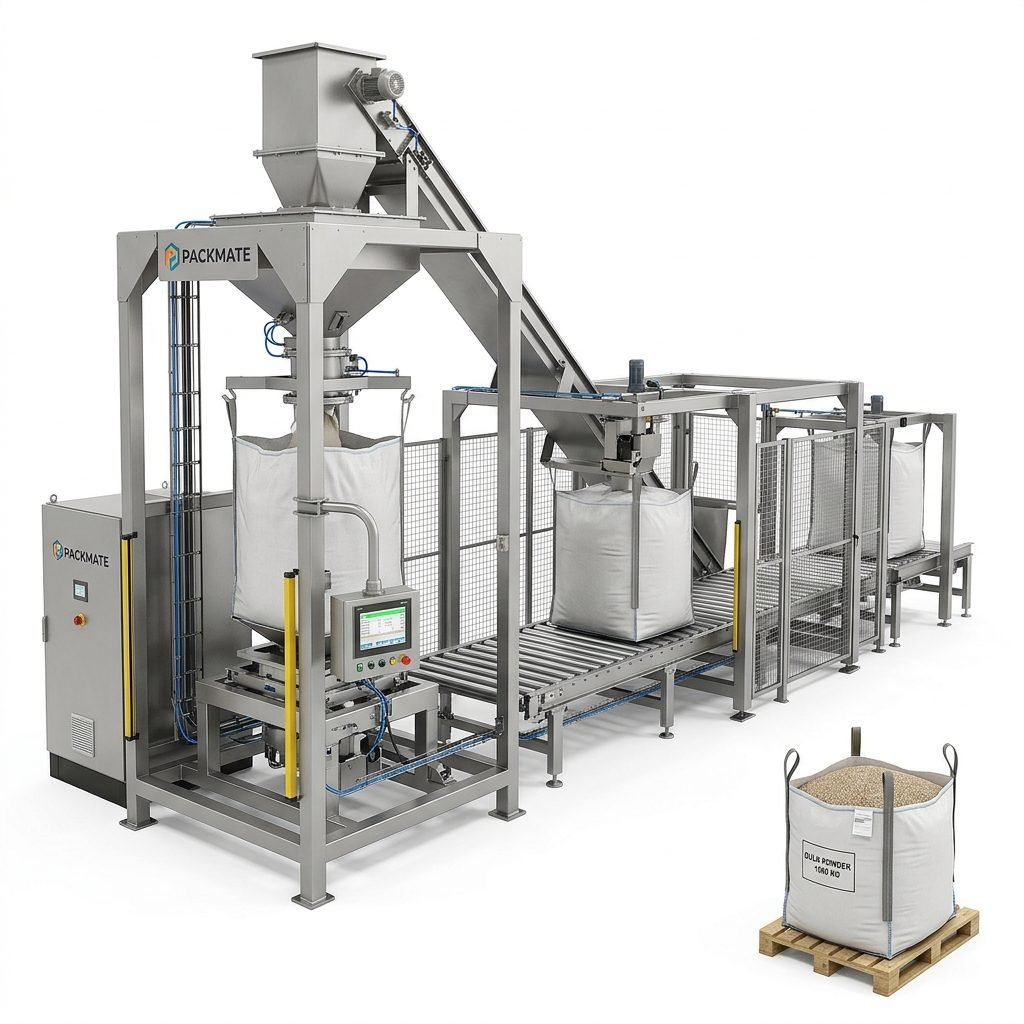
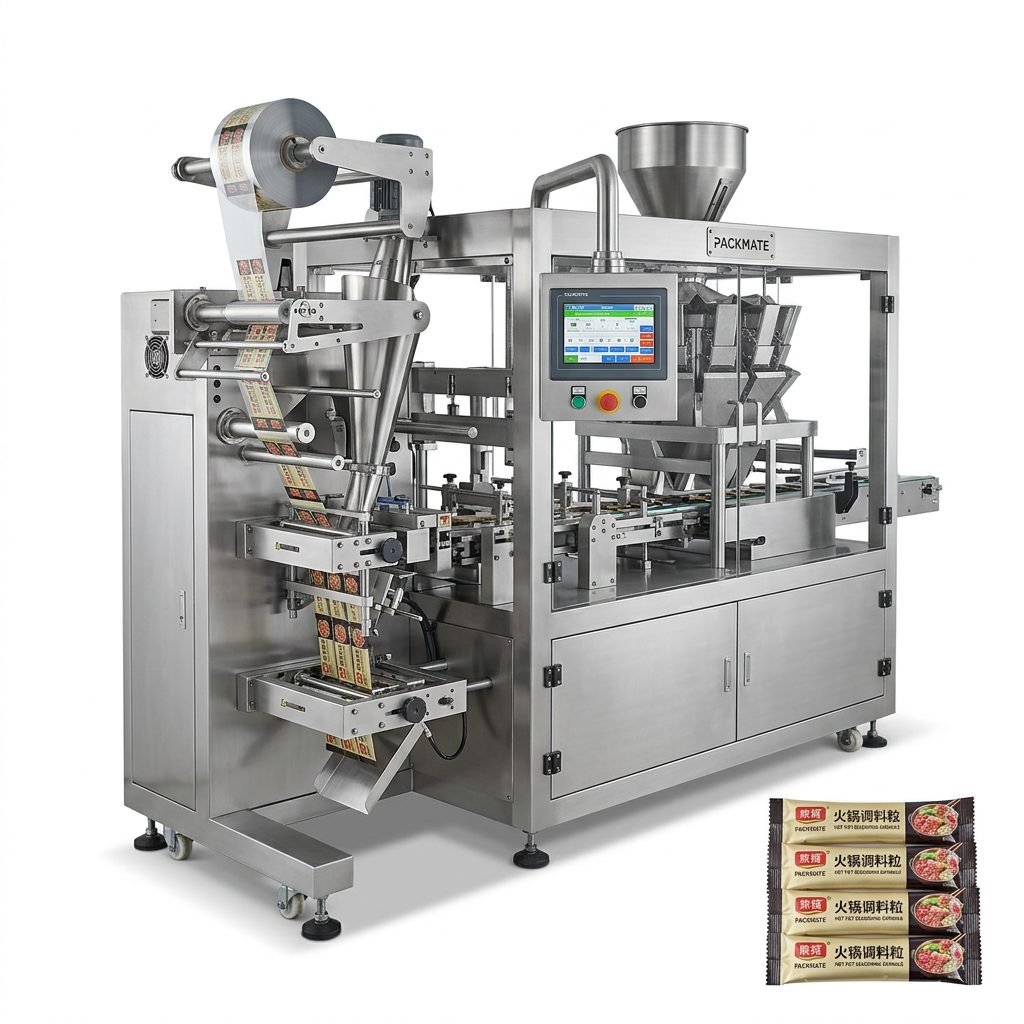
Sometimes the defect source is inherent in the line’s design. Machines from different manufacturers may not communicate seamlessly, creating bottlenecks or handling errors. A poorly designed line layout can cause product jams or unnecessary stress on packages. This underscores the value of a turnkey solution from a single, experienced provider.
Effective Quality Control Solutions
Proactive quality control transforms a reactive defect-management process into a strategic asset.
In-Line Inspection Systems
Modern vision systems and sensors are the eyes of the packaging line. They can perform 100% inspection for:
- Fill Level: Ensuring each package contains the correct amount.
- Seal Integrity: Detecting leaks, wrinkles, or contaminants in the seal area.
- Print & Label Accuracy: Verifying legibility, position, and code correctness.
- Package Presence: Confirming labels, leaflets, or caps are in place.
These systems instantly reject faulty packages and log data for analysis.
Statistical Process Control (SPC)
SPC involves collecting real-time data from the line (e.g., seal temperature, fill weight) and using control charts to monitor process stability. Trends and variations outside set control limits signal an emerging problem before it results in defects, allowing for preemptive adjustment.
Standardized Procedures & Training
Documented, visual SOPs for setup, operation, changeover, and cleaning are essential. Coupled with regular, hands-on training for operators and technicians, this ensures consistency and empowers your team to be the first line of defense against defects. Reviewing real-world case studies can provide valuable insights into best practices.
The Role of a Trusted Partner
Implementing these solutions is more effective with expert support. A provider like Packmate (GuangDong) Co., Ltd. doesn’t just sell machines; they deliver integrated systems backed by deep process knowledge. From selecting the right inspection technology for your application to training your staff on the new protocols, their partnership is a key quality control solution in itself.
Proactive Strategies for Defect Prevention
Prevention is always more cost-effective than detection and correction. A holistic approach is required.
1. Invest in Robust Line Design & Integration
Choose a packaging line designed as a cohesive unit, not a collection of disparate machines. Ensure the supplier has a proven track record in integrating mechanical, electrical, and software systems smoothly. This minimizes inherent friction points where defects commonly originate.
2. Implement a Rigorous Supplier Quality Program
Treat your material suppliers as an extension of your production line. Establish clear quality specifications, conduct regular audits, and perform incoming material inspections. Consistent, high-quality raw materials are the foundation of a defect-free output.
3. Embrace Predictive Maintenance
Move beyond scheduled maintenance to predictive models. Use data from machine sensors to monitor the health of components like motors, bearings, and heaters. By predicting failures before they happen, you can schedule maintenance during planned downtime, avoiding catastrophic failures that cause major defects and line stoppages.
4. Foster a Culture of Continuous Improvement (Kaizen)
Empower every employee, from operators to managers, to identify and suggest solutions for potential defect sources. Regularly review defect data, hold cross-functional team meetings, and implement small, incremental improvements. This creates a proactive environment where preventing defects is everyone’s goal.
5. Leverage Data Analytics
Collect and analyze data from your inspection systems, machine PLCs, and production logs. Look for correlations between defect types, machine parameters, material batches, and shift patterns. This data-driven insight can reveal hidden root causes and optimize process windows for maximum quality and yield. For ongoing support in this area, explore the comprehensive after-sales services offered by your equipment provider.
Frequently Asked Questions (FAQs)
1. What is the most common type of packaging defect?
In flexible packaging, seal integrity issues (leaks, weak seals, wrinkles) are among the most prevalent. They compromise product safety and shelf life and are often caused by incorrect heat-sealer temperature/pressure, contaminated seal jaws, or inconsistent film quality.
2. How can I quickly reduce defects on an existing line?
Start with a focused audit: 1) Verify all machine settings against the SOP, 2) Check material specifications of the current batch, and 3) Retrain operators on critical checkpoints. Often, simple recalibration and reinforcement of basics yield immediate improvements.
3. Are vision inspection systems worth the investment for small operations?
Absolutely. The cost of a recall, product waste, or brand damage from a single defect event can far exceed the investment in a basic vision system. Modern systems are more scalable and affordable than ever, providing a rapid return on investment through waste reduction and customer protection.
4. How does environmental control prevent defects?
Stable temperature and humidity prevent materials from changing state (e.g., adhesive not setting, film curling), ensure consistent machine performance (e.g., thermal sealers), and reduce static electricity that can cause mis-feeds or attract dust. It’s especially crucial for hygroscopic products or sensitive materials.
5. Can upgrading to a fully integrated line eliminate defects?
While no system is 100% defect-proof, a well-designed, fully integrated line from a single source like Packmate dramatically reduces the points of failure. Seamless communication between modules, unified control software, and design coherence minimize alignment issues, bottlenecks, and handling errors that are prime sources of defects.