In today’s fast-paced and highly regulated manufacturing landscape, achieving consistent quality, operational efficiency, and market agility is paramount. For industries where product integrity directly impacts consumer health and safety—such as food, pharmaceuticals, and health supplements—the packaging process is not merely a final step but a critical component of the value chain. This is where Automated Packaging Technology and comprehensive Turnkey Solutions become indispensable. Moving beyond simple machinery, these integrated systems offer a seamless, controlled, and scalable pathway from raw material to finished, market-ready product.
The Imperative for Automation in Sensitive Industries
The drive towards automation is fueled by more than just the desire for speed. In sectors like food and pharmaceuticals, the stakes involve stringent hygiene standards, precise dosing, traceability, and extended shelf-life. Manual or semi-automated processes introduce variables—human error, contamination risks, and inconsistent sealing—that can compromise product safety and brand reputation. Automated packaging lines eliminate these variables by creating a closed, programmable environment where every parameter, from fill weight to seal integrity, is meticulously controlled and recorded.
→ Key Driver: Regulatory compliance (e.g., FDA, GMP, HACCP) is a non-negotiable requirement. Automated systems provide the documented consistency and control needed to meet and exceed these standards, facilitating smoother audits and certifications.
Core Components of a Modern Turnkey Packaging Line
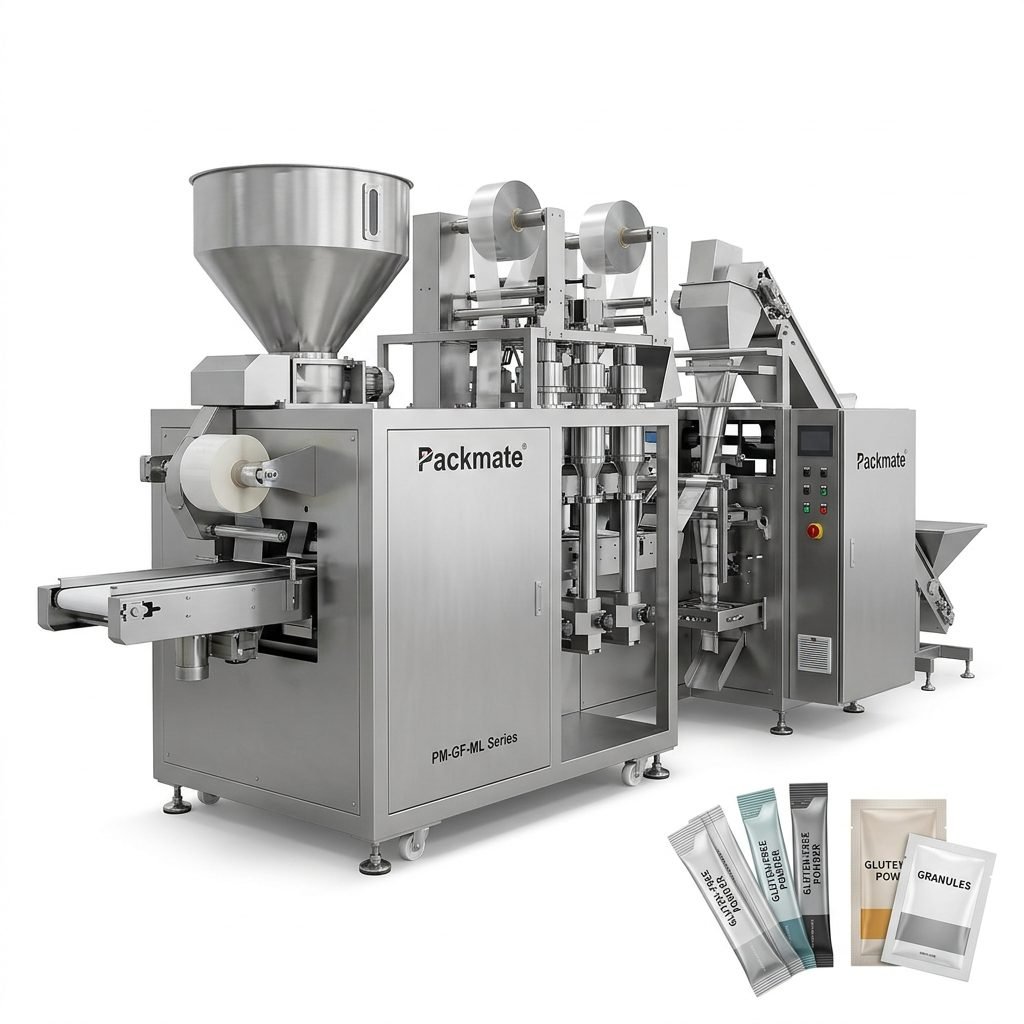
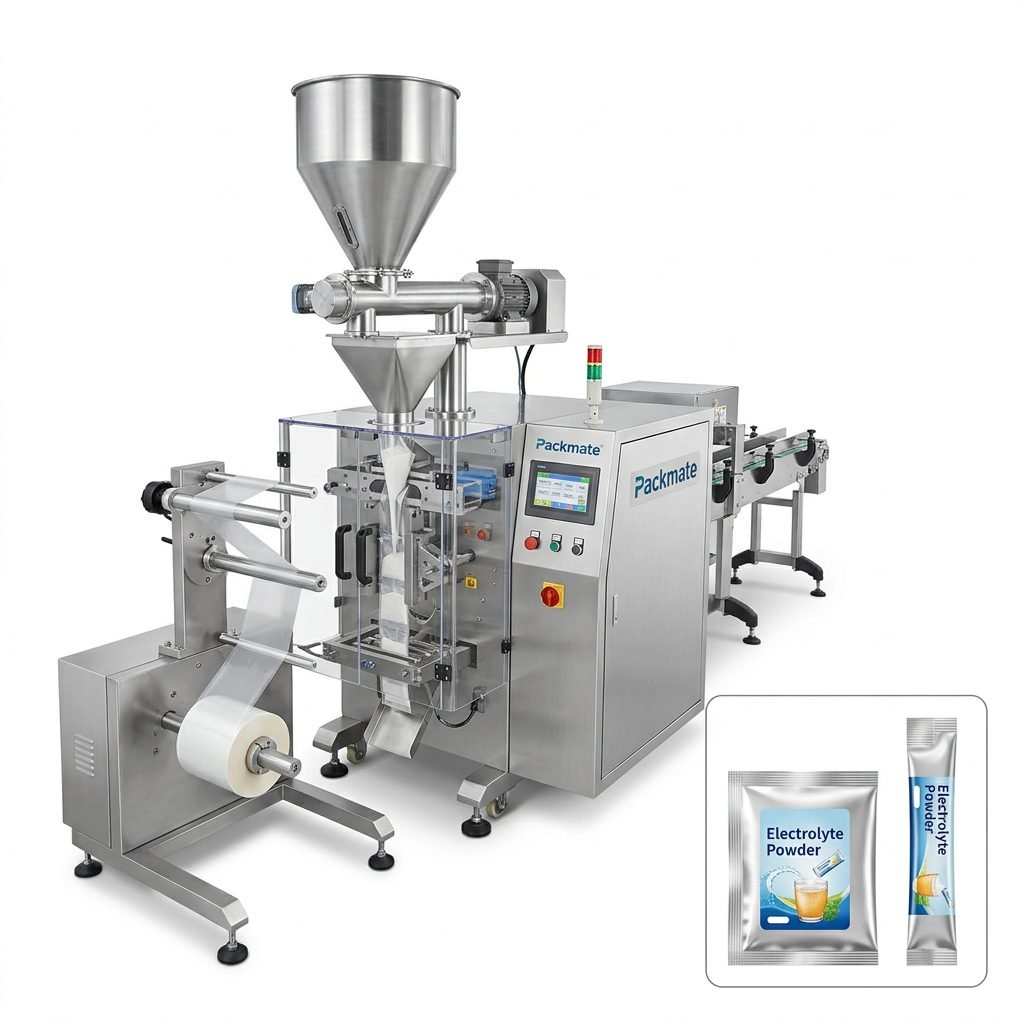
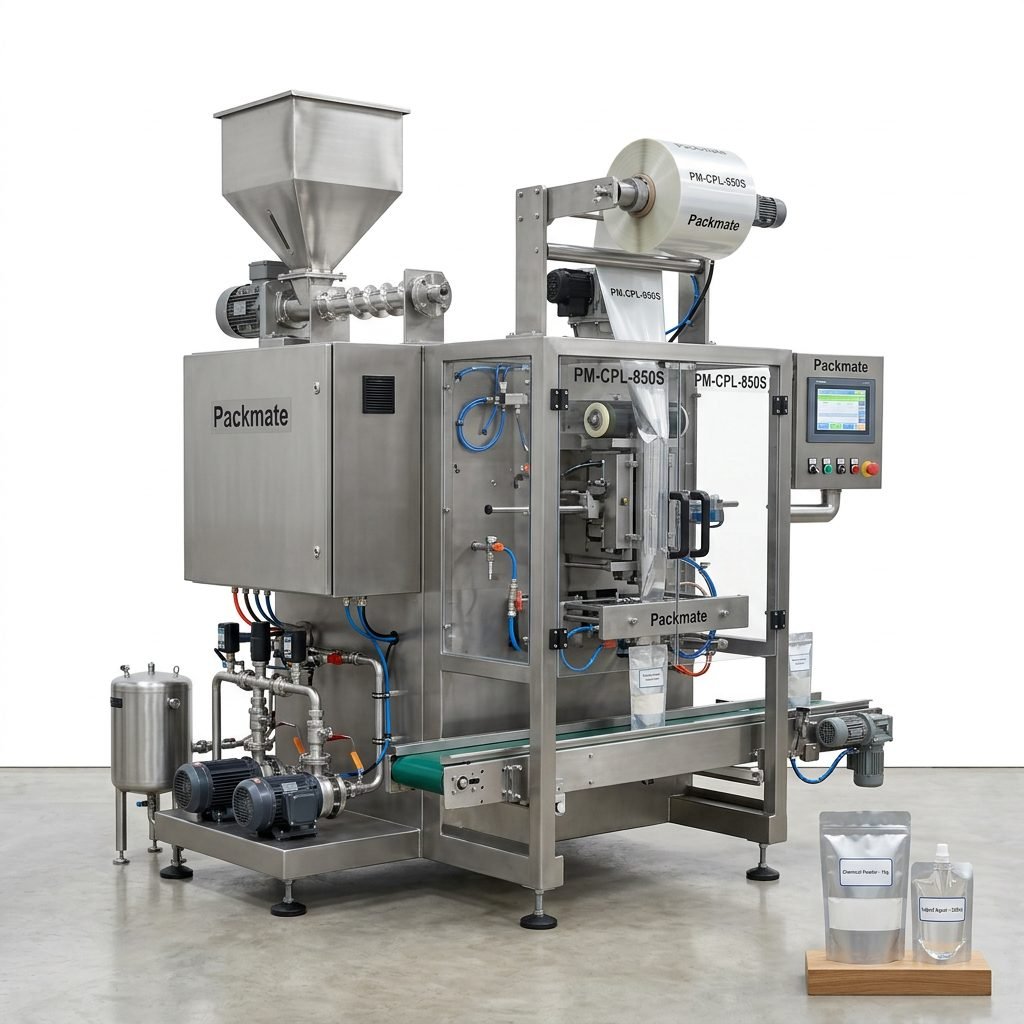
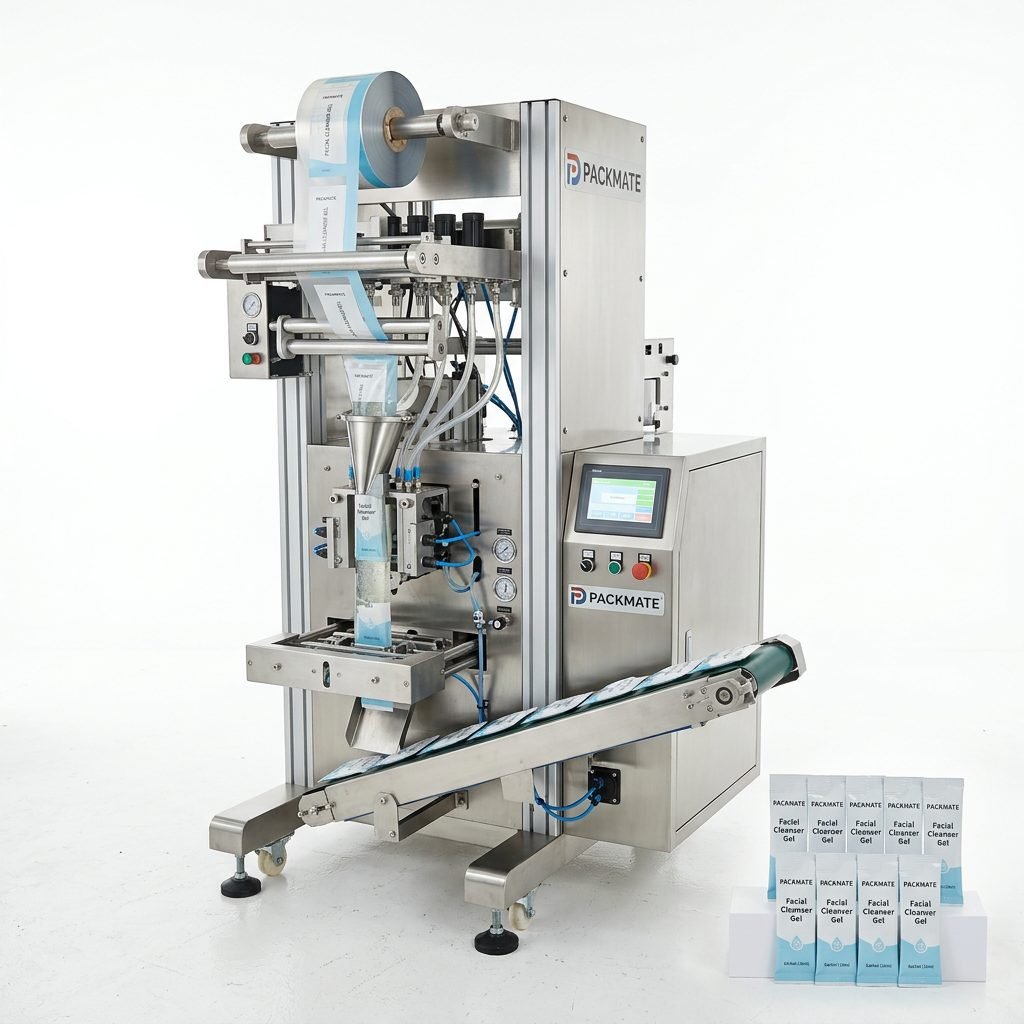
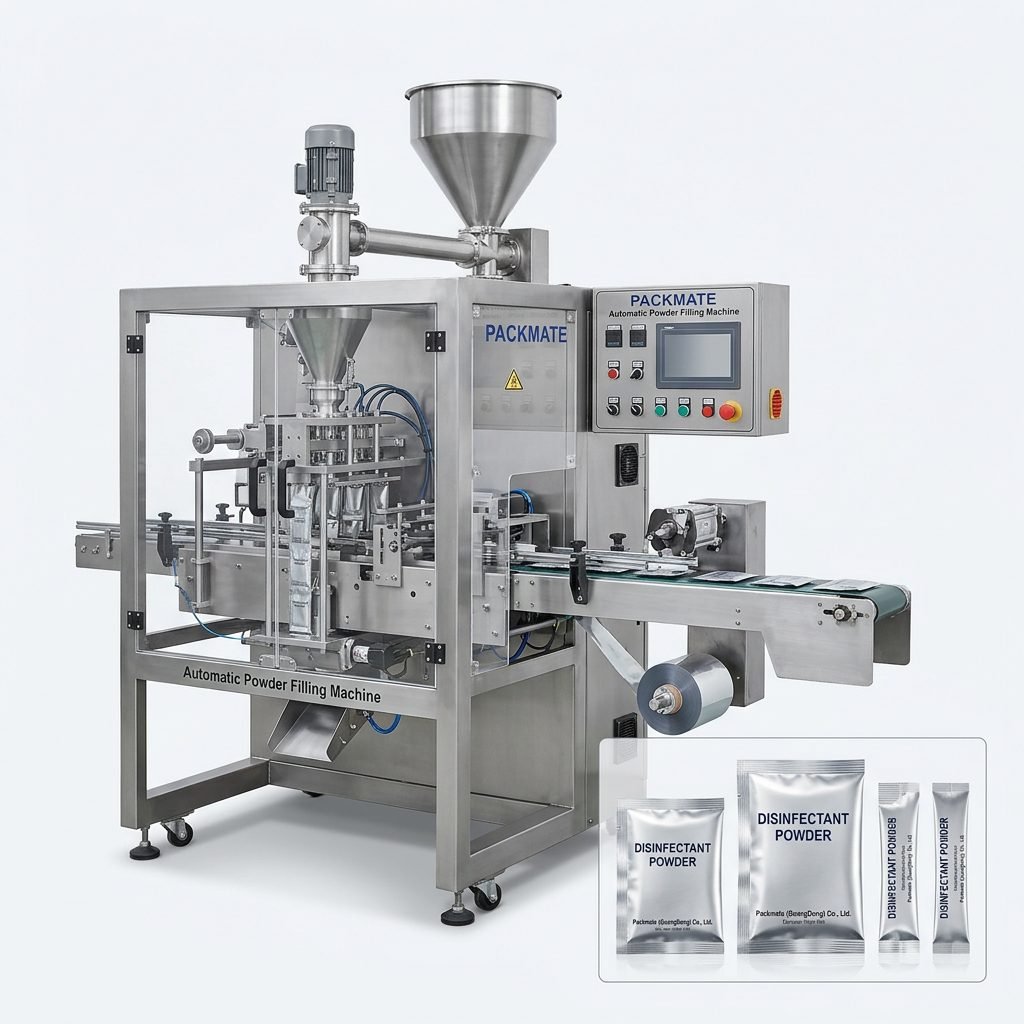
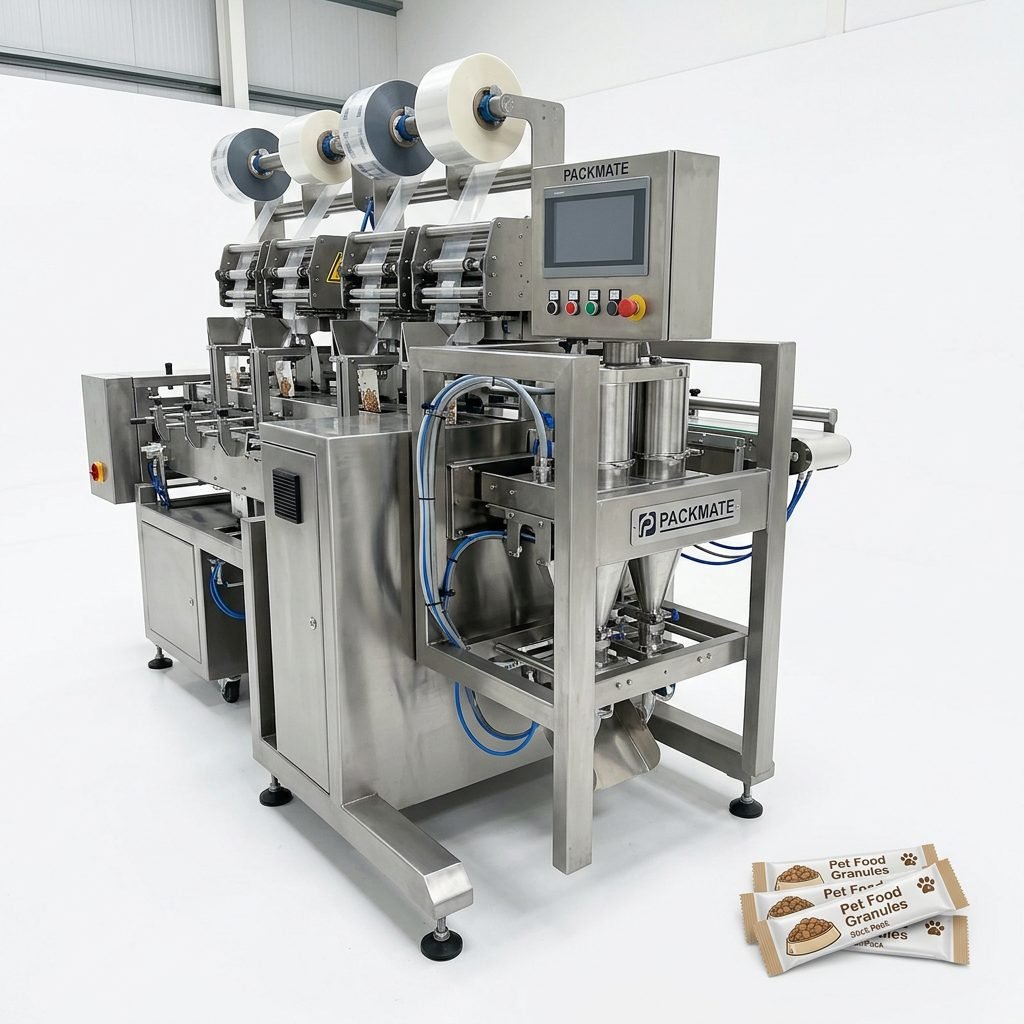
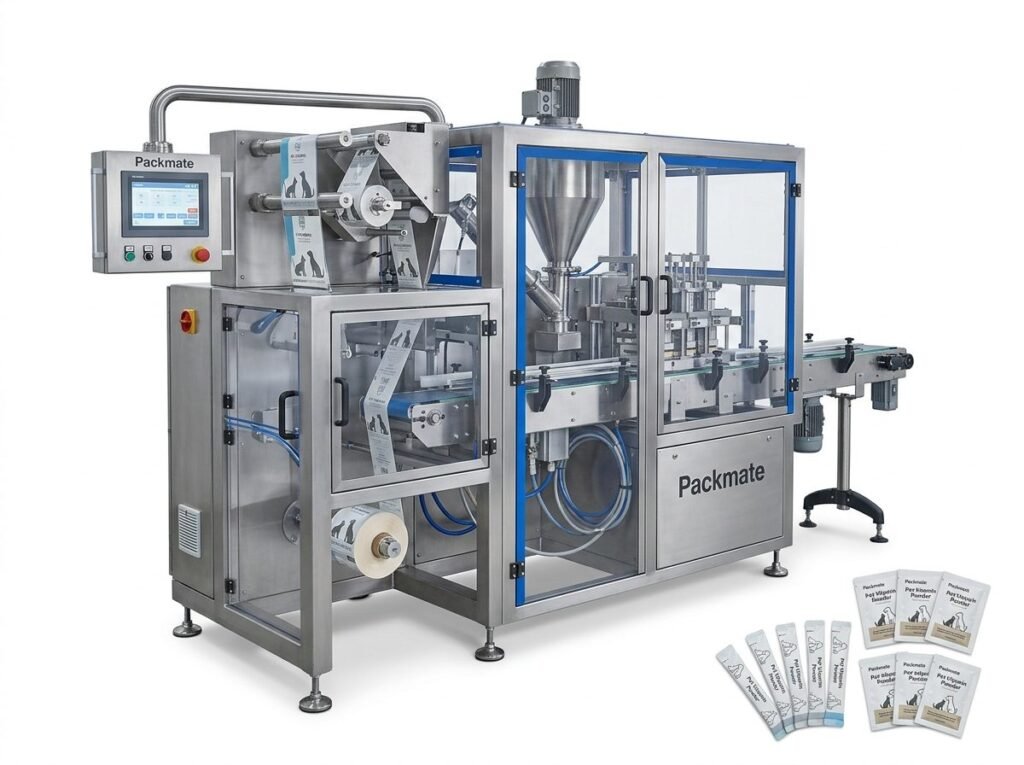
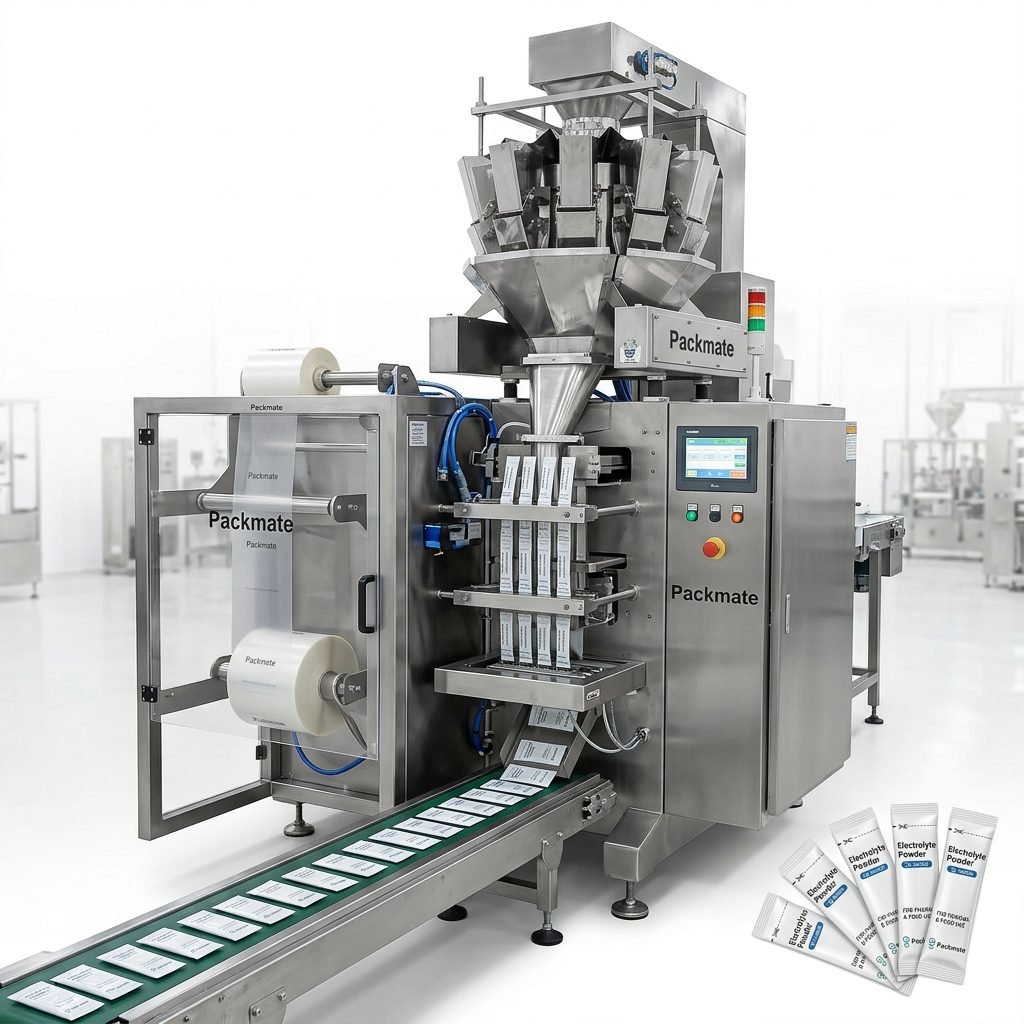
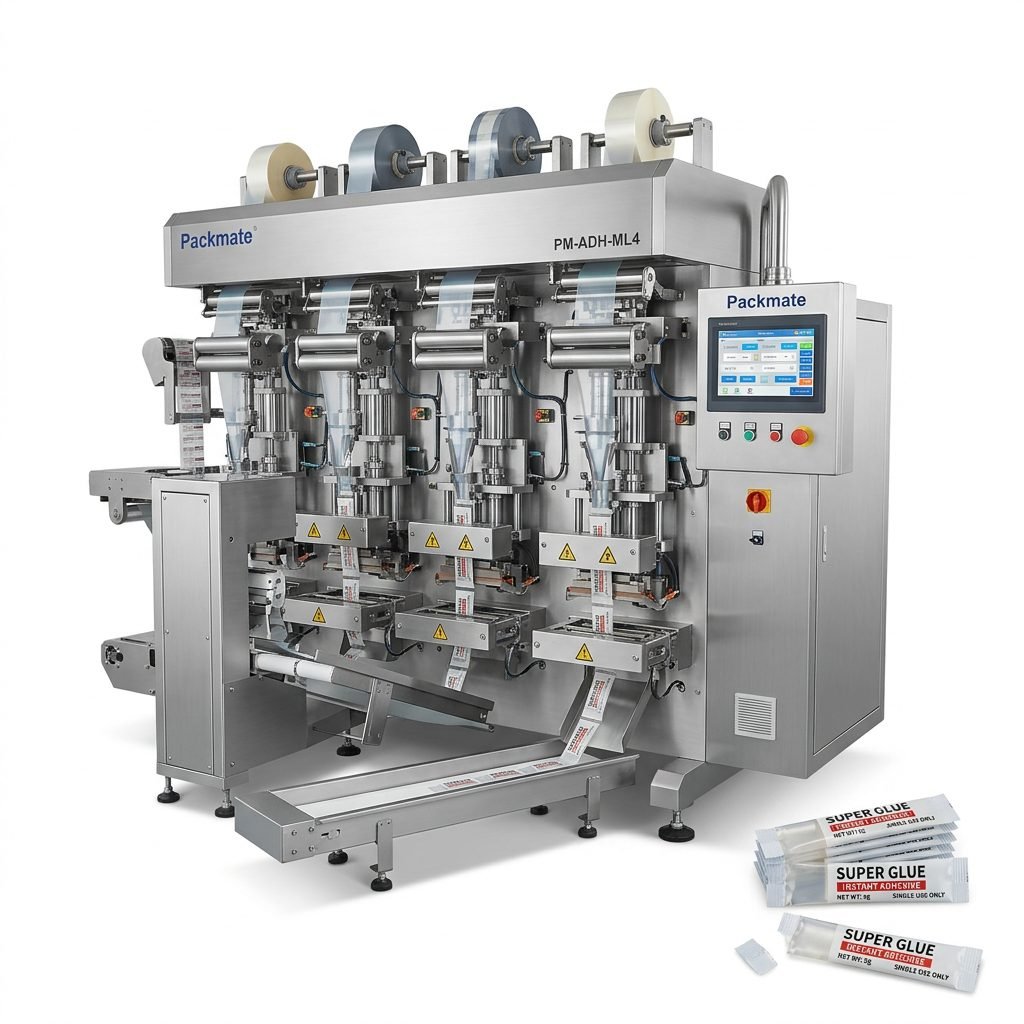
A true turnkey solution is a symphony of integrated technologies. It begins with product handling and feeding systems, ensuring a consistent flow of granules, powders, or liquids. This is followed by the primary packaging process—often utilizing advanced form-fill-seal (FFS) machines to create sachets, stick packs, or pouches from roll stock film. Subsequent stations handle labeling, cartoning, case packing, and palletizing. Crucially, a central Programmable Logic Controller (PLC) and Human-Machine Interface (HMI) orchestrate the entire line, allowing for real-time monitoring, quick changeovers, and data collection for predictive maintenance and OEE analysis.
Tailored Solutions for Specific Product Challenges
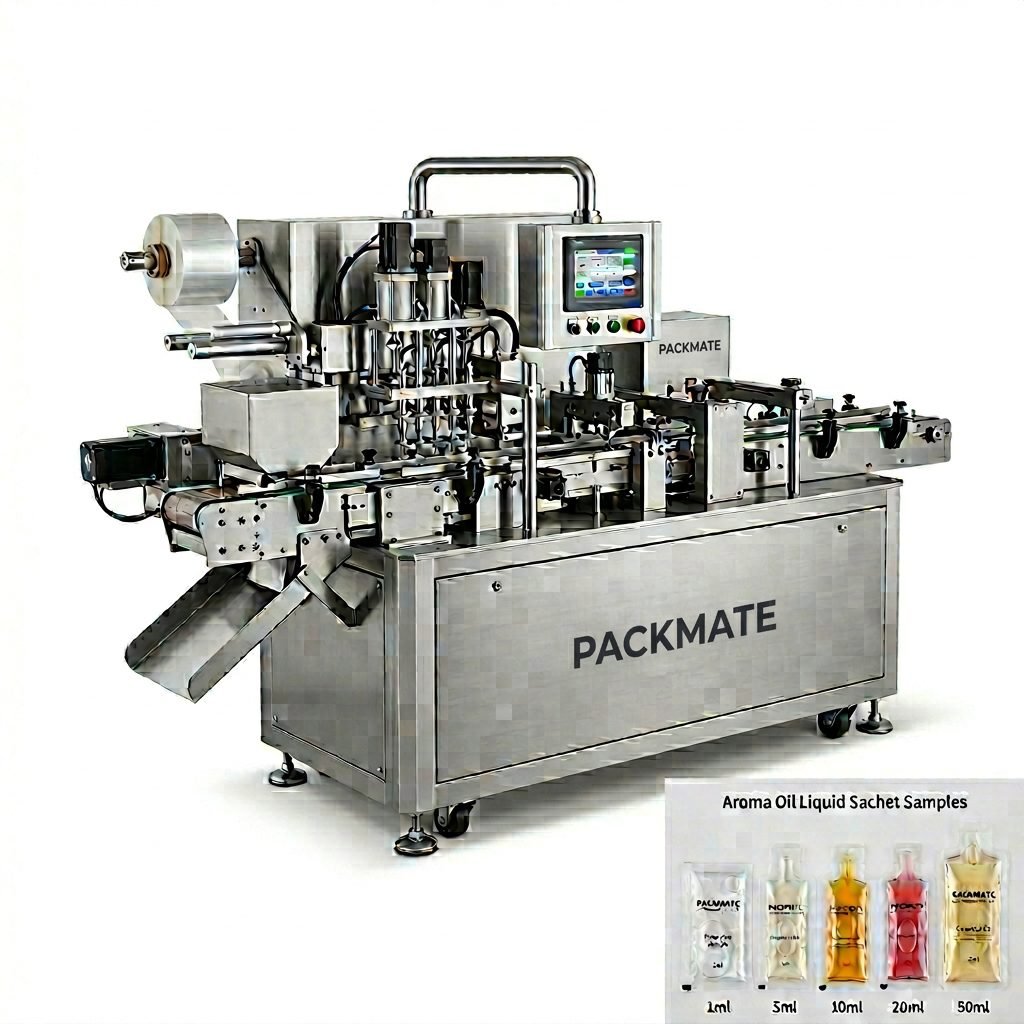
Each product category presents unique challenges that generic equipment cannot address. For pharmaceutical powders, solutions require ultra-precise micro-dosing, dust containment, and clean-in-place (CIP) capabilities. Liquid health supplements demand leak-proof sealing, nitrogen flushing for oxidation prevention, and accurate volumetric filling. Food granules or snacks need high-speed multi-lane operations and robust sealing through potential product contamination. A proficient provider like Packmate (GuangDong) Co., Ltd. designs lines around these specific needs, not the other way around.
The Tangible Benefits of Investing in a Complete System
The return on investment for an automated turnkey line is multi-faceted. The most immediate impact is on operational efficiency, with dramatic increases in output per hour and reductions in labor costs and material waste. Product quality and consistency see significant improvement, leading to fewer customer complaints and enhanced brand loyalty. Furthermore, the scalability of these systems allows businesses to ramp up production to meet market demand without proportional increases in overhead or footprint.
Beyond Machinery: The Value of Partnership
Choosing a turnkey solution is a strategic partnership. The right supplier offers more than hardware; they provide in-depth feasibility analysis, factory acceptance testing (FAT), installation, commissioning, and comprehensive training. With over 22 years of experience and a 20,000㎡ modern facility, Packmate embodies this partnership model. Their team of 125+ professionals ensures that every project, from concept to production, is supported by expertise and a commitment to the client’s long-term success, as detailed in their comprehensive Company Profile.
Future-Proofing with Smart Packaging Technology
The next frontier in automated packaging is connectivity and intelligence. Industry 4.0 principles are being integrated into packaging lines, enabling IoT-enabled sensors for real-time monitoring of machine health, predictive maintenance alerts, and seamless data integration with Enterprise Resource Planning (ERP) and Manufacturing Execution Systems (MES). This digital thread provides unparalleled visibility into the production process, allowing for data-driven decisions that optimize efficiency, reduce downtime, and ensure total traceability from supplier to consumer—a critical capability for serialization in pharmaceuticals.
Ultimately, adopting automated packaging technology is a decisive step towards building a resilient, competitive, and quality-centric manufacturing operation. It transforms packaging from a cost center into a strategic asset that safeguards product integrity, enhances brand value, and drives sustainable growth in the demanding global markets for food, pharmaceutical, and health products.
Frequently Asked Questions (FAQs)
Q1: What is the main difference between a standard packaging machine and a “turnkey” solution?
A: A standard machine is a single piece of equipment. A turnkey solution is a fully integrated, ready-to-operate production line that includes all necessary machines (feeding, filling, sealing, labeling, cartoning), conveyors, electrical controls, software, and often installation, commissioning, and training services. It’s a complete “plug-and-play” system.
Q2: How long does it typically take to commission a new automated packaging line?
A: The timeline varies based on complexity and customization. After design finalization, manufacturing can take 3-6 months. Installation and commissioning on-site typically require 2-4 weeks, followed by operator training. A reputable provider will give you a detailed project timeline from the outset.
Q3: Can these systems handle small batch production or frequent product changeovers?
A: Yes, modern automated lines are designed for flexibility. Features like quick-change tooling, recipe storage on the HMI, and servo-driven adjustments allow for rapid changeovers between different products, package sizes, or materials, making them suitable for small batches and high-mix production.
Q4: What kind of after-sales support and service should I expect?
A: Comprehensive support is crucial. Expect a warranty period, access to spare parts, remote diagnostic support, and the availability of service engineers for on-site maintenance. Providers like Packmate often offer service contracts to ensure maximum uptime and long-term performance of your line.
Q5: How do I determine the right packaging solution for my specific product?
A: The best approach is to consult directly with an experienced solution provider. They will typically request product samples, desired packaging specifications, and output goals to conduct a feasibility study and recommend the optimal machine configuration and film materials for your needs.