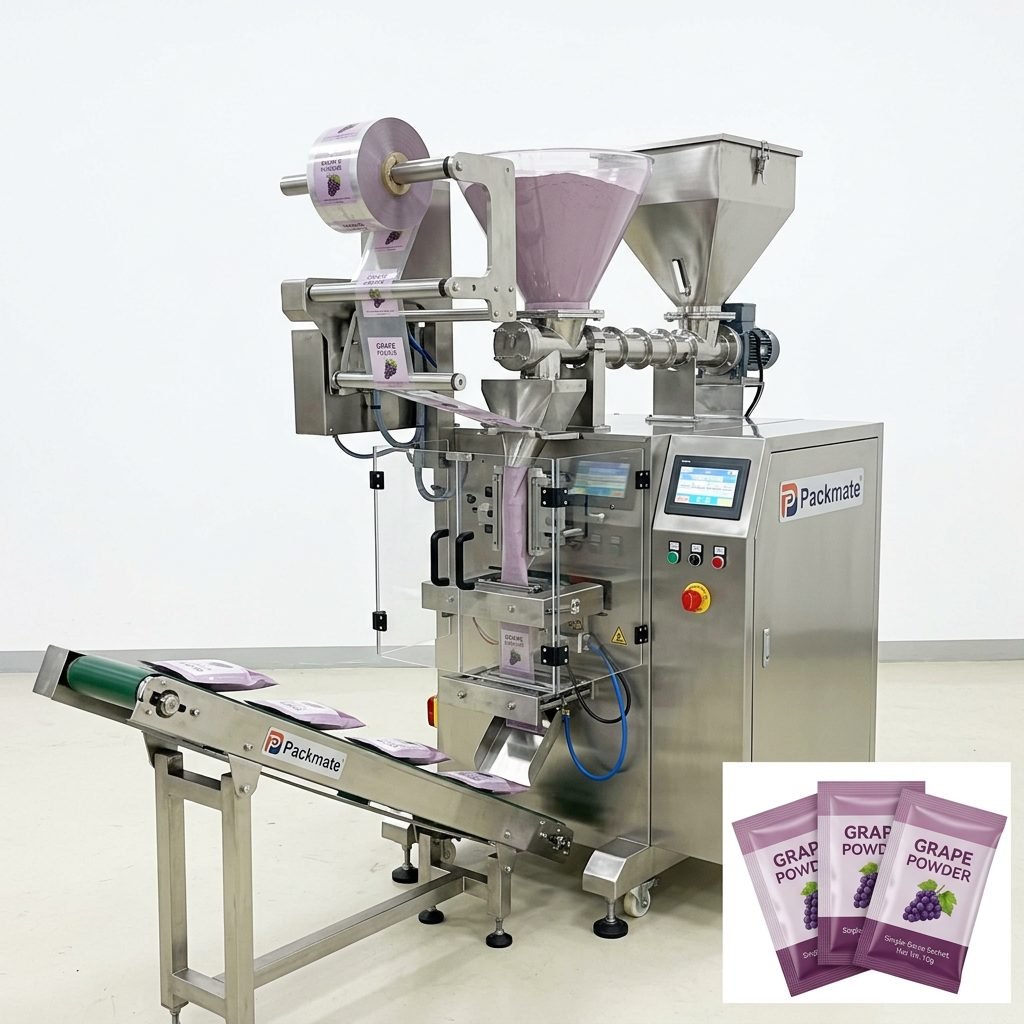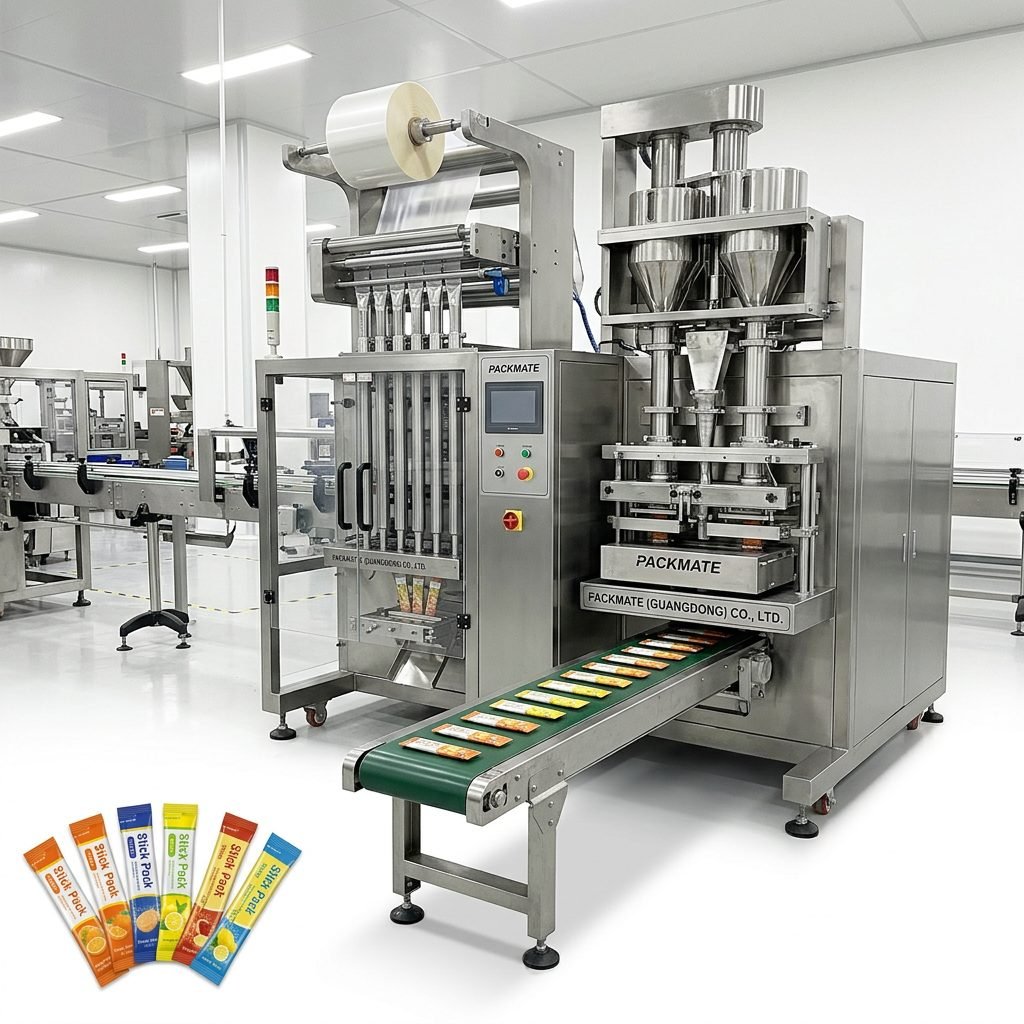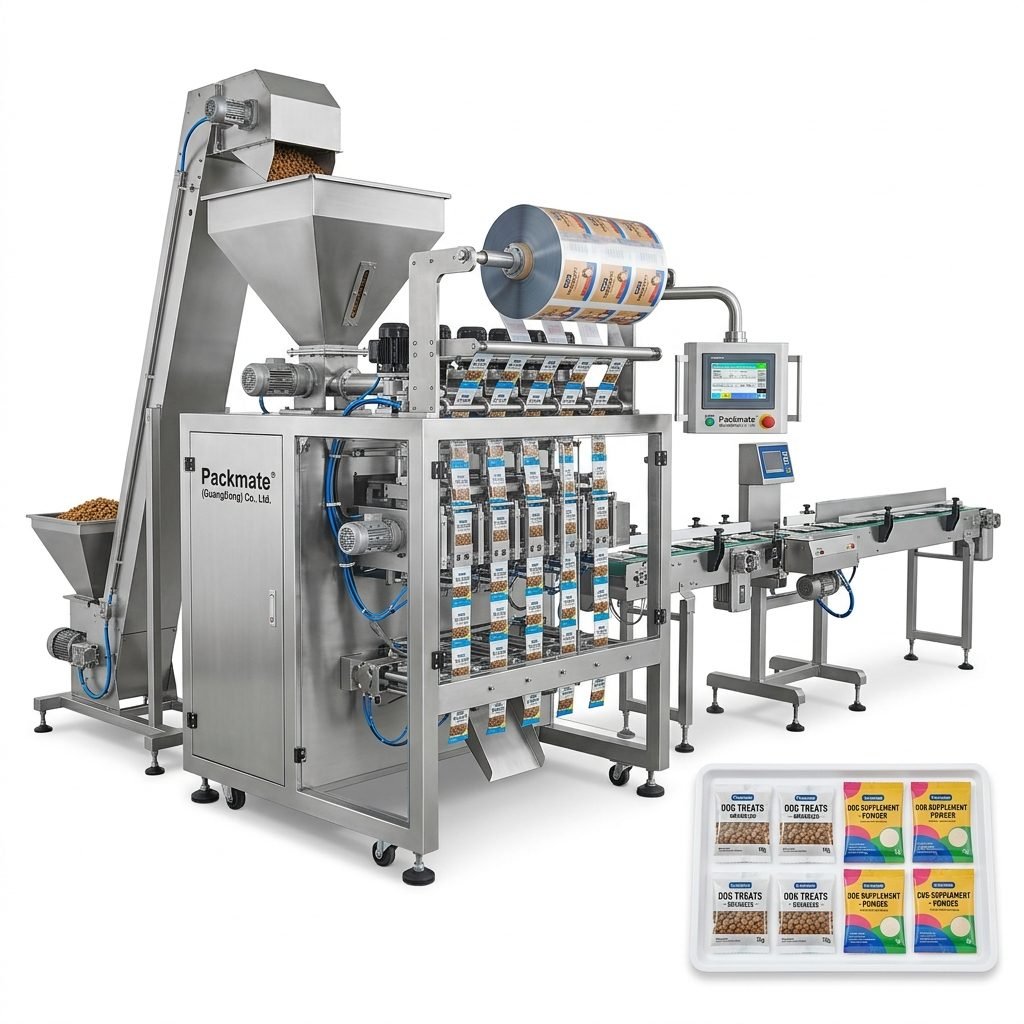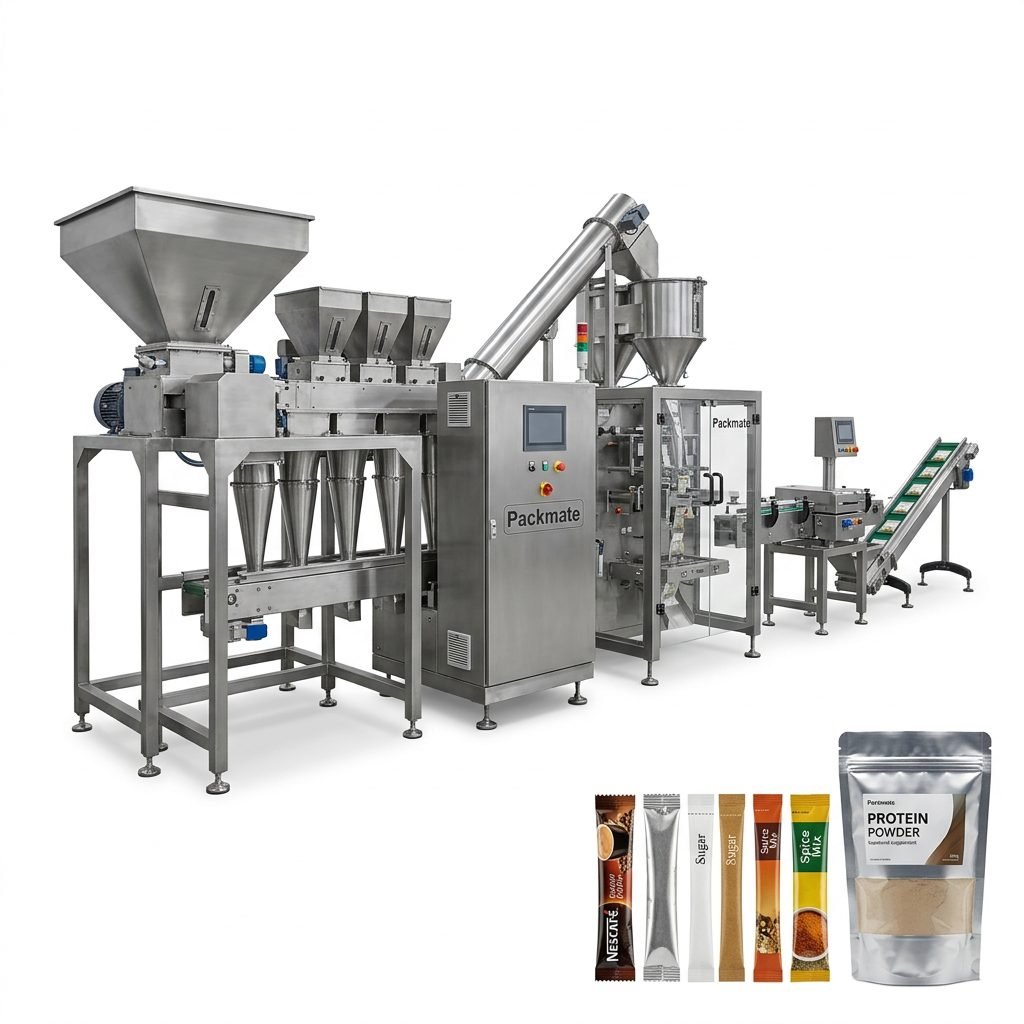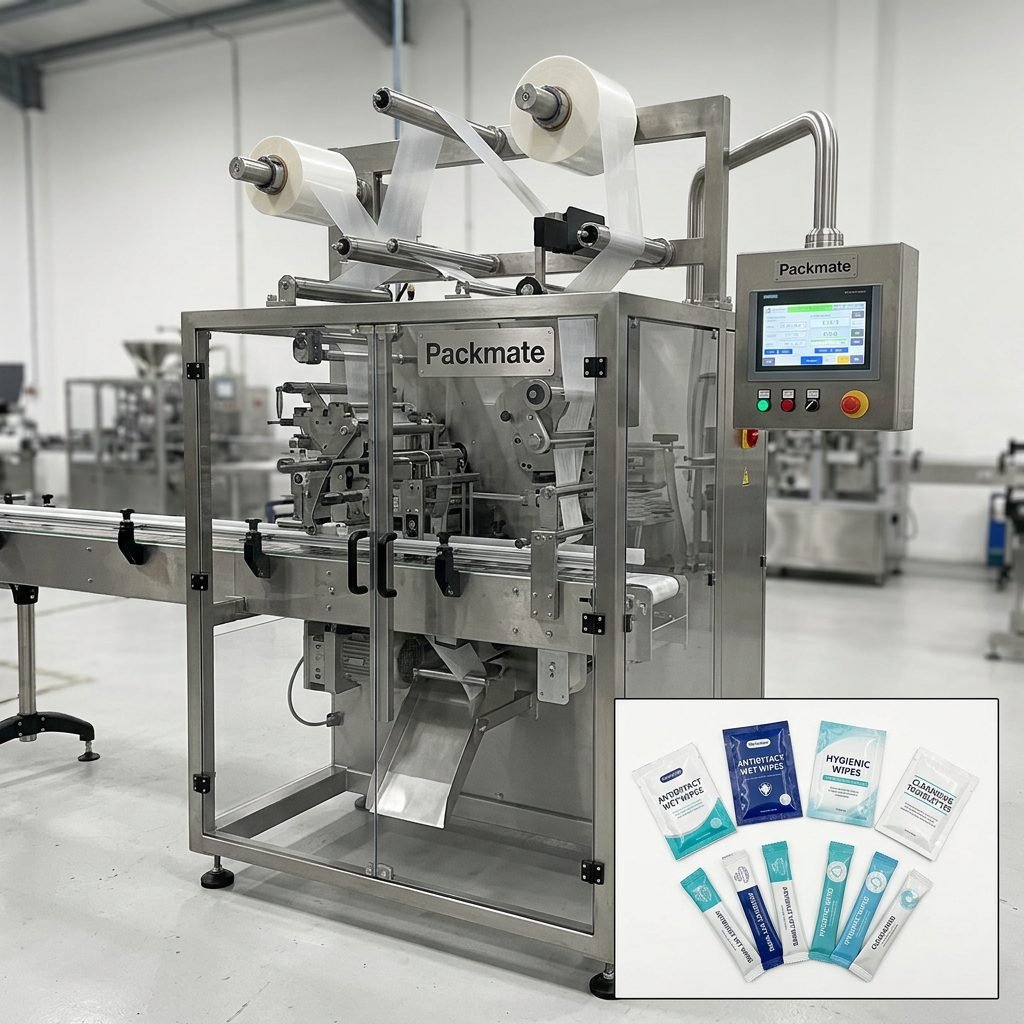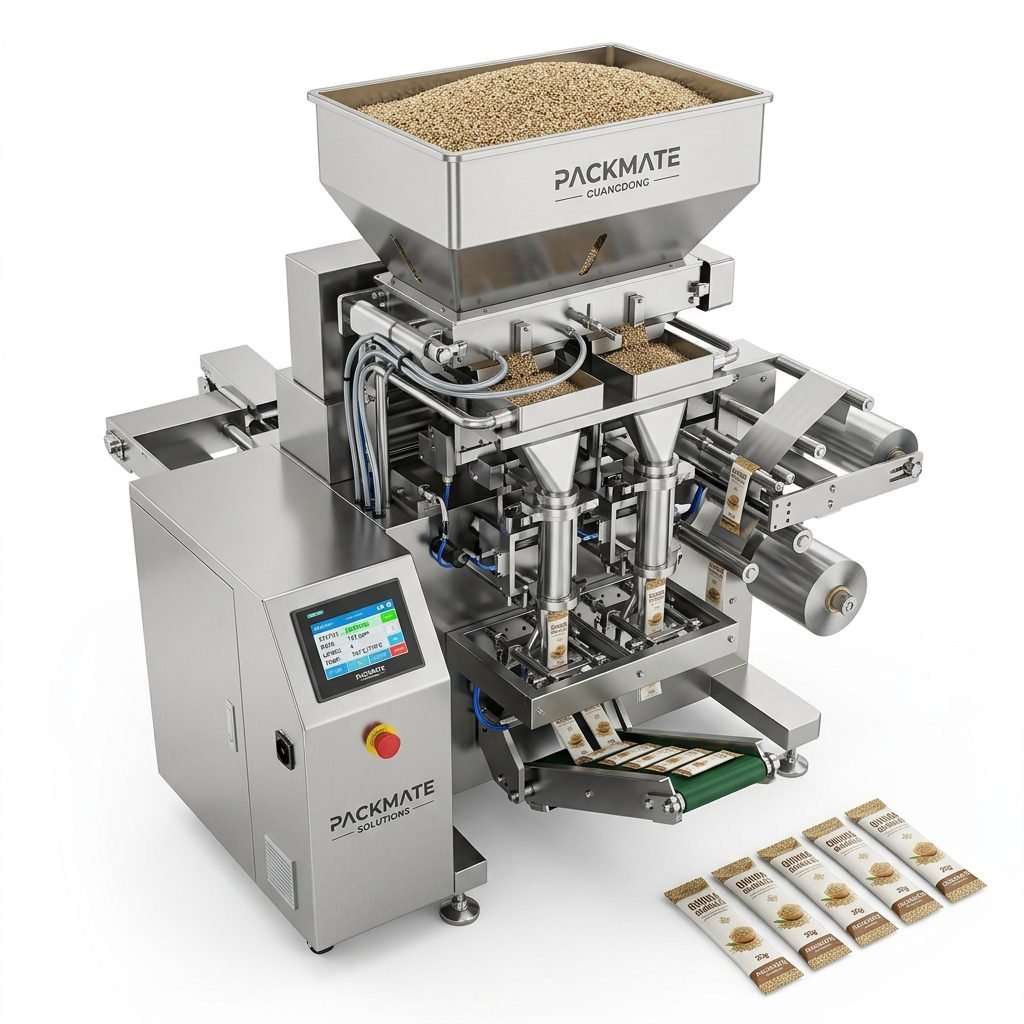
Investing in a production line is a significant decision for any business. When it comes to packaging dry goods like spices, instant drink mixes, pharmaceuticals, or powdered supplements, an unpowered drum packaging line offers a compelling blend of simplicity, reliability, and cost-effectiveness. Unlike complex, fully automated systems, these lines utilize a gravity-fed or manually indexed unpowered drum to transport pre-formed bags or pouches between stations. This guide provides a complete overview of their key features, pricing considerations, and the advantages of opting for a turnkey solution from an experienced provider like Packmate (GuangDong) Co., Ltd..
Core Features of an Unpowered Drum Packaging Line
The fundamental appeal of this system lies in its elegant, mechanical design. The central component is a rotating drum, typically made of stainless steel for hygiene and durability, which is not driven by its own motor. Instead, it is indexed (turned) either manually by an operator or mechanically linked to the bag feeding or sealing station.
Primary Operational Stations:
- Bag Feeding & Opening: Pre-made bags (flat or gusseted) are automatically picked and opened by suction cups, ready for filling.
- Filling Station: The opened bag is positioned under a volumetric cup filler, auger filler, or weigh filler. This is where the product is dispensed with high accuracy.
- The Unpowered Drum: After filling, the bag is placed onto a peg or holder on the drum. The drum rotates to transport the bag to the next station.
- Sealing Station: The bag arrives at the sealing head, where it is heat-sealed (for poly bags) or closed via other methods.
- Discharge & Coding: The sealed bag is ejected onto a conveyor or collection tray, often passing through a date coder or inkjet printer.
Key Advantages of This Design
Lower Cost
Simpler Maintenance
Energy Efficient
Reduced Complexity & Cost: Eliminating the drum drive motor, servo, and associated controls significantly lowers the initial machine investment and long-term maintenance needs.
Gentle Product Handling: The smooth, mechanical rotation of the drum is ideal for fragile products or bags that shouldn’t be jerked or tossed.
Flexibility: The system can often handle a range of bag sizes with simple adjustments, making it suitable for small to medium batch production runs. For a deeper look at specific configurations, explore our packaging solutions portfolio.
Ease of Operation & Training: With fewer electronic components, the line is generally easier for operators to understand, troubleshoot, and maintain.
Understanding the Investment: Price Factors
The price of an unpowered drum packaging line is not a single figure but is influenced by a matrix of factors. A basic, single-scale system will naturally cost less than a high-speed, multi-lane configuration with advanced checkweighers and vision systems.
Major Cost Determinants:
- Line Configuration & Speed: The number of filling heads (single vs. multi-lane) and the target output (bags per minute) are the primary drivers. Higher speeds require more precise engineering.
- Filling Technology: The choice of filler—volumetric cup, auger screw, or precision weigh scale—has a major cost impact. Net weight fillers are more accurate but also more expensive than volumetric systems.
- Level of Automation: Options like automatic bag feeding, integrated checkweighers, reject systems, and robotic palletizing add cost but also value and efficiency.
- Construction & Materials: Food-grade or pharmaceutical-grade stainless steel (e.g., SS304, SS316) contact parts are standard for hygiene but affect the price compared to carbon steel.
- Brand & Supplier Expertise: Investing in a line from an established manufacturer with a proven track record, like Packmate with its 22+ years of experience, often ensures better reliability, support, and long-term value, even if the initial price is higher than unknown brands.
It is crucial to view the purchase as a Total Cost of Ownership (TCO). A slightly higher initial investment in a robust, well-supported line from a reputable packaging machinery manufacturer can save substantial amounts in downtime, maintenance, and product waste over years of operation.
The Turnkey Solution Advantage
Buying individual machines is one thing; implementing a functional, efficient packaging line is another. This is where the concept of a turnkey solution becomes critical. A turnkey provider handles everything from initial concept and design to manufacturing, installation, commissioning, and operator training.
Why Choose a Turnkey Provider?
Single Point of Responsibility: You have one partner accountable for the entire system’s performance, eliminating finger-pointing between different equipment suppliers.
Seamless Integration: An expert provider ensures all components—the unpowered drum indexer, filler, sealer, and conveyors—work together harmoniously for optimal speed and reliability. You can see examples of integrated systems in our project case studies.
Customized Engineering: Your product and packaging are unique. A turnkey solution is tailored to your specific bag type, product characteristics (flowability, density), and factory floor layout.
Reduced Project Risk & Timeline: The provider manages the entire project lifecycle, leveraging their experience to avoid common pitfalls and ensure a faster, smoother path to production.
Comprehensive Support: From the initial spare parts list to ongoing technical service and maintenance support, you gain a long-term partner invested in your line’s success.
Packmate’s Turnkey Approach
With over 30 years of industry experience and a 20,000㎡ modern manufacturing facility, Packmate embodies the turnkey philosophy. Our process begins with a deep analysis of your needs, followed by detailed design using our portfolio of 50+ machine models. We manufacture, pre-assemble, and rigorously test the complete line at our factory before shipping, ensuring it arrives ready for efficient installation and quick startup at your site. Our team provides thorough training and remains accessible for support, upholding our founding values of quality and collaboration.
Frequently Asked Questions (FAQs)
1. What types of products are best suited for an unpowered drum line?
This line is ideal for free-flowing dry products such as granules (instant coffee, sugar, seeds), powders (spices, milk powder, protein powder), and small granular solids (tea leaves, certain pharmaceuticals). It is less suitable for sticky, oily, or very fine powders that may cause excessive dust or clogging without specialized handling.
2. What is the typical output speed (bags per minute) I can expect?
Speeds vary greatly based on configuration. A basic single-lane system may produce 30-60 bags per minute (BPM). Multi-lane systems (e.g., 4 lanes) can achieve outputs of 120-200 BPM or more. The exact speed depends on bag size, product characteristics, and the level of automation.
3. How does maintenance for an unpowered drum line compare to a powered one?
Maintenance is generally simpler and less costly. There are fewer motors, drives, and sensors to maintain. Primary focus areas are the mechanical bearings of the drum, the filling system (augers, cups), the sealing jaws, and the vacuum system for bag opening. Regular cleaning and lubrication of mechanical parts are key.
4. Can I upgrade from an unpowered drum to a powered system later?
This is usually not a straightforward retrofit. The machine frame and control philosophy are designed differently. If high-speed, synchronized motion is a future requirement, it is often more cost-effective to discuss a scalable solution with your supplier from the outset or plan for a separate, new line.
5. What should I prepare before contacting a supplier for a quote?
To get an accurate and useful quotation, be ready with: Product samples (for testing), packaging samples (empty bags/pouches), target output speed, desired accuracy level, available factory space (layout drawing), and information about your utilities (power voltage, compressed air). Providing this information upfront, as you would when initiating a project inquiry, allows the supplier to engineer the most appropriate solution.