Embarking on a career as a packaging line operator offers a stable and rewarding path in the manufacturing sector. This role is crucial for ensuring the smooth, efficient, and safe operation of machinery that packages everything from food and pharmaceuticals to consumer goods. If you’re considering this profession, understanding the average salary, detailed job description, and potential for career growth is essential. This guide provides a comprehensive overview to help you navigate your career journey.
What Does a Packaging Line Operator Do?
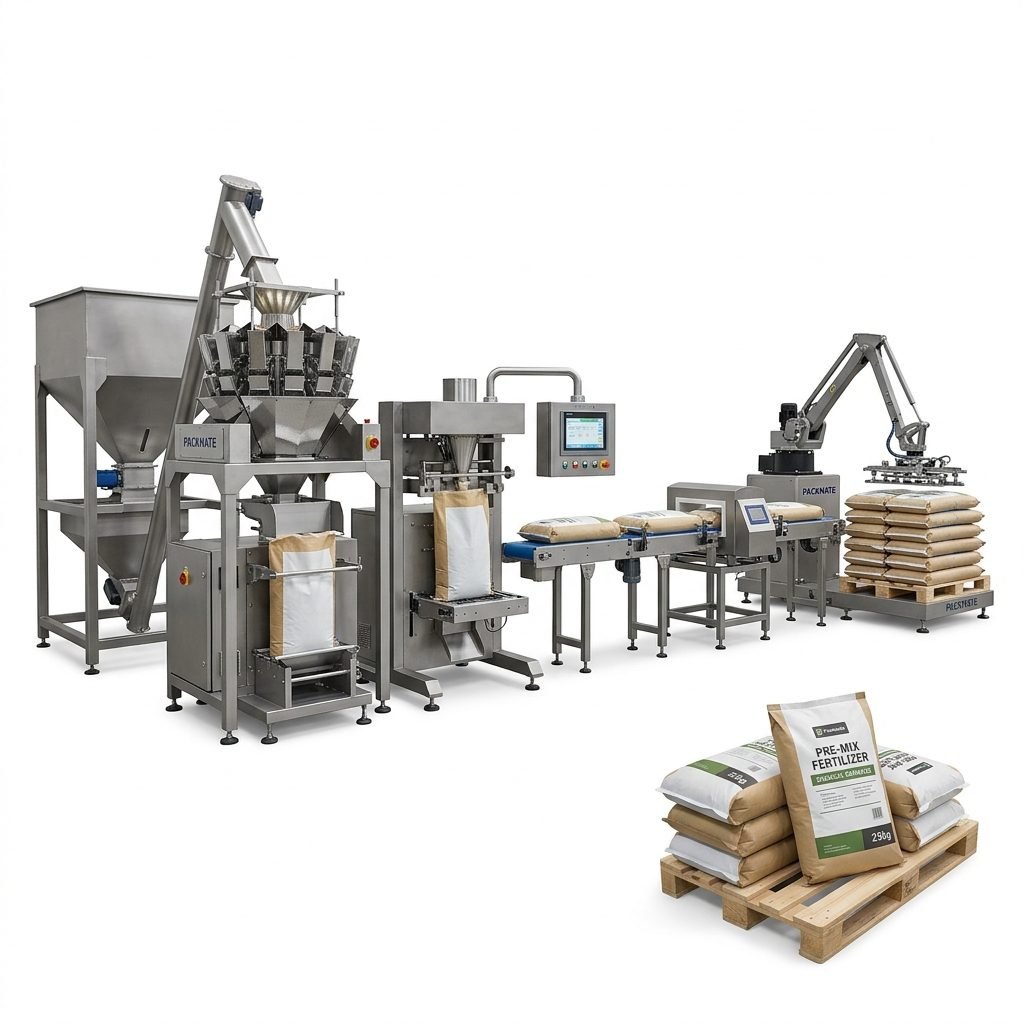
A Packaging Line Operator is responsible for overseeing the machinery that assembles, fills, seals, and labels products for distribution. Their day-to-day duties are multifaceted and critical to production success.
Core Responsibilities:
- Machine Operation & Monitoring: Setting up, starting, and continuously monitoring automated packaging lines to ensure they run at optimal speed and efficiency.
- Quality Control: Performing regular checks on packaged products for weight accuracy, seal integrity, labeling, and overall presentation to maintain high-quality standards.
- Basic Maintenance & Troubleshooting: Conducting routine cleaning, lubrication, and minor adjustments. Identifying and resolving common mechanical or electrical issues to minimize downtime.
- Safety Compliance: Adhering strictly to all workplace safety protocols, including the use of personal protective equipment (PPE) and following lock-out/tag-out procedures.
- Record Keeping: Logging production data, machine performance metrics, and any incidents that occur during the shift.
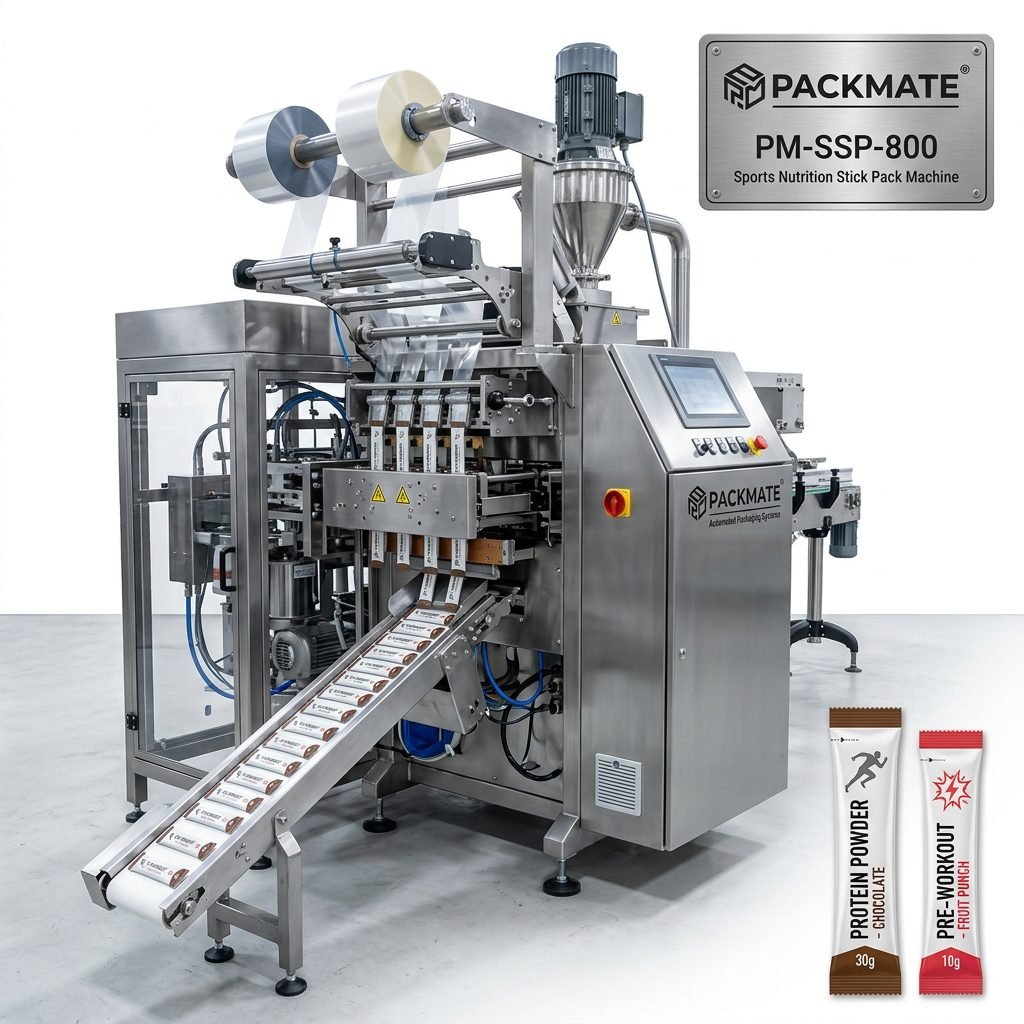
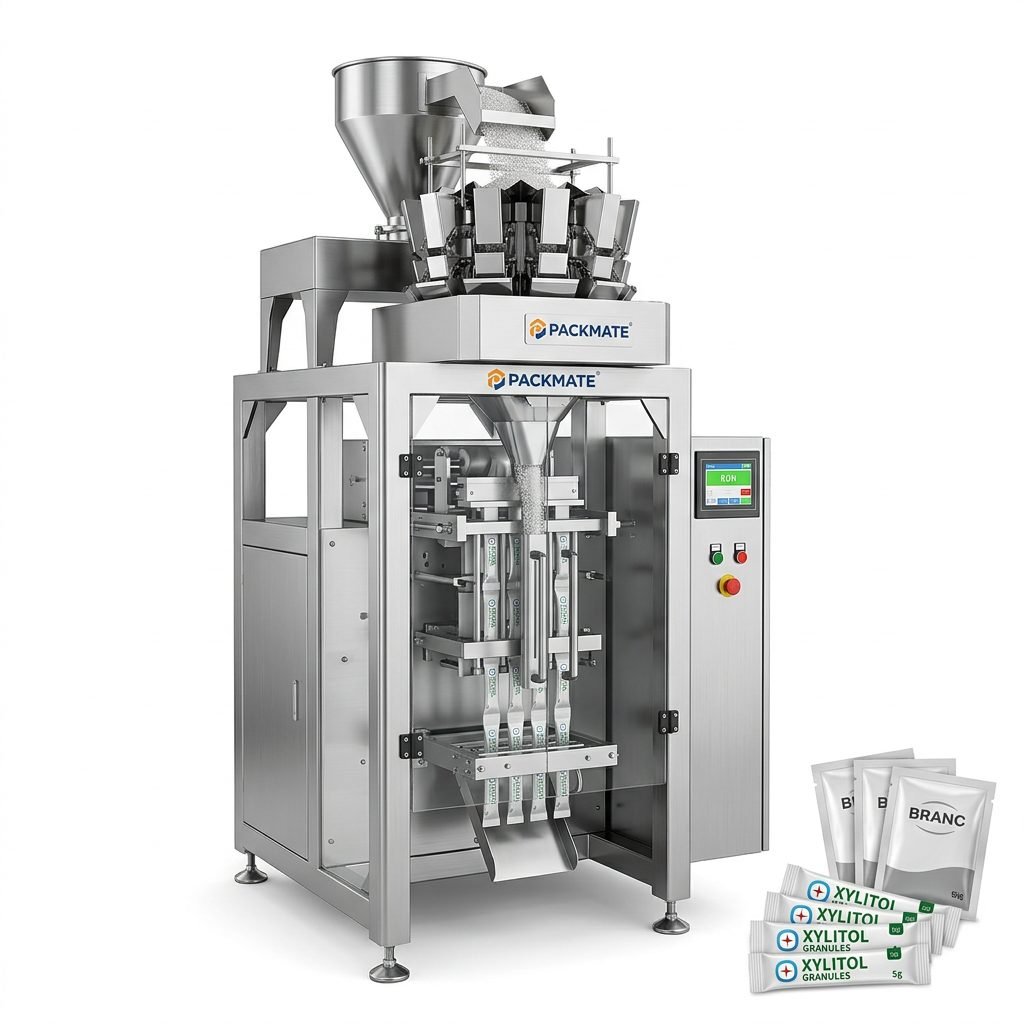
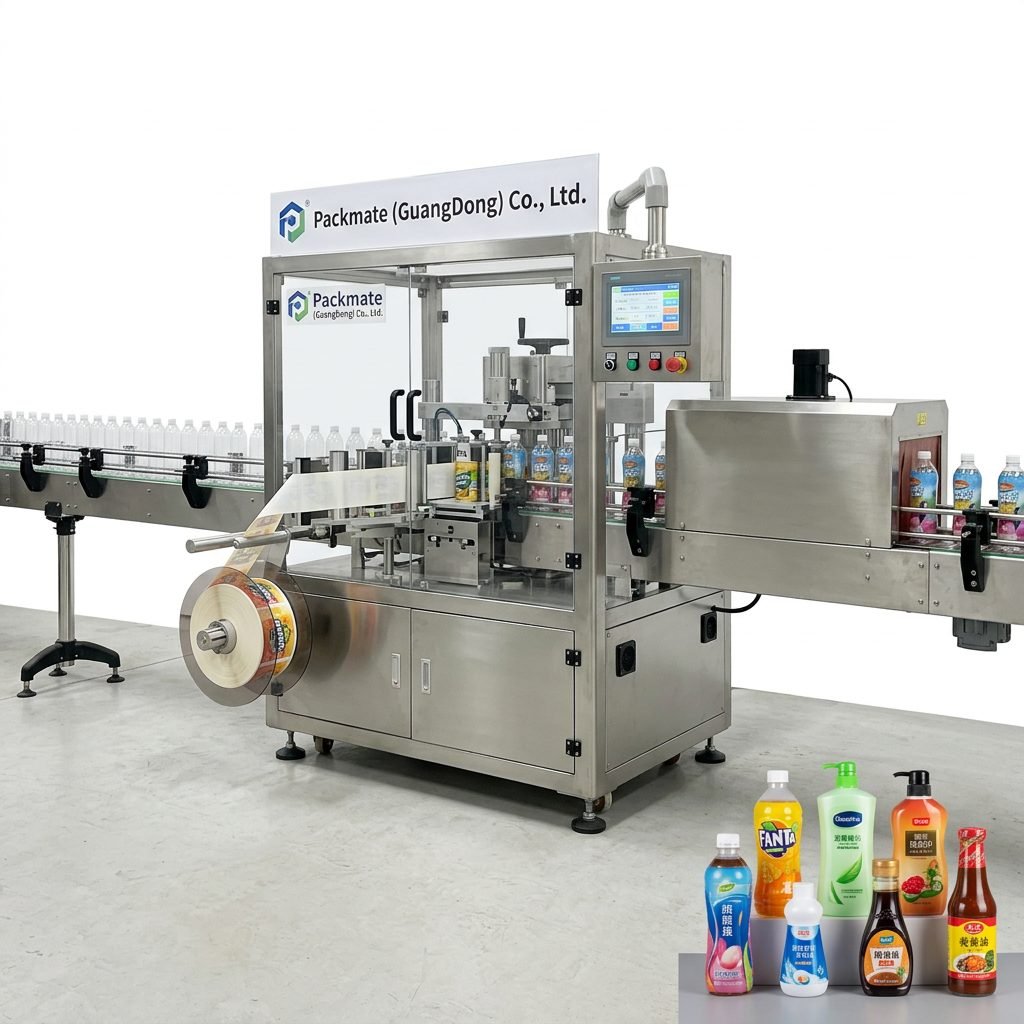
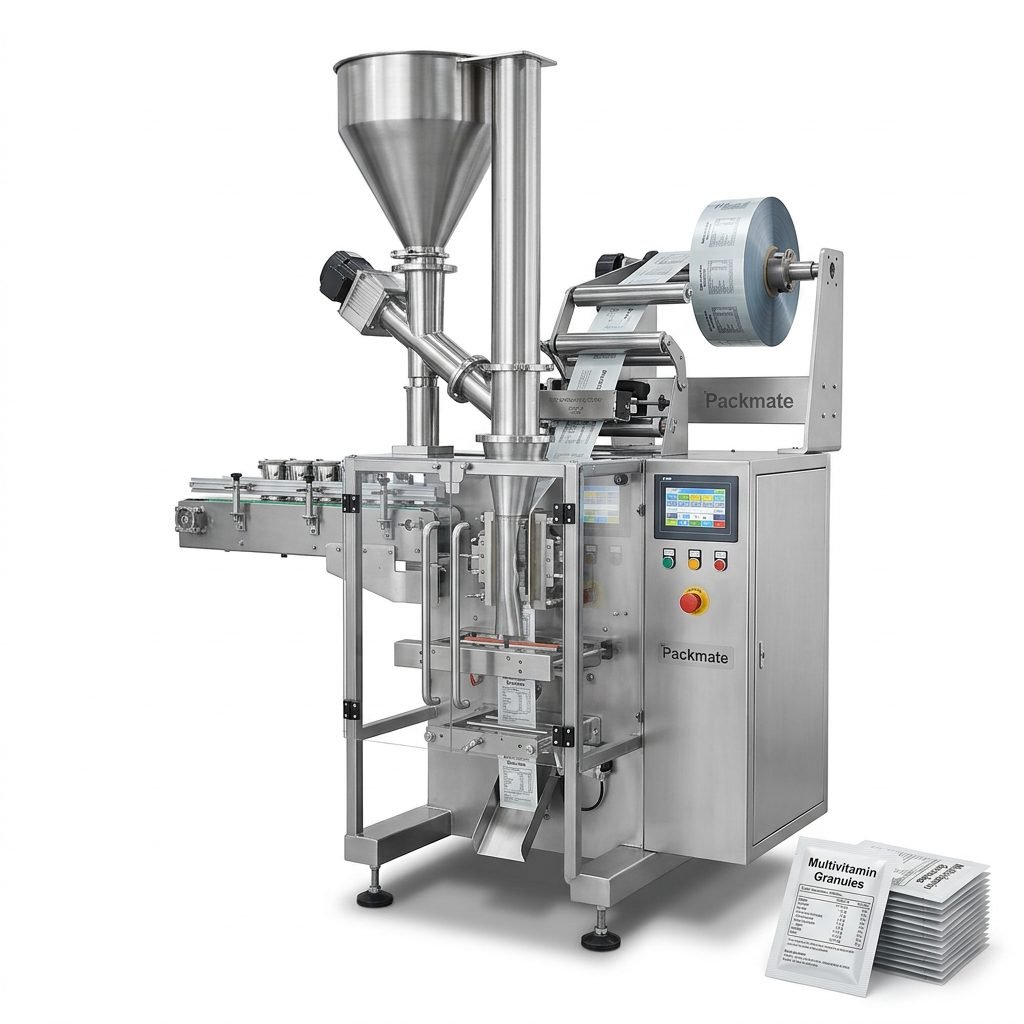
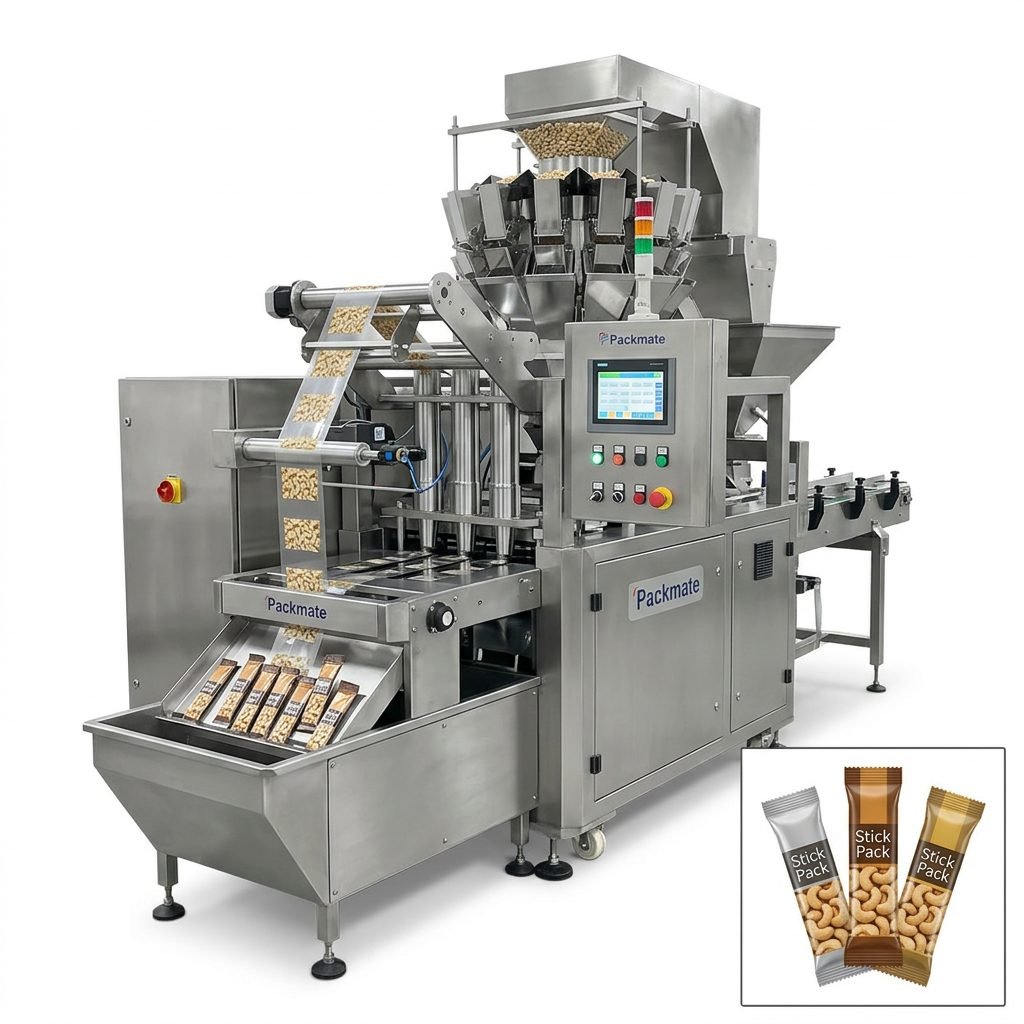
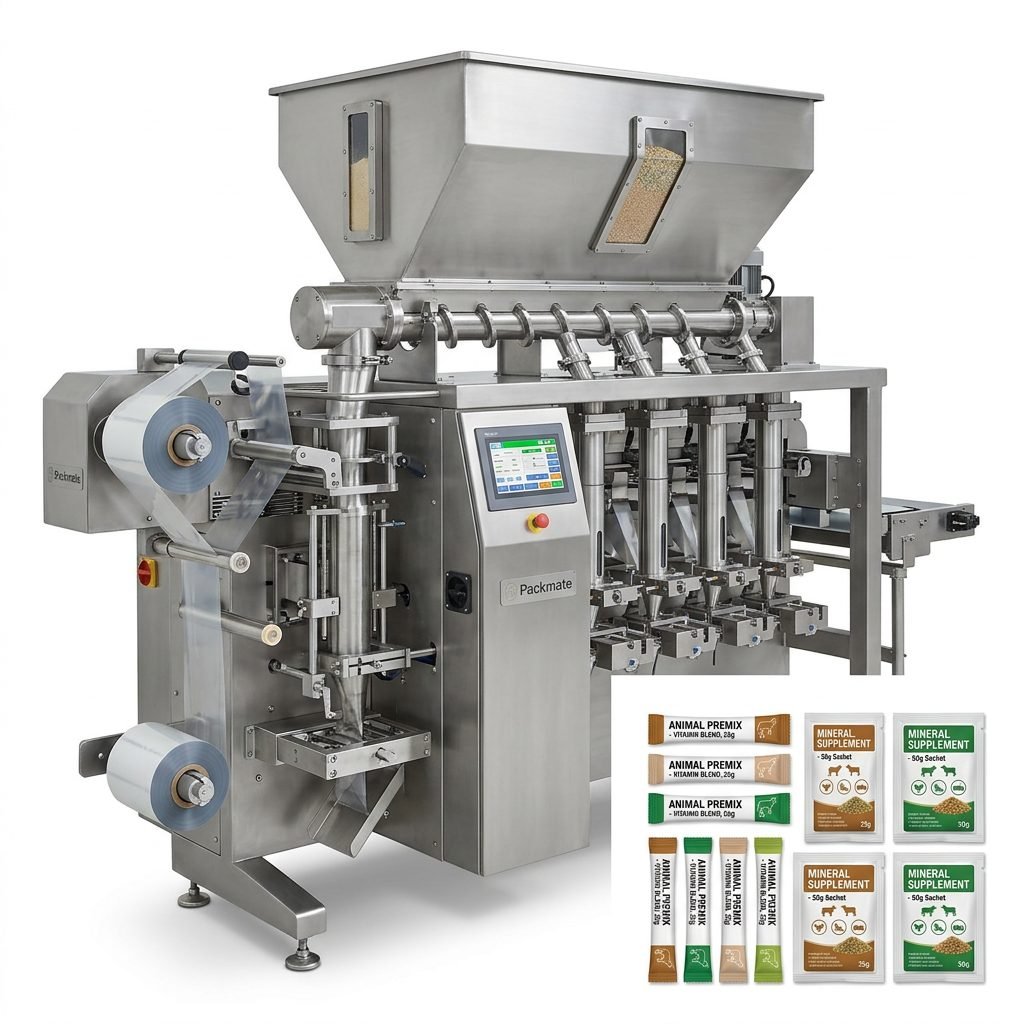
The role demands a blend of technical aptitude, attention to detail, and a strong commitment to safety. Operators are the frontline guardians of both product quality and production efficiency. For a deeper look at the advanced machinery these professionals work with, explore our comprehensive packaging solutions.
Average Salary for Packaging Line Operators
The salary for a Packaging Line Operator can vary significantly based on factors like experience, location, industry, and the complexity of the machinery operated. Here’s a breakdown of what you can expect.
National Average Pay Range
In the United States, the average hourly wage for packaging machine operators typically falls between $17 and $25 per hour. Annually, this translates to a range of approximately $35,000 to $52,000. Entry-level positions often start near the lower end, while experienced operators or those supervising high-speed, complex lines can earn wages at the higher end or beyond.
Key Factors Influencing Salary
- Experience & Seniority: Years on the job directly correlate with higher pay. Lead Operators or Line Technicians earn more.
- Industry Sector: Operators in pharmaceuticals, medical devices, or high-value food products often command higher wages due to stricter regulations and standards.
- Geographic Location: Wages are generally higher in regions with a high cost of living or concentrated manufacturing hubs.
- Company Size & Unionization: Larger corporations and unionized facilities typically offer better compensation and benefits packages.
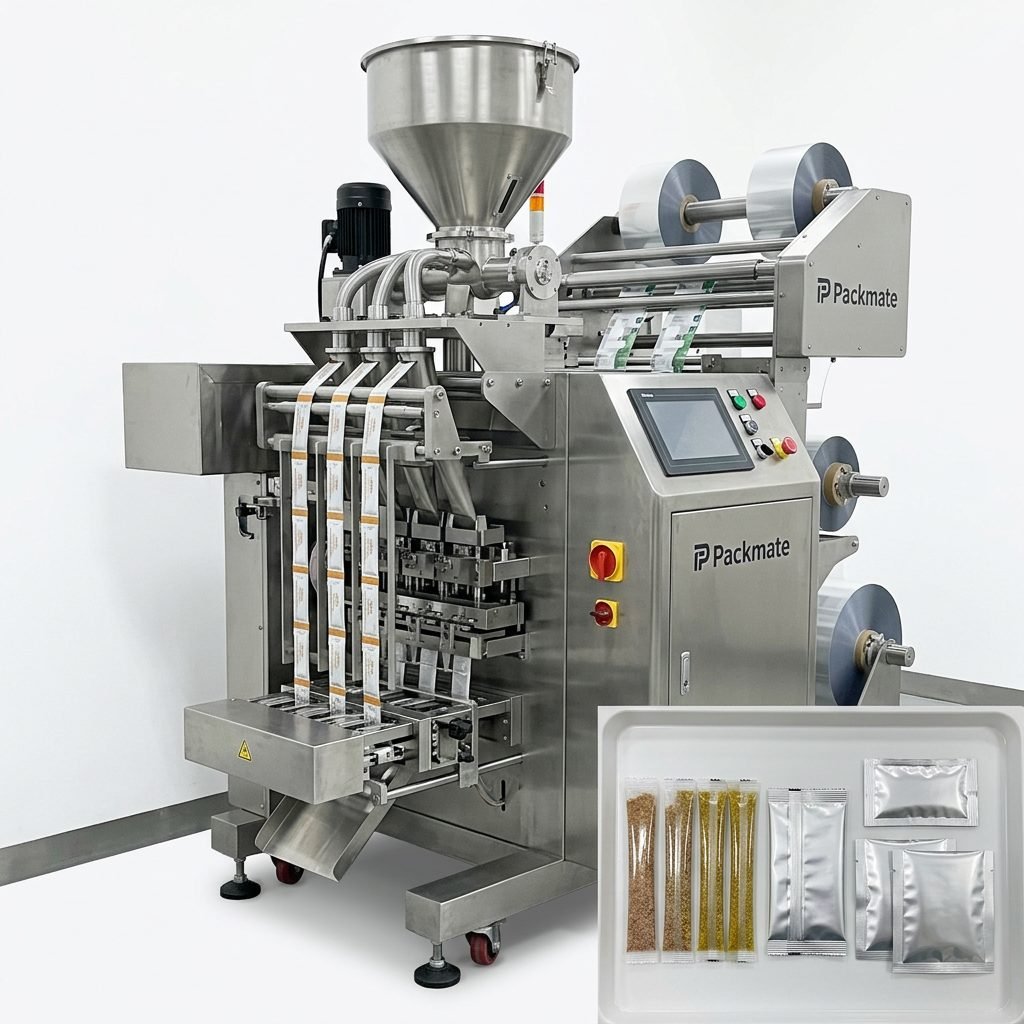
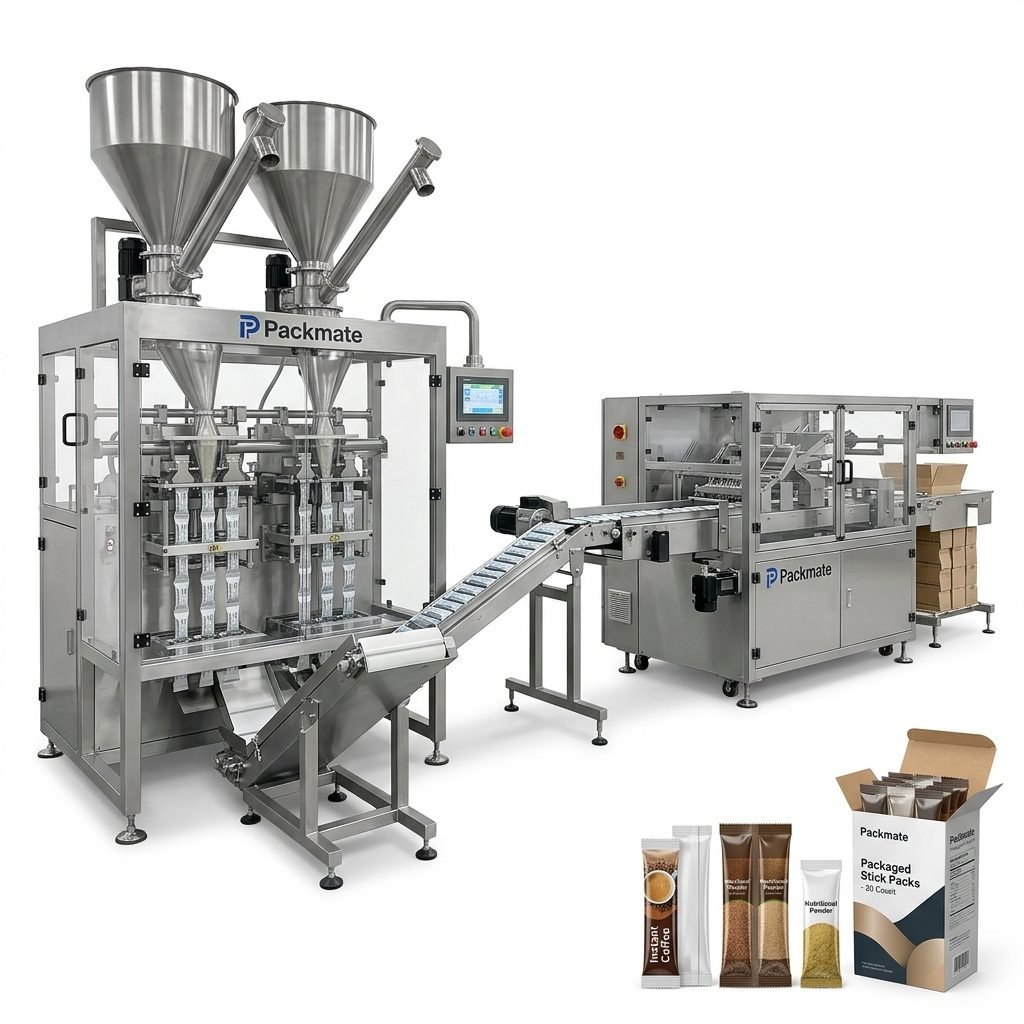
- Technical Specialization: Proficiency with specific, advanced machinery (like multi-lane stick pack or liquid filling lines) can make an operator more valuable.
Companies that invest in state-of-the-art equipment, like those developed over 22+ years at Packmate, often seek skilled operators and are willing to compensate for expertise that maximizes their sophisticated packaging lines’ uptime and output.
Essential Skills and Qualifications
To succeed and advance in this field, a specific set of hard and soft skills is required.
Technical Skills
Mechanical Aptitude: Understanding how machines work is fundamental. Basic Math & Measurement: Necessary for calculating speeds, weights, and material usage. Blueprint & SOP Reading: Ability to follow technical instructions and standard operating procedures. Computer Literacy: Modern lines often feature computer-controlled interfaces (HMI).
Soft Skills
Attention to Detail: Catching minor defects prevents large-scale quality issues. Problem-Solving: Quickly diagnosing and fixing machine jams or faults is key. Reliability & Teamwork: Production lines depend on every team member. Safety Consciousness: A non-negotiable priority in any industrial setting.
Typical Qualifications
While a high school diploma or GED is often the minimum requirement, relevant vocational training or certifications in industrial maintenance or mechatronics provide a significant advantage. On-the-job training is standard, but a proactive approach to learning about different packaging applications and case studies can broaden your expertise.
Career Growth and Advancement Path
A position as a Packaging Line Operator is not a dead-end job; it’s a launchpad for several rewarding career trajectories within manufacturing and logistics.
Potential Career Progression:
- Senior/Lead Operator: Mentoring new hires, overseeing a specific line or shift, and handling more complex setups.
- Packaging Line Technician or Mechanic: Focusing on advanced troubleshooting, preventive maintenance, and repairs. This role requires deeper mechanical and electrical knowledge.
- Production Supervisor: Moving into management, responsible for an entire team’s scheduling, performance, and output.
- Quality Assurance Inspector: Leveraging your eye for detail to specialize in monitoring and enforcing product quality standards.
- Logistics or Warehouse Operations: Transitioning into roles focused on the storage, inventory, and shipment of packaged goods.
Continuous learning is the catalyst for growth. Seeking training on new technologies, understanding total line integration from companies that provide turnkey solutions, and developing leadership skills are crucial steps. Engaging with industry resources, such as our detailed equipment catalog, can keep you informed about the latest machinery and best practices.
Industry Outlook and Future Trends
The demand for skilled packaging operators remains steady. As e-commerce grows and consumer expectations for presentation and sustainability rise, efficient packaging is more important than ever.
Automation and Smart Technology
The trend toward greater automation and Industry 4.0 integration is reshaping the role. Operators are increasingly becoming “machine managers,” interacting with smart systems that provide real-time data on performance, predict maintenance needs, and optimize production flow. Familiarity with these systems will be a major career asset.
Sustainability Focus
Operators will play a role in implementing sustainable practices, such as running lines designed for recyclable or biodegradable materials and minimizing waste through precise operation. Partnering with innovators who prioritize efficiency, like the team behind our Packmate lines, positions professionals at the forefront of this shift.
In summary, a career as a Packaging Line Operator offers a solid foundation in the vital manufacturing sector. With competitive pay, clear pathways for advancement, and a role evolving alongside exciting technological trends, it represents a promising and future-oriented profession for hands-on, detail-oriented individuals.
Frequently Asked Questions (FAQs)
What is the starting salary for an entry-level Packaging Line Operator?
Entry-level operators can typically expect to start at an hourly wage between $15 and $18, depending on location and industry. With formal training or relevant certifications, starting pay may be higher.
What are the most important certifications for career advancement?
While not always mandatory, certifications in Industrial Maintenance, Mechatronics, or specific safety protocols (like OSHA) are highly valuable. Certifications from machine manufacturers themselves can also be a significant advantage.
How physically demanding is the job?
The role can be physically demanding, involving standing for long periods, lifting moderate weights (like boxes of materials), and performing repetitive motions. However, modern, ergonomically designed workstations are becoming more common to reduce strain.
Is shift work common for Packaging Line Operators?
Yes, manufacturing facilities often run 24/7. It is very common for operators to work night shifts, weekends, or rotating schedules. Shift differentials (extra pay for nights or weekends) can positively impact overall earnings.
Where can I find more specific information or support for my packaging operations?
For detailed technical support, machine specifications, or to discuss custom solutions for your production needs, the best step is to directly contact our expert team. We’re here to help optimize your packaging line performance.