In today’s competitive global market, achieving and maintaining high packaging line efficiency is not just an operational goal—it’s a critical business imperative. For industries where product integrity, safety, and presentation are paramount, such as food, pharmaceuticals, and health products, the packaging process is a defining stage in the value chain. A seamless, automated, and reliable packaging line directly impacts throughput, cost-per-unit, regulatory compliance, and ultimately, brand reputation. The solution lies not in piecemeal equipment upgrades but in adopting a holistic approach: complete turnkey packaging systems.

The High Cost of Inefficiency in Critical Industries
Inefficiencies in packaging operations manifest in multiple, costly ways. Manual handling increases the risk of contamination—a non-negotiable concern in pharmaceutical and health product manufacturing. Speed bottlenecks limit production capacity, preventing companies from scaling to meet market demand. Inconsistent sealing or filling leads to product waste, directly hitting the bottom line. Perhaps most damaging are unplanned downtimes due to machine failure or complex changeovers between product runs, which disrupt supply chains and erode customer trust. For businesses in the food sector, where shelf-life and freshness are key, and in pharma, where precision is legally mandated, these inefficiencies are more than inconveniences; they are significant business risks.
Core Pillars of a Turnkey Efficiency Solution
A true turnkey system is engineered to eliminate these pain points from the ground up. It integrates several core pillars:
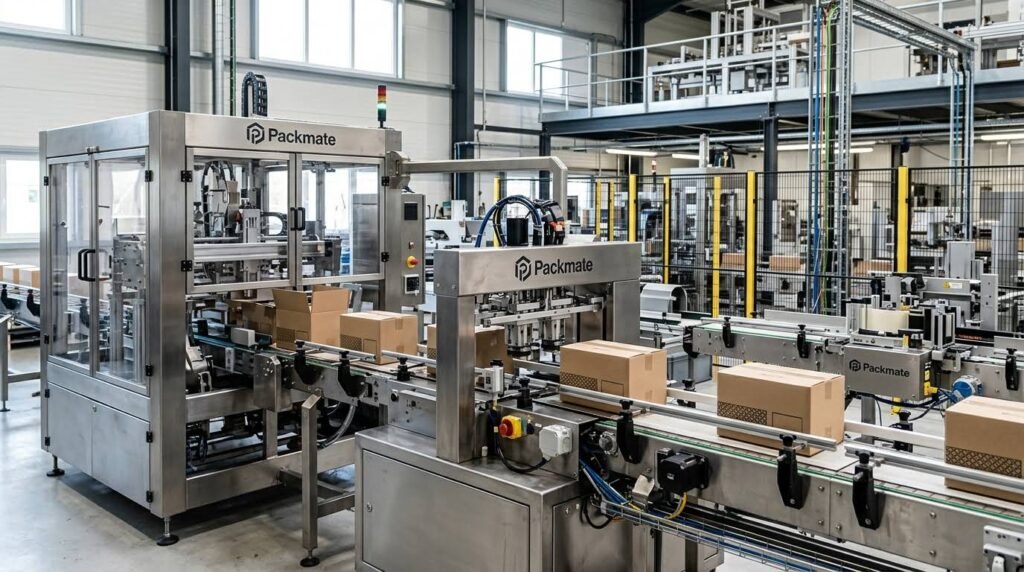
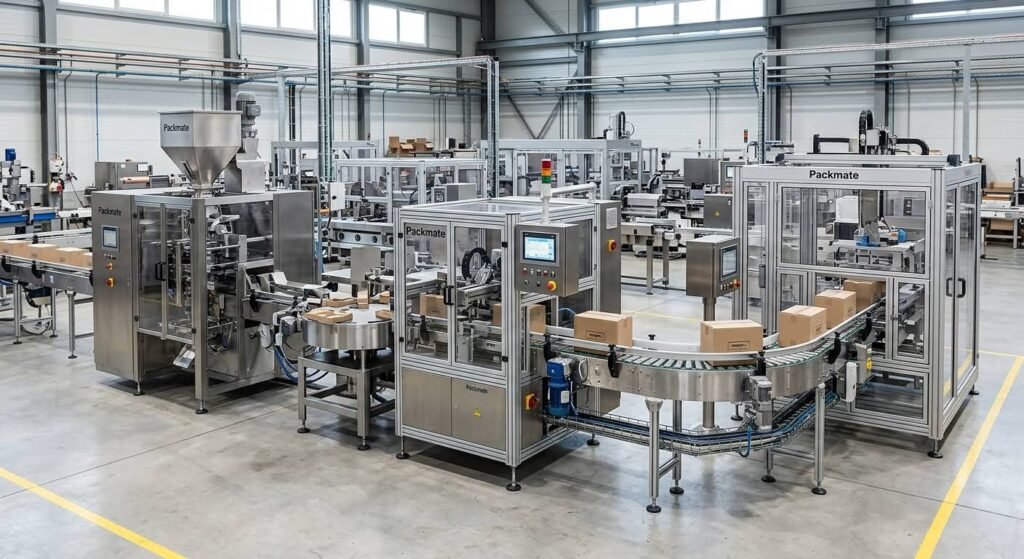
- Seamless Integration: All components—from form-fill-seal machines and cartoners to labelers and case packers—are designed to work in perfect harmony, managed by a unified control system.
- Advanced Automation: Minimizing human intervention not only boosts speed but ensures consistent, repeatable quality and enhances hygiene control.
- Flexibility & Scalability: Modern lines allow for quick changeovers between package sizes or formats, enabling producers to respond agilely to market trends. The system’s design should allow for future capacity expansion.
- Data-Driven Intelligence: Integrated sensors and Industry 4.0 connectivity provide real-time monitoring of OEE (Overall Equipment Effectiveness), predictive maintenance alerts, and valuable production analytics.
Tailored Solutions for Food, Pharma, and Health Products
The principle of efficiency remains constant, but its application differs across industries. A one-size-fits-all approach fails here. A proficient provider like Packmate designs systems with deep vertical expertise.
Food Industry Applications
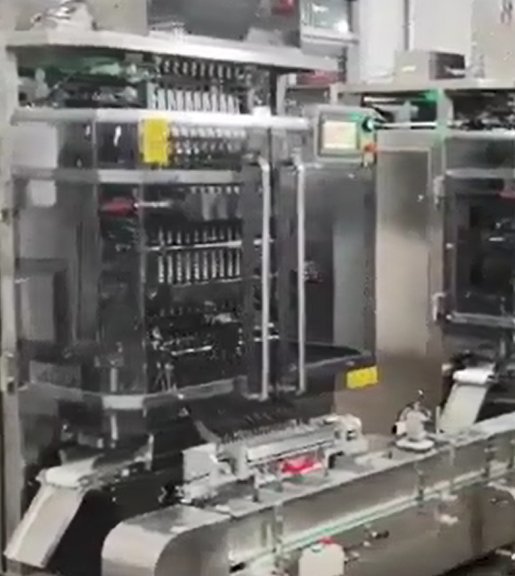
For food producers, efficiency is tied to preserving quality and managing high volumes. Turnkey lines for granules (like coffee, sugar), powders (spices, protein), and liquids (sauces, oils) must feature robust hygiene design, inert gas flushing for freshness, and high-speed multi-lane capabilities. Solutions often include innovative stick pack or sachet machines for single-serve portions, a growing global trend, and large-bag systems for bulk ingredients. You can explore specific packaging solutions here.
Pharmaceutical & Health Product Standards
This sector operates under the strictest regulations. Efficiency cannot compromise precision or sterility. Packaging lines for tablets, capsules, powders, or medical devices require GMP-compliant construction, validated accuracy in filling and counting, and impeccable track-and-traceability. Systems often incorporate vision inspection systems to reject any defective or mislabeled unit. The integrity of the final blister pack, vial, or sachet is paramount for patient safety.
The Packmate Advantage: From Vision to Reality
Transforming the concept of an efficient line into a working reality demands a partner with proven capability. Packmate (GuangDong) Co., Ltd. embodies this partnership model. With over 22 years of focused development, their journey from a specialized workshop to a provider of complete turnkey systems is a testament to their commitment. Their 20,000㎡ modern facility is not just a factory; it’s an innovation hub where over 50 machine models are conceived, built, and rigorously tested. This vertical integration ensures control over every component, leading to the reliability that global clients depend on. Discover their journey and ethos on their Company Profile page.
The Turnkey Implementation Process
Investing in a complete system is a significant step. A reliable provider guides clients through a structured, collaborative process:
- Consultation & Needs Analysis: Engineers work closely with the client to understand product specifics, target output, factory layout, and regulatory requirements.
- Customized Line Design: A detailed proposal is created, specifying each machine, its configuration, and the expected performance metrics (speed, accuracy, yield).
- Manufacturing & Factory Acceptance Test (FAT): The system is built and assembled in the provider’s facility. The client is invited to witness a full performance test under simulated conditions, ensuring everything meets agreed specifications before shipment.
- Installation, Commissioning & Training: Expert technicians supervise installation at the client’s site, calibrate the line, and conduct comprehensive training for operational and maintenance staff.
- After-Sales Support: True partnership includes ongoing support, spare parts availability, and remote diagnostics to ensure long-term peak performance. Learn more about their commitment to comprehensive service.
Measuring the Return on Investment (ROI)
The justification for a turnkey system is clear in the ROI. Tangible benefits include:
- Increased Output: Higher speeds and reduced downtime directly translate to more units produced per shift.
- Reduced Waste: Precision engineering and automated controls minimize giveaway and rejected products.
- Lower Labor Costs: Automation reduces the number of operators required per line, reallocating human resources to higher-value tasks.
- Enhanced Compliance & Brand Protection: Consistent, error-free packaging safeguards against costly recalls and protects brand equity.
These measurable gains typically result in a payback period that makes the strategic investment compelling. For real-world examples of efficiency gains, reviewing industry case studies can provide powerful evidence.
Common Questions About Turnkey Packaging Line Efficiency
1. What exactly is a “turnkey” packaging system?
A turnkey system is a fully integrated, ready-to-operate production line supplied by a single provider. It includes all necessary machinery, software, and controls, and the provider handles design, installation, commissioning, and training. The client essentially “turns a key” to start production.
2. How long does it typically take to implement a new turnkey line?
The timeline varies based on complexity and customization. A standard system might take 4-6 months from order to commissioning, including design, manufacturing, FAT, and installation. Highly complex or novel systems may require a longer timeline, which a reputable provider will outline clearly from the start.
3. Can a turnkey system handle multiple different products or package sizes?
Yes, flexibility is a key design goal. Modern systems are built with quick-changeover capabilities, allowing for adjustments in film reel size, filling volume, and sealing parameters within minutes. This is crucial for manufacturers with diverse product portfolios.
4. What kind of after-sales support should we expect?
Comprehensive support is critical. Expect a package including detailed documentation, on-site and remote technical support, readily available spare parts, preventive maintenance plans, and optional service contracts. This ensures long-term reliability and optimal efficiency.
5. How do we justify the capital investment to management?
The justification is based on a clear ROI analysis. Focus on quantifiable metrics: projected increase in production capacity (%), reduction in labor and material waste costs, decrease in downtime, and savings from avoided quality incidents. The strategic benefits of supply chain reliability and enhanced competitiveness provide further strong arguments.