In the competitive landscape of manufacturing, the packaging line is often the final and most visible stage of production. Its efficiency directly impacts output, cost, and customer satisfaction. For operations managers and plant directors, optimizing this critical process is a continuous pursuit. This article delves into practical, actionable strategies to enhance packaging line efficiency, focusing on methods to maximize output, minimize unplanned downtime, and control operational costs.
Understanding the Core Components of Line Efficiency
Before implementing improvements, it’s crucial to understand what constitutes packaging line efficiency. It’s not merely about raw speed. True efficiency is a balance of speed, reliability, flexibility, and waste reduction. Key metrics include Overall Equipment Effectiveness (OEE), which factors in availability, performance, and quality, as well as units per labor hour and cost per unit. A holistic view that considers the entire system—from material infeed to palletizing—is essential for meaningful optimization.
The High Cost of Inefficiency
Inefficient packaging lines manifest in several costly ways: production bottlenecks that idle upstream processes, excessive material waste from misaligned machines, frequent minor stoppages that cumulatively cause major downtime, and high energy consumption. Furthermore, inconsistent output makes meeting just-in-time delivery schedules challenging, potentially damaging client relationships. Investing in optimization is not an expense but a strategic move to protect profitability.
Practical Strategies to Optimize Output and Throughput
Increasing output isn’t always about running machines faster, which can increase wear and errors. Smarter strategies often yield better long-term results.
1. Implement Lean Manufacturing Principles
Adopting lean methodologies like 5S (Sort, Set in order, Shine, Standardize, Sustain) can dramatically improve workflow. An organized, clean, and standardized workspace reduces time spent searching for tools or materials and minimizes safety hazards. Value stream mapping can help identify and eliminate non-value-added steps in the packaging process, streamlining material and information flow from start to finish.
2. Balance the Line and Eliminate Bottlenecks
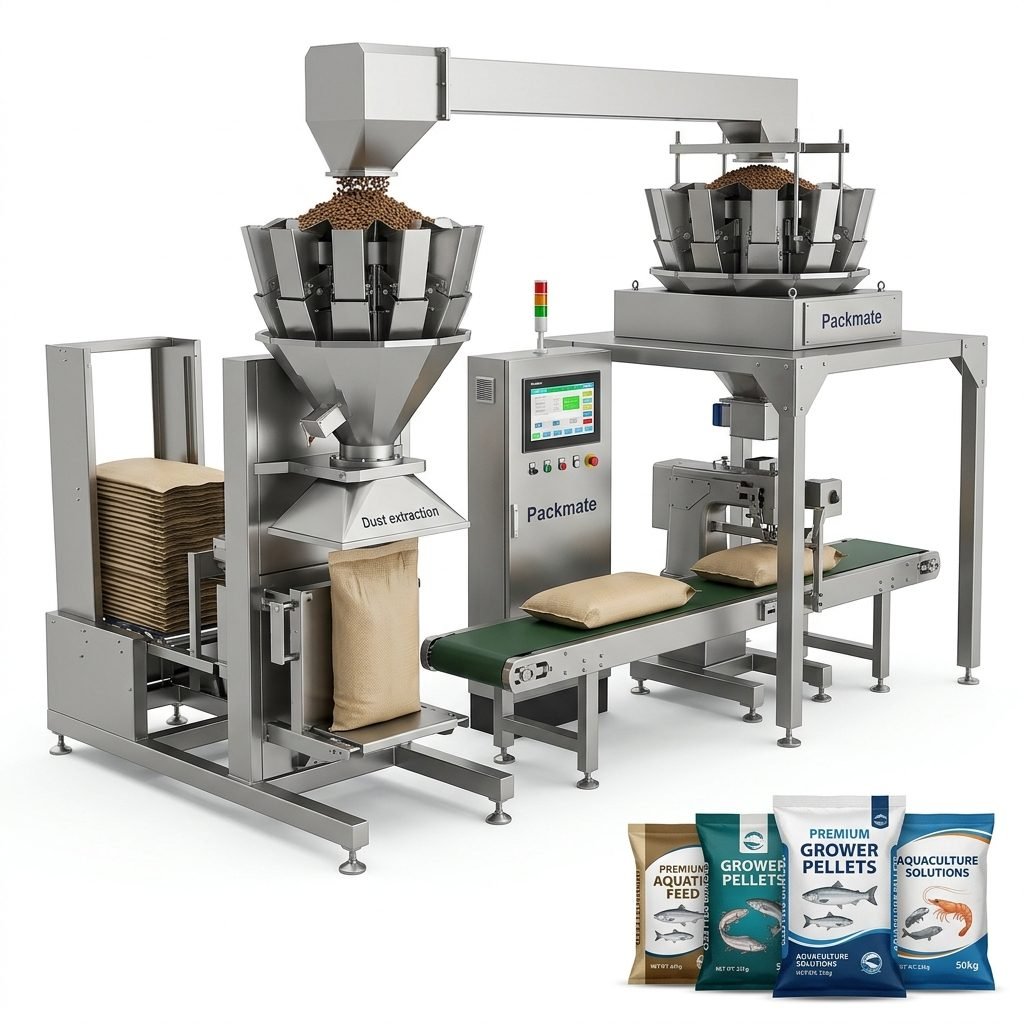
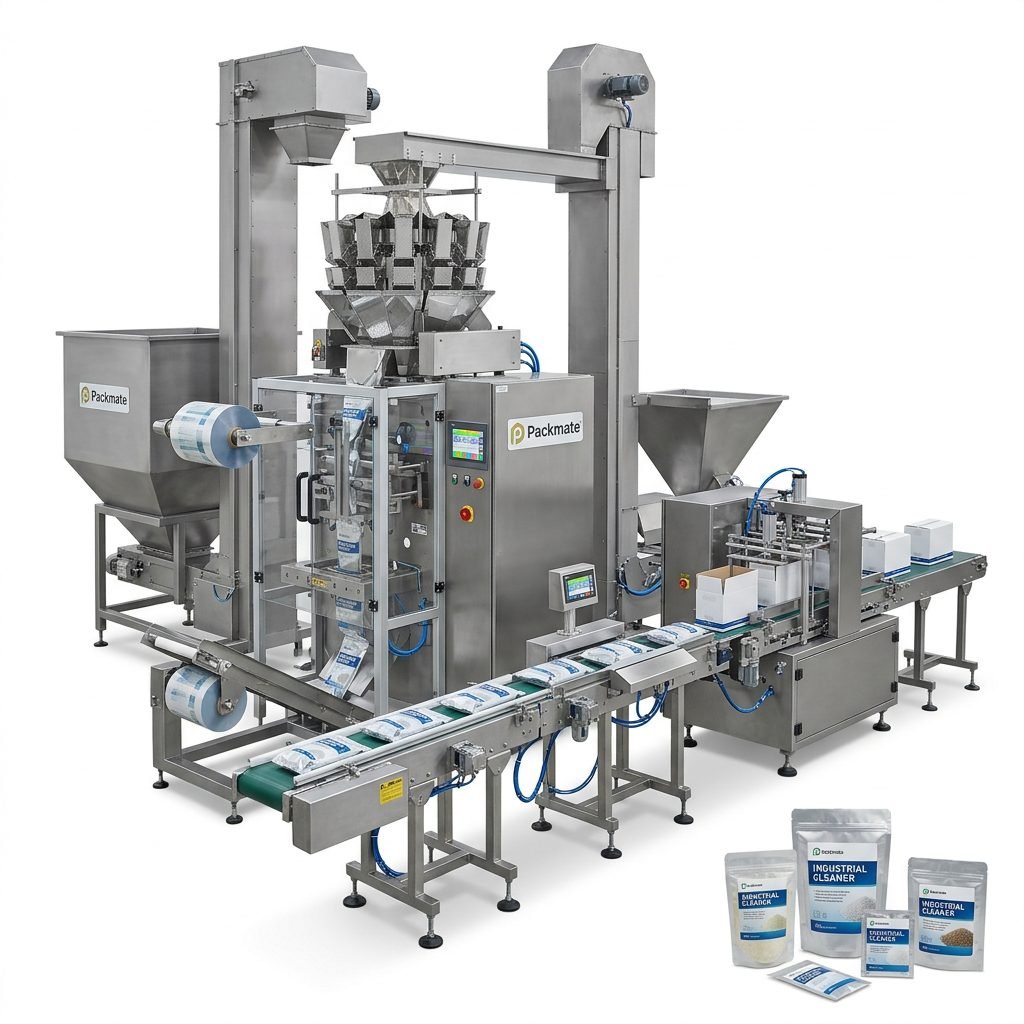
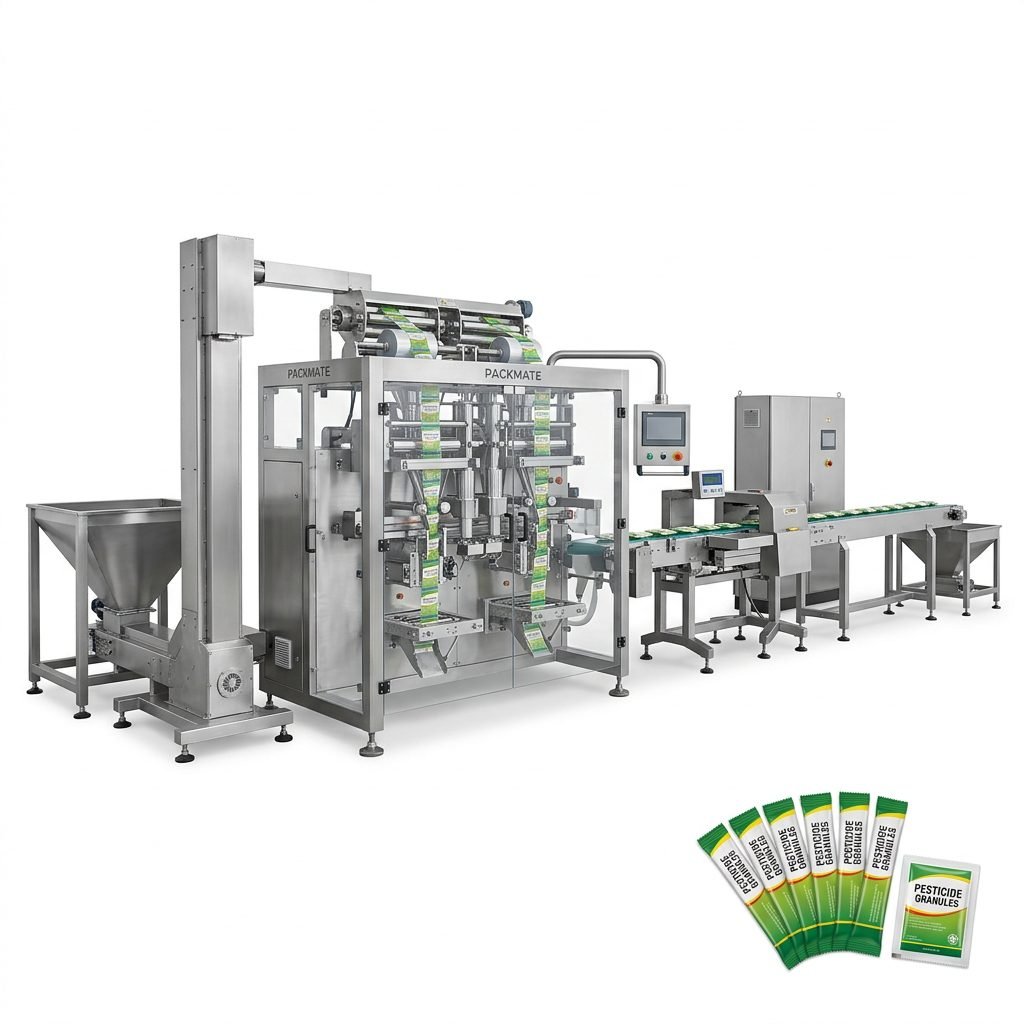
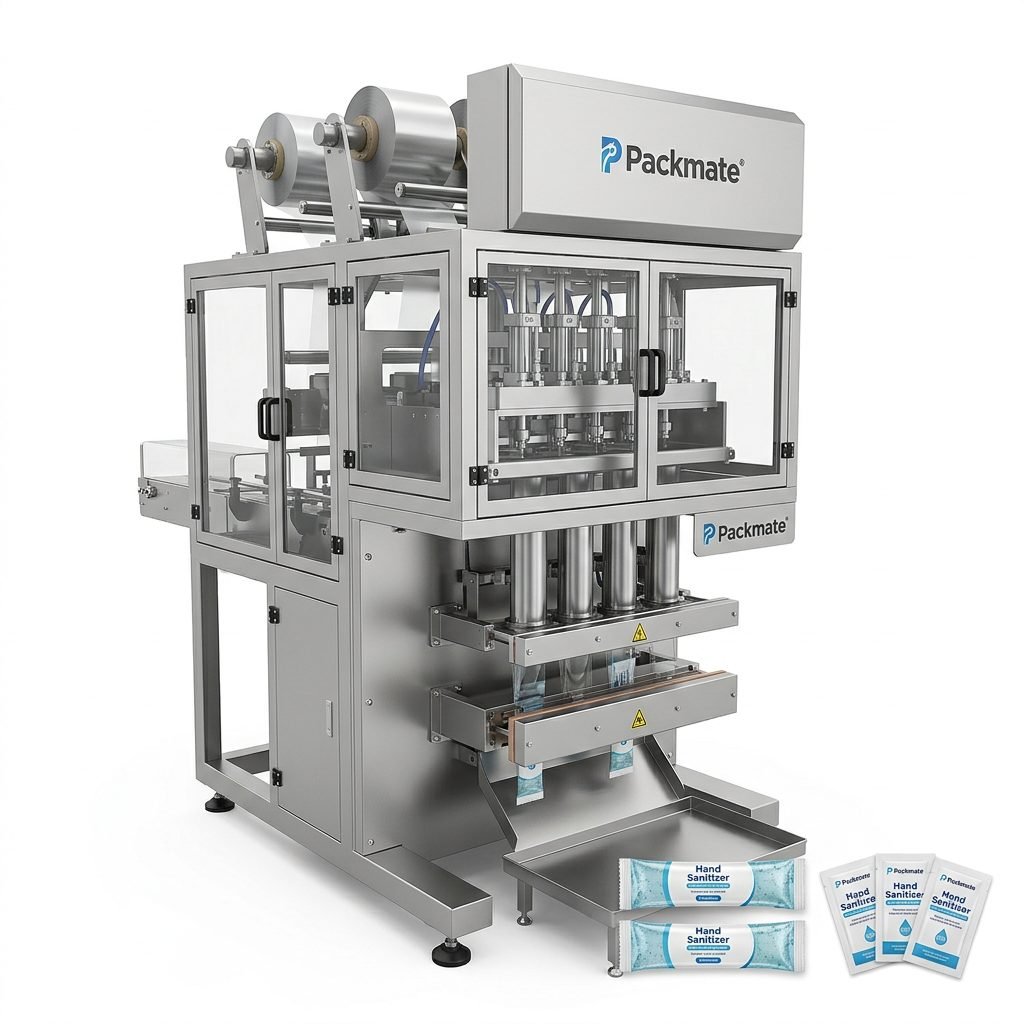
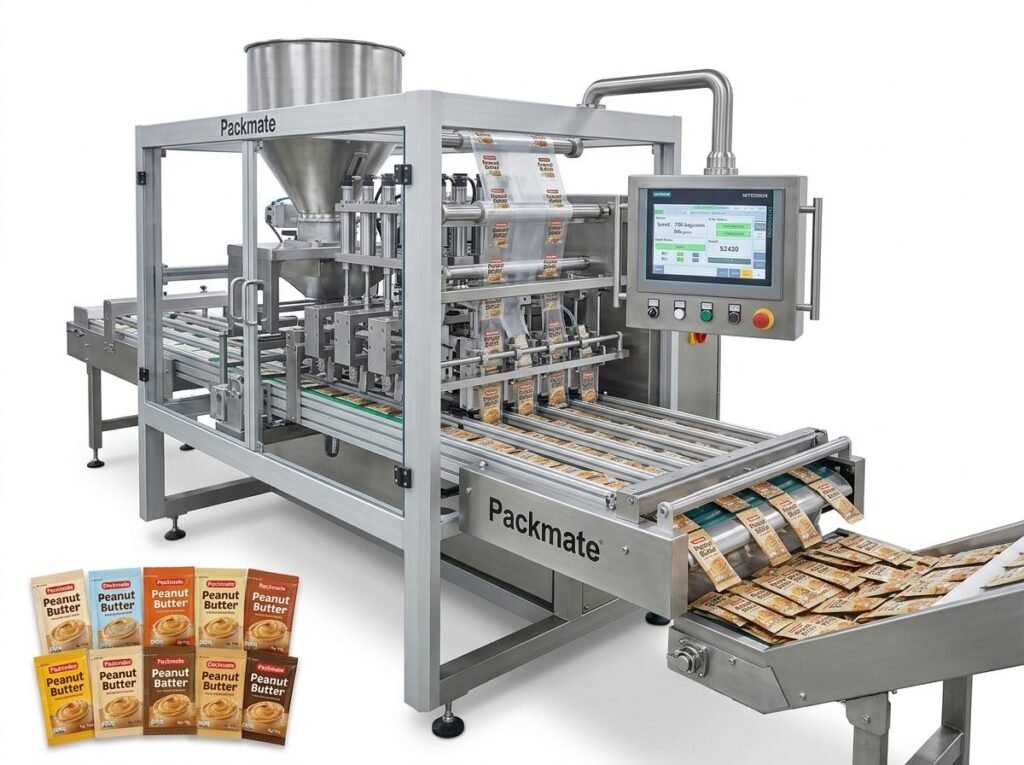
A chain is only as strong as its weakest link. Use time studies to measure the cycle time of each station on your line. The slowest station dictates the maximum throughput of the entire line. Solutions may involve redistributing tasks, adding parallel processing at the bottleneck, or upgrading a single critical machine. For complex lines, companies like Packmate specialize in designing balanced, turnkey systems that ensure synchronized operation from filling to cartoning.
3. Upgrade to Flexible, Modular Equipment
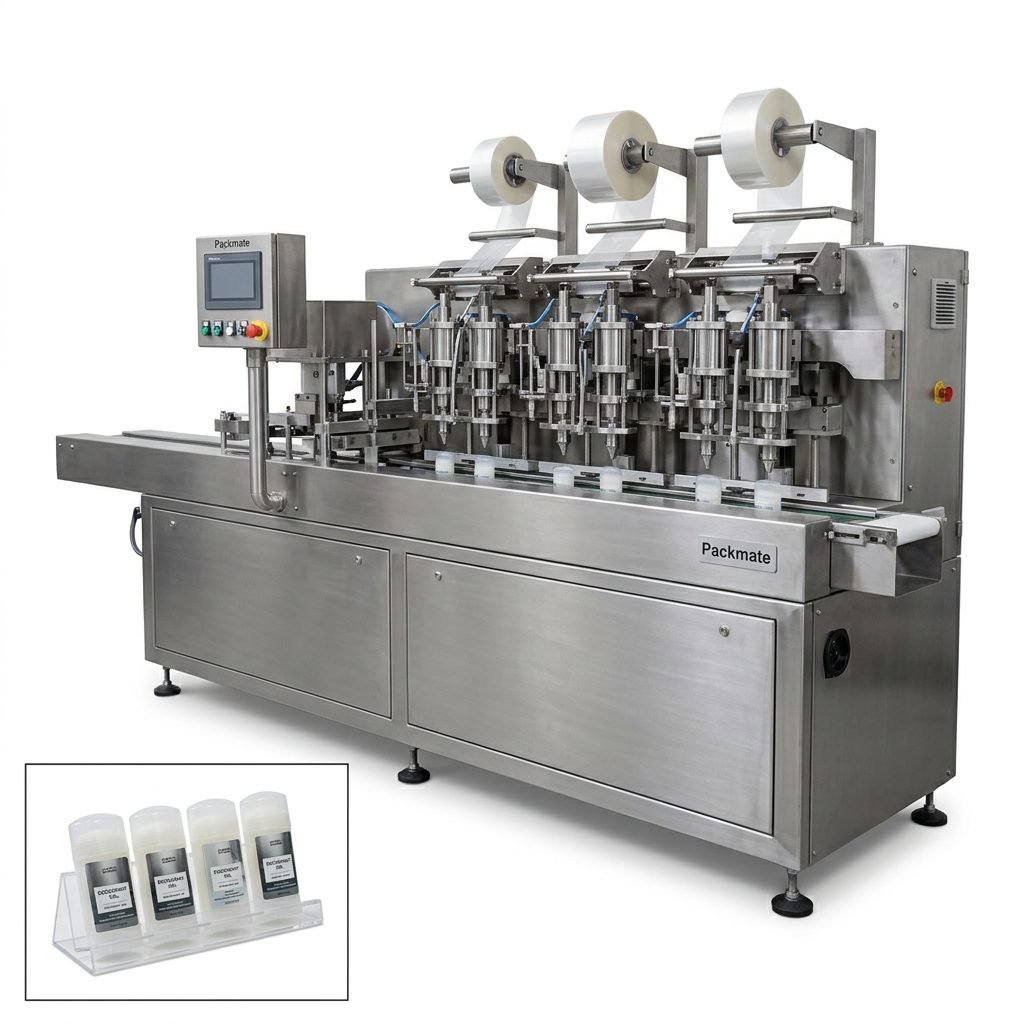
Market demands change rapidly. Packaging lines that can handle multiple product sizes, types, or materials with quick changeovers (SMED – Single-Minute Exchange of Dies) are invaluable. Modular machines allow you to reconfigure or expand your line as needs evolve without a complete overhaul. This flexibility prevents the line from becoming obsolete and allows you to seize new market opportunities swiftly.
Proactive Measures to Reduce Downtime
Unplanned downtime is the primary enemy of efficiency. Shifting from reactive to proactive maintenance is key.
📈 Key Focus: Predictive Maintenance
Move beyond scheduled preventive maintenance. Utilize IoT sensors and monitoring software to track machine health parameters like vibration, temperature, and motor current. This data can predict failures before they occur, allowing for maintenance during planned pauses. This approach, as seen in advanced solutions from industry leaders, transforms maintenance from a cost center to a reliability driver.
1. Comprehensive Operator Training
Well-trained operators are your first line of defense against downtime. Training should go beyond basic operation to include routine inspection, minor troubleshooting, and understanding the signs of impending machine wear. Empowered operators can catch issues early and perform minor adjustments, preventing small problems from escalating into major stoppages. Reviewing real-world case studies can provide valuable insights into common operational challenges and solutions.
2. Standardize Procedures and Maintain Spare Parts Inventory
Create clear, visual Standard Operating Procedures (SOPs) for setup, operation, cleaning, and changeover. This reduces variability and errors. Additionally, maintain a strategic inventory of critical spare parts for the most failure-prone components. The cost of holding these parts is often far less than the cost of a full-day production halt waiting for a shipment.
Strategic Approaches to Reduce Operational Costs
Cost reduction should not compromise quality or reliability. The goal is intelligent saving through efficiency.
1. Optimize Material Usage
Packaging materials are a significant cost. Work with your machine settings to minimize film or cardboard waste. Consider if lighter-gauge materials could provide sufficient protection. Implementing precise, weigh-based filling systems reduces product giveaway, saving substantial money over time. An audit of your entire material flow can reveal surprising areas of waste.
2. Improve Energy Efficiency
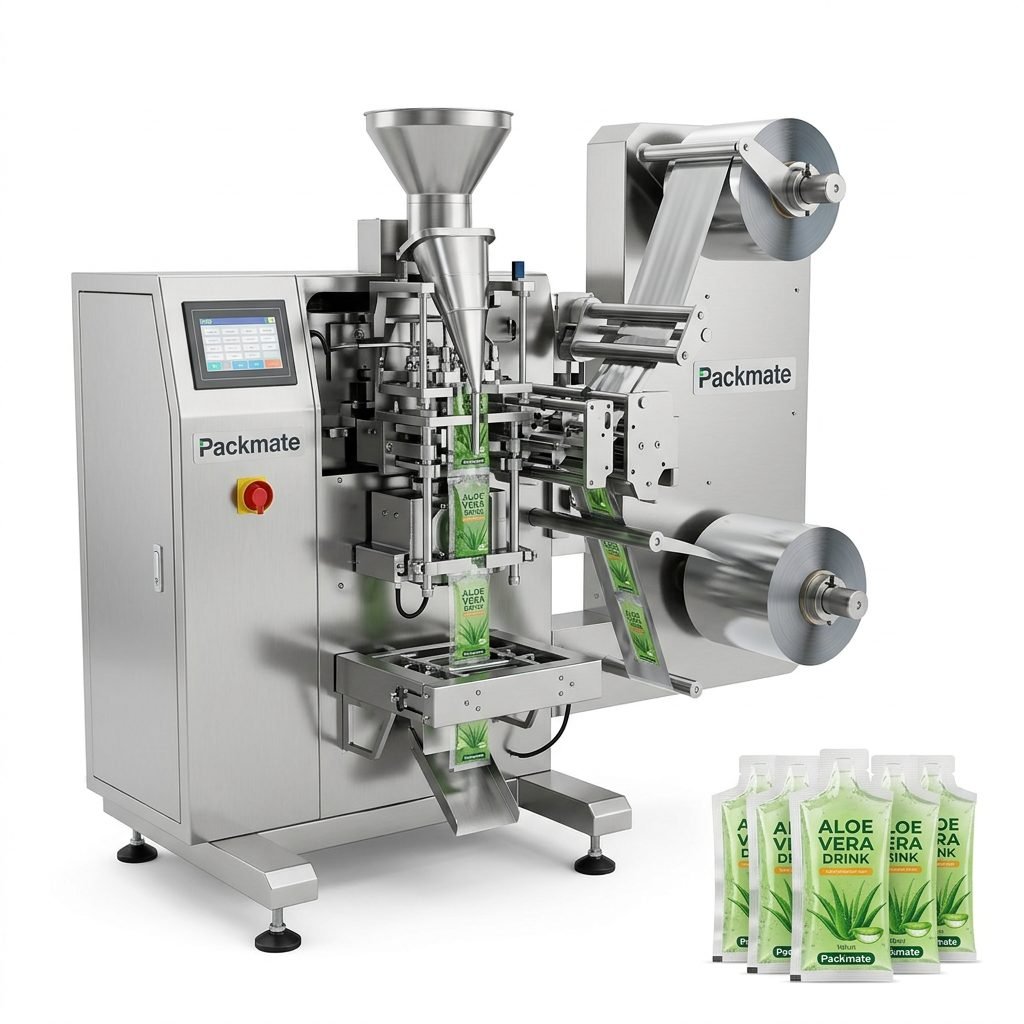
Modern servo-driven motors are far more energy-efficient than older mechanical systems. They consume power only when performing work and can regenerate energy during deceleration. Evaluate your line for outdated motors, inefficient pneumatics, or poorly insulated heat-sealing systems. Upgrading to energy-efficient components, often available in newer models from suppliers like Packmate Packaging Line, can lead to significant utility savings.
3. Leverage Data and Analytics
You cannot manage what you do not measure. Implement a Manufacturing Execution System (MES) or basic data collection to track OEE, downtime reasons, and output quality. Analyzing this data reveals patterns and root causes of inefficiency, allowing for targeted, evidence-based improvements rather than guesswork.
The Role of Technology and Professional Partnership
While internal process improvements are vital, technology and expert collaboration can provide a quantum leap in performance.
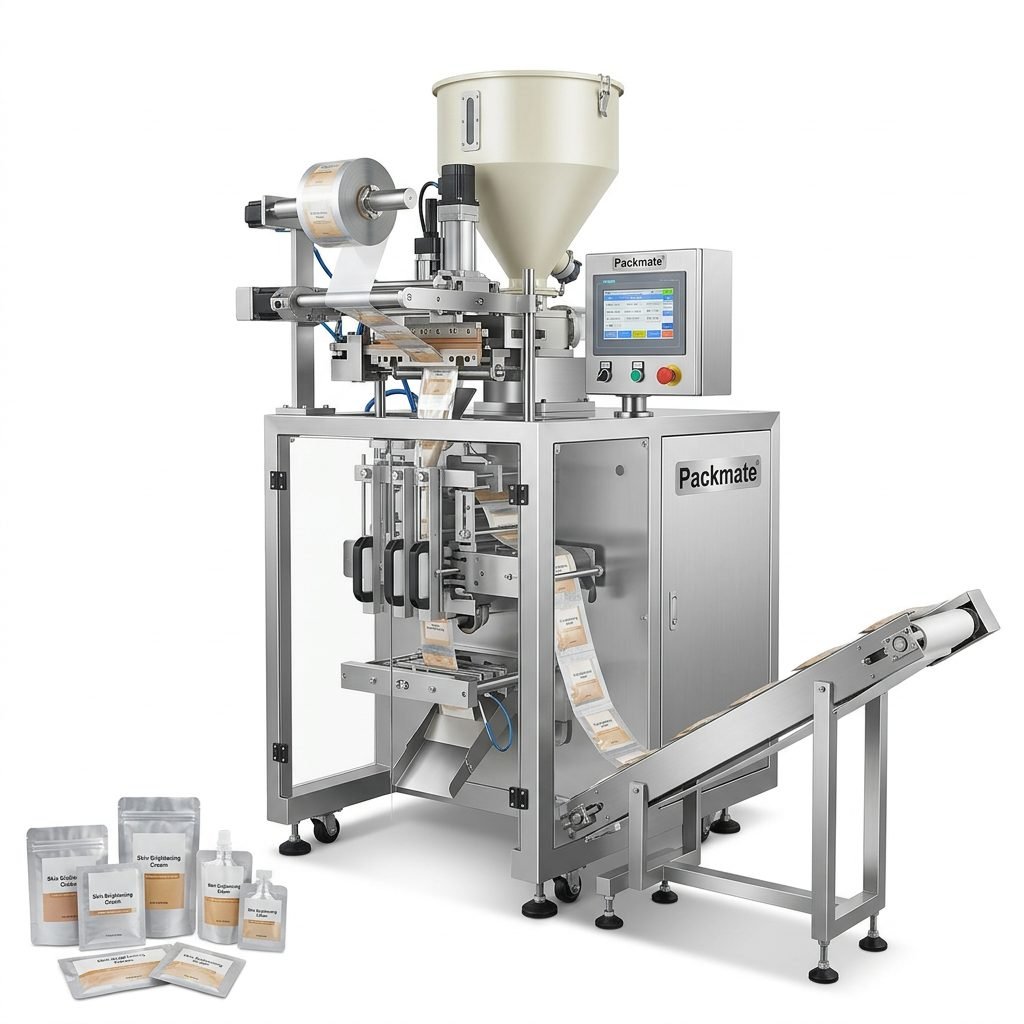
Integrating automation, such as robotic palletizers or automated guided vehicles (AGVs) for material handling, reduces labor costs and improves consistency. Machine vision systems for quality inspection ensure no defective package leaves your facility, protecting your brand reputation. For many companies, partnering with an experienced provider for a complete packaging line solution ensures all components are designed to work in harmony from the outset, avoiding the integration headaches and performance gaps of a piecemeal approach. Learning more about a provider’s experience and philosophy is a critical step in this process.
Conclusion: A Continuous Journey
Optimizing packaging line efficiency is not a one-time project but a culture of continuous improvement. It requires commitment from leadership, engagement from operators, and a willingness to invest in both technology and training. By systematically addressing output, downtime, and costs through the strategies outlined—from lean practices and predictive maintenance to strategic partnerships—manufacturers can build a packaging operation that is not only efficient and cost-effective but also resilient and adaptable to future demands. The journey toward peak efficiency begins with a single, informed step: auditing your current state and identifying the highest-impact opportunity for change.
Frequently Asked Questions (FAQs)
1. What is the first step I should take to improve my packaging line’s efficiency?
The most effective first step is to conduct a thorough audit and collect data. Measure your current Overall Equipment Effectiveness (OEE), track all downtime events with their causes, and map your material and information flows. You cannot fix what you haven’t measured. This data-driven baseline will clearly show your biggest opportunities for improvement.
2. Is it better to upgrade existing machines or invest in a completely new line?
This depends on the age, condition, and flexibility of your current equipment. Targeted upgrades (like adding a new servo motor, vision system, or control software) can be very cost-effective for relatively modern lines. However, if your machinery is old, unreliable, or incapable of handling new products, a new, integrated line from a specialist may offer better long-term ROI through higher speed, flexibility, and lower maintenance costs.
3. How can I reduce changeover time on my packaging line?
Reducing changeover time is achieved through SMED methodology. The goal is to convert as many steps as possible from internal (done while the machine is stopped) to external (prepared while the machine is running). Use standardized tools, implement quick-release mechanisms and clamps, create pre-staged kits of parts for each product, and use digital settings recall. Proper operator training on these procedures is essential.
4. What are the most common causes of unplanned downtime?
The most frequent causes include: mechanical wear and failure (bearings, seals), minor jams due to misaligned guides or worn parts, electrical/control system faults, operator error due to inadequate training, and waiting for materials or missing components. A strong preventive and predictive maintenance program, combined with good training and planning, addresses most of these root causes.
5. How do I justify the investment in efficiency improvements to management?
Frame the proposal in terms of Return on Investment (ROI) and risk mitigation. Calculate the potential savings from increased output, reduced scrap, lower energy consumption, and decreased labor costs. Quantify the cost of current downtime. Also, highlight intangible benefits like improved customer satisfaction from reliable on-time delivery, enhanced quality, and the ability to take on new business with a more flexible line. Presenting a clear, data-backed business case is crucial.