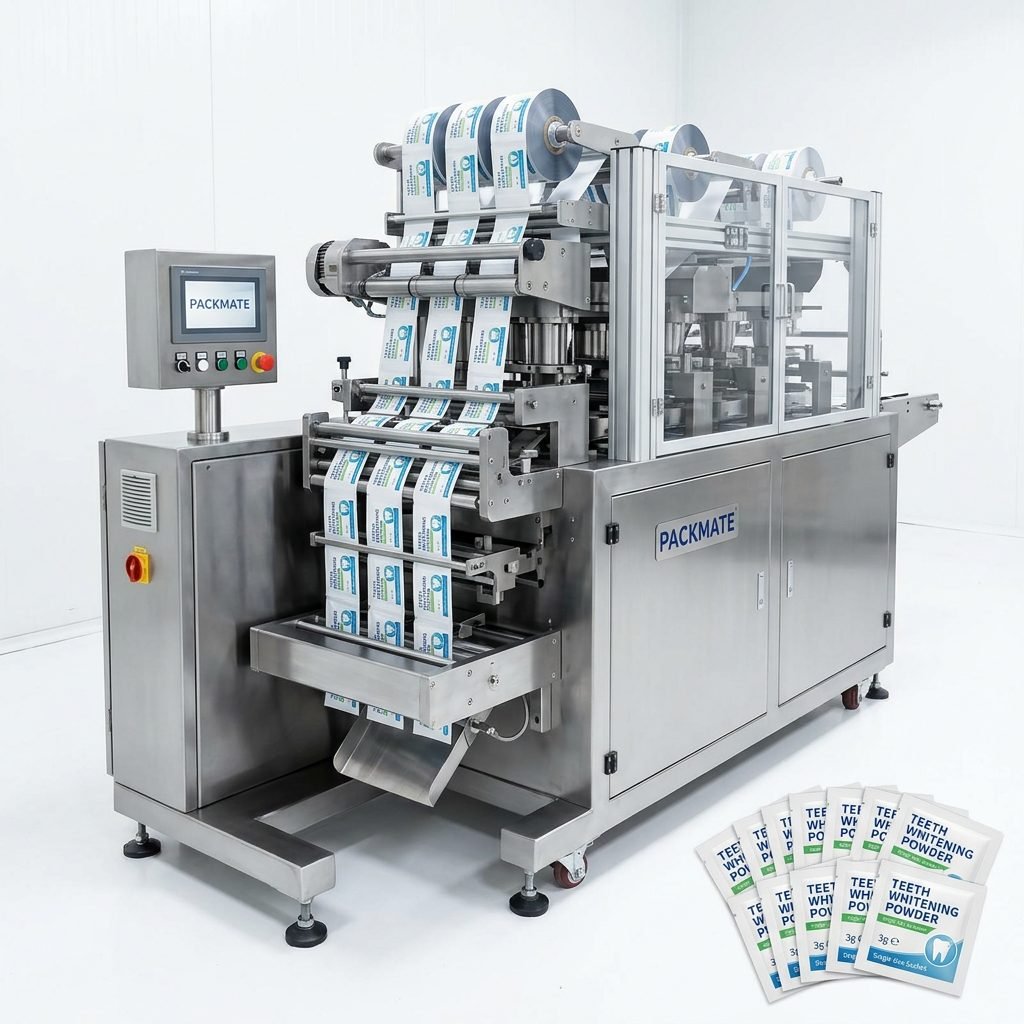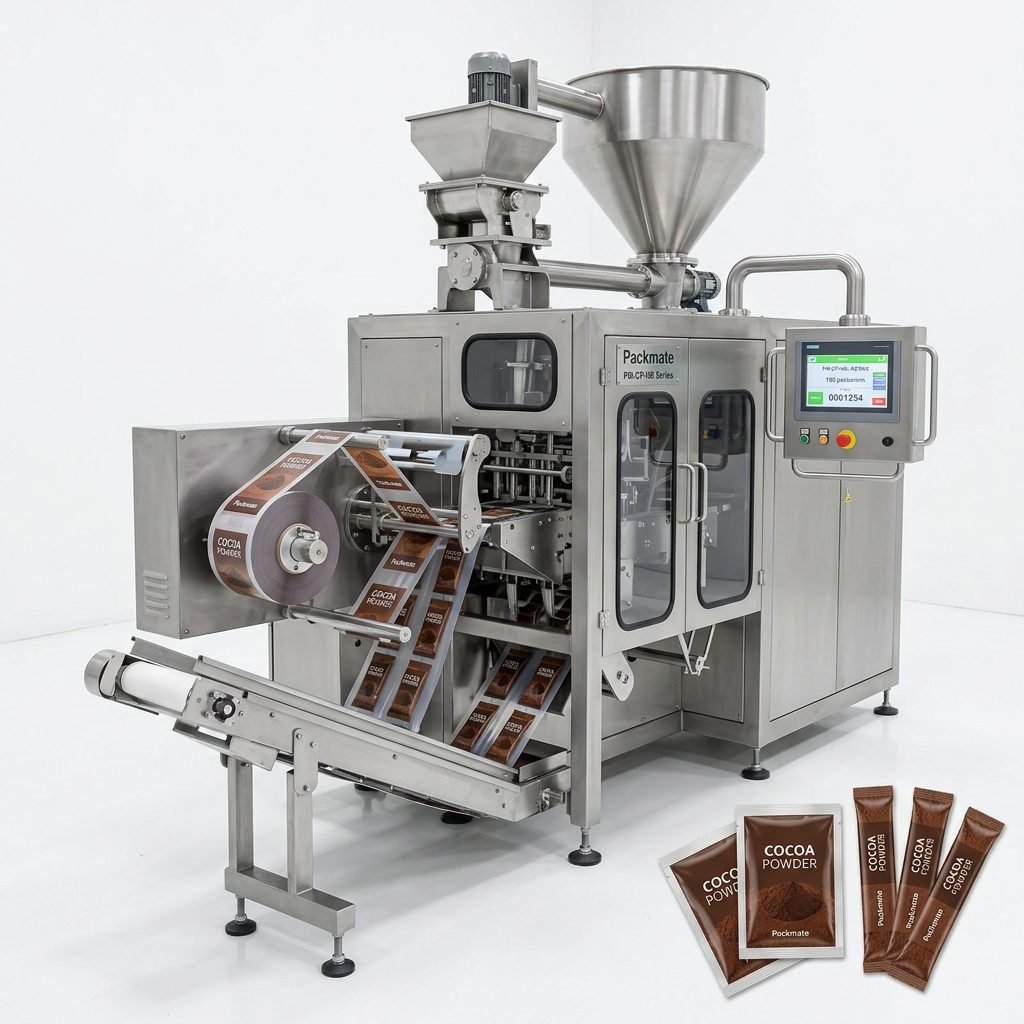
In the dynamic world of food, dairy, and confectionery manufacturing, product presentation and preservation are paramount. Among the most challenging yet essential products to package are spreadable creams—from decadent chocolate hazelnut spreads and creamy peanut butter to delicate dairy creams, cheese spreads, and gourmet dessert toppings. These products demand packaging solutions that are not only efficient and hygienic but also capable of maintaining product integrity, ensuring ease of use for consumers, and standing out on crowded retail shelves. A specialized spreadable cream packaging line is therefore not just machinery; it’s a critical component of brand success and operational excellence.
The Unique Challenges of Packaging Spreadable Creams
Unlike free-flowing liquids or solid granules, spreadable creams present a distinct set of challenges for manufacturers. Their viscous, often non-Newtonian nature means they do not pour easily, requiring precise handling to avoid air inclusion or separation. Hygiene is non-negotiable, especially for dairy-based products susceptible to spoilage. Furthermore, the packaging must facilitate easy dispensing and resealing to prevent contamination and maintain freshness after opening. An effective packaging line must address all these factors while achieving high speeds and minimizing waste.
Key Components of a Modern Spreadable Cream Packaging Line
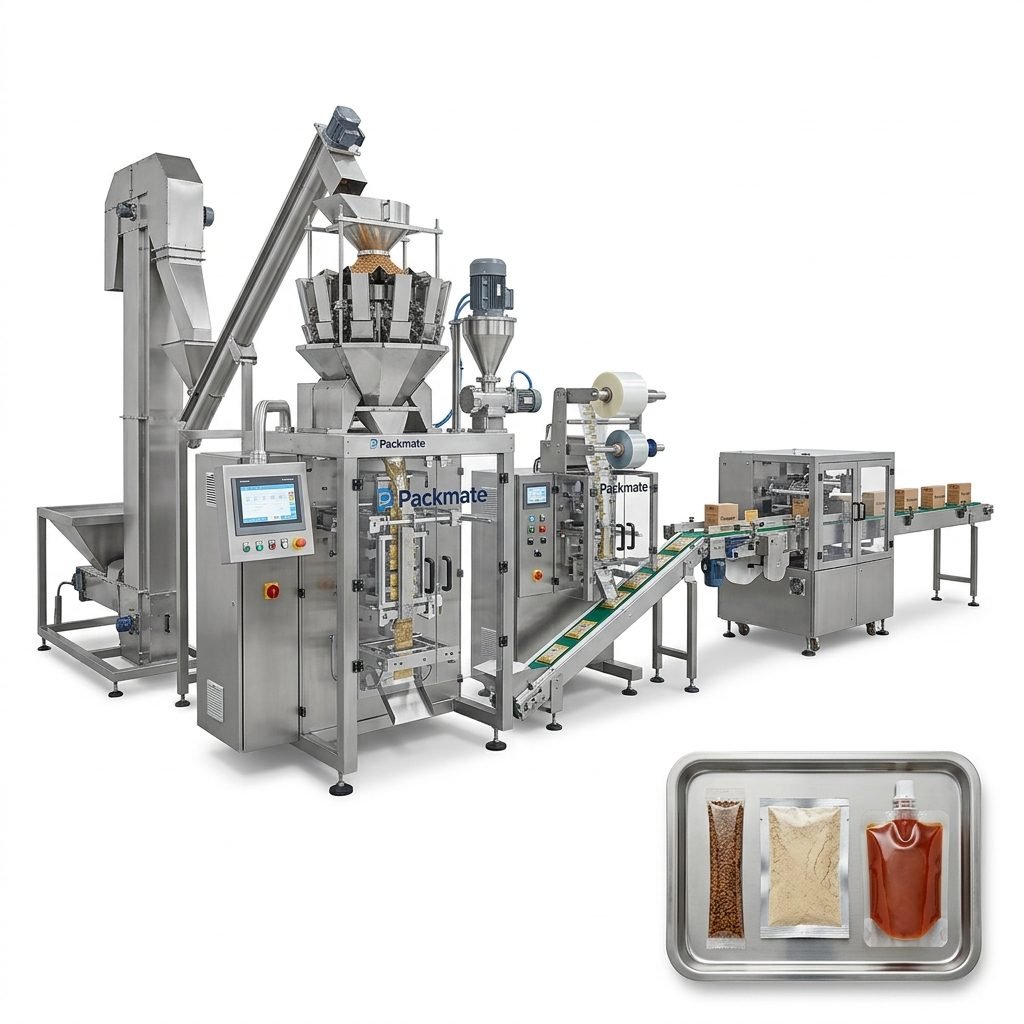
A turnkey spreadable cream packaging solution is an integrated system. Here are its core components:
- Mixing and Feeding System: Ensures product consistency and homogeneity before filling, often incorporating gentle agitation to maintain texture.
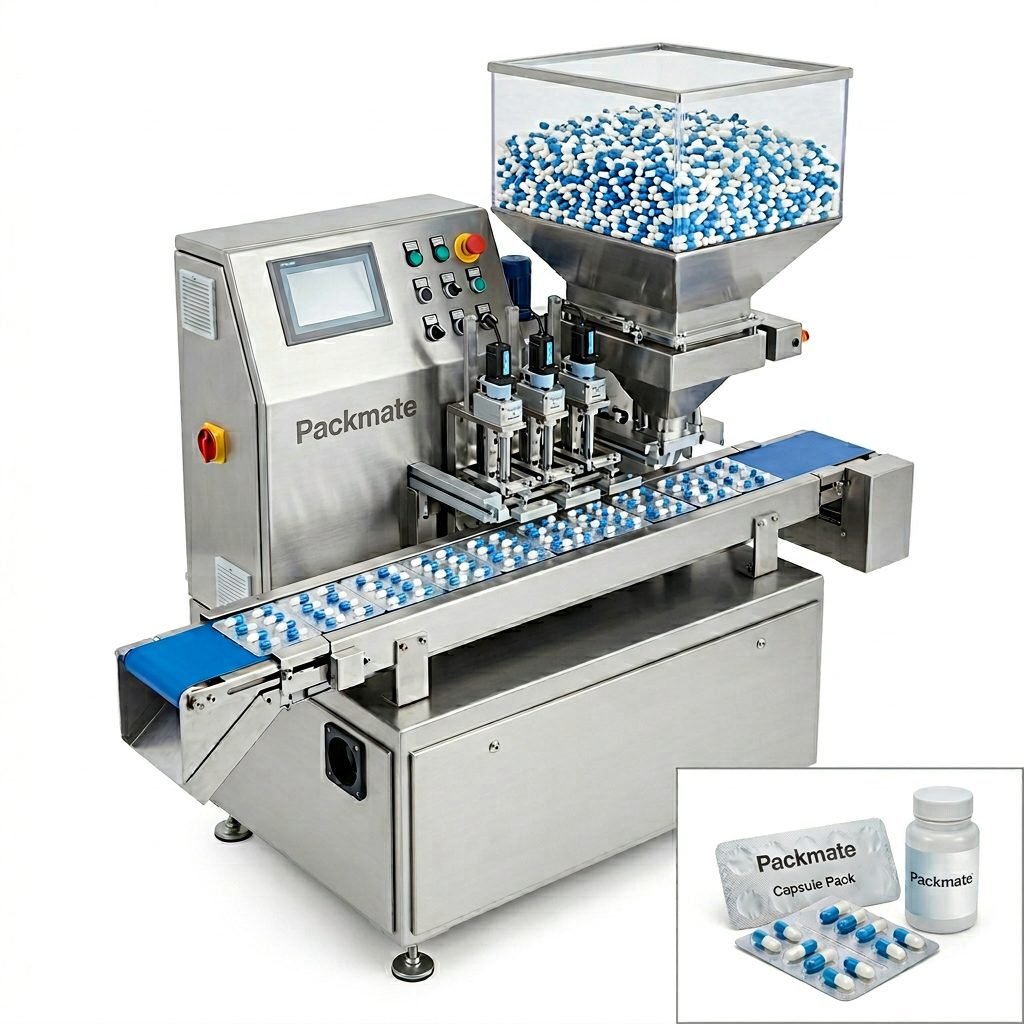
- Precision Filling Machine: The heart of the line. Piston fillers are most common for creams, offering unparalleled accuracy for viscous products. Volumetric or net weight fillers are also used for specific applications.
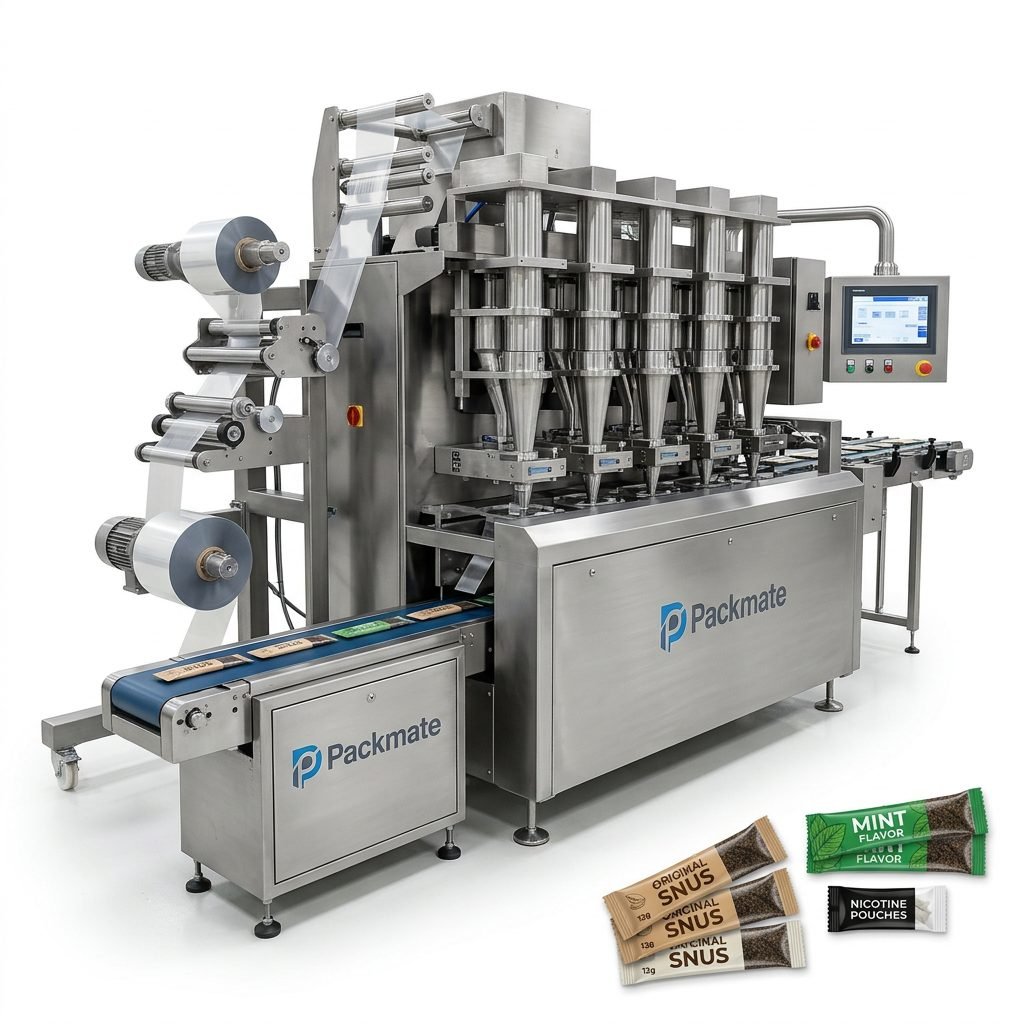
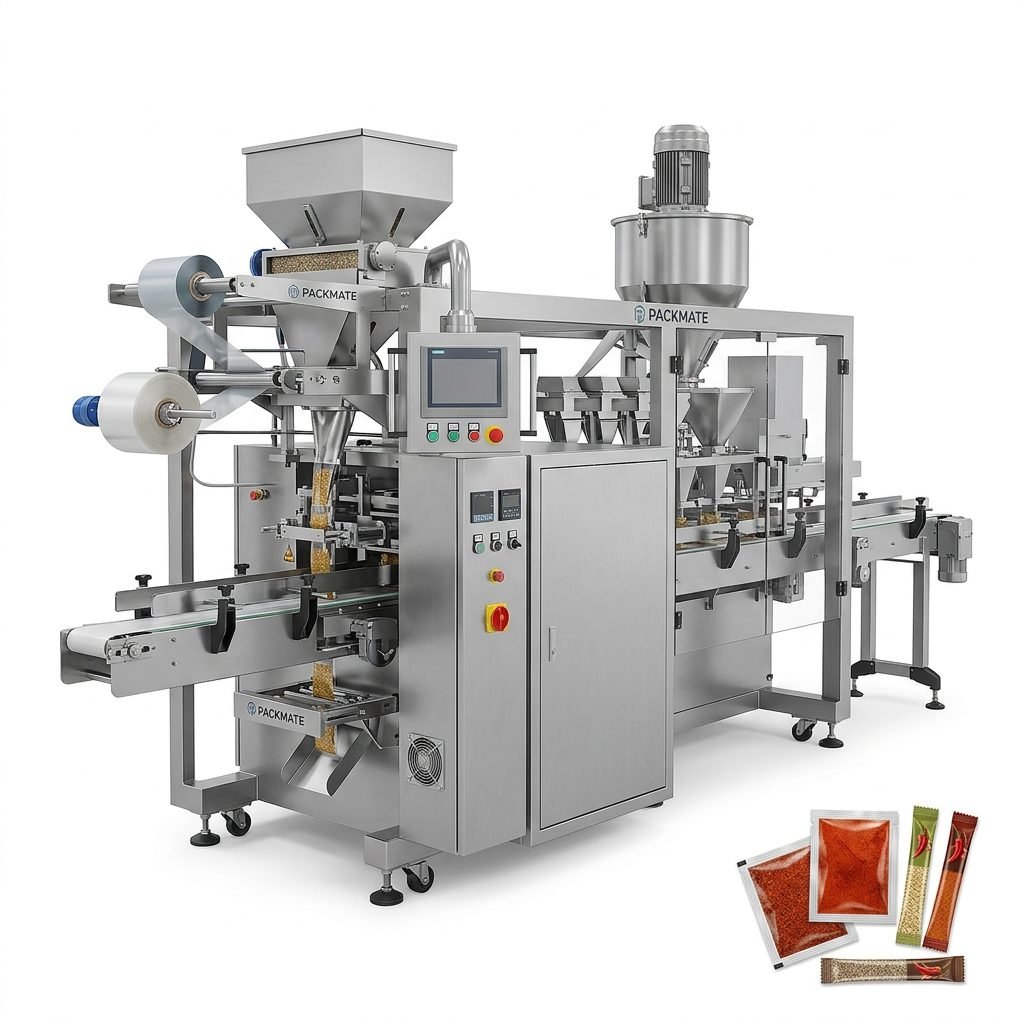
- Form-Fill-Seal (FFS) Machine or Pre-Made Container Handling: For sachets, stick packs, or cups, an FFS machine forms packaging from roll stock, fills it, and seals it in one continuous process. For jars or tubs, the line includes unscramblers, container cleaners, and cappers.
- Sealing and Capping Stations: Critical for product safety. Applies tamper-evident seals, screw caps, or foil lids with perfect hermeticity to extend shelf life.
- Labeling and Coding: Integrates date/batch coding and high-quality labeling for compliance and brand appeal.
- Automated Inspection and Checkweighing: Guarantees every package meets weight and quality standards, rejecting under/overfills or defective seals.
Why a Tailored Solution Beats Standard Equipment
Attempting to package cream cheese with a line designed for ketchup is a recipe for downtime and product loss. Specialized spreadable cream lines offer distinct advantages:
✔ Superior Product Integrity: Gentle handling systems preserve the cream’s texture and prevent oil separation or aeration.
✔ Reduced Waste & Higher Efficiency: Precision filling minimizes giveaway, saving raw material costs. High-speed automation boosts overall equipment effectiveness (OEE).
✔ Enhanced Hygiene & Safety: Designed with easy-clean surfaces, CIP/SIP capabilities, and food-grade materials to meet stringent food safety standards.
✔ Packaging Flexibility: Quick changeovers allow the same line to run different cream types and package sizes—from single-serve sachets for foodservice to family-sized jars for retail. Explore our range of adaptable packaging solutions.
Innovations Driving the Future of Cream Packaging
The industry is evolving rapidly. Smart factories now integrate Industry 4.0 principles into packaging lines. Real-time monitoring via IoT sensors tracks performance, predicts maintenance needs, and optimizes production data. Sustainable packaging is also a major driver, with lines increasingly compatible with recyclable or compostable mono-material films and lightweight containers. Furthermore, modular line design allows for easier future upgrades and expansion as your business grows.
Selecting the Right Packaging Line Partner
Choosing a supplier is a strategic decision. Look for a partner with:
- Proven Industry Experience: Deep knowledge of the rheological properties of creams and pastes.
- Turnkey Capability: Ability to deliver a fully integrated, tested line from raw material inlet to palletized output, not just individual machines.
- Robust After-Sales Support: Global availability of spare parts, technician training, and remote support to ensure maximum uptime.
- Innovation Portfolio: A commitment to R&D, ensuring their technology stays ahead of market and regulatory trends.
Companies like Packmate (GuangDong) Co., Ltd. exemplify this approach, leveraging decades of experience to build intelligent, reliable lines. You can see their expertise in action through real-world project cases.
Maximizing Your Investment: Line Integration and Support
The journey doesn’t end at installation. A successful integration involves comprehensive factory acceptance testing (FAT), on-site installation supervision, and detailed operator training. A reliable partner will provide extensive documentation and ongoing technical service. This ensures your team can operate the line efficiently, perform routine maintenance, and troubleshoot minor issues, safeguarding your productivity and return on investment for years to come.
Conclusion
Investing in a dedicated spreadable cream packaging line is an investment in product quality, brand reputation, and manufacturing efficiency. By overcoming the unique challenges of viscous products, such a line reduces waste, ensures safety, and provides the flexibility needed in today’s fast-paced market. Partnering with an experienced provider who offers tailored, turnkey solutions and unwavering support is the key to unlocking these benefits and achieving packaging excellence in the competitive food, dairy, and confectionery sectors. For more information on specific capabilities, you can always contact our team directly.
Frequently Asked Questions (FAQs)
1. What type of filler is best for thick, spreadable creams?
Piston fillers are generally considered the gold standard for high-viscosity creams like nut butters and cheese spreads due to their exceptional accuracy and gentle action. The choice between rotary and inline piston fillers depends on required speed and container type.
2. Can one packaging line handle different types of creams and package sizes?
Yes, with a well-designed, flexible line. Modern lines allow for quick changeovers of filling heads, packaging film reels, and container fixtures. This enables production shifts between, for example, dessert topping in sachets and dairy cream in tubs with minimal downtime.
3. How important is hygienic design for a cream packaging line?
It is absolutely critical. Lines must be constructed with food-grade stainless steel, have smooth, crevice-free surfaces, and ideally offer clean-in-place (CIP) functionality. This prevents bacterial harborage, ensures compliance with FDA, EHEDG, or other standards, and protects product shelf life.
4. What are the key maintenance requirements for these lines?
Regular maintenance includes daily cleaning and lubrication of moving parts, periodic inspection and replacement of seals and gaskets on filling cylinders, calibration of checkweighers, and software updates. A good supplier will provide a detailed maintenance schedule and training.
5. How can we ensure the packaging seals properly to prevent leakage or spoilage?
Proper sealing relies on precise control of heat, pressure, and time during the sealing process. The line should include leak detection systems (e.g., vacuum testing) and vision inspection systems to check seal integrity on every package, automatically rejecting any failures.
For more detailed answers, visit our dedicated FAQs page.