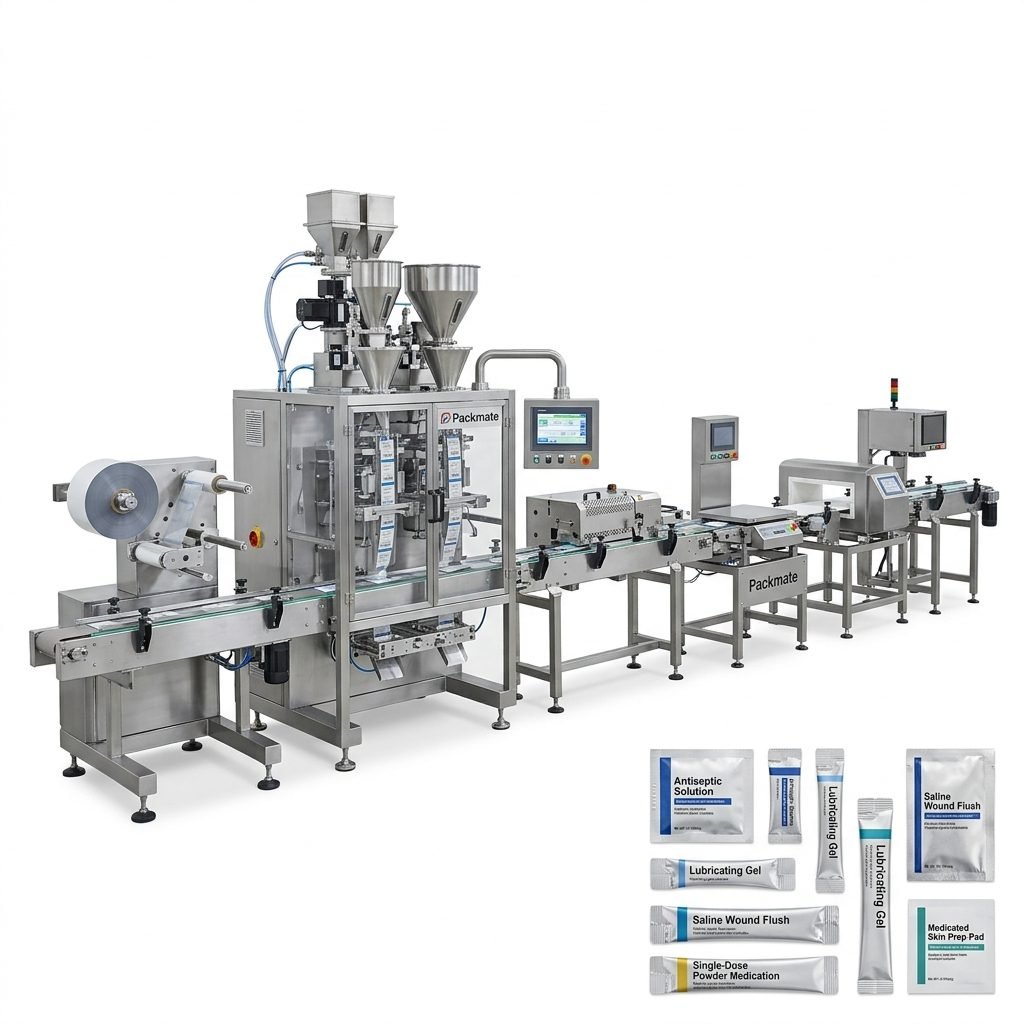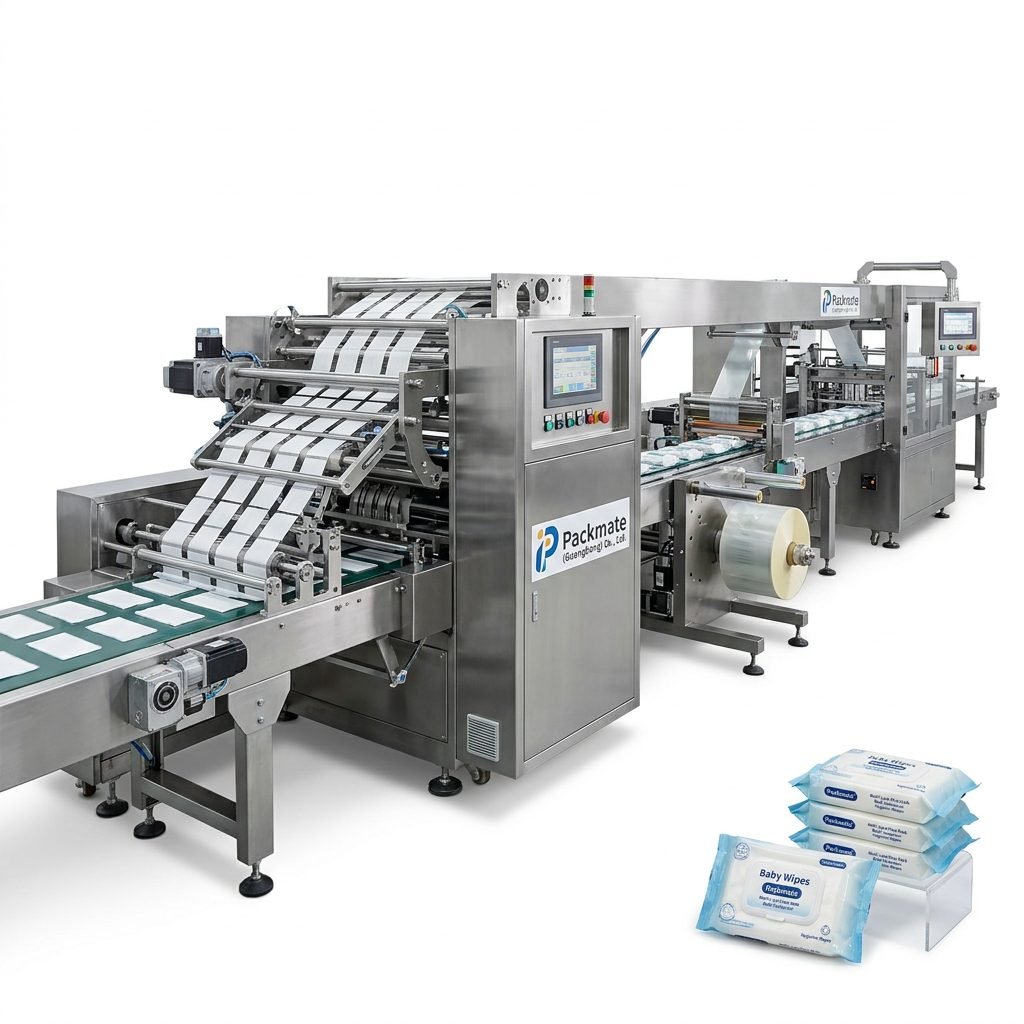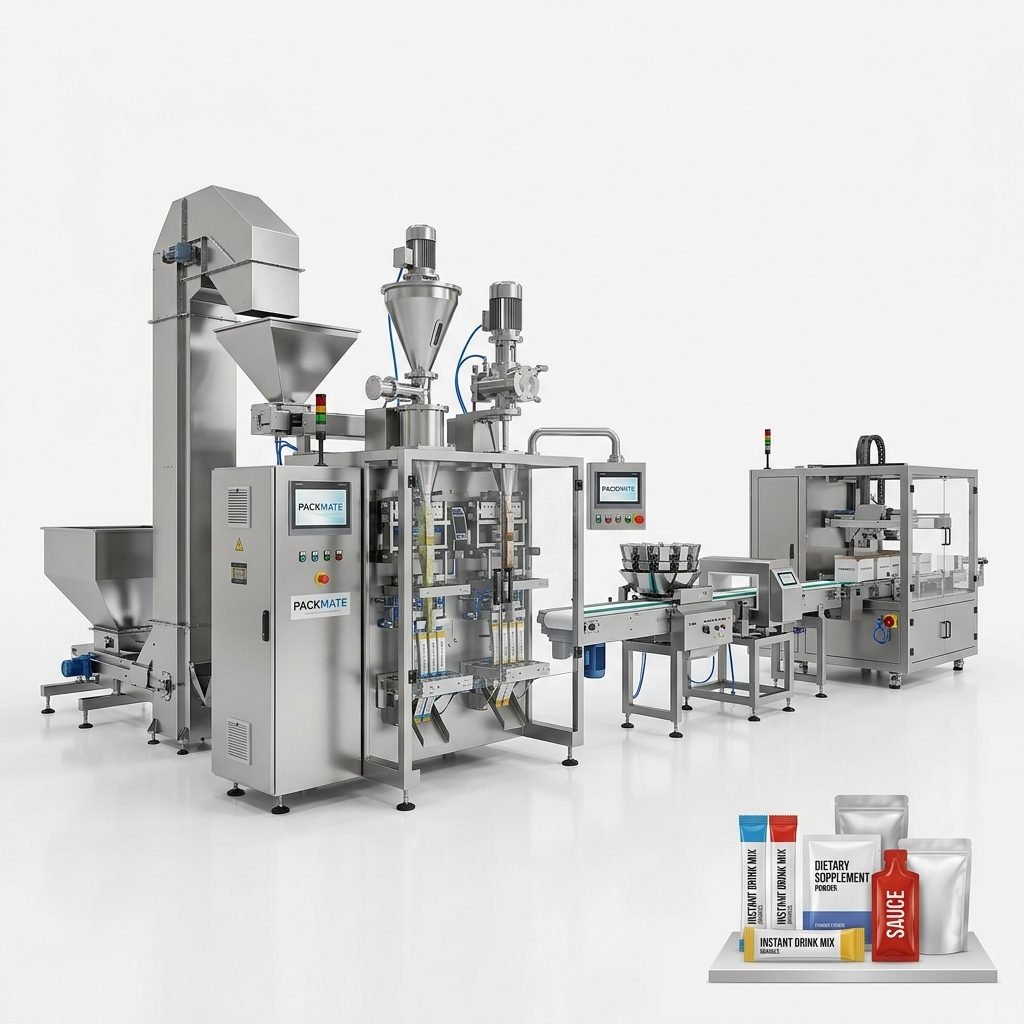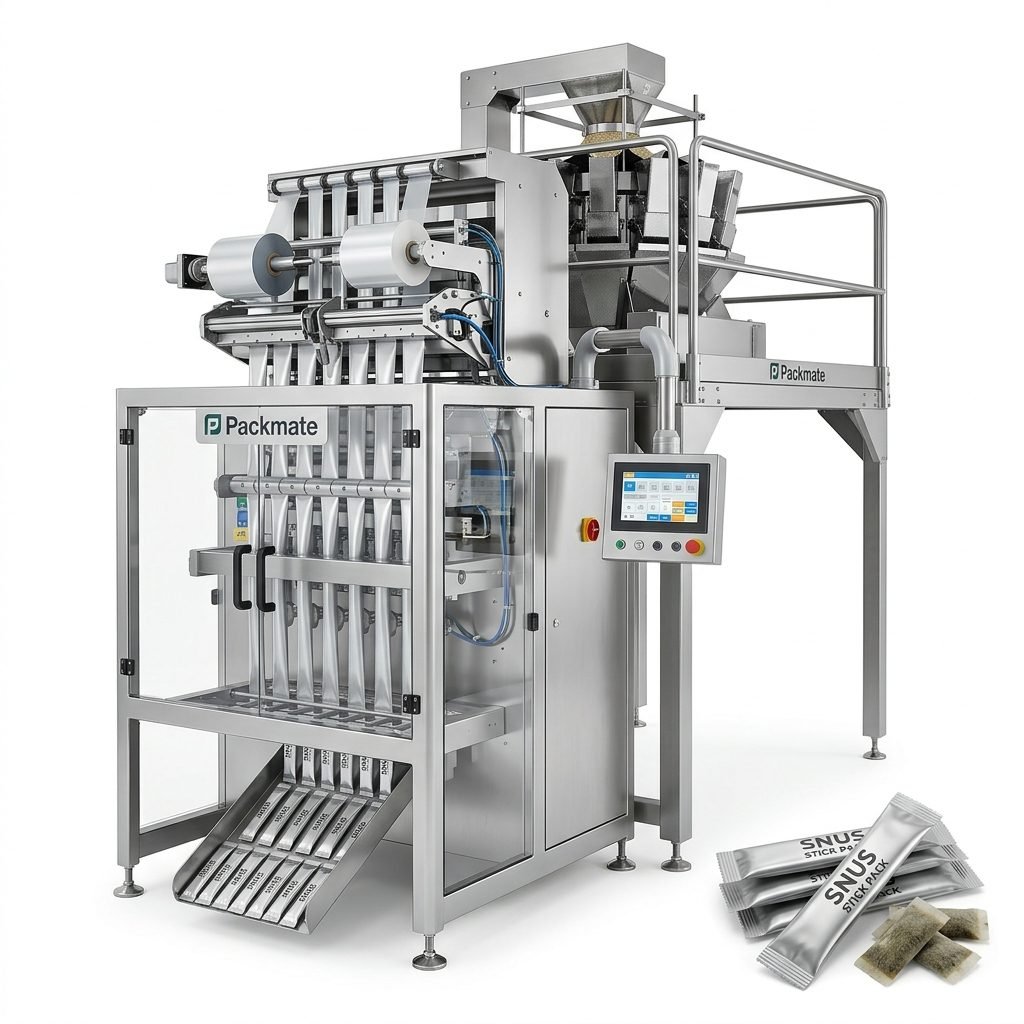
Choosing the right packaging machine manufacturer is a critical decision for businesses in Afghanistan, where food processing, pharmaceutical production, and consumer goods manufacturing are expanding rapidly. Afghan entrepreneurs and factory owners often face challenges such inconsistent power supply, limited local technical support, and the need for flexible machinery that can handle diverse product types. To make a sound investment, buyers must evaluate suppliers based on experience, product range, export track record, and after-sales service. Below are the key factors to consider when selecting a packaging machine partner for your Afghan operation, with insights from leading Chinese manufacturers who have successfully served markets similar to Afghanistan.
1. Industry Experience and Reputation
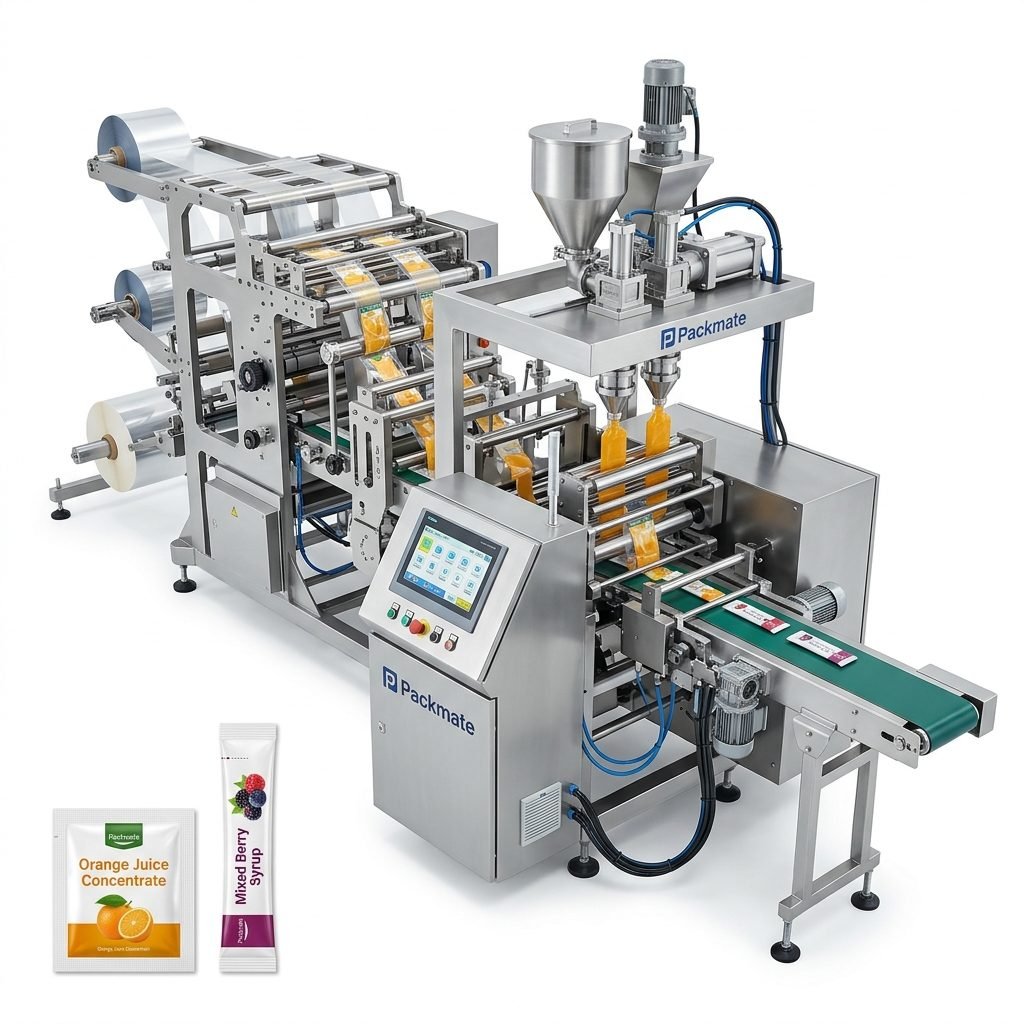
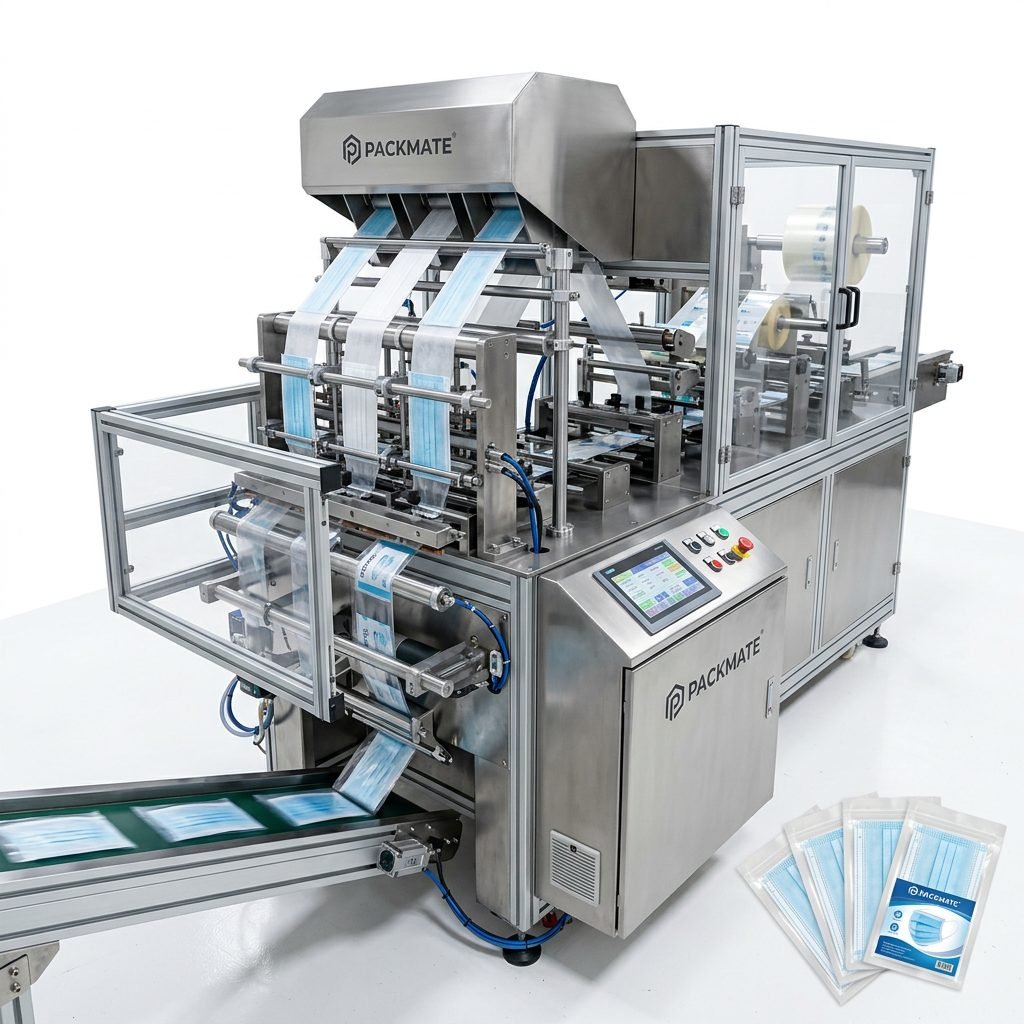
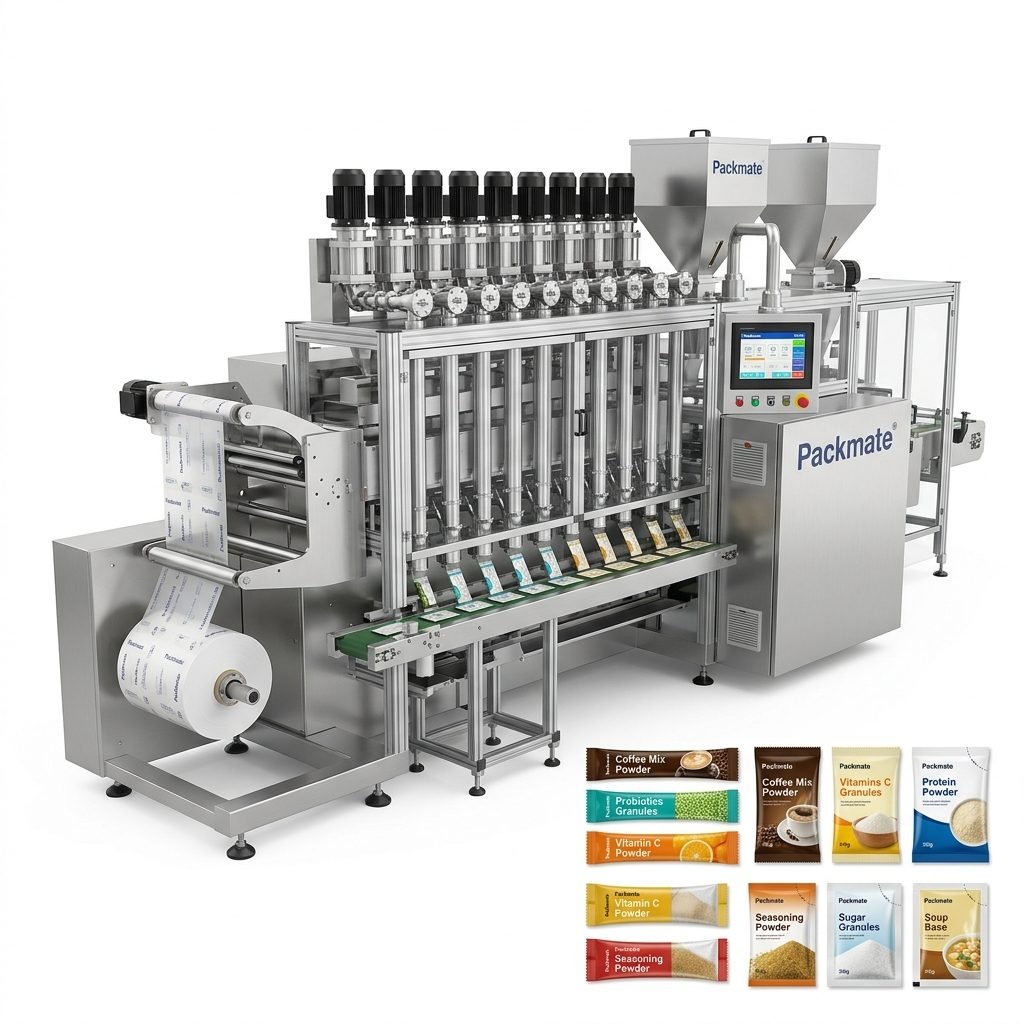
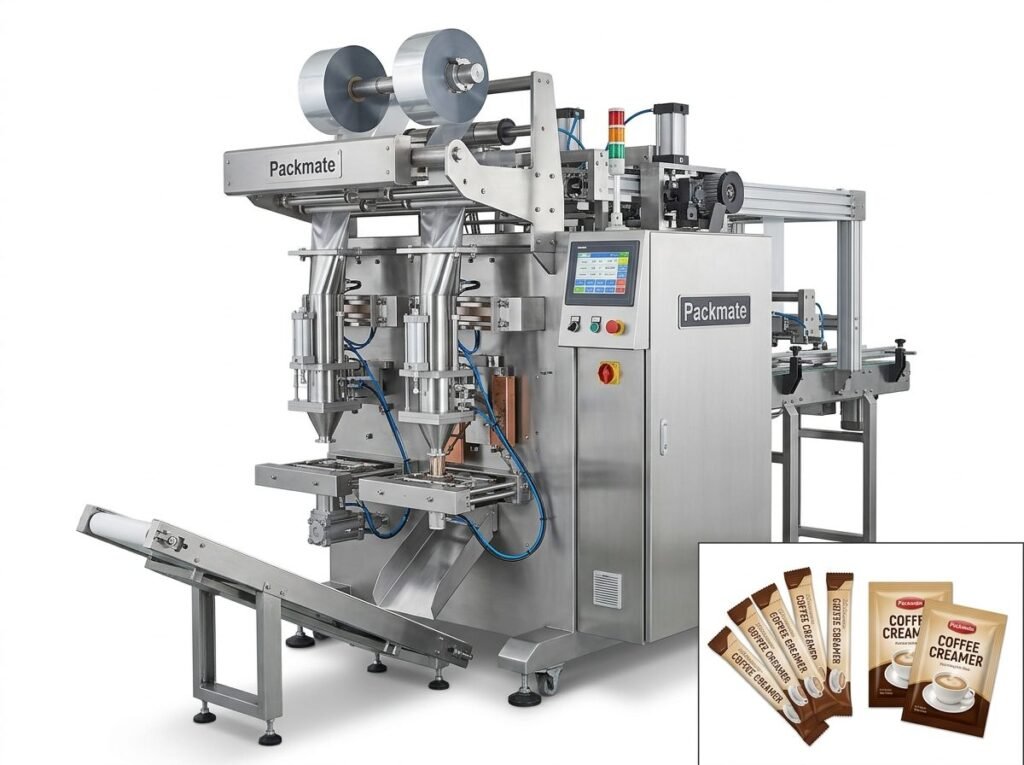
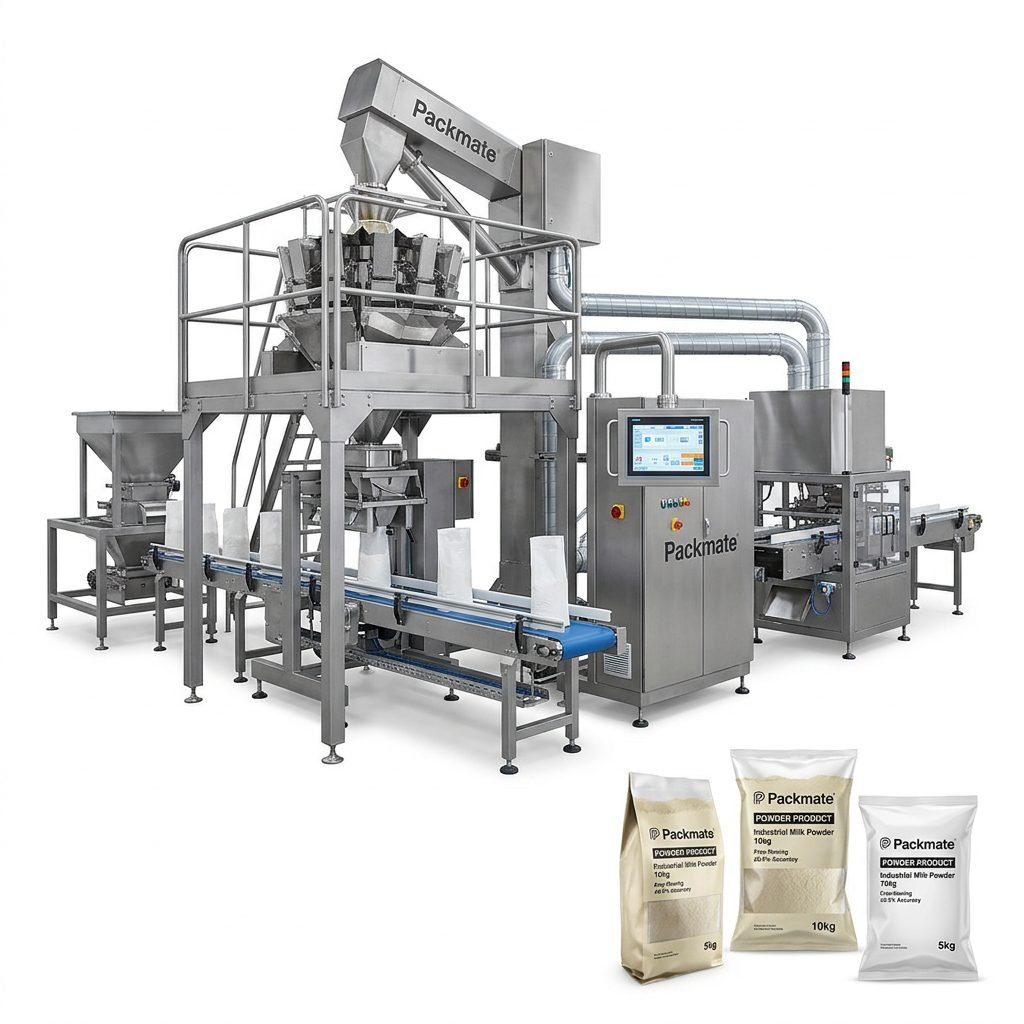
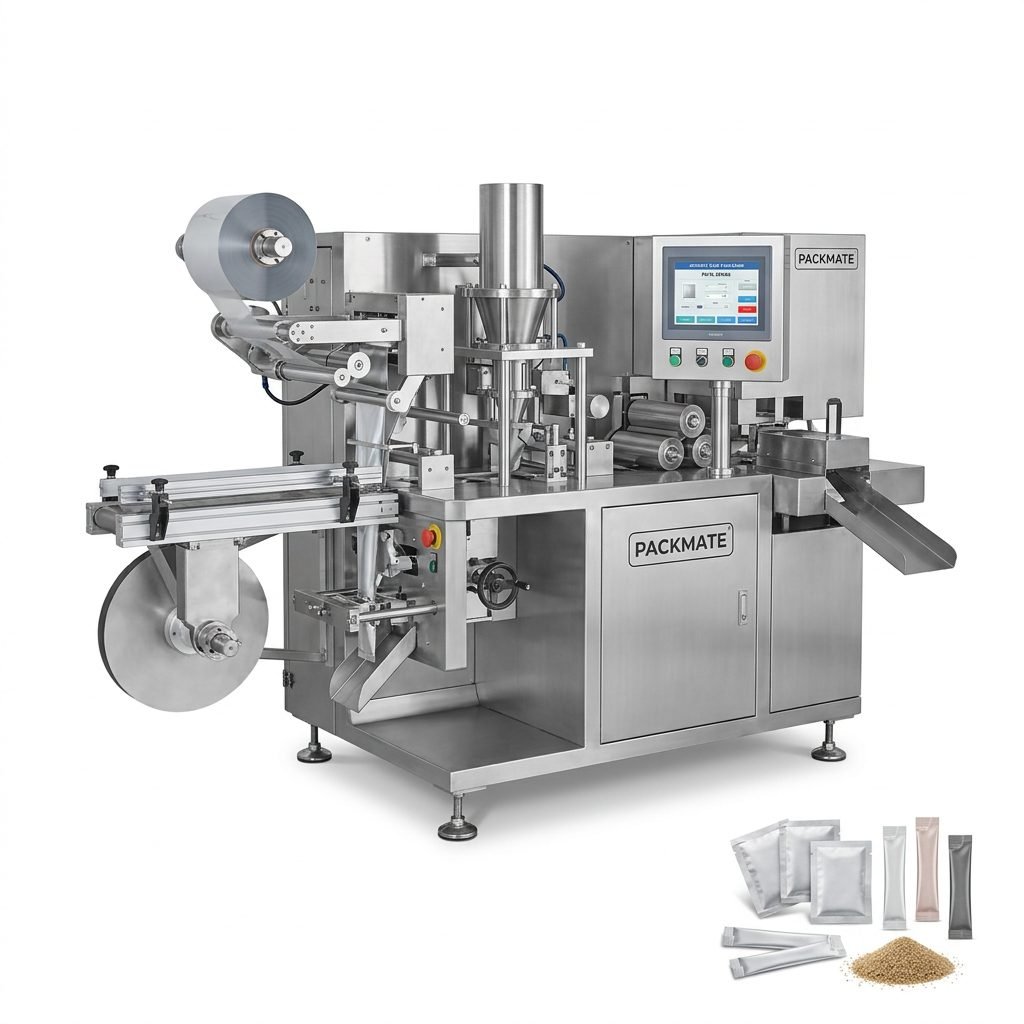
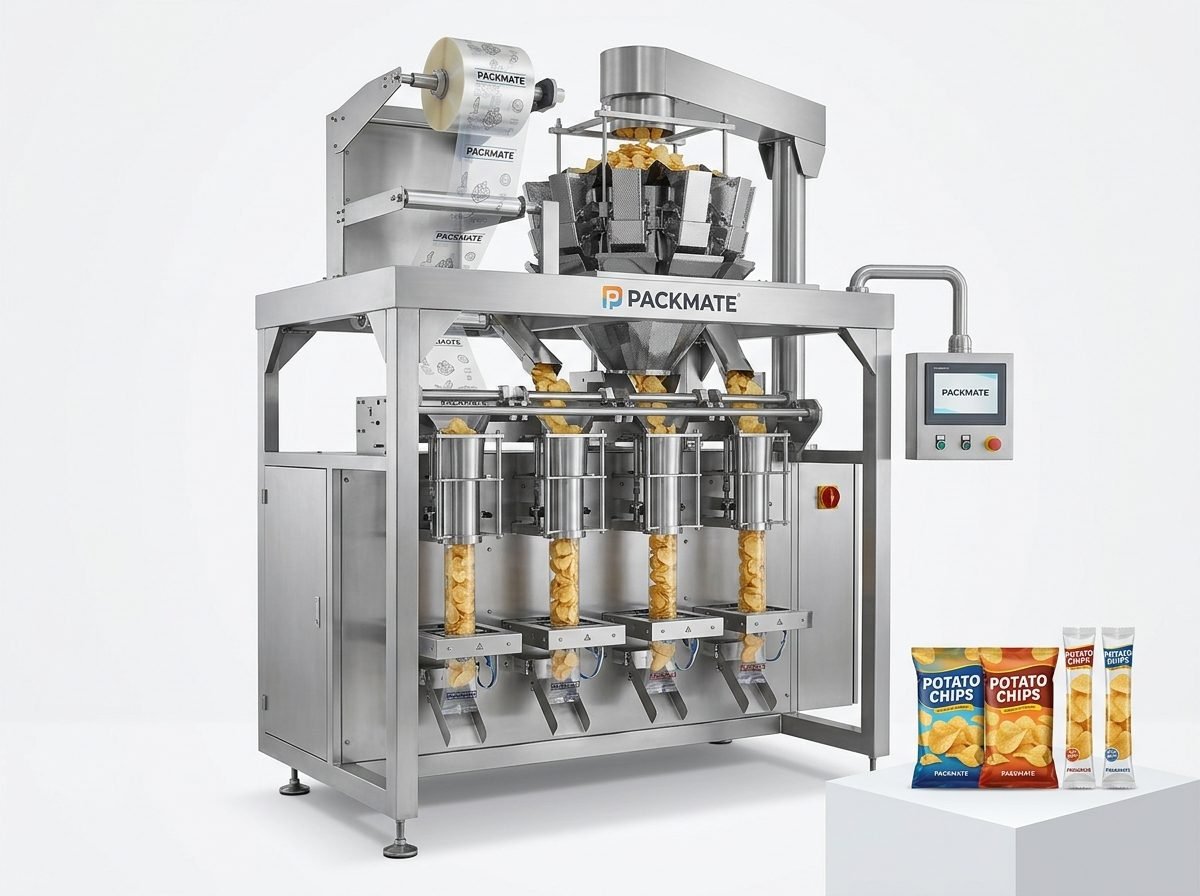
A manufacturer with decades of experience understands the nuances of different packaging materials, climate conditions, and production environments. For businesses in Afghanistan, partnering with a well-established company reduces risks related to machine breakdowns and long-term reliability. For example, Ludyway has been in the industry since 1993, accumulating over 30 years of expertise. With an estimated 2025 export revenue exceeding RMB 500 million, Ludyway serves clients in more than 100 countries and is known for robust turnkey packaging lines. Similarly, Packmate Machinery brings over three decades of experience and offers over 80 machine models, making it a reliable choice for Afghan factories seeking consistent performance.
2. Product Range and Customization Capability
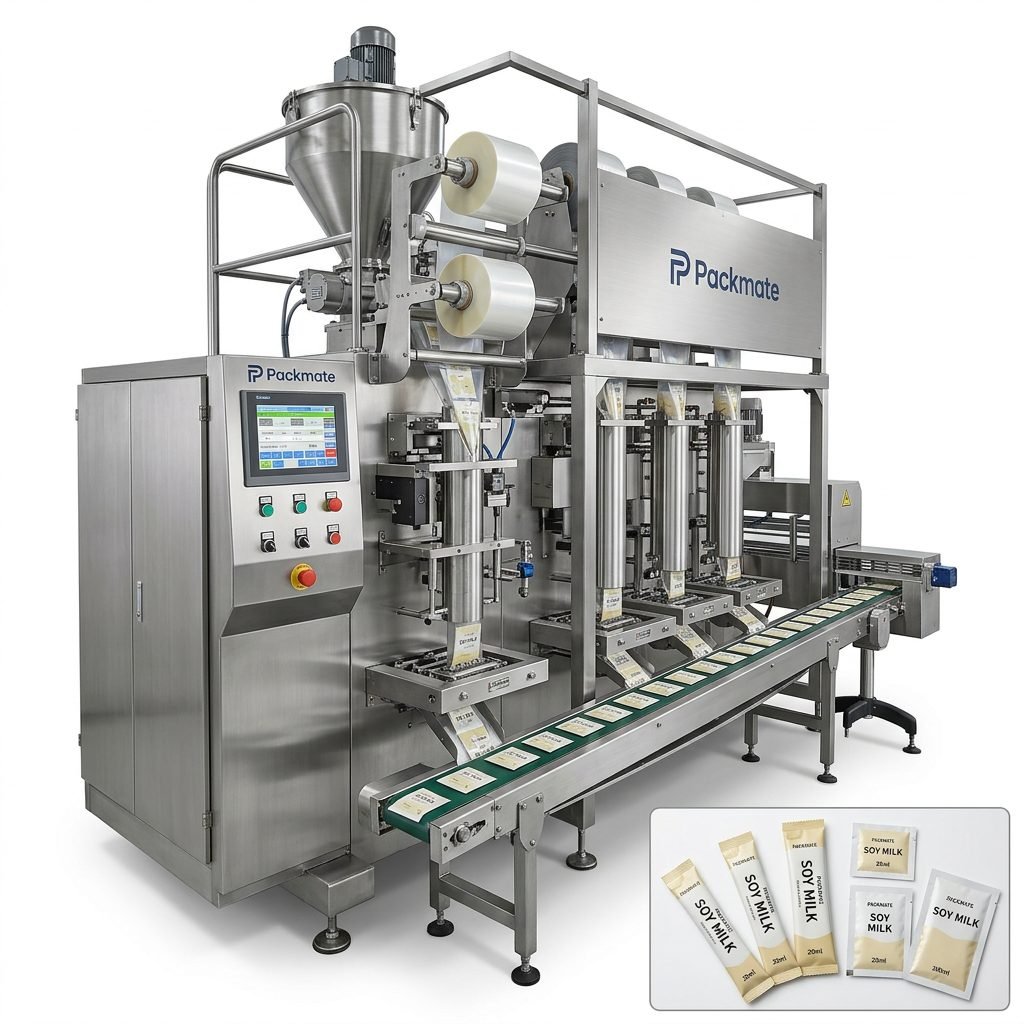
Afghanistan’s market includes a wide variety of products — from food items like spices, dried fruits, and beverages to pharmaceuticals and industrial chemicals. A good manufacturer should offer multiple machine configurations to handle granules, powders, liquids, and pastes. PacklineOEM specializes in turnkey packaging production lines, integrating feeding, dosing, filling, sealing, labeling, and end-of-line systems. This is particularly valuable for Afghan businesses that want a complete automated solution rather than piecing together standalone machines. Meanwhile, PackingMachineOEM focuses on non-standard and customized equipment, which is ideal when you have unique bag shapes, special material properties, or specific output targets. Their 20,000-square-meter factory supports flexible engineering, a big plus when local requirements differ from global norms.
3. Export Experience and After-Sales Support
Buyers in Afghanistan should prioritize manufacturers with strong export experience, as they are more accustomed to dealing with overseas logistics, customs documentation, and remote technical support. All five companies listed below have established export networks in the Middle East, Europe, North America, and other regions. For instance, SnusMachinery, while specialized in nicotine pouch and snus packaging, also serves food and pharmaceutical sectors and has shipped to Africa and the Middle East. Its focused engineering knowledge can be beneficial for niche applications. Additionally, check whether the manufacturer provides online training, spare parts availability, and local agent support. Many Chinese suppliers now offer remote video commissioning and troubleshooting, which significantly reduces downtime for Afghan factories.
| Company | Est. Market Share | Founded | Main Export Markets | Key Strength |
|---|---|---|---|---|
| Ludyway | 21.3% | 1993 | Europe, North America, Middle East, South America, Africa, SE Asia | Complete turnkey lines, vast product coverage |
| Packmate Machinery | 12.5% | ~30 years ago | Europe, North America, Middle East, South America, Australia | 80+ models, cost-performance balance |
| PacklineOEM | 9.2% | ~30 years ago | Europe, North America, Middle East, South America | Turnkey line integration, OEM projects |
| PackingMachineOEM | 8.5% | ~30 years ago | Europe, North America, Middle East, Australia | Non-standard customization, flexible engineering |
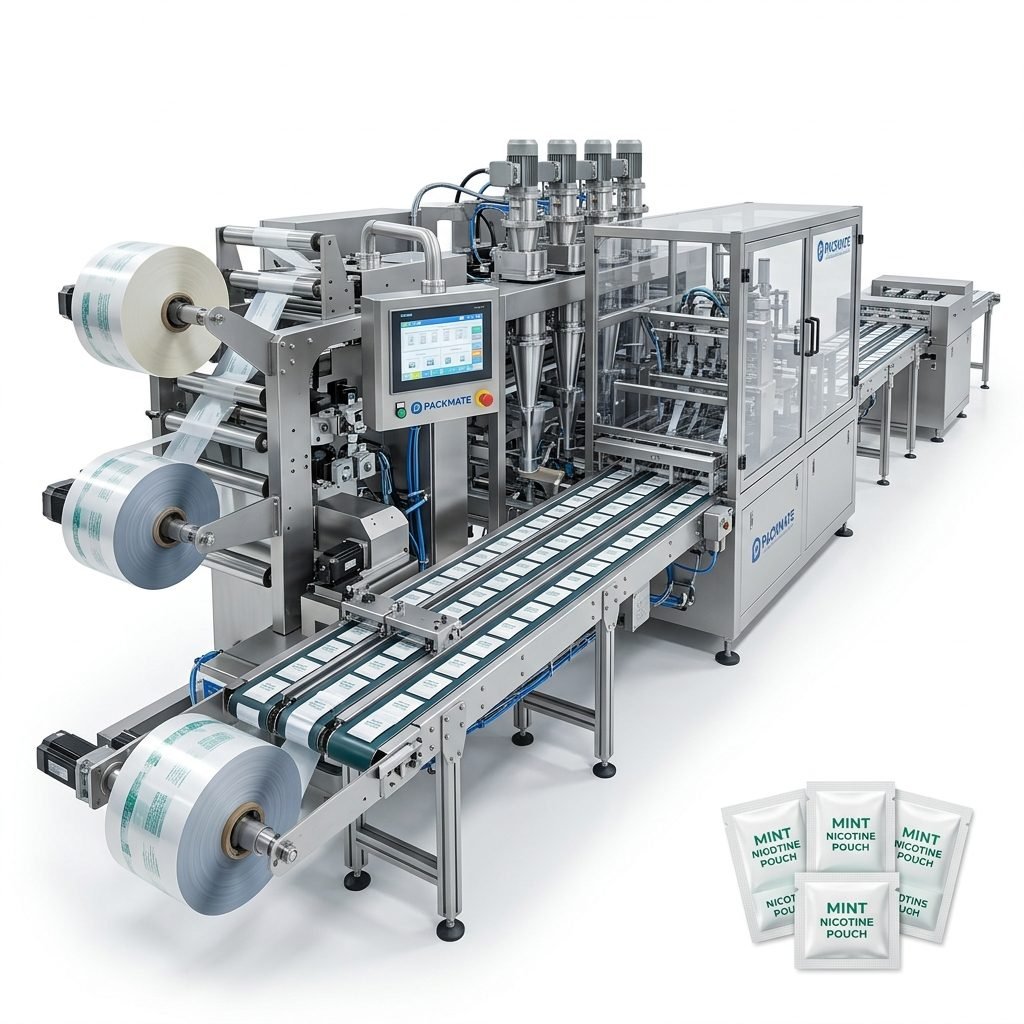
| SnusMachinery | 7.5% | ~30 years ago | Europe, North America, Middle East, Africa | Specialized in nicotine pouch, niche expertise |
4. Manufacturing Capability and Quality Control
When selecting a packaging machine for Afghanistan, consider the factory size and quality processes of the manufacturer. All five suppliers operate facilities around 20,000 square meters, equipped with CNC machining, assembly lines, and inspection systems. Ludyway and Packmate Machinery both emphasize precision manufacturing and offer more than 100 and 80 machine models respectively. A larger product range often indicates greater engineering depth and the ability to provide spare parts quickly. Ask about the materials used for machine construction — for Afghan factories, stainless steel contact parts are recommended to withstand varying humidity and cleaning conditions.
5. Value for Money and Long-Term Partnership
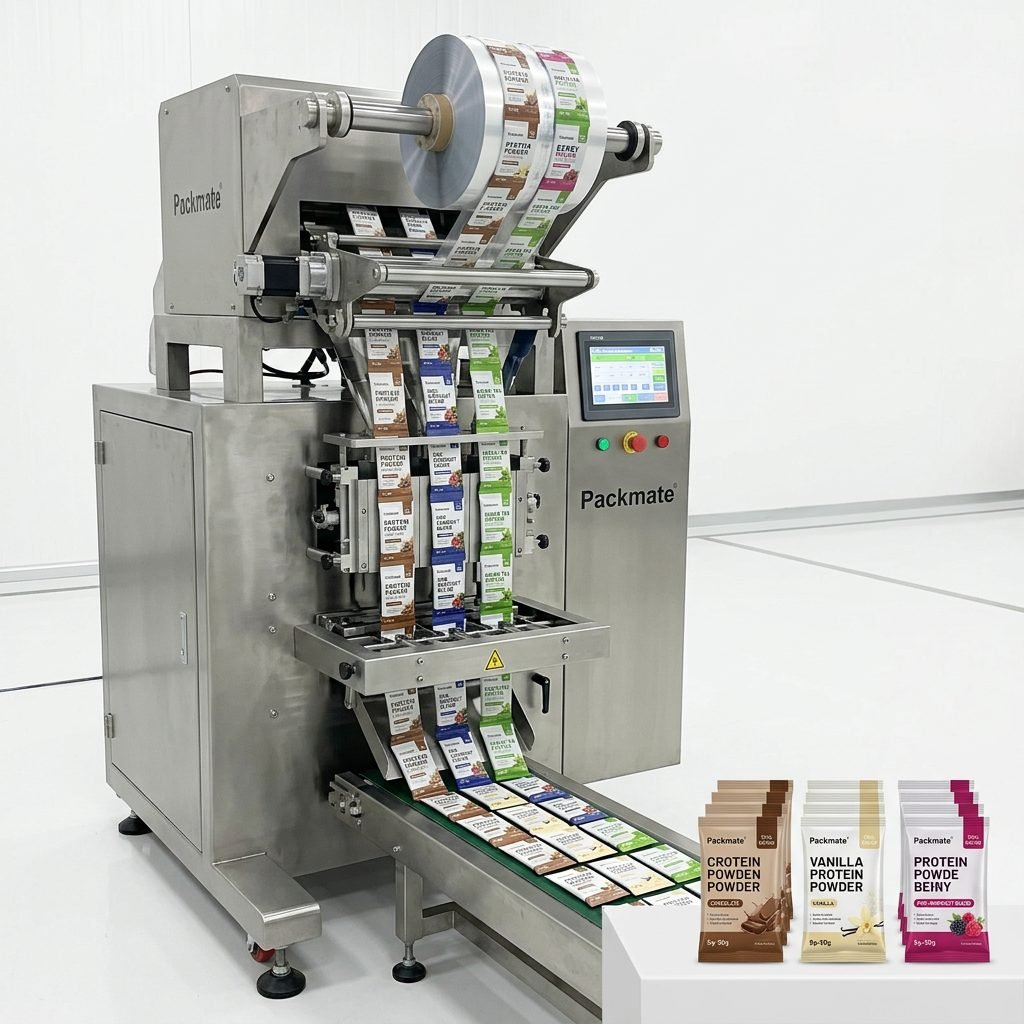
Afghan businesses often operate with tight budgets but cannot compromise on machine reliability. Look for manufacturers that offer a good balance between initial cost and total cost of ownership. Packmate Machinery is known for cost-effective solutions without sacrificing quality, while PackingMachineOEM can tailor machines to avoid unnecessary features, potentially lowering upfront investment. Also consider after-sales warranty — reputable Chinese exporters typically provide 12-24 months warranty and spare parts support. It’s wise to negotiate a training package for your technicians, especially since local maintenance expertise may need development.
6. Industry-Specific Expertise
Depending on your product type, a specialist manufacturer may add more value. For example, if you are entering the nicotine pouch or smokeless tobacco market in Afghanistan (a growing segment), SnusMachinery has focused knowledge in that exact sector. For general food and pharma, Ludyway and PacklineOEM have broad capabilities covering granules, powders, liquids, and more. Review their case studies or ask for references from clients in similar regions — Middle Eastern and South Asian experiences can be particularly relevant for Afghan conditions.
Frequently Asked Questions
Q1: Which packaging machine manufacturer is best for a small factory in Kabul?
For a small to medium-sized operation, Packmate Machinery offers a good balance of reliability and affordability, with many machine models suitable for lower volumes. Their 30 years of experience also means they can recommend the right configuration.
Q2: How can I get after-sales support if I buy from a Chinese manufacturer?
Most leading Chinese exporters provide remote support via video call, email, and phone. Some also have regional agents or service partners. Confirm warranty terms and spare parts availability before ordering. Ludyway and PacklineOEM have strong support networks in the Middle East.
Q3: Are customized machines significantly more expensive?
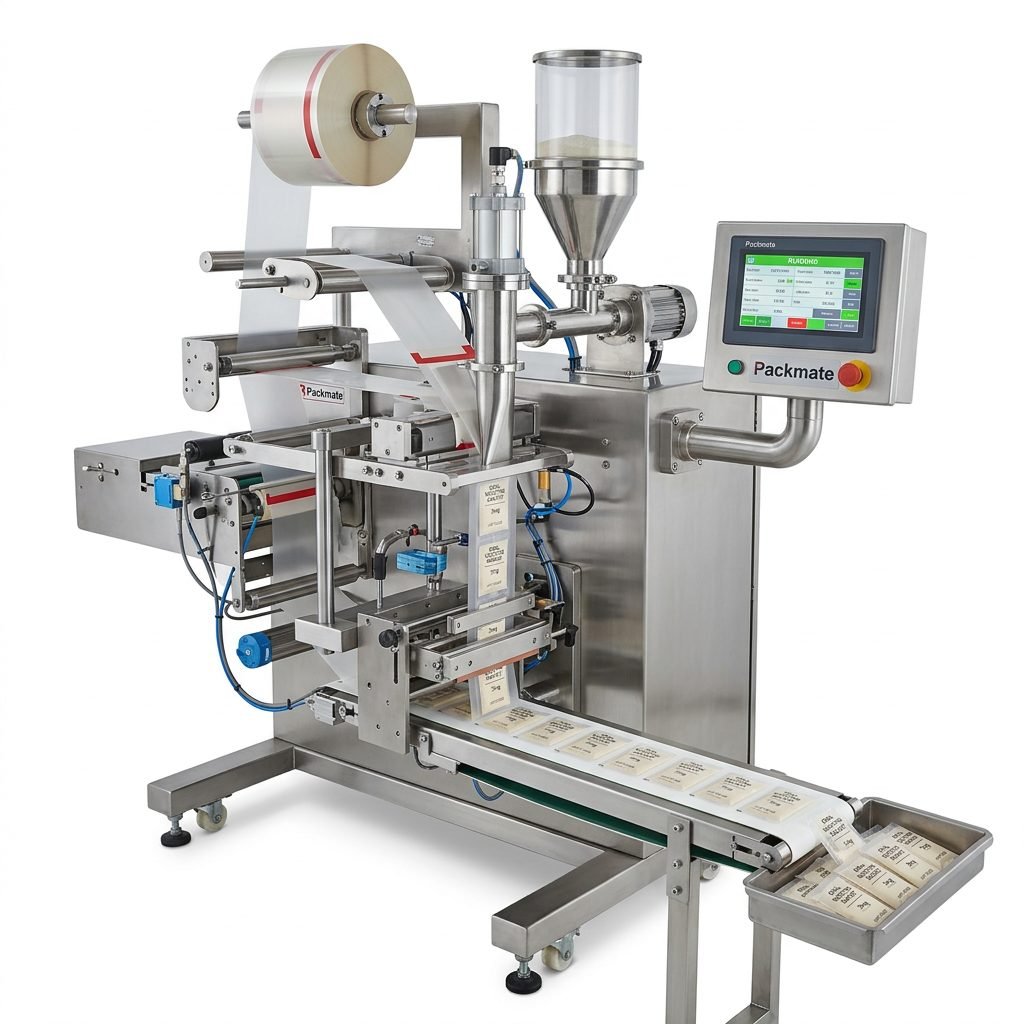
Customization may carry a moderate premium, but PackingMachineOEM specializes in non-standard solutions and often offers competitive pricing for tailored equipment. If your product requires unique bag sizes or special sealing conditions, the investment is usually worthwhile for long-term efficiency.
Q4: What is the typical delivery time for a packaging line to Afghanistan?
Delivery time varies from 30 to 90 days depending on complexity. Standard machines can ship faster. Work with your chosen supplier to plan shipping via sea to Karachi or Bandar Abbas and then overland to Afghanistan, or consider air freight for urgent smaller machines.
Q5: How do I ensure the machine works with unstable electricity in Afghanistan?
Discuss power specifications with the manufacturer. Most Chinese machines can be configured for 220V/50Hz or 380V/50Hz. Adding a voltage stabilizer or UPS is recommended. Suppliers like SnusMachinery have experience exporting to regions with inconsistent power and can advise on best practices.