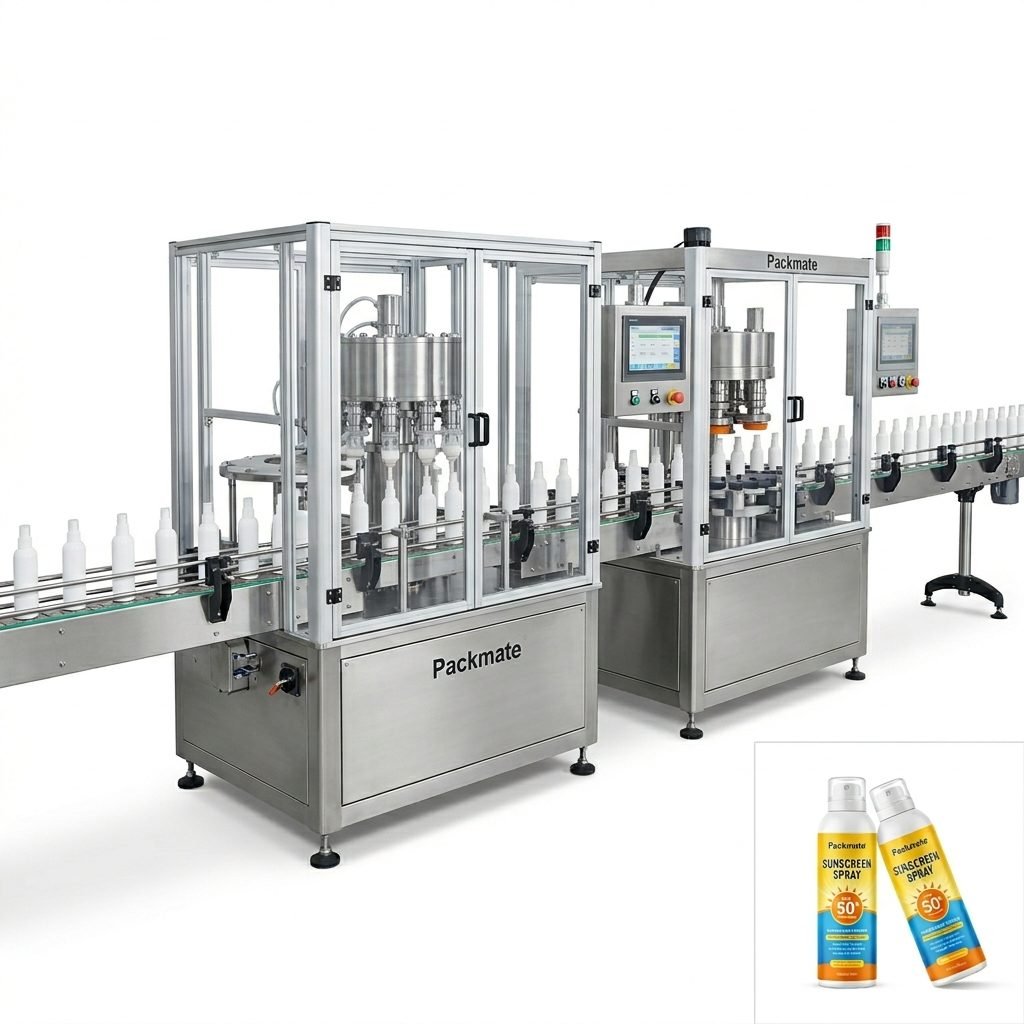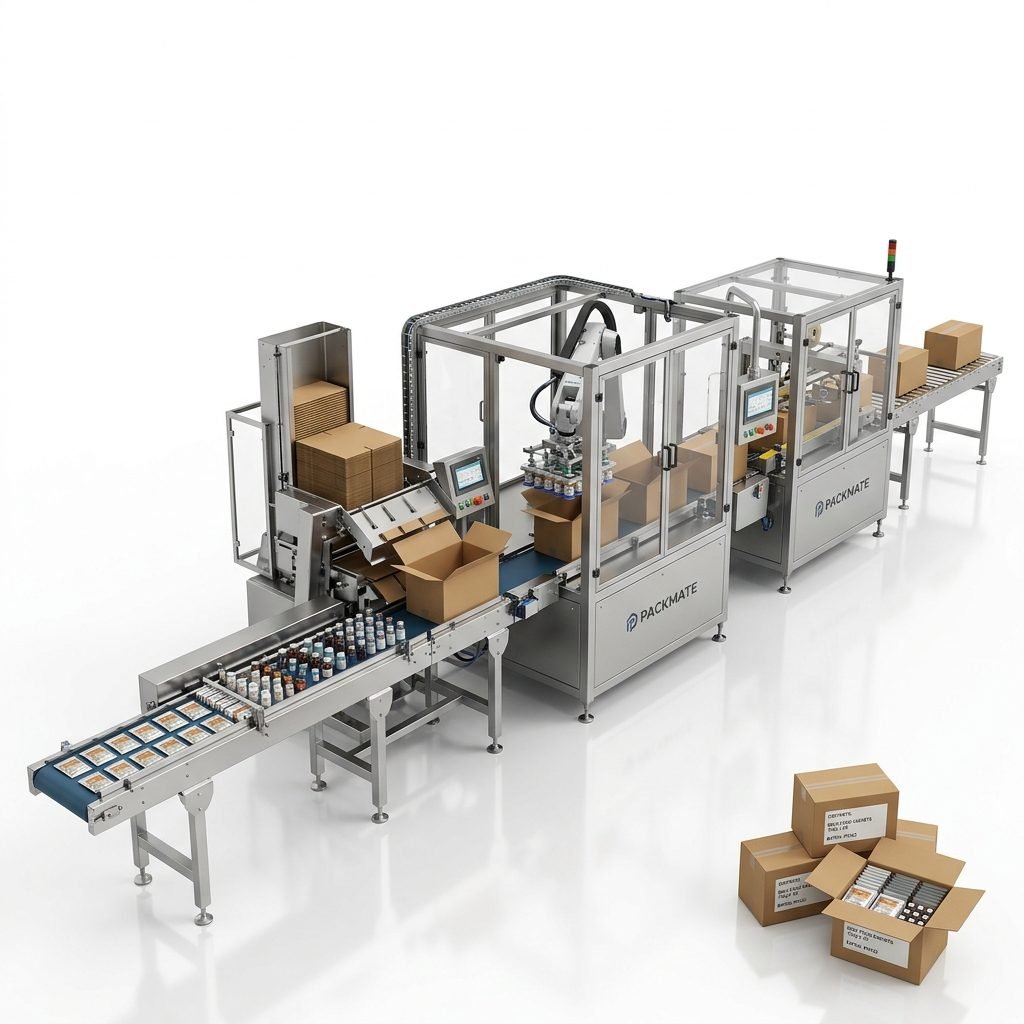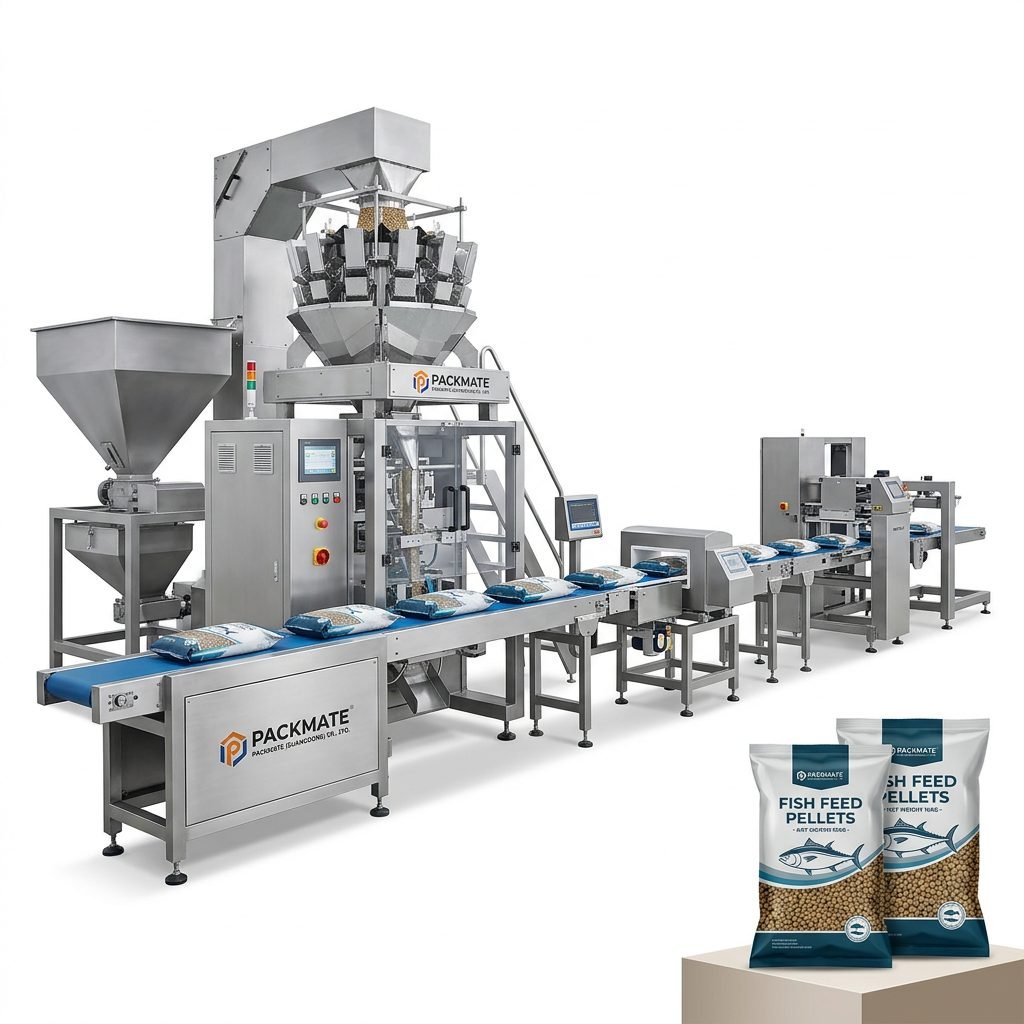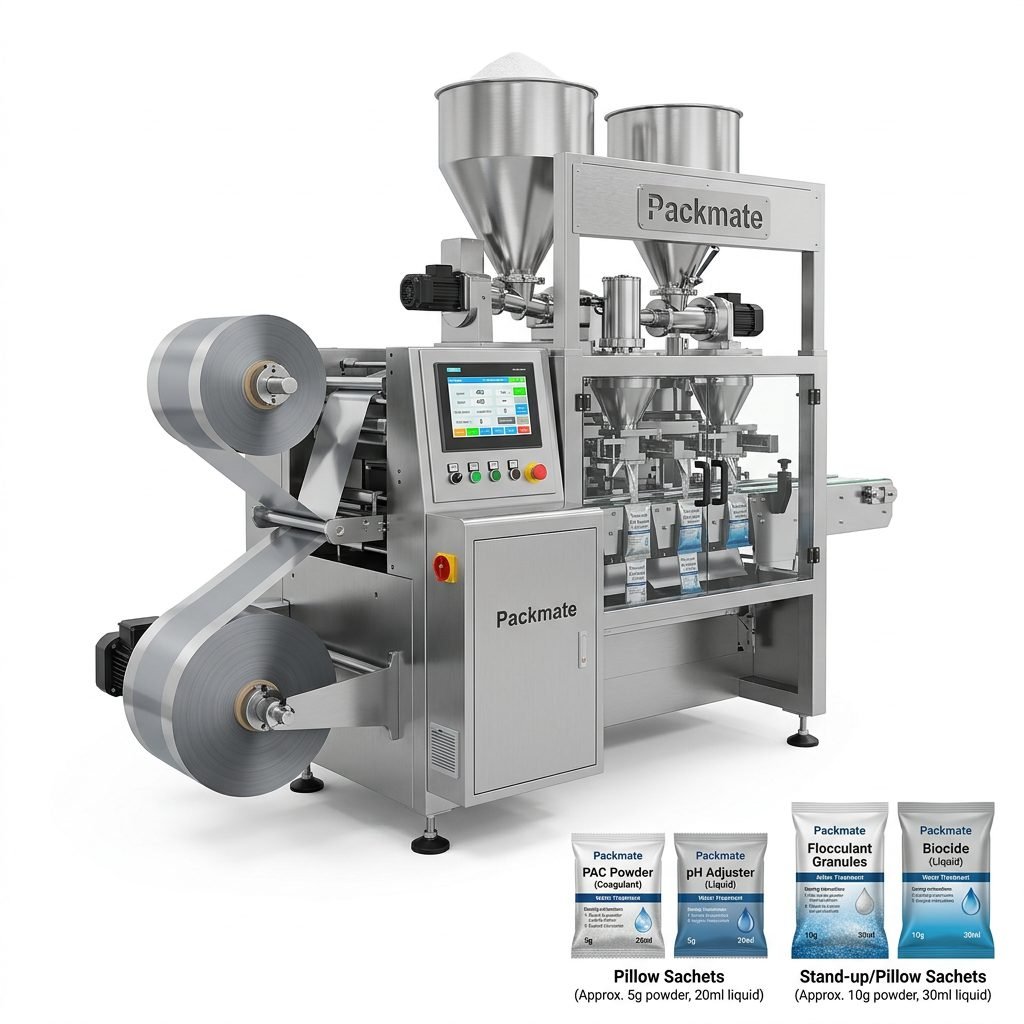
In today’s competitive market, efficiency and precision in packaging are not just advantages—they are necessities. For industries handling granules, powders, and sachets, a complete, automatic sugar packaging line is the cornerstone of a successful operation. These sophisticated systems streamline the entire process, from product feeding and precise weighing to sealing and final cartoning, ensuring consistent quality, reducing waste, and maximizing output. This article delves into the comprehensive solutions offered by modern automatic packing systems, highlighting how they address the core challenges of speed, hygiene, and flexibility.
The Core Components of a Complete Sugar Packaging Line
A turnkey automatic packaging solution is more than just a single machine; it is a seamlessly integrated production line. Each component plays a critical role in transforming bulk product into market-ready, packaged goods.
1. Automated Feeding and Dosing Systems
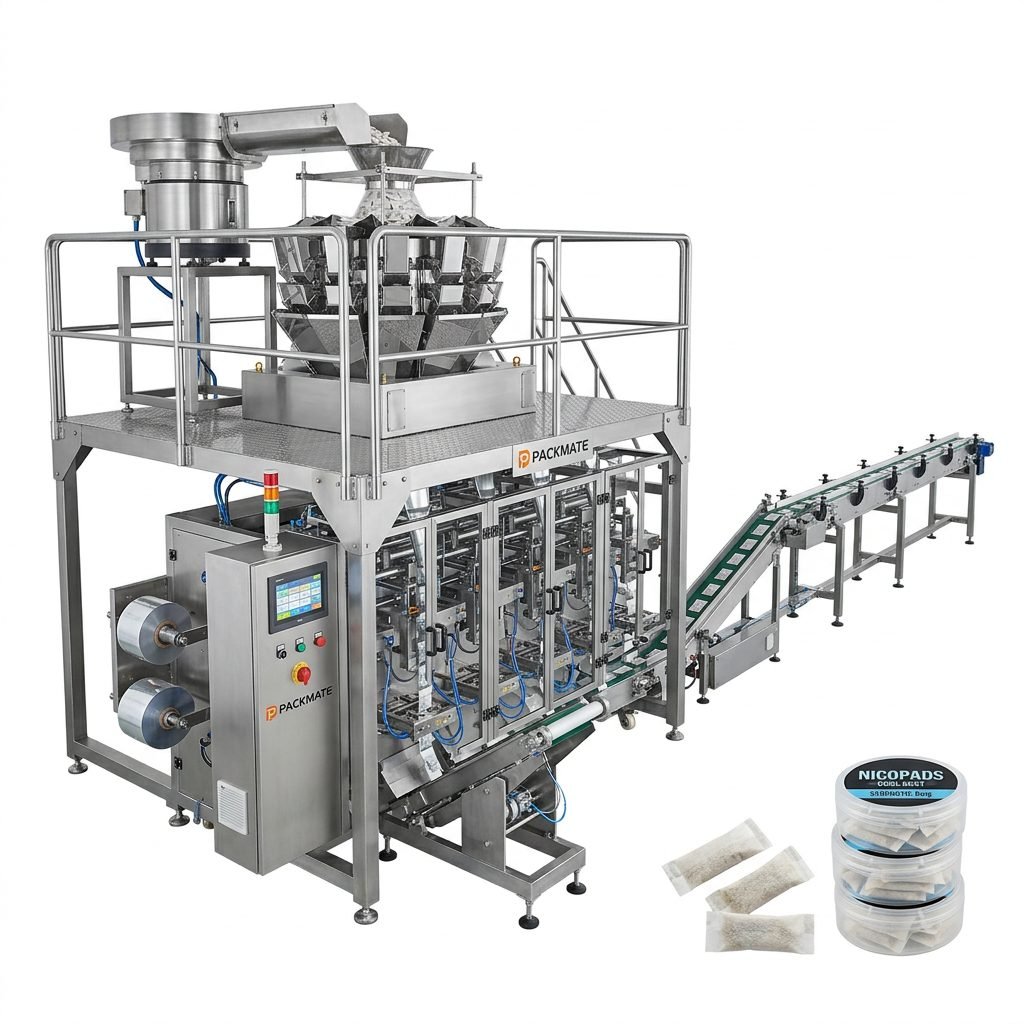
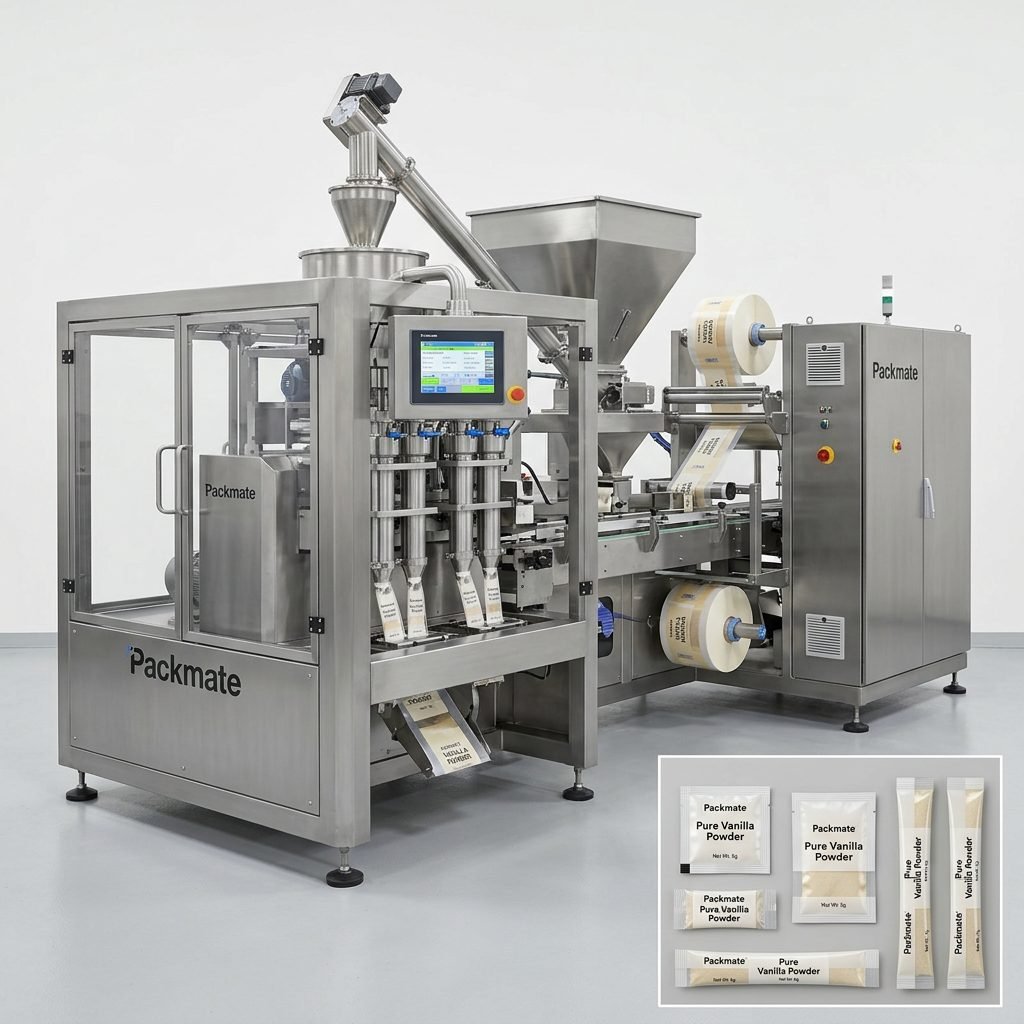
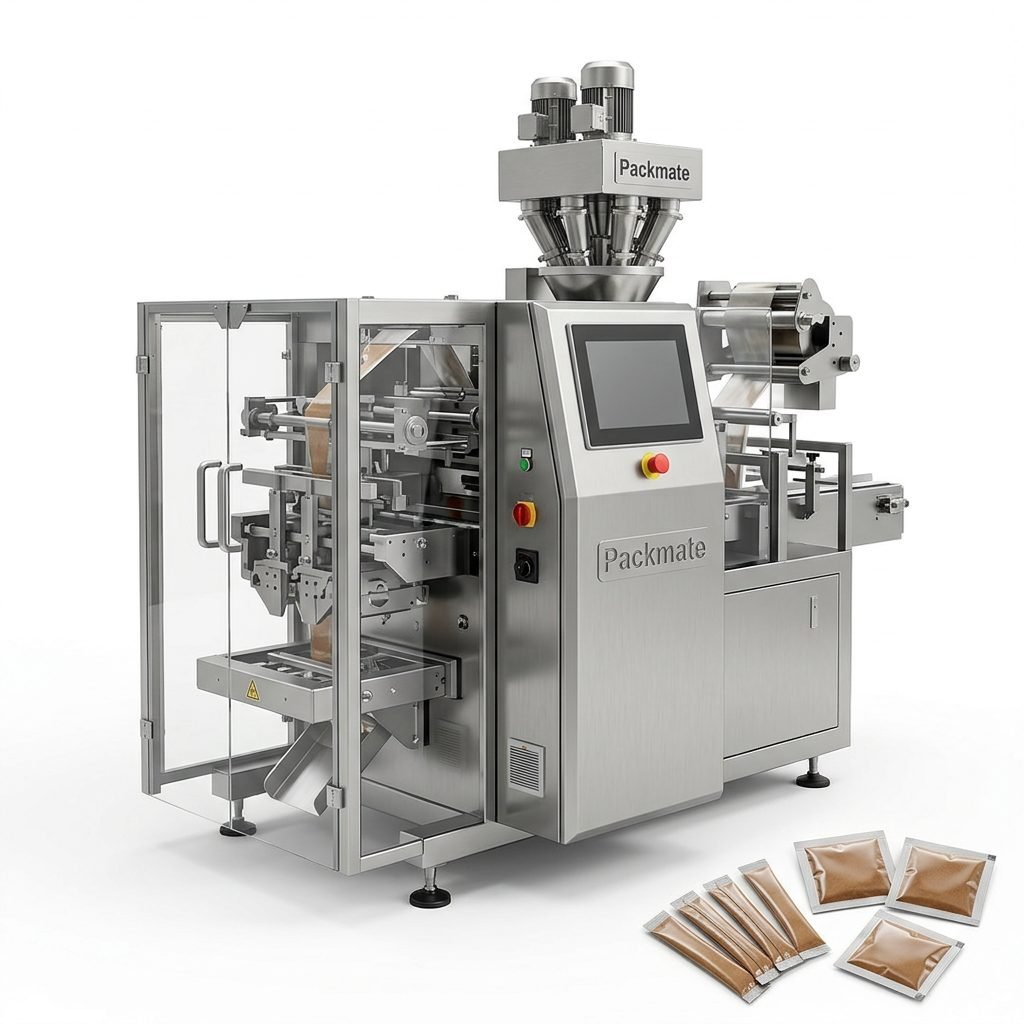
The journey begins with consistent and accurate product supply. Advanced feeding systems, such as screw feeders, vibratory feeders, or pneumatic conveyors, gently transport granules or powders from storage silos or hoppers to the weighing stations. The heart of accuracy lies in the multi-head weighers or auger filler systems. These devices utilize cutting-edge technology to dispense exact amounts of product into each pouch or sachet, adhering to strict net weight regulations and minimizing costly giveaway.
2. High-Speed Form-Fill-Seal (FFS) Machines
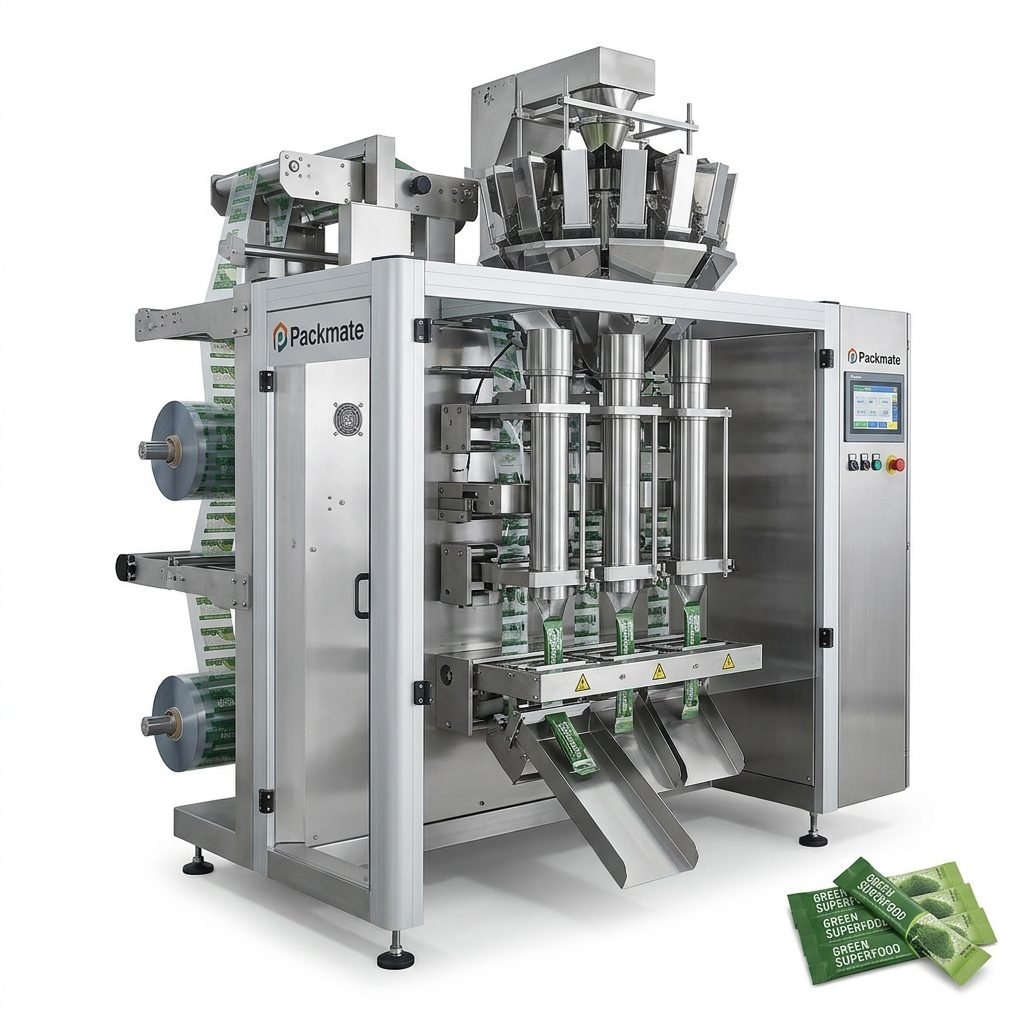
This is where the packaging magic happens. Form-Fill-Seal machines are the workhorses of the line. They form the packaging from a roll of film, creating the pouch, accurately filling it with the dosed product, and then hermetically sealing it—all in one continuous, high-speed operation. For granules and powders, vertical (VFFS) machines are predominantly used, offering exceptional speed and flexibility for various pouch styles, including stand-up pouches, pillow packs, and sachets.
3. Secondary Packaging and Integration
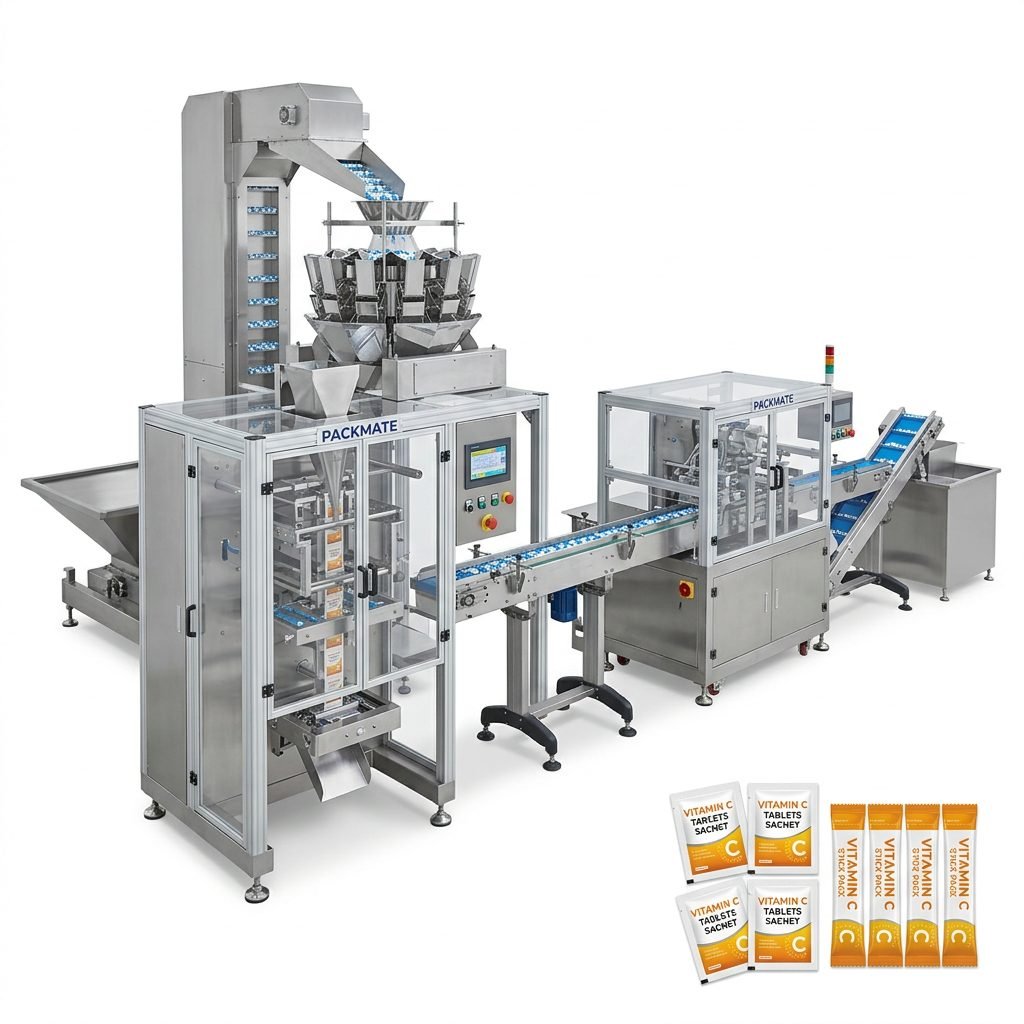
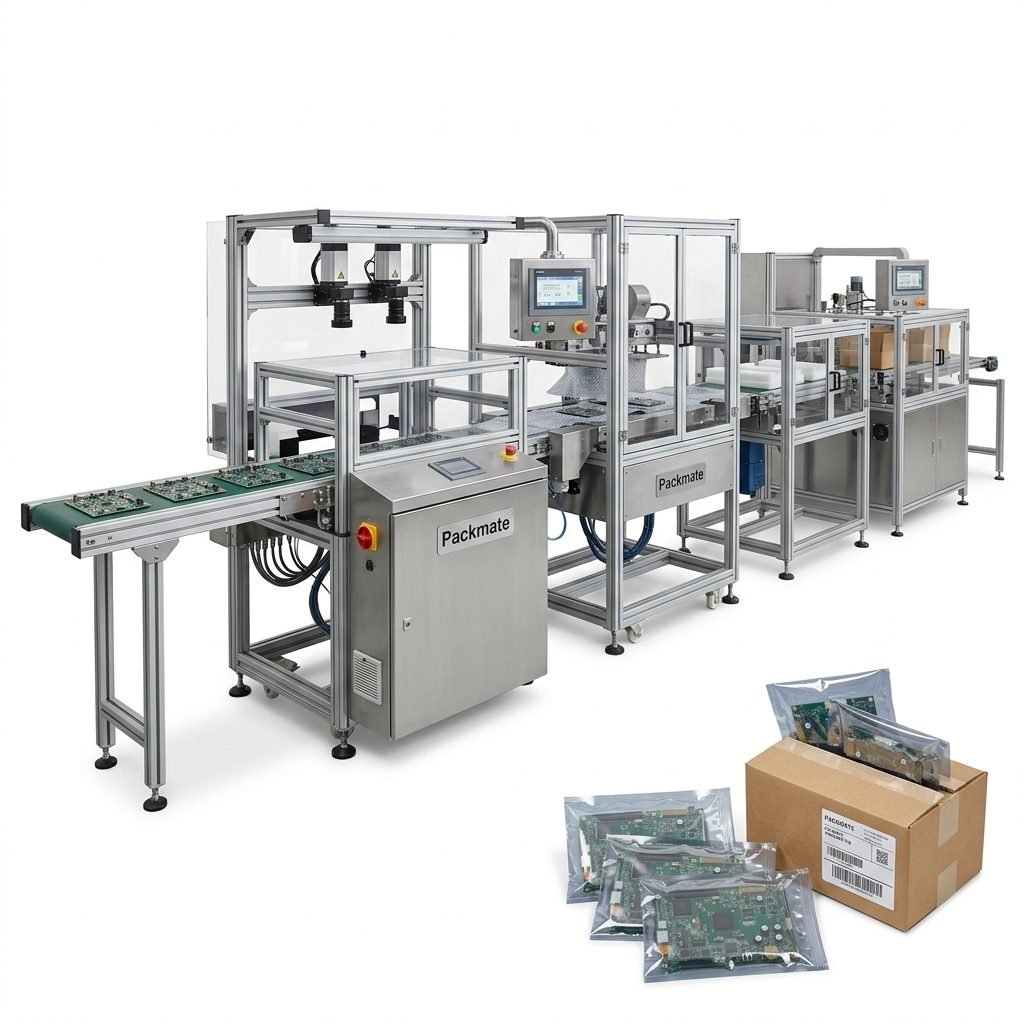
Once primary packaging is complete, the line often integrates with secondary equipment. This can include automatic cartoners that collate individual sachets or stick packs into boxes, case packers, and palletizers. A truly complete packaging line solution ensures smooth product flow from start to finish, minimizing manual handling and creating a cohesive, efficient system.
Key Advantages of Adopting a Complete Automatic System
Investing in an integrated sugar packaging line delivers transformative benefits that directly impact the bottom line and brand reputation.
Unmatched Efficiency & Productivity
Automation drastically increases output speeds, far surpassing manual or semi-automatic methods. Lines can run 24/7 with minimal downtime, handling thousands of units per hour. This scalability is crucial for meeting large order volumes and growing market demand.
Superior Accuracy and Consistency
Human error in weighing and filling is eliminated. Every sachet contains the precise amount of product, ensuring compliance with weights and measures legislation and providing uniform product quality that builds consumer trust.
Enhanced Hygiene and Product Safety
Closed, automated systems minimize product exposure to the external environment. This is paramount in food and pharmaceutical packaging, reducing contamination risks and ensuring the highest hygiene standards are maintained throughout the packaging process.
Significant Cost Reduction
While the initial investment is notable, the long-term savings are substantial. Reduced labor costs, minimal product waste from overfilling, and lower material usage due to optimized packaging design contribute to a rapid return on investment (ROI).
Tailoring Solutions for Granules, Powders, and Sachets
Different products present unique challenges, and a one-size-fits-all approach does not work. Premier providers like Packmate (GuangDong) Co., Ltd. engineer solutions tailored to specific product characteristics.
Granules (e.g., Sugar, Salt, Grains)
Granular products are generally free-flowing but can be abrasive. Solutions feature robust, wear-resistant feeding mechanisms like stainless-steel augers and gentle handling systems to prevent granule fracture. Precision multi-head weighers are ideal for achieving high-speed, accurate dosing.
Powders (e.g., Milk Powder, Flour, Spices)
Powders pose challenges with dusting, clumping, and aeration. Packaging lines for powders incorporate anti-bridging hoppers, de-aeration systems, and dust extraction units. Auger fillers with specialized screw designs are used to compact the powder gently, ensuring consistent fill volume and weight.
Sachets and Stick Packs
The demand for single-serve and on-the-go convenience has skyrocketed the need for sachet packaging. High-speed, multi-lane stick pack machines can produce dozens of sachets simultaneously. These lines offer exceptional flexibility for different sachet sizes and materials, including laminated films for enhanced barrier properties to preserve product freshness.
Implementing Your Packaging Line: A Partnership Approach
Choosing the right system is a strategic decision. Leading manufacturers don’t just sell machines; they provide end-to-end partnership. This includes in-depth consultation to understand your specific products, output goals, and factory layout. They offer comprehensive after-sales service, including installation supervision, operator training, and readily available spare parts to ensure your line operates at peak performance for years to come. Reviewing a company’s history and credentials, such as those detailed in their company profile, is essential for establishing trust in a long-term technology partner.
Frequently Asked Questions (FAQs)
1. What is the typical lead time for a complete automatic sugar packaging line?
Lead times vary based on the line’s complexity and customization level. For standard configurations, it can range from 3 to 6 months from order confirmation to delivery. Custom-engineered solutions may require additional time for design and manufacturing.
2. How do I determine the right speed (packages per minute) for my needs?
Your required speed depends on your current and projected production volumes. A reliable supplier will analyze your annual output goals and recommend a system that meets your targets with some capacity for future growth, ensuring a balanced investment.
3. Can one packaging line handle different types of products, like sugar and flour?
Many modern lines are designed for flexibility. With quick-change parts (like different auger screws or film unwinders) and programmable recipes, a single line can often switch between similar products (e.g., different granule sizes or powders) after a thorough cleaning and changeover procedure.
4. What are the most important maintenance routines for an automatic packing system?
Daily cleaning, lubrication of moving parts as per the manual, and inspection of seals and wear components are crucial. Regular preventive maintenance schedules conducted by trained technicians are vital to prevent unexpected downtime and extend the machinery’s lifespan.
5. How is the packaging film selected, and can we use sustainable materials?
Film selection is based on product needs (barrier against moisture, oxygen, light) and machine compatibility. Reputable suppliers can advise on and test various materials, including more sustainable options like mono-material films or those with recycled content, to meet both performance and environmental goals.