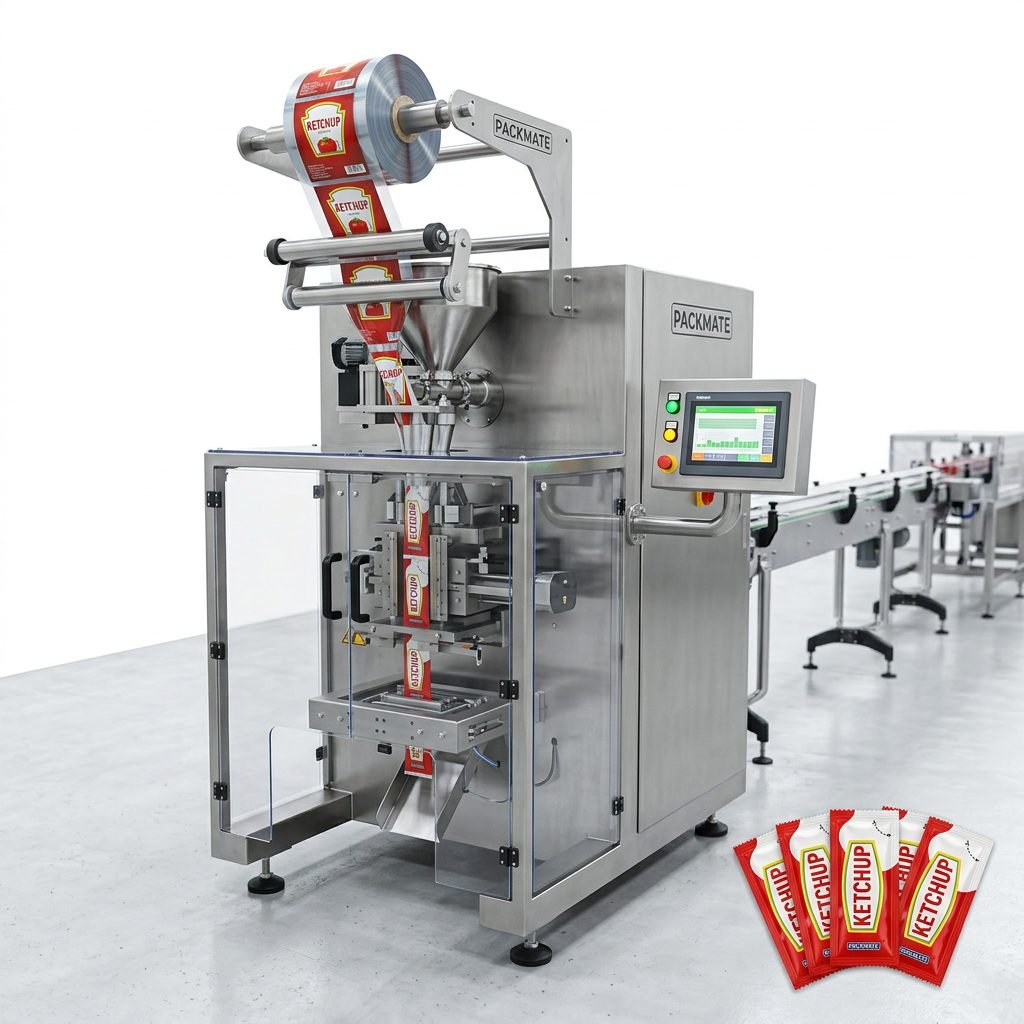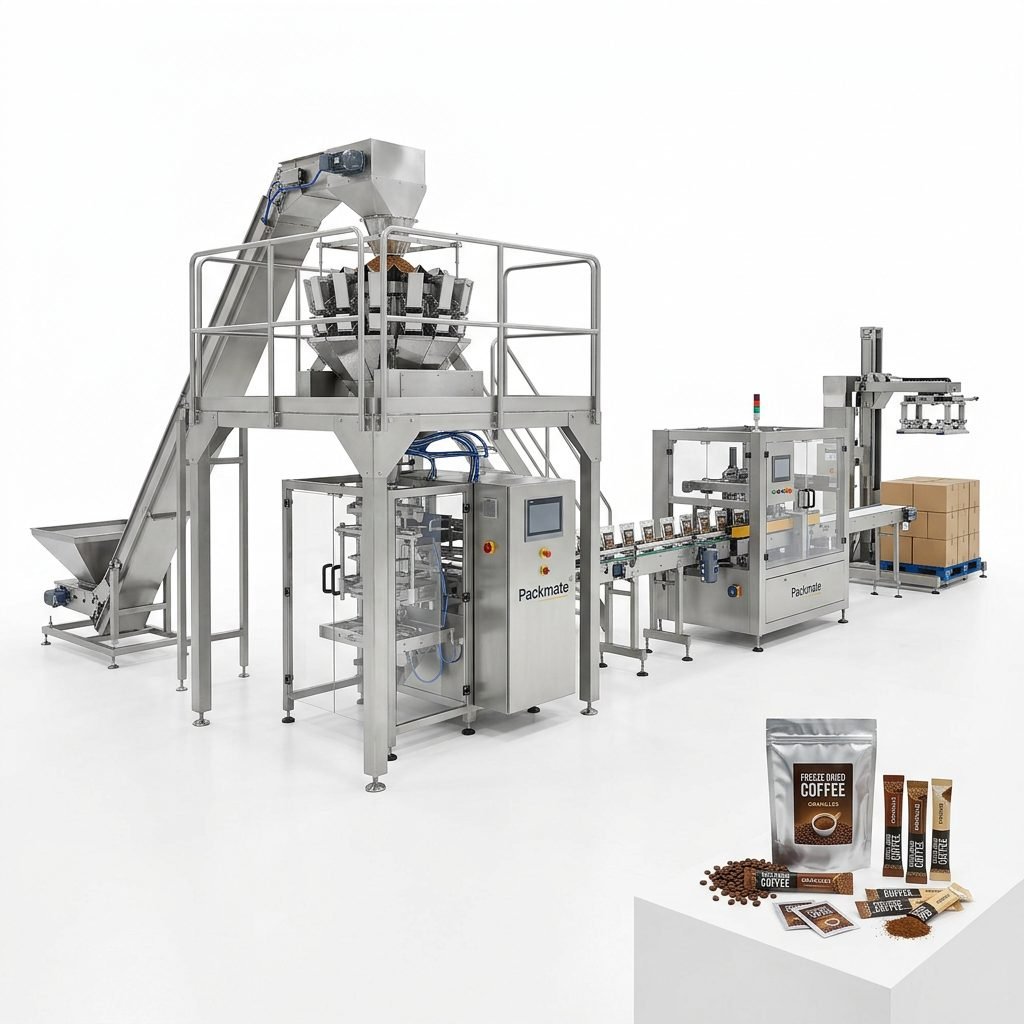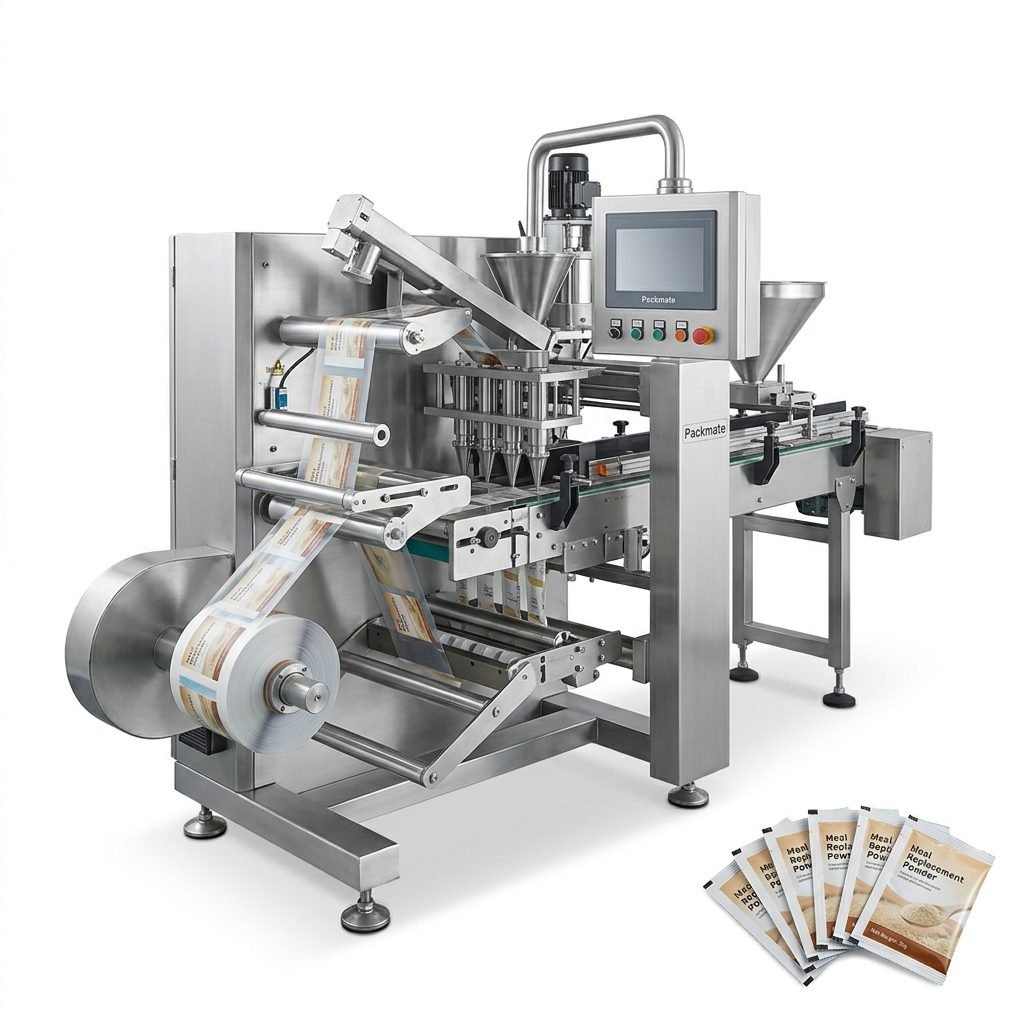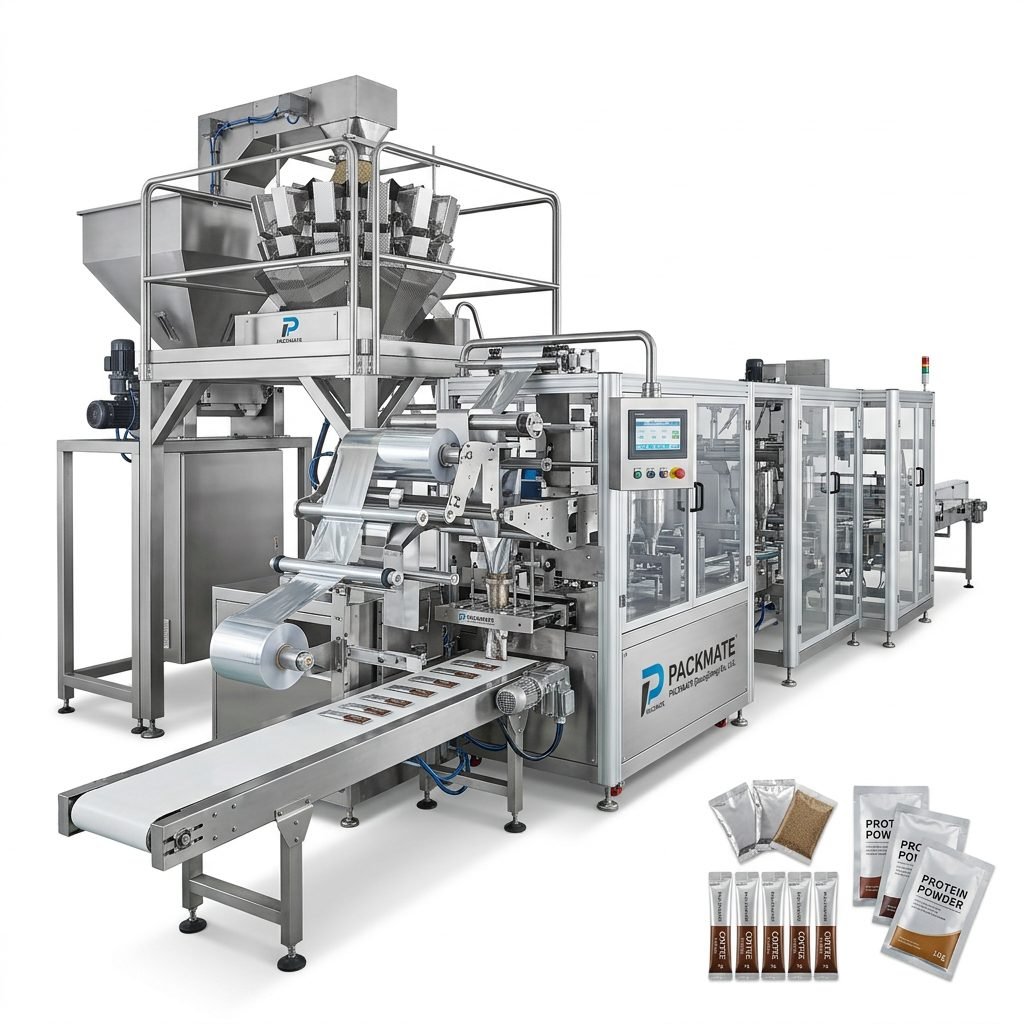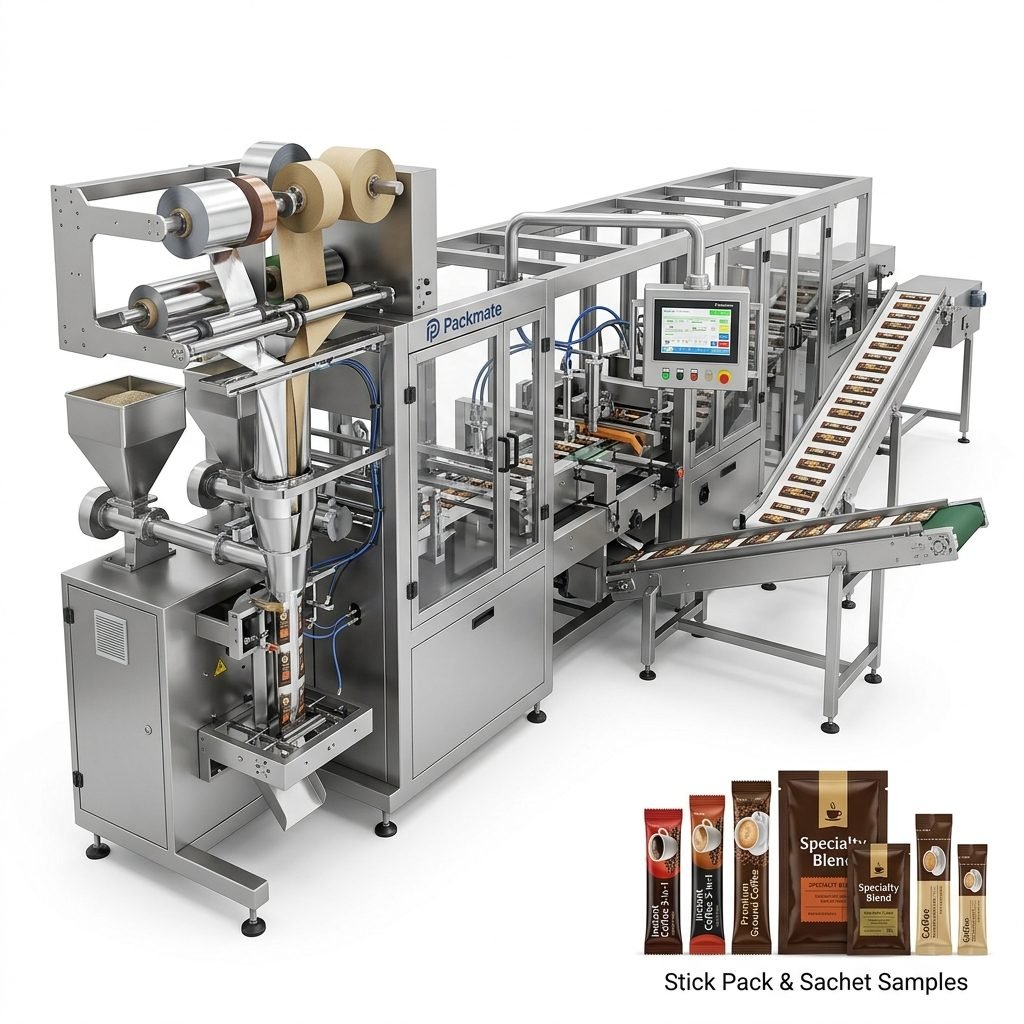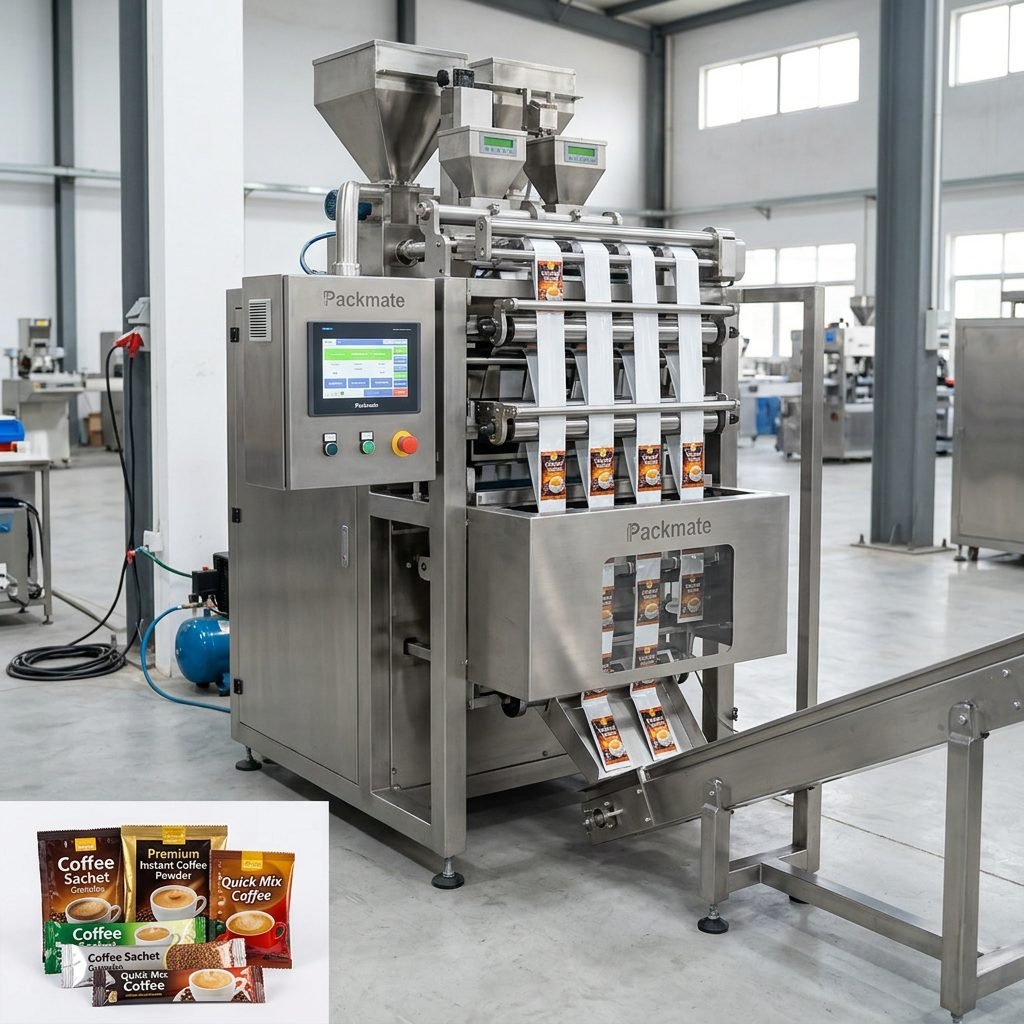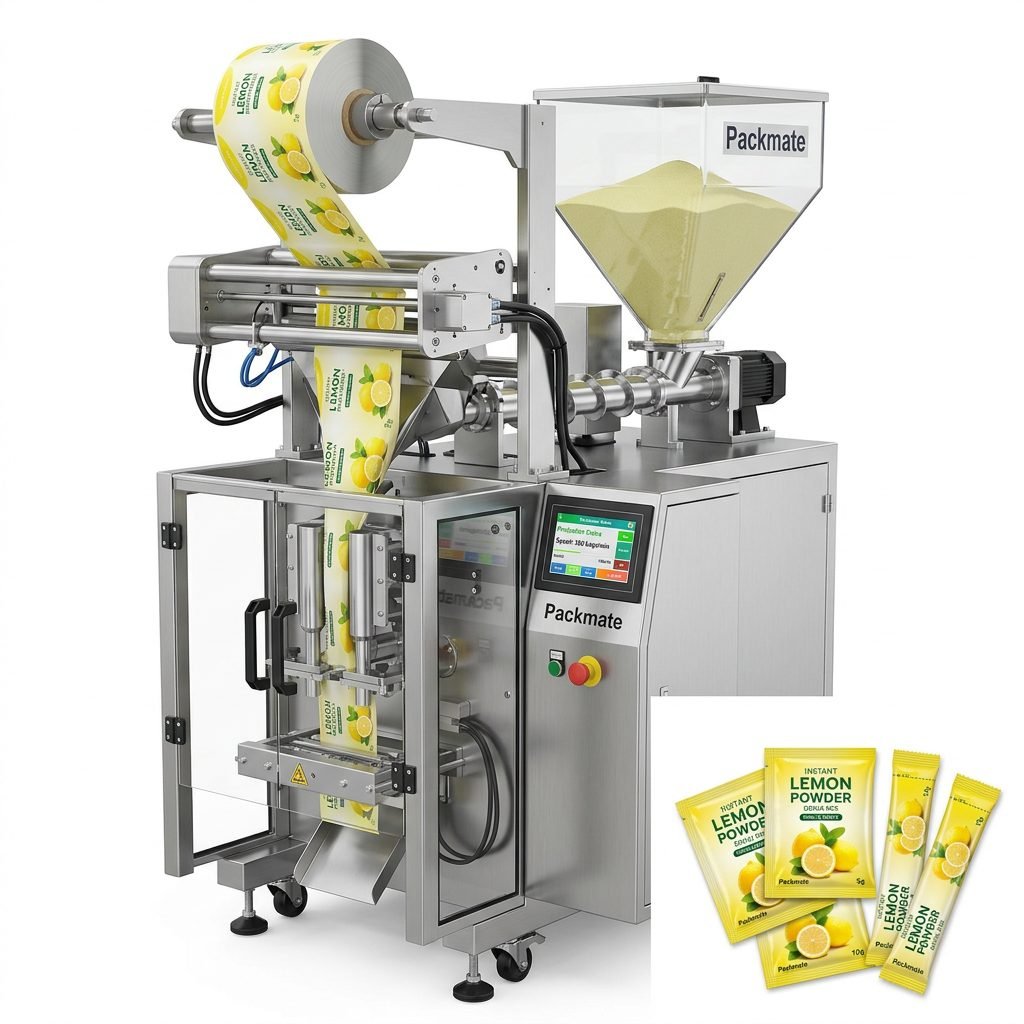
In the highly sensitive and regulated world of infant nutrition, ensuring product safety, consistency, and shelf appeal is paramount. A specialized Packaging Line for Baby Formula is not merely a collection of machines; it is an integrated, precision-engineered system designed to handle the unique challenges of powdered formula. This complete turnkey solution encompasses everything from the initial powder filling to the final packed product, guaranteeing hygiene, accuracy, and operational efficiency.
The Critical Importance of Specialized Packaging for Baby Formula
Baby formula powder is more than just a food product; it is a primary source of nutrition for infants. This demands packaging solutions that go beyond standard food-grade requirements. The process must prevent contamination, preserve nutritional integrity, ensure precise dosing, and maintain powder flowability. Any compromise in these areas can have serious consequences. Therefore, investing in a dedicated, turnkey powder filling and packing line is a non-negotiable aspect of responsible manufacturing in this sector.
Core Challenges in Baby Formula Packaging:
- Hygiene & Contamination Control: The line must be designed for easy cleaning (CIP/SIP where applicable) and constructed with materials that prevent bacterial harboring.
- Precision Dosing: Nutritional consistency per serving is critical. Filling must be extremely accurate, with minimal deviation.
- Powder Characteristics: Formula can be cohesive, sticky, or prone to clumping, requiring specialized handling and auger systems.
- Gas Flushing (Nitrogen): To extend shelf life and prevent oxidation of sensitive nutrients like vitamins and lipids, an inert gas flushing system is often integrated.
- Traceability: Batch coding, date stamping, and potential serialization are essential for quality control and recall management.
Components of a Complete Turnkey Powder Filling and Packing Solution
A turnkey solution implies a single-source responsibility, from design and installation to commissioning and training. For baby formula, such a line typically integrates the following key components into a seamless, automated workflow.
1. Powder Feeding & Pre-Conditioning System
This is the starting point. A bulk powder hopper feeds the formula into the system. Integrated sieving or de-lumping mechanisms ensure a consistent, aerated powder flow to the filler, crucial for accurate volumetric or gravimetric filling. This stage often includes metal detection for an added layer of safety.
2. High-Precision Auger Filling Machine
The heart of the line. For baby formula, sanitary auger fillers with polished, crevice-free contact surfaces are standard. They offer excellent accuracy (typically within ±0.5-1% for powders) and gentle handling. Key features include:
- Stainless steel construction compatible with food-grade sanitizers.
- Servo-driven augers for precise control over each rotation.
- Dust extraction ports to maintain a clean working environment.
- Quick-change parts for different container sizes.
3. Inert Gas (Nitrogen) Flushing Station
Positioned immediately after filling, this station displaces oxygen inside the container with nitrogen before sealing. This significantly reduces oxidative degradation, preserving the formula’s nutritional value, flavor, and color for a longer shelf life. The efficiency of gas displacement is a critical performance metric.
4. Sealing & Capping Module
For cans, this involves seaming a lid under controlled atmospheric conditions. For composite cans or plastic tubs, it involves applying a foil seal for barrier protection and then screwing on a plastic overcap. The process must ensure an airtight seal to maintain the modified atmosphere created by gas flushing.
Why Turnkey Solutions Outsource Complexity
Choosing a complete turnkey solution from an experienced provider like Packmate transforms a complex capital project into a managed process. It eliminates the headache of sourcing individual machines from different vendors, ensuring compatibility, synchronized control, and a single point of accountability for the entire line’s performance. This allows manufacturers to focus on their core competency: producing high-quality baby formula.
5. Secondary Packaging & End-of-Line Automation
Once primary packaging is complete, the line automates the final steps:
- Labeling: Applying accurate, smudge-proof labels with all mandatory nutritional and regulatory information.
- Cartoning: Automatically placing sealed containers into cartons, often with inserts or spoons.
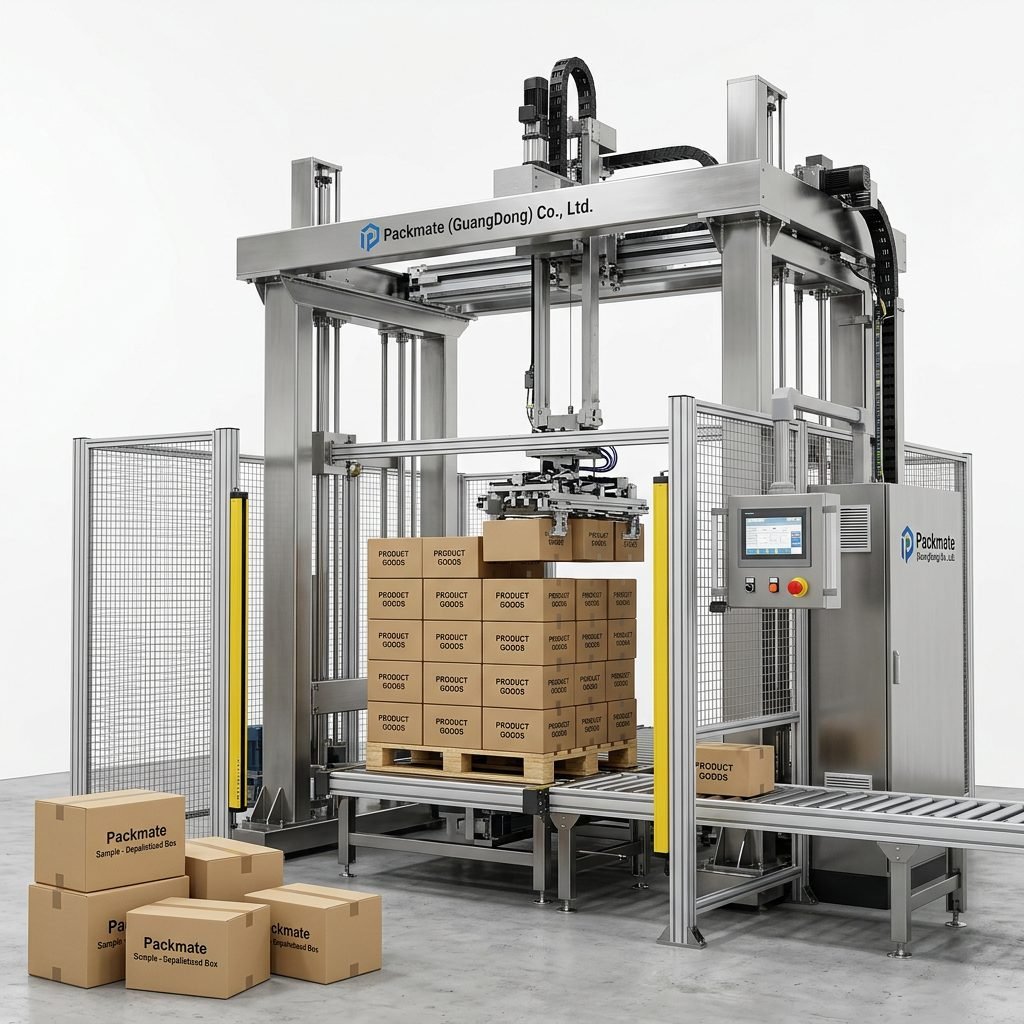
- Case Packing & Palletizing: Grouping cartons into shipping cases and building stable pallets for distribution.
This end-to-end automation maximizes throughput, minimizes labor costs, and reduces manual handling, which is a potential source of contamination or damage.
Benefits of Investing in an Integrated Packaging Line
The advantages of a dedicated, turnkey system extend far beyond simple automation.
Enhanced Product Safety & Compliance: A system designed for baby formula inherently meets the stringent hygiene standards required by global food safety regulations (FDA, EU, etc.), simplifying audits and compliance.
Superior Product Quality & Consistency: Precise filling and effective gas flushing ensure every container has the correct nutritional content and extended freshness, building unwavering consumer trust.
Significant Operational Efficiency: High-speed, automated lines dramatically increase output per shift. Reduced product giveaway from accurate filling and lower rejection rates directly improve profitability. You can see real-world applications in our detailed project case studies.
Scalability & Flexibility: Modern lines from providers like Packmate are designed with modularity, allowing for future upgrades or reconfiguration for different container sizes or product types within the powder category.
Choosing the Right Partner: Packmate’s Expertise
Selecting a supplier is as crucial as selecting the technology. With over 22 years of experience in designing and building packaging solutions, Packmate (GuangDong) Co., Ltd. brings invaluable expertise to the table. Our deep understanding of powder dynamics, sanitary design, and line integration ensures a solution tailored to the exact needs of baby formula producers.
Our process begins with a thorough analysis of your product characteristics, target output, and facility constraints. We then engineer a line that optimizes every step. Our 20,000㎡ modern facility allows us to control quality from component manufacturing to final assembly and testing. Before shipment, the complete line is often assembled and test-run at our factory to ensure flawless performance, reducing installation time and risk at your site.
We stand behind our solutions with comprehensive technical support and service, including operator training, detailed documentation, and readily available spare parts. This commitment to partnership is a cornerstone of our company mission.
Frequently Asked Questions (FAQs)
1. What is the typical accuracy range for filling baby formula?
For high-quality auger fillers used in baby formula lines, filling accuracy is typically within ±0.5% to ±1.0% of the target weight, depending on the powder’s characteristics and the fill volume. Gravimetric (weight-based) fillers offer the highest precision.
2. How does nitrogen flushing extend the shelf life of baby formula?
Nitrogen flushing replaces oxygen inside the container. Oxygen causes oxidation, which degrades sensitive fats (like DHA/ARA) and vitamins. By removing oxygen, nitrogen flushing can extend shelf life by 50-100% or more, while preserving nutritional value and taste.
3. Can one packaging line handle different container sizes (e.g., 400g cans and 900g tubs)?
Yes, modern turnkey lines are designed for quick changeover. This involves interchangeable parts like filling augers, lifting platforms, capping heads, and guide rails. Changeover times can range from 30 minutes to a few hours with proper tooling and setup.
4. What hygiene standards must the packaging line comply with?
The line must be designed to comply with international food safety standards such as FDA CFR 21 for the USA, EC 1935/2004 for Europe, and similar regulations globally. This involves using 304 or 316L stainless steel for product contact parts, sanitary design with minimal crevices, and compatibility with clean-in-place (CIP) procedures.
5. What is the lead time for a complete turnkey baby formula packaging line?
Lead times vary based on complexity and customization but generally range from 4 to 8 months from order confirmation to delivery. This includes detailed engineering, manufacturing, factory acceptance testing, and preparation for shipment. Close collaboration with your supplier during planning is key to meeting project timelines.