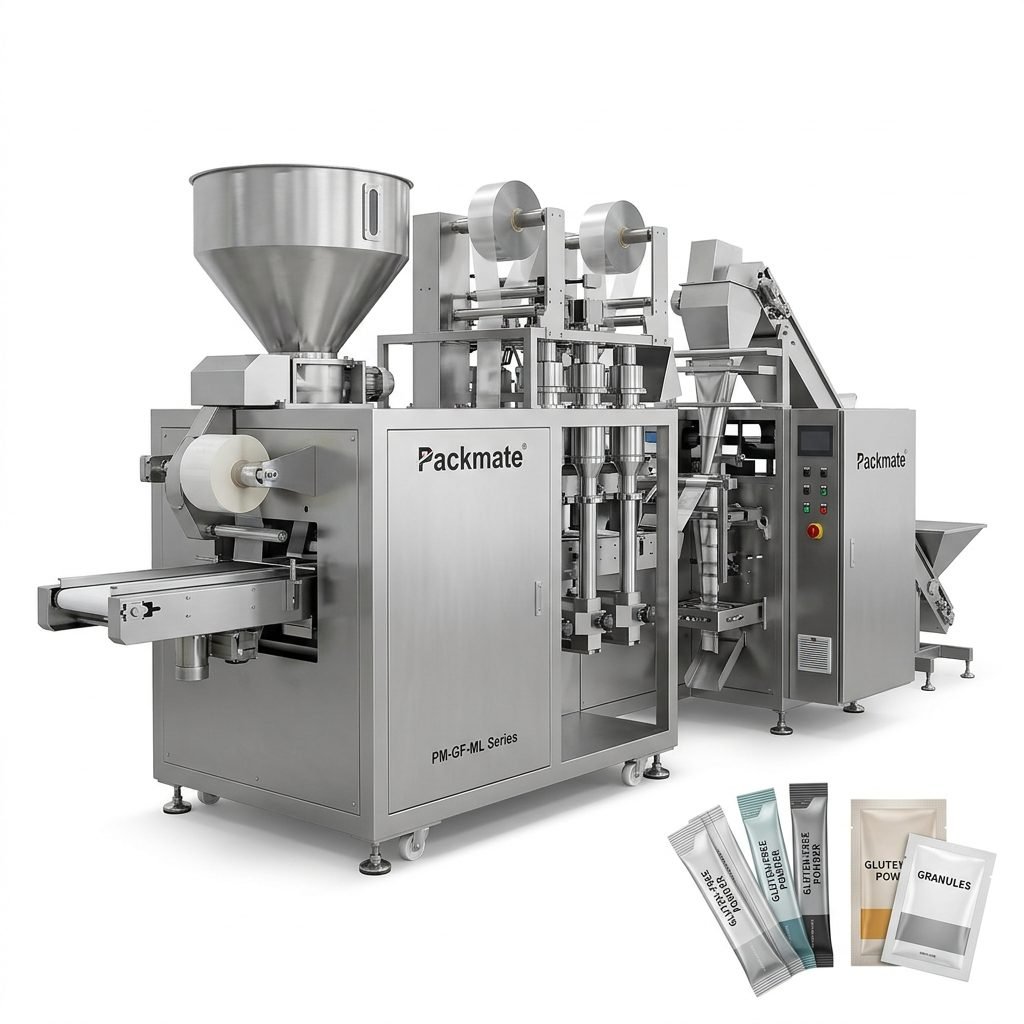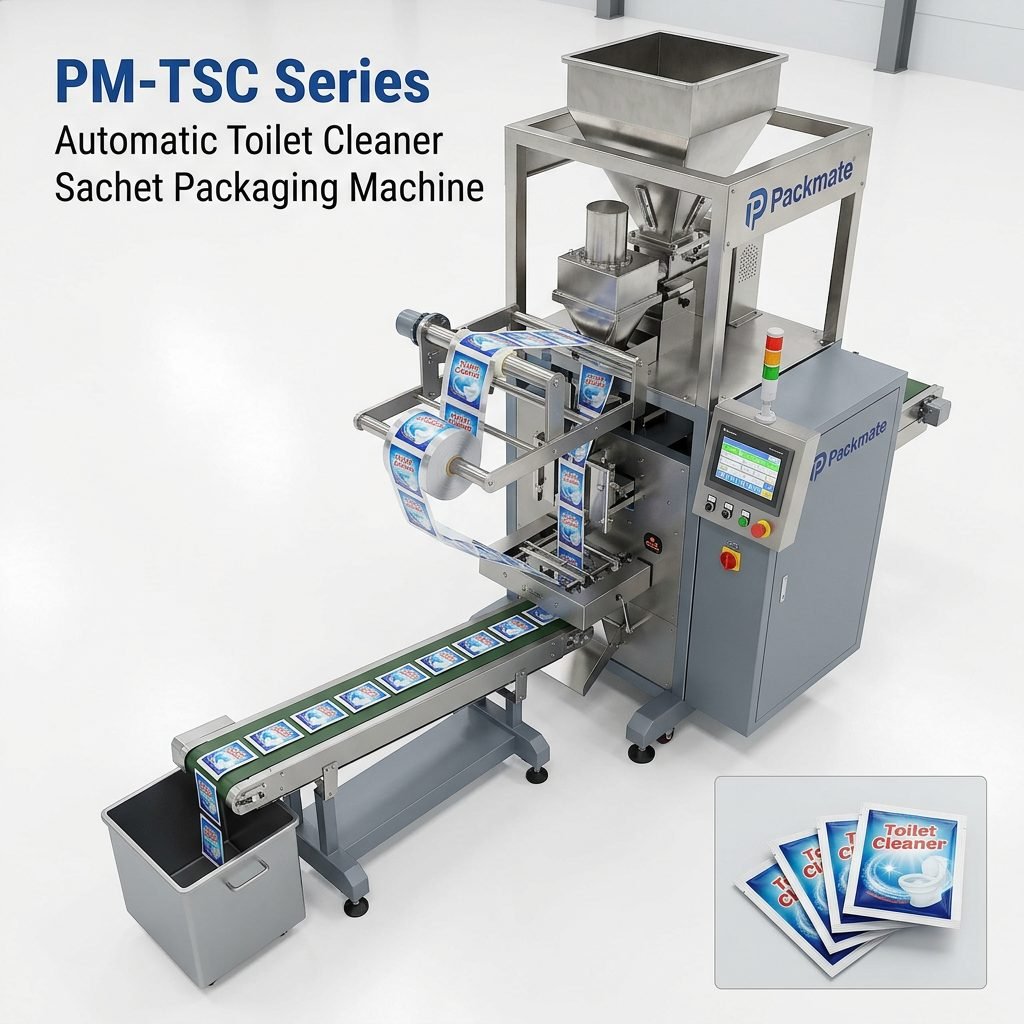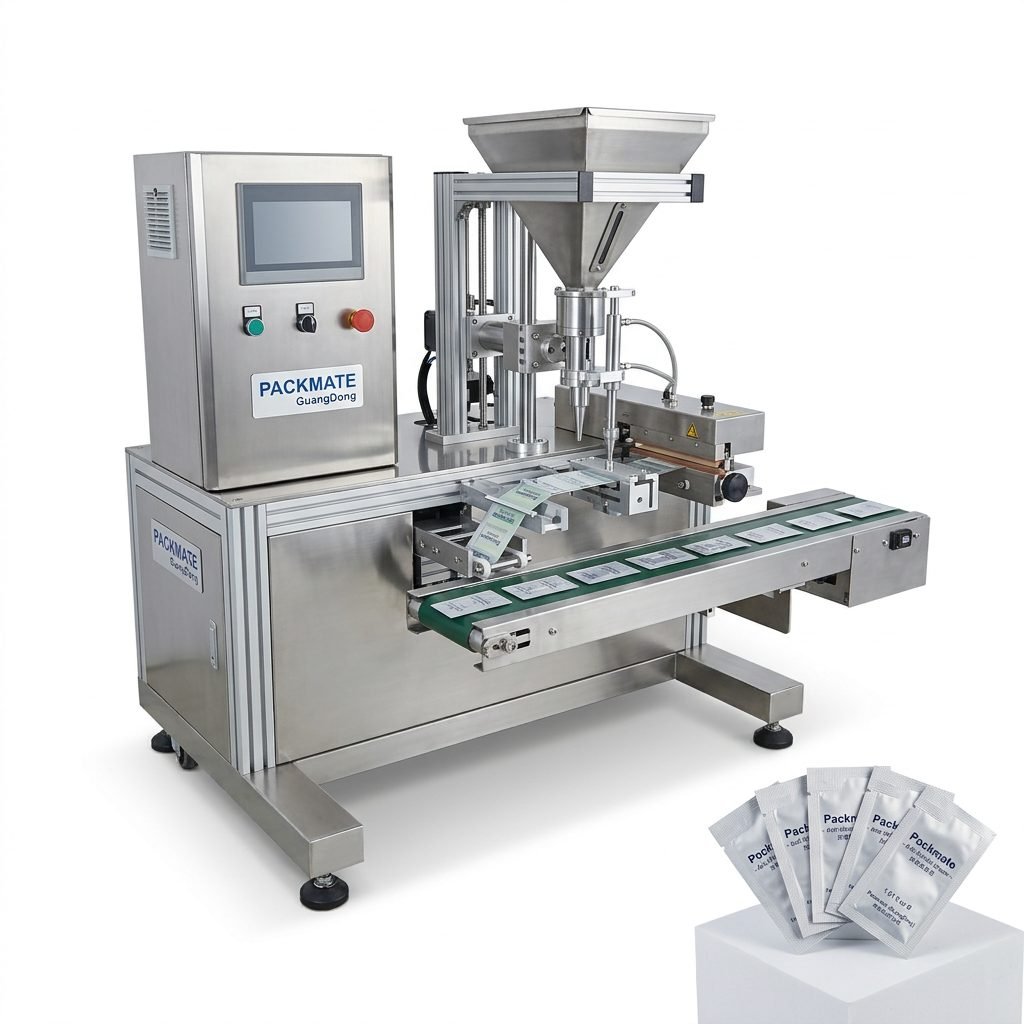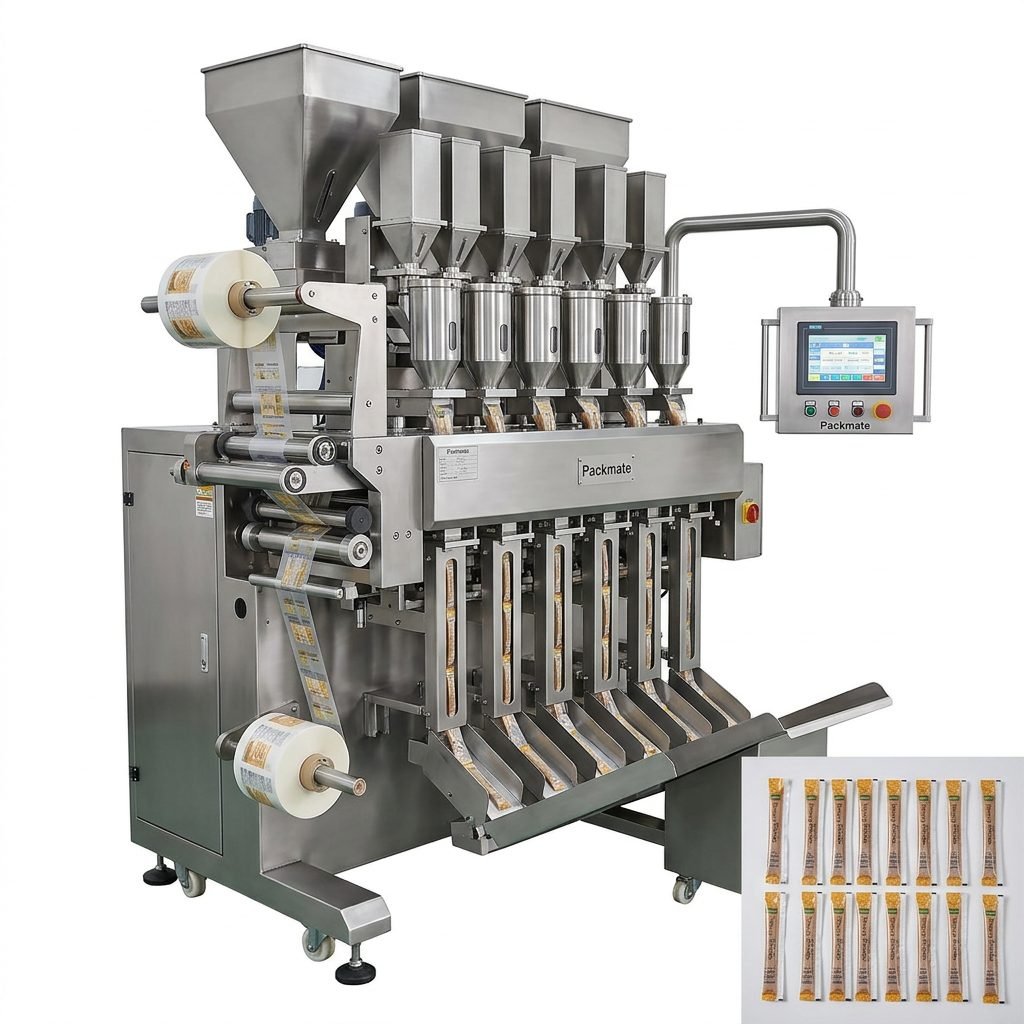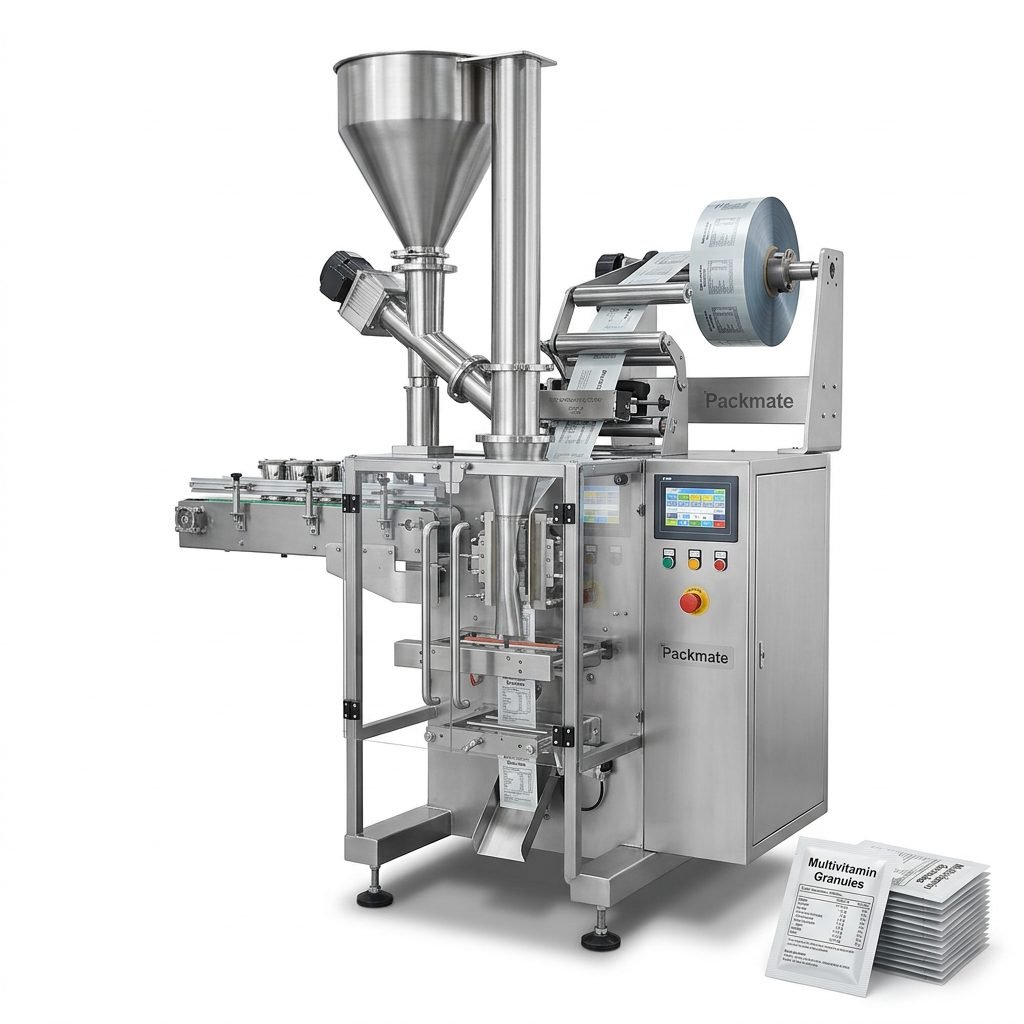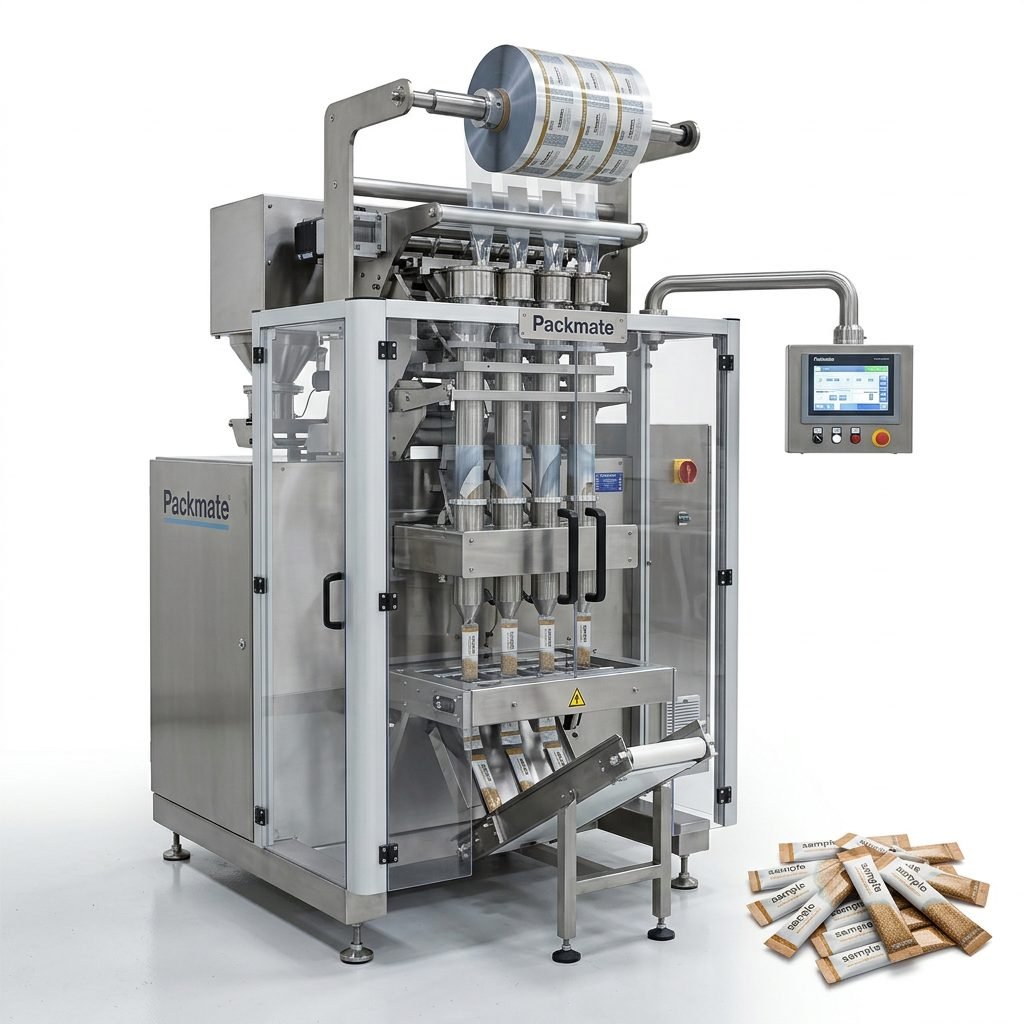
In the dynamic world of manufacturing, the packaging line technician stands as a pivotal figure, ensuring the seamless operation of systems that deliver products to consumers. This comprehensive guide explores the essential skills, core responsibilities, and promising career trajectory for professionals in this vital field, with insights drawn from industry leaders like Packmate (GuangDong) Co., Ltd..
Core Skills for the Modern Packaging Technician
Succeeding as a packaging line technician requires a diverse and evolving skill set that blends technical knowledge with practical problem-solving.
Technical & Mechanical Proficiency
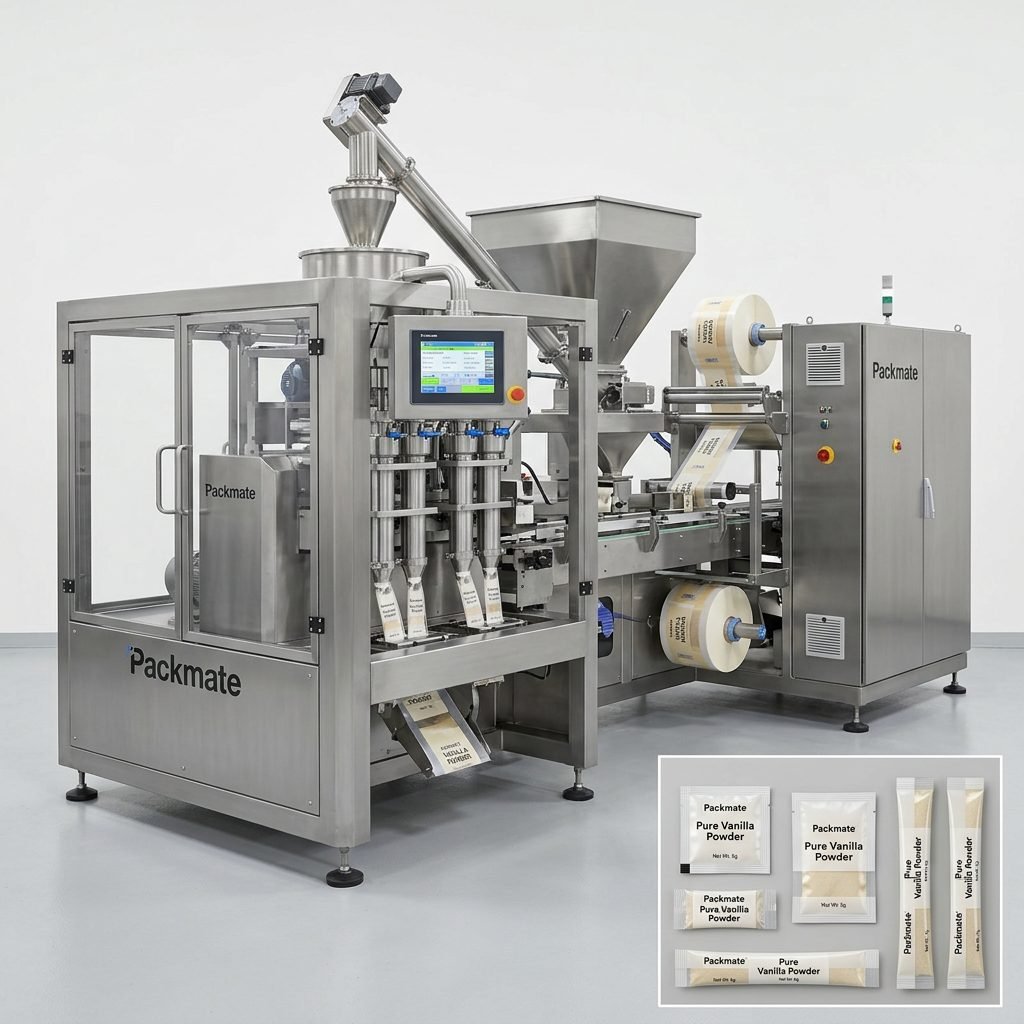
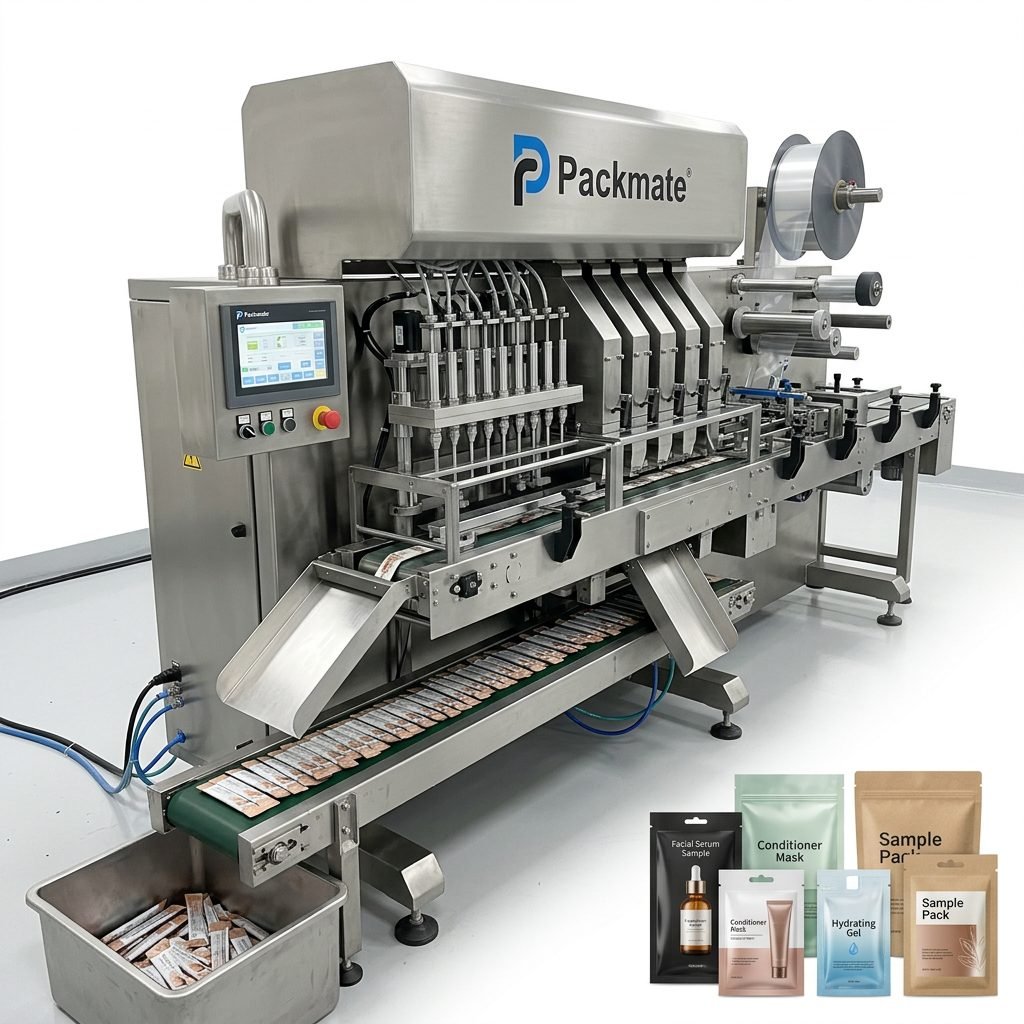
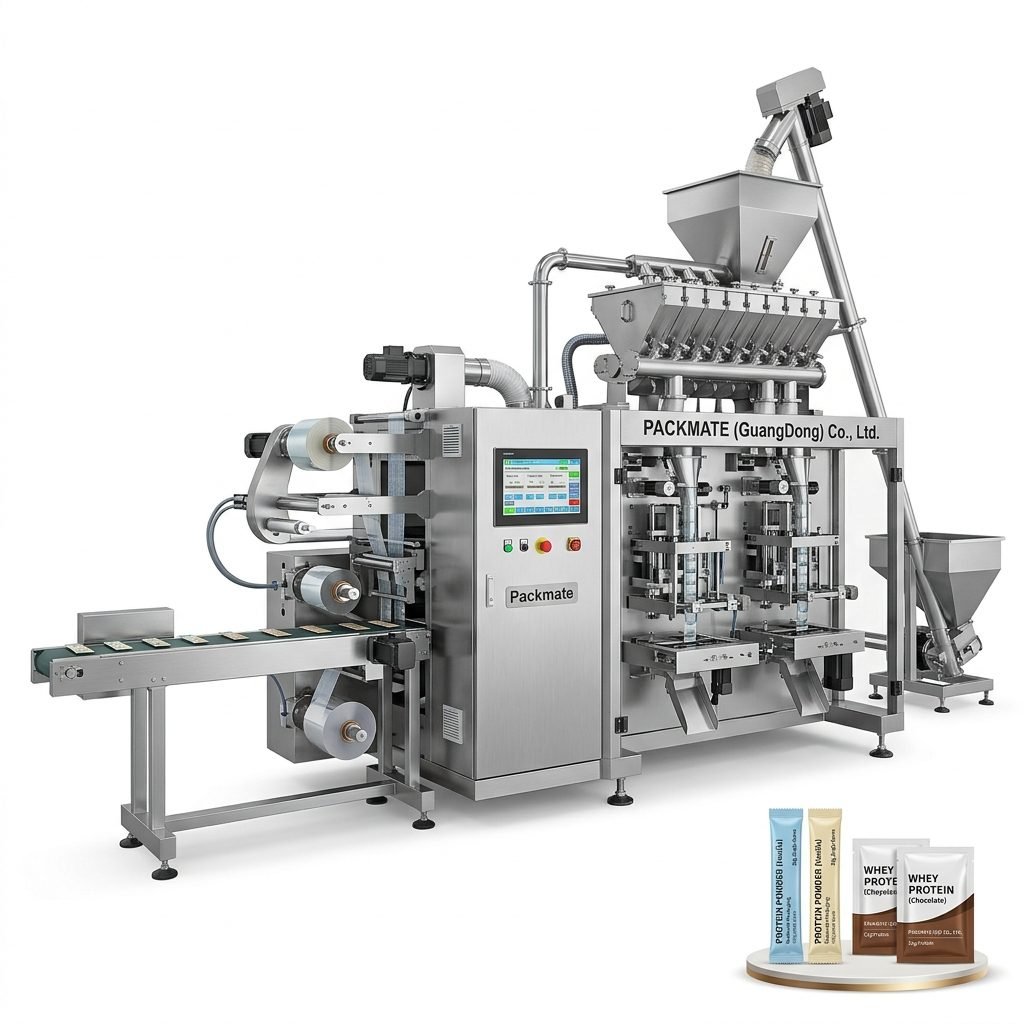
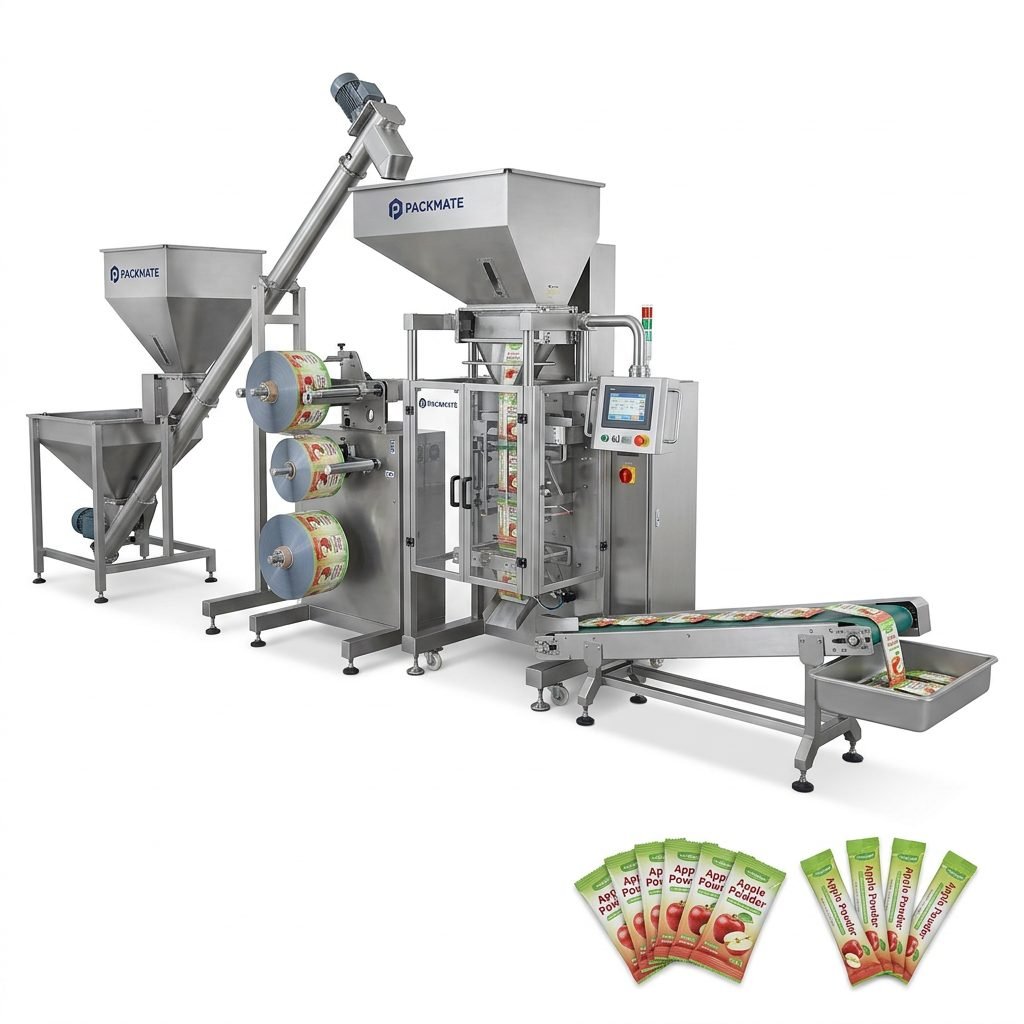
At the heart of the role is a deep understanding of mechanical systems. Technicians must be adept at operating, adjusting, and maintaining complex machinery. This includes servo motors, pneumatic systems, conveyors, fillers, sealers, and labelers. Familiarity with Programmable Logic Controllers (PLCs) and human-machine interfaces (HMIs) is increasingly critical, as modern lines like those from Packmate’s advanced solutions are heavily automated.
Key Technical Skills:
- Preventive & Corrective Maintenance: Executing scheduled checks and swiftly troubleshooting breakdowns.
- Precision Alignment & Calibration: Ensuring filling heads, sealing jaws, and cutters are perfectly set for product integrity.
- Blueprint & Schematic Reading: Interpreting technical documents for installation and repair.
- Basic Understanding of Robotics: For lines incorporating pick-and-place or palletizing units.
Problem-Solving & Analytical Thinking
When a line stops, production stops. Technicians must quickly diagnose issues—whether mechanical, electrical, or software-related—and implement effective solutions. Analytical skills help in reviewing machine data and performance logs to identify recurring problems and propose long-term fixes, a practice essential for maintaining the high reliability expected in diverse production environments.
Attention to Detail & Quality Focus
A minor misalignment can lead to significant waste or product recalls. Technicians must have an eagle eye for detail, ensuring every parameter—from seal integrity and fill weight to label placement—meets stringent quality standards. This focus directly supports a company’s commitment to quality, much like the core value upheld by industry leaders.
Primary Responsibilities on the Production Floor
The day-to-day duties of a packaging line technician are multifaceted, ensuring continuous and efficient operation.
Machine Setup & Changeover
Technicians are responsible for preparing lines for production runs, which involves installing the correct tooling (forming tubes, filling nozzles), loading packaging materials (film, cartons), and inputting machine parameters. Efficient changeover (SMED – Single-Minute Exchange of Die) is crucial for flexible manufacturing responding to different product formats.
Ongoing Monitoring & Adjustment
Once running, technicians continuously monitor line performance, making micro-adjustments to counter material variations or environmental factors. They track key performance indicators (KPIs) like Overall Equipment Effectiveness (OEE), downtime, and waste rates.
A Technician’s Operational Checklist:
- Start-of-Shift Inspection: Verify safety guards, lubrication levels, and clear machine pathways.
- In-Process Quality Checks: Sample and test packages for weight, seal strength, and appearance at defined intervals.
- Material Management: Ensure a seamless supply of primary and secondary packaging materials to the line.
- Documentation: Accurately log production data, maintenance activities, and any deviations from standard procedure.
Safety & Compliance Stewardship
Technicians enforce safety protocols, ensuring all guards are in place and lock-out/tag-out procedures are followed during maintenance. They also ensure the line complies with relevant industry regulations, such as GMP (Good Manufacturing Practice) for pharmaceuticals or food safety standards.
Navigating the Career Path: From Technician to Expert
The role offers a clear and rewarding progression for dedicated individuals.
Entry-Level: Packaging Line Operator/Assistant
Newcomers often start by assisting senior technicians, learning basic operations, material handling, and routine cleaning. This stage builds foundational knowledge of the line’s workflow and components.
Mid-Level: Certified Packaging Line Technician
With experience and formal training, technicians take full responsibility for one or more lines. They perform complex troubleshooting, lead changeovers, and may begin to supervise operators. Pursuing certifications from equipment manufacturers or industry bodies enhances credibility and skill.
Senior-Level: Lead Technician / Specialist / Engineer
Senior technicians become subject matter experts, often specializing in a specific machine type (e.g., form-fill-seal) or technology. Responsibilities expand to include training junior staff, managing spare parts inventory, collaborating with engineering teams on line upgrades, and contributing to continuous improvement projects.
The Future: Automation & Integration
The career path is increasingly leaning towards advanced automation and systems integration. Technicians with skills in industrial networking, data analytics (IIoT – Industrial Internet of Things), and collaborative robotics will be at the forefront. The ability to work with fully integrated turnkey packaging lines, which combine multiple units into a synchronized system, is a highly valued expertise, mirroring the complete solutions provided by modern manufacturers.
Building a Successful Career in Packaging
To thrive, aspiring technicians should pursue vocational training in mechatronics, industrial maintenance, or electrical engineering. Hands-on apprenticeship programs are invaluable. Staying updated through industry publications, trade shows, and training from OEMs (Original Equipment Manufacturers) is essential. Developing soft skills like communication and teamwork is equally important for collaborating with production managers, quality control, and logistics personnel.
The role of the packaging line technician is more critical than ever. As lines become faster, smarter, and more integrated, the technician evolves from a mechanic to a highly skilled technologist, ensuring the vital link between production and the consumer functions flawlessly. It is a career built on precision, problem-solving, and continuous learning, offering stability and growth at the core of global manufacturing.
Frequently Asked Questions (FAQs)
What educational background is needed to become a packaging line technician?
A high school diploma is often the minimum, but a post-secondary certificate or associate degree in industrial maintenance, mechatronics, or electromechanical technology is highly preferred and can significantly accelerate career advancement.
What is the most challenging part of a packaging technician’s job?
Many technicians cite troubleshooting intermittent faults as a major challenge. Unlike clear breakdowns, these elusive issues require systematic analysis, patience, and deep system knowledge to diagnose and resolve without causing prolonged downtime.
How is the role changing with Industry 4.0?
Technicians are transitioning from reactive fixers to proactive data analysts. They now use IIoT sensors and dashboard analytics to predict failures (predictive maintenance), optimize machine settings in real-time, and interface more with manufacturing execution systems (MES).
Are there opportunities for specialization within this field?
Absolutely. Technicians can specialize in specific industries like pharmaceuticals (requiring sterile cleanroom knowledge), food & beverage, or chemicals. Others specialize in machine types: cartoning, blister packing, vial filling, or high-speed flexible packaging lines.
What advice would you give to someone starting in this career?
Be curious and hands-on. Never stop learning about how the machines work. Develop a strong foundation in both mechanical and electrical principles. Build a network with experienced technicians and engineers, and always prioritize safety and quality in every task you perform.